
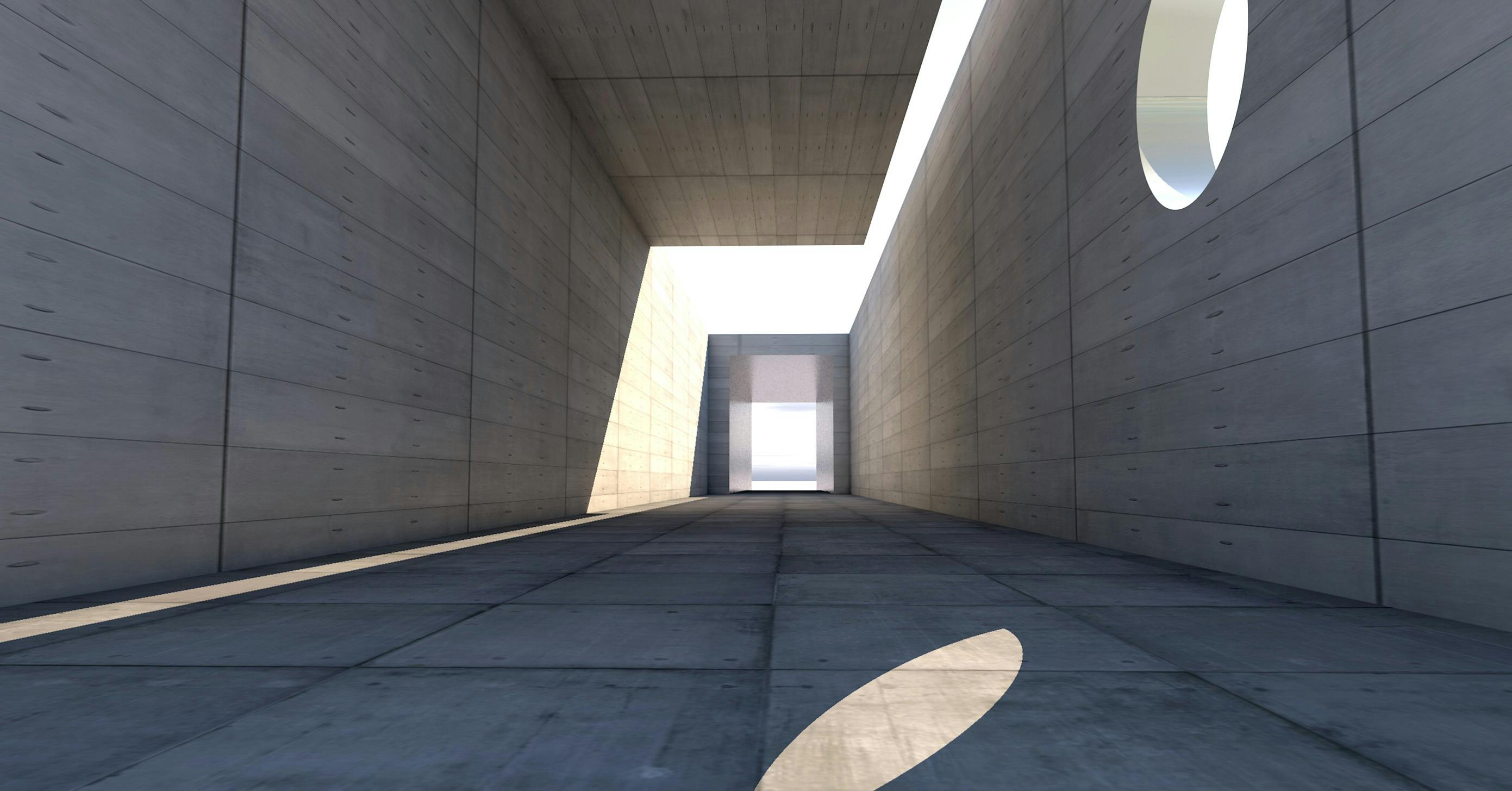
IMAGE: Contemporary building corridor featuring smooth concrete surfaces, minimalist design, and strong geometric lines that convey modern simplicity and architectural strength.
2025 Architecture Styles: Modern, Minimalist, and More
Architecture is the process of shaping space to meet real human needs—where we live, work, and interact every day.
Architecture is how we shape space to solve real problems.
It’s what turns empty lots into homes, chaotic halls into calm offices, and awkward corners into usable rooms.
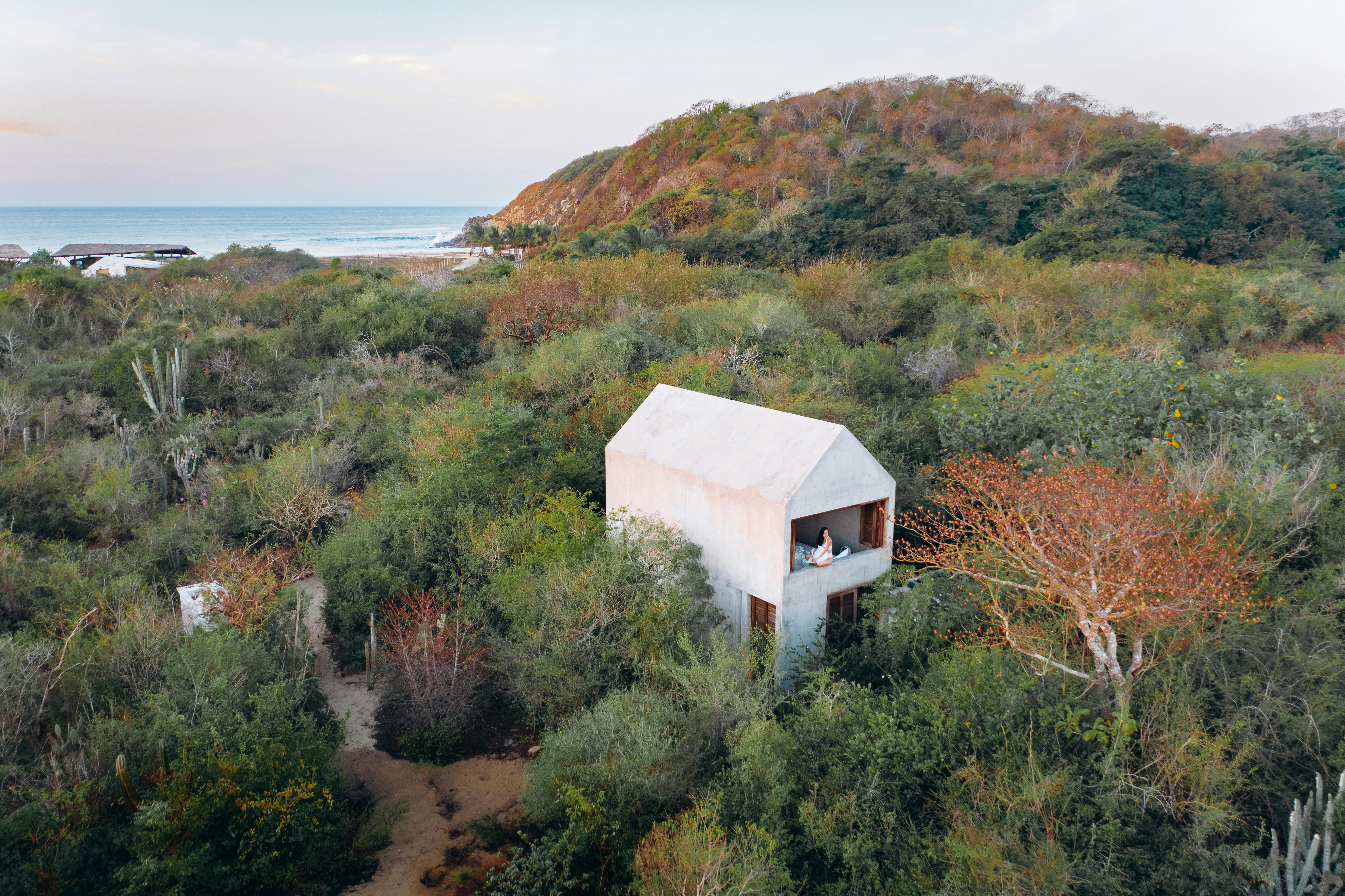
IMAGE: Modern tiny house concept in Mexico featuring a white wooden structure set on a green grass field beside a calm body of water—showcasing minimalist, nature-integrated living.
In 2025, the leading styles mix function with bold clarity. For architects, these styles offer tools to rethink how people live. For students and homeowners, they’re a way to study, plan, or simply find better ways to use space.

Today’s designs work harder.
Clean lines, warm materials, flexible layouts, and low-impact strategies are leading the way. From sleek minimalism to sustainable builds with recycled materials, the focus is on real-world performance—and long-term value.
Example Worth Noting:
The Nautilus House in Mexico (not Texas)—designed by Javier Senosiain—is shaped like a seashell. It’s weird, brilliant, and livable. Proof that functional space doesn’t have to be boring.
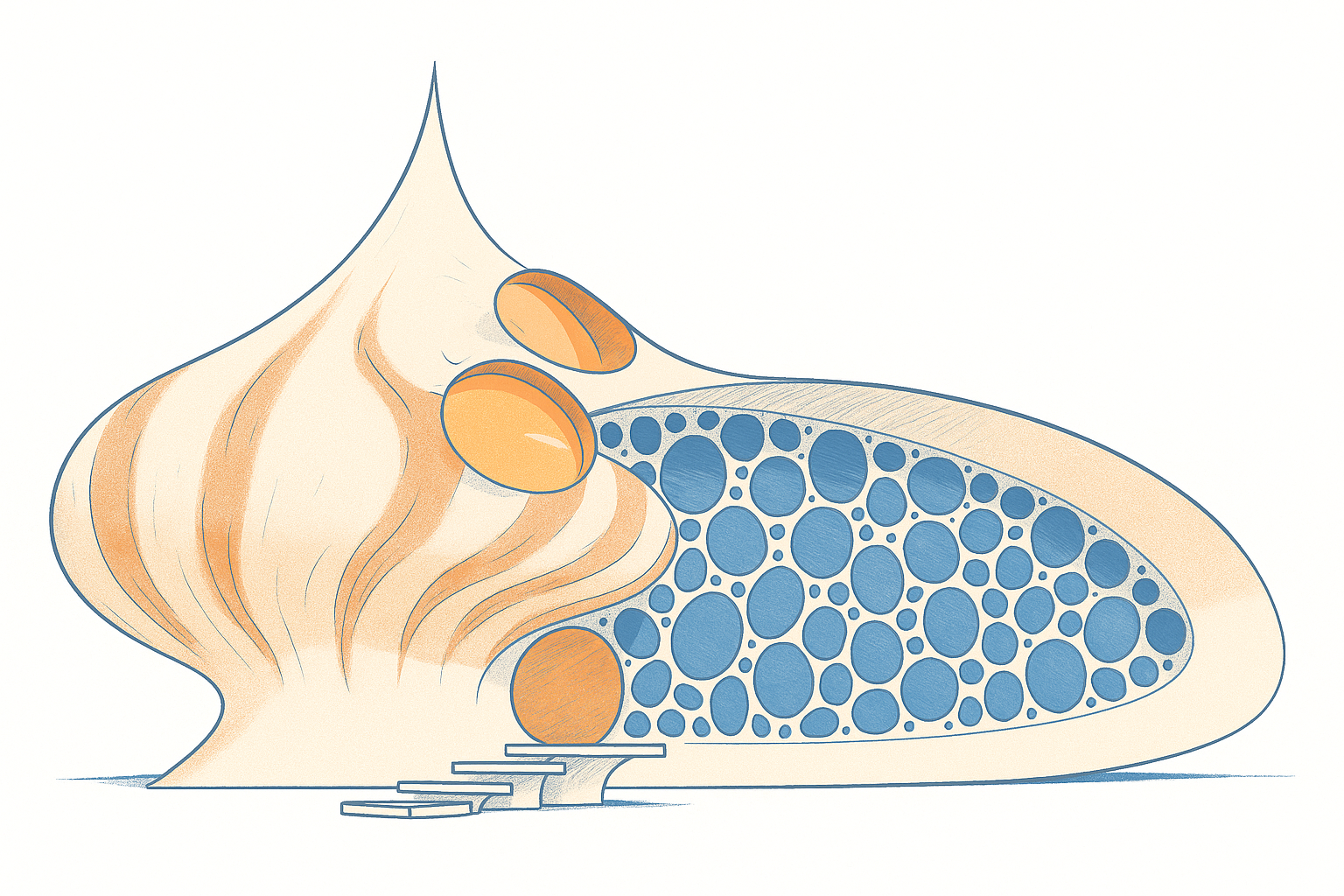
IMAGE: The Nautilus House in Mexico, designed by Javier Senosiain, features a seashell-shaped organic structure that merges surreal form with practical, livable interior space.
Must Read: The Architecture of Happiness
Modern Architecture in Real Life: Clean, Smart, and Built to Work
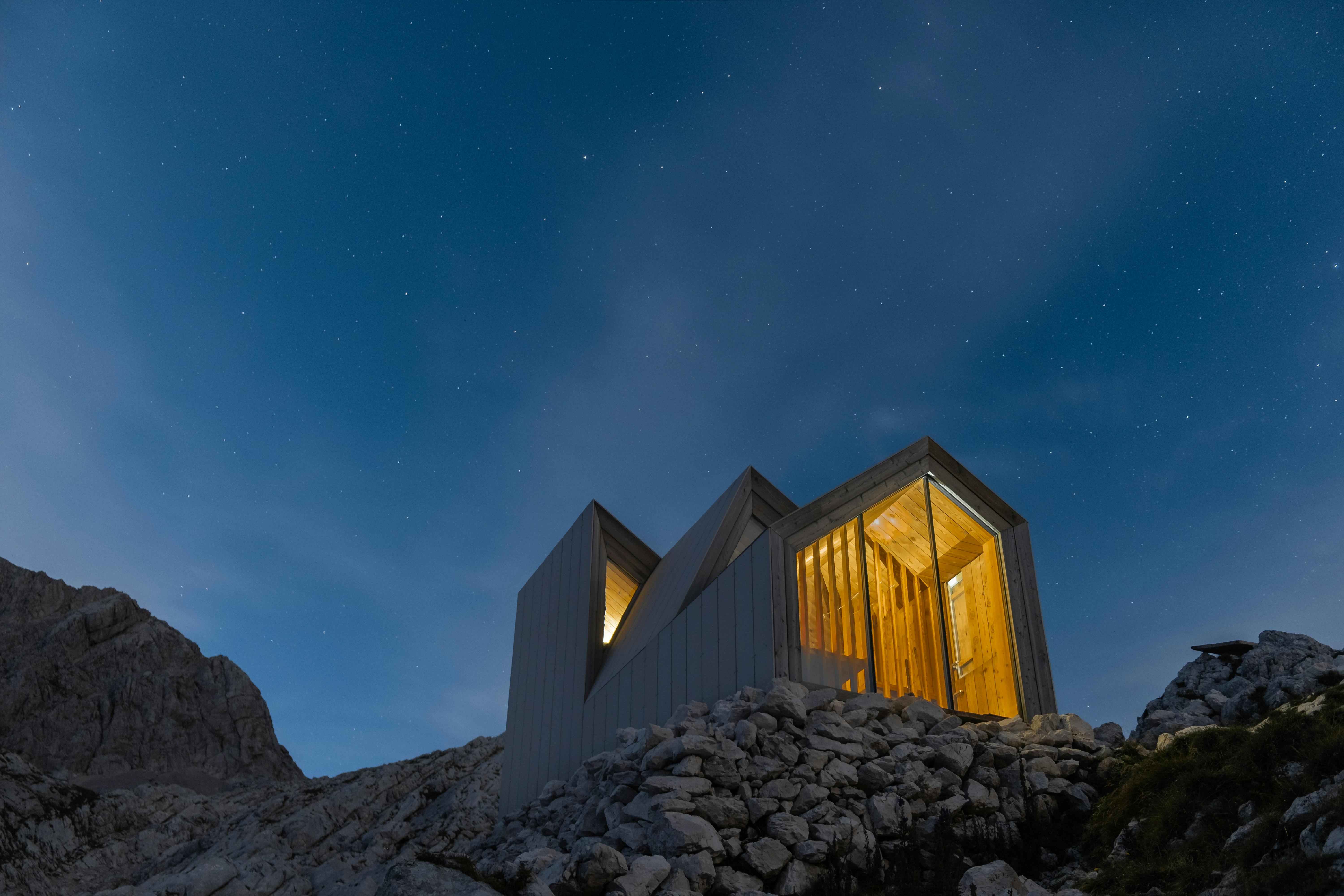
IMAGE: Modern minimalist cabin designed by Rok Romih, set on rocky ground near Kranj, Slovenia—blending contemporary retreat design with natural alpine surroundings.
Modern architecture focuses on space that works — open, efficient, and smart. No wasted moves. Just clean lines, honest materials, and clear thinking behind every decision. It’s design that fits real life.
What Modern Really Means
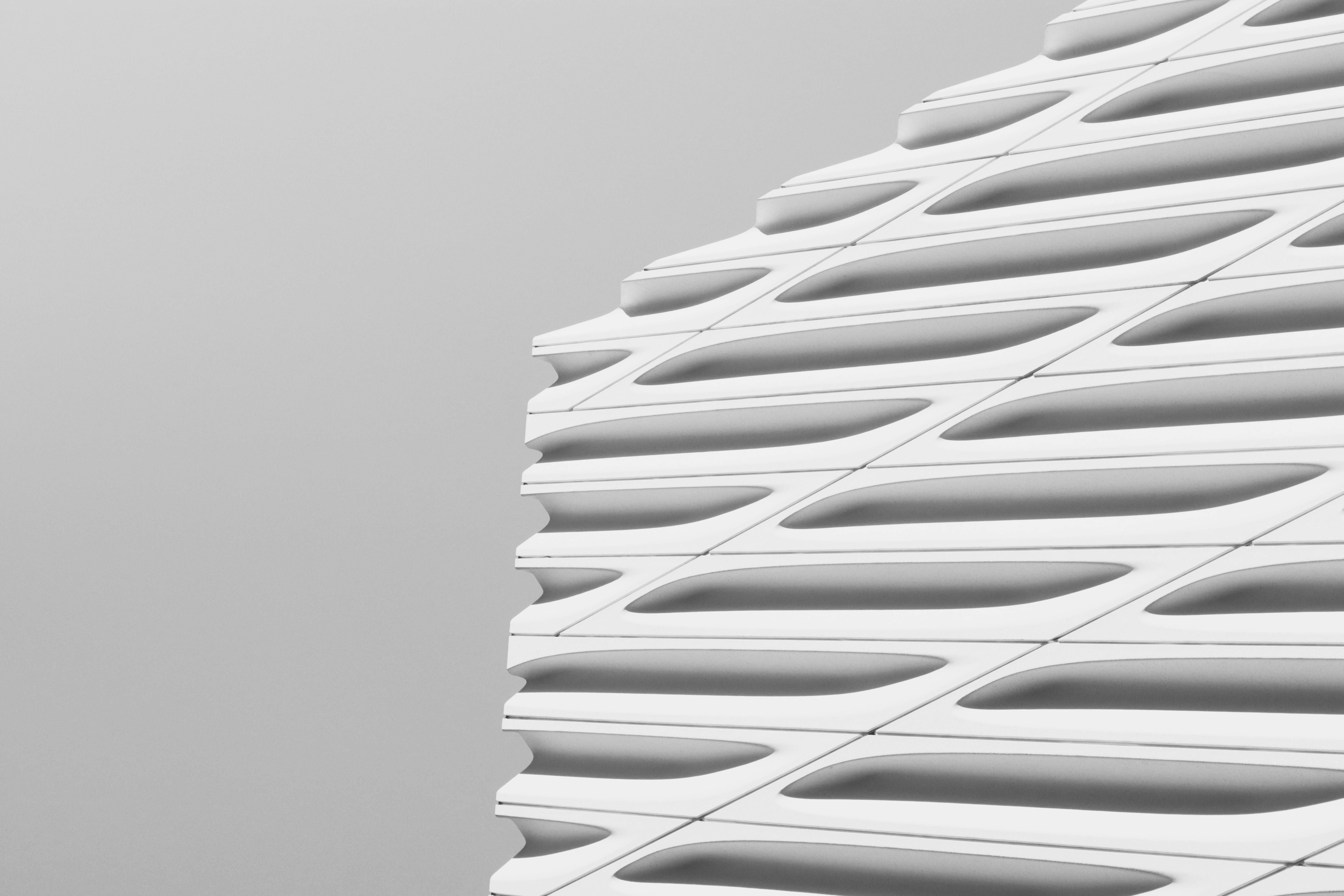
IMAGE: Modern building facade showcasing sleek white surfaces and minimalist geometric forms, exemplifying contemporary architectural style with simplicity and elegance.
Forget the romantic buzzwords. Modern architecture focuses on:
▪ Straight lines and simple shapes
▪ Open layouts that breathe
▪ Natural light and indoor-outdoor flow
▪ Efficient materials like steel, glass, and concrete
You're not just designing something that looks good. You're building something that works.
What to focus on:

- Function first, then form
- Space-saving moves (like built-ins)
- Layouts that adapt to real-life use
Space That Feels Bigger Than It Is
One of modern design’s biggest tricks: making small spaces feel open.
Real-life tip: I once worked on a narrow urban home where the client didn’t want it to feel cramped. We added:
▪ Floor-to-ceiling glass along one side ▪ A central open staircase with no risers ▪ Hidden storage under every stair tread
The result? A tight house that felt twice its size.
Material That Does the Heavy Lifting

Forget the flashy materials. Modern design is about clarity and function.
▪ Steel for structure and slim profiles
▪ Glass for connection and natural light
▪ Concrete for sculptural mass and thermal efficiency
Trick: Use contrasting materials to define zones. I once used polished concrete floors in the living room and warm wood in the kitchen to split an open plan without walls.
Example to learn from:
Case Study House #22 (Stahl House) — mid-century modern glass box in LA with an unforgettable city view.
Function-Driven Planning
Modern design starts with how people move, live, and use a space—not just how it looks.
▪ Kitchens open to living rooms ▪ Multi-use rooms that adapt over time ▪ Built-ins instead of bulky furniture
What to avoid: ✕ Over-designing. Simplicity is harder than it looks.
Light as a Design Tool
Modern architecture uses light like a material. Big glazing, skylights, and clerestory windows shape the mood and volume.
What to try:
- South-facing glass in cold climates
- Deep overhangs to reduce heat in hot zones
Example: Farnsworth House — It’s basically floating glass. Shows how powerful natural light can be.
When It Goes Wrong
Not every modern project nails it. I’ve seen:
▪ Cold, echoey rooms with zero personality
▪ Open plans that don’t hide clutter
▪ Windows that overheat a room
How to avoid it:
- Always prototype layout on paper or 3D
- Walk through it mentally: "Where’s the mess go?"
- Light control matters—add shades and thermal breaks
What It Took (From the Field)
On one job, the client wanted a full modern look—glass walls, flat roof, cantilevered corner. But budget was tight. We had to:
▪ Use structural insulated panels instead of steel beams
▪ Swap stone for polished concrete
▪ Design every wall to double as storage
The end result? Still modern. Still open. Just smarter and more affordable.
Don’t Just Copy the Look

IMAGE: The Heydar Aliyev Centre in Baku, Azerbaijan, featuring smooth, curved surfaces and dynamic modern design by Zaha Hadid, symbolizing innovation in contemporary architecture.
Modern architecture isn’t a Pinterest board. It’s a way of thinking:
▪ What does this space need to do?
▪ What materials get me there cleanly?
▪ What can I remove—not add—to solve the problem?
Focus on clarity. Focus on purpose. That’s how to do modern right.
Related: Building Materials 101: Key Choices for Construction and Design
See also: Modern Architecture Since 1900 by William J.R. Curtis
Minimalist Architecture: Simplicity at Its Best
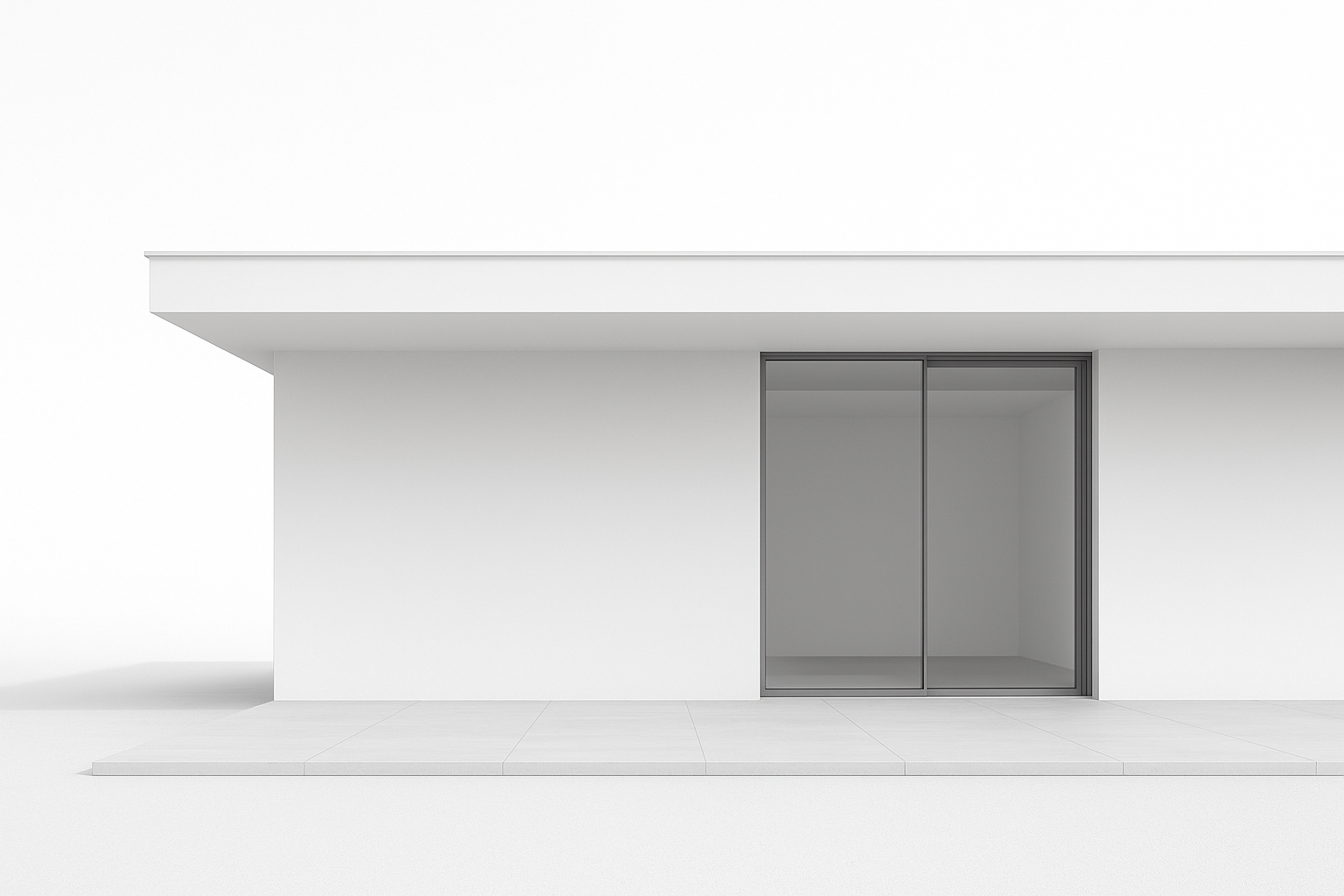
IMAGE: Elegant minimalist architecture emphasizing simplicity, clean lines, open spaces, and functional design for a calm, uncluttered living environment.
Minimalist architecture isn’t about stripping away just for looks—it’s about designing smarter. The best minimalist homes aren’t empty. They’re intentional. Every detail, surface, and piece of furniture earns its place.
Minimalist Architecture That Actually Works

IMAGE: Contemporary minimalist A-frame architecture in Rotterdam, featuring clean lines and simple, uncluttered design in an urban setting.
What Minimalism Really Means
▪ Strip away anything that doesn’t serve a purpose.
▪ Focus on space, light, and flow—not decoration.
▪ Use honest, high-quality materials that don’t need to hide.
What to focus on:
- Function first—don’t design around objects.
- Less furniture, more flexibility.
- Keep materials consistent for calm and clarity.
Real Insight: One client wanted a hyper-minimal look, but kept bringing in clutter. We built wall-to-wall cabinetry with push-latch doors. Zero handles, zero visual noise. Hidden storage saved the vision.
Neutral Doesn’t Mean Boring
Minimalism uses restraint—but it’s not lifeless. Done right, a neutral palette creates warmth, not coldness.
How to get it right: ▪ Stick to whites, off-whites, soft greys, warm wood tones.
▪ Layer textures—stone, linen, matte finishes.
▪ Let sunlight do the color work.
Example: John Pawson’s home uses pure white walls, but brings warmth through wood floors and diffused daylight. Nothing feels sterile.
Plan for Open Layouts (With Smart Storage)
Minimalist layouts feel open—not because they’re big, but because they’re uncluttered.
What to do:
- Use built-in storage (benches, walls, stair drawers)
- Ditch room dividers unless they serve a clear function
- Anchor the space with one or two strong furniture pieces
Example: Tadao Ando’s Row House feels open and calm—with nothing in the way of flow, light, or structure.
🇯🇵 The Japanese Influence
Minimalism has deep roots in Japanese architecture: tatami rooms, sliding panels, natural light, and exposed timber.
Why it works:
- Prioritizes harmony and restraint
- Invites stillness and clarity into the home
Example: Muji House combines traditional Japanese simplicity with modern living—open plan, clean finishes, no clutter.
What Can Go Wrong
Minimalist design fails when it’s only surface-level.
✕ Cold materials that echo or feel sterile
✕ No storage = constant mess
✕ Too much white with no texture or warmth
Fix it:
Use soft finishes, think about acoustics, and always plan for hidden storage.
What I’ve Learned on Real Projects
I’ve built minimalist homes that worked—and some that didn’t.
Biggest lessons:
- Clients need flexible living. Built-ins > furniture.
- Light is everything. Use glass, skylights, and overhangs.
- Materials carry the emotion. Concrete can feel warm if used right.
One trick I use: Conceal lighting inside ceiling reveals. No fixtures. Just soft glow.
Minimalism goes beyond aesthetics. Minimalism is a conscious decision.
Good minimalist architecture is about making space feel better. Not just look better.
If you’re planning a minimalist space:
- Start with one room.
- Think like a builder, not a decorator.
- Keep only what matters.
That’s how you make it work. Clean. Clear. Calm.
Related: Neutral Color Palettes to Match Any Style
Sustainable Architecture: Smart, Green, and Surprisingly Cool
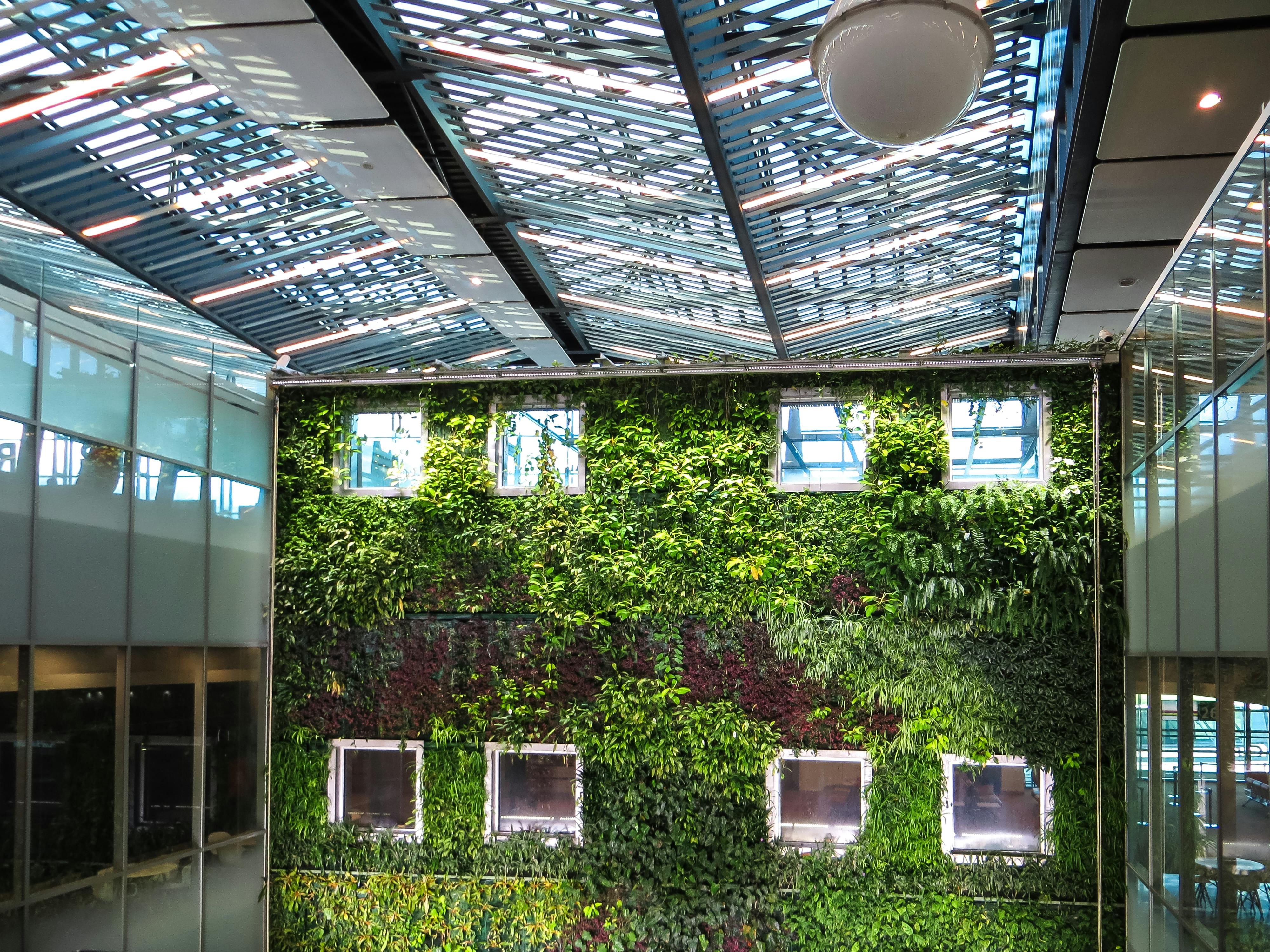
IMAGE: Sustainable interior design featuring natural sunlight filtering through a specialized roof and abundant greenery growing on the walls, creating a healthy, eco-friendly environment.
Forget the buzzwords—sustainable architecture is about building smarter. It cuts waste, slashes energy bills, and makes better places to live.
Use Better Materials, Not Just "Green" Ones
Don’t just pick eco-materials for the label. Choose ones that actually last, save money, and reduce waste.
What to focus on:
-
Reclaimed wood, recycled steel, and low-VOC finishes
-
Local materials that cut transport costs
-
Smart layering for insulation
Example:
We used salvaged barn wood for a small community hall. It didn’t just save money—it looked better and came with a story. Visitors still ask about it.
Projects worth checking out:
-
Bullitt Center (Seattle): Solar-powered, composts its own waste.
-
Earthships (Global): Built with tires, bottles, and off-grid tech.
Sustainable Architecture: Just Smart Design
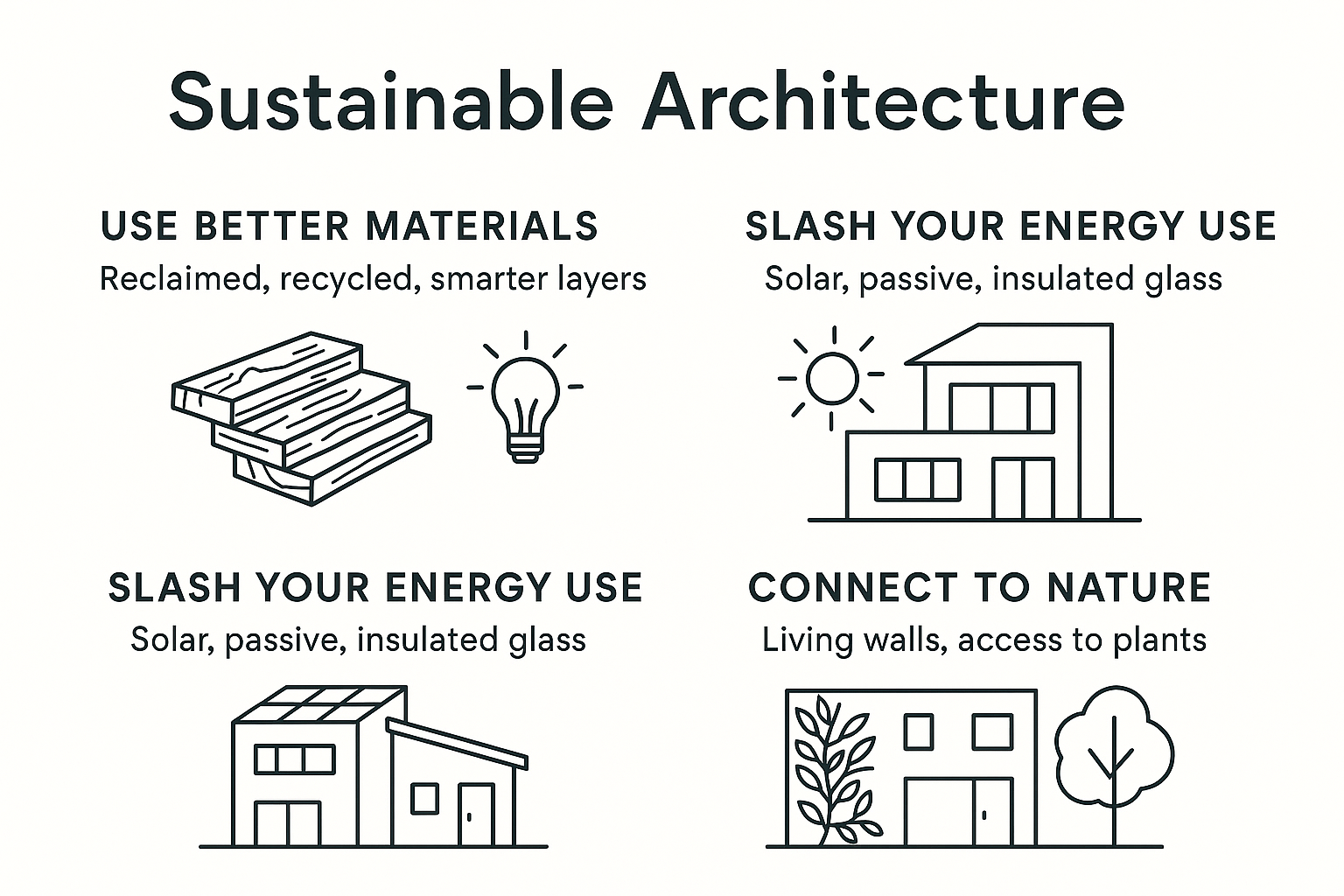
Slash Your Energy Use—And Your Bills
Sustainability isn’t about suffering in the dark. It’s about smart systems that work harder for you.
What to use:
-
Solar panels and water heaters
-
Insulated glazing and thermal mass
-
Passive ventilation and shading
Example:
We retrofitted a postwar home with solar water heating and insulated glass. Energy bills dropped by 30%. ROI in under 3 years.
Top case studies:
-
The Edge (Amsterdam): Learns when to heat, light, or power down.
-
Bosco Verticale (Milan): Trees on every level, cutting heat naturally.
Connect to Nature (For Real)
Biophilic design isn’t a trend—it’s proven to boost mood and focus. Let nature in.
Tactics that work:
-
Living walls and green roofs
-
Daylight design and cross-ventilation
-
Direct visual access to plants and trees
Example:
We added a vertical garden behind a bar wall. It filtered air, boosted the restaurant’s vibe, and made it instantly Instagrammable.
Best examples:
-
Fallingwater (Frank Lloyd Wright): Built into a waterfall.
-
Amazon Spheres (Seattle): Indoor rainforest in the heart of downtown.
Quick Truths You Might Not Know:
▪ Green roofs can double a roof’s life span. One client saved 15 years of roof repairs.
▪ Milan’s Bosco Verticale has over 900 trees—on two buildings.
Why It Actually Matters
Sustainable design isn’t extra—it’s better design.
It works harder. Costs less over time. Feels better to live in. And yes—it still looks damn good.
If you’re building or renovating, sustainable doesn’t mean “hippie.”
It means you thought it through.
See also: Biophilic Design: Transforming Cities with Nature-Inspired Architecture
Traditional Architecture: Classic Designs and Real Character
Classic Designs That Speak for Themselves
Traditional Architecture: Built to Last, Designed to Feel

Traditional architecture brings warmth, proportion, and history into every corner. It's not just about arches and stone—it's about buildings that feel real, rooted, and human. Here's what to pay attention to:
Classic Forms That Just Work
Traditional design uses balance, repetition, and symmetry. These aren’t trends—they’re design moves that have stood the test of time.
Focus On: ▪ Proportions — doors, windows, and rooflines that feel right. ▪ Materials — natural, local, and weathered with charm.
Example: ▪ The White House, DC — Columns and symmetry send a clear message: calm, power, permanence. ▪ Cotswold cottages — Soft limestone walls that blend right into the hills.
From My Own Work: We once restored a farmhouse using salvaged brick from the same valley. It looked like it had always been there—because in a way, it had.
Local Materials That Fit the Land
Traditional buildings use what’s nearby. It’s practical, beautiful, and climate-smart.
What to Focus On: ▪ Stone in rocky areas, adobe in dry zones, brick where clay is easy to find. ▪ Let materials weather naturally—don’t fight patina.
Example: ▪ Santa Fe homes — Adobe that cools in summer, insulates in winter.
Real Insight: During a cottage renovation, we sourced stone from just a mile away. Cheaper, greener, and it tied the house to the land in a way no store-bought tile could.
Details That Tell a Story
The beauty of traditional architecture lies in its details—carvings, tiles, wrought iron, brick patterns.
Try This: ▪ Use one standout feature: a hand-carved column, a patterned floor. ▪ Don’t overdo it—let quality show, not quantity.
Example: ▪ The Alhambra, Spain — 100+ rooms, all with different finishes.
Field Tip: We added one custom tile strip around a fireplace. That’s all it needed to go from plain to personal.
Why Traditional Still Wins
It’s timeless because it’s human. These buildings make sense—they age well, live well, and work anywhere.
Final Thought: Skip trends. Build with heart, not hype. Traditional design knows what lasts.
Also: The Timeless Way of Building by Christopher Alexander
Contemporary Architecture: Bold Moves That Actually Work
Contemporary architecture breaks old rules but keeps what matters—comfort, clarity, and creativity.
It’s not weird for the sake of weird. It’s smart, efficient, and personal.
Clean Forms, New Ideas
Contemporary buildings often use bold shapes, unusual angles, and new tech—but they’re still grounded in function.
Focus On: ▪ Letting light in. ▪ Making shapes work for you.
Examples: ▪ Guggenheim Bilbao — Curves, metal, drama. ▪ The Shard, London — Glass like a knife, cutting into skyline.
My Take: On one project, we used perforated steel for privacy and airflow. Looked slick. Worked better.
Blending Styles Without Losing Focus
Contemporary isn’t one style—it’s a mix. A little modernism here, some nature there. Done right, it works.
Try This: ▪ Mix concrete and wood. ▪ Use contrast—light vs dark, smooth vs raw.
Example: ▪ Heydar Aliyev Center — No sharp angles, just flowing space.
From My Notebook: A client asked for minimalist-meets-industrial. We gave them concrete floors, oak cabinetry, and huge windows. Still one of the coziest spaces I’ve done.
Comfort That’s Built In
At its core, contemporary design is about living well. Big views, quiet corners, fresh air, smart systems.
Focus On: ▪ Natural light. ▪ Smart home tech. ▪ Flexible, open layouts.
Examples: ▪ The Edge, Amsterdam — Sensors adjust everything from light to heat. ▪ One Central Park, Sydney — Green walls that breathe.
Insight: We added oversized windows and auto blinds to a small townhouse. It felt twice the size—and twice as easy to live in.
Why Contemporary Works
Because it adapts. It evolves. It doesn’t just look good on paper—it feels right in your life.
Final Thought: You don’t need to go wild. Just be honest. Make it useful. Then add the twist.
Contemporary isn’t the future—it’s the now that works better.
Raw, Real, and Surprisingly Stylish
Industrial Architecture: Raw Materials and Functional Design
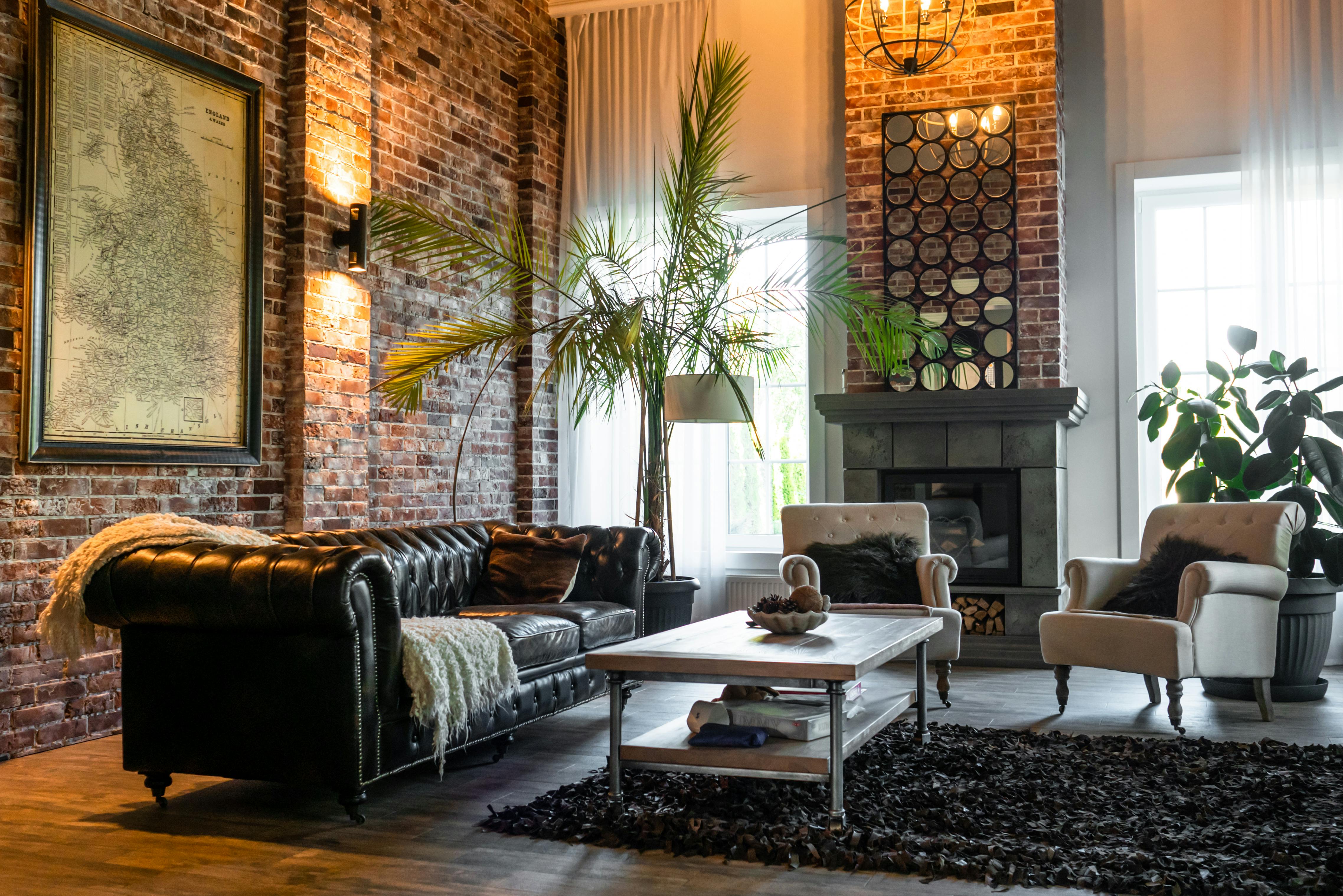
Industrial architecture finds beauty in the unfinished. It’s not polished—it’s honest. Exposed beams, steel pipes, rough concrete, brick walls. Nothing’s hidden. Everything’s functional.
This isn’t about cold factories. It’s about turning raw structure into powerful design.
Show the Bones: Raw Materials as Design
In industrial design, materials aren’t covered up—they’re the star of the show.
What to focus on:
-
Exposed brick, steel, concrete
-
Weathered textures, layered patina
-
No fake finishes—authentic materials only
Real-world example:
-
Tate Modern, London – A former power station with brick walls and steel beams still intact. It didn’t erase the past—it elevated it.
-
High Line, NYC – Concrete meets wild plants on an old railway. The city’s grit becomes art.
On a recent loft project, we left the concrete columns and steel beams raw. We added warm lighting and oak shelving. The space felt powerful, grounded—and completely original.
Open Layouts That Feel Like Air
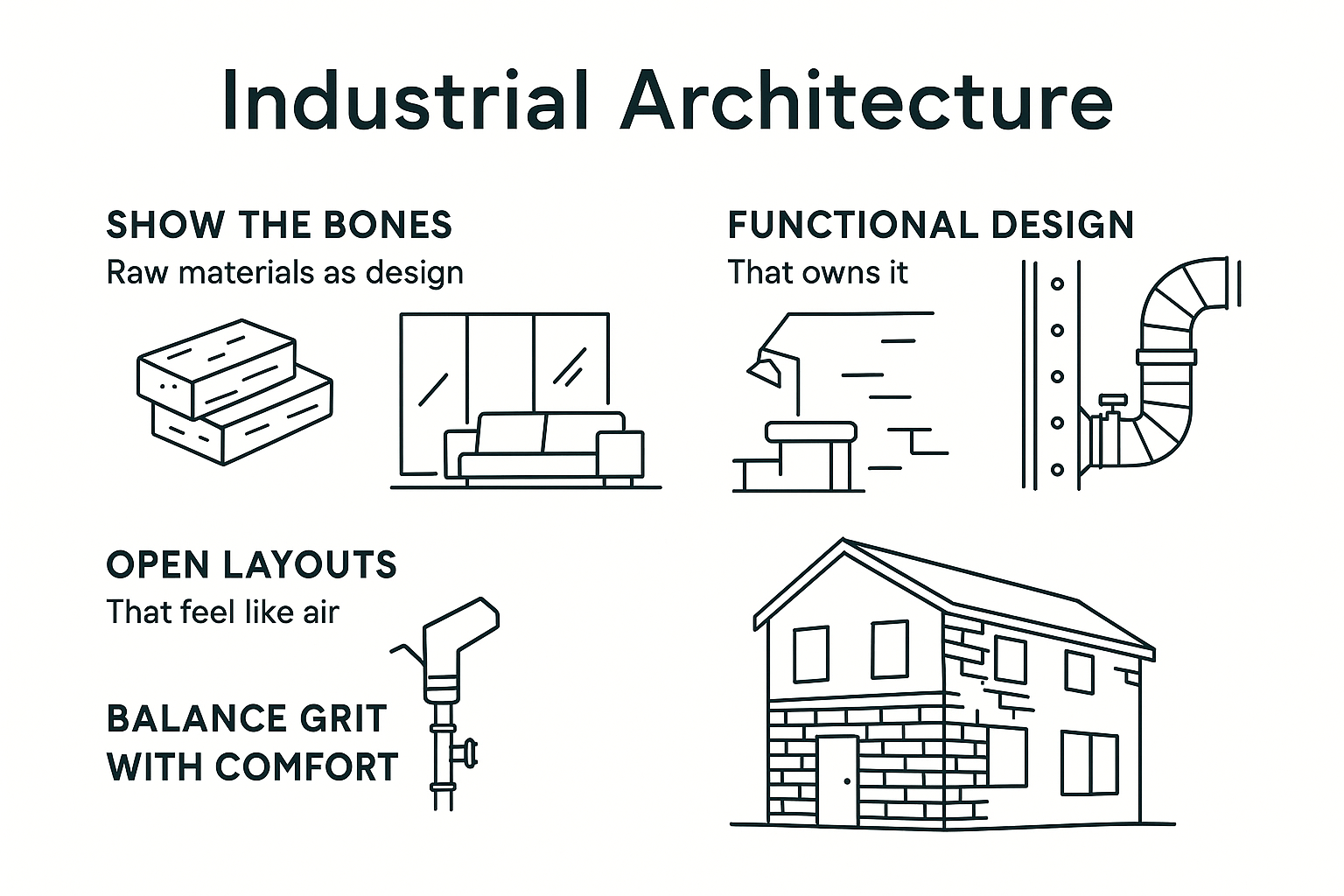
Industrial spaces don’t like walls. Think high ceilings, huge windows, wide-open floors.
Why it works:
-
Light floods the space
-
Rooms feel flexible, not boxed in
-
You can zone areas with furniture, not drywall
Example to learn from:
-
Turbine Hall, Tate Modern – Massive open space used for rotating installations.
-
Factory Berlin – An old warehouse turned into a creative coworking hub, no partitions needed.
From my work: We converted a warehouse into a live-work space. Instead of building walls, we used rugs, light shifts, and storage to define zones. It stayed open—but never felt empty.
Functional Design That Owns It
Industrial style is blunt. It shows you how the building works. Pipes? Beams? Ducts? Leave them out in the open.
What to use:
-
Surface-mounted wiring
-
Steel conduits, vents, radiators
-
Simple, honest hardware
Legendary example:
-
Lloyd’s Building, London – They flipped the building inside-out. Elevators and ducts are outside. It looks wild—and frees up the interior.
Another genius touch:
-
Salk Institute, California – Clean lines, exposed concrete, light everywhere. Nothing wasted.
Client story: One office build had exposed ductwork and metal conduit. At first, they panicked. But once the lights hit the galvanized steel? They were sold.
Why It Works: Balance Grit with Comfort
Industrial architecture isn’t cold. It just needs balance.
Use this cheat sheet:
-
Raw textures + warm lighting = cozy grit
-
Hard surfaces + soft furniture = livable edge
-
Historic shell + modern function = unforgettable space
Pro tip: Don’t polish it too much. The scuffs and texture are the style.
If it feels raw, exposed, and powerful—it’s probably industrial. It’s a style that doesn’t pretend. It shows you exactly how it stands. And that honesty? That’s where the magic is.
The #1 Architectural Style in the World: It’s Yours!
Forget Trends: How to Craft Your Own Timeless Architectural Style
Let’s be real—there’s nothing more satisfying than creating your own architectural style. That’s right, the number one style isn’t Gothic, Modern, or Colonial—it’s the one you bring to life. Why? Because it’s personal, it’s reflective of who you are, and it’s a testament to your creativity and vision. But hold up, this isn’t just about slapping together random ideas and calling it a masterpiece. Designing your own style is a mix of art and science. It’s about understanding the rules so you can bend or break them with purpose.
The Only Architectural Style That Truly Matters: Your Own
Why Create Your Own Style?
- It’s Personal: Your design reflects your personality, values, and experiences. Whether you’re into clean lines, cozy spaces, or bold, experimental shapes, your style becomes a signature—a statement of who you are.
- It’s Original: While everyone else is replicating trends, your style stands out. It’s fresh, authentic, and uniquely yours.
- It’s Rewarding: There’s no feeling quite like walking through a space you designed from scratch, knowing every detail came from your imagination.
The Rules of Creating Your Own Style
Here’s the catch—great styles don’t just happen. There are foundational principles you need to understand before you start breaking the mold.
1. Learn the Basics First
Before Picasso painted abstract masterpieces, he mastered traditional techniques. The same goes for architecture. You need to understand the core principles before you start innovating:
- Housing Concepts: Know the purpose of spaces like living rooms, kitchens, and bedrooms. How are they used? What do they need to feel functional and comfortable?
- Designing for Functionality: A building must serve its purpose. A modern family home needs open spaces for connection, while an office should encourage productivity.
- Spacing and Planning: Understand flow. Where do people enter? How do they move through the space? Poor planning can ruin even the most beautiful designs.
- Proportions and Scale: A giant door might look quirky, but does it work with the rest of the house? Balance is everything.
2. Study Existing Styles
Before creating something new, understand what already exists. Dive into (not literally!) styles like Gothic, Modernist, and Industrial to see what works—and what doesn’t. Once you know the rules of those styles, you can cherry-pick ideas to inspire your own.
- Example: Frank Lloyd Wright’s Prairie Style was inspired by horizontal lines found in nature. He took cues from the environment and turned them into something entirely his own.
3. Don’t Overcomplicate It
Sometimes, in the excitement of creating something unique, designers can go overboard. Keep it simple and let the space breathe. Overloading a design with too many elements can make it feel chaotic.
- Real-Life Insight: I once worked on a project where the client wanted to combine Industrial, Scandinavian, and Art Deco styles. It sounded exciting but quickly became overwhelming. We scaled back to focus on clean industrial lines with subtle Art Deco accents, and the result was stunning.
Steps to Create Your Style
- Find Inspiration
Start with what you love. Is it nature? Urban landscapes? Patterns? Find your starting point and build from there. - Sketch Ideas
Don’t be afraid to doodle. Even rough sketches can help you visualize how different elements come together. - Experiment with Materials
Explore wood, stone, glass, metal, or even experimental materials like reclaimed items. Mixing materials can give your design personality. - Test Your Ideas
Use 3D modeling software or physical models to see how your design works in real space. - Get Feedback
Share your design with peers or mentors. Constructive criticism can refine your ideas.
Examples of Successful Personal Styles
- Frank Gehry: Known for his sculptural, fluid designs, Gehry’s work—like the Guggenheim Museum in Bilbao—redefined what architecture could be.
- Le Corbusier: His clean, functional lines and open spaces became a hallmark of Modernist architecture.
- Your Future Design: Yes, your style can join the ranks of these greats. All it takes is vision, patience, and the willingness to keep learning.
Tips for Making Your Style Stand Out
- Blend Old and New: Combine classic elements like arches with futuristic materials like glass or steel.
- Think About the Experience: How does the space feel? Is it cozy, inspiring, or energizing? Design for emotions, not just aesthetics.
- Stay True to Your Vision: Trends come and go, but your unique style will endure if it’s authentic to you.
Why Creating Your Style Is Worth It
Creating your own architectural style isn’t just about making something that looks good—it’s about leaving your mark. It’s about designing spaces that make people feel something, spaces that are as functional as they are beautiful. And sure, it’s not easy. But the best things in life rarely are.
So, grab your sketchpad, do your research, and start creating something that’s unmistakably yours. Because the top architectural style? It’s the one that comes from you.
FAQ
With Insights from Experience
- What are the key characteristics of modern architecture?
- Simplicity: Focuses on clean lines and open spaces with a minimalistic design approach.
- Natural Light: Large windows are common, creating bright and airy interiors.
- Materials: Frequently uses steel, glass, and concrete for both structure and style.
- Experience Insight: I’ve worked on modern designs where eliminating clutter and unnecessary details not only simplified the look but also reduced costs and enhanced functionality.
- How does minimalist architecture differ from modern architecture?
- Minimalist Focus: Strips away all but the essentials—furniture, decor, and even colors.
- Color Palette: Neutral tones like white, gray, and black dominate minimalist spaces.
- Layout: Simple and open, with fewer furnishings and distractions.
- Experience Insight: When designing a minimalist home, less is genuinely more. I once removed three design elements from a project to achieve the perfect balance.
- What makes sustainable architecture eco-friendly?
- Materials: Incorporates eco-friendly choices like recycled wood, solar panels, and bamboo.
- Energy Efficiency: Includes features such as green roofs, passive solar designs, and double-glazed windows.
- Connection with Nature: Designs often feature large windows, indoor gardens, and natural ventilation.
- Experience Insight: One of my projects integrated solar panels and a green wall, cutting energy use by 30% and creating a striking visual feature.
- What are some examples of traditional architecture?
- Design Elements: Classic features like columns, arches, and symmetrical layouts.
- Materials: Local materials such as stone, brick, and wood.
- Notable Examples: The White House in Washington D.C. (neoclassical style) and the Palace of Versailles in France (French Baroque style).
- Experience Insight: Restoring a traditional stone facade once taught me the importance of preserving local craftsmanship—it brought out the building's original charm.
- How does contemporary architecture incorporate innovation?
- Creative Forms: Unique designs that blend multiple styles.
- Technological Integration: Includes smart home features and cutting-edge materials.
- Focus on Comfort: Prioritizes livable spaces with features like flexible layouts and natural light.
- Experience Insight: I designed a home with automated climate controls and sleek, modern lines. The client loved how it balanced technology with a welcoming feel.
- What are the defining features of industrial architecture?
- Materials: Exposed brick, steel, and concrete define its raw aesthetic.
- Open Spaces: High ceilings, large windows, and open floor plans are common.
- Functional Design: Exposed pipes and beams double as decor and practical elements.
- Experience Insight: Repurposing an old warehouse into a loft taught me that industrial design isn’t just practical—it’s an art of celebrating raw materials.
- How does colonial architecture reflect historical influences?
- Symmetry: Balanced layouts with a central door and evenly spaced windows.
- Traditional Elements: Features like shutters, gabled roofs, and classic columns.
- Examples: Mount Vernon in Virginia and Independence Hall in Philadelphia.
- Experience Insight: Working on a Colonial Revival project taught me how small details—like authentic shutters—can tie the whole aesthetic together.
- What are some iconic examples of sustainable architecture?
- Bullitt Center (Seattle): Known for its energy-efficient design and eco-friendly materials.
- Bosco Verticale (Milan): Features extensive greenery to improve air quality and energy efficiency.
- Experience Insight: A recent sustainable project I handled integrated rooftop solar panels and rainwater harvesting, drastically lowering utility costs.
- How does contemporary architecture prioritize comfort?
- Spacious Interiors: Includes open layouts and multifunctional spaces.
- Smart Features: Automated lighting, climate controls, and even voice-controlled systems enhance convenience.
- Natural Integration: Designs often bring in plenty of natural light and ventilation.
- Experience Insight: A client’s contemporary home with integrated smart systems turned into a space that felt both futuristic and deeply personal.
- What are some common features of minimalist architecture?
- Design Philosophy: Focuses on simplicity and functionality.
- Materials and Colors: Neutral tones and natural materials dominate.
- Layout: Open, clutter-free spaces create a calming atmosphere.
- Experience Insight: Simplifying layouts and materials for a minimalist home showed me how decluttering the design can help declutter the mind.
Keep Learning
Explore architecture further with these curated books and resources.
- The Architecture of Happiness by Alain de Botton
- What’s it about? Explores how architecture shapes our emotions and well-being.
- Why read it? Gain a unique perspective on how buildings influence our daily lives.
- Modern Architecture Since 1900 by William J.R. Curtis
- What’s it about? A detailed history of modern architecture and its evolution.
- Why read it? Ideal for understanding the key movements and philosophies that shaped contemporary design.
- The Timeless Way of Building by Christopher Alexander
- What’s it about? Discusses how to create spaces that feel harmonious and natural.
- Why read it? Perfect for anyone looking to explore the deeper connection between architecture and human life.
Affiliate Notice
We’re passionate about sharing knowledge and making architecture accessible to everyone. To support this mission, we sometimes recommend books and courses we’ve personally used or rigorously researched. If you choose to purchase through our affiliate links, we may earn a small commission at no additional cost to you. These commissions help us keep creating high-quality, free content for you.
Related
House Styles
- Housing Concepts Explained: From Traditional Styles to Minimalist Trends
- A Detailed Guide to Architecture Styles: From Ancient to Modern Times
- 1800s House Styles: Design, History, and Inspiration
- Architectural Marvels of the Late 19th and Early 20th Centuries
- 1920s Interior Design Style: History, Characteristics, Examples, and Tips
- 1920s Art Deco Elegance: Ideas for Every Room
- 1950 House Styles: Building and Decorating Tips from an Architect
- 1960s House Style: Iconic Trends and Timeless Designs
- The 1970s House Style Guide: Architecture, Interiors, and Updates
- 1980s House Styles: Key Trends and Design Ideas for Today’s Homes
- Victorian Period Architecture: History, Key Styles, and Features
- Italianate Architecture Style: From Villas to Modern Homes
- Mediterranean Style Villa: Design Tips for a Relaxed, Elegant Home
Even More
- Modern Architecture: Discover the principles and examples of modern architectural design, emphasizing clean lines and functionality.
- Sustainable Architecture: Explore how eco-friendly materials and energy-efficient practices are shaping the future of architecture.
- Minimalist Architecture: Understand the beauty of simplicity and how minimalist design creates serene, clutter-free spaces.
- Traditional Architecture: Appreciate the timeless appeal of traditional styles, from classic columns to decorative elements.
- Contemporary Architecture: Dive into innovative designs blending modern and traditional influences in contemporary architecture.
- Industrial Architecture: See how raw materials and open layouts define the bold aesthetic of industrial buildings.
- Contemporary Architecture: What It Really Means Today
- Modern vs. Contemporary Architecture: What’s the Real Difference?
- A Detailed Guide to Architecture Styles: From Ancient to Modern Times
- House Styles: Five Centuries of Architecture!