

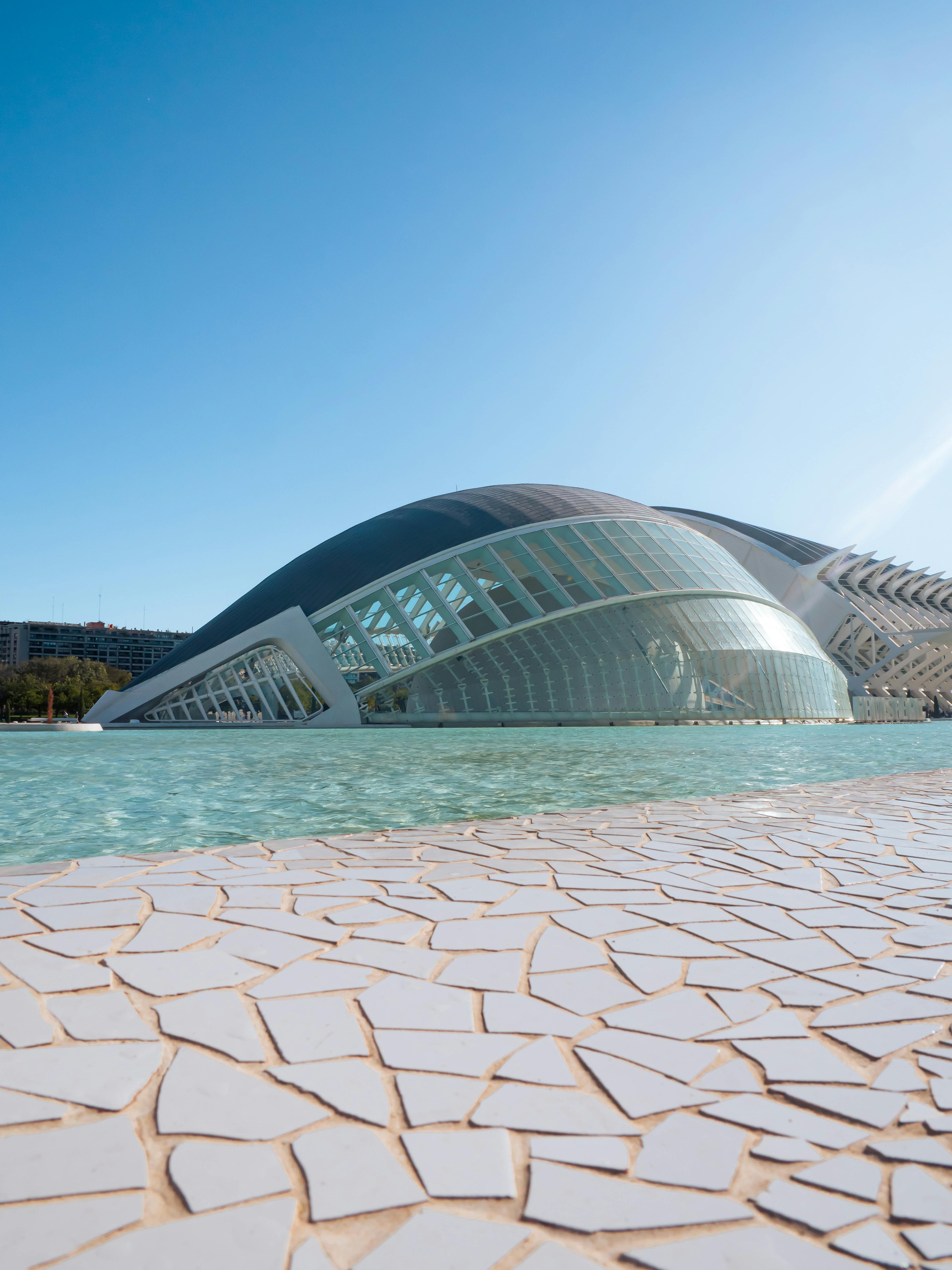
IMAGE: Low-angle photograph of the Absolute World Towers in Mississauga, Canada, highlighting their bold, twisting organic forms and fluid curvature—an iconic example of nature-inspired urban architecture.
Organic Parametric Architecture: Where Code Meets Nature
Forget boxy buildings. Today’s architects are using algorithms to shape forms that look more like nature than machines.
Parametric tools let designers mimic the curves of a shell, the veins of a leaf, or the ripple of wind across water—only now it’s done with code and precision.
Blending Nature and Technology: This isn’t about looks anymore.
These flowing forms improve airflow, daylight, and material efficiency. You get buildings that feel alive—shaped by logic, but inspired by the natural world.
→ Think of it as tech finally catching up with biology.

See also:
- Parametric Design: Shaping the Future of Architecture & Interior Design
- Parametric Architecture: From Facades to Furniture in Modern Design
What is Organic Parametric Architecture?
At its core, Organic Parametric Architecture is the use of computational algorithms to mimic forms found in nature.
It’s where nature meets code.
Organic parametric architecture uses algorithms to generate forms inspired by biology—curves, spirals, structures that feel alive.
Instead of drawing shapes by hand, architects set rules (size, airflow, sunlight, material limits), and the software evolves the design like a living system.
The result?
Buildings that flow like nature but are optimized for real-world performance.
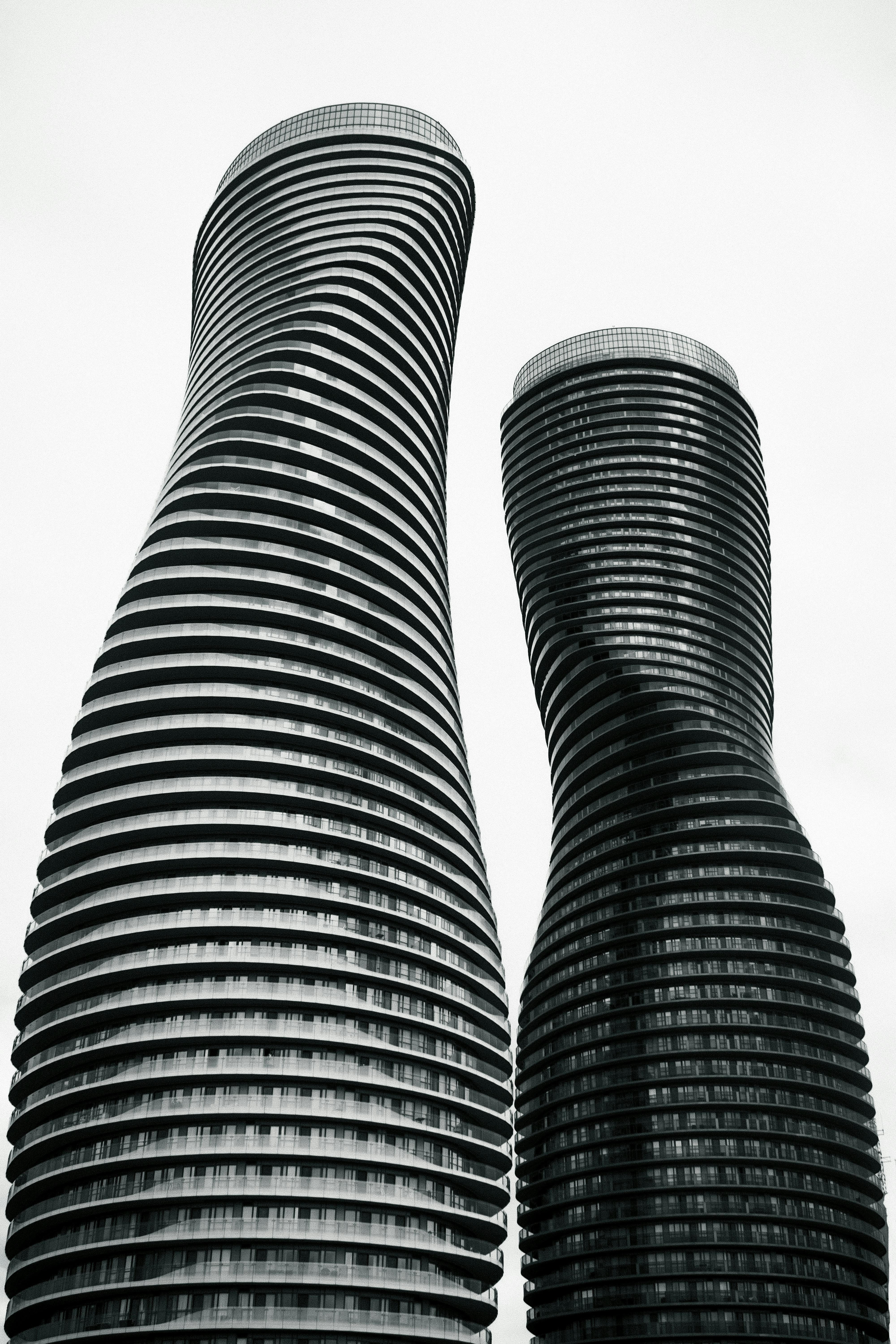
IMAGE: Absolute World residential twin towers in Mississauga, Canada, featuring fluid, twisting forms inspired by natural movement—an example of organic architecture optimized for structural performance.
Think of it as architecture that grows instead of being built—guided by logic, but rooted in natural forms.
→ Less sketching. More evolving.
Why Organic Parametric Design is the Future of Architecture

Why Organic Parametric Design Is Changing the Game
This isn’t some trend. It’s a design shift that’s reshaping how buildings are imagined, engineered, and built—by learning directly from nature.
Parametric tools let us translate natural intelligence—like the structure of coral reefs, bird bones, or even tree branches—into real architecture.
The results?
Buildings that are stronger, lighter, and often more energy-efficient than traditional designs.
Proof in the Patterns: Real Projects Doing It Right
🔹 Beijing National Stadium (The Bird’s Nest)
→ Designed by Herzog & de Meuron, its steel weave mirrors natural nest structures. It’s not just beautiful—it distributes structural loads with incredible efficiency.
🔹 Al Bahar Towers, Abu Dhabi
→ Features a parametric skin that opens and closes like flower petals, reacting to sunlight. It reduces solar gain by up to 50%—cutting cooling costs dramatically.
🔹 The Eden Project, UK
→ Each dome mimics soap bubble geometry, using hexagons and pentagons to form lightweight, self-supporting shells—perfectly tuned to the hillside site.
🔹 The Gherkin, London (30 St Mary Axe)
→ Its spiral structure, inspired by sea sponges, reduces wind load and increases energy efficiency. The central atrium acts like a lung—ventilating the entire building naturally.
What Nature Does Better Than Us (And We’re Finally Copying)

Nature builds smarter than any human ever has. Organic parametric architecture takes that seriously.
● Strength with Less Material
→ Honeycomb, bone, and bamboo structures use minimal mass to resist force. Now architects use similar forms to cut weight and carbon footprint in buildings.
● Responsive Skins and Forms
→ Just like a leaf adjusts to sunlight, some facades now move, breathe, or shade themselves—without high-tech mechanics.
● Self-Shading Forms
→ Designs inspired by termite mounds or cactus ribs create natural ventilation and cooling with minimal energy use.
So What Makes It ‘Parametric’?
Parametric design uses algorithms to define shapes based on rules, relationships, and variables—like:
-
Sun angle
-
Wind flow
-
Thermal load
-
Structural tension
-
Site geometry
You set the rules. The form responds—just like biology. The computer doesn’t just draw it—it grows it.
Why It’s Not Just ‘Cool’—It’s Critical
Climate-Ready
Organic parametric buildings adapt to climate rather than fight it. They perform better across seasons and cut long-term energy demand.
Zero Waste Goals
Optimized forms mean less overbuilding. Every beam, every panel serves a purpose—with zero extras.
Healthier Spaces
These aren’t just efficient—they’re calming. Curved lines, soft transitions, and natural light mimic the natural world—reducing stress and improving focus.
Want In? Here’s What to Focus On
If you’re designing or studying in this field:
▪ Start with natural systems (shells, flowers, reefs)
▪ Learn Grasshopper or Rhino—parametric tools of the trade
▪ Study case studies from Zaha Hadid Architects, BIG, and SOM
▪ Think about performance first, not just looks
This stuff isn’t future—it’s now.
Famous Real-World Examples of Organic Parametric Architecture
When nature meets algorithms, architecture moves forward.
1. The Eden Project – Cornwall, UK
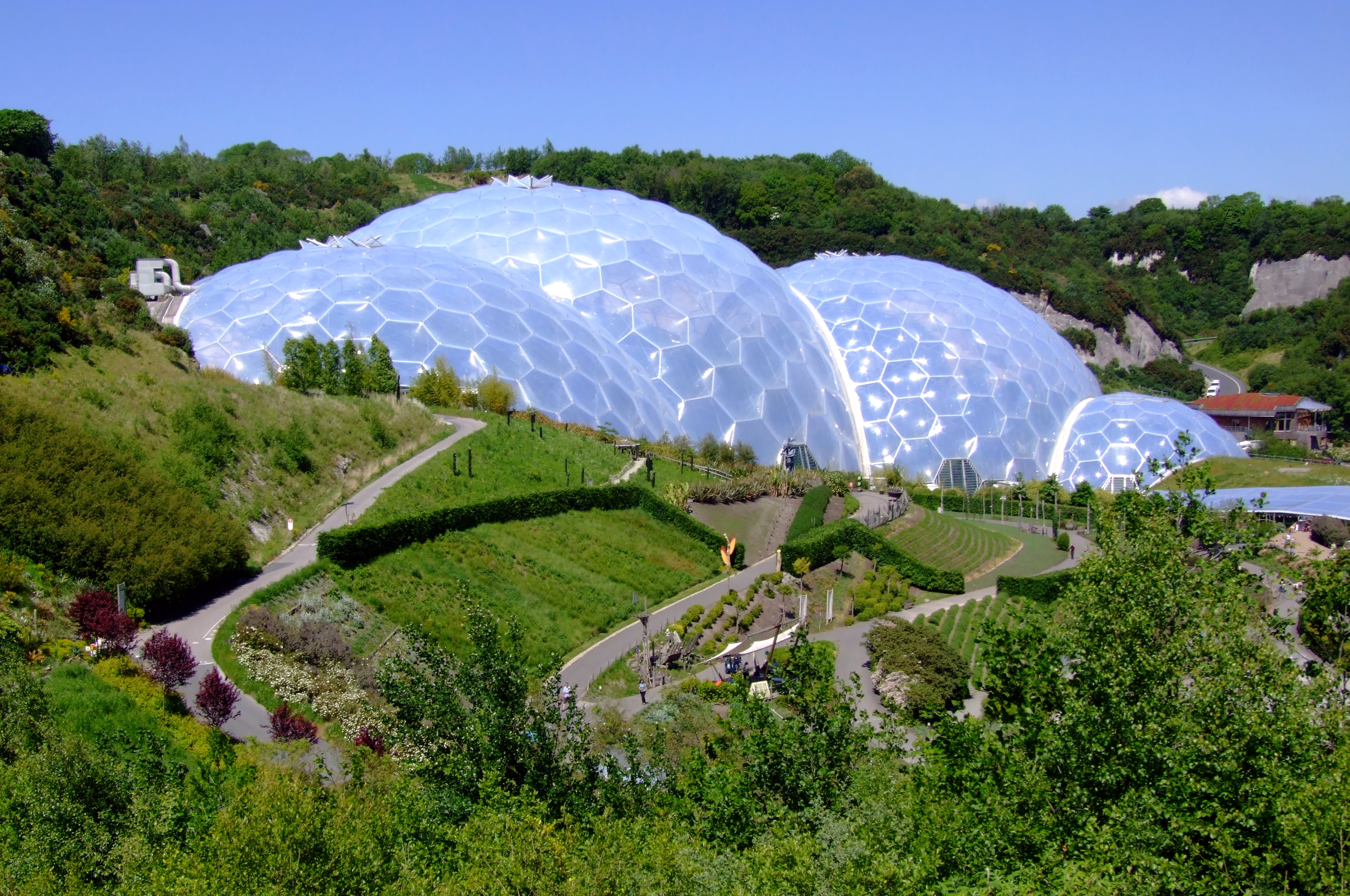
IMAGE: The Eden Project in Cornwall, England, features massive geodesic biodomes housing diverse ecosystems—an iconic example of sustainable, organic architecture integrated with nature.
Architect: Sir Nicholas Grimshaw
A cluster of massive geodesic domes houses entire ecosystems—from tropical rainforests to dry Mediterranean biomes.
What Makes It Work:
-
Inspired by soap bubbles and plant cell structures
-
Uses lightweight hexagonal EFTE panels (stronger than glass, 1% of the weight)
-
The shape maximizes solar heat gain and airflow, with minimal material use
Why It Matters:
The dome structure adapts naturally to the hillside site, proving that efficient design can also look completely organic.
2. Heydar Aliyev Center – Baku, Azerbaijan
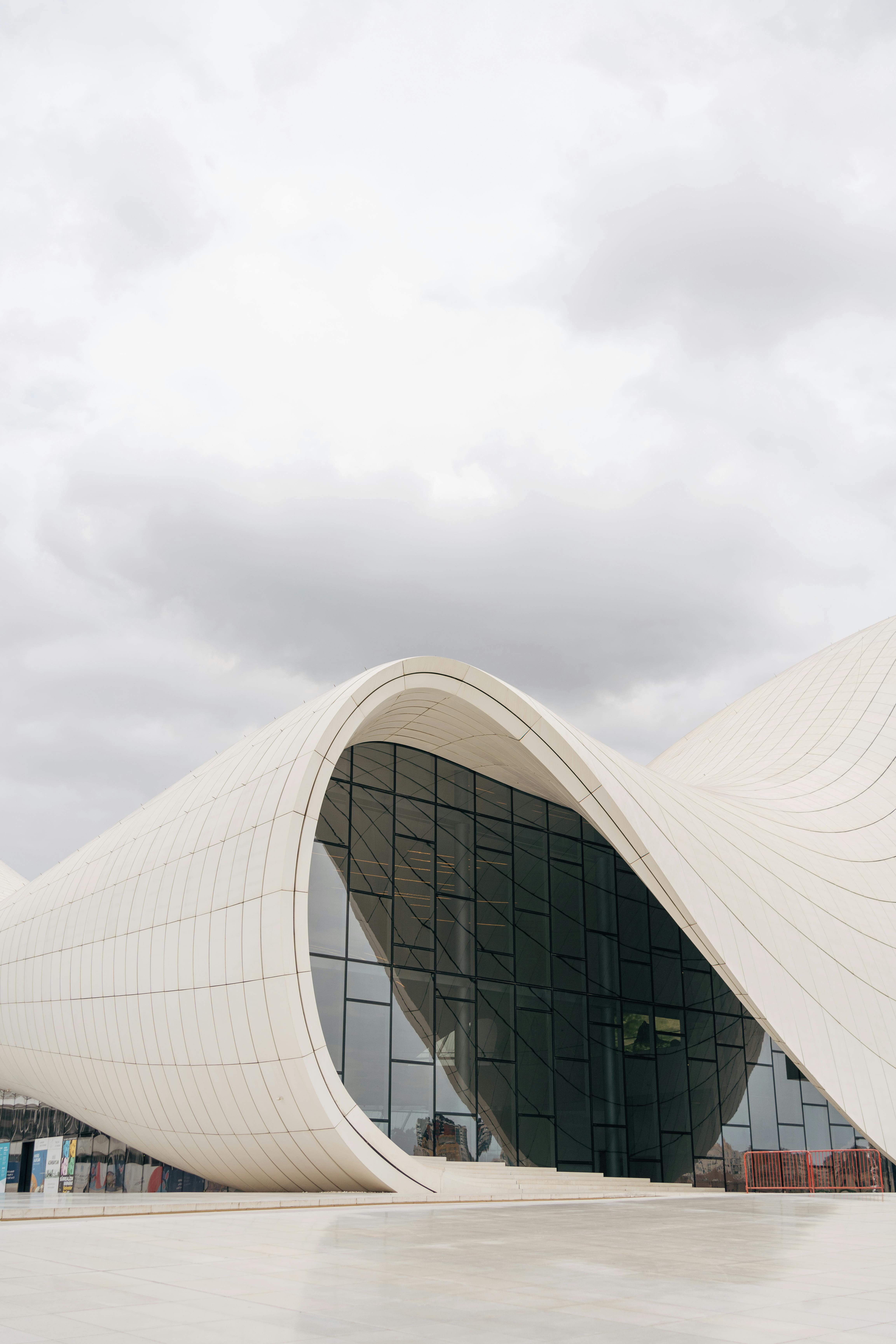
IMAGE: Heydar Aliyev Center in Baku, Azerbaijan, designed by Zaha Hadid, exemplifies organic parametric architecture with fluid, sculptural lines and seamless structural form inspired by nature.
Architect: Zaha Hadid Architects
This wave-like building seems to melt up from the ground. There’s not a single straight line or harsh corner.
What Makes It Work:
-
Designed using parametric software to flow seamlessly in every direction
-
The structure mimics dunes and rolling landscapes, blending into the natural terrain
-
Steel space frame allows extreme flexibility without compromising strength
Why It Matters:
This project redefined public buildings. Instead of boxes and symmetry, we got movement, softness, and bold identity.
3. Guggenheim Museum – Bilbao, Spain
Architect: Frank Gehry
It doesn’t look like a museum—it looks like a sculpture in motion. Gehry’s marine-inspired forms curve and twist like waves and fish scales.
What Makes It Work:
-
Used CATIA parametric software (originally for aerospace engineering)
-
Complex forms realized in titanium, which reflects light like rippling water
-
Interior circulation follows the external rhythm—form dictates function
Why It Matters:
This building didn’t just become famous—it saved an entire city. The “Bilbao effect” showed how parametric, expressive buildings can reboot an economy.
4. Al Bahar Towers – Abu Dhabi, UAE
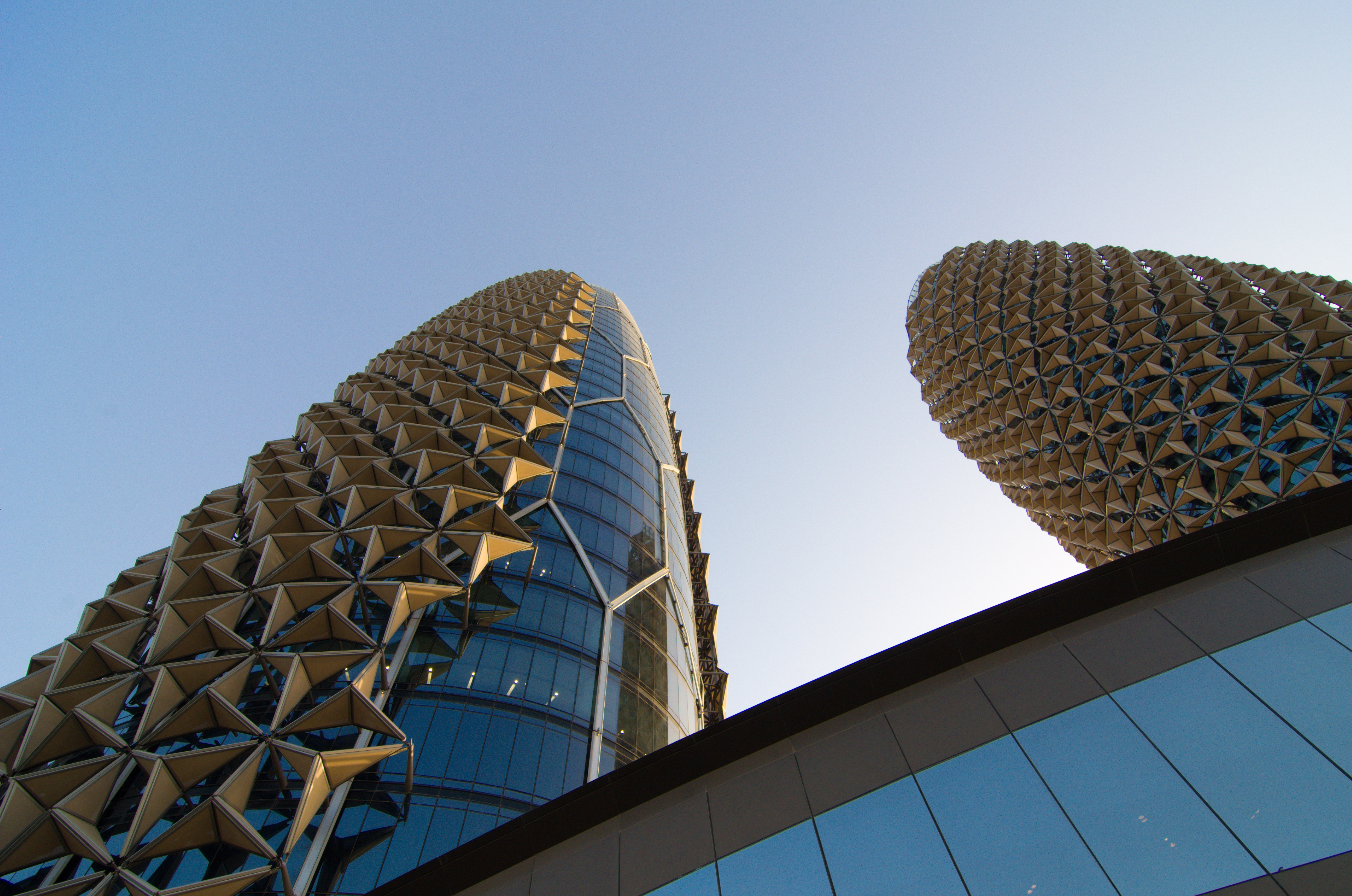
IMAGE: Al Bahar Towers in Abu Dhabi, UAE, showcase organic architecture with a dynamic facade that adapts to sunlight—merging sustainability with nature-inspired geometric design.
Architects: Aedas + Arup
Forget static facades. These twin towers have a moving mashrabiya-inspired skin that responds to the sun like a sunflower.
What Makes It Work:
-
Responsive shading system reduces heat gain by up to 50%
-
Opens and closes throughout the day using a parametric algorithm tied to solar intensity
-
Saves energy and improves occupant comfort in the desert climate
Why It Matters:
This is functional sustainability—not just looking “green,” but automatically adjusting to the environment.
5. The Sagrada Família (Modernized) – Barcelona, Spain
Architect: Antoni Gaudí (updated with parametric modeling)
Gaudí didn’t have digital tools, but his designs were decades ahead. Today, parametric modeling helps complete his organic, forest-inspired cathedral.
What Makes It Work:
-
Branch-like columns follow natural load paths
-
Light filters through stained glass like sunlight through a canopy
-
Modern construction uses parametric geometry to finish what Gaudí started
Why It Matters:
Proof that parametric thinking existed before the software—and now the software makes the impossible buildable.
Each of these is intelligent. Nature doesn’t waste energy or material, and neither do these projects. Parametric tools make it possible. And when organic thinking meets computation?
You don’t just get nice buildings.
You get better ones.
RELATED:
The Ultimate Guide to Parametric Design Tools
And How to Actually Use Them to Create Organic Architecture
Forget lists. If you want to build something that moves, responds, and feels alive—you need more than software. You need a real plan.
This is it.
Step 1: Pick the Right Tool for the Right Job
Every tool has its strengths. Here’s what to use, when to use it, and how to make them work together.
🔷 Rhino + Grasshopper
What it’s for: Freeform geometry, quick form exploration, bio-inspired shapes
Use it when:
- You're sculpting organic shells, skin systems, or wild geometry
- You want live feedback while tweaking parameters
- You’re not limited by construction constraints (yet)
Combo Tip: Pair with Kangaroo (a physics engine) for live material tension and surface behavior.
Example: Used to design the fluid roof of Beijing’s Daxing Airport.
🟨 Revit + Dynamo
What it’s for: Parametric BIM. Think precision, documentation, real-world buildings.
Use it when:
- You’ve shaped the form in Rhino and now need structure, systems, and schedules
- You’re integrating your parametric model into a real construction process
- You’re working on a client-facing, code-compliant design
Combo Tip: Import Rhino forms into Revit via Rhino.Inside.Revit for the best of both worlds.
Example: Used in hospitals and stadiums where curves must meet strict performance standards.
🟥 CATIA
What it’s for: Mega-projects, extreme complexity, aerospace-level precision
Use it when:
- You're working on projects like museums, stadiums, or any one-of-a-kind geometry
- You need millimeter-perfect fabrication modeling
- You’re collaborating with engineers or fabricators
Example: Gehry used CATIA for the Guggenheim Bilbao. It let him design curves that no architect had ever drawn before.
🟩 Fusion 360
What it’s for: Product-scale detailing and small-scale architectural elements
Use it when:
- You’re prototyping details—facade panels, joints, 3D printed parts
- You want to simulate assembly or test loads
- You’re blending architecture with industrial design
Example: Used to design custom facade panels and bracket systems for kinetic structures.
Step 2: Know the Workflow
Here’s the real-world roadmap to go from an idea to something that can get built.
- Sketch it (with logic):
- Start in Rhino. Block out the massing.
- Use Grasshopper to shape the curves and logic (e.g., sun orientation, slope, thickness).
- Simulate + Iterate:
- Use Kangaroo or Ladybug (in Grasshopper) to simulate physics, climate, and sustainability.
- Adjust parameters until performance + form are balanced.
- Detail + Document:
- Import to Revit or CATIA.
- Add structure, MEP, constraints.
- Use Dynamo to automate documentation (sheets, tags, dimensions).
- Build + Fabricate:
- Export fabrication data (from CATIA/Fusion).
- Send to CNC, 3D printer, or robotic arm. No guesswork.
Step 3: Keep Experimenting
Organic parametric design is never linear. It’s about feedback loops.
Keep asking:
- Can I simplify this form without losing impact?
- Does this surface want to curve that way, or am I forcing it?
- Can this material handle the stress?
Don’t fall in love with a form too early. Let performance guide it.
Where to Learn All This (For Free)
Head over to ArchitectureCourses.org — these aren’t tutorials for fun. They’re step-by-step, project-based deep dives.
Course Titles to Start With:
- Intro to Parametric Design (Rhino + Grasshopper)
- Organic Forms in Architecture (nature-inspired logic)
- Advanced Parametric Design with Grasshopper (complex systems)
- Parametric BIM with Revit + Dynamo
- Sustainable Architecture with Parametric Tools (sun, wind, water behavior)
Final Tips for Students and Practicing Architects
▪ Start Ugly: The first model is just a sketch. Don’t waste time making it perfect—test fast.
▪ Use Nature, Not Pinterest: Analyze how termite mounds cool, how leaves gather sunlight, how shells disperse pressure. Then model that logic.
▪ Blend Tools: No single tool does everything. The best designers jump between them.
▪ Build a Mini Thing: Don’t wait for a big project. Design a bench, lamp, or facade panel. Fabricate it. Learn by doing.
▪ Sustainability Isn’t Optional: Use Ladybug Tools. Simulate heat, light, airflow. Let climate drive your design, not just aesthetics.
Remember:
Organic parametric design isn’t about creating weird shapes. It’s about building smarter by learning from biology—and using machines to do what hands can’t.
When nature meets code, you don’t get decoration. You get living architecture.
How to Learn Organic Parametric Design
If you’re excited about the possibilities of organic parametric architecture, the good news is that there are plenty of ways to get started. ArchitectureCourses.org is one of the best free platforms for learning parametric design, offering courses that cover everything from the basics to advanced parametric techniques.
- Courses Offered:
- Introduction to Parametric Design
- Organic Forms in Architecture
- Advanced Parametric Design with Grasshopper
- Sustainable Parametric Architecture
These courses are designed for both beginners and professionals looking to expand their knowledge of parametric design. They’re structured to offer hands-on experience with the latest parametric tools, including Rhino, Grasshopper, and Revit.
Tips for Architects and Students Interested in Organic Parametric Design
- Start Small: Begin by experimenting with simple organic forms, like spirals or shells, before moving on to more complex shapes.
- Understand the Tools: Mastering software like Rhino and Grasshopper is key to creating organic parametric designs. The more you understand the tools, the more creative you can be.
- Study Nature: Look for inspiration in natural forms—whether it’s the way leaves grow, the flow of water, or the texture of rocks. Nature is full of efficient, beautiful designs that can be translated into architecture.
- Iterate and Experiment: Parametric design is all about iteration. Don’t be afraid to experiment with different parameters and see how they affect the final design.
- Focus on Sustainability: Organic parametric architecture isn’t just about aesthetics; it’s also about creating buildings that are efficient and sustainable.
FAQ
1. What is Organic Parametric Architecture?
Organic Parametric Architecture combines parametric design tools with organic forms found in nature. It allows architects to create designs that mimic natural shapes while optimizing them for performance and sustainability.
2. Which software is best for organic parametric design?
Popular software for organic parametric design includes Rhino with Grasshopper, Autodesk Revit with Dynamo, CATIA, and Fusion 360.
3. How does parametric design contribute to sustainability?
By mimicking natural forms, parametric design can create buildings that use fewer materials, optimize energy consumption, and respond to environmental factors like sunlight or wind.
4. Can I learn parametric design online?
Yes! Platforms like ArchitectureCourses.org offer a range of free parametric design courses, from beginner to advanced levels.
5. Is organic parametric architecture only for large-scale projects?
Not at all! While many large-scale projects use organic parametric architecture, the principles can be applied to smaller designs like furniture, pavilions, and interior spaces.
A Refreshing Take on Parametric Design: The Organic Future
Organic Parametric Architecture: Where Tech Meets Nature
The future of architecture is no longer boxy—it flows, adapts, and learns from nature.
Organic Parametric Architecture combines the precision of digital tools with the elegance of natural forms. From honeycomb facades to shell-inspired roofs, this approach redefines how we think about shape, function, and sustainability.
Why it matters:
-
It’s not just about cool curves.
-
It’s about efficiency, strength, and buildings that breathe with their environment.
You’re not designing shapes—you’re programming behaviors.
Using tools like Grasshopper, CATIA, and Rhino, architects now sculpt buildings that respond—to sunlight, airflow, even people.
You’re not guessing—you’re simulating.
Parametric workflows let you test dozens of versions in real time. One shift in code, and your structure adapts instantly.
Here’s the real challenge:
Can you design like nature—efficient, beautiful, and built to last?
Start there. Study the spiral of a shell. The branching of a tree. The skin of a cactus. Then fire up your tools and build what biology already perfected.
That’s the future. And it’s already here.