

Modern Front Design Ideas for Simple One-Story Homes
What makes a house front stand out? It's rarely about size. More often, it's the clean lines, smart proportions, and how naturally the design fits the space around it.
That’s what single-floor homes do best—when done right.
Simplicity isn’t basic.
It takes skill to strip a design down to its essentials without making it feel empty or dull.
The goal? A front that’s functional, modern, and quietly confident.
UNDER 3 MINUTES
Modern Single-Floor House Front Design Guide
Why Single-Floor Homes Work
Single-story homes get straight to the point. They’re simple, smart, and easy to live in. No stairs. No excess. Just clean design that connects well to the landscape and makes sense in real life.

IMAGE: Real example of a single-floor home in the USA featuring a functional layout, easy access, and open lawn—highlighting why single-level living remains practical and popular.
The appeal isn’t about showing off—it’s about balance, function, and comfort. And when done right, that quiet simplicity leaves a stronger impression than most oversized facades.
What Makes a Great Single-Floor House Front

IMAGE: Simple one-level brick house combining modern and classic elements, featuring a clean structural design and timeless curb appeal
Here’s what actually works:
● Balanced Proportions
Keep the layout grounded. Don’t crowd the front with shapes that fight each other. Clean lines + smart spacing = timeless.

IMAGE: Single-floor house showcasing balanced proportions, simple roofline, and clean design elements that create a harmonious and inviting home exterior.
● Natural Materials

IMAGE: Modern house featuring sharp triangular concrete walls, showcasing bold geometric shapes and durable construction materials.
Use wood, stone, or concrete that gets better with age. Skip shiny gimmicks. Choose materials that feel real and wear well outdoors.
● Earthy Color Schemes
Stick with soft whites, grays, and muted clay tones. They don’t fight the landscape—they fit into it. These tones make the details stand out without screaming.
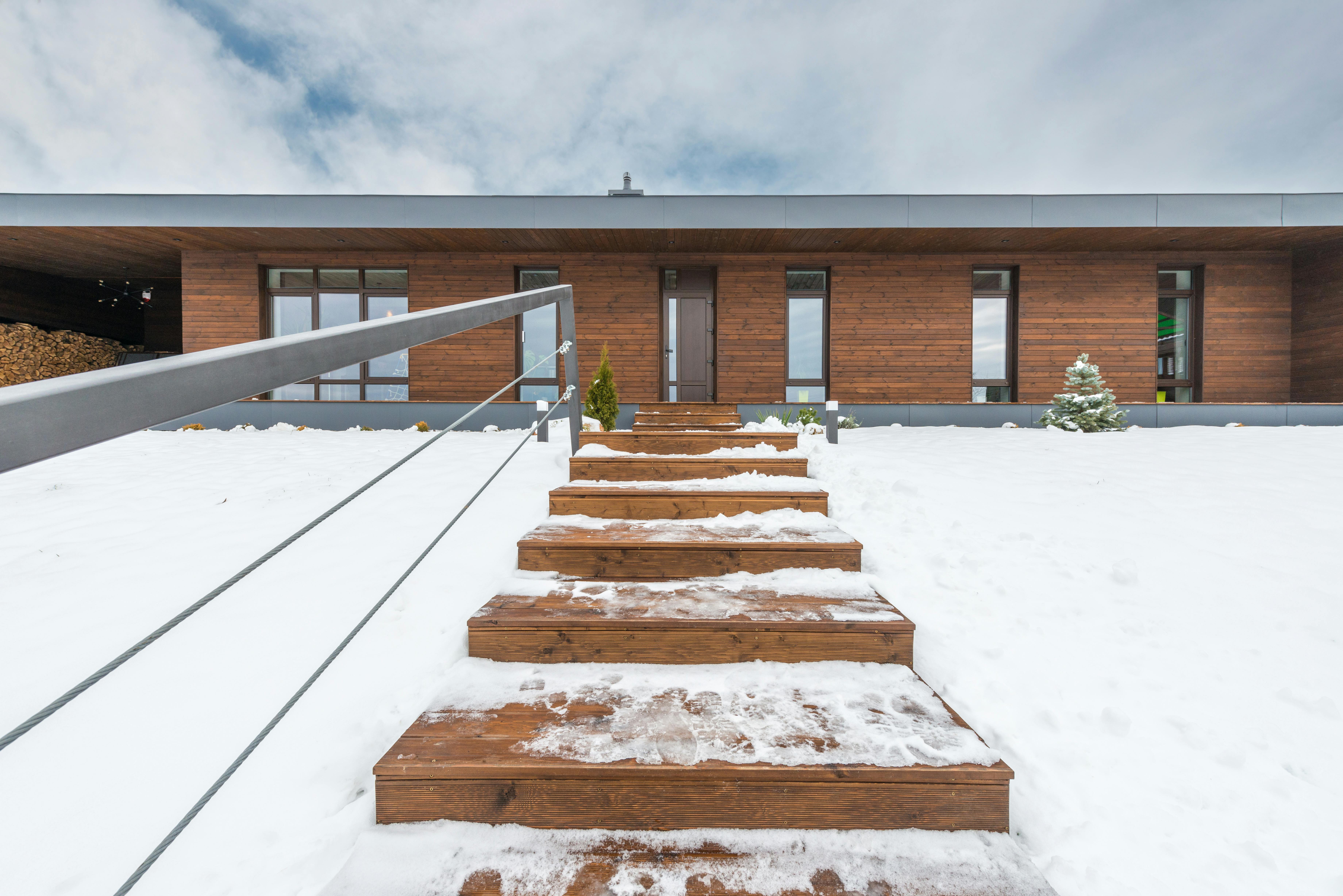
IMAGE: Contemporary single-floor home featuring a wide layout, clean lines, and an earthy color scheme—blending modern design with natural tones for a grounded, inviting feel.
● Big, Simple Windows
Full-height glass panels give natural light and let the inside breathe. No need for fancy framing—just use scale and shape to create impact.
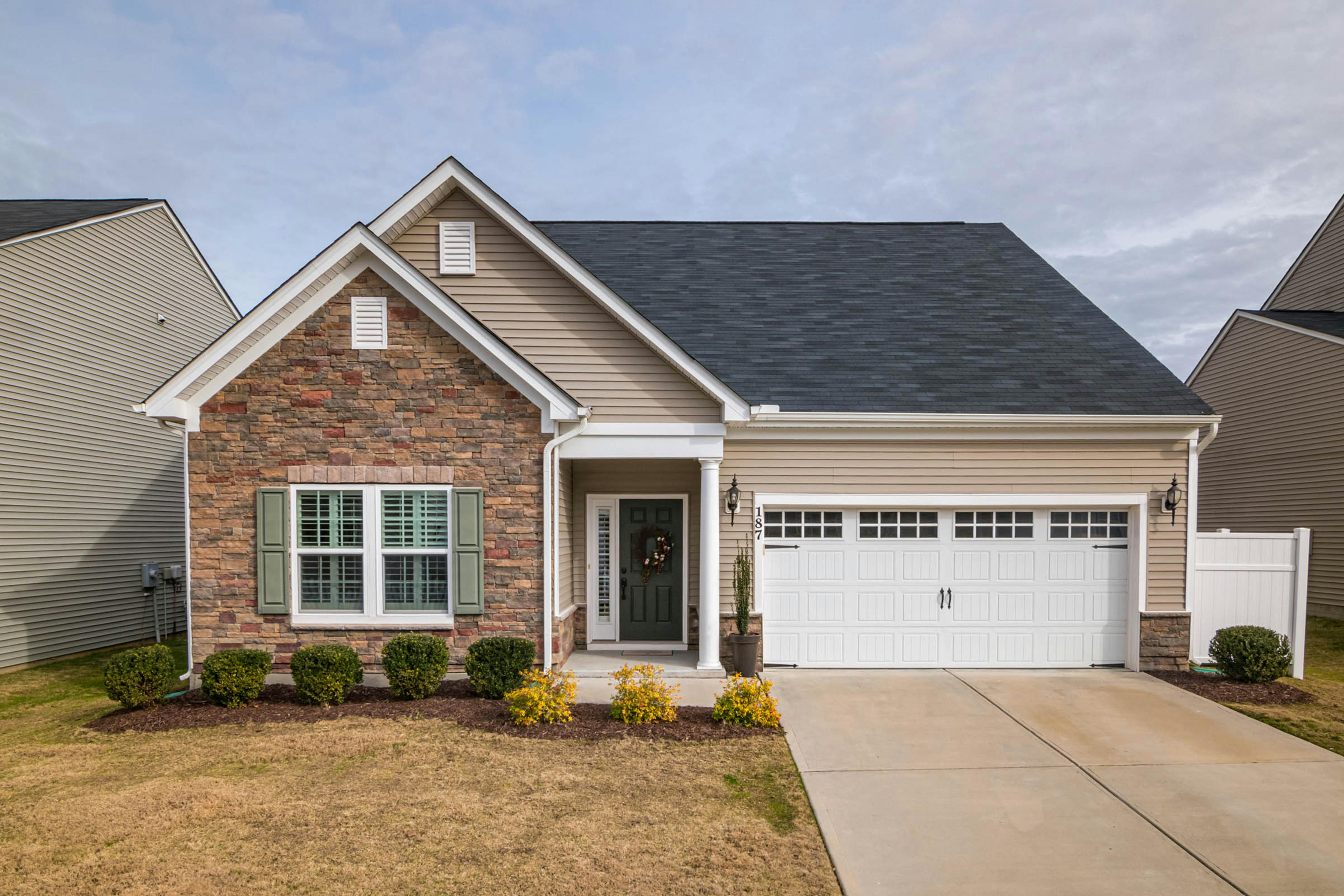
IMAGE: One-floor house blending traditional and modern styles, featuring clean lines, an open layout, and a large simple window that enhances natural light and curb appeal.
● Minimal Landscaping
Less is more. One path. A few native plants. Low effort, low cost, high payoff. Avoid the “overdesigned” look that ages fast.
What to Read: This is Home: The Art of Simple Living – Illustrated
Real Tips from the Field
Here’s how to keep your design clean, modern, and built to last:
● Only Build What You Need
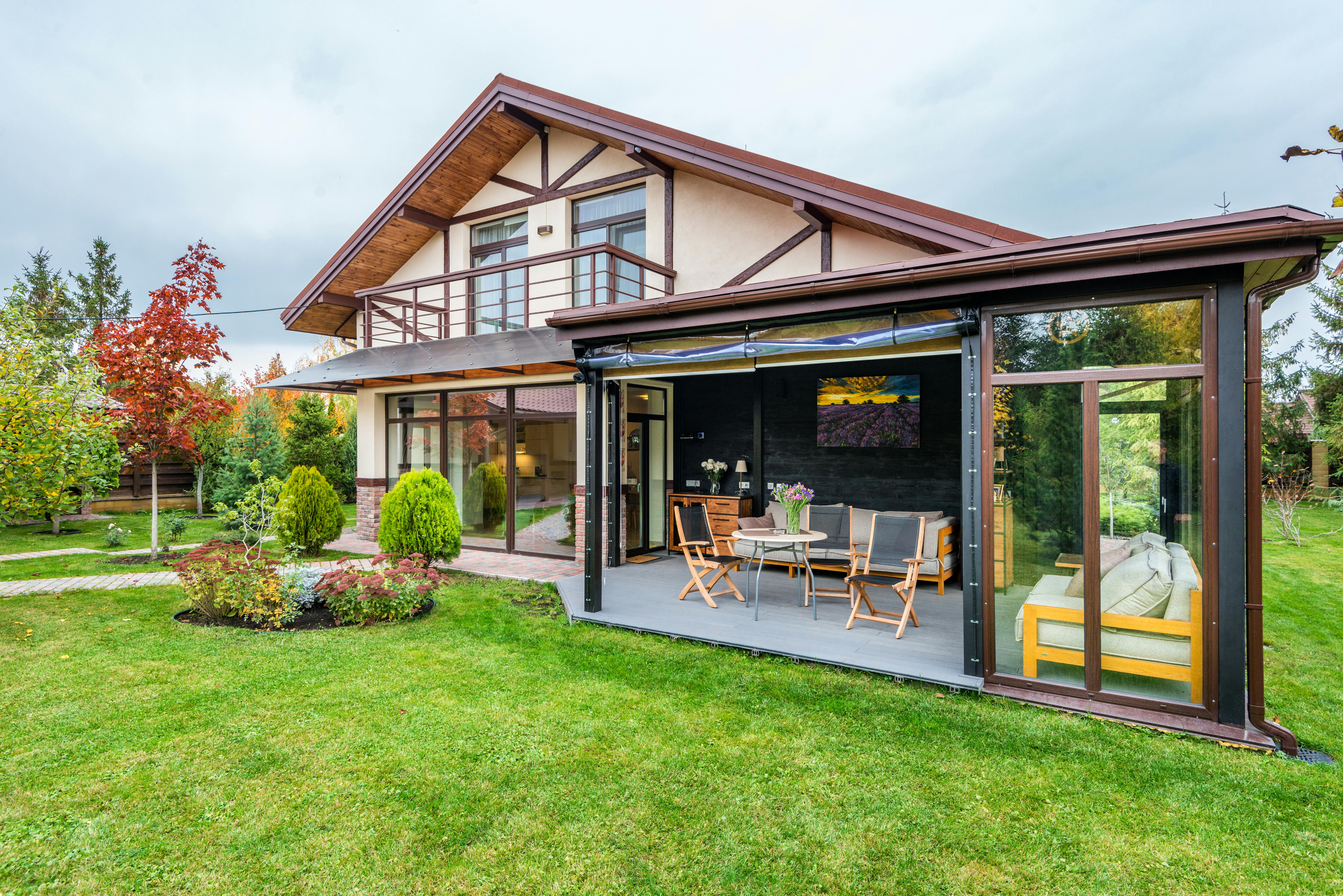
IMAGE: Contemporary house with a primarily one-level layout and a modest upper extension, blending clean design with subtle elevation for timeless curb appeal.
No fake columns. No awkward overhangs. If it doesn’t serve a purpose—cut it. That’s how simplicity stays sharp.
● Think Long-Term
Use double-glazed windows, good roof insulation, and materials that don’t rot in 5 years. Design isn’t just how it looks—it’s how it holds up.
● Less Decor, Better Materials
Don’t decorate your way out of bad finishes. Instead, choose fewer things that are actually built well.
● Design for the Climate
Overhangs for shade. Cross-ventilation to cut cooling costs. South-facing windows for warmth. Real design adapts to weather, not trends.
MUST READ: The Elements of Modern Architecture: Understanding Contemporary Buildings – Illustrated
How to Design a Front That Actually Lasts
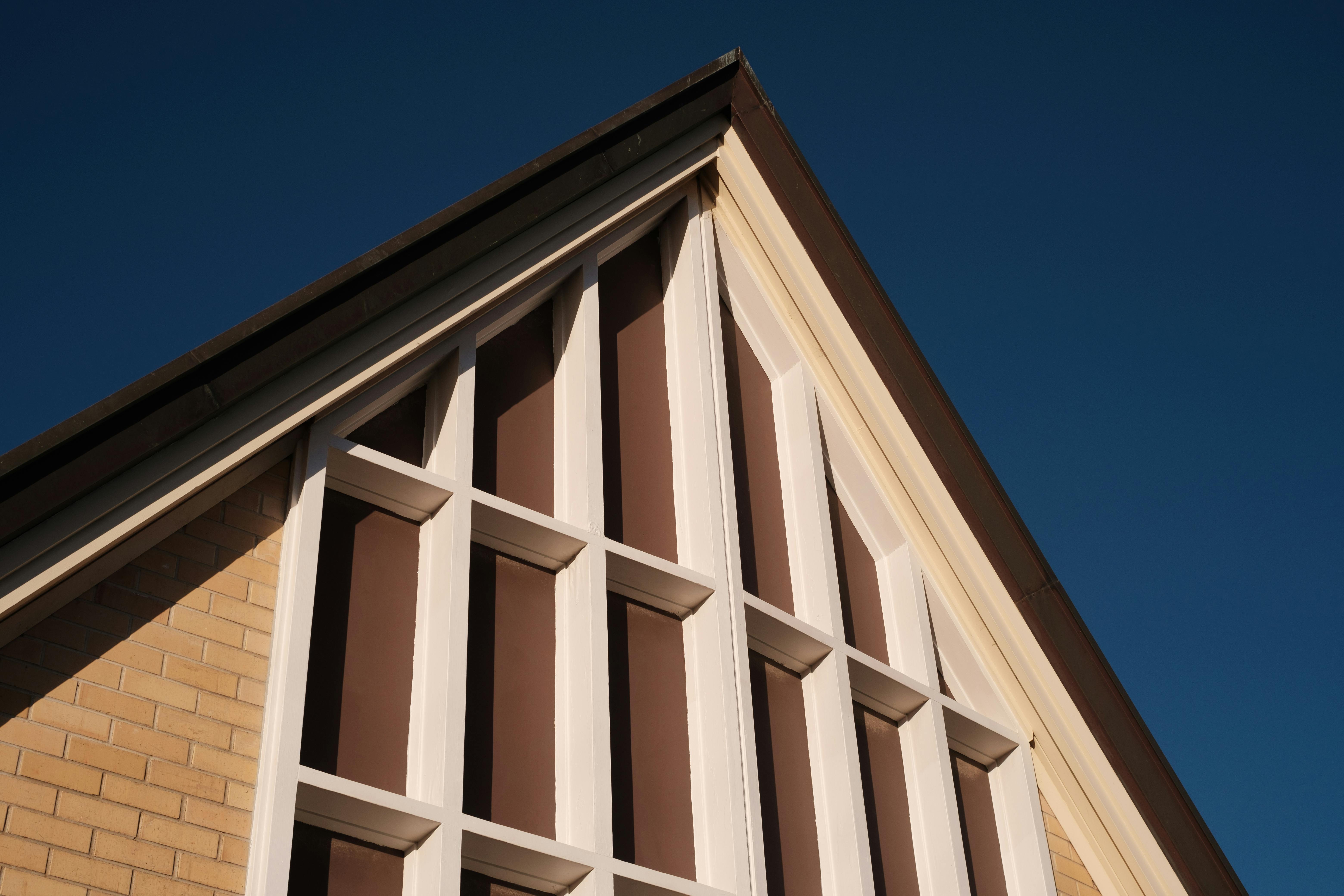
IMAGE: Modern brick house showcasing clean lines and a refined, elegant design that balances simplicity with sophistication.
This isn’t just about looks. It’s about smart choices—materials that age well, details that work, and a layout that holds up over time.
Perfect if you’re building, renovating, or just figuring out your style. Use this as a quick roadmap to design a single-floor facade that’s clean, functional, and built to last.
Understanding Simple House Front Design
Definition and Characteristics
Simple house front design is all about embracing the elegance of minimalism. In this style, less truly becomes more, creating a look that’s uncluttered, functional, and visually striking. Here’s what defines this approach:
Clean Lines
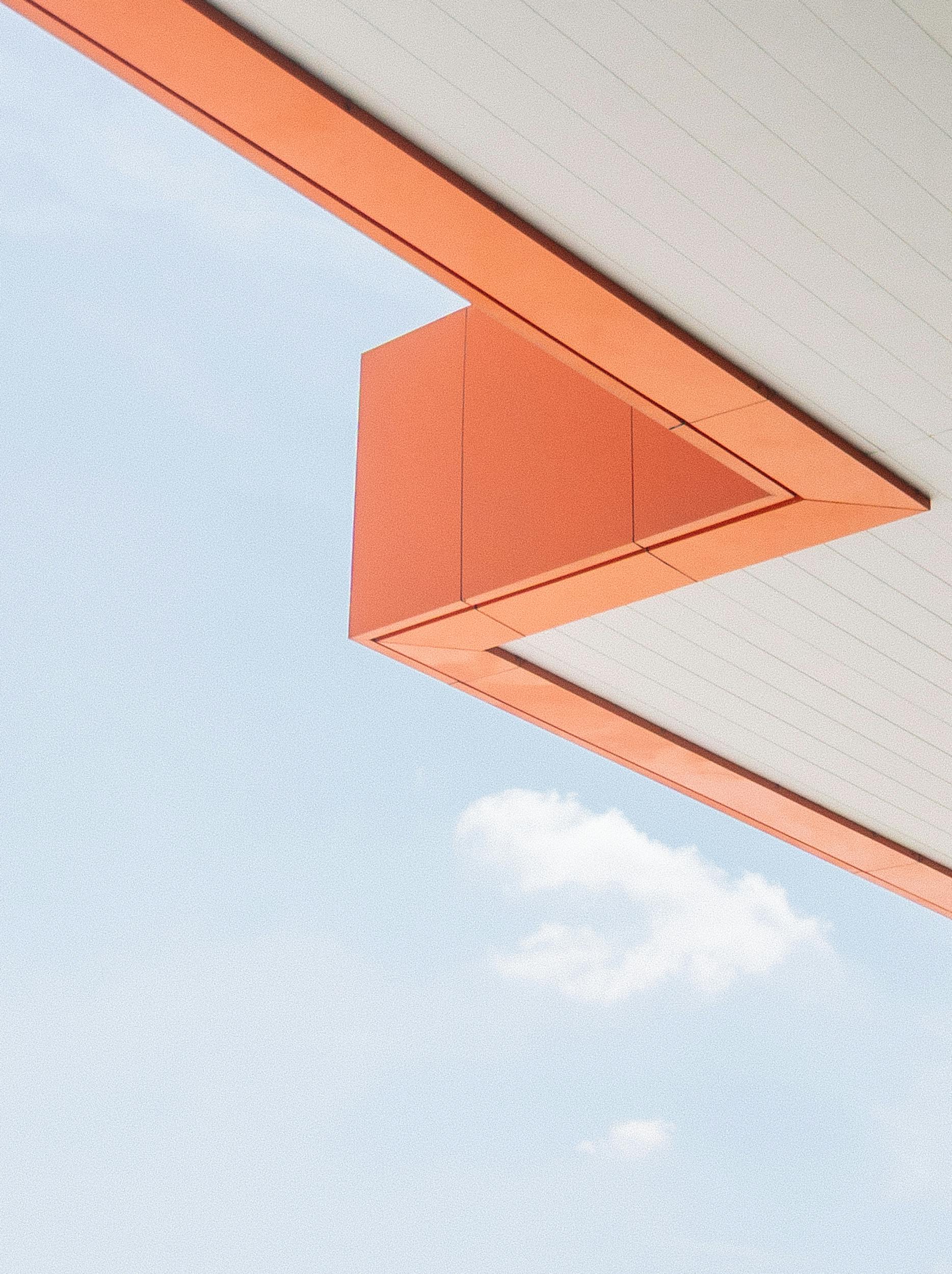
IMAGE: Close-up of a modern house exterior featuring clean, elegant lines and a thoughtful color palette that highlights contemporary architectural style.
Clean lines are the foundation of simple house front design, providing structure and clarity to the overall look.
Think of these lines as the framework of a well-composed image: they bring order and coherence, making the design feel balanced and visually appealing.
Clean lines guide the eye, establishing a sense of harmony that feels both inviting and sophisticated.
Clean Lines Details and Tips
- Straight Edges: Opt for straight edges over curves. This doesn't mean everything has to be a perfect rectangle, but clear, defined lines help create a cohesive look.
- Consistent Spacing: Whether it’s the spacing between windows or the layout of your walkway, consistency is key. Imagine a row of neatly planted trees versus a haphazard collection—order brings peace to the eye.
- Trim and Borders: Use trim and borders to highlight these lines. A crisp white trim against a pastel facade can make a world of difference.
Clean Lines Examples
- Modern Farmhouse: Clean lines are beautifully showcased in modern farmhouse designs. Picture white siding, black trim, and neatly framed windows.
- Scandinavian Homes: Known for their simplicity, Scandinavian houses often feature straight, clean lines with minimal decoration.
Clean Lines Hacks
- Laser Level: Invest in a good laser level to ensure all your lines are perfectly straight during construction.
- Pre-cut Materials: Use pre-cut materials for things like siding and trim to maintain uniformity.
Minimalist Aesthetics
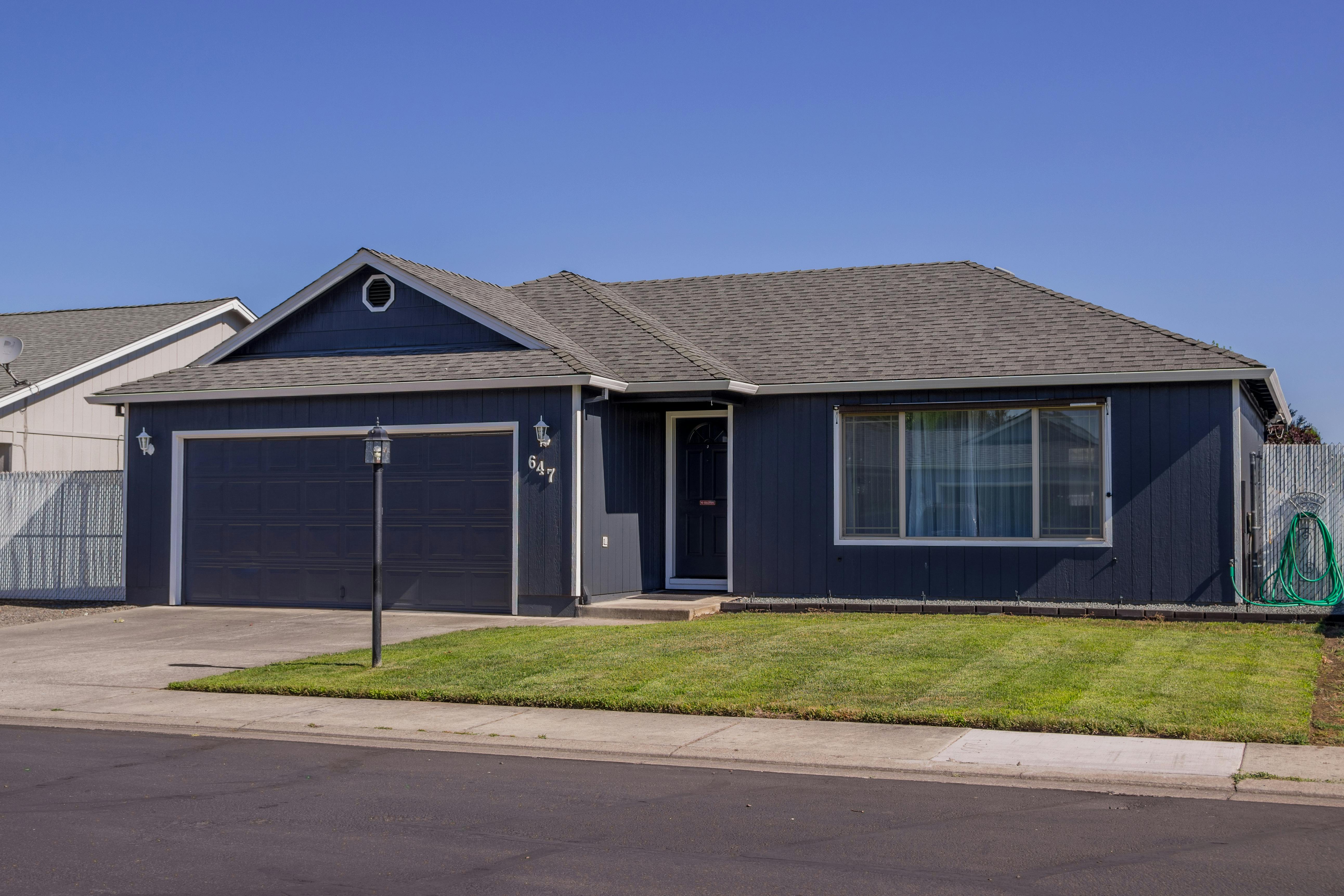
IMAGE: Single-floor house featuring a harmonious blend of traditional architectural details and modern minimalist design, emphasizing functionality and timeless style
Minimalism in house front design is about stripping away the unnecessary and focusing on what truly matters. It’s like Marie Kondo for your home’s exterior—if it doesn’t spark joy (or serve a purpose), it’s out.
Minimalist Aesthetics Details and Tips
- Fewer Elements: Keep decorations and ornamental features to a minimum. A sleek, single-tone door can be more impactful than an overly decorated one.
- Neutral Colors: Use a neutral color palette. Whites, grays, and earthy tones are your friends. They help keep the look calm and uncluttered.
- Hidden Storage: Incorporate hidden storage spaces. Things like concealed bins for garbage cans or integrated mail slots keep the facade looking tidy.
Minimalist Aesthetics Examples
- Mid-Century Modern: These homes embrace minimalism with flat planes, large glass windows, and open spaces.
Minimalist Aesthetics Hacks
- Declutter Regularly: Treat your house front like a living space—regularly declutter to maintain the minimalist vibe.
- Integrated Lighting: Use integrated lighting to highlight features without adding physical clutter.
Functional and Practical Elements
A simple house front design isn't just about looking good—it’s about being functional. Every element should have a purpose, contributing to the overall usability and efficiency of the home.
Functional & Practical Elements Details and Tips
- Multi-Functional Spaces: Design elements that serve more than one purpose. A porch can be both an aesthetic feature and a practical place to sit or store outdoor items.
- Weather Resistance: Choose materials that withstand the local climate, reducing maintenance and keeping the house looking good longer.
- Energy Efficiency: Incorporate energy-efficient features like insulated doors and windows, which are both functional and beneficial for reducing energy bills.
Functional & Practical Elements Examples
- Smart Homes: Modern smart homes often integrate technology seamlessly into their design, with features like video doorbells and automated lighting systems that don’t disrupt the clean aesthetic.
- Green Roofs: Green roofs not only look good but also provide insulation, reduce water runoff, and support local wildlife.
Functional & Practical Elements Hacks
- Dual-Purpose Furniture: Use benches with storage underneath on porches or patios.
- Solar Panels: Integrate solar panels into the roof design. They can blend seamlessly and add to the home's energy efficiency.
Understanding simple house front design means appreciating the beauty in simplicity, functionality, and minimalism. It’s about creating a space that’s not only aesthetically pleasing but also practical and easy to maintain.
Remember, the key to a stunning house front is not in the extravagance, but in the elegance of simplicity.
Benefits of Simple House Front Design
Cost-Effectiveness
Simple house front designs are not only aesthetically pleasing but also cost-effective. By focusing on minimalism and functionality, you can save on construction and maintenance costs while still achieving a beautiful and practical home facade.
Simple House Cost-Effectiveness Details and Tips
- Lower Construction Costs: Simplicity often means using fewer materials and less labor, which can significantly reduce construction costs.
- Efficient Use of Space: Simple designs make the most out of the available space, avoiding the need for expensive extensions or modifications.
Simple House Cost-Effectiveness Examples
- Basic Geometric Shapes: Using straightforward shapes like squares and rectangles can cut down on both material and labor costs.
- Prefabricated Materials: Prefab components can be more cost-effective and quicker to install.
Simple House Cost-Effectiveness Hacks
- Bulk Purchasing: Buy materials in bulk to get discounts and reduce overall costs.
- DIY Elements: Incorporate DIY elements where possible to save on labor costs.
Easy Maintenance
Simple house front designs are easy to maintain, saving you time and money in the long run. The clean lines and minimalistic approach reduce the number of elements that require upkeep, making maintenance a breeze.
Easy Maintenance Details and Tips
- Fewer Components to Maintain: Simple designs have fewer elements that require upkeep, making maintenance easier and less time-consuming.
- Durable Materials: Choose materials that are known for their durability and low maintenance needs, such as vinyl siding or metal roofing.
Easy Maintenance Examples
- Low-Maintenance Landscaping: Use native plants and minimalistic garden designs to reduce gardening efforts.
- Self-Cleaning Windows: Install windows with self-cleaning glass to minimize cleaning requirements.
Easy Maintenance Hacks
- Regular Inspections: Conduct regular inspections to catch and address maintenance issues early.
- Protective Coatings: Use protective coatings on exterior surfaces to prolong their lifespan and reduce maintenance needs.
Timeless Appeal
Simple house front designs have a timeless appeal that never goes out of style. By focusing on classic design elements and avoiding overly trendy features, you can ensure your home's facade remains attractive for years to come.
Details and Tips
- Classic Design Elements: Incorporate design elements that have stood the test of time, such as neutral colors and simple shapes.
- Avoid Trends: Steer clear of overly trendy features that may quickly go out of style.
Timeless Appeal Examples
- Neutral Color Palettes: Whites, grays, and earth tones are timeless and versatile.
- Symmetrical Designs: Symmetry in design is visually appealing and often perceived as timeless.
Hacks
- Quality Materials: Invest in high-quality materials that age well and retain their appearance over time.
- Minimalist Landscaping: Keep landscaping simple and elegant to maintain a timeless look.
Modern Single-Floor Home Fronts: Simple Design Ideas for 2025
Key Elements of a Simple House Front Design

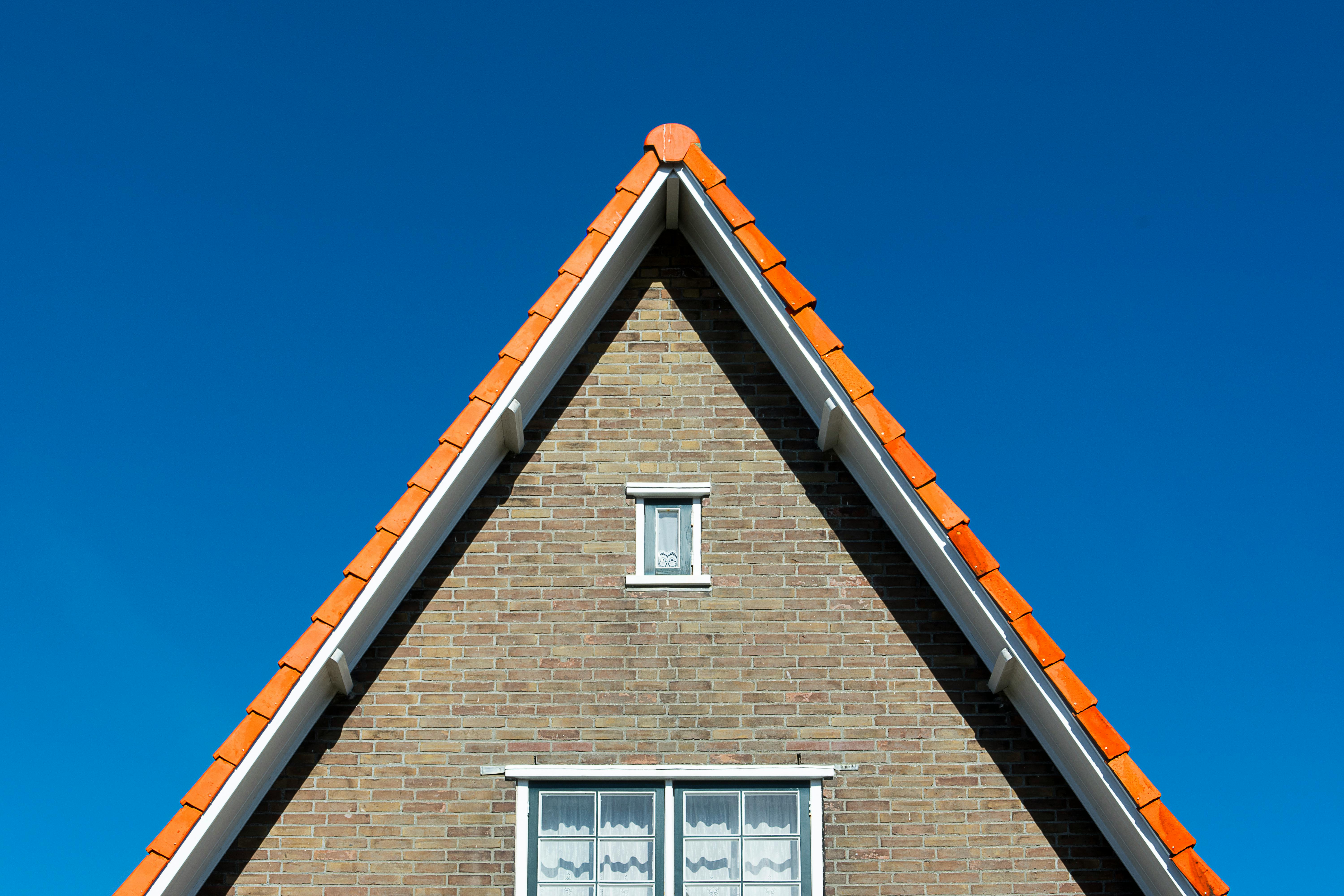
IMAGE: Modern building featuring a clean, triangular top with a simple facade that balances elegance and affordability.
A simple house front design can transform your home into an inviting and stylish space. Here are the key elements to focus on:
Entrance
The entrance is the focal point of your home’s facade. It sets the tone for what lies beyond and should be both welcoming and practical.
Entrance Details and Tips
- Focal Point: Make your entrance the focal point with a standout feature like a bold door or an eye-catching porch.
- Lighting: Use well-placed lighting to highlight the entrance and enhance safety.
Entrance Examples
Entrance Examples for Small Houses: Creating a welcoming and stylish entrance for a small house can significantly enhance its curb appeal. Here are some ideas to inspire you:
Bold Doors
A brightly colored door against a neutral facade can create a striking entrance.
- Red Door: A red door with white trim makes a bold statement and adds a pop of color to your home.
- Turquoise Door: Pair a turquoise door with gray siding for a modern, eye-catching look.
- Yellow Door: A yellow door can add a cheerful and inviting vibe to a dark exterior.
- Black Door: A black door with metallic accents provides a sleek and contemporary feel.
- Blue Door: A deep blue door can add a sense of calm and sophistication to your home's entrance.
Welcoming Porches
A small, simple porch with a few well-chosen plants can make your entrance more inviting.
- Porch Swing: A cozy porch swing with decorative pillows creates a comfortable and welcoming space.
- Symmetrical Plants: Potted plants arranged symmetrically can frame the entrance and add greenery.
- Wooden Bench: A wooden bench with colorful cushions provides a seating area and enhances the porch's look.
- String Lights: String lights draped around the porch can create a warm and inviting atmosphere.
- Welcome Mat: A welcome mat with a fun or personalized design greets guests and adds a personal touch.
- Hanging Baskets: Hanging baskets with trailing flowers add vertical interest and color to the porch.
- Bistro Table: A small bistro table and chairs create a quaint and inviting look, perfect for morning coffee.
- Seasonal Decorations: Keep the porch looking fresh and festive with seasonal decorations like wreaths or lanterns.
- Rugs and Furniture: Use rugs and outdoor furniture to create a cozy, defined space on the porch.
- Outdoor Art: Hang outdoor art or decorative signs to add personality and charm to your porch.
Compact Porticos
A portico can add elegance and protection from the elements to your entrance.
- Mini Portico: A small, stylish portico can provide shelter and a touch of sophistication.
- Arched Portico: An arched design can add a classical feel to your entrance.
- Columned Portico: Use slender columns to support the portico without overwhelming the space.
Creative Pathways
Enhance your entrance with a well-designed pathway.
- Stepping Stones: Create a charming path with stepping stones leading to your door.
- Brick Path: A brick pathway adds a classic touch and is durable.
- Gravel Path: Gravel pathways are cost-effective and easy to maintain.
Decorative Elements
Personalize your entrance with unique decorative elements.
- House Numbers: Use stylish house numbers that complement your home's design.
- Decorative Mailbox: Choose a mailbox that matches your home's aesthetic.
- Door Knockers: Add a decorative door knocker for a touch of elegance.
Lighting Solutions
Proper lighting enhances safety and highlights your entrance.
- Pathway Lights: Use solar-powered pathway lights to guide guests to your door.
- Wall Sconces: Install wall sconces on either side of the door for balanced lighting.
- Lanterns: Hanging lanterns can add a rustic or traditional feel to your entrance.
Greenery and Plants
Add life and color to your entrance with plants and greenery.
- Window Boxes: Install window boxes with seasonal flowers to brighten up your entrance.
- Vertical Gardens: Use vertical planters to grow herbs or flowers in limited space.
- Potted Plants: Place potted plants on either side of the door for symmetry and color.
Unique Doormats
A doormat is a simple way to add personality to your entrance.
- Personalized Mats: Get a custom doormat with your family name or a welcoming message.
- Patterned Mats: Choose a doormat with a fun pattern or design.
- Seasonal Mats: Change your doormat with the seasons to keep your entrance fresh.
Outdoor Seating
Incorporate seating to create a welcoming and functional entrance.
- Bench: A small bench can provide a place to sit and enhances the look of your entrance.
- Chairs: Use a couple of outdoor chairs for a cozy seating area.
- Rocking Chair: A rocking chair adds a charming touch to your porch or entrance.
Artistic Features
Enhance your entrance with artistic elements that reflect your style.
- Outdoor Sculptures: Place a small sculpture near your entrance for a unique look.
- Wall Art: Hang weather-resistant wall art on your porch.
- Wind Chimes: Add wind chimes to create a peaceful and inviting atmosphere.
By incorporating these entrance examples, you can create a stylish and welcoming front for your small house that reflects your personal taste and enhances curb appeal.
Hacks
- Motion Sensor Lights: Install motion sensor lights to save energy and enhance security.
- Seasonal Decor: Use seasonal decorations to keep the entrance fresh and inviting throughout the year.
Door Styles
Choosing the right door style can significantly impact the overall look of your home. Here are some popular options:
Wooden Doors
Wooden doors offer a timeless and natural look. They are versatile and can be painted or stained to match your home's aesthetic.
Wooden doors offer a timeless and natural look that can enhance the charm of any small house. They are incredibly versatile, providing homeowners with a wide range of design options to match their aesthetic preferences.
Why Wooden Doors Are Ideal for Small Houses
Wooden doors are an excellent choice for small houses due to their versatility, durability, and aesthetic appeal.
Here are a few reasons why wooden doors are perfect for small homes:
- Natural Appeal: Wooden doors bring a touch of nature into your home, adding warmth and character that synthetic materials often lack.
- Versatility: Whether you prefer a rustic look or a sleek modern design, wooden doors can be customized with different finishes, stains, and paints.
- Durability: High-quality wooden doors are strong and durable, providing long-lasting security and functionality.
- Insulation: Wood is a natural insulator, helping to keep your home warm in the winter and cool in the summer.
Types of Wooden Doors
Solid Wood Doors
Solid wood doors are made from a single piece of wood or multiple pieces glued together. They offer excellent insulation and soundproofing properties.
- Traditional Look: Solid wood doors have a classic, traditional appearance that suits many architectural styles.
- Customizable: They can be customized with carvings, panels, and other decorative elements.
- Durability: Solid wood doors are highly durable and resistant to wear and tear.
Panel Doors
Panel doors consist of vertical or horizontal panels that create a distinct look. They are one of the most popular types of wooden doors.
- Versatile Design: Panel doors come in various designs, from simple to elaborate, making them suitable for any home style.
- Paint or Stain: These doors can be painted or stained to match your home’s decor.
- Classic Appeal: Panel doors have a timeless look that enhances the curb appeal of any house.
Barn Doors
Barn doors are sliding doors that bring a rustic, country feel to your home. They are perfect for adding a unique touch to small houses.
- Space-Saving: Sliding barn doors do not require space to swing open, making them ideal for small entrances.
- Rustic Charm: Barn doors add a charming, rustic look to your home.
- Customizable: Available in various finishes and designs, barn doors can be customized to fit your style.
Tips for Choosing Wooden Doors for Small Houses
- Consider the Door Style: Choose a style that complements your home’s overall aesthetic. For example, a panel door might suit a traditional home, while a barn door could add character to a rustic house.
- Finish and Color: Decide whether you want to paint or stain your door. A painted door can add a pop of color, while a stained door showcases the natural beauty of the wood.
- Hardware: Select hardware that matches the style of your door and home. Decorative handles, hinges, and locks can enhance the door's appearance.
Hacks for Enhancing Wooden Doors
- Weatherproofing: Ensure your wooden door is properly sealed and treated to withstand the elements, especially if it’s an exterior door.
- Insulation: Add weatherstripping around the door to improve insulation and reduce energy costs. Maintenance:
Regularly clean and maintain your wooden door to keep it looking its best. Use a wood cleaner and polish to protect the finish. Examples
Rustic Barn Door
A sliding barn door with a distressed wood finish adds rustic charm and saves space.
- Look: Distressed wood with visible grain and knots for a natural, rustic appearance.
- Functionality: Slides open to save space, ideal for small entrances.
- Appeal: Adds a unique, charming touch to the home's exterior.
Classic Panel Door
A classic wooden panel door painted in a vibrant color can make a small house stand out.
- Look: Elegant and timeless with raised panels and a bold color.
- Functionality: Solid construction provides security and insulation.
- Appeal: Adds a touch of sophistication to any home.
Stained Solid Wood Door
A solid wood door stained to highlight the natural grain of the wood offers a warm and inviting entrance.
- Look: Rich wood grain with a smooth finish for a natural, warm appearance.
- Functionality: Provides excellent insulation and durability.
- Appeal: Enhances the natural beauty of the home’s entrance.
By incorporating these tips, examples, and hacks, you can choose the perfect wooden door that enhances the charm and functionality of your small house's entrance.
Glass Doors
Glass doors add a modern touch and allow natural light to enter, making your entrance feel more open and airy.
Modern Elegance and Natural Light Glass doors are a fantastic way to add a modern touch to your home while allowing natural light to flood your entrance. They can make even the smallest of entryways feel more open and airy, creating an inviting and bright atmosphere.
Why Glass Doors Are Ideal for Small Houses
Glass doors are particularly beneficial for small houses as they help create the illusion of more space.
Here are some reasons why glass doors are a great choice for small homes:
- Natural Light: Glass doors allow plenty of natural light to enter, brightening up your home and reducing the need for artificial lighting during the day.
- Modern Appeal: Glass doors offer a sleek, contemporary look that can update the overall aesthetic of your home.
- Visual Space: By providing a clear view outside, glass doors can make your entrance and interior feel more spacious and less confined. Types of Glass Doors
Full Glass Doors
Full glass doors are made entirely of glass, framed by a minimal structure, offering maximum visibility and light.
- Look: Sleek and modern, providing an unobstructed view of the outside.
- Functionality: Excellent for letting in natural light and creating a seamless connection between indoors and outdoors.
- Appeal: Ideal for contemporary homes that aim for a minimalist design.
Glass Panel Doors
Glass panel doors combine solid materials with glass panels, offering both privacy and light.
- Look: A mix of glass and wood or metal for a balanced design.
- Functionality: Provides light while maintaining some level of privacy and security.
- Appeal: Suitable for a variety of home styles, from traditional to modern.
Frosted Glass Doors
Frosted glass doors offer the benefit of light while maintaining privacy.
- Look: Elegant and subtle with a matte finish that diffuses light.
- Functionality: Allows light to enter while obscuring the view for privacy.
- Appeal: Perfect for bathrooms or front doors where privacy is a concern.
Sliding Glass Doors
Sliding glass doors save space and add a contemporary feel to your entrance.
- Look: Modern and sleek, ideal for small spaces.
- Functionality: Saves space as they don’t require room to swing open.
- Appeal: Great for patios or deck entrances, blending indoor and outdoor spaces.
Tips for Choosing Glass Doors for Small Houses Safety First: Ensure your glass doors are made of tempered or laminated glass to enhance safety and security. Privacy Options: Consider frosted or tinted glass if privacy is a concern. Frame Material: Choose a frame material (wood, aluminum, or vinyl) that complements your home’s style and provides durability. Hacks for Enhancing Glass Doors Security Film: Apply a security film to your glass doors to increase their strength and prevent shattering. Energy Efficiency: Look for glass doors with energy-efficient coatings to help insulate your home and reduce energy costs. Window Treatments: Add blinds or curtains to your glass doors for additional privacy and to control light levels. Examples
Modern Full Glass Door
A full glass door framed with minimal metal provides a sleek, modern entrance.
- Look: Clean lines with a clear view outside for a contemporary feel.
- Functionality: Maximizes natural light and creates a seamless indoor-outdoor connection.
- Appeal: Enhances the modern look of the home while making the entrance feel larger.
Wood and Glass Panel Door
A wooden door with large glass panels combines warmth and light, perfect for any home style.
- Look: Balanced design with the natural beauty of wood and the brightness of glass.
- Functionality: Provides light and a bit of privacy, offering the best of both worlds.
- Appeal: Suitable for both traditional and contemporary homes, adding elegance to the entrance.
Frosted Glass Door
A frosted glass door provides light while maintaining privacy, ideal for entryways where discretion is needed.
- Look: Matte finish that diffuses light for a soft glow.
- Functionality: Allows natural light while obscuring the view for privacy.
- Appeal: Perfect for creating a sophisticated and private entrance.
Sliding Glass Door
A sliding glass door that opens onto a patio or garden, saving space and enhancing the modern look of your home.
- Look: Sleek and space-saving with a clear view of the outside.
- Functionality: Ideal for small spaces where a swinging door would be impractical.
- Appeal: Perfect for blending indoor and outdoor living areas, making the home feel larger.
By incorporating these tips, examples, and hacks, you can choose the perfect glass door that enhances the charm and functionality of your small house's entrance.
Metal Doors
Metal doors are durable and can provide a sleek, contemporary look. They are also low maintenance and secure.
Durable and Sleek Metal doors are a great option for those looking to combine durability, low maintenance, and a contemporary aesthetic. They are secure and offer a modern touch to your home's entrance.
Why Metal Doors Are Ideal for Small Houses
Metal doors are particularly beneficial for small houses due to their robustness and sleek design.
Here are some reasons why metal doors are a great choice for small homes:
- Durability: Metal doors are incredibly strong and resistant to weather, wear, and tear, ensuring longevity.
- Security: They provide excellent security, making it difficult for intruders to break in. Low Maintenance: Metal doors require minimal upkeep compared to wood, as they do not warp, crack, or rot.
- Modern Appeal: Metal doors offer a sleek and contemporary look that can enhance the curb appeal of your home. Types of Metal Doors
Steel Doors
Steel doors are known for their strength and security. They can be painted to match your home's color scheme.
- Look: Available in smooth or textured finishes, offering a modern, clean appearance.
- Functionality: Provides excellent security and insulation, often filled with foam for added energy efficiency.
- Appeal: Ideal for homes that need a strong, secure entrance with a sleek look.
Aluminum Doors
Aluminum doors are lightweight and resistant to rust, making them perfect for humid or coastal areas.
- Look: Sleek and modern, with a variety of finishes and colors available.
- Functionality: Lightweight yet strong, with good resistance to corrosion and rust.
- Appeal: Great for homes in humid climates or those seeking a contemporary aesthetic.
Wrought Iron Doors
Wrought iron doors offer a decorative and durable option, often featuring intricate designs and patterns.
- Look: Ornate and elegant, often with detailed patterns that add a touch of sophistication.
- Functionality: Extremely strong and secure, providing both beauty and protection.
- Appeal: Ideal for homes looking for a classic, elegant entrance with modern durability.
Tips for Choosing Metal Doors for Small Houses
- Consider the Finish: Choose a finish that complements your home’s style. Powder-coated finishes offer durability and a variety of color options.
- Insulation: Ensure the metal door is properly insulated to maintain energy efficiency and comfort within your home.
- Style and Design: Select a design that matches your home’s architecture, whether it’s a sleek modern look or a more decorative style.
Hacks for Enhancing Metal Doors Rust Prevention:
Apply a rust-resistant coating to protect your door from the elements, especially in coastal or humid areas.
- Weatherstripping: Add weatherstripping to improve insulation and reduce energy costs.
- Decorative Elements: Enhance the look of your metal door with decorative handles, knockers, or glass inserts.
Examples
Sleek Steel Door
A smooth steel door painted in a bold color provides a modern, secure entrance.
- Look: Smooth surface with a contemporary color for a bold statement.
- Functionality: High security with foam insulation for energy efficiency.
- Appeal: Perfect for modern homes needing a strong, stylish entrance.
Modern Aluminum Door
An aluminum door with a brushed finish offers a sleek, lightweight, and rust-resistant option.
- Look: Brushed finish with a modern appeal, available in various colors.
- Functionality: Lightweight, strong, and rust-resistant, ideal for humid areas.
- Appeal: Enhances the modern look of your home while providing durability.
Ornate Wrought Iron Door
A wrought iron door with intricate designs adds elegance and security to your entrance.
- Look: Detailed patterns and designs for an elegant, sophisticated entrance.
- Functionality: Extremely strong and secure, combining beauty and protection.
- Appeal: Ideal for homes looking for a classic, elegant entrance with modern durability.
By incorporating these tips, examples, and hacks, you can choose the perfect metal door that enhances the charm and functionality of your small house's entrance.
Use of Porches and Porticos
Porches and porticos not only enhance the aesthetic appeal of your home but also provide functional benefits such as shelter and seating.
Details and Tips
- Functional Space: Use your porch as an extension of your living space with comfortable seating or decorative elements.
- Weather Protection: A portico can protect your entrance from the elements and add architectural interest.
Examples
- Wraparound Porch: A wraparound porch can provide ample space for seating and decoration, enhancing your home's charm.
- Simple Portico: A straightforward portico with clean lines can add elegance and functionality to your entrance.
Hacks
- All-Weather Furniture: Choose durable, weather-resistant furniture for your porch to ensure it stays looking great year-round.
- Planters and Greenery: Use planters and greenery to add color and life to your porch or portico.
Welcoming Pathways
A well-designed pathway leads visitors to your home and enhances the overall curb appeal.
Details and Tips
- Clear Path: Ensure the pathway is clear and direct, guiding visitors effortlessly to your entrance.
- Material Choices: Use durable materials like stone, brick, or concrete for longevity and style.
Examples
- Stone Pathways: Natural stone pathways offer a rustic and timeless look.
- Brick Paths: Brick pathways provide a classic, traditional appeal.
Hacks
- Solar Lights: Line your pathway with solar lights for an eco-friendly way to illuminate your walkway.
- Edging: Use edging to keep your pathway defined and prevent grass or plants from encroaching.
Windows
Windows play a crucial role in both the aesthetics and functionality of your home. They provide natural light, ventilation, and enhance the overall design. Properly chosen and placed windows can transform your living space, making it more inviting and energy-efficient. Let's explore the key aspects of windows for a modern single-floor home design.
Types and Placements
Choosing the right types and placements of windows can enhance both the aesthetic and functional aspects of your home.
- Double-Hung Windows: These are versatile and provide excellent ventilation. They can be placed in almost any room.
- Casement Windows: Ideal for areas where you want unobstructed views and maximum ventilation.
- Picture Windows: Perfect for rooms with great views, providing a wide, unobstructed view of the outdoors.
- Placement Tips: Place windows strategically to capture natural light and provide cross ventilation. Consider the room’s function and orientation to maximize benefits.
Importance of Natural Light
Natural light can transform a home, making it feel more open, airy, and inviting.
- Health Benefits: Exposure to natural light can improve mood and energy levels, and even enhance productivity.
- Energy Efficiency: Proper use of natural light can reduce the need for artificial lighting, saving on energy costs.
- Interior Aesthetics: Natural light enhances the colors and textures of your interior spaces, making them look more vibrant and appealing.
Window Treatments and Shutters
Choosing the right window treatments and shutters can add both style and functionality to your home.
- Blinds and Shades: Offer excellent light control and privacy. Available in a variety of materials and styles to match any decor.
- Shutters: Provide a classic look and can be customized to fit any window size or shape. They also offer excellent insulation.
- Curtains and Drapes: Add a touch of elegance and can be used to complement your overall design scheme. They also provide insulation and soundproofing.
Roof Design
The roof is a critical element of your home's design, contributing to both its aesthetic appeal and functionality. Choosing the right roof design and materials can enhance your home's look, provide energy efficiency, and offer long-term durability. Here’s a detailed look at key aspects of roof design for modern single-floor homes.
Flat vs. Sloped Roofs
Choosing between a flat and sloped roof involves considering factors like aesthetics, climate, and maintenance needs.
- Flat Roofs:
- Modern Aesthetics: Flat roofs offer a sleek, modern look that complements contemporary home designs.
- Space Utilization: They can be used for additional outdoor living spaces, such as roof gardens or patios.
- Maintenance: Flat roofs can be more prone to water pooling and may require more frequent maintenance to prevent leaks.
- Climate Consideration: Best suited for arid climates where water drainage is less of an issue.
- Sloped Roofs:
- Traditional Appeal: Sloped roofs offer a classic, timeless look that suits various architectural styles.
- Effective Water Drainage: They facilitate better water runoff, reducing the risk of leaks and water damage.
- Insulation: The slope can provide additional space for insulation, enhancing energy efficiency.
- Climate Suitability: Ideal for regions with heavy rainfall or snowfall.
Materials
Choosing the right roofing material is essential for durability, aesthetics, and energy efficiency. Here are some popular options:
- Metal Roofs:
- Durability: Metal roofs are extremely durable and can last up to 50 years or more with proper maintenance.
- Energy Efficiency: They reflect solar heat, reducing cooling costs in warm climates.
- Variety: Available in various styles and colors to match different home designs.
- Cost: Initially more expensive, but cost-effective over the long term due to their longevity.
- Tile Roofs:
- Classic Look: Tile roofs offer a traditional and elegant appearance, often seen in Mediterranean and Spanish-style homes.
- Durability: Highly durable and can withstand harsh weather conditions, including wind and fire.
- Maintenance: Tiles are prone to breaking but can be easily replaced individually.
- Weight: Heavier than other materials, requiring a strong roof structure.
- Shingle Roofs:
- Affordability: Asphalt shingles are one of the most cost-effective roofing materials available.
- Versatility: Available in various colors and styles, making them suitable for different architectural designs.
- Ease of Installation: Simple to install and repair, making them a popular choice for many homeowners.
- Lifespan: Typically last 20-30 years, depending on the quality and environmental conditions.
Integration with Solar Panels
Integrating solar panels into your roof design can enhance energy efficiency and reduce utility costs.
- Flat Roofs:
- Optimal Angle: Solar panels can be mounted at the optimal angle to capture maximum sunlight.
- Space Utilization: Flat roofs offer ample space for solar panel installation without affecting aesthetics.
- Sloped Roofs:
- Seamless Integration: Solar panels can be integrated into the roof’s slope, maintaining a cohesive look.
- Orientation: South-facing slopes are ideal for maximizing solar energy capture.
- Material Compatibility:
- Metal Roofs: Metal roofs are highly compatible with solar panels, providing a sturdy base for mounting systems.
- Tile Roofs: Solar panels can be integrated with tile roofs using specialized mounting brackets that do not damage the tiles.
- Shingle Roofs: Asphalt shingles can easily accommodate solar panel installations with standard mounting equipment.
- Energy Efficiency:
- Reduced Utility Bills: Solar panels can significantly reduce your electricity costs by generating renewable energy.
- Environmental Impact: Utilizing solar energy reduces your carbon footprint and contributes to a sustainable future.
Materials and Colors
Choosing the right materials and colors for your home’s exterior is crucial in creating an inviting and aesthetically pleasing facade. Here’s a detailed look at popular materials and color trends for 2025, as well as tips on combining textures and finishes.
Popular Materials
Selecting the right materials can significantly impact the durability and visual appeal of your home. Here are some popular options:
- Brick:
- Classic Look: Brick offers a timeless and sturdy appearance that never goes out of style.
- Durability: Highly durable and low-maintenance, brick can withstand various weather conditions.
- Insulation: Provides excellent thermal mass, helping to maintain indoor temperature.
- Wood:
- Natural Aesthetic: Wood exteriors provide a warm, natural look that blends seamlessly with the environment.
- Versatility: Available in various styles and finishes, wood can be stained or painted to suit your design preferences.
- Maintenance: Requires regular maintenance to protect against rot, insects, and weather damage.
- Stucco:
- Modern Appeal: Stucco offers a smooth, clean finish that works well with modern and Mediterranean-style homes.
- Durability: Resistant to fire and insects, stucco is also an excellent insulator.
- Customization: Can be textured and colored to create various design effects.
Color Palettes for 2025
Color trends for 2025 focus on creating calm, inviting, and sophisticated exteriors. Here are some popular palettes:
- Pastels:
- Soft Blues and Greens: These colors evoke a sense of tranquility and blend beautifully with natural surroundings.
- Muted Pinks and Lavenders: Add a touch of warmth and elegance without overwhelming the senses.
- Neutrals:
- Whites and Creams: Timeless and versatile, these colors create a clean, sophisticated look.
- Grays and Beiges: Offer a modern and understated elegance that can complement various architectural styles.
- Earth Tones:
- Terracotta and Ochre: Warm, earthy tones that provide a natural and welcoming feel.
- Deep Browns and Greens: Enhance the connection to nature and add depth to the exterior design.
Combining Textures and Finishes
Mixing different textures and finishes can add visual interest and depth to your home's exterior. Here are some tips and examples:
- Contrast: Combine smooth and rough textures to create contrast. For example, pair smooth stucco with rough stone accents.
- Harmony: Ensure that the textures and finishes complement each other. For instance, wooden siding can be paired with brick for a balanced look.
- Layering: Layering different materials can add complexity and richness to the design. Consider using shingles for the roof, wood for the main facade, and stone for the foundation.
Transform Your Single-Floor House Front: Top Design Ideas for 2025
Practical Design Tips for Single-Floor House Fronts
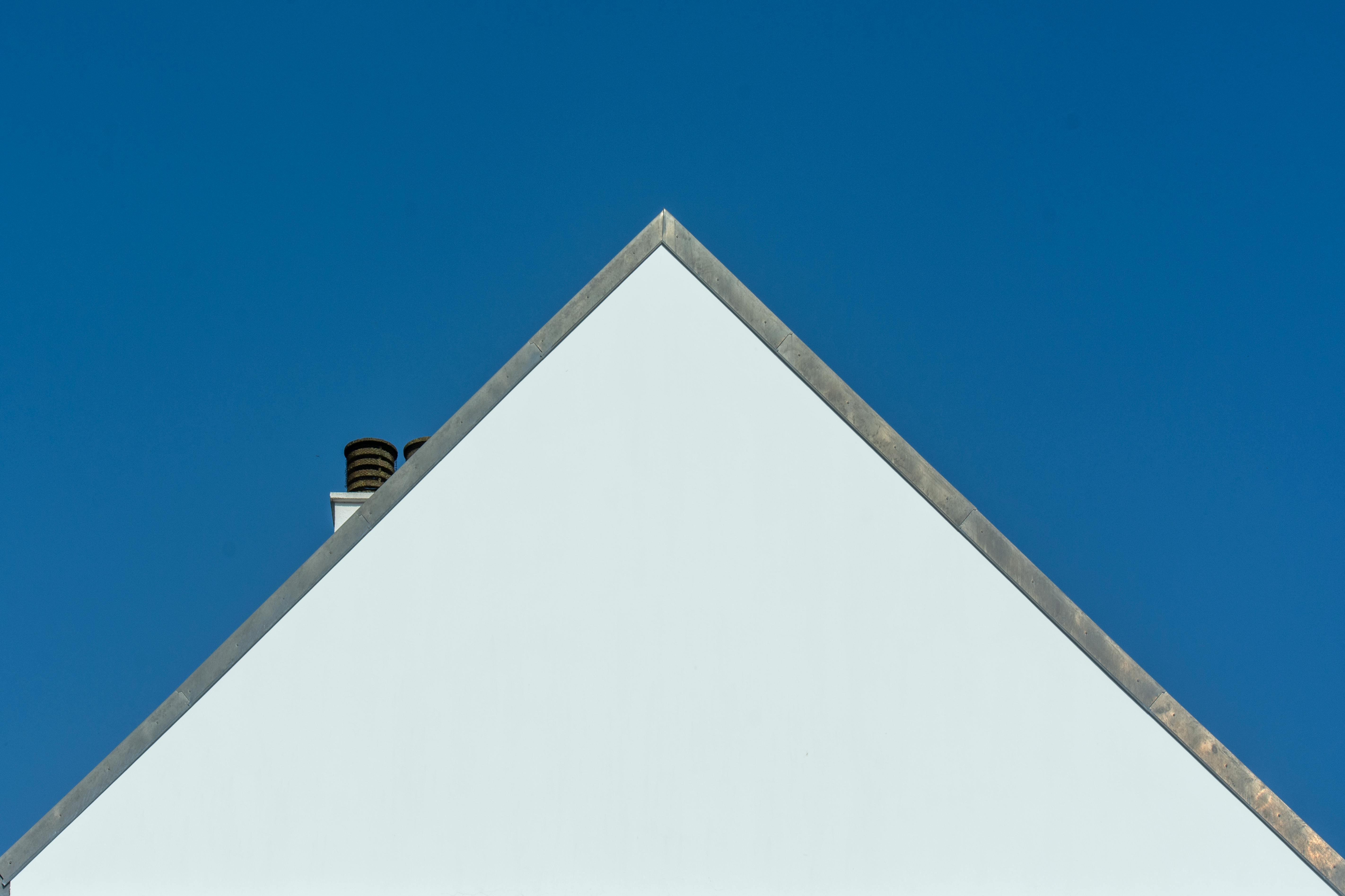
IMAGE: Small white house featuring a clean gable-front design, reflecting simple geometry and minimalist residential architecture.
Creating Curb Appeal
Transforming your single-floor house front into a welcoming and attractive space involves a few practical design tips. From creating curb appeal to adding decorative elements, these tips will help you enhance the beauty and functionality of your home’s exterior. Creating Curb Appeal Creating curb appeal is about making your home look inviting and well-maintained from the street. It’s the first impression people get, so make it count.
Details and Tips
- Symmetry: Achieve a balanced look by arranging elements symmetrically around the front door. Symmetry is pleasing to the eye and creates a harmonious look.
- Cleanliness: Keep your front yard and entrance clean and tidy. Regularly clean the walkway, remove weeds, and trim bushes and trees.
- Accents: Add colorful accents like flowers, a bright front door, or decorative pots to make your home stand out.
Examples
- Flower Beds: Well-maintained flower beds with seasonal blooms can add a splash of color and make your home more inviting.
- Painted Front Door: A freshly painted door in a bold color can be a focal point that enhances curb appeal.
Hacks
- Regular Maintenance: Schedule regular maintenance tasks like mowing the lawn, cleaning gutters, and washing windows to keep your home looking its best.
- Power Washing: Use a power washer to clean the exterior walls, driveway, and walkways to remove dirt and grime.
Landscaping and Greenery
Landscaping plays a crucial role in enhancing the appearance of your home. It can make your home feel more inviting and add significant value.
Details and Tips
- Plant Selection: Choose plants that are native to your area and require minimal maintenance. They will thrive better and need less water and care.
- Layering: Layer your plants with taller ones at the back and shorter ones in front to create depth and visual interest.
- Pathways: Create clear and attractive pathways using materials like stone, brick, or gravel to guide visitors to your door.
Examples
- Native Plants: Using plants that are native to your region will ensure they thrive with minimal care.
- Seasonal Flowers: Plant seasonal flowers to ensure your garden has color throughout the year.
Hacks
- Mulching: Use mulch to retain moisture in the soil, reduce weeds, and give your garden a polished look.
- Drip Irrigation: Install a drip irrigation system to water plants efficiently and save on water bills.
Lighting (Path Lights, Sconces, Lanterns)
Proper lighting enhances the safety, security, and beauty of your home. It highlights architectural features and creates a welcoming atmosphere.
Details and Tips
- Path Lights: Install path lights along walkways to guide visitors safely to your door and highlight your landscaping.
- Sconces: Use wall sconces to frame the front door and add a decorative element while providing essential lighting.
- Lanterns: Hang lanterns on porches or near entryways for a classic, timeless look that adds charm and illumination.
Examples
- Solar Path Lights: Solar-powered path lights are eco-friendly and easy to install, requiring no wiring.
- Vintage Lanterns: Vintage-style lanterns can add a rustic or classic touch to your home's exterior.
Hacks
- Smart Lighting: Use smart bulbs and timers to control your outdoor lighting remotely and save energy.
- Up-Lighting: Use up-lighting to highlight trees, shrubs, and architectural features, creating dramatic nighttime effects.
Decorative Elements
Adding decorative elements to your home’s exterior can personalize your space and make it more welcoming.
House Numbers
House numbers are essential for navigation and can also be a stylish addition.
- Visibility: Ensure your house numbers are easily visible from the street, both during the day and at night.
- Style: Choose numbers that complement your home’s design, whether modern, traditional, or eclectic.
Mailboxes
A well-chosen mailbox can enhance your home’s curb appeal.
- Style: Select a mailbox that matches the architectural style of your home.
- Functionality: Ensure it is large enough to hold your mail and packages securely.
Sustainable Design Practices
-
Incorporating sustainable design practices into your home not only helps the environment but can also save you money and improve your quality of life. Here’s how you can make your home more sustainable with eco-friendly materials, energy-efficient features, and rainwater harvesting systems.
Eco-Friendly Materials
Choosing eco-friendly materials for your home can reduce your environmental footprint and create a healthier living space.
- Bamboo:
- Renewable Resource: Bamboo grows quickly and is a highly renewable resource.
- Durability: Bamboo is strong and durable, making it suitable for flooring, furniture, and even structural elements.
- Recycled Materials:
- Reducing Waste: Using materials made from recycled content helps reduce waste and the need for new raw materials.
- Versatility: Recycled materials can be used for insulation, countertops, and even building blocks.
- Cork:
- Sustainable Harvesting: Cork is harvested from the bark of cork oak trees, which regenerate, making it a sustainable option.
- Insulating Properties: Cork provides excellent thermal and acoustic insulation.
Energy-Efficient Doors and Windows
Installing energy-efficient doors and windows can significantly reduce your home’s energy consumption and improve comfort.
- Double-Glazed Windows:
- Insulation: Double-glazed windows have two layers of glass with a gap in between, providing better insulation than single-glazed windows.
- Noise Reduction: They also help reduce outside noise, making your home quieter.
- Energy Star Rated Doors:
- Efficiency Standards: Look for doors with the Energy Star rating, which meet stringent energy efficiency standards.
- Material Choices: Choose doors made from insulated steel, fiberglass, or wood for better thermal performance.
- Low-E Glass:
- Heat Reflection: Low-E (low-emissivity) glass reflects heat back to its source, keeping your home warmer in winter and cooler in summer.
- UV Protection: It also reduces UV radiation, protecting your furniture and flooring from fading.
Rainwater Harvesting Systems
Rainwater harvesting systems collect and store rainwater for use in your home, reducing your reliance on municipal water supplies and lowering your water bill.
- Collection:
- Gutters and Downspouts: Install gutters and downspouts to channel rainwater from your roof to a storage tank.
- First Flush Diverters: Use first flush diverters to ensure the first runoff, which may contain debris, is diverted away from the storage tank.
- Storage:
- Water Tanks: Choose water tanks made from food-grade materials to safely store collected rainwater.
- Capacity: Select a tank size based on your water needs and the amount of rainfall in your area.
- Distribution:
- Pump Systems: Use pumps to distribute the collected rainwater for various uses, such as irrigation, flushing toilets, or even washing clothes.
- Filtration: Install filters to remove contaminants and ensure the water is safe for its intended use.
- Bamboo:
Space Utilization
Efficient space utilization is crucial for making the most out of your home’s exterior, especially if you’re working with limited space. Here’s how you can maximize small spaces, implement smart storage solutions, and create multifunctional areas.
Maximizing Small Spaces
Maximizing small spaces involves creative design and smart planning to make every square foot count.
- Vertical Gardening:
- Wall Planters: Use wall planters to grow flowers or herbs vertically, saving ground space and adding greenery.
- Trellises: Install trellises for climbing plants to create a lush, green wall without taking up horizontal space.
- Compact Furniture:
- Foldable Tables: Use foldable or extendable tables that can be adjusted based on your needs.
- Stackable Chairs: Stackable or foldable chairs can be easily stored when not in use.
- Mirrors:
- Illusion of Space: Place mirrors strategically to reflect light and create the illusion of a larger area.
Storage Solutions
Smart storage solutions help keep your outdoor spaces organized and clutter-free.
- Outdoor Closets:
- Weatherproof Closets: Install weatherproof outdoor closets to store garden tools, cushions, and other items.
- Camouflage: Use closets that blend with your home’s exterior to maintain a clean look.
- Built-In Benches:
- Dual Purpose: Built-in benches with storage compartments underneath provide seating and storage in one.
- Custom Fit: Customize benches to fit snugly into corners or along walls to maximize space.
- Sheds:
- Compact Sheds: Use compact sheds for storing larger items like bikes, mowers, and garden tools.
- Organized Interiors: Outfit sheds with shelves, hooks, and bins to keep everything organized.
Multifunctional Areas
Creating multifunctional areas allows you to get more use out of your outdoor spaces.
- Seating and Storage:
- Storage Benches: Benches with built-in storage are perfect for keeping outdoor cushions, toys, and tools.
- Convertible Furniture: Use furniture that can convert from seating to tables or storage units as needed.
- Plant Beds and Seating:
- Raised Planters: Build raised planters with wide edges that can double as seating.
- Built-In Planters: Integrate planters into retaining walls or around decks to combine greenery with seating areas.
- Entertaining Areas:
- Fire Pits: Use a fire pit area that can serve as a cozy gathering spot for both cooking and warmth.
- Outdoor Kitchens: Incorporate an outdoor kitchen that doubles as a dining and entertaining area.
DESIGN TRENDS
Beautifully Simple Single-Floor House Fronts
Modern Trends in Single-Floor House Front Designs (2025)
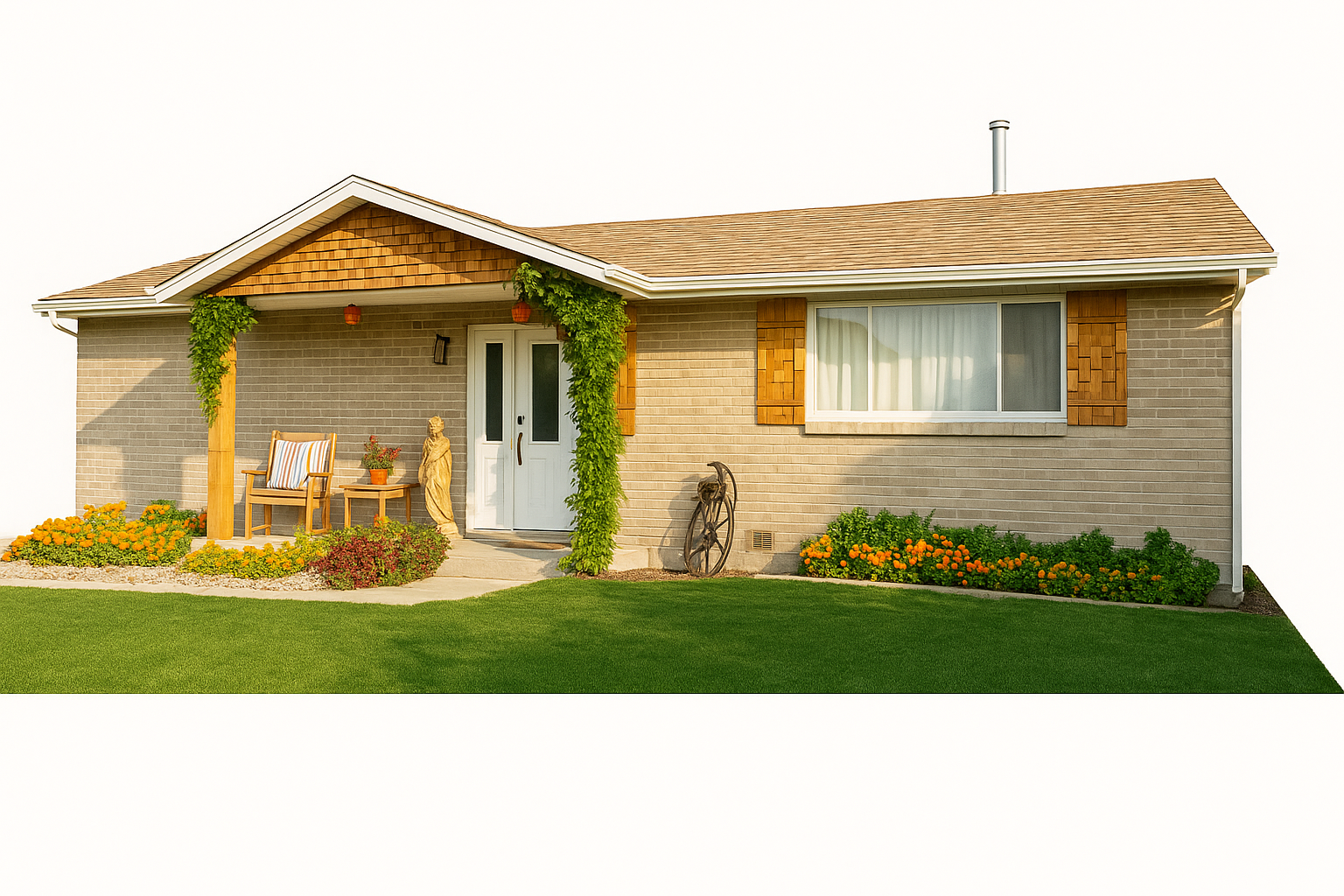
- Technological Integration
- Smart home features (security cameras, smart locks)
- Automated lighting and irrigation systems
The design of single-floor houses continues to evolve with advancements in technology and changing aesthetic preferences. In 2025, several modern trends are shaping how we think about house front designs, making homes not only more attractive but also more functional and secure.
Technological Integration Integrating technology into your home’s front design can enhance convenience, security, and efficiency.
Here's how you can incorporate smart features into your single-floor house front design.
Smart Home Features
Security Cameras
Security cameras are becoming a standard feature in modern homes, offering peace of mind and increased safety.
- Functionality: Monitor your home's exterior in real-time through connected devices.
- Placement Tips: Install cameras at key points such as the front door, driveway, and side entrances.
- Examples: Brands like Ring and Nest offer high-quality, easy-to-install security cameras.
- Hacks: Use solar-powered cameras to reduce energy consumption and ensure continuous operation during power outages.
Smart Locks
Smart locks enhance security and convenience, allowing you to lock and unlock your doors remotely.
- Functionality: Control access to your home via smartphone apps, keypads, or biometric recognition.
- Installation Tips: Ensure compatibility with your existing door hardware and connectivity with your home network.
- Examples: Popular models include the August Smart Lock, Schlage Encode, and Yale Assure Lock.
- Hacks: Integrate your smart lock with a home automation system to trigger other smart devices, like lighting, when the door is unlocked.
Automated Systems
Automated Lighting
Automated lighting systems can enhance security and aesthetic appeal, illuminating your home efficiently.
- Functionality: Control outdoor lighting through timers, motion sensors, or smart home systems.
- Placement Tips: Install automated lights along pathways, entryways, and in the yard to ensure safety and highlight landscaping features.
- Examples: Philips Hue and Lutron Caseta offer versatile options for automated outdoor lighting.
- Hacks: Use solar-powered LED lights for energy efficiency and ease of installation.
Automated Irrigation Systems
Automated irrigation systems keep your garden and lawn healthy with minimal effort, saving water and time.
- Functionality: Schedule watering times and control the system remotely to ensure optimal plant care.
- Installation Tips: Set up zones based on the water needs of different plants and areas in your yard.
- Examples: Systems like Rachio and Rain Bird offer advanced features for efficient water use.
- Hacks: Integrate the system with weather sensors to adjust watering schedules based on rainfall and temperature.
Integrating these modern technological features, make your single-floor house front not only more stylish but also more functional and secure. Embracing these trends will ensure your home is up-to-date with the latest advancements, providing convenience and peace of mind.
Customization and Personalization
While minimalist designs emphasize simplicity, there is always room for customization and personalization. Adding unique design touches can help your home reflect your personal style while maintaining an elegant and simple aesthetic. Here’s how you can achieve this balance.
Unique Design Touches
Incorporating custom elements can make your home stand out and feel truly yours. Here are some ideas for unique design touches that can enhance the front of your single-floor house.
Custom Doors
Custom doors are a great way to add a unique touch to your home’s entrance. They can be designed to match your personal style and the overall aesthetic of your home.
- Materials: Choose from wood, metal, glass, or a combination to create a door that fits your style.
- Design: Consider adding features like intricate carvings, frosted glass panels, or bold colors.
- Examples: A wooden door with custom carvings, a metal door with a unique patina, or a colorful glass door that makes a statement.
Personalized Lighting
Lighting plays a crucial role in setting the mood and highlighting features of your house front. Personalized lighting can enhance the overall look and feel of your home.
- Fixture Styles: Choose fixtures that complement your home’s design, from modern sconces to vintage lanterns.
- Placement: Strategically place lights to highlight architectural features, pathways, and landscaping.
- Examples: Custom-designed sconces by the front door, a personalized pendant light over the porch, or LED strip lights along the pathway.
Decorative House Numbers
House numbers can be more than just functional; they can also be a stylish addition to your home’s facade.
- Materials: Use metal, wood, ceramic, or stone for a unique look.
- Design: Choose a font and style that reflects your personal taste and complements your home.
- Examples: Large metal numbers mounted on a wooden plank, ceramic tiles with hand-painted numbers, or sleek modern numbers in a bold font.
Reflecting Personal Style While Maintaining Simplicity It's important to personalize your home without overwhelming its simplicity. Here’s how to balance personal style with a minimalist design approach.
Subtle Accents
Use subtle accents to add personality without detracting from the overall simplicity.
- Color Accents: Incorporate a pop of color through elements like the front door, planters, or outdoor furniture.
- Textures: Use different textures to add depth and interest, such as a stone pathway, wooden bench, or metal fixtures.
- Examples: A bright red door against a neutral facade, a textured stone wall, or a wooden bench with colorful cushions.
Personal Touches
Add personal touches that reflect your style and interests, ensuring they blend seamlessly with the minimalist aesthetic.
- Artwork: Display outdoor sculptures or wall art that resonate with your personal taste.
- Plants: Choose plants and planters that enhance the aesthetic and add a touch of nature.
- Examples: A metal sculpture in the garden, a mural on an exterior wall, or a variety of potted plants that add color and life to the entrance.
Functional Decor
Integrate decor that serves a purpose, maintaining the minimalist principle of functionality.
- Seating: Include a stylish yet practical bench or chair near the entrance.
- Storage: Use decorative storage solutions like outdoor cabinets or built-in benches with storage compartments.
- Examples: A sleek bench with hidden storage for shoes, a stylish outdoor cabinet for gardening tools, or a decorative bike rack.
By incorporating these customization and personalization ideas, you can create a house front design that is uniquely yours while maintaining the simplicity and elegance of a minimalist approach. This balance ensures that your home is both stylish and functional, reflecting your personal taste without compromising on design principles.
MASTERING MINIMALISM
Simple Single-Floor House Front Design Ideas for 2025
Case Studies and Examples
Examining real-life examples can provide valuable insights into the design and execution of single-floor house fronts.
Here’s an in-depth look at a specific case study to understand the challenges, solutions, and design highlights.
Case Study 1
Urban Single-Floor Home
Description and Design Highlights
This urban single-floor home exemplifies a modern approach to simplicity and functionality. Located in a bustling city environment, the design prioritizes privacy, natural light, and integration with its urban surroundings.
- Location: A densely populated urban area.
- Design Style: Modern minimalist with a focus on clean lines and open spaces.
- Materials Used: Combination of steel, glass, and natural wood to create a sleek yet warm facade.
- Unique Features: Custom metal door, large glass windows for natural light, integrated planters, and automated lighting systems.
Challenges and Solutions
Urban environments present unique challenges, particularly concerning space constraints, privacy, and noise. Here’s how these issues were addressed in this project:
Space Constraints
In a city setting, space is often at a premium. This project maximized the use of available space through smart design choices.
- Solution: The use of vertical space with tall windows and a flat roof allowed for an airy feel without taking up additional ground area.
- Example: Incorporating built-in planters and vertical gardens to add greenery without sacrificing space.
Privacy
Maintaining privacy while allowing natural light can be challenging in an urban setting.
- Solution: The use of frosted glass and strategic window placements ensured privacy without compromising light.
- Example: High fences and walls with climbing plants created a private outdoor area.
Noise
Urban noise can be a significant issue for city dwellers seeking a peaceful home environment.
- Solution: Installing double-glazed windows and soundproofing materials to reduce noise infiltration.
- Example: Using a solid, custom metal door for the entrance, providing both security and noise reduction.
Visuals and Sketches
Visual representation is key to understanding the design elements and layout of a project. Below are some sketches and visual highlights of this urban single-floor home:
Front Elevation Sketch
A detailed sketch showcasing the front elevation of the home, highlighting the clean lines, large windows, and custom door.
- Key Elements: Smooth facade, integrated planters, and minimalistic lighting fixtures.

A detailed black-and-white sketch showcasing the front elevation of an urban single-floor home. The design features clean lines, large windows, and a custom metal door. The facade is smooth with integrated planters and minimalistic lighting fixtures, emphasizing a modern, minimalist aesthetic.
Floor Plan
The floor plan illustrates the smart use of space, showing how different areas are laid out to maximize functionality and comfort.
- Key Areas: Open living space, seamless transition to outdoor areas, and strategic window placements for natural light.

A detailed floor plan of an urban single-floor home illustrating the smart use of space. The plan shows different areas laid out to maximize functionality and comfort, including an open living space, seamless transition to outdoor areas, and strategic window placements for natural light. Key areas such as the living room, kitchen, bedrooms, and outdoor spaces are clearly labeled.
3D Renderings
3D renderings provide a realistic view of the finished project, giving a sense of the materials and overall aesthetic.
- Exterior View: Highlights the integration of the home with its urban surroundings.

A detailed exterior view of an urban single-floor home highlighting its integration with the urban surroundings. The design features modern minimalist elements, clean lines, large windows, and a custom door, all in subtle, light colors. The surroundings include a small, neatly landscaped garden, a smooth pathway leading to the entrance, and neighboring buildings in the background, showcasing how the home blends seamlessly with its urban environment while standing out with contemporary aesthetics.
- Interior View: Showcases the seamless flow between indoor and outdoor spaces.

A detailed interior view of an urban single-floor home, highlighting the seamless flow between indoor and outdoor spaces. The design features large sliding glass doors that open to a patio, creating a harmonious connection between the interior and exterior. Inside, the modern minimalist decor includes a spacious living area that transitions into the dining and kitchen areas. Natural light floods the space, enhancing the open and airy feel. The patio is furnished with comfortable outdoor seating and greenery.
Modern trends, technological integration, and a minimalist approach can transform an urban single-floor home into a functional and stylish space. These real-world examples provide practical solutions and a wealth of inspiration for tackling common design challenges. So, whether you're aiming to make your home the talk of the town or simply seeking to blend comfort with style, these insights will help you create a space that’s both chic and practical.
Case Study 2
Suburban Single-Floor Home
- Description and design highlights
- Challenges and solutions
- Visuals and sketches
Description and Design Highlights
This case study focuses on a single-floor home situated in a suburban area, designed to blend seamlessly with its natural surroundings while providing modern comforts and aesthetic appeal.
- Location: A quiet suburban neighborhood.
- Design Style: Contemporary with a touch of traditional elements to match the suburban setting.
- Materials Used: A mix of brick, wood, and glass to create a warm and inviting facade.
- Unique Features: A spacious porch, large bay windows, and an open-plan layout that encourages family interaction.
Challenges and Solutions
Building a home in a suburban setting comes with its own set of challenges, such as integrating the house with the surrounding environment, ensuring privacy, and maintaining a balance between modern and traditional design elements.
Integration with Surroundings
Ensuring the home blends well with the natural landscape and neighboring houses.
- Solution: Using natural materials like wood and brick helps the house harmonize with the surroundings.
- Example: Incorporating a large front porch with wooden beams that complement the greenery around.
Ensuring Privacy
Balancing openness with privacy, especially in a closely-knit suburban community.
- Solution: Strategic placement of windows and the use of privacy screens and landscaping elements.
- Example: Using tall hedges and frosted glass windows in bathrooms and bedrooms.
Balancing Modern and Traditional Design
Creating a design that is modern yet respects the traditional suburban aesthetic.
- Solution: Combining contemporary design elements with traditional features like a pitched roof and brick facade.
- Example: A modern, open-plan interior layout with a traditional exterior featuring a classic gabled roof and brick walls.
Visuals and Sketches
Visual representation is crucial to understanding the design elements and layout of a suburban single-floor home. Below are some sketches and visual highlights:
Front Elevation Sketch
A detailed sketch showcasing the front elevation of the home, highlighting the brick facade, large bay windows, and spacious porch.
- Key Elements: Warm brickwork, wooden porch beams, and large windows for natural light.
Floor Plan
The floor plan illustrates the smart use of space, showing how different areas are laid out to maximize functionality and comfort.
- Key Areas: Open living space, seamless transition to outdoor areas, and strategic window placements for natural light.
3D Renderings
3D renderings provide a realistic view of the finished project, giving a sense of the materials and overall aesthetic.
- Exterior View: Highlights the integration of the home with its suburban surroundings.
- Interior View: Showcases the spacious, open-plan layout and modern amenities.
By exploring this suburban single-floor home, we can see how combining modern and traditional elements, addressing privacy concerns, and integrating the home with its surroundings can create a harmonious and comfortable living space. These examples provide practical solutions and inspiration for designing a suburban home that is both stylish and functional.
Case Study 3
Rural Single-Floor Home
- Description and design highlights
- Challenges and solutions
- Visuals and sketches
Description and Design Highlights
This case study focuses on a single-floor home situated in a rural area, designed to embrace the natural landscape and provide a peaceful retreat from urban life.
- Location: A scenic rural setting with expansive views of the countryside.
- Design Style: Rustic modern, blending traditional rural elements with contemporary design.
- Materials Used: Natural stone, wood, and large glass panels to connect the interior with the outdoors.
- Unique Features: Wrap-around porch, large windows for panoramic views, and eco-friendly design elements.
Challenges and Solutions
Designing a home in a rural setting involves unique challenges such as maximizing views, ensuring sustainability, and integrating the home with its natural surroundings.
Maximizing Views
Taking full advantage of the beautiful rural landscape.
- Solution: Using large windows and open spaces to provide uninterrupted views of the countryside.
- Example: Installing floor-to-ceiling windows in the living room and master bedroom.
Ensuring Sustainability
Incorporating eco-friendly practices to minimize environmental impact.
- Solution: Utilizing sustainable materials and renewable energy sources.
- Example: Installing solar panels and using reclaimed wood for construction.
Integration with Natural Surroundings
Blending the home seamlessly with the natural landscape.
- Solution: Designing with natural materials and a color palette that complements the surroundings.
- Example: A stone facade that blends with the rocky terrain and wooden elements that echo the nearby forests.
Visuals and Sketches Visual representation helps to understand the design elements and layout of a rural single-floor home. Here are some sketches and visual highlights:
Front Elevation Sketch
A detailed sketch showcasing the front elevation of the home, highlighting the stone facade, large windows, and wrap-around porch.
- Key Elements: Natural stone walls, extensive use of wood, and large windows for natural light.

Floor Plan
The floor plan illustrates the smart use of space, showing how different areas are laid out to maximize functionality and comfort.
- Key Areas: Open living space, seamless transition to outdoor areas, and strategic window placements for panoramic views.

3D Renderings
3D renderings provide a realistic view of the finished project, giving a sense of the materials and overall aesthetic.
- Exterior View: Highlights the integration of the home with its rural surroundings.
- Interior View: Showcases the spacious, open-plan layout and modern amenities.


Designing a rural single-floor home involves embracing the natural beauty of the surroundings while incorporating modern conveniences and sustainable practices.
This case study demonstrates how thoughtful design can create a harmonious and comfortable living space in a rural setting, offering practical solutions and inspiration for those looking to build a rural retreat.
CURB APPEAL
Simple Single-Floor House Front Designs for 2025
DIY Tips and Professional Help
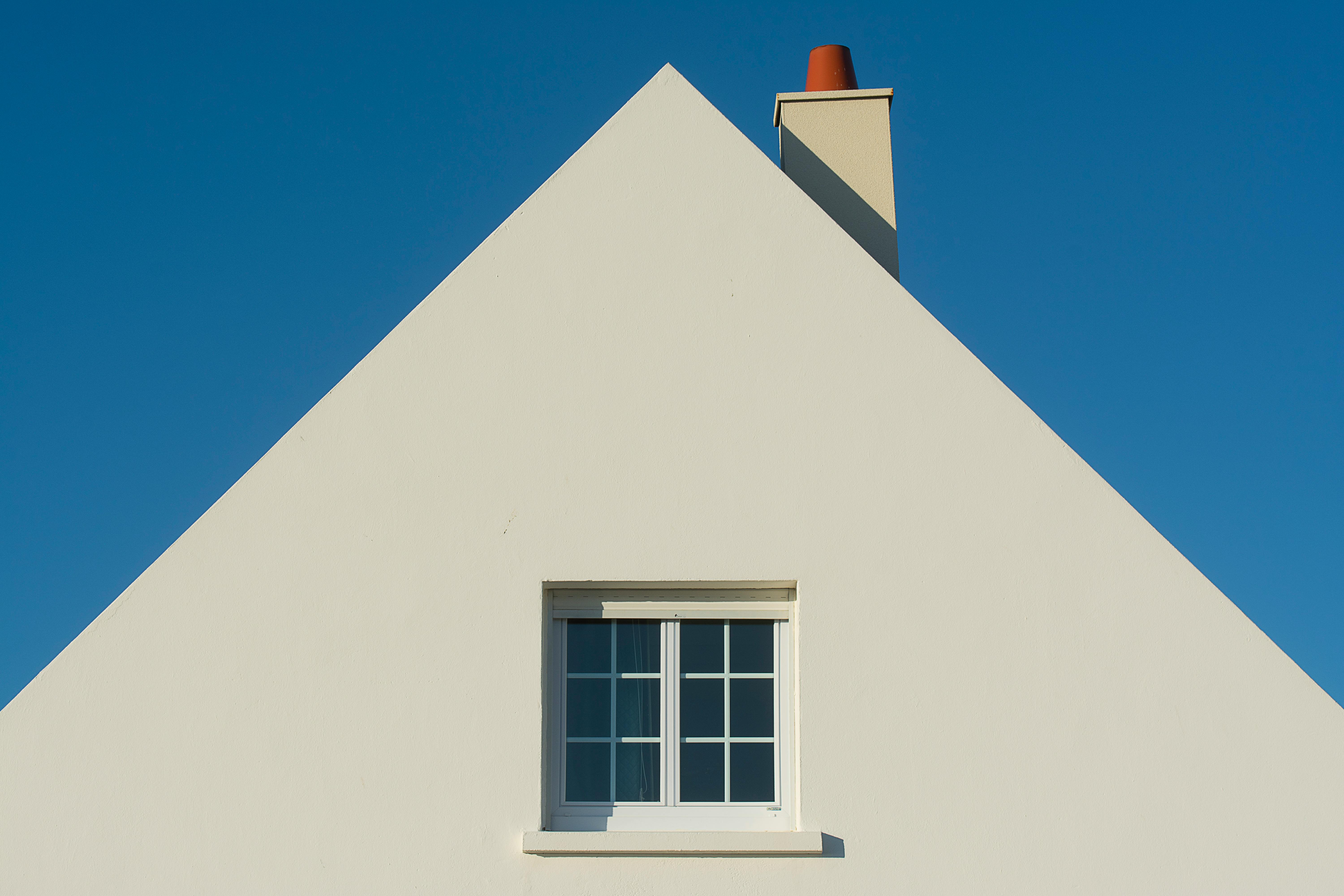
IMAGE: Modern A-frame house featuring a very simple white-painted facade and a centered attic window, reflecting clean, minimalist architectural design.
When it comes to creating a stylish single-floor house front, it’s essential to know what you can tackle on your own and when it’s best to bring in the pros. Here’s a breakdown:
When to DIY
There are plenty of small tasks you can handle yourself to give your house front a fresh look without breaking the bank:
- Simple Tasks
Painting, planting flowers, or updating the garden can be incredibly effective DIY projects. A fresh coat of paint on the door, adding new plants, or even setting up some stylish planters can make a big difference in curb appeal. - Online Resources and Tutorials
For those small touches that make a big impact, plenty of online resources can guide you along the way. Platforms like YouTube and architecturecourses.org offer tutorials that break down every step, from choosing the right paint shade to mastering easy landscaping techniques. With free resources at your fingertips, you’ll have all the advice you need to handle the basics confidently and make updates that add real charm to your home front.
When to Hire a Professional
For certain projects, especially those that involve more technical skills or safety considerations, hiring a professional is worth the investment:
- Structural Changes
If you’re thinking about adding new windows, extending the porch, or adjusting the layout, it’s best to consult a contractor. Structural work requires the right tools, know-how, and permits, so it’s wise to let the experts handle it. - Electrical and Plumbing Work
Any changes involving electricity or plumbing should be left to licensed professionals. They’ll ensure everything meets safety codes and is done correctly to avoid costly fixes down the line. - Design Consultation
When in doubt about achieving a cohesive look or making a bold change, consider consulting an architect or designer. They can bring creative solutions, suggest layouts, and make sure your vision aligns with practical needs, helping you avoid common design missteps.
So, my advice is to learn how to balance your DIY projects with expert help when needed—this way, you can create a home front that’s both practical and eye-catching. With all the resources on architecturecourses.org available for free, you’ll have everything you need to get inspired, expand your skills, and sidestep costly mistakes.
QUIET LUXE
Designing Simple Single-Floor House Fronts in 2025
SIMPLE CHIC: How to Budget and Plan a Simple House Front in 2025
Designing a single-floor facade isn’t just about taste—it’s about planning smart so you don’t overspend or waste time. Here’s how to do it right.
1. Set a Real Budget (and Stick to It)
▪ Break It Down – List out all major costs: siding, paint, lighting, windows, landscaping, labor. Know what eats up the budget early.
▪ Use Smart Alternatives – Skip the fancy stuff if needed. Try:
→ Precast stone instead of real stone
→ Composite siding instead of hardwood
→ Poured concrete paths over cut stone
They look clean, hold up well, and save cash.
2. Plan the Work Like a Pro
▪ Timeline First – Divide the project into chunks: demo, paint, finishings, landscape. Map it out by week. Sloppy timelines = blown budgets.
▪ Check Permits Early – Changing your porch, windows, or front steps? Check local rules before you start—or risk fines and redos.
▪ Hire Right – If you’re not DIYing, don’t just go by reviews. Ask for:
→ Past project photos
→ Clear itemized quotes
→ References
If they can’t give those fast, move on.
Don’t skip the planning. That’s where most projects fall apart. Budget smart, build in phases, and know where to spend vs. save.
That’s how real pros pull off “SIMPLE CHIC” without the chaos.
QUICK RECAP
Designing a Simple, Stylish House Front in 2025
Why the Front Matters
It’s the face of your home—first impressions, curb appeal, resale value, and even security start here.
Key Elements That Work
● Clean Lines – Keep the layout sharp and uncluttered.
● Minimalism – Stick to essentials that matter.
● Function-Driven – Every feature should earn its place (shade, light, privacy).
● Smart Upgrades – Use tech like motion lights or efficient irrigation.
● Personal Touches – One standout detail (like a bold door or modern fixture) adds character.
2025 Design Tips
▪ Plan First – Budget, timeline, goals—get clear early.
▪ Hire Pros When Needed – DIY what you can, but don’t wing structure or wiring.
▪ Keep It Honest – Use colors, textures, and features you actually love.
▪ Simplicity Wins – A clean, practical design always outlasts trends.
Make it real. Make it yours.
For deeper design help, trend guides, and pro tips, check out more at architecturecourses.org.
FAQ
Selecting and Changing Front Elevation
How to select front elevation?
Selecting a front elevation involves considering the style, materials, and overall aesthetic you want for your home. Key factors include:
- Architectural Style: Choose a style that complements the surrounding neighborhood and suits your personal taste, such as modern, traditional, or contemporary.
- Materials: Consider durable and visually appealing materials like brick, wood, or stucco.
- Functionality: Ensure the design allows for natural light, ventilation, and integrates well with the landscape.
What is the front profile elevation?
The front profile elevation is a detailed drawing that shows the exterior view of the front side of the house, including doors, windows, and other architectural features. It helps visualize the final appearance of the house.
How to change the front elevation of a house?
Changing the front elevation involves several steps:
- Planning: Determine what changes you want to make, such as adding new windows, changing the facade material, or altering the roofline.
- Designing: Work with an architect to create new elevation drawings.
- Permits: Obtain necessary permits from local authorities.
- Construction: Hire a contractor to execute the changes.
Are you allowed to change the front of your house?
Yes, you can change the front of your house, but you may need to obtain permissions and permits from local authorities, especially if you live in a historic district or a neighborhood with specific architectural guidelines.
How to change the front elevation of a house?
To change the front elevation of a house, follow these steps:
- Consultation: Meet with an architect or designer to discuss your vision and feasibility.
- Design Approval: Create detailed design plans and get them approved by local building authorities.
- Permits: Apply for and obtain necessary permits.
- Construction: Hire a professional contractor to carry out the modifications.
What is the difference between a plan and a front elevation?
- Plan: A plan is a top-down view of the house layout, showing the arrangement of rooms, walls, and other features.
- Front Elevation: A front elevation is a vertical view of the house's front exterior, showing details like windows, doors, and rooflines.
What is the difference between a floor plan and an elevation?
- Floor Plan: Illustrates the layout of the house from above, detailing room sizes, doorways, and furniture placement.
- Elevation: Provides a side view of the house, showing exterior elements and their heights.
What is the difference between front and side elevation?
- Front Elevation: Shows the view of the house from the front, including the main entrance, windows, and architectural details.
- Side Elevation: Depicts the side view of the house, highlighting elements like side doors, windows, and the roof slope.
Is elevation the same as front view?
Yes, the term "elevation" can refer to the front view of a house, showcasing its facade.
How do I choose front elevation?
Choosing a front elevation involves:
- Style Preference: Decide on the architectural style that suits your taste and the surrounding area.
- Material Selection: Pick materials that are durable and aesthetically pleasing.
- Functionality: Ensure the design meets practical needs, such as light, ventilation, and accessibility.
Can you build on the front of a house?
Building on the front of a house is possible but often subject to zoning laws and setback requirements. Always check local regulations and obtain necessary permits before starting construction.
How far can you build in front of your house?
The distance you can build in front of your house depends on local zoning laws and setback requirements. These regulations specify how close structures can be to property lines and streets.
How important is elevation on a house?
Elevation is crucial as it defines the house's exterior appearance and affects curb appeal, functionality, and overall value. It ensures that the house is aesthetically pleasing and meets structural and regulatory standards.
What is elevation in house design?
Elevation in house design refers to the detailed architectural drawings that depict the exterior views of a house. These drawings show the heights, shapes, and details of the building's facade.
What does front elevation look like?
A front elevation drawing shows a straight-on view of the house's front, detailing elements such as doors, windows, roofing, and decorative features.
What is the meaning of front elevation drawing?
A front elevation drawing is an architectural illustration that provides a detailed view of the house's front facade, showing all visible elements like doors, windows, rooflines, and exterior finishes.
How to make the front of a house look better?
Improving the front of a house can involve several strategies:
- Landscaping: Add plants, flowers, and trees to enhance curb appeal.
- Painting: Update the color scheme to a more modern palette.
- Lighting: Install attractive lighting fixtures to highlight architectural features.
- Entrances: Upgrade the front door and add decorative elements like a porch or walkway.
- Maintenance: Ensure the exterior is well-maintained, with clean surfaces and repaired features.
How can I update the front of my house?
Updating the front of your house can include:
- New Paint: Refresh the exterior with a new color.
- Modern Doors and Windows: Replace old doors and windows with modern, energy-efficient models.
- Landscaping: Improve your yard with new plants, trees, and garden features.
- Lighting: Add stylish outdoor lighting to enhance evening appeal.
- Decorative Elements: Incorporate new house numbers, mailboxes, and other decorative items.
Understanding Modern House Styles
What is a modern house style?
A modern house style features clean lines, minimalistic designs, and an emphasis on open spaces and natural light. It often incorporates:
- Flat or Low-Pitched Roofs: For a sleek look.
- Large Windows: To maximize natural light.
- Natural Materials: Such as wood, stone, and glass.
- Neutral Color Palettes: Creating a calm and cohesive look.
What is a sectional front elevation?
A sectional front elevation is a detailed drawing that shows a cut-through view of the house, typically illustrating interior features and how different parts of the structure relate to each other.
Why is house style used?
House style is used to:
- Define Aesthetic: Establish the visual and architectural identity of a home.
- Enhance Cohesion: Ensure that all design elements work harmoniously together.
- Reflect Personal Taste: Showcase the homeowner's personal preferences and lifestyle.
- Increase Value: A well-designed home can enhance property value and appeal.
What is exterior elevation?
Exterior elevation refers to the architectural drawings that show the outer views of a building from all sides. These drawings include details like window placements, doors, roofing, and exterior finishes.
What is the difference between elevation and facade?
- Elevation: Refers to the architectural drawings that depict the exterior views of a building.
- Facade: Refers to the actual exterior face of a building, particularly the front.
What is the front elevation of a dwelling?
The front elevation of a dwelling is the detailed architectural drawing that shows the front view of a house, including all visible exterior elements like doors, windows, and architectural features.
What is a front elevation view?
A front elevation view is an architectural drawing that provides a detailed look at the front side of a house, showing its design, dimensions, and exterior elements.
What does in front elevation mean?
In front elevation means looking at a building from the front view, as shown in architectural drawings that detail the front facade.
What is elevation in house design?
Elevation in house design refers to the detailed architectural drawings that show the exterior views of a house, including dimensions, materials, and design features.
What is the side elevation of a house?
The side elevation of a house is an architectural drawing that shows the view of the house from the side, detailing elements like windows, doors, and the roofline.
Is elevation the same as front view?
Yes, elevation can refer to the front view of a house, showing the detailed architectural design of the front facade.
What is front view?
The front view of a house, also known as the front elevation, is the architectural drawing that shows the front exterior of the house, including doors, windows, and other design features.
Why is elevation important in architecture?
Elevation is important in architecture because it provides a detailed view of the building's exterior, helping to visualize the design, ensure structural integrity, and comply with building codes and regulations.
Choosing Materials for Front Elevation
Which material is best for front elevation?
The best material for front elevation depends on factors like climate, aesthetic preference, and budget. Popular materials include:
- Brick: Durable, low-maintenance, and classic in appearance.
- Wood: Offers a natural look but requires regular maintenance.
- Stucco: Provides a smooth finish and is versatile in design.
- Stone: Adds a luxurious feel and is highly durable.
- Fiber Cement: Combines durability with low maintenance and a variety of styles.
Which material is best for front elevation of a house?
The best material for the front elevation of a house depends on your specific needs, including climate, durability, and aesthetic preferences. Common choices include:
- Brick: Known for its durability and classic look.
- Stone: Offers a high-end, natural appearance.
- Stucco: Provides a smooth, versatile finish.
- Wood: Adds warmth and character but requires maintenance.
- Fiber Cement: Combines durability with a variety of styles and low maintenance.
What is front elevation plan?
A front elevation plan is an architectural drawing that provides a detailed view of the front exterior of a house, including dimensions, materials, and design elements.
What is the difference between elevation and projection?
- Elevation: Refers to the architectural drawings that show the exterior views of a building.
- Projection: Refers to the method used to create these drawings, typically involving orthographic projection to represent the building accurately.
How to design a good elevation?
Designing a good elevation involves:
- Style Consistency: Ensure the design matches the architectural style of the house.
- Material Selection: Choose durable and aesthetically pleasing materials.
- Symmetry and Balance: Create a balanced and harmonious look.
- Functionality: Incorporate elements that enhance usability, such as windows for light and ventilation.
- Detailing: Add decorative elements that enhance the overall aesthetic without overwhelming the design.
Why is it called front elevation?
It is called "front elevation" because it provides a detailed architectural drawing of the front exterior of the house, showing all visible elements from a straight-on view.
What is the front elevation of a dwelling?
The front elevation of a dwelling is an architectural drawing that shows the detailed view of the house's front facade, including doors, windows, and other exterior features.
What is a front elevation plan?
A front elevation plan is an architectural drawing that details the front view of a house, illustrating elements such as windows, doors, rooflines, and materials.
How to design a good elevation?
Designing a good elevation involves several key considerations:
- Proportion and Scale: Ensure all elements are in proportion and scaled correctly to create a harmonious look.
- Material Selection: Choose materials that are both durable and visually appealing.
- Architectural Style: Stay consistent with the overall architectural style of the house.
- Balance and Symmetry: Create a balanced design that is visually pleasing.
- Functionality: Ensure the elevation design incorporates practical elements like windows for light and ventilation.
How can I make the front of my house look bigger?
To make the front of your house look bigger, consider the following tips:
- Use Light Colors: Light colors can make a space appear larger.
- Add Windows: Large windows can create the illusion of more space.
- Vertical Elements: Incorporate vertical elements like tall doors or columns to draw the eye upward.
- Simplify Landscaping: Use simple, clean lines in your landscaping to avoid visual clutter.
- Mirrors: Strategically placed mirrors can reflect light and make the space feel larger.
Related
- Small House Front Design: Creative Ideas for a Big Impact
- 50+ Beautiful House Ideas in 2025 for Modern and Classic Designs
Resources
Books and Magazines
Recommended Readings on House Design
- "The Modern House: Cool, Calm Spaces to Call Home" by Jonathan Bell
- This book explores modern house designs with a focus on clean lines, functional spaces, and minimalist aesthetics.
- "Dwell" Magazine
- A leading source of modern home design inspiration, featuring articles on architecture, interior design, and sustainable living.
- "Architectural Digest"
- A renowned magazine offering insights into the latest trends in architecture and home design, with beautiful photography and expert advice.
- "Simple Home: Calm Spaces for Comfortable Living" by Mark and Sally Bailey
- A practical guide to creating simple, comfortable, and stylish homes using natural materials and thoughtful design.
Professional Organizations
Associations and Groups for Home Design Professionals
- American Institute of Architects (AIA)
- A professional organization providing resources, education, and advocacy for architects in the United States.
- Royal Institute of British Architects (RIBA)
- A global professional membership body driving excellence in architecture and building design.
- International Interior Design Association (IIDA)
- An association that supports the professional development of interior designers and promotes excellence in interior design.
- National Association of Home Builders (NAHB)
- A trade association that represents the interests of home builders and provides valuable resources and networking opportunities.
- Architectural Association (AA)
- An independent architecture school and professional body offering innovative architectural education and events.