

1850 House Styles | A Fun and Informative Guide to Historical Home Design
I get a real thrill when someone asks me to design a classic home. Over the years, I’ve learned a lot about classic designs and their history, and I love sharing that information online.
The styles of houses from the 1850s are rich in character. They show off great craftsmanship and style that really stand out.
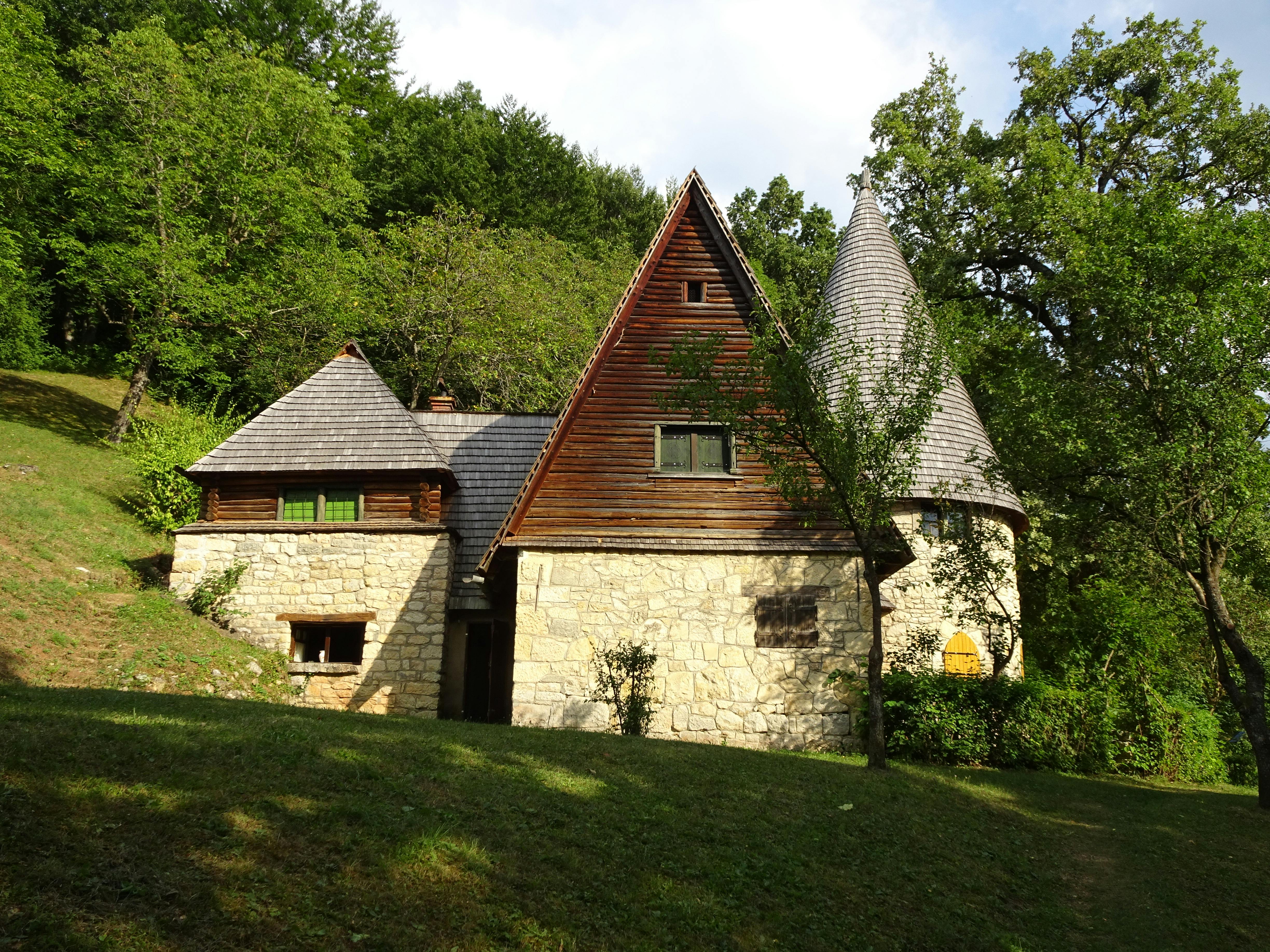
Image: A 1850s storybook house surrounded by lush woodland, featuring whimsical design and natural landscaping.
During this time, there was a lot of experimentation in home design. As America expanded westward and cities grew, people wanted homes that were unique. This era brought several key architectural trends, each with its own charm and appeal.
Let’s explore what makes these house styles so special!
What 1850 House Styles Say About Their Owners

In the 1850s, a home was a statement. Architecture reflected a family’s taste, status, and values.
From bold Greek Revival homes to storybook Gothic cottages, each style told its own story. Below, we’ll explore the most popular designs of the time, along with practical tips and fun facts that bring them to life.
1850 Colonial House Exteriors | Simple Guide to Key Design Features

Colonial homes from the 1850s are known for their clean lines, balanced proportions, and timeless appeal. They're simple, symmetrical, and still popular with homeowners, students, and architecture lovers today.
Here’s a quick and clear breakdown of what to look for when identifying or designing an 1850-style Colonial home.

Showcasing steeply pitched roof, symmetrical windows with shutters and centered front door.
1850 House Styles: Exterior Design
✓ Core Exterior Features
- Steeply pitched roof
- Centered front door
- Evenly spaced windows
- Shutters for balance and function
These homes are built on symmetry. Everything feels centered and orderly.
▪ The Front Door: A Bold Centerpiece
- Usually painted red, black, navy, or dark green
- Acts as the focal point of the facade
Common extras:
- Transom window: A small window above the door that brings in light
- Sidelights: Narrow vertical windows beside the door
Pro tip for students & pros: Use strong contrast between door and siding to highlight symmetry.
▪ Windows: Balanced and Paneled
- Double-hung, usually 6-over-6 or 9-over-9 panes
- Always arranged symmetrically
- Often framed with shutters for decoration and protection
Quick tips:
- Keep window size consistent across the facade
- Align windows with door and roof features
▪ Porch or Stoop: Simple but Welcoming
Not all colonial homes have big porches, but when they do:
- Columns or pilasters (flat, vertical supports)
- Sometimes styled after Greek or Roman orders (Doric, Ionic, Corinthian)
- Optional balustrades (railing systems)
Why it matters: Adds depth, shade, and a natural point of entry
Tip: A porch isn’t just decoration—it sets the tone for the house.
▪ Real-Life Examples
- Gore Place, Massachusetts
- The George Read House, Delaware
- Telfair Academy, Georgia (Greek Revival/Colonial hybrid)
For Architecture Students
- Focus on symmetry and proportion in your sketches
- Avoid overcomplicating: keep rooflines and facades clear and simple
For Professionals
- Match materials: use wood, stone, or brick for historical accuracy
- Don’t skip detailing on the door surround—it elevates the whole facade
For Enthusiasts
- If you're walking through old neighborhoods, look for alignment between roof peak, door, and window rows
- Pay attention to roof pitch and shutter placement
1850 colonial-style homes are about balance, strength, and quiet beauty. That’s why they’ve lasted.
1850 House Styles: Interior Design
The interior design of 1850s houses varies widely based on the architectural style. Each style brings its unique flair and functional aspects to the interior spaces.

The interior of a classic 1850s house featuring wooden beams, large fireplace, and vintage furniture.
Greek Revival Interiors
Ah, stepping inside a Greek Revival home is like traveling back in time to an era of classical elegance and grandeur.
These interiors were designed to reflect the stately exteriors, with a focus on symmetry, proportion, and timeless beauty.
Expect to find rooms adorned with intricate moldings, high ceilings, and a palette that often mirrors the muted, marble-like tones of ancient Greek architecture.

A Greek Revival style house featuring grandiose columns, a triangular pediment, and a white facade, mimicking ancient Greek marble.
Greek Revival homes often featured high ceilings, large windows, and spacious rooms. Key elements include:
- Symmetry: Interior layouts were often as symmetrical as the exteriors, with balanced room arrangements.
- Decorative Plasterwork: Ceilings and walls often had decorative plaster moldings and medallions.
- Classical Furnishings: Furniture often mimicked ancient Greek designs, with clean lines and minimal ornamentation.
Gothic Revival Interiors
Welcome to the world of Gothic Revival interiors, where drama and intricacy reign supreme. Inspired by the medieval Gothic architecture of Europe, these interiors are characterized by their pointed arches, elaborate woodwork, and rich, dark color palettes.
Imagine walking into a room with vaulted ceilings adorned with intricate tracery, stained glass windows casting colorful light, and furnishings that evoke a sense of historical grandeur.
Gothic Revival interiors are perfect for those who appreciate a blend of historic mystique and artistic craftsmanship, offering a unique and captivating living experience.
Gothic Revival interiors were designed to evoke a sense of medieval romance. Common features include:
- Pointed Arches: Found in doorways, windows, and even furniture.
- Wood Paneling: Dark wood paneling added a rich, dramatic feel to the rooms.
- Stained Glass Windows: Used to create colorful light effects inside the home.
Italianate Interiors
Step into the elegance and charm of Italianate interiors, where the romance of Italian villas meets refined Victorian taste.
Inspired by the picturesque architecture of the Italian countryside, these interiors are characterized by high ceilings, tall windows, and elaborate decorative details.
Expect to find ornate moldings, lavishly detailed fireplaces, and rich, warm color palettes that create a cozy yet sophisticated atmosphere.
Italianate interiors were all about elegance and comfort. Characteristics include:
- Tall Ceilings: Creating a sense of space and grandeur.
- Ornate Plasterwork: Decorative cornices, ceiling medallions, and intricate moldings.
- Marble Fireplaces: Often the focal point of the living room, adding a touch of luxury.
Second Empire Interiors
Second Empire homes were designed to impress, both inside and out. Interior features include:
- Grand Staircases: Often with elaborate railings and newel posts.
- Parquet Floors: Geometric wooden flooring patterns added sophistication.
- Luxurious Fabrics: Heavy drapes, rich upholstery, and elaborate wallpaper designs.
Stick Style Interiors
Stick Style homes emphasized their structural elements even inside. Key features include:
- Exposed Woodwork: Visible beams and trusses often featured in the ceilings.
- Textured Walls: Vertical and diagonal wood boards added visual interest.
- Large Fireplaces: Often the centerpiece of the main living area.
1850 House Styles: Greek Revival Style

Ah, the Greek Revival style—where Americans in the 1850s decided they wanted to feel like ancient Greek.
Characterized by grandiose columns, pediments, and symmetrical shapes, these homes were the epitome of classical elegance.
Key Features:
- Columns: Inspired by Greek temples, often featuring Doric, Ionic, or Corinthian capitals.
- Symmetry: Balanced and orderly, with even spacing of windows and doors.
- Pediments: Triangular gables that add a touch of grandeur.
- White Paint: Mimicking the marble of ancient Greece, these homes were often painted white or light colors.
Fun Fact:
Many Greek Revival homes were inspired by the buildings in Washington, D.C., giving homeowners the illusion of living in their mini-capitols.
Gothic Revival Style
If you’ve ever wanted to live in a house that looks like it belongs in a fairy tale (or a horror movie), the Gothic Revival style is for you.
This style brought a touch of medieval Europe to the 1850s, complete with pointed arches, intricate woodwork, and steep gables.
Key Features:
- Pointed Arches: Found in windows, doors, and decorative elements.
- Steep Gables: Sharp, steeply pitched roofs that create a dramatic silhouette.
- Ornate Woodwork: Intricate carvings and trim, often referred to as "gingerbread" details.
- Stained Glass: Adding color and artistry to windows.
Fun Fact:
Gothic Revival homes often included elaborate gardens and were designed to blend seamlessly with the natural landscape, making them perfect for nature lovers and, ironically, Gothic fiction fans alike.
Italianate Style
The Italianate style brought a taste of the Italian countryside to America. These homes were inspired by the villas of rural Italy and were characterized by their decorative brackets, tall windows, and low-pitched roofs.
Key Features:
- Brackets: Large, overhanging eaves supported by decorative brackets.
- Tall Windows: Often with rounded or arched tops, letting in plenty of light.
- Cupolas: Small, dome-like structures on the roof for ventilation and aesthetics.
- Low-Pitched Roofs: Wide and shallow roofs that contribute to the villa-like appearance.
Fun Fact:
Italianate homes were often painted in earthy tones like ochre, olive, and terracotta, reminiscent of the Italian countryside.
Second Empire Style
When you think of the Second Empire style, think of Parisian mansions transplanted to America. This style is distinguished by its mansard roof, which adds a whole extra floor to the house without changing the footprint.
Key Features:
- Mansard Roof: A dual-pitched roof with a steep lower slope, often with dormer windows.
- Decorative Details: Including iron cresting and ornate window surrounds.
- Symmetrical Facades: Balanced and grand, often with a central tower or pavilion.
Fun Fact:
The Second Empire style was named after the reign of Napoleon III in France and became a symbol of opulence and modernity.
Stick Style
Stick Style homes are the ancestors of modern-day "stick-built" homes. Emphasizing the structure itself, this style featured exposed wooden frames and decorative trusses.
Key Features:
- Exposed Framework: Visible wooden beams and trusses on the exterior.
- Vertical and Diagonal Boards: Adding texture and interest to the facades.
- Steep Roofs: Often with multiple gables and overhanging eaves.
- Porches: Large, inviting porches with decorative brackets and railings.
Fun Fact:
Stick Style homes were a precursor to the later Queen Anne style and were popular for their relatively straightforward construction methods.
Examples of 1850 House Styles
Greek Revival in the South
In the southern United States, Greek Revival homes were often grand plantation houses, complete with massive columns and sprawling porches. These homes symbolized wealth and power and were designed to impress.
Gothic Revival in the Countryside
Many Gothic Revival homes were built in rural areas, where their elaborate designs complemented the natural surroundings. One famous example is the Lyndhurst Mansion in Tarrytown, New York.
Italianate Urban Homes
In urban settings, Italianate homes were a common sight. Their tall, narrow profiles fit well into city blocks, and their decorative details added a touch of elegance to city streets.
Second Empire in the City
Second Empire homes were often built in bustling cities where their mansard roofs allowed for extra living space without expanding the building's footprint. A notable example is the famous Carson Mansion in Eureka, California.
Stick Style in the Northeast
Stick Style homes were particularly popular in the northeastern United States, where their wood-heavy designs matched the local building materials and climate.
Pro Tips for Homeowners
Greek Revival Tips:
- Columns: If you're adding columns, consider using modern materials like fiberglass for durability.
- Symmetry: Maintain symmetry in your design for an authentic look.
- Color: Stick to light, classical colors like white, beige, or pale yellow.
Gothic Revival Tips:
- Landscaping: Incorporate lush gardens and ivy to enhance the Gothic charm.
- Windows: Use pointed arch windows to capture the medieval look.
- Woodwork: Invest in quality woodwork for decorative elements.
Italianate Tips:
- Brackets: Decorative brackets can be added to existing eaves for a quick Italianate upgrade.
- Windows: Choose tall, narrow windows to let in lots of light.
- Roofing: Consider a low-pitched roof with wide eaves.
Second Empire Tips:
- Roof: If adding a mansard roof, use modern materials for better insulation.
- Details: Focus on ornate details like iron cresting and window surrounds.
- Symmetry: Keep the facade balanced and grand.
Stick Style Tips:
- Wood: Use high-quality wood for exposed beams and trusses.
- Texture: Add vertical and diagonal boards for texture.
- Porch: Incorporate a large porch with decorative elements.
FAQ
What are the main differences between Greek Revival and Gothic Revival styles?
Greek Revival focuses on classical symmetry and grandeur, often featuring columns and pediments. Gothic Revival, on the other hand, emphasizes medieval elements like pointed arches, intricate woodwork, and steep gables.
Can I mix elements from different 1850s styles in my home?
Absolutely! Many modern homes successfully blend elements from various styles. Just ensure that the overall design feels cohesive.
Are there modern materials that mimic traditional ones for historical styles?
Yes, materials like fiberglass can mimic wood or stone and offer better durability and lower maintenance.
How do I maintain the historical integrity of my 1850s-style home?
Use authentic materials and design elements where possible. Consult with architects or historians specializing in historical preservation for guidance.
What colors are best for 1850s-style homes?
For Greek Revival, stick to light colors like white and beige. Gothic Revival homes look great in darker, more dramatic colors. Italianate homes often feature earthy tones, while Second Empire and Stick Style homes can vary widely in color.
Conclusion: Exploring 1850 house styles is a wonderful way to appreciate the rich history of architecture. Each style offers its own unique charm and characteristics, making them special in their own right.
Renovating a historic home or simply enjoying learning about architectural history can enhance your appreciation for the past and inspire your future design projects.
Keep Learning
Learn more about historical architecture and home design:
Recommended Books
- A Field Guide to American Houses by Virginia Savage McAlester
- The Elements of Style: An Encyclopedia of Domestic Architectural Detail by Stephen Calloway
- Get Your House Right: Architectural Elements to Use & Avoid by Marianne Cusato