

Understanding ‘Form Follows Function’ in Architecture
The Philosophy of Form Follows Function and Its Impact on Modern Architecture
Learn the core principles of “Form Follows Function” in architecture, its origins, and tips on creating functionally inspired designs.
The philosophy of “Form Follows Function” is more than just a catchy phrase—it’s a guiding principle that has shaped modern architecture.
Understanding this concept unlocks a practical approach to building spaces that feel both purposeful and harmonious. I’ve seen how applying this philosophy can lead to designs that not only look great but also enhance how people use the space every day.
Throughout this article, we’ll explore core concepts of “Form Follows Function”, get into key figures like Louis Sullivan and Frank Lloyd Wright, and examine how this principle has evolved, from Bauhaus to today’s sustainable and tech-savvy structures.
You'll get real-world examples, practical advice, and even a few personal insights I’ve gathered over the years on the journey of balancing form and function.
Form Follows Function: Principles, History, and Modern Relevance
Core Concepts: Form Follows Function

Definition and Philosophy
The phrase Form Follows Function, first coined by Louis Sullivan in the late 19th century, represents a philosophy where a building’s shape is determined by its purpose.
At its core, the principle suggests that architectural beauty emerges naturally when functionality is prioritized, leading to structures that are both efficient and aesthetically meaningful.
In practical terms, adopting this mindset in architectural design means constantly questioning if each element enhances the building’s purpose.
For instance, whether designing a public library or a residential home, prioritizing function can transform spaces from merely attractive to genuinely purposeful.
The Theory Behind "Form Follows Function": Achieving Architectural Integrity
Sullivan’s principle, particularly applied in high-rise commercial structures, brought functionalism to the forefront of architecture.
In his Wainwright Building in St. Louis, Sullivan highlighted the functional divisions within the building's design, creating purpose-oriented spaces that progressed vertically from retail to office functions.
This style inspired the Chicago School of architecture and later influenced his renowned apprentice, Frank Lloyd Wright.
Practical Extensions in Organic Architecture
Frank Lloyd Wright expanded "form follows function" through organic architecture, creating structures that harmonize with natural landscapes.
His designs, like Fallingwater, showcase how architectural elements can be thoughtfully integrated with the surrounding environment, producing a seamless relationship between nature and the built form.
Wright’s approach demonstrates how function-oriented design can embody aesthetics that go beyond mere utility, enhancing the spatial experience for occupants.
Related:
- Parti in Architecture: The Foundation of Great Design
- Architectural Shapes and Forms: How They Define Our Spaces
Key Figures and Philosophy in Form Follows Function
The world of “Form Follows Function” with examples, tips, and historical insights, from Bauhaus to Frank Lloyd Wright.
- Louis Sullivan and the Origin
- Often called the “father of skyscrapers,” Louis Sullivan is credited with coining the term “Form Follows Function.” His buildings, like the Wainwright Building in St. Louis, exhibit this philosophy, where the building’s clean, unornamented form reflects its purpose as a commercial structure.
- Frank Lloyd Wright’s Design Philosophy
- Frank Lloyd Wright, a student of Sullivan, carried this concept further. He believed that buildings should harmonize with their environment, a philosophy known as organic architecture. Wright’s Fallingwater and Usonian houses reflect this principle, blending form and function with a respect for nature.
- The Bauhaus Movement
- The Bauhaus in Germany took Sullivan’s idea to a broader, global level. Emphasizing that “function over form” creates efficient, accessible designs, Bauhaus architecture favors minimalism and utility, seen in Walter Gropius’s work. The style remains influential today in minimalist and industrial design trends.
Practical Examples of Form Follows Function in Architecture
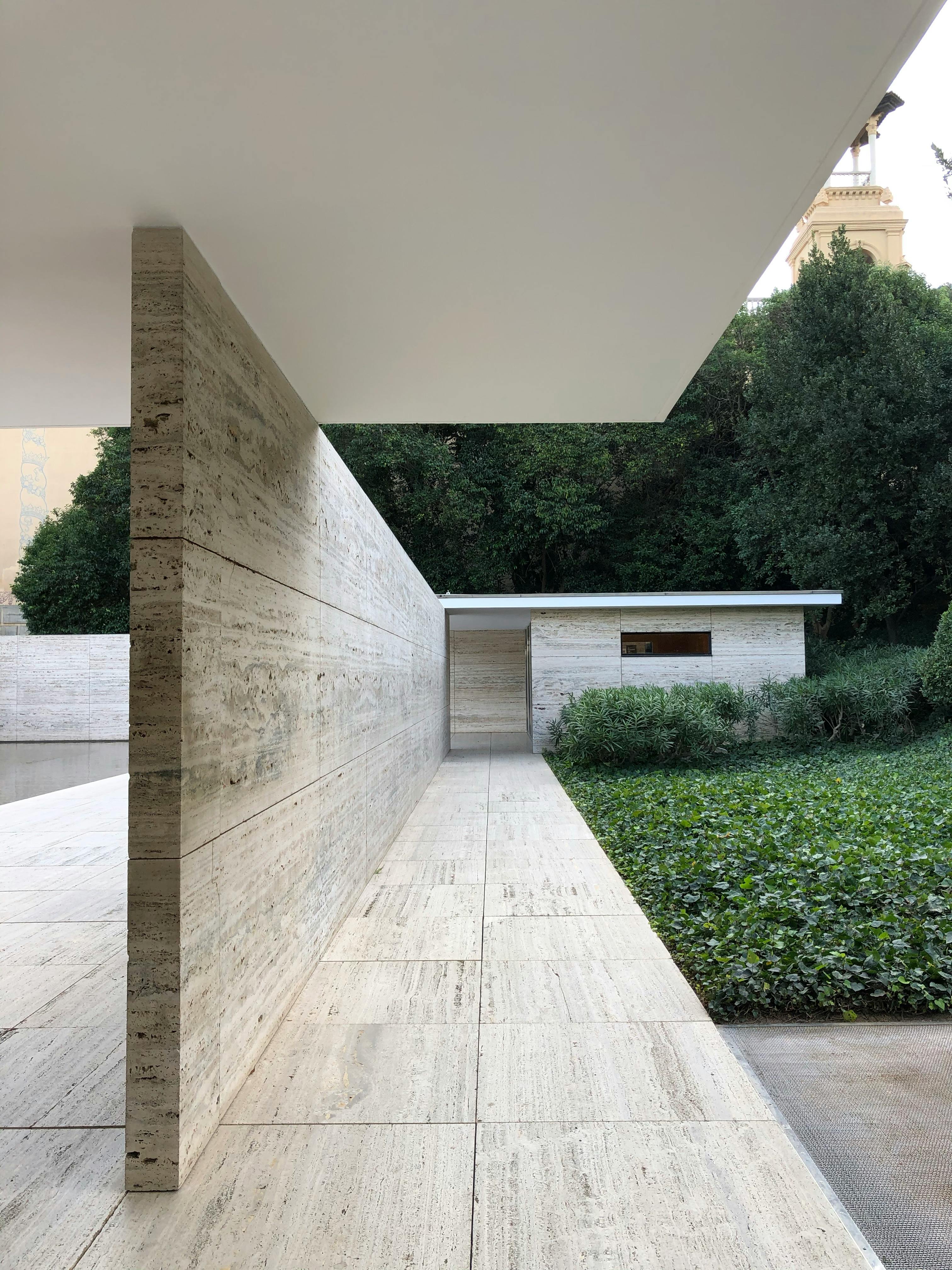
IMAGE: The Barcelona Pavilion in Spain, showcasing Mies van der Rohe’s minimalist style with strong horizontal lines and open space.
The philosophy of “Form Follows Function” and how it shapes today’s architecture with practical examples and advice for aspiring architects.
- Residential Homes: In residential projects, this philosophy leads to homes that consider daily life flow—room layouts are based on movement and functionality rather than adding unnecessary flair.
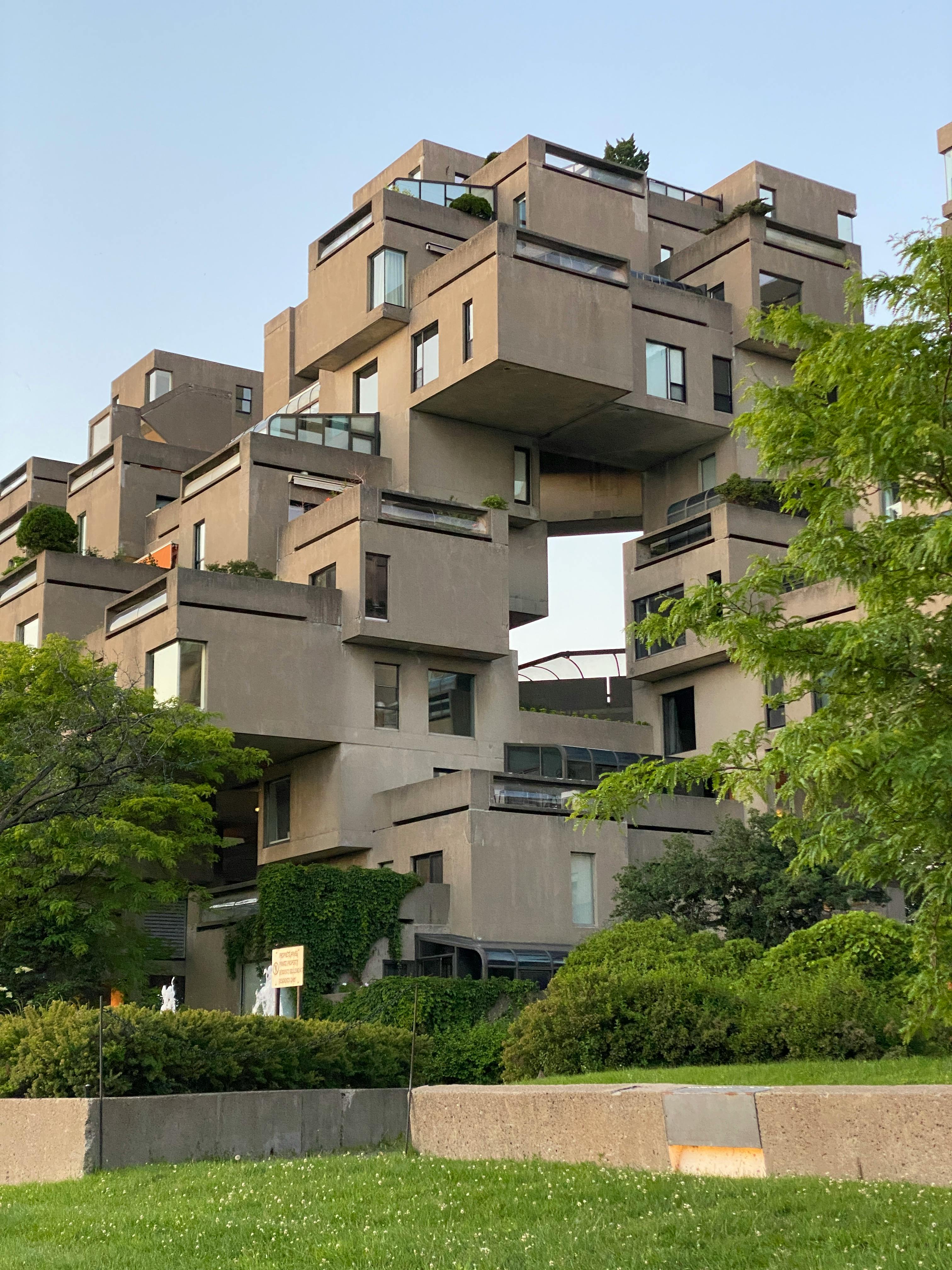
IMAGE: Habitat 67 in Montreal displays a striking modular layout of interlocking residential units, highlighting form-driven urban innovation.
- Commercial Buildings: Retail spaces often embody this principle by prioritizing foot traffic flow, visibility of products, and accessibility, making shopping easier and more pleasant for customers.
Practical Tip:
When starting a project, begin by mapping out the primary purpose of each space and outline how people will interact with it. This approach helps keep the form functional and focused.
Good Reading: Frank Lloyd Wright: Natural Design, Organic Architecture
Organic Architecture and Nature: Frank Lloyd Wright’s Vision
Frank Lloyd Wright’s organic architecture is an evolution of “Form Follows Function,” merging nature with design. He emphasized that buildings should grow out of their surroundings, creating a harmonious relationship between nature and structure.
- Examples of Organic Architecture
- Fallingwater: This house is seamlessly integrated into a waterfall, using local materials and colors to make it feel like part of the landscape.
- Taliesin West: Built as Wright’s winter home, it reflects his ideas on how buildings should reflect the landscape, using desert rocks and blending into the surroundings.
- The Concept of Sustainable Architecture
- Wright’s ideas have contributed significantly to today’s sustainable architecture movement, where the natural environment guides the design. His work predated and inspired many concepts in eco-friendly architecture, demonstrating how buildings can respect and even enhance their natural surroundings.
Related: Understanding Additive Form in Architecture: Key Concepts and Examples
How to Apply “Form Follows Function” in Modern Architecture

Find out how “Form Follows Function” guides architectural design, its historical roots, and practical advice for modern architects.
1. Begin with the Purpose: Each design decision should enhance functionality. For example, a school designed around student traffic flow will have entrances, classrooms, and shared spaces aligned to maximize accessibility and minimize crowding.
2. Choose Materials Wisely: Material choice affects both form and function. For instance, using reinforced concrete in high-rise buildings offers strength and durability, while wood works better in smaller residential projects for its warmth and flexibility.
3. Embrace Minimalism: Adopting a minimalist approach can keep the focus on function. Modern minimalist interiors, inspired by Bauhaus, prioritize open spaces and essential furniture, reducing distractions and creating calm, uncluttered environments.
Interesting Fact: A study by the American Institute of Architects (AIA) found that buildings designed with functionality in mind, rather than just aesthetic appeal, tend to have higher occupancy rates.
Surprising Applications and Interpretations
Interestingly, "form follows function" is not without its challenges and reinterpretations:
- Modern Adaptations in Technology: New materials like smart glass and energy-efficient systems continue to reshape this principle. For example, the Barcelona Pavilion by Mies van der Rohe uses glass and steel to embody simplicity while accommodating various functional needs with a minimalistic aesthetic.
- Challenges with Aesthetics: Today, some architects argue that excessive adherence to function can restrict creativity, particularly in smaller urban spaces where aesthetic appeal also enhances livability and personal enjoyment. This balance between functionality and visual expression continues to be a key discussion in architectural circles.
Tips for Aspiring Architects: Applying "Form Follows Function"
- Prioritize the Purpose: Always start by understanding the purpose of the space. Whether it’s a commercial building or a residential space, the primary function should shape all design decisions.
- Consider Environmental Factors: Climate, weather, and location can dictate form. Embrace materials and structures that naturally accommodate environmental conditions, ensuring durability and comfort.
- Balance Function with Aesthetic: Though function takes priority, aesthetic harmony is also essential. Integrating natural elements or light, as in Wright's organic designs, can make functional spaces visually captivating.
- Experiment with Modern Materials: Today's sustainable materials offer both functional and aesthetic benefits. Exploring options like smart glass, energy-efficient insulation, or 3D-printed concrete allows you to push the boundaries of traditional "form follows function" applications while meeting modern expectations for sustainability and style.
Practical Example: A Shift from Theory to Real Application
Consider a high-rise commercial building in a bustling urban center. Here, "form follows function" might involve designing lower floors for retail, mid-levels for offices, and upper levels for executive spaces or residential areas.
Strategic load-bearing structures, energy-efficient windows, and environmental controls not only meet the building’s purpose but also reflect its tiered functionality externally.
By balancing structural integrity with varying interior uses, architects can deliver a space that is as efficient as it is appealing.
Why “Form Follows Function” Remains Relevant
The philosophy remains a powerful guide in architecture because it encapsulates a timeless principle: design should serve its intended purpose above all else. While aesthetic considerations have evolved, this focus on function as the foundation of form ensures that buildings are both practical and enduring.
Dos and Don’ts of Following Form Follows Function
Dos:
- Do prioritize function over appearance: Remember, simplicity in form often leads to better function.
- Do research site-specific requirements: Environmental factors such as climate and topography can dictate a structure’s form.
- Do involve the client’s needs early: Discussing needs early ensures the building’s purpose is clear.
Don’ts:
- Don’t over-decorate: Adding unnecessary embellishments can hinder the structure’s functionality.
- Don’t ignore practicality for style: A design should meet practical needs first, aesthetics second.
- Don’t skip on material durability: The durability of materials is as critical as the design itself.
Related: Building Forms in Architecture: From Traditional to Modern Design
Innovations and Trends in Form Follows Function
Today, architects use technology to better execute this philosophy:
- AI-driven Design: AI tools help test multiple functional layouts before construction, optimizing room arrangements and structural efficiency.
- 3D Printing: Allowing for custom, precise forms, 3D printing supports designs where each part serves a unique function.
- Sustainable Materials: Eco-friendly materials like bamboo and recycled steel are increasingly popular, blending form with environmentally-conscious functions.
Related: AI Design Software: Tools for Architects & Designers in 2025
FAQ
Form Follows Function in Architecture
- What does “Form Follows Function” mean?
- It’s the idea that a building’s design should reflect its intended use, minimizing unnecessary elements.
- Why is Form Follows Function important in modern architecture?
- It encourages efficient, practical designs that serve their intended purposes, creating spaces that are both beautiful and usable.
- How does this philosophy apply to residential architecture?
- Homes designed with function in mind often feature layouts that support daily routines, maximizing space and comfort.
What to Read
- "Frank Lloyd Wright: Natural Design, Organic Architecture: Lessons for Building Green from an American Original – Illustrated" by Alan Weintraub
- A deep look into Wright’s philosophy—ideal for anyone drawn to natural and sustainable design.