
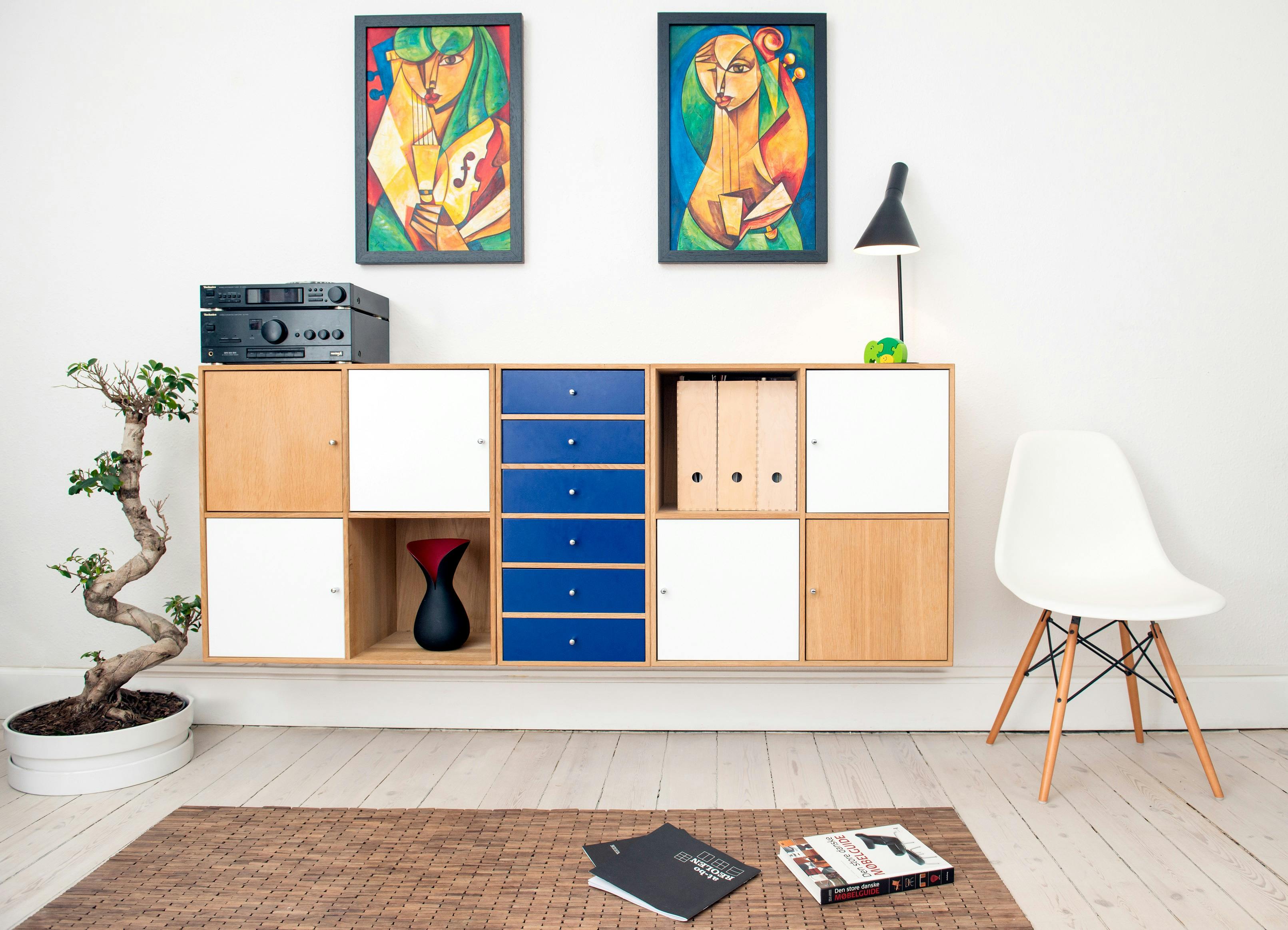
A room can look good in a photo and still be miserable to live in. It has to work when people walk through it, sit in it, clean it, and store things in it every day, and most of that is decided before anyone picks a paint color.
This page covers the choices that actually shape a space: layout, light, color, materials, and proportion, and how each one lands in daily use.
What This Course Covers
This course offers a structured, practical entry into modern interior design, covering:
-
Core principles: balance, rhythm, proportion, harmony
-
Space planning: layout strategies, flow, and function
-
Color & material theory: how texture and palette define atmosphere
-
Lighting design: natural and artificial light, mood creation
-
Furniture & styling: sourcing, placement, and personalization
-
Project workflow: from client brief to final install
Who It’s For
-
New designers building foundational skills
-
Creatives pivoting into interiors
-
Architects looking to strengthen interior fluency
-
Anyone passionate about how environments shape experience
Why It Matters
Interior design affects how people feel, work, and live. Done well, it enhances wellbeing. Done poorly, it disrupts it. Great design isn’t flashy—it’s thoughtful, functional, and human-centered.
Mastering the Art of Interior Design: Course Overview
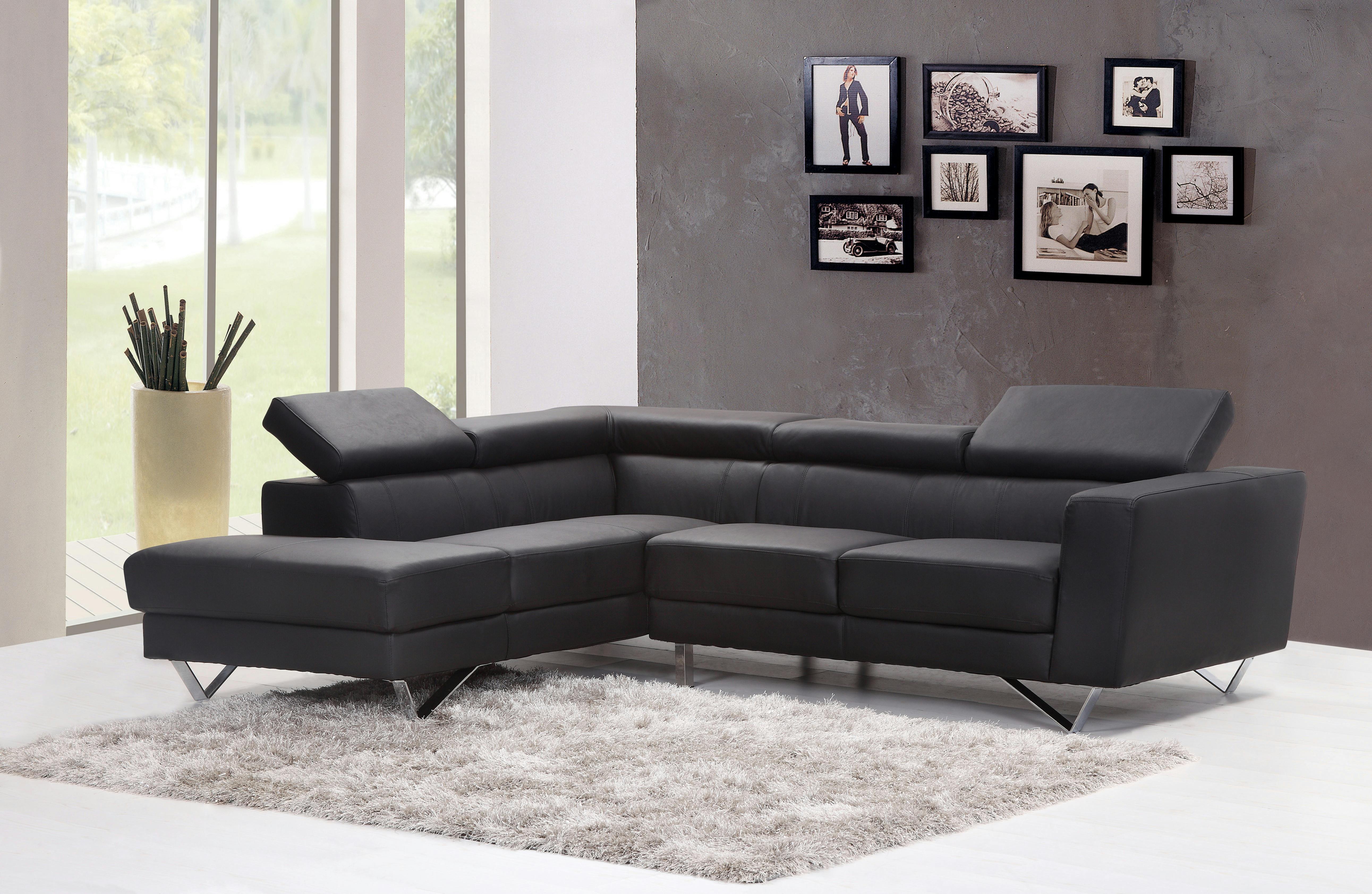
If you’ve ever walked into a room and thought, “This just feels right,” you’ve experienced the power of great interior design. It's not just about beauty—it's about designing spaces that improve how we live, work, and feel.
This guide outlines a complete learning path for becoming a confident, well-rounded interior designer—whether you're starting from scratch or sharpening your skills.
Explore the Foundation of Interior Design
Great interior design isn’t about trends—it’s about solving spatial problems with beauty, function, and intent. This section lays the groundwork for anyone serious about mastering the fundamentals of interior design.

Start here if you want to learn not just what looks good, but why it works—and how to do it yourself.
1. Introduction to Interior Design
Start here. Get grounded in the purpose, power, and process of design. Learn how interior design has evolved from ancient dwellings to modern wellness-centered spaces.
Focus on:
-
The function of space in human behavior
-
Historical styles and how they influence today
-
The difference between decoration and design
Explore next:
Creating Beautiful and Functional Spaces: The Art of Interior Design
2. Color Theory and Application
Color can calm, energize, or define a brand. This module shows you how to use color intentionally—not just aesthetically.
Focus on:
-
Psychological effects of color
-
Creating visual rhythm using hue and saturation
-
Matching palettes to function (e.g., focus vs relaxation)
3. Space Planning and Layout
Good design starts with good flow. Understand how people move through, live in, and use space.
Focus on:
-
Open vs enclosed plans
-
Traffic patterns and zoning
-
Common layout mistakes and how to avoid them
4. Furniture Design and Selection
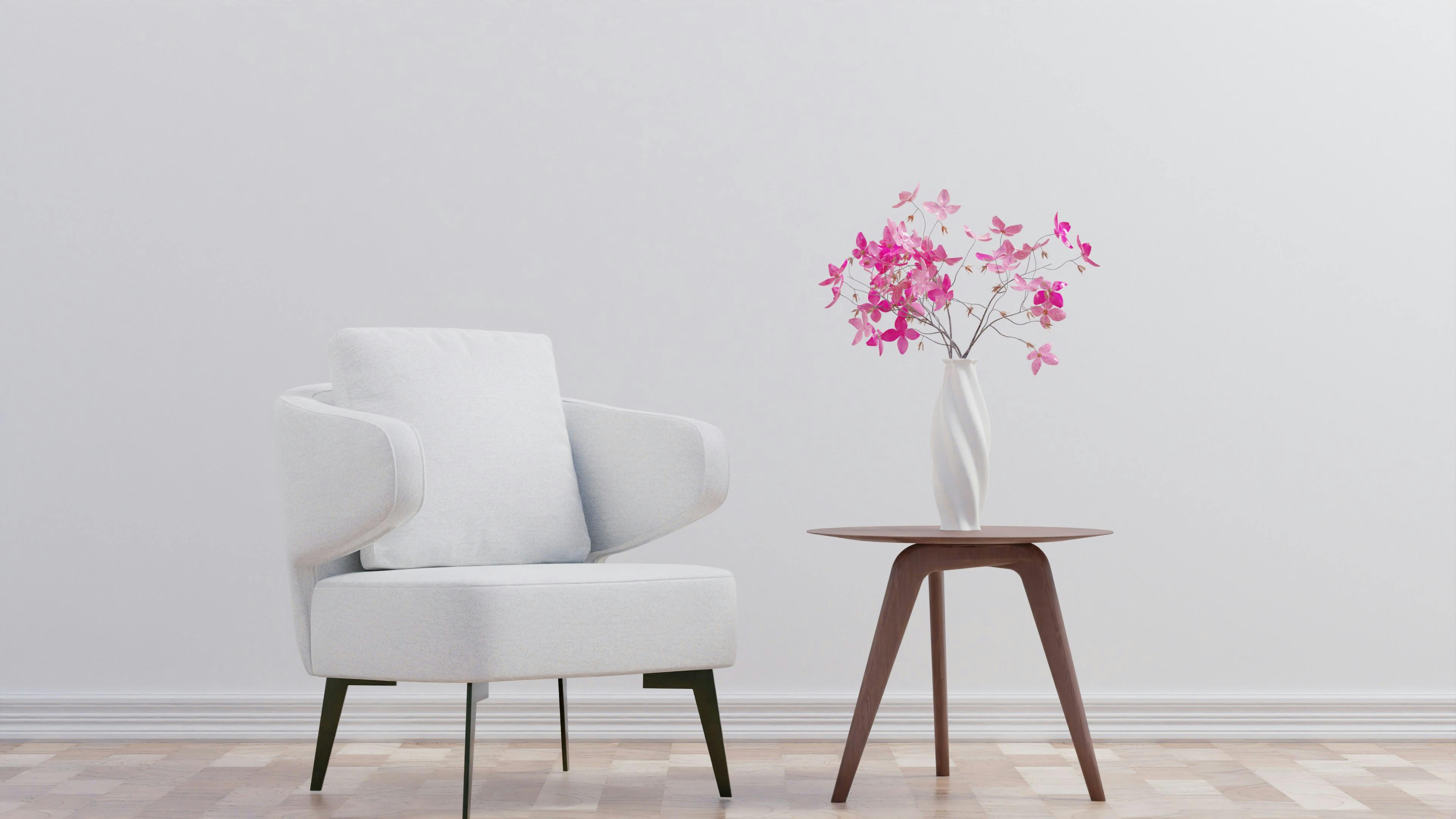
Furniture isn’t filler. It supports behavior, defines zones, and adds visual rhythm. Learn the relationship between scale, function, and comfort.
Focus on:
-
Ergonomics and material choice
-
Pairing pieces with space constraints
-
Curating vs matching
5. Interior Decor and Styling
Styling is the finishing layer that brings a room to life. This course trains your eye to compose and layer with intention.
Focus on:
-
Textures, patterns, and contrast
-
Styling rules (and when to break them)
-
Creating focal points with minimal elements
6. Materials and Textiles
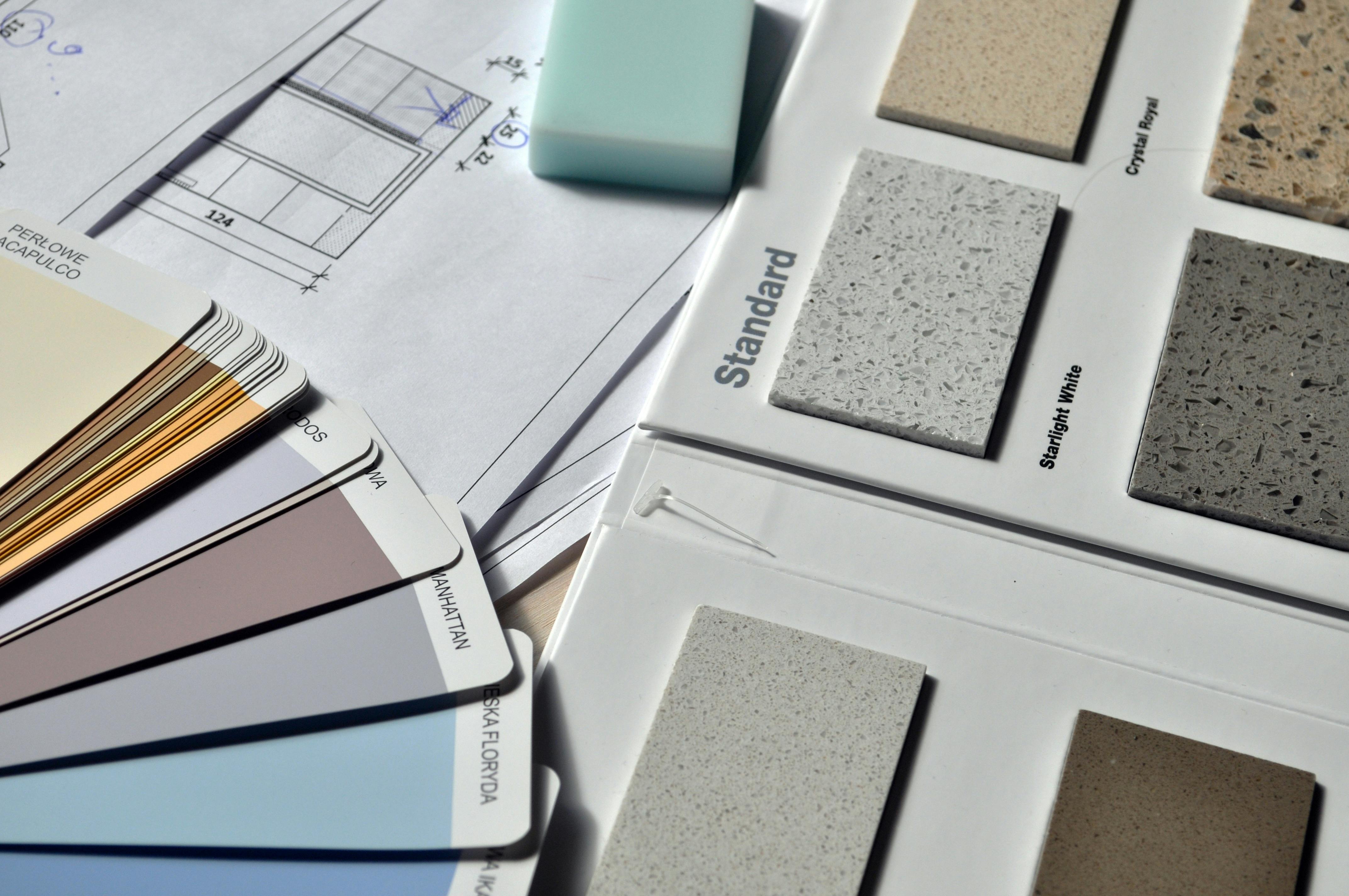
IMAGE: A professional interior design sample board featuring organized fabric swatches, wood veneers, and other materials used to present design options to clients.
Every texture tells a story. Learn how to select materials for beauty, purpose, and performance.
Focus on:
-
Pros and cons of popular finishes
-
Acoustic, thermal, and visual roles of textiles
-
Matching materials to mood and usage
7. Lighting Design
Light sculpts space. It affects mood, depth, and function. This course shows how to design with both natural and artificial light to elevate every environment.
Focus on:
-
Ambient vs task vs accent lighting
-
Layering techniques
-
Light temperature and its emotional impact
8. Environmental Sustainability in Design
Design with conscience. Sustainability isn’t a trend—it’s a standard. Learn how to choose materials and systems that minimize harm and maximize efficiency.
Focus on:
-
Low-impact material sourcing
-
Lifecycle thinking
-
Practical tools to reduce energy and waste
9. Commercial vs Residential Design
Designing a home is personal. Designing a business is strategic. Learn how to shift your mindset based on user, scale, and performance needs.
Focus on:
-
Programming commercial vs residential needs
-
Safety codes, accessibility, and compliance
-
Managing identity and brand in a space
10. Project Management & Client Communication
Even the best design fails without execution. This module covers the business side of design—from working with real clients to leading a team and managing deliverables.
Focus on:
-
Presenting ideas clearly (moodboards, visualizations)
-
Budgeting and timelines
-
Contract basics and managing expectations
Want to keep going? You can also explore:
Material Intelligence: Beyond Aesthetics
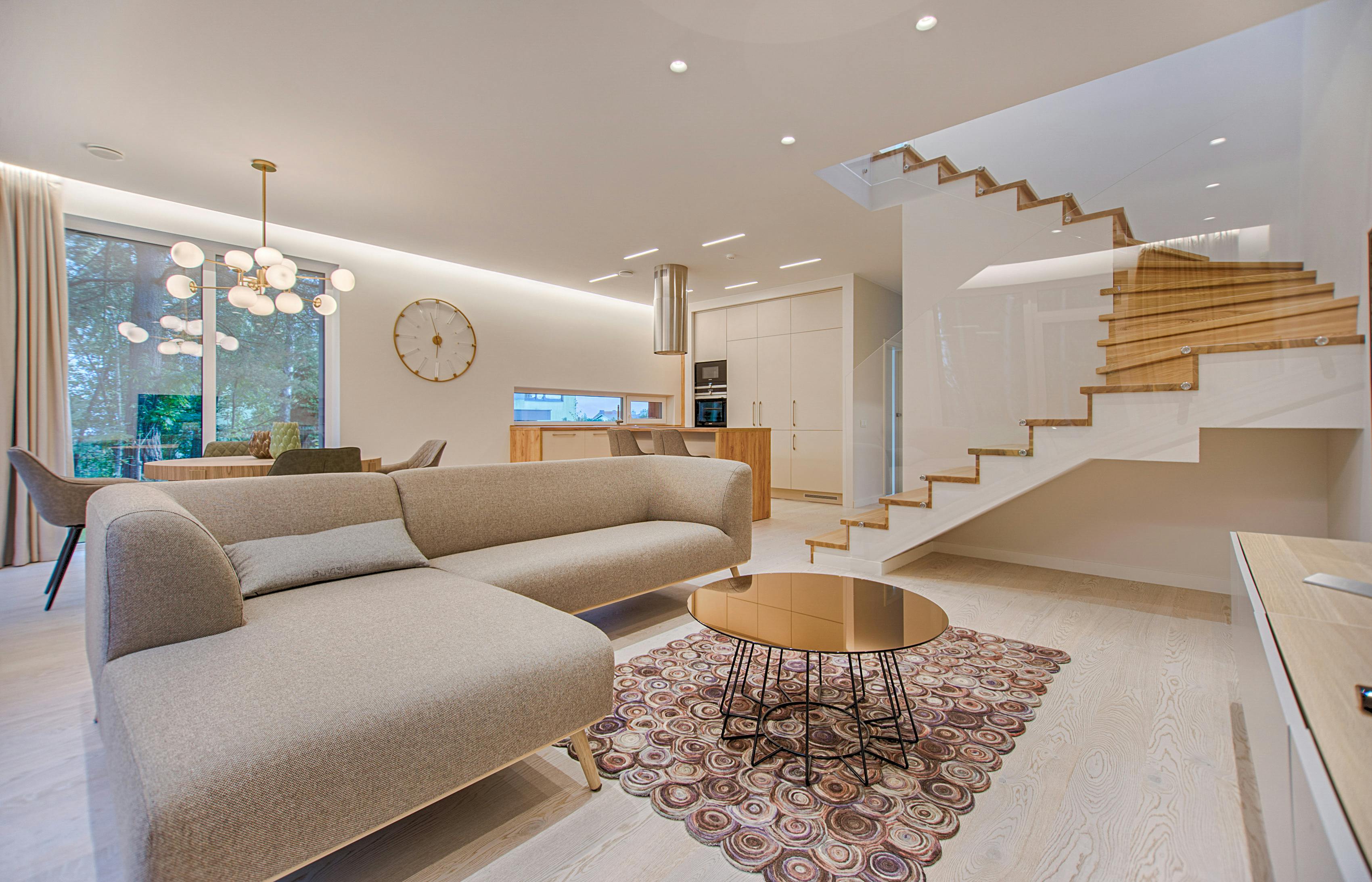
IMAGE: Modern interior design of a house in Vilnius, Lithuania, features clean lines and natural light, enhanced by the use of intelligent materials. These smart surfaces and textiles adapt to environmental changes, improving comfort and sustainability while maintaining sleek aesthetics.
Materials do more than look good—they change how a space feels, functions, and ages. The smartest designers don’t just pick what’s pretty. They choose based on performance, durability, emotional impact, and environmental effect.
What to Focus On:
- Flooring: Wood vs. tile vs. cork—impact on warmth, noise, and wear
- Wall Finishes: Acoustic properties of plaster, brick, panels
- Upholstery: Breathability, texture, how it ages with use
- Material Honesty: Why raw concrete reads “authentic,” and faux-marble rarely works in high-end design
Pro Insight: Cheap-looking finishes can ruin a $50K room. But the right mix of honest textures—even on a budget—can make it feel curated, not faked.
Bonus: Material Library Must-Haves
- Real wood samples
- Textile swatch books (durability ratings included)
- Acoustic panel samples
- Glass, tile, and stone mini-sets
- Lighting samples to test finishes under warm/cool tones
Mastering Materials in Interior Design: The Real Foundation

Interior design isn’t just about color palettes and furniture—it’s about materials. Materials are what you touch, feel, and live with. They define quality, style, comfort, and longevity. You can’t fake material knowledge.
A stunning space will fall flat if it’s built with the wrong textures, finishes, or surfaces.
Why Materials Matter More Than Anything
-
They set the tone: Wood warms up a room, concrete cools it down. Gloss adds energy, matte feels calm.
-
They dictate quality: Cheap veneer vs real oak? The difference is night and day.
-
They affect durability: Design isn’t beautiful if it falls apart after two seasons.
-
They support function: Kitchens need water-resistant surfaces. Workspaces need acoustic control.
What Every Designer Must Know
✔ Hard Materials – Wood, stone, tile, concrete. Learn their properties, installation limits, and care.
✔ Soft Materials – Fabrics, leather, natural fibers. Understand wearability, fade resistance, tactile comfort.
✔ Sustainable Materials – Recycled woods, low-VOC paints, biodegradable textiles. Eco-conscious is now baseline.
✔ Material Layering – Combine rough with smooth, warm with cool, matte with gloss—for dynamic visual texture.
✔ Where to Use What – Know what works on floors, walls, ceilings, upholstery, cabinetry, and built-ins.
Design Tip
Even a minimal space feels rich when the materials are right. A wall of raw plaster, a walnut slab table, linen curtains—no pattern needed. Just material integrity.
Materials are what make a design sing—or fail. Master them, and everything else becomes easier: lighting, layout, decor, and even color all follow material logic.
Essential Interior Design Skills & Tools
1. Digital Tools for Interior Designers
Master tools like SketchUp, AutoCAD, and Adobe Suite to create detailed plans, renderings, and mood boards.
2. Portfolio Development
Build a professional design portfolio that showcases your creativity and technical ability—crucial for landing jobs or freelance clients.
Principles of Great Interior Design
Form, function, and feeling—all working together.
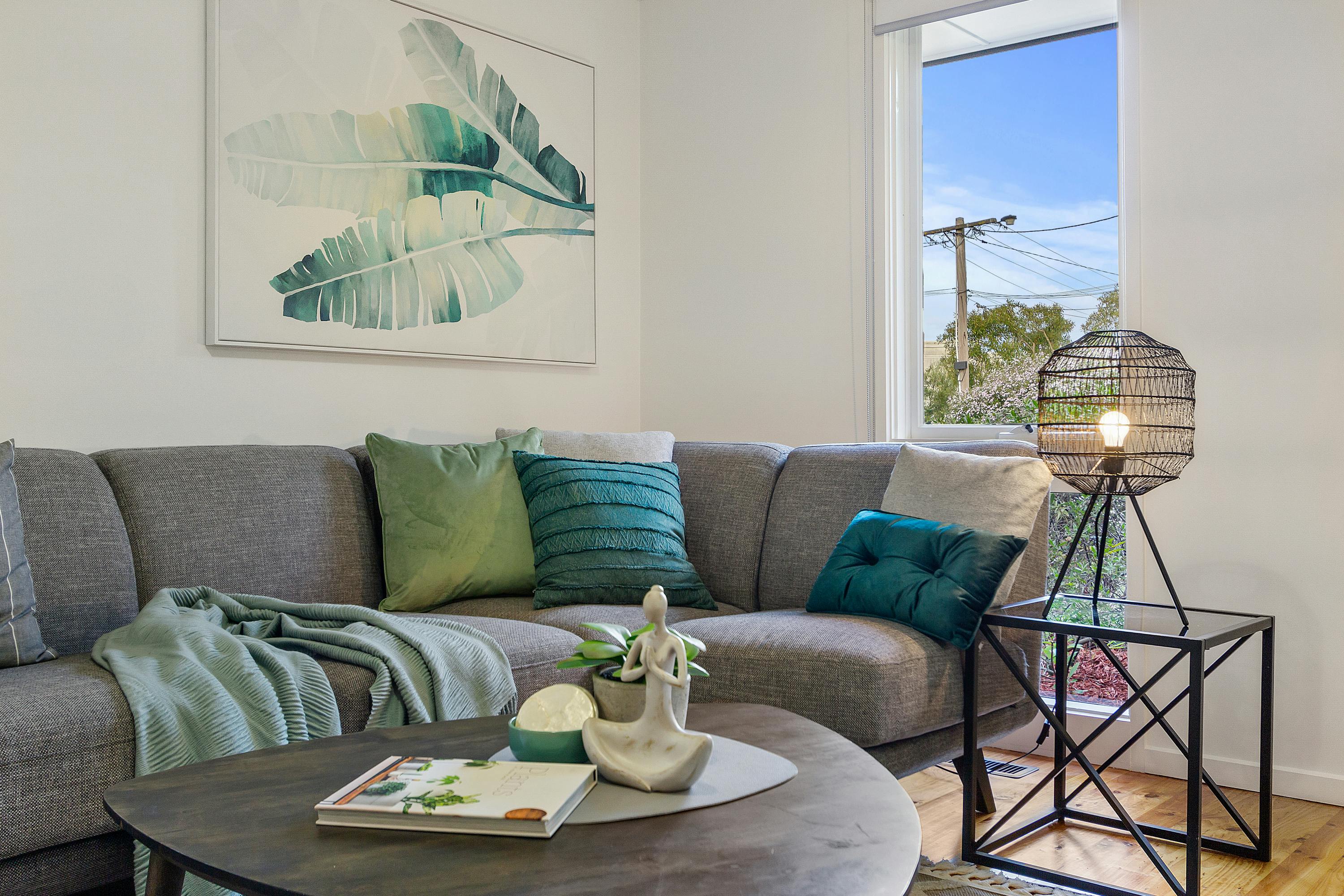
Great interior design isn’t just about taste or style. It’s about solving problems, shaping experience, and bringing purpose to every choice. Whether designing a single room or an entire home, these foundational principles guide the best designers toward timeless, functional beauty.
🔹 Aesthetic Harmony
Creating a space that feels whole—yet alive.
-
Balance and Symmetry: Distribute visual weight evenly using furniture, lighting, and decor placement. Choose between symmetrical (formal) or asymmetrical (dynamic) balance based on the mood you want.
-
Unity and Variety: Use repetition in color, shapes, or textures to unify the design. Introduce subtle variety to avoid boredom.
-
Rhythm and Repetition: Guide the eye through the space using recurring design motifs or alignments.
-
Contrast and Emphasis: Use contrast (light/dark, smooth/textured) to highlight key features or focal points.
🔹 Functional Elegance
Design that not only looks good—but works effortlessly.
-
Purpose-Driven Layout: Arrange furniture for actual use—conversation, movement, rest. Don't block flow or overfill.
-
Multifunctional Design: Incorporate pieces that serve more than one purpose—especially in smaller spaces.
-
Accessibility and Comfort: Good design considers how people live, reach, sit, and move.
-
Material Selection: Choose finishes that are durable, cleanable, and appropriate for the space’s function.
🔹 Personal Expression
Let the space tell a story—yours.
-
Sentimental Layers: Include objects with emotional value—books, heirlooms, handmade pieces.
-
Cultural or Personal Influence: Let heritage, travel, or interests subtly inform color, texture, or artwork choices.
-
Custom Touches: Mix in tailored or DIY elements to create a sense of uniqueness.
-
Art and Identity: Use art or photography to showcase personality, values, or memories.
🔹 Scale, Proportion & Focal Points
Balance everything—then lead the eye.
-
Scale: Ensure items are the right size for the space and each other. Oversized furniture in a small room throws everything off.
-
Proportion: Relate elements correctly—for instance, a large wall needs more than a small frame.
-
Focal Points: Give the eye somewhere to rest—whether it's a statement light, fireplace, gallery wall, or sculptural chair.
-
Hierarchy of Attention: Arrange visual elements so they don’t compete. Let the focal point lead, with supporting pieces around it.
Want to Take It Further?
Here’s what to explore next:
• Lighting Design Fundamentals
• Mastering Material Choices
• How to Plan Your Space Like a Pro
Practical Tips for Crafting Beautiful Spaces
- Start with a Vision: Define the mood, purpose, and feeling you want to achieve.
- Use a Cohesive Color Palette: Align your color story with the space’s function.
- Invest in Comfort & Function: Prioritize ergonomics, flow, and durability in furniture and layout.
- Edit Ruthlessly: Eliminate clutter and keep only what serves a purpose or sparks joy.
- Accessorize with Meaning: Layer personal objects, books, and art for personality and warmth.
Can You Teach Yourself Interior Design?
Yes—and thousands do. With the right resources, consistent practice, and guidance, you can learn the fundamentals of professional interior design independently.
Start with these steps:
- Study: Read books, explore tutorials, and take structured free courses like those at architecturecourses.org.
- Practice: Start small. Redesign your room. Work on personal or mock projects.
- Learn the Tools: Get familiar with SketchUp, Photoshop, and layout software like Revit or AutoCAD.
- Get Feedback: Join online design communities or forums. Post work, ask for critique.
- Keep a Portfolio: Document all your projects and exercises. This will become your biggest asset.
Interior design is a lifelong craft. Keep learning, experimenting, and evolving your aesthetic. Whether you pursue it as a career or a passion, the journey starts with a single project—and a clear point of view.
Get Started with Free Interior Design Courses
- Intro to Interior Design
- Color Theory
- Materials & Textiles
- Styling & Decor
- Portfolio Building
Everything is 100% free at architecturecourses.org. Start where you are. Design the spaces you wish existed. And build the future, room by room.
Roadmap to Becoming an Interior Designer
Choose your path: formal education, self-taught hustle, or digital hybrid. All work—but only if you do.
1. Traditional Route (Degree & Licensure)
Best for: Long-term career goals, working at top firms, commercial/residential credentials.
Your steps:
-
Get a bachelor’s degree in Interior Design or Interior Architecture
Choose a program accredited by CIDA (Council for Interior Design Accreditation). This gives you the broad foundation—from history to CAD drafting to client presentation. -
Intern while in school
Most legit programs make internships mandatory. You’ll learn the real stuff: project timelines, client meetings, sourcing materials, budgets, and chaos control. -
Pass the NCIDQ Exam
This is your license to legally call yourself an “Interior Designer” in many states. You need 2 years of qualified experience post-graduation. -
Land a job or start your own studio
You’ll graduate with a portfolio. If it’s solid, firms will hire you—or you’ll find small freelance gigs and build up.
Focus on:
-
Studio classes and real-world critiques
-
Building codes and ADA standards
-
Space planning, CAD/BIM fluency
-
Presentation boards and client pitching
2. Self-Taught Path (No Degree, All Hustle)
Best for: People changing careers, creatives with strong taste, decorators or stylists wanting to go deeper.
Your steps:
-
Learn the fundamentals online (free or cheap)
Start with architecturecourses.org, Coursera, YouTube, and design blogs. Focus on color theory, layout, materials, lighting, and drawing. -
Practice constantly
Redesign your own room. Then your friend’s. Do mockups. Photograph them. Use Pinterest or mood boards to train your eye. -
Learn design software
SketchUp, AutoCAD, Revit (for 2D/3D). Photoshop and Canva for visuals. These are your tools—and clients expect them. -
Build a portfolio—even if the work isn’t paid
Don’t wait for a “real job” to show what you can do. Do concept projects. Stage a room. Reimagine a public space. -
Find clients or get an apprenticeship
Start small: cafes, local shops, Instagram clients. Or work under a licensed designer to get hours and experience.
Focus on:
-
Creating strong before/after transformations
-
Understanding space, not just decor
-
Real client goals (budget, needs, function)
-
Learning to present ideas visually and clearly
3. The Hybrid Tech-Driven Path (Fast, Modern, Online)
Best for: Digital nomads, international students, professionals looking to specialize or pivot fast.
Your steps:
-
Take targeted online interior design certificate courses
Reputable ones: New York Institute of Art + Design, Udemy, Domestika, Skillshare. Look for ones with project feedback and real-world briefs. -
Get certified in digital tools
Learn BIM (like Revit), SketchUp, and rendering with Enscape or Lumion. A client will take you more seriously if you can pitch a 3D walkthrough. -
Use AI & visual tools to create better faster
Use tools like Midjourney or DALL·E to generate quick visual ideas. Use Canva for moodboards. Use Figma or Miro for visual communication. -
Build your brand online
Instagram, LinkedIn, and portfolio sites like Behance or Wix. Post project walk-throughs, tutorials, or process reels. -
Collaborate across disciplines
Many hybrid designers work with architects, real estate agents, and developers remotely. You don’t need a studio—just solid design and communication. -
High-quality 3D visualizations
-
Client pitching in a digital space
-
Rapid iteration and visual storytelling
-
Staying sharp with online trends and tools
Interior design is about consistency, curiosity, and doing the work. Some of the best designers never went to school. Others went all-in on formal education.
You need to study spaces, practice relentlessly, and build a portfolio that shows you understand not just how to make a space pretty—but how to make it work.
Roadmap to Becoming an Interior Designer
| Path | Who It’s For | Steps | Recommended Tools | Where to Learn |
|---|---|---|---|---|
| Traditional | Students pursuing formal degrees | 1. Enroll in accredited interior design program 2. Learn fundamentals, history, drawing, software 3. Complete internships and projects 4. Build portfolio 5. Graduate and apply for jobs or licensure |
AutoCAD, SketchUp, Adobe Suite, Revit | University design programs (e.g., SCAD, RISD, NYSID) |
| Self-Taught | Independent learners and career changers | 1. Start with free resources (books, YouTube, articles) 2. Study key topics: color, layout, lighting, materials 3. Practice on real or mock projects 4. Learn software like SketchUp, AutoCAD, Photoshop 5. Build a portfolio and gain experience |
SketchUp Free, Canva, Pinterest, Photoshop | YouTube (Studio McGee, Nick Lewis), Books, Blogs |
| Hybrid / Online-First | Tech-savvy creatives and working professionals | 1. Join online platforms (e.g., Coursera, Skillshare, architecturecourses.org) 2. Follow structured courses on design principles, tools, and style 3. Use apps like Morpholio or Canva for practice 4. Create concept boards and digital mockups 5. Start freelancing or building a portfolio |
Figma, Morpholio Board, SketchUp, Milanote | architecturecourses.org, Domestika, Udemy, Coursera |
The Business of Design
This is where many design programs drop the ball. Being good isn’t enough—you have to run a business.
What to Cover:
- Pricing Projects: Flat rate vs hourly vs tiered packages
- Contracts That Work: Scope, deliverables, change orders
- Dealing with Scope Creep: How to hold the line (and keep your profit)
- Professional Presentations: How to pitch ideas with clarity and confidence
Extra Tip: Clients don’t just buy your taste. They buy your certainty.
Top Free Interior Design Contract Templates
-
PandaDoc Interior Design Contract Template
-
Features: Comprehensive sections covering services, payment terms, confidentiality, and termination clauses. Includes e-signature capabilities.
-
Format: Fully editable online.
-
-
Houzz Pro Interior Design Contract Template
-
Features: Includes 24 essential clauses tailored for interior designers, along with a detailed writing guide.
-
Format: Downloadable PDF.
-
-
LegalTemplates.net Interior Design Contract
-
Features: Offers a straightforward template with sections for project scope, payment details, and cancellation policies.
-
Format: Available in PDF and Word formats.
-
-
TemplateLab's 40 Interior Design Contract Templates
-
Features: A collection of 40 templates suitable for various project types, including residential and commercial designs.
-
Format: Downloadable Word documents.
-
-
SignHouse Interior Design Contract Template
-
Features: Legally comprehensive and optimized for use across all devices, ensuring accessibility and ease of use.
-
Format: Editable online with e-signature functionality.
-
Key Elements to Include in Your Interior Design Contract
When customizing your contract, consider incorporating the following sections to ensure clarity and protect both parties:
-
Scope of Work: Clearly define the services you will provide.
-
Project Timeline: Outline start and completion dates, including milestones.
-
Payment Terms: Specify fees, payment schedules, and accepted payment methods.
-
Termination Clause: Detail conditions under which the contract can be terminated by either party.
-
Confidentiality Agreement: Protect sensitive information shared during the project.
-
Intellectual Property Rights: Clarify ownership of designs and materials created.
-
Dispute Resolution: Establish procedures for resolving any disagreements.
For a comprehensive guide on drafting an effective interior design contract, you might find this article helpful: What You're Getting Wrong With Your Interior Design Contract.architecturaldigest.com
How to Build a Professional Interior Design Sample Board That Sells Your Vision
Ultra-Short Snippet Intro
A well-made sample board does more than look pretty—it builds trust, closes deals, and shows clients exactly what they’re paying for. Below, we break down what goes into a pro-level board and how to use it to grow your business.
What Is a Sample Board—and Why Does It Matter?
A professional sample board bridges the gap between big design ideas and real-world materials. It’s where clients finally “see” the concept in front of them—tangible, touchable, and clear.
But it’s not just about showing materials. It’s about proving you know what works together and why.
Here’s why that matters:
▪ Clients trust what they can see and touch
▪ It forces better material decisions early
▪ It speeds up approvals and avoids budget-wrecking changes later
▪ It shows clients you're organized, thoughtful, and professional
What Should Go on a Sample Board?
It depends on the project, but a smart board usually includes these essentials:
-
Fabric swatches → Upholstery, drapery, or accent textiles
-
Wood finishes/veneers → Cabinets, floors, trims
-
Tile & stone samples → For kitchens, baths, or feature walls
-
Paint chips → Use real manufacturer samples, not printouts
-
Metal hardware → Handles, hinges, lighting finish samples
-
Texture samples → Wallpaper, concrete finishes, laminates
-
One surprise element → Something that sparks interest—a trim, rug fiber, or handmade item
→ Pro tip: Don’t overload the board. Show just enough to tell the story. The goal isn’t clutter—it’s clarity.
How to Lay It Out Like a Pro
▪ Group by function or area: Example—put all kitchen elements together
▪ Keep the board neutral: Use white or gray as your base so nothing clashes
▪ Leave breathing space: Don’t crowd samples—let each one stand out
▪ Label smart: Add small printed labels—material name, supplier, and cost if relevant
▪ Mount it well: Use Velcro dots or foam tape so things can be replaced easily later
How This One Tool Can Grow Your Business
Sample boards aren’t just tools—they’re assets. They help you:
1. Land Bigger Clients
Showing a physical board in early meetings makes you stand out instantly. It says you’re serious, and you’ve already thought ahead.
2. Get Discounts and Exclusive Deals
Start partnerships with local vendors. Ask for promo samples and in exchange, give them visibility in your presentations. You save money—they get business.
3. Lock Down Contracts Faster
Bring a board to final presentations, then attach it to the signed contract. Clients are far less likely to change their minds once they’ve “approved” physical samples.
4. Build a Killer Portfolio
Photograph every board before presentation. Post them (no prices) as part of your portfolio—showing not just finished rooms, but your thinking and process.
5. Run Paid Workshops
You can teach this. Many people want to learn how to put together a sample board—for school, for fun, or for their own projects. Charge for it.
How to Make Yours Stand Out
→ Use one unexpected combo: Clients love when they see something they wouldn’t have picked—but now can’t unsee. That’s the win.
→ Be material-savvy: Know which woods yellow under LED, which tiles stain, and which fabrics age well. If you explain these things while presenting, you gain instant trust.
→ Leave a leave-behind: Print a mini version of the board elements with QR codes to sources. It looks pro—and it gives clients something to show others.
“You’re not just showing materials. You’re showing how you think, how you solve problems, and how you guide people through choices they didn’t even know they had.”
—Capella Kincheloe, Interior Designer
Amazon Pick: Sample Board Must-Have
🖇️ Elmer’s Foam Board 18x24 – Clean white, sturdy, easy to cut. Great for clean mounting.
🔗 Buy on Amazon
Wrap-Up
If you're not using physical sample boards, you're missing a chance to turn “maybe” into “yes.”
The board doesn’t just sell the design—it sells you. It shows professionalism, care, and confidence in your ideas.
Start using them now. The difference is real.
What Clients Really Notice on a Sample Board (Hint: It’s Not What You Think)
Most designers obsess over getting every sample perfect—but that’s not what lands. Clients rarely comment on your wood grain choice. They notice something way more basic: how the board feels the moment they look at it.
This isn’t guesswork. It’s psychology. Here’s what actually matters when you put a board in front of a client:
What They See First:
▪ Color palette cohesion — Clients instantly sense when colors feel “off”
▪ Gloss vs matte — High-gloss says “premium.” Matte says “soft and livable.”
▪ Texture balance — Too many rough or flat finishes feels overwhelming
What They Physically Touch:
▪ Fabrics — Even if the space has no textiles, clients almost always reach for fabric first. It’s emotional. It’s comforting.
▪ Tiles or wood — They run their fingers along edges, feeling weight and finish.
Where to Focus:
→ Lead their eyes: Put your strongest, most emotionally resonant piece front and center
→ Frame your story: Say, “This fabric is where we start—everything else builds around it.”
→ Watch their hands: What they touch first tells you what they care about most
“Clients don’t choose based on logic—they choose based on feel. Your board has to feel like the future they want to live in.”
— Studio-based residential designer, Toronto
Sample Board Fails I’ve Made (and What They Taught Me)
Real talk: every designer has bombed a board. I’ve made all the classic mistakes. They cost me time, revisions—and once, a client.
Let’s break it down, so you don’t have to learn the hard way:
1. The “Just Beige” Disaster
What happened: I used all neutrals. No depth. No contrast.
Client’s reaction: “It just feels… beige.”
Fix: Add one unexpected material with texture or tone that pops—even in a soft palette.
2. The Overload Mess
What happened: I packed the board with every possible option.
Client’s reaction: “I don’t know what I’m looking at.”
Fix: Three finishes max per area. Tell a story, not a catalog dump.
3. The Online Sample Fail
What happened: I trusted wood swatches from a supplier website.
Reality: In person, the stain was warmer—and didn’t match the paint.
Fix: Never build a board from digital samples. If you don’t have it physically, don’t use it.
→ Lesson: Edit hard. Less is more. Your client needs clarity, not a mood board meltdown.
The #1 Thing That Changes How a Board Feels: Lighting
You’ve built the perfect board. Then you present it in a dim room with yellow bulbs. Game over.
Lighting doesn’t just change how samples look—it changes how confident your work appears.
Here's What to Watch:
▪ Daylight vs indoor — That tile with subtle gray veining? Gone under warm light.
▪ LED temperature — Cool lights make whites look blue. Warm ones mute saturation.
▪ Presentation hack — Bring a portable LED light with adjustable temperature. It shows how materials will behave in different spaces.
Match Their Space:
→ Ask the client: “What kind of lighting do you use in this room?”
→ Mimic that when showing your board
This one shift makes you look twice as professional—and avoids nasty surprises during install.
How to Use Your Sample Board to Close the Deal
Let’s be blunt: your sample board isn’t just a design tool—it’s a contract closer.
This is the moment you stop being “the designer” and become “the one they trust to lead.” If you use it right.
What Works:
▪ Set the frame: “If you’re happy with this material set, I’ll move forward with the final plan.”
▪ Use exclusive access: “This finish is available only through my trade account.”
▪ Mention value smartly: “I’ve already negotiated better pricing with this supplier if we stick with this board.”
Why This Works:
Clients want clarity. They don’t want 10 options—they want the right option, with someone confident enough to back it.
→ Say this: “You don’t need to shop around—this board is the result of testing, budget balancing, and real use experience. It works.”
Build a Digital Twin of Your Sample Board (So Clients Keep Saying Yes)
The meeting ends. You pack up. They forget half of what they saw. That’s where your digital twin saves the day.
How to Do It:
▪ Photograph everything: On a clean white background. High-res.
▪ Label it in Canva: Include names, notes, and where it goes (e.g., “kitchen backsplash”).
▪ Organize by area: Kitchen, bath, living, etc.
▪ Host it online: Use Notion, Google Slides, or a private client portal.
▪ Bonus move: Add links to suppliers (including alternates if they go out of stock)
→ This gives your client something to revisit, show their partner, or refer back to—without bugging you for another call.
How to Rotate and Reuse Sample Boards Without Looking Lazy
Sample boards take time. Materials aren’t cheap. But you can still look custom without starting from scratch.
Smart Shortcuts:
▪ Build modular boards: Use Velcro so you can swap in/out pieces
▪ Keep bins: Organize swatches by color, function, or mood (neutrals, metals, organic, dark & moody)
▪ Have base sets: Three to four palettes you know work—and clients consistently choose from
→ Pro designers don’t reinvent the wheel every time. They refine, rotate, and repeat—without losing that tailored look.
Sample Boards as Subtle Studio Branding
This is the part most designers forget: your sample board isn’t just for them—it’s also about you.
Every time you hand over a board, you’re leaving a physical piece of your brand behind.
Easy Ways to Brand It Right:
▪ Branded label strips: Use clean, minimalist labels with your logo or studio name
▪ Custom foam board colors: Pick a neutral tone that fits your brand (not always white)
▪ Signature combos: Use one or two “signature” pairings that subtly say, “This is our style”
→ Clients remember polish. If your board looks dialed in, your whole brand feels elevated—even if the space isn’t done yet.
Designing for Neurodiversity
Design isn’t neutral. What feels fine to one person can overwhelm another. Neurodivergent clients—especially those with autism, ADHD, or sensory processing issues—need spaces that support, not stress.
Design Principles That Help:
- Color Strategy: Soft, desaturated tones reduce stimulation
- Sound Zoning: Acoustic panels, rugs, room dividers = quieter rooms
- Clear Layouts: Predictable spatial organization reduces cognitive load
Where to Learn From:
- Pediatric clinics that use color and pattern to soothe, not excite
- Open offices redesigned with pods and personal zones
- Classrooms with light/temp control and adjustable lighting
Interior Lighting Psychology
Light affects more than sight—it shapes how we feel, focus, and rest. Bad lighting can ruin good design.
Lighting Types to Master:
- Circadian Lighting: Changes with time to support natural sleep/wake cycles
- Task Lighting: Focus lights for reading, cooking, working
- Ambient Lighting: General mood-setting light
- Accent Lighting: Highlights textures, artwork, structure
Why It Matters:
- Bright white = sterile unless balanced
- Warm dim = cozy but can look dingy without accents
- Light angle changes perception of room size, ceiling height, even wall color
Cultural Context in Interior Design
Design language isn’t universal. A calm, clean room in Denmark might feel empty in Brazil. Cultural context changes what feels "complete."
What to Study:
- Japanese Minimalism: Emptiness, soft lighting, craftsmanship
- Moroccan Maximalism: Color, texture layering, intricate tiling
- Nordic Simplicity vs. Indian Ornateness
Warnings:
- Don’t steal aesthetics without understanding roots
- Context = meaning. Cultural elements work best when integrated with care and story
Optional Add-On: Global design inspiration board with annotated breakdowns
Real-World Client Scenarios
Give students more than theory—give them practice.
Challenge Example: “You’re designing a 300 sq ft Airbnb in a coastal city for a retired couple who host art retreats. What layout and style would you choose—and why?”
Options to Compare:
- Minimal Coastal: Light wood, open plan, white walls with canvas rails
- Eclectic Boho: Built-in daybeds, colorful textiles, plant zones
- Modern Gallery: Movable walls, spot lighting, polished concrete floors
What to Teach: How every decision ties back to user goals, size constraints, and brand feel
The Power of Digital Presentation
If your presentation is sloppy, the idea falls apart. Clients today expect beautiful, professional digital packages.
Tools That Work:
- Morpholio Board: Fast, intuitive moodboards with real sourcing
- Milanote: Organizes ideas, notes, visual references all in one
- Figma or Canva: Clean layouts for presenting project flow or style boards
Other Smart Moves:
- Render vs. Reality: Always include notes on variation, shipping, material differences
- Client Portal: Give clients a place to view boards, leave feedback, and track revisions
→ Good digital delivery builds trust. It also saves hours of back-and-forth.
FAQs
Education & Career Path
1. How do I start a career in interior design?
Begin by enrolling in a recognized interior design program, such as a diploma or bachelor's degree. Building a strong portfolio and gaining practical experience through internships are crucial steps.
2. Do I need a degree to become an interior designer?
While not always mandatory, a formal education provides foundational knowledge and can enhance job prospects. Some regions may require certification or licensure.
3. What is the NCIDQ exam, and should I take it?
The NCIDQ (National Council for Interior Design Qualification) exam assesses competency in interior design principles and is often required for licensure in North America.
4. How long does it take to become an interior designer?
Typically, it takes 2-4 years of education, followed by 1-2 years of work experience, depending on regional requirements.
5. What skills are essential for interior designers?
Key skills include creativity, spatial awareness, communication, project management, and proficiency in design software like AutoCAD or SketchUp.
Career Development & Job Search
6. What are common career paths in interior design?
Options include residential design, commercial design, hospitality design, set design, and specialized fields like sustainable or universal design.
7. How do I build a compelling interior design portfolio?
Showcase a range of projects, include before-and-after images, and highlight your design process. Quality over quantity is key.
8. Where can I find interior design job opportunities?
Job boards, design firms' career pages, networking events, and professional organizations like ASID are valuable resources.
9. How can I gain experience as a new designer?
Seek internships, volunteer for design projects, or offer services to friends and family to build your portfolio.
10. What is the average salary for interior designers?
Salaries vary based on location, experience, and specialization. Research local industry standards for accurate figures.
Design Practice & Process
11. What is the typical interior design process?
It involves initial consultation, concept development, design planning, sourcing materials, implementation, and final evaluation.
12. How do I determine a client's style preferences?
Use questionnaires, mood boards, and discussions to understand their tastes, needs, and lifestyle.
13. What are current interior design trends?
Trends evolve, but sustainable materials, biophilic design, and multifunctional spaces are popular. Stay updated through design publications and events.
14. How do I manage client expectations?
Maintain clear communication, set realistic timelines, and provide detailed proposals to ensure transparency.
15. What software is commonly used in interior design?
AutoCAD, SketchUp, Revit, and Adobe Creative Suite are widely used for drafting and presentations.
Interior Design in Greenland
16. What characterizes Greenlandic interior design?
Designs often reflect the natural environment, incorporating local materials and cultural motifs.
17. Are there educational opportunities for interior design in Greenland?
While limited, some institutions offer related courses. Many students pursue education abroad or through online programs.
18. How does Greenland's climate influence interior design?
Designs prioritize insulation, durability, and the use of materials suited for cold climates.
19. Are there notable interior design projects in Greenland?
Yes, projects like the Ilulissat Icefjord Centre showcase integration of modern design with natural landscapes.
20. How can I incorporate Greenlandic elements into design?
Use local materials, traditional patterns, and consider the cultural significance of design elements to create authentic spaces.
Business & Professional Practice
21. How do I price my interior design services?
Pricing can be hourly, flat-rate, or based on project scope. Consider your experience, market rates, and project complexity.
22. What should be included in a client contract?
Outline scope of work, timelines, payment terms, responsibilities, and clauses for revisions or cancellations.
23. How do I handle difficult clients?
Maintain professionalism, set clear boundaries, and document all communications to manage expectations effectively.
24. What are common challenges in interior design projects?
Challenges include budget constraints, unforeseen site issues, and coordinating with contractors or suppliers.
25. How can I stay updated with industry developments?
Join professional organizations, attend workshops, subscribe to design magazines, and participate in online forums.
Foundations & Basics
-
Introduction to Interior Design: Understanding the Basics
Covers the purpose, history, and principles behind interior design to build a strong foundation. -
Traditional Interior Design Basics: What You Need to Know
Essential concepts for appreciating and applying traditional interior design effectively. -
Types of Traditional Interior Design Styles
Overview of various traditional interior design styles and their key characteristics. -
Interior and Spatial Design
Exploring how spatial planning shapes the function and feel of interior environments.
Design Principles & Elements
-
Color Theory and Application in Interior Design
Using color psychology and palettes to shape mood and space function. -
Space Planning and Layout in Interior Design
Principles for arranging spaces to optimize flow and usability. -
Materials and Textiles in Interior Design
Selecting materials and fabrics that balance beauty, texture, and function. -
Interior Decor and Styling
Techniques for layering textures, patterns, and focal points in styling interiors. -
Lighting Design
How light shapes ambiance and functionality in interior spaces.
Professional Development & Tools
-
How to Be an Interior Designer? Tips and Advice
Practical guidance for those starting or advancing a career in interior design. -
Interior Designer Portfolio Development
Building a portfolio that showcases your skills and style effectively. -
Digital Tools for Interior Design
Exploring software and tech that streamline interior design work. -
Interior Designer and Client Communication
Mastering how to present ideas clearly and manage client relationships.
Specialized Topics
-
Environmental Sustainability in Interior Design
Integrating eco-friendly materials and practices for responsible design. -
Commercial and Residential Interior Design
Differences and approaches when designing for homes vs. businesses. -
Interior Design Personal Expression
How to inject unique style and personality into your interiors. -
Interior Design Aesthetic Harmony
Achieving balance and cohesiveness through design elements.
Styles & Trends
-
1920s Interior Design Style: History, Characteristics, Examples, and Tips
Dive into the key features and styling tips of the 1920s interior aesthetic. -
Federal Style Interior Design: How to Get It Right Without Overdoing It
Guide on embracing the Federal style with balance and elegance. -
Minimalist Home Design | Guide to Styles, Interiors, and Decor
Understanding minimalist interiors focused on simplicity and function. -
Transitional Modern Interior Design: Key Features and Style Tips
Blending traditional and contemporary styles for balanced interiors. -
Medieval Interior Design: Bringing Historical Charm to Modern Spaces
How to incorporate medieval design elements into current interiors. -
Industrial Interior Design: Styles, Features, and Practical Tips
Applying industrial aesthetics with practical approaches for modern living. -
Traditional Southern Interior Design: Why It Still Matters
The enduring appeal and key traits of Southern-style interiors. -
French Transitional Design: How to Achieve a Balanced, Chic Interior
Tips on mixing French traditional and modern elements smoothly.