
Classic Styles Made Simple
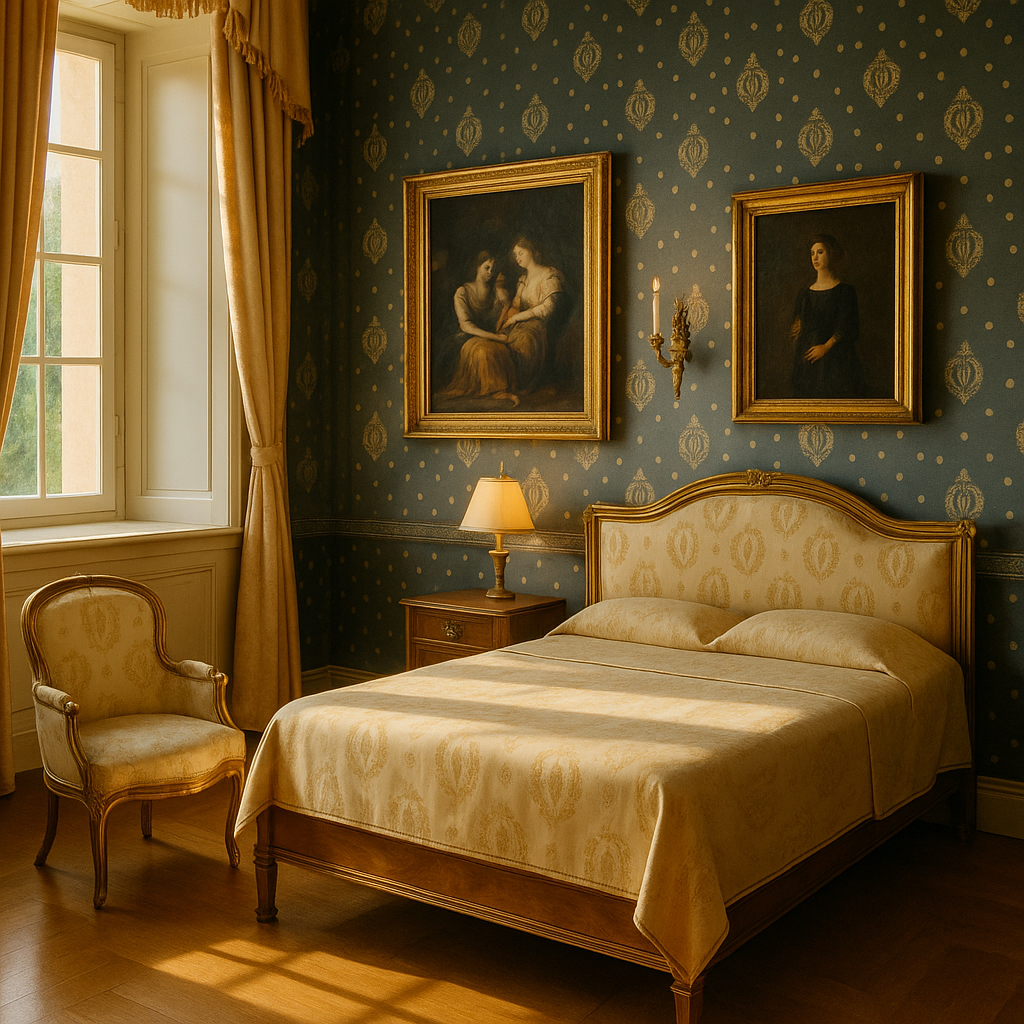
Traditional Interior Design: I learned traditional design on jobsites and in lived rooms, not from slides. What stays with me is how a room settles once the bones are right. Traditional is not about old things, it is about order that welcomes people. You feel it the second you step in, the plan reads cleanly, the eye finds a calm center, faces look good in the light, fabric has weight, and nothing begs for attention yet everything holds together. That is the whole point. Tech is useful, mockups save mistakes, yet judgment carries the day. Judgment comes from understanding proportion and rhythm and from knowing what to keep quiet.
Start With A Shared Map
If you want a simple way to locate yourself in the larger style map before you start choosing fabric, take a quick pass through recognizing house styles at a glance. When you want a closer lens on the classic family, keep our guide to time-tested home aesthetics nearby. I will reference a few other guides where they earn their keep, nothing more.
Traditional Interior Design Characteristics
Order You Can Feel
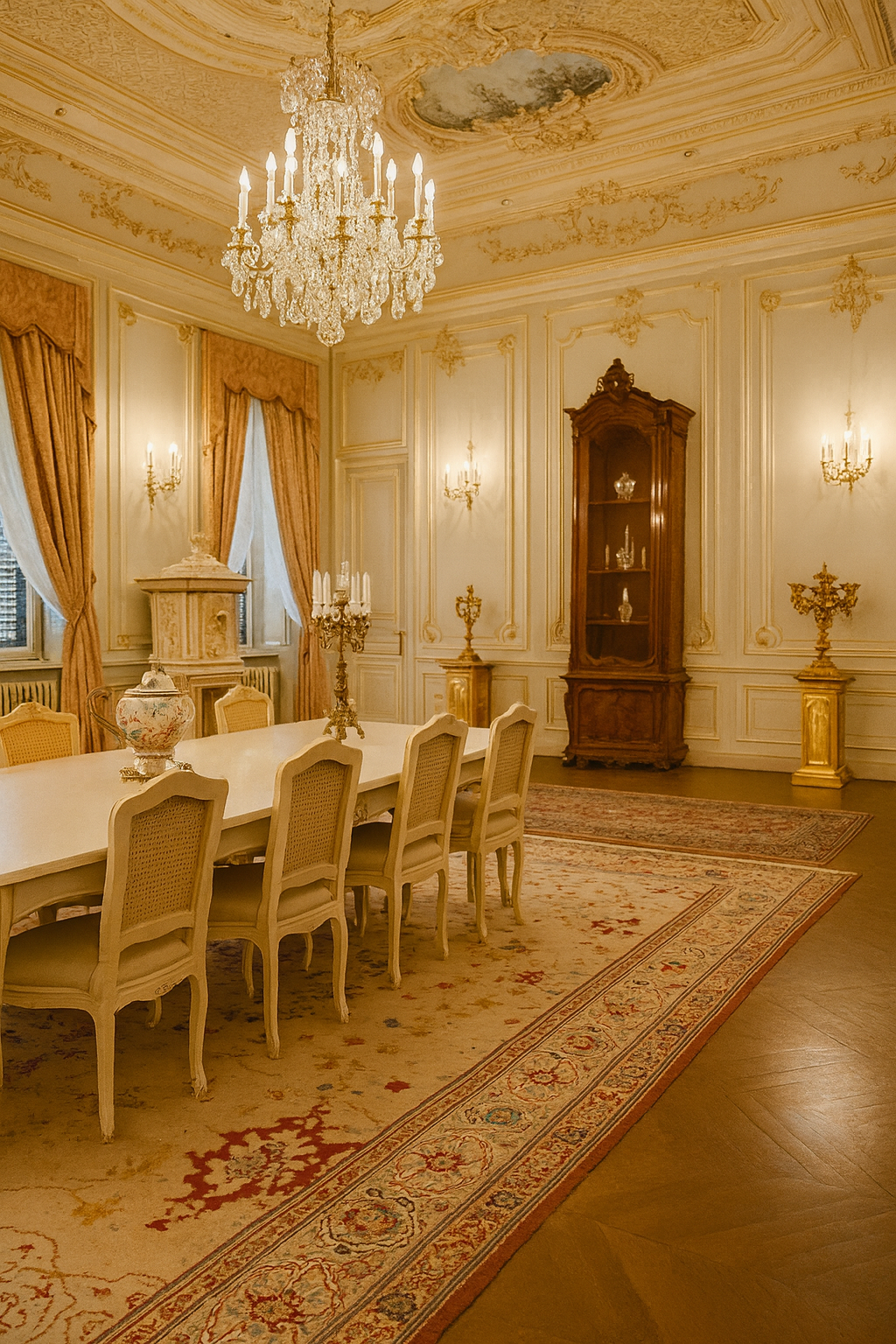
Traditional rooms read calm because the plan is legible at a glance. There is a true center, sightlines are clear, and circulation is intuitive. Mantels, windows, and built-ins are treated as primary structure, not as afterthoughts. If you want a quick refresher on how outside logic influences inside order, take a pass through a practical look at elevations and alignments and you will see why head heights and axes matter indoors too.
Trim That Belongs To The House
Base, casing, crown, and any paneling speak one language across rooms. Profiles are scaled to ceiling height and era so the bones feel coherent. This is where most projects win or lose. When the trim package matches the envelope, even modest furniture looks deliberate. If you need a broader context before you choose profiles, this no-nonsense primer on classic home character keeps selections faithful without turning the house into a museum.
Honest Materials With Quiet Depth
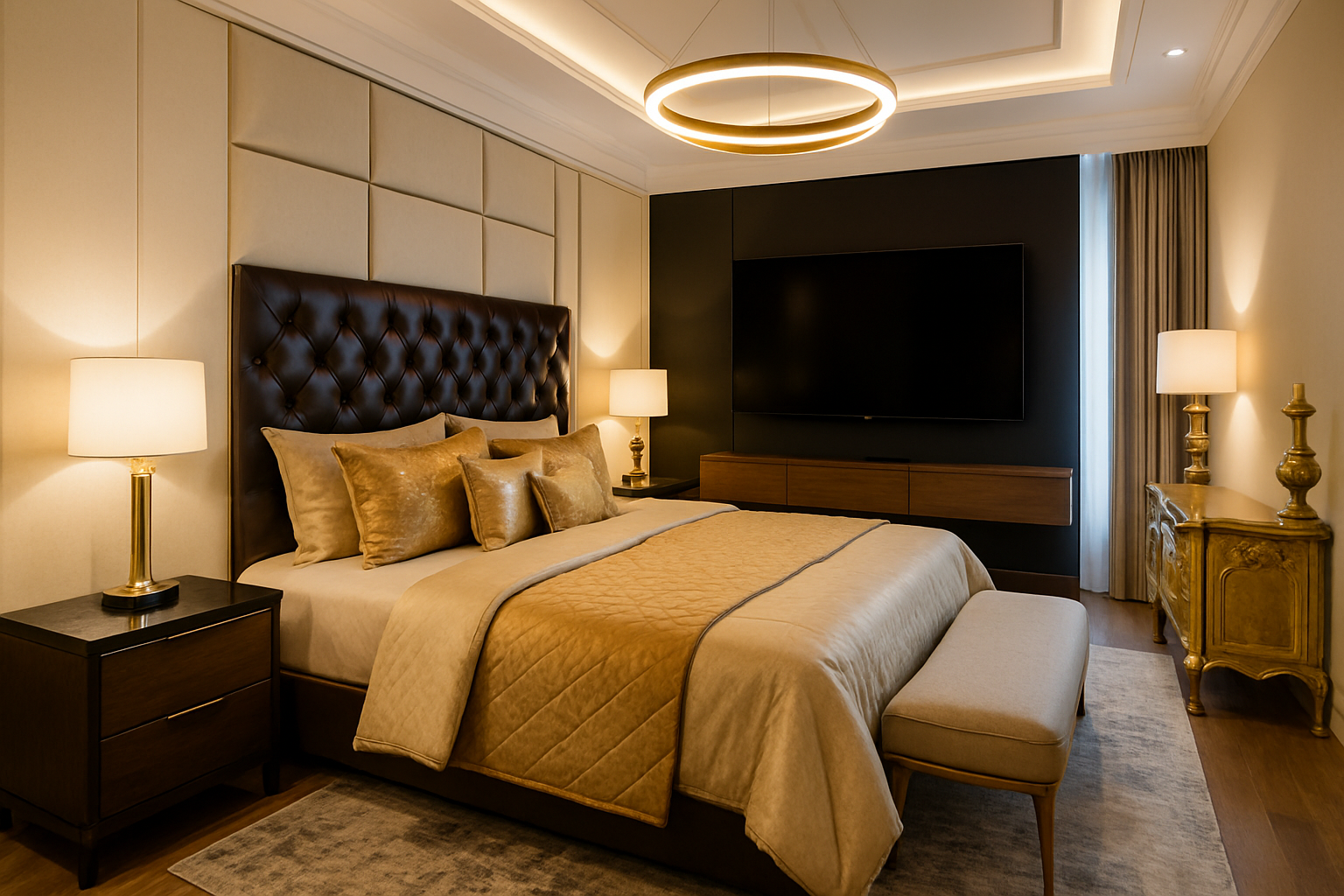
Wood looks like wood, stone reads as stone, textiles have natural hand. Surfaces wear in, not out. You notice grain, not gloss. Leather that takes a scratch and linen that wrinkles a little will outlast trend finishes and still feel right the next decade. If you are weighing palette against daylight, skim a plain-English take on color and mood so your whites and warms don’t fight your sun exposure.
Layered Light That Flatters People
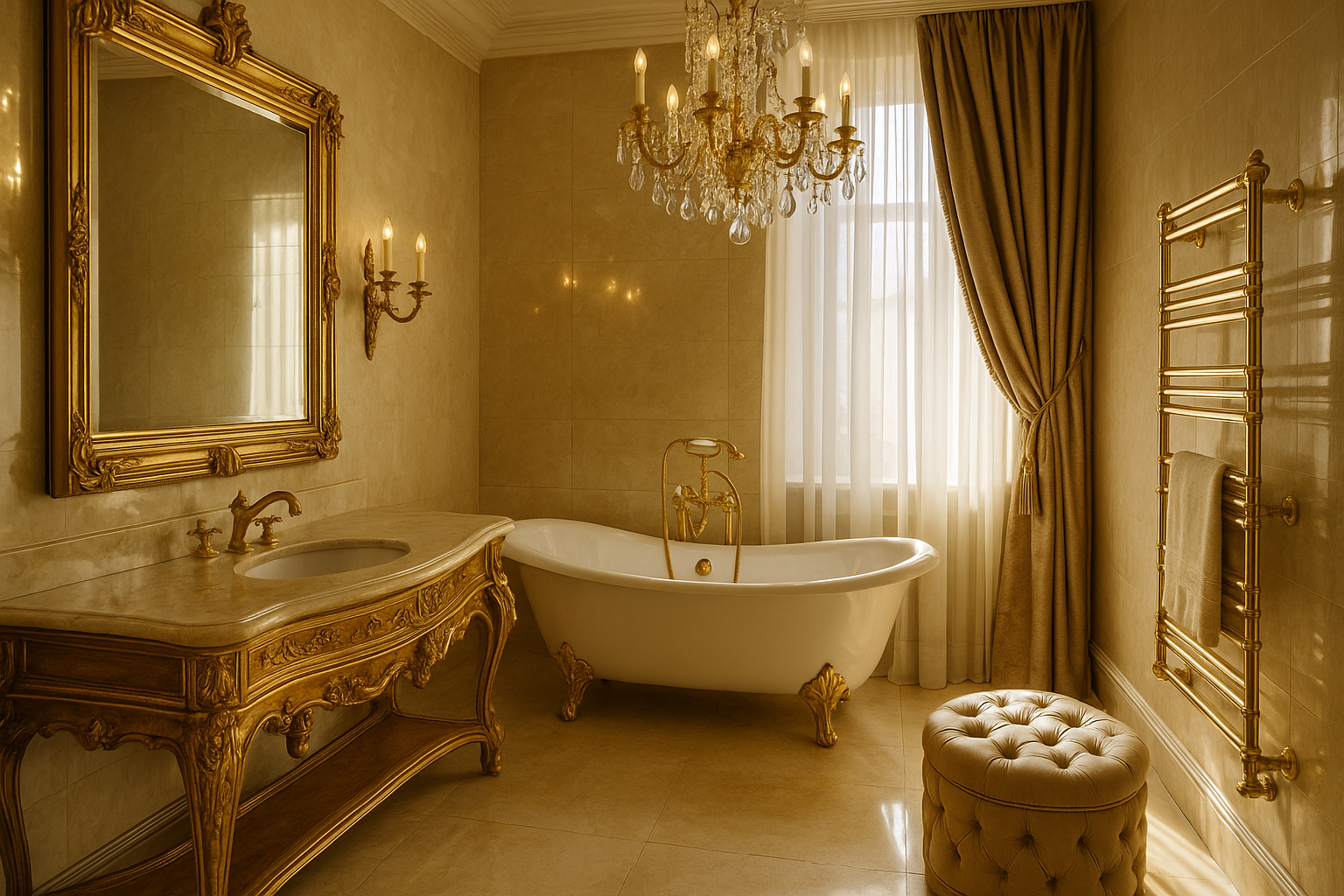
One ceiling statement for intent, sconces to lift the walls, lamps to light faces. Color temperature stays warm and consistent so evenings feel kind. Metal finishes repeat with purpose from room to room, which makes the house read as one thought instead of a collection of purchases. In dining zones, chandeliers sit low enough to join table and company into a single composition.
Symmetry Where It Counts
Perfect symmetry is not the goal everywhere. Borrowed symmetry is the workhorse. When architecture is off-center, create balance with paired lamps, matched nightstands, or a centered art wall that gives the eye a steady anchor. The effect is an easy quiet, not a rigid diagram.
Comfort First, Always
Traditional succeeds because it respects how people actually sit, talk, and move. Sofas support conversation distance, chairs welcome a long read, and rugs are sized to the group rather than the coffee table. Fabric choices consider touch and use before label and trend. When you need to ground decisions in daily function, start with a room plan that puts use before decor and then layer character on top.
Palette With A Backbone
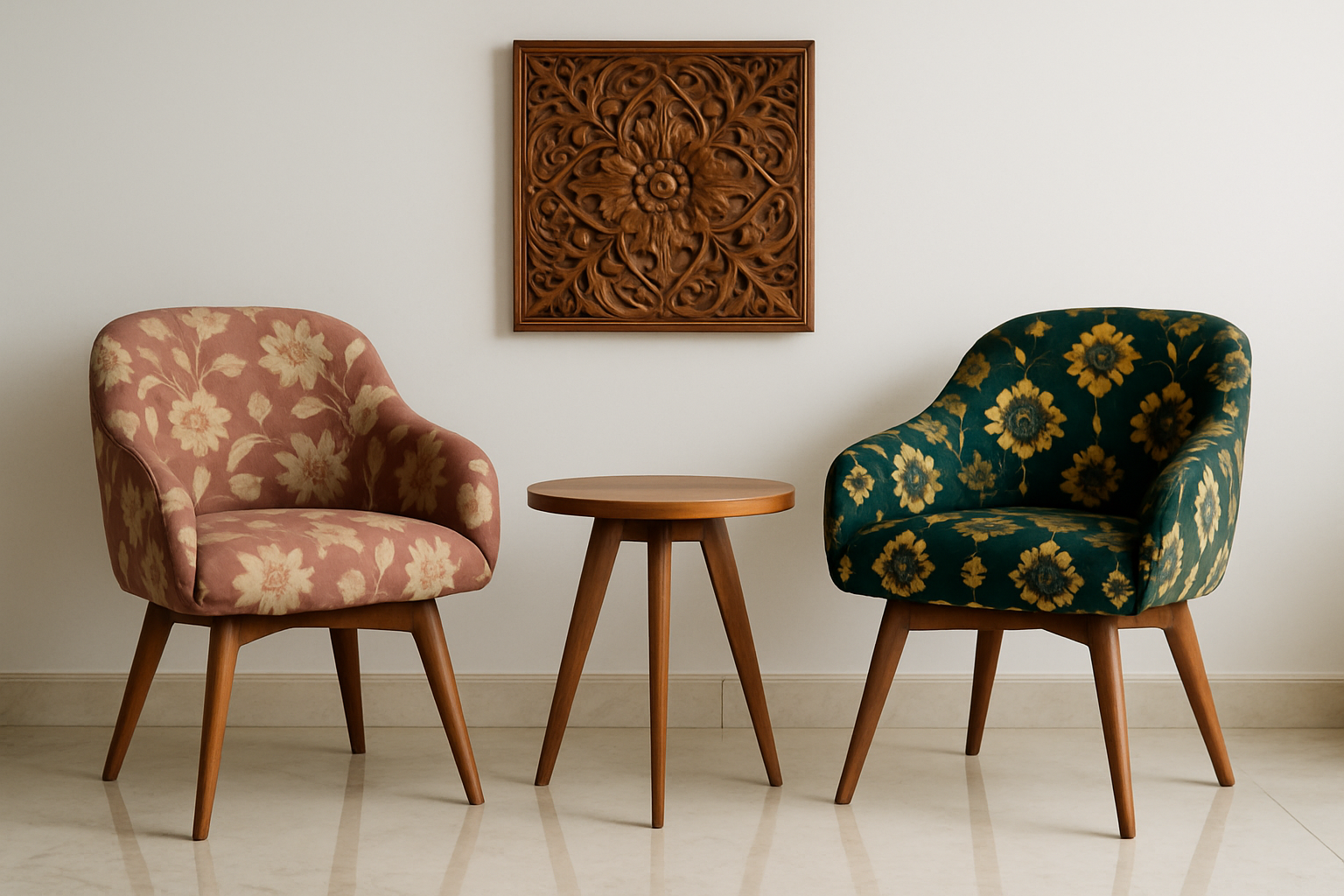
Big surfaces stay calm and connected, accents carry the mood. One quiet base harmonizes with your daylight, one deeper note repeats in measured ways across rooms so the house feels related rather than repetitive. North rooms prefer warmth, south rooms can tolerate cooler whites if wood and fabric add tone. Kitchens often test this balance first; if you want choices that age well, lean on kitchen color moves that hold up.
Craft Over Spectacle
You will see care in the small things. Miters close cleanly, cabinet doors line up, hardware feels solid in the hand, drapery touches the floor. Traditional character is a thousand quiet decisions that add up to ease and credibility. The room looks simple because the details did the heavy lifting.
Collected, Not Themed
Rooms mix heirloom and new, smooth and textured, polished and matte. The thread is proportion and restraint, not a costume. One authentic antique can carry more history than five reproductions. Pattern works when it keeps time for the eye. I keep one floral, one stripe, and one quiet solid tied by a shared hue so the space reads layered without noise.
Architecture Leads, Accessories Follow
The envelope sets the story and accessories support it. Mirrors return light rather than chase square footage. Art fits the wall it’s on, not a shopping cart. Mantels hold fewer, better pieces. Books and lived objects matter more than props. When in doubt, remove one thing and let the remaining elements breathe.
MUST READ
Worth a permanent spot on your desk.
Elements of Style by Erin Gates is still one of the cleanest, most practical design reads for real homes.
Get it on Amazon before your next project.
What Traditional Actually Feels Like In A Room
Find The Center
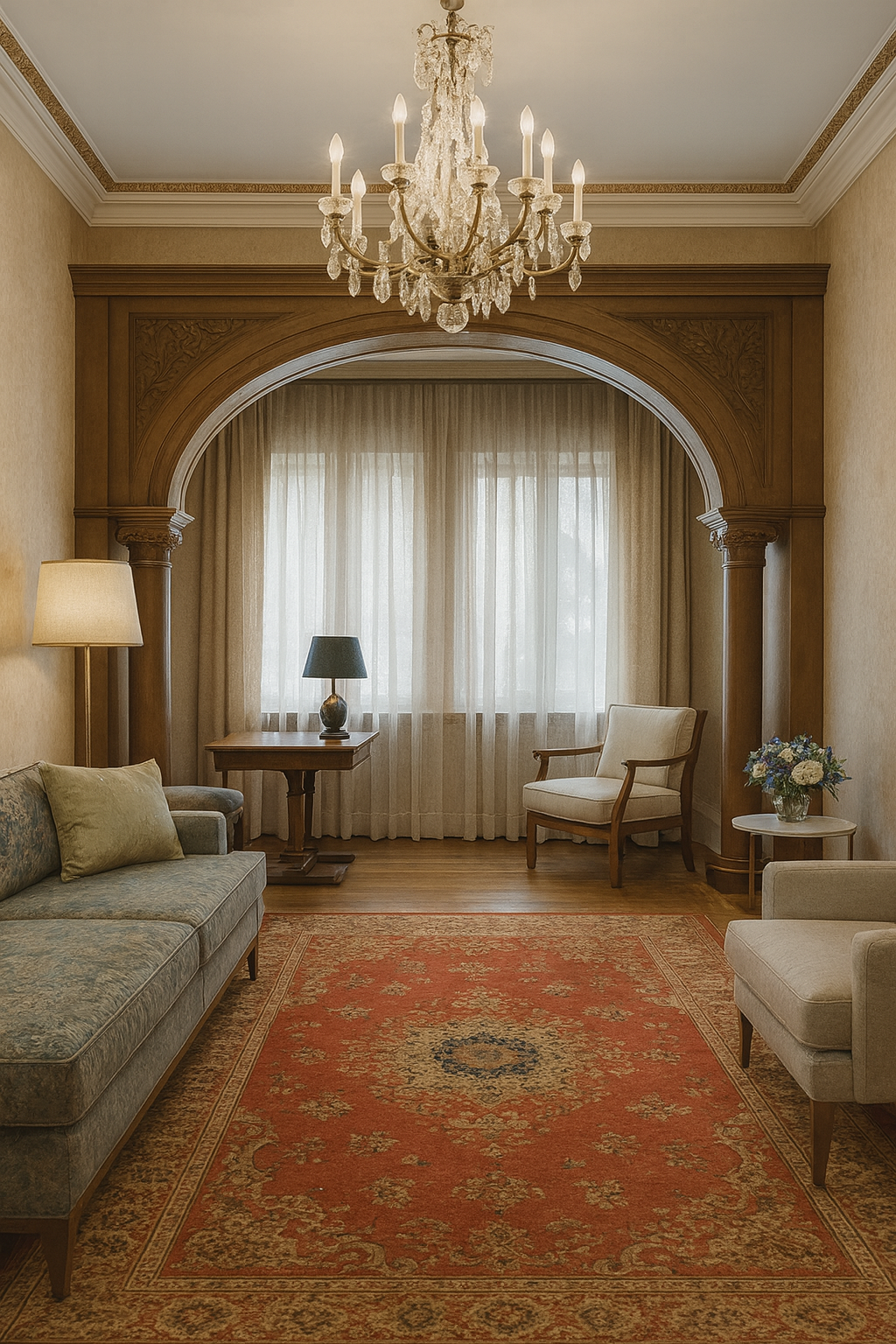
Traditional is order with warmth. The openings are framed by trim that knows why it is there. The furniture gathers around a center, often a fire or a view. The color is calm enough that daylight can do its work. The room has a voice, not a shout. I always begin by finding the center. If a fireplace is present, I respect it. If a bay window carries the view, I let it lead. When there is no obvious center I create one with a mantel or a simple art wall and lighting that agrees with that new axis. This is not ceremony, this is how conversation distance, sightlines, and comfort fall into place.
Set The Trim Language
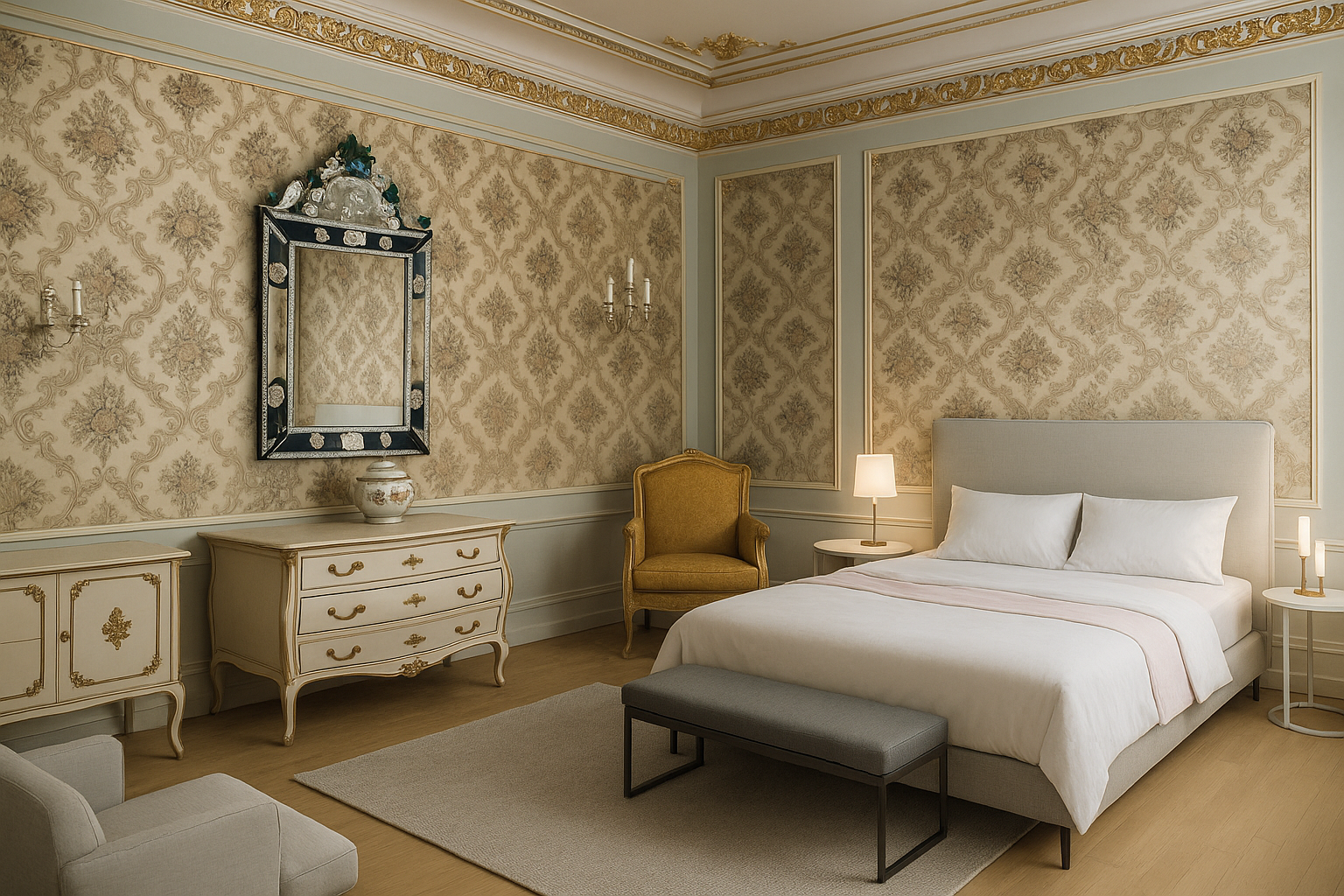
After the center comes the trim language. Base, casing, crown, any paneling, they belong to the same family. Profiles can be modest, the secret is continuity. I have watched expensive furniture fall flat against thin vinyl casing that did not belong to the house. We replaced the casing with a profile that respected the era, and the same sofa finally looked right. That lesson paid me back on every project since. If you need a quick primer on how outside order influences inside lines, skim a straightforward elevation checklist and you will see where head heights and alignments want to land.
Build A Working Palette
Color and light complete the base. I build palettes like I season food, one quiet base that carries, one deeper note that sets the mood, repeated in small touches. Cream with soft olive, warm stone with navy, tobacco with ivory. Rooms facing north like more warmth, rooms facing south can carry calmer whites with warmth added through wood and fabric. When clients ask why a space feels comfortable for no obvious reason, the answer is usually that the light is flattering. Warm temperature, multiple sources at different heights, one ceiling statement for intent, sconces to lift the walls, lamps to light faces. That simple mix is why a traditional room reads kind and lived.
Use Color Without Jargon
When people want a straight shot through color choices without jargon, I send them to a plain-English color psychology primer. It keeps decisions human. If a kitchen is the first place where palette fights surface, kitchen colors that age gracefully save time. A wide view of modern decisions that still sit nicely inside a classic shell is here, what homeowners are building now, and it helps you borrow the right parts without losing the plot.
Keep A Couple Of Books Handy
There are books I keep on hand because they teach proportion at a glance and they remind us to see rather than imitate. One that has earned its shelf space over many renovations is Architecture: Form, Space and Order. Another that connects design to how people actually feel inside rooms is The Architecture of Happiness. I recommend them when a client is curious and wants the why behind the yes.
Materials And Millwork That Carry The Weight
Choose Honest Surfaces
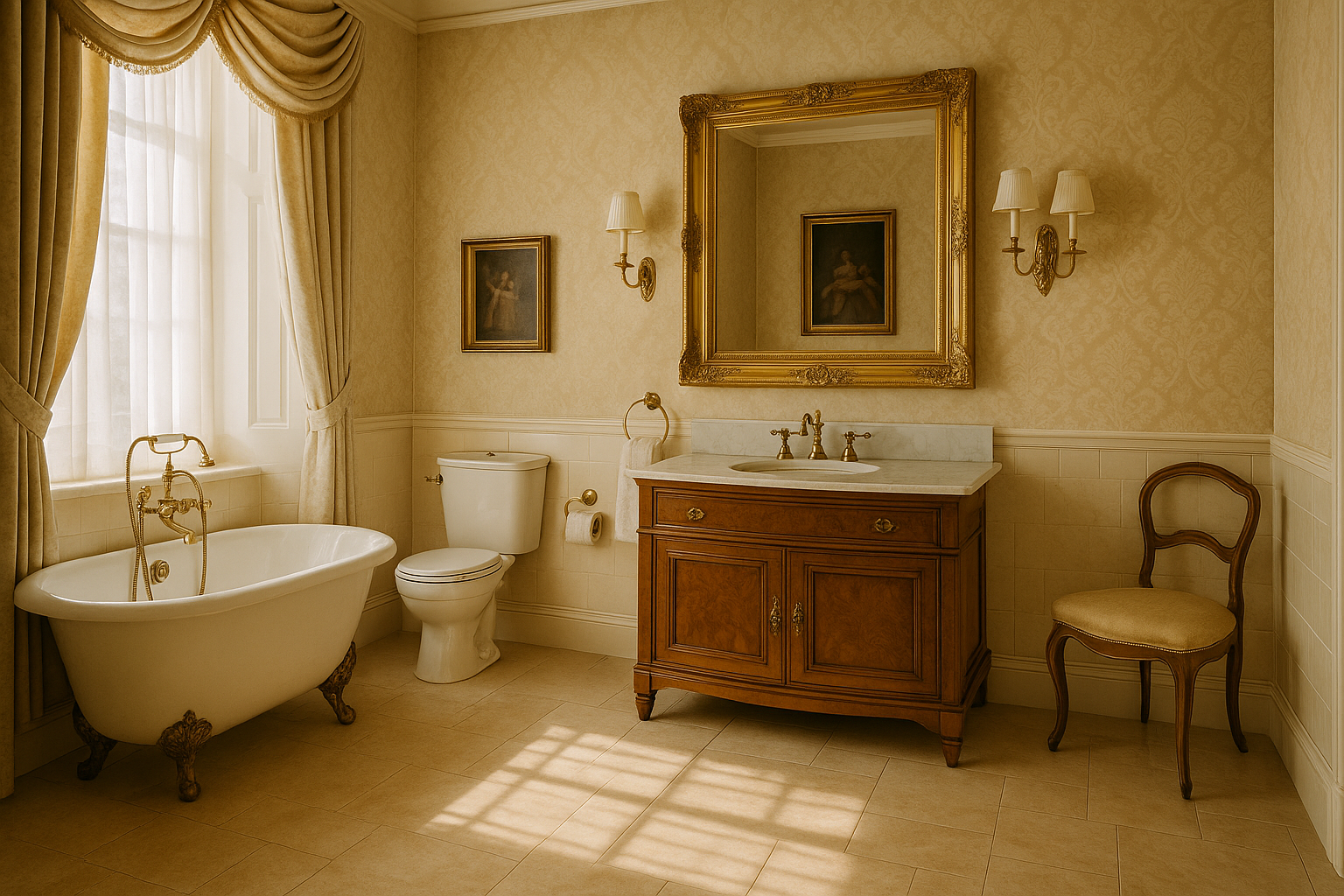
Traditional rooms are built on honest materials. Wood looks like wood. Stone reads as stone. Linen and wool feel like real cloth in your hand. Leather takes a scratch and looks better tomorrow. Once you trade those for shiny look-alike surfaces the room loses time and gravity. You do not need carved masterpieces. You need believable surfaces that tell the same story, repeated with care.
Invest In The Skeleton
Millwork is the skeleton. If a budget allows only one big move, I spend it here. A base with a cap that meets the floor with presence, casings that project from the wall, crown sized to the ceiling height, paneling where it earns its keep rather than slapped on for effect. After those lines are set, furniture finally sits in space instead of floating.
Match Trim To The House
When a client wants to understand the broader landscape of house types so the trim they choose matches the bones, I walk them through a visual tour of home categories. It keeps everyone honest about what belongs in a given shell. For a modern house that needs warmth rather than costume, the plan in practical room-by-room ideas helps a lot, because it talks function before decor.
For more on bringing warmth and balance into your interiors, see how to refresh classic home decor without losing character .
Let Lighting Speak The Same Language
Lighting hardware follows the language. In dining rooms a chandelier belongs, hung low enough that table and light read as one object. In living rooms a traditional ceiling fixture calls the group together while sconces and lamps do the people work. Finishes can be aged brass, polished nickel, or painted iron, the key is to repeat them with intention so the house speaks in sentences, not in fragments.
Keep Momentum Over Months
Readers often ask for practice tools that keep a long project moving. For planning and disciplined decision making over months, a simple system helps more than heroic willpower. This one has helped many homeowners keep momentum without drama, Atomic Habits. I mention it because design choices stick when the weekly rhythm supports them.
Room By Room, How The Work Actually Happens
Set The Promise At The Door
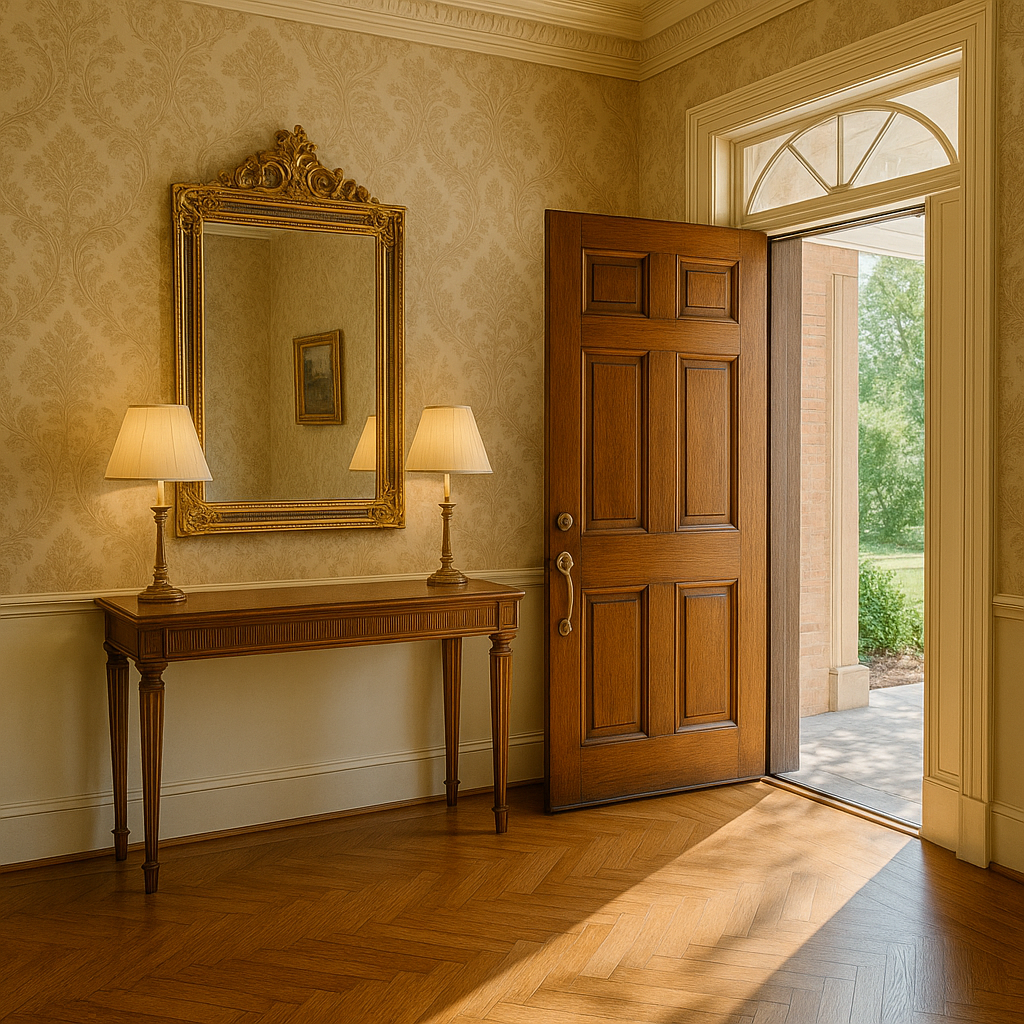
Entries are promises. They set the tone and filter clutter. I set a clean axis so the eye understands where it is going, one console that fits the wall, one mirror that returns the room, one pair of lamps that lift faces. If the front door lands inside that view it must carry its weight. For a fast brief on what works at the threshold, send readers to front door moves that pay off. It is short and it prevents common mistakes.
Pull Seating To The Center
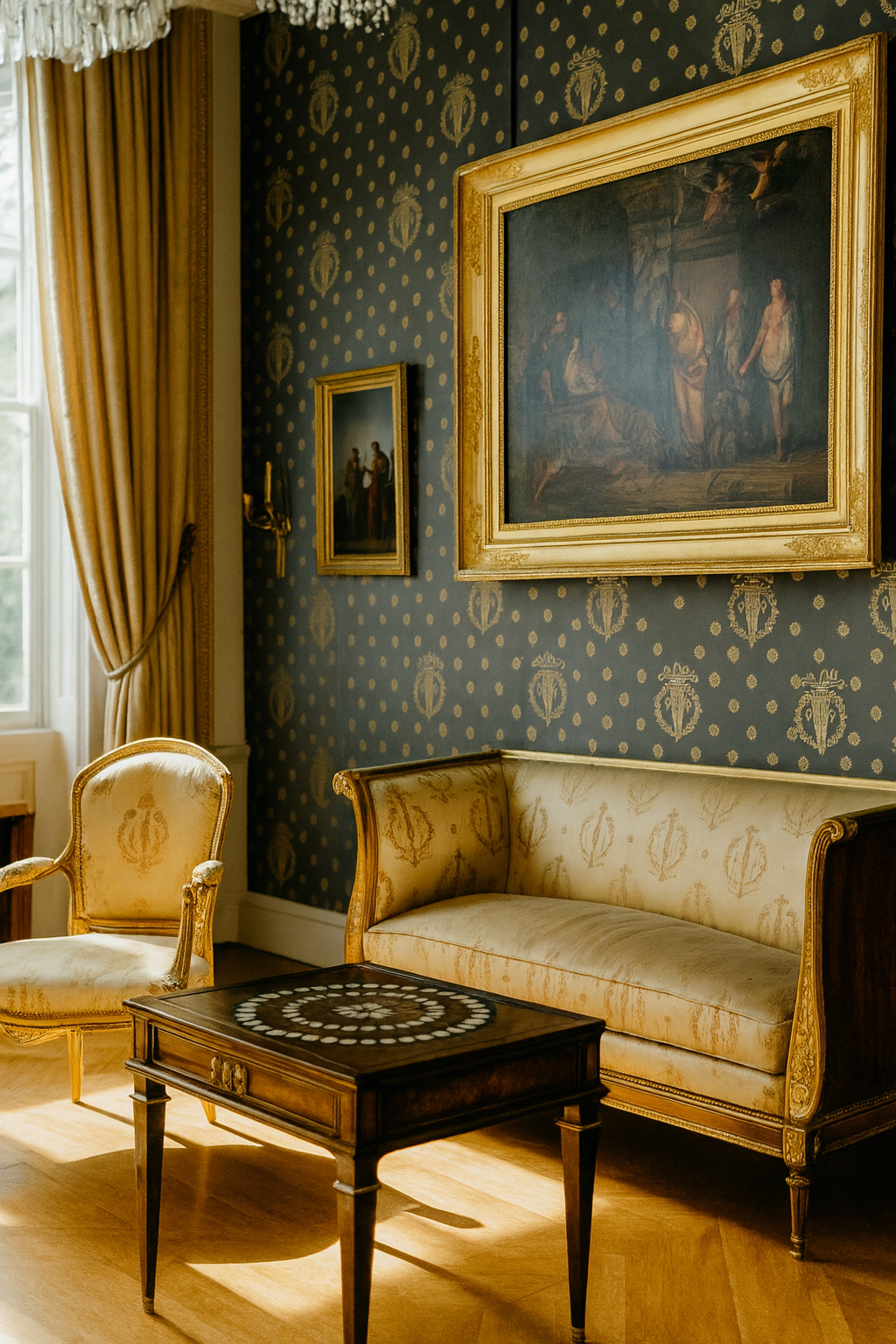
Living rooms succeed when conversation distance makes sense. I pull seating toward a center and buy a rug big enough that front legs land on fabric. I repeat one pattern one more time in the room so it feels like a choice. When a new shell reads thin I add one antique with real wood and a story. The room relaxes in a way new pieces cannot fake. When someone wonders how to set a room that serves their real life, point them to a function-first planning pass for a quick reset, then come back to the furniture plan and finish what you started.
Let Dining Be About Scale And Light
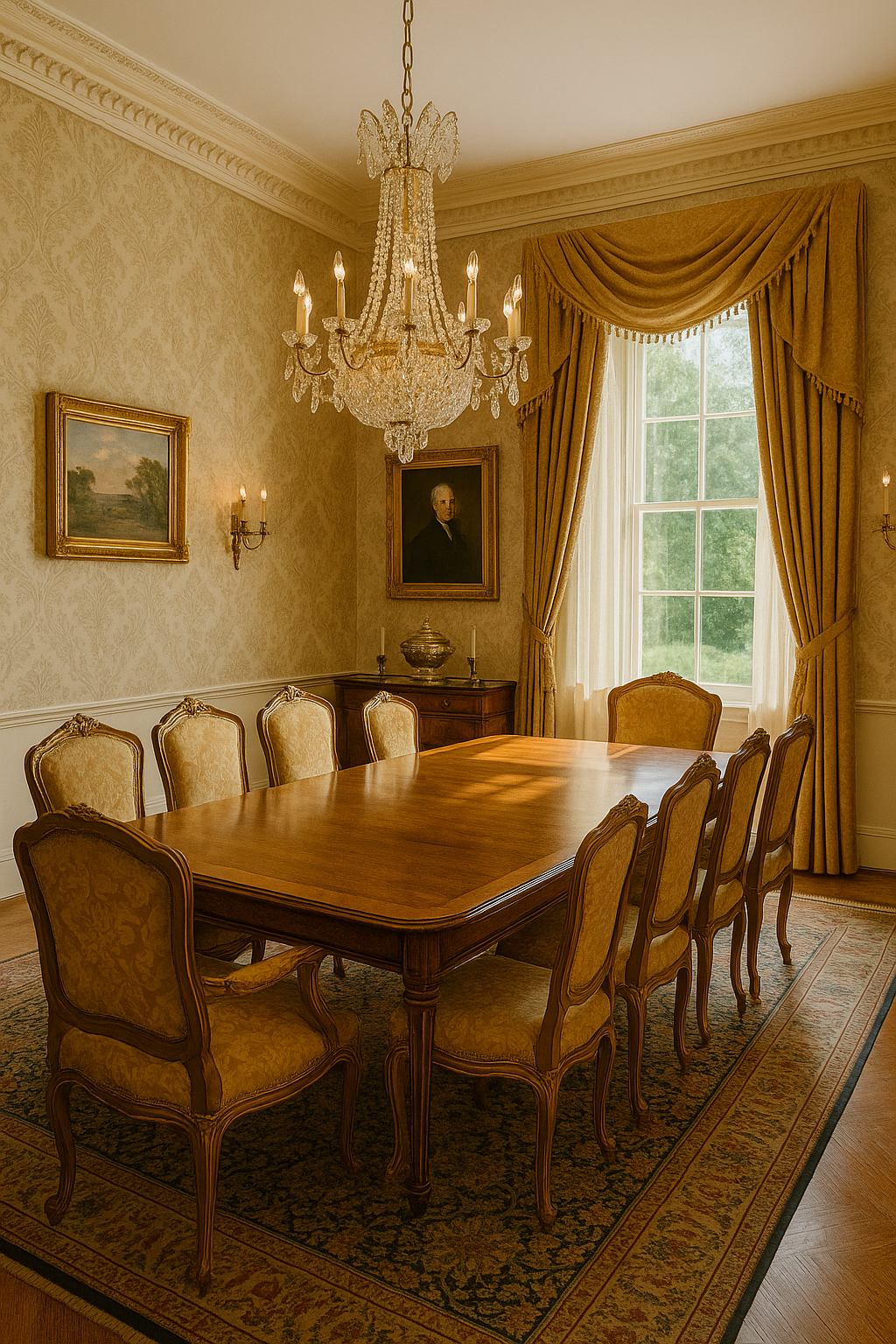
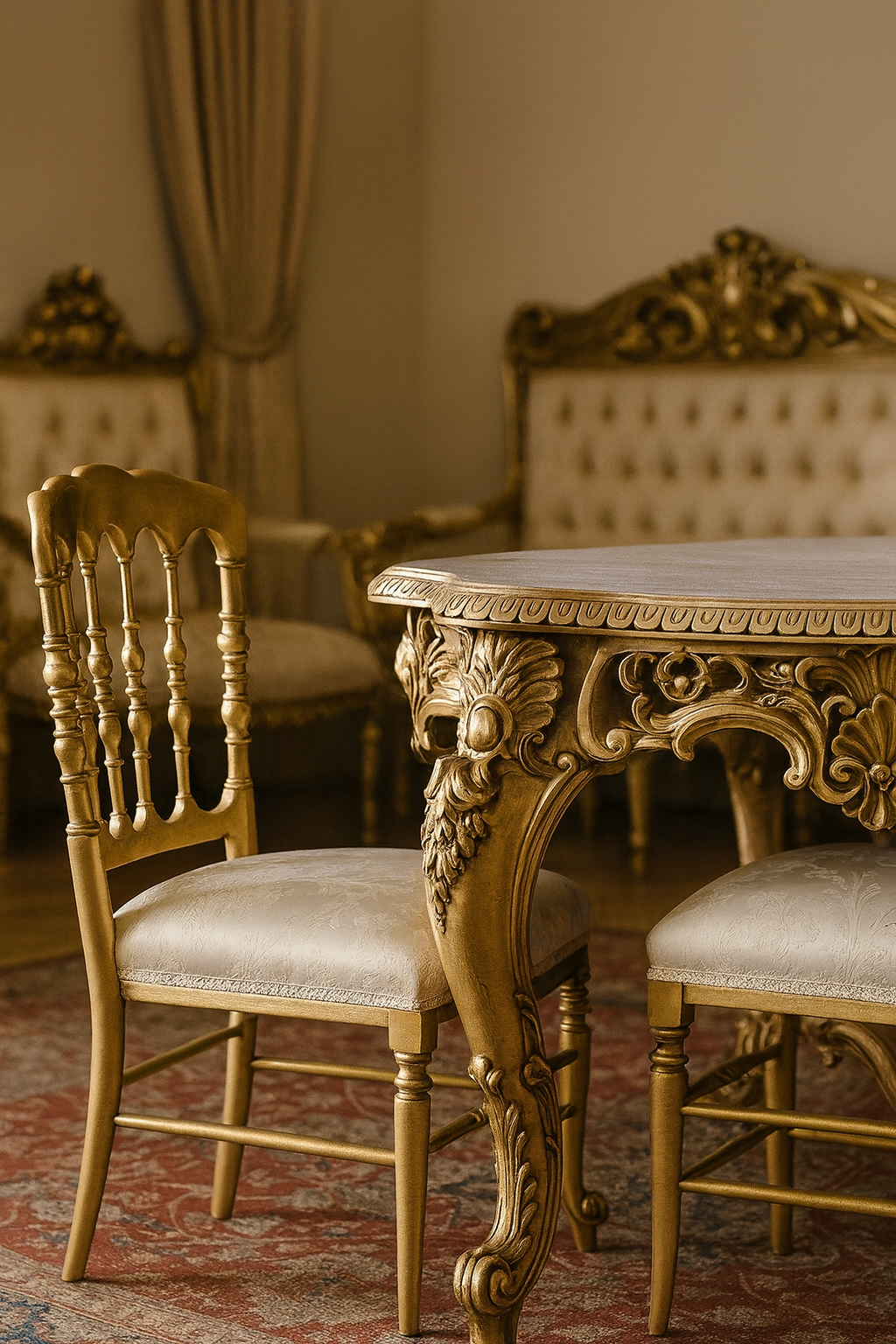
Dining rooms are about scale and light. Table and chandelier stay centered. The fixture hangs low enough to gather the zone. The chair height respects the wainscot if present. Fabric can be beautiful and tough at the same time. I care more about wipe-ability and pattern scale than labels. The best rooms feel used the night after a gathering, not staged for a catalog.
Bridge Tradition And Modern In Kitchens
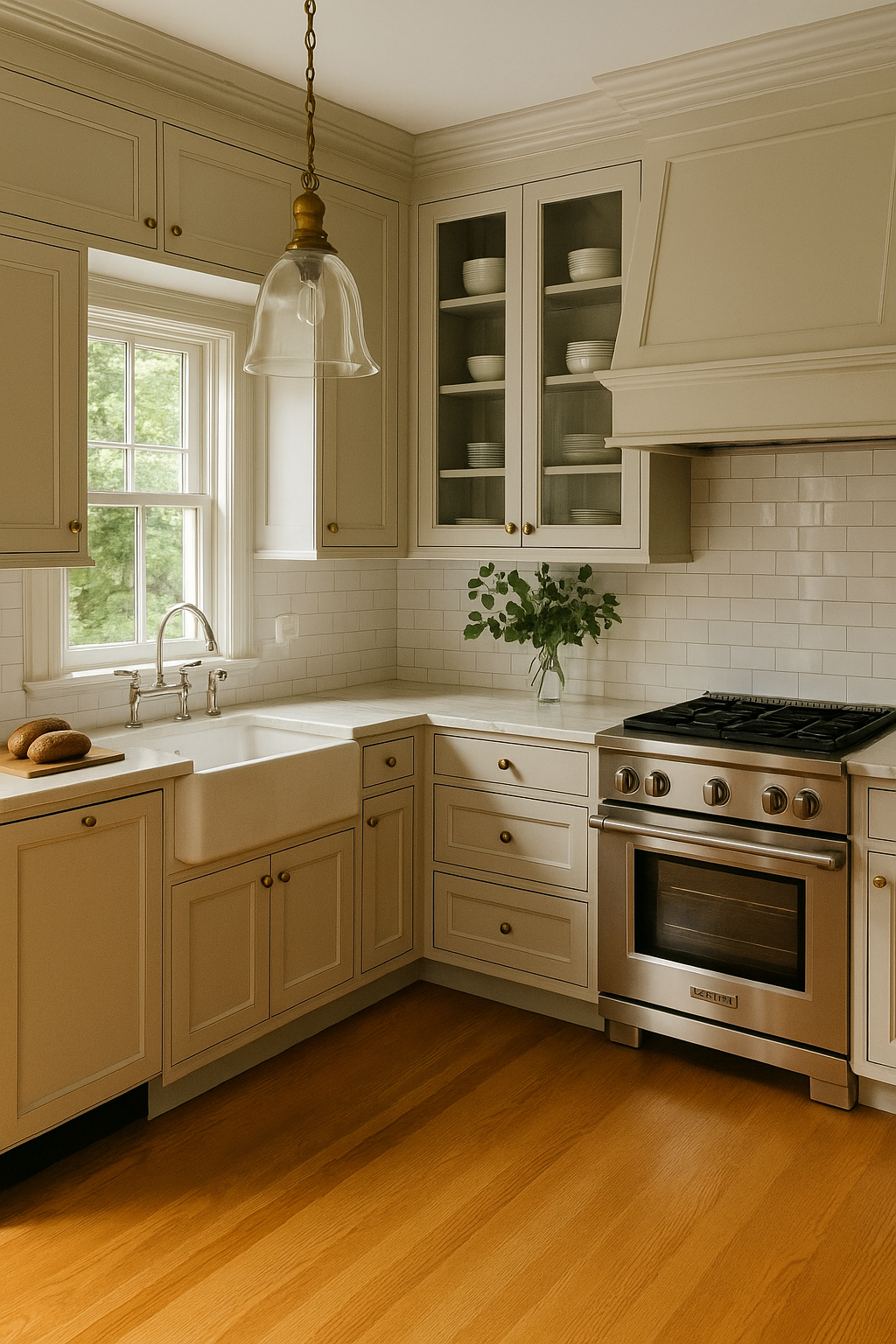
Kitchens are where tradition and modern life shake hands. Traditional does not mean fake old. I use framed doors, quieter hardware, and counters that belong to the house. I panel appliances where sightlines ask for it and hide charging in drawers. Outlets land on a consistent center line so the backsplash is not a billboard. If the rest of the house leans modern I let the kitchen be the bridge, painted doors with a simple rail and stile, a few glass uppers, a paneled fridge, and the whole thing sits in the right century without pretending to be older than it is.
Calm Bedrooms With Borrowed Symmetry
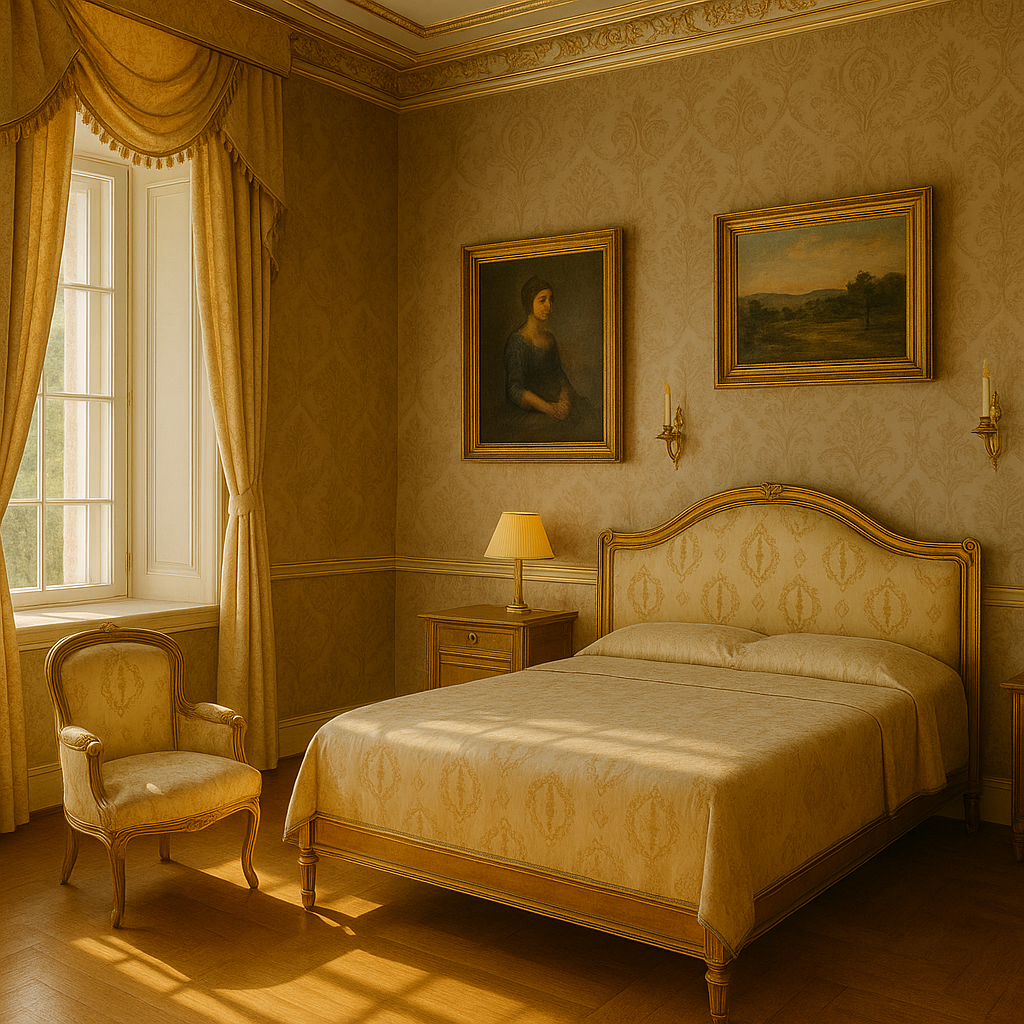
Bedrooms calm down once the bed wall is centered. If windows misbehave I create borrowed symmetry with drapery or a paneled headboard wall, then let nightstands ground the view. Shade sconces beat wobbly lamps in tight rooms and textiles finish the space. Drapery hits the floor because that is how a room earns its last layer.
Scale Tile And Light In Baths
Bathrooms succeed on tile scale more than brand. Small hex or square on the floor, simple rectangles on the walls, metals that either stay quiet or patina with grace, sconces at face height, one ceiling light to wash the room. If an old house wants a new bath, keep the language simple and let the doors and trim tell you what year you are in.
Use A Plain Manual When Needed
For remodels that reach beyond furniture into walls and systems, a field manual has real value. The one most homeowners understand quickly is Visual Handbook of Building and Remodeling. It is plain and it prevents expensive detours.
The Regional Fingerprints Inside The Traditional Family
Keep The Envelope Faithful
Traditional is not a single look. It is a family of languages that share values. The most dependable way to mix is to keep the envelope faithful to one language and let furniture and textiles borrow accents from another. The house stays coherent while the rooms gain character.
Read The American Dialect
American traditional shows a love of symmetry, centered mantels, paneled walls that sit proud of the plaster, and a measured palette. The look can be formal in the front and relaxed toward the back, yet the trim language holds the house together. If someone needs a fast way to place this logic in a broader view, a big-picture tour of home types gives a quick overview without noise.
Let French Rooms Breathe
French rooms read like light and air had the first vote. Pale woods, linen, quiet color, carved details that feel touched by life rather than protected in glass. The move that wins most often is a simple farm table paired with an elegant pendant, rustic and refined in one thought. In kitchens where people chase this balance and often overshoot, the palette rules in timeless kitchen color strategies keep decisions sane.
Lean Into English Comfort
English rooms carry weight and comfort. Deep sofas invite naps, leather accepts scuffs, wool throws soften edges, brass warms the shadows. I keep one floral, one stripe, and one quiet solid so pattern reads collected rather than noisy. When a room tilts toward club and starts to feel heavy, a striped linen shade or a restrained abstract over the mantel clears the air without breaking the spell.
Let Italy Guide The Materials
Italian rooms lean on earth and craft. Terracotta underfoot, plaster that swallows light softly, iron that looks forged by a person, olive and ochre and umber that feel like landscape rather than paint. I let walls and floors carry the story and keep furniture simpler than expected. A plain table with beautiful legs and chairs that feel good in the hand beats ornate carving that tires the eye.
Treat Pattern As Structure In Arab And Islamic Work
In Arab and Islamic language, pattern is structure. Geometry is not decoration pasted on a surface, it shapes light and air. Mashrabiya screens filter sun and turn shadow into a moving material. Arches and courtyards control movement and privacy across the day. When I borrow from this vocabulary I respect what those parts do. A carved screen manages privacy without killing breeze. Pattern meets water and light where it belongs, not on every plane. That is how an influence becomes a working part of a home rather than a costume.
Use A Simple Crosswalk
When someone wants the language of houses in one quick pass, a no-nonsense overview of housing concepts connects these families without getting lost.
Blending Traditional And Modern Without Noise
Keep The Envelope, Edit The Objects
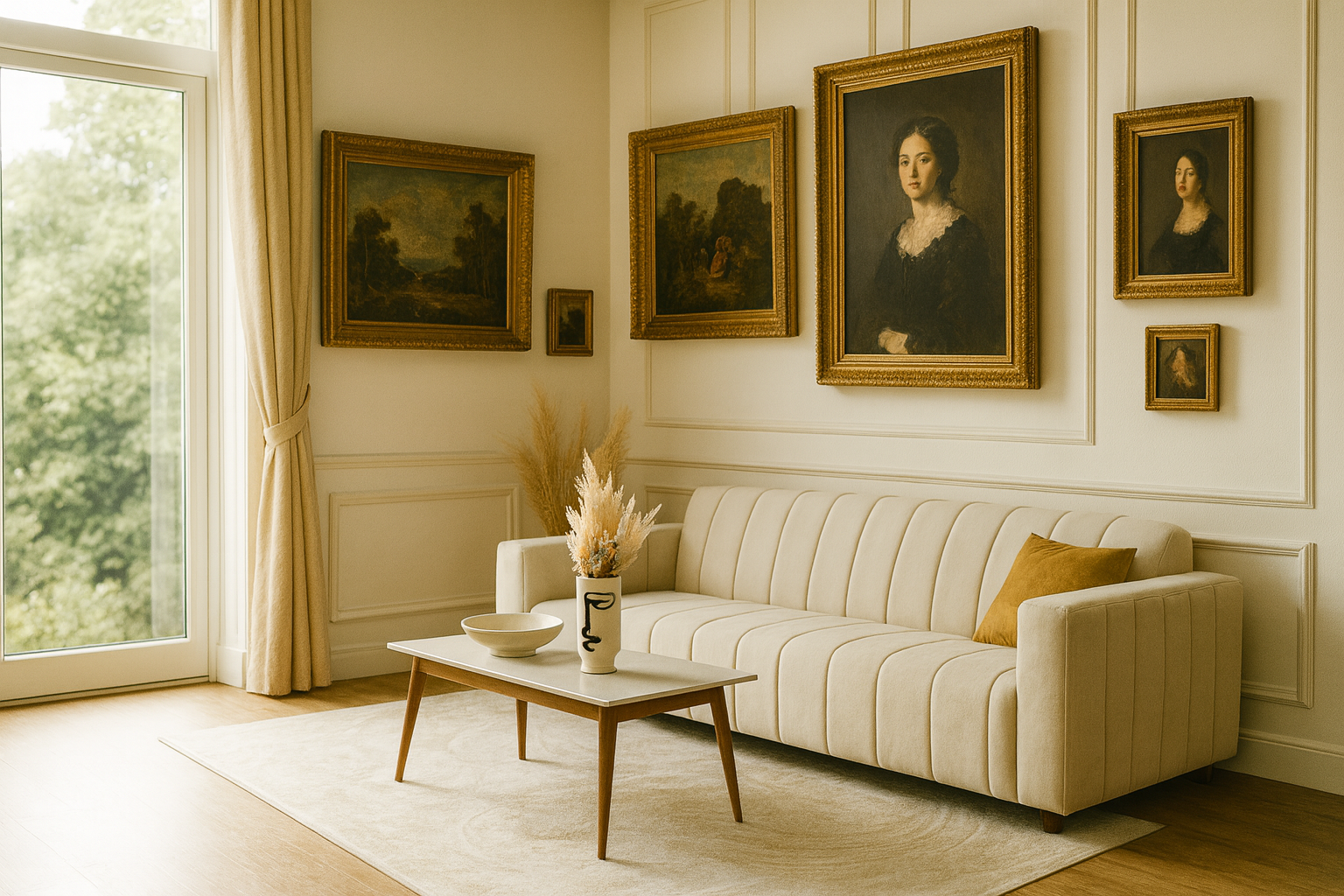
I keep the envelope traditional and let furniture and art speak modern. Doors, casing, base, and crown stay coherent. A clean-lined table can live in front of a roll-arm sofa. A bold canvas can sit over a mantel and the room still reads as one idea. I limit modern moves to one per view, a single piece that carries the present while the bones hold the past.
Hide The Tech, Protect The Touch Points
Technology belongs, it just does not need to stare. A television hides behind doors when the room asks for formality. A fridge panels in when the sightline needs quiet. Chargers move inside drawers. The house runs on a smart system, yet the touch points remain calm.
Stay Focused During Long Projects
For longer renovations where follow-through wins the day, a single focus tool often helps more than a dozen apps. The one many homeowners stick with is The One Thing. It keeps energy on the work that actually moves a project forward.
Small Rooms And Compact Houses That Still Feel Generous
Scale And Repetition Do The Heavy Lifting
Scale is your friend. Slimmer profiles repeated across a home read like a single thought. One generous rug beats two small rugs every time. Drapery to the ceiling lifts the room. A narrow bookcase stacked to the crown adds storage without eating floor. Traditional logic is a gift in tight plans because order creates calm.
Use Proof, Not Hype
If you want case studies that prove this in real life, point readers to tricks that keep small homes feeling open and to compact living rooms with real warmth. Both keep the talk practical and kind to real budgets.
Keep The Method For Tiny And Small
When the house itself is small or moves, the method still holds. Clear center, repeated finishes, controlled palette. Definitions that help people orient quickly live here, what “tiny house” actually means. If the plan is compact but not tiny, designing small homes that work covers the tradeoffs that matter. For smart add-ons that respect both space and bills, space-saving upgrades with brains keep choices grounded.
Fix Comfort At The Source
If comfort problems live in crawl spaces and basements, this plain guide has helped more than one homeowner understand why rooms never felt right and what to do in sequence, The Homeowner’s Guide to Crawl Space Encapsulation. It is not theory, it is a fix list in human language.
Two Field Moves That Rescue Difficult Rooms
Create A Borrowed Center
The borrowed center fixes long rooms. In many newer houses the real midpoint does not line up with where people actually sit. I create a borrowed center on the wall the group uses. A low cabinet or a shallow mantel marks the spot. I center the rug, the ceiling light, and the furniture on that point. The eye believes what the light and the floor tell it. The room stops feeling like a corridor and becomes a place to be together.
Build A Quiet Crown
The quiet crown rescues low ceilings. Heavy crown feels like a tight hat. I replace it with a two-piece build-up that relies on shadow more than profile. The corners soften, the wall reads taller, and the room keeps the finished feeling of crown without compression. I have saved many eight-foot rooms with that detail and it costs less than most paint jobs.
Three Projects That Taught Me What Matters
Give A New House A Spine
A new house once came to me with space and no soul. White walls, a grid of downlights, a set of beautiful pieces that had nothing to do with each other. We set a shallow mantel to give the room a center. We broke the ceiling into a quiet coffer that matched the plan. We replaced the light grid with one statement lantern, sconces at eye height, and real lamps. The rug grew to fit the group. One antique sideboard brought age into the conversation. Nothing about this was extravagant. Everything was directional. The family began using the room every night because it finally invited them in.
Let A Modest House Remember Its Voice
A modest house from the nineteen-twenties had lost its voice to thin casing and hollow doors. We found one surviving profile in a closet and matched it. That line ran through the house and stitched rooms together. We rebuilt a simple mantel and turned the trim sheen down to satin so the surfaces did not glare. The house remembered who it was, and from that point the furniture almost placed itself.
Prove That Pattern Can Be Quiet
A client asked for traditional without pattern. The worry was that pattern equals clutter. We kept the envelope traditional and made modern moves in glass and art. A slim glass table sat in front of a tufted sofa. One abstract lived over the mantel. A quiet stripe repeated on pillows and roman shades so the eye had a rhythm to follow. The house read as traditional with a clear voice and very little figure. It felt current because nothing tried too hard.
Align The Face And The Promise
When fronts and entries need to match the inside logic, the checklist in a smart front-of-house plan keeps projects on track. The outside face and the inside promise need to shake hands or the whole experience feels off.
Essential Types Inside The Traditional Family
Understand Types By What They Do
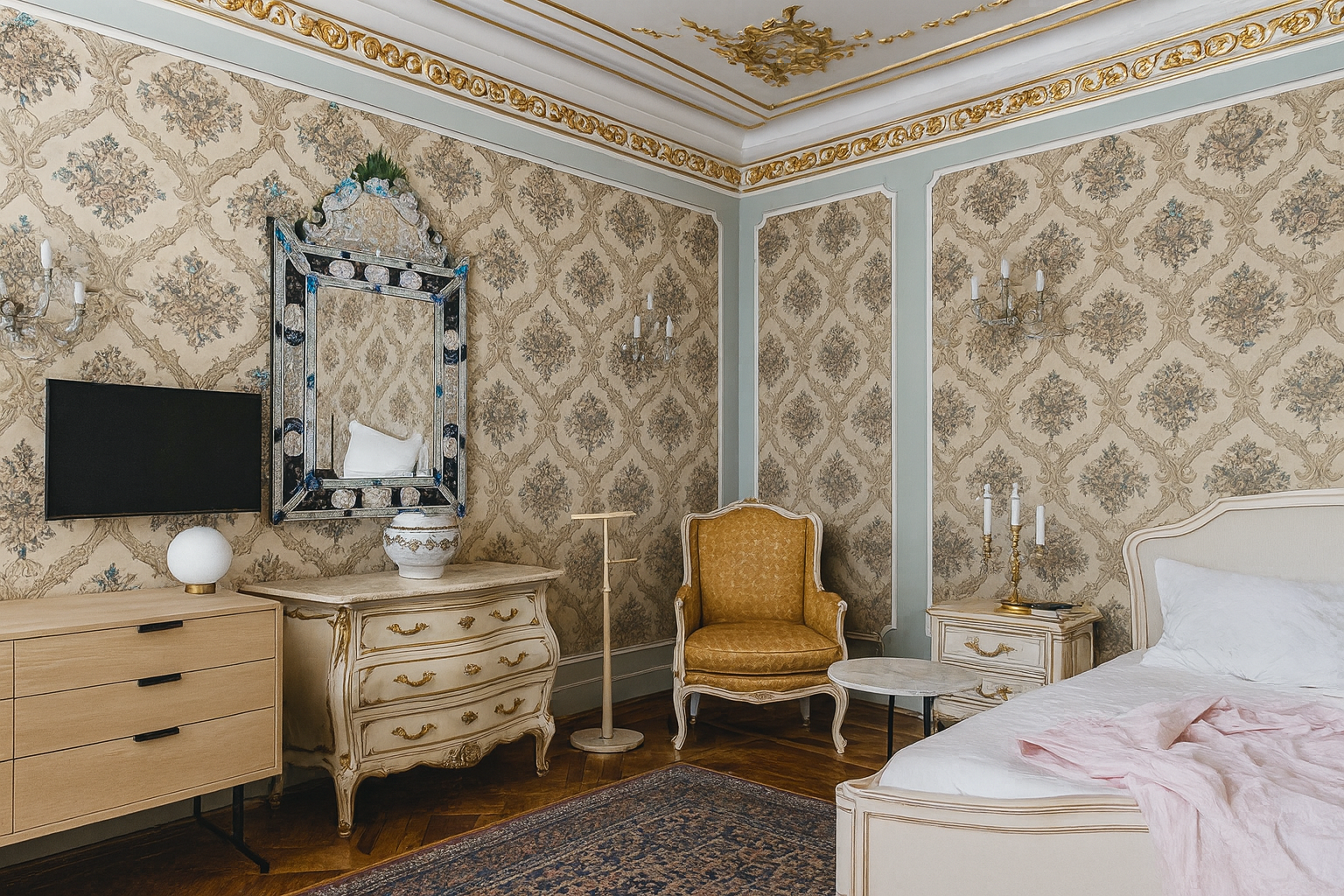
Labels get tossed around, so I explain types by what they do. Colonial and Colonial Revival read as order and calm: paneled walls and mantels that frame rather than dominate. English country reads as comfort and layered texture with discipline. French provincial leans into pale woods, linen, and a little elegance touched by use. Italian farmhouse shakes hands with stone, plaster, iron, and earth tones that feel like place rather than paint chip. Arab and Islamic language treats pattern as structure, shadow as material, and privacy as a thing the form solves rather than a problem drywall hides. Once you know what each type does, you stop copying photos and start building rooms that live with your light, your plan, and your habits.
Use A Simple Comparison When Needed
For a simple comparison that places these families next to modern cousins, a plain guide to home concepts helps people keep names and moves straight. That matters because the wrong label silently pulls a project off course.
How To Run A Traditional Project Without Losing The Thread
Follow A Calm Sequence
I walk the shell first and find the centerline. I measure casing widths and head heights. I decide what must change and what should stay. I set the trim package and repeat it so the house reads as one thought. I rough the lighting and plan where the lamps will live. I paint and finish floors. I bring in anchor furniture before a single accessory crosses the threshold. I place the rug, then drapery, then pillows, then art. I live with it for a week and then I edit once. That order saves money and arguments.
Build Momentum With Small Wins
If a home needs an easy push toward quick wins while waiting for bigger work, small upgrades that punch above their size are a good companion. Small moves, real change.
Keep Crew And Owner Aligned
When a renovation touches parts of the house you rarely see, like structure and service spaces, a solid reference keeps the crew and the owner aligned. I often share Visual Handbook of Building and Remodeling for that reason—it answers many “how” questions before they slow the job.
Small Houses, Movable Homes, And Traditional Sense
Use The Same Method On Any Footprint
Traditional logic helps even when the home is small or mobile. The method does not change. Clear center, consistent trim, repeated finishes, simple palette. In compact plans built on a slab or wheels, furniture with thinner arms and taller legs keeps air moving around pieces. Built-in storage beats loose pieces that crowd circulation. A narrow bench under a window with drawers below holds more life than a bulky chest that blocks a path.
Know The Rules Before You Draw
For a full picture of movable formats, see a complete intro to tiny houses on wheels. When rules and permissions shape what you can build, tiny-home codes and real-world requirements keep you out of trouble. Once those realities are clear, come back to the interior sequence and follow the same calm steps.
Common Mistakes And The Simple Fixes
Respect What Belongs, Replace What Does Not
People remove millwork because it looks old rather than because it is wrong. They undersize rugs and then replace them every year. They rely on a single big ceiling fixture and skip lamps. They buy showpiece chairs that nobody wants to sit in.
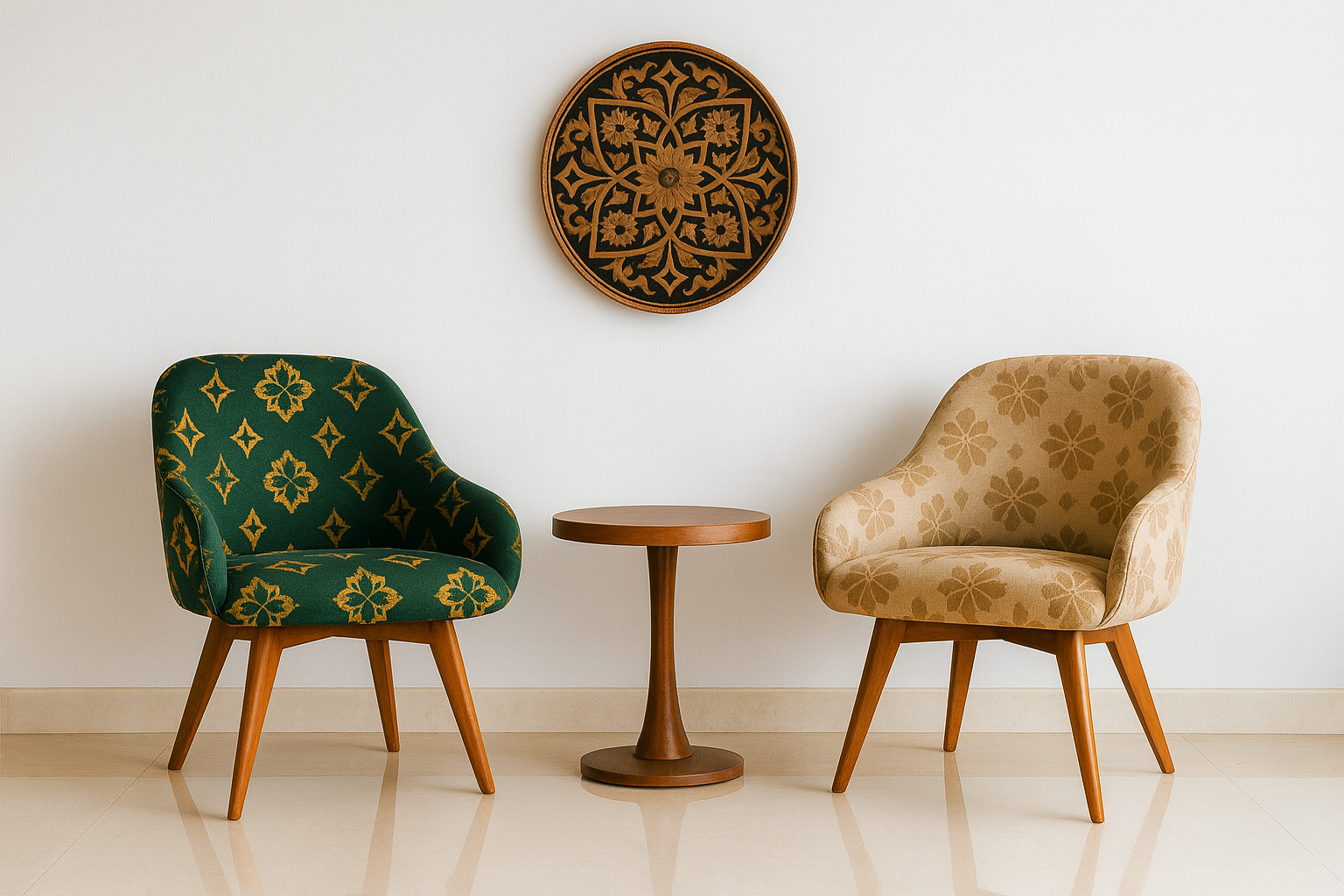
They collect five unrelated patterns and call it layered. The fixes are plain. Keep casing and base if they belong to the house. Buy the larger rug once and be done. Layer light so faces look human. Choose comfortable seating and let one antique bring age into the room. Choose one floral or figure, one stripe, and one geometric, then thread a single color through them. A week later the house feels like it belongs to you.
Closing The Loop
Carry The Method Into Daily Life
Traditional interior design is not nostalgia, it is a method that respects how people live. Find a center and honor it. Give the house a trim language and repeat it. Use honest materials. Layer light that flatters people and keeps evenings kind. Build a calm palette and let one deeper note carry mood across rooms. Borrow accents from other families with a steady hand while keeping the architecture consistent. Hide the tech, protect the touch points, and let good furniture sit in air rather than against noise. Live with the room for a week and edit once. That is the approach I use whether I am rescuing a modest house from the nineteen-twenties or giving a new build a spine.
Know Where To Begin Tomorrow
When you want practical moves to try today, start with a room that needs to work. When you want a clean overview of the classic family, see how traditional homes hold together. The rest is the room, the light at four in the afternoon, and people who do not want to leave.
If You Only Remember Ten Things
- Pick a center and commit.
- Repeat trim profiles; they bind rooms into a whole.
- Layer light: center, sconces, lamps.
- Rug to the seating group, not the coffee table.
- Three-pattern limit; share a color thread.
- One antique per room max unless you’re doing English country on purpose.
- Hide tech in plain sight.
- Spend on touchpoints; save on casegoods.
- Edit once after a week of living with it.
- Keep the bones traditional; let furniture swing modern.
FAQ
What Defines Traditional Interior Design?
Traditional design is order with warmth: a clear center, coherent trim, honest materials, and layered lighting that flatters people. It borrows from classic architecture without dressing up as a museum. Rooms feel settled, comfortable, and purposeful. You can still mix in modern art or a clean-lined table, as long as the envelope—doors, casing, crown—stays consistent.
How Do I Blend Traditional And Modern Without Clashing?
Keep the envelope traditional and edit objects modern. Limit yourself to one modern move per view: a bold artwork, a clean coffee table, or streamlined pendants. Hide tech behind panels or doors. Repeat metal finishes with intent. When the trim language is consistent, modern pieces read as emphasis, not interruption.
Is Traditional Design Outdated In 2025?
No. Traditional is a method, not a trend. It solves for human comfort: proportion, rhythm, flattering light, and durable materials. In 2025 it works even better because tech can disappear and performance materials look real. The result is a house that feels current without chasing this season’s shapes.
Can Traditional Work In Small Apartments?
Yes. Use slimmer furniture, a bigger single rug, tall drapery, and repeated finishes across rooms. Borrow symmetry with a paneled headboard wall or matched lamps. Keep three patterns at most and thread a color through them. Traditional order makes small rooms calmer and therefore feel larger.
Where Should I Spend First On A Tight Budget?
Spend on the skeleton: base, casing, crown, and a ceiling fixture that sets intent. Next, buy the correct-size rug and one comfortable sofa. Let lamps and drapery finish the space. Accessories can wait. Once the bones are right, even modest furniture looks deliberate.
How Do I Choose A Color Palette That Won’t Date Fast?
Start with a quiet base that flatters your daylight, then add one deeper note repeated in small doses. Keep big surfaces calm and let moveable pieces carry color. North rooms like warmth; south rooms tolerate cooler whites if fabric and wood add tone. If you want a quick primer, see how color drives mood and comfort.
What’s The Fastest Way To Make A New Build Feel Established?
Give the house a spine. Add a mantel or focal element to set a center, establish a consistent trim profile, break the ceiling into zones with a coffer or beams, and replace light grids with one statement fixture plus sconces and lamps. Bring in one real antique for age and story. The house will relax.