

House Elevation Design: Fronts, Styles, and Real Plans
What an elevation really shows you
An elevation is a working view that shows how the face of a house holds together under light, water, and money. Front, rear, and sides. Roof pitch and overhangs. Openings that line up because the framing behind them lets them line up. Materials that meet on clean, flashable seams. If it’s visible from the street or it sheds water, it is part of elevation design.
You’ll see three flavors here. Orthographic drawings you’d submit or build from. 3D studies to test massing and light. Material schedules that keep the pretty render from turning into a leak.
Where water proves you wrong
Street presence makes or breaks first impressions and appraisals, but the real stakes are simpler: comfort and maintenance. Overhang too short and you cook your south rooms and rot your trim. Windows that don’t stack cost you money in headers and drywall gymnastics. A front that ignores climate becomes a repair plan.
Resale follows clarity. Buyers feel aligned openings, honest materials at touch points, and entries that hold the street. Inspectors feel flashing that actually drains. Both translate into value.
The real fight behind an elevation
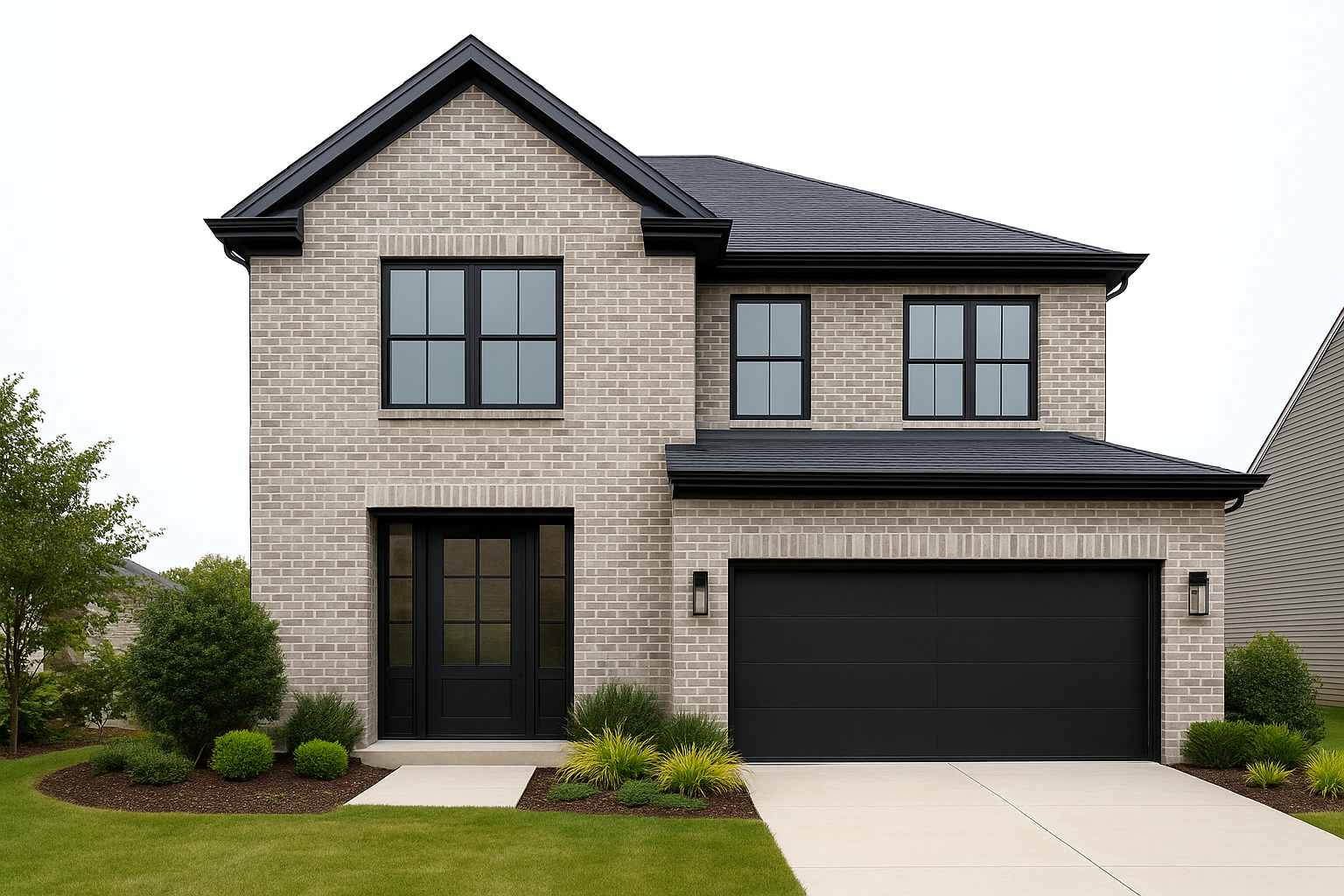
Elevation design is a negotiation. Light versus heat. Budget versus mass. Zoning heights versus roof pitch. Framer-friendly spans versus the perfectly centered window you drew at midnight. Every move has a counter-move, so we design like we’re going to build it twice: on paper and in weather.
Blunt field truths
The greenest square foot is the one you don’t build. If the front reads clean with fewer bumps and jogs, you cut materials, air leaks, and future caulk lines. A porch that’s too shallow is a decoration; at eight feet it becomes shade, seating, and a dry threshold. One misaligned window will read from the curb forever; fix it on paper or pay for it in framing and paint.
What the Street Sees First
A narrow overhang looked sleek in renderings. First summer storm drove water right down the face and under the sill pans. We extended the eave by 6–8 inches and the callbacks stopped. Another job stacked three window sizes because “variety.” Drywall and trim revealed the lie; nothing aligned. Redrew with one module, framing sped up, and the façade finally calmed down. A porch modeled at five feet felt generous on screen and useless in July. At eight feet it turned into a room.
How we’ll tackle this hub
We’ll start with fronts that face real streets and sun paths, not white boxes. We’ll show elevation drawings next to the framing logic that makes them possible. We’ll put material choices right on the line where they meet: brick to siding, siding to stone, stone to grade. We’ll keep climate and code in the conversation every time so a good idea doesn’t die at plan review.
Skills this hub builds

Read a street and set an entry that actually holds it. Choose a roof pitch and overhang that work for your rain and sun, not just a style board. Stack openings on a structural module so the elevation and the plan are pulling the same way. Draw head, sill, and corner details that shed water without relying on caulk. Build a materials story you can afford—and maintain.
The checklist we design against
Do the windows stack on a repeatable module. Does the porch depth function in your climate. Are overhangs sized for shade and rain. Are material transitions placed on breaks you can flash. Does the entry read from fifty feet, not just five. Can the framer and the plumber route without butchering the façade. If the answer slips on any of these, the elevation isn’t ready.
What we cut without debate
We won’t chase styles for their own sake. No render-only fronts that crumble at the first storm. No trim stacks that need a maintenance contract. No vague “timeless” conclusions. Every example ties back to labor, water, light, and cost—or it gets cut.
Where to head next
If you want to tighten proportion and alignment before you pick materials, start with the elevation grid section. If you’re fighting sun and drainage, read the climate-first fronts. If budget is the constraint, the “clean front, fewer parts” playbook saves you faster than value-engineering trim after the fact.
What Is House Elevation Design?

Elevation is the working face of a house. Front, side, rear, roofline. It’s where structure meets weather and budget. Roof pitch, overhangs, window alignment, siding breaks—all of it gets tested against light, water, and cost. Get the drawing wrong and you pay twice: once on paper, again on site. I’ve seen framers rebuild whole walls because openings were drawn without respect for the studs behind them.
Front vs. Full Elevation
People mix them up. “Front design” is just the street face. Good for curb appeal, real estate listings, first impressions. Full elevation is every side. That’s where mistakes hide: how the back patio roof cuts into the siding run, how the garage wall meets grade, where water will sit if the overhang stops short. A contractor can forgive a weak sketch of the front, but if the rear elevation doesn’t resolve drainage you’ll be tearing out work in year two.
Why Drawings Actually Matter
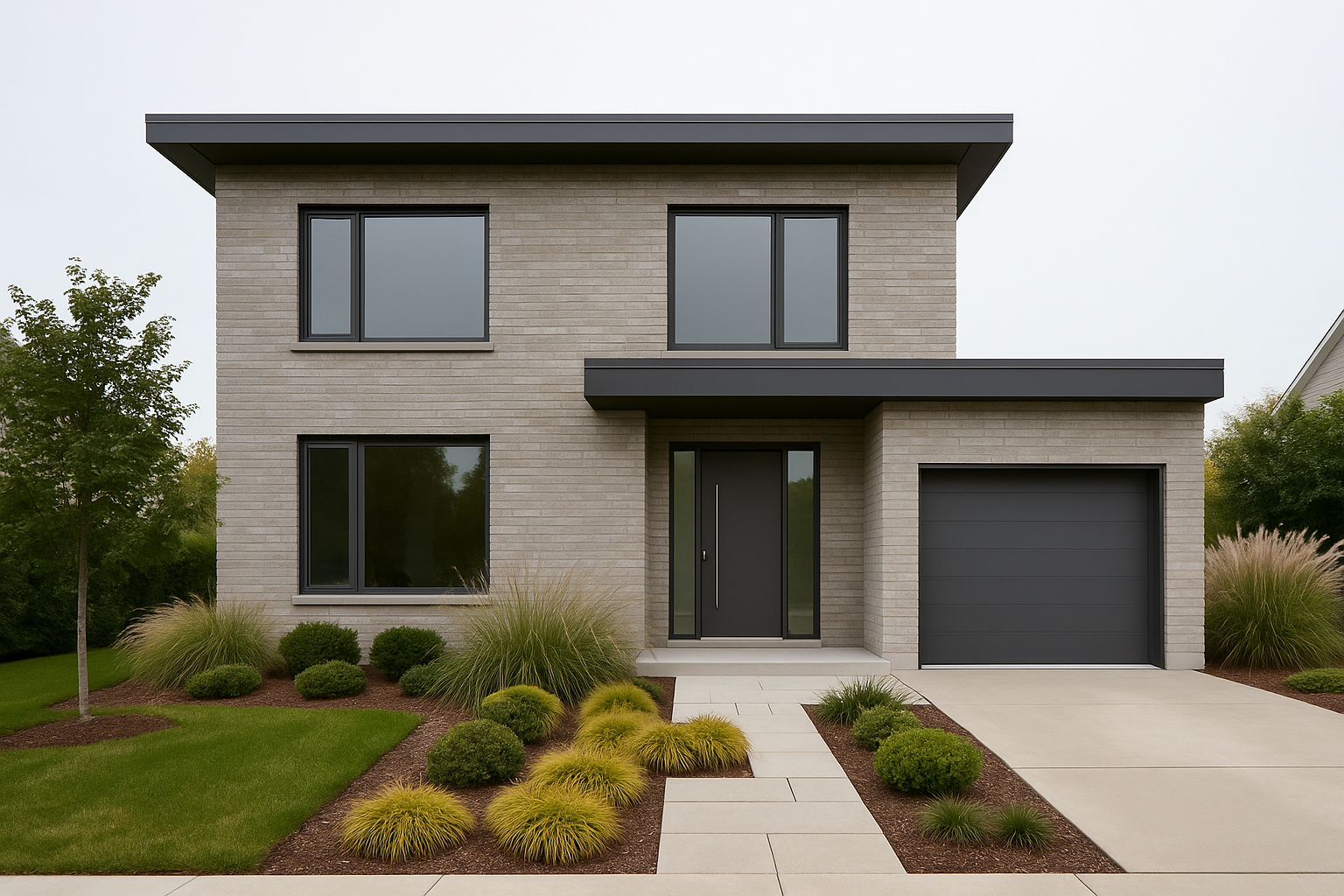
Permits demand them. Inspectors want to see ridge height, eave projection, stair guard profiles. Banks want them too—nobody funds a façade they can’t measure. On site, trades read from them: siding crews set trim lengths, roofers pick flashing kits, masons count brick courses. I’ve walked into jobs where the client thought “a few renderings” would do. By mid-build, every sub was arguing dimensions. Elevations stop the fights before they start.
If you want the broader contex, how elevations tie into entire building envelopes and not just the pretty front, see our full guide on building elevation design. It shows where these drawings carry weight beyond aesthetics.
House Front Design Basics
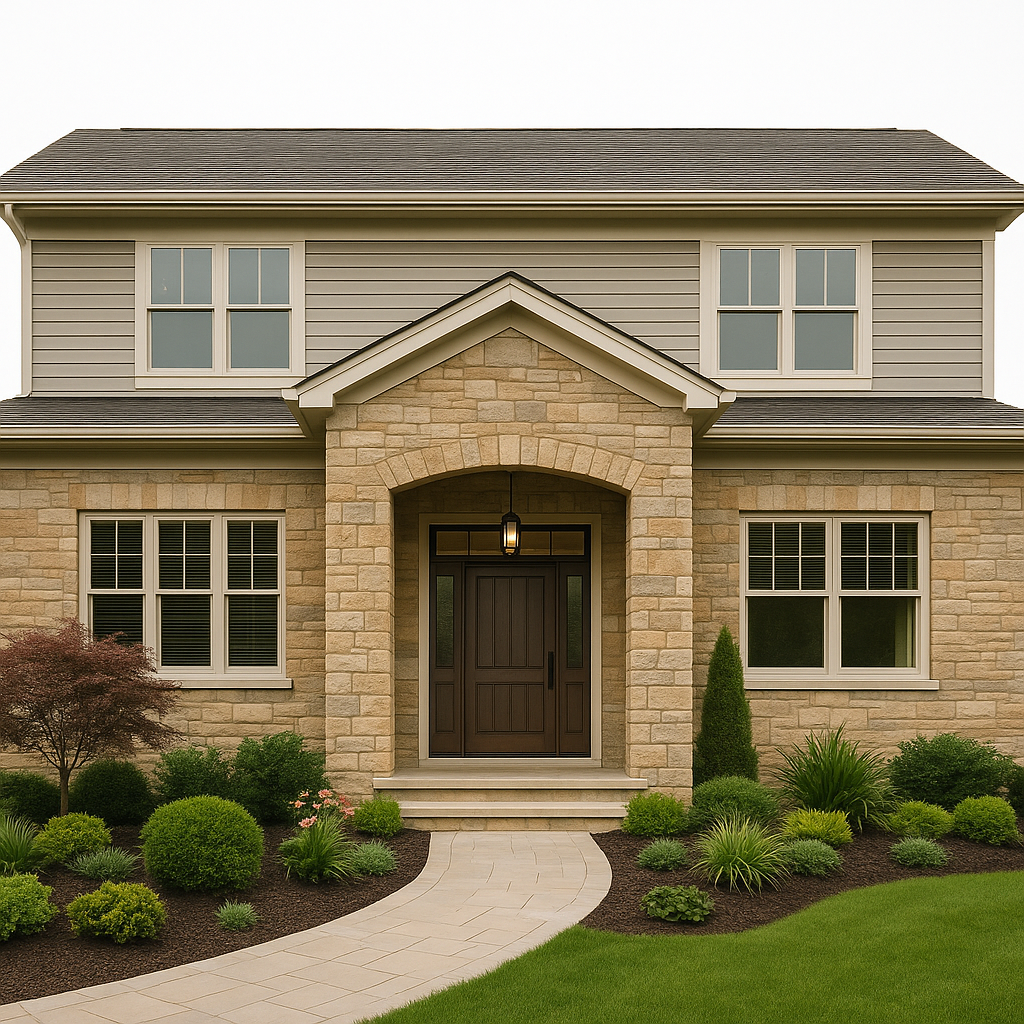
Every house has one face that carries the weight—the main façade. That’s the one people judge first, and the one the building inspector stares at longest. Secondary elevations matter, but they’re supporting actors. The front sets the tone.
Proportion and Rhythm
The eye catches alignment before it notices material. Windows that don’t stack, doors crammed against corners, porch columns off-beat—those mistakes read faster than the color of the siding. Get the rhythm wrong and no amount of stone veneer will fix it.
Working Elements
Doors, windows, porches, balconies. These aren’t ornaments. They decide whether the front feels open, heavy, or mean. A porch shallower than six feet is a stage set—you can’t use it. Balconies without proper drainage will stain everything below in two winters. Details like these make or break the elevation.
If you want the structural side, how the walls actually carry these openings and seams, see our full guide on house front wall design. That’s where proportion stops being a sketch and starts being something the crew can build.
Types of House Elevations

Single-Floor Front Elevations
You see these everywhere in small towns. One level, a tight footprint, and usually built with local crews who know how to stretch a budget. The trick is to make a simple box look finished—proportion on the windows, a porch that actually shades, not a painted-on stoop. For field notes and examples, check our single floor house front design guide.
Double-Floor / Two-Storey
This is where the suburbs lean. Families want more space without buying more land, so the elevation has to carry two stacked floors without looking top-heavy. The cost is higher, but the resale value usually covers it. Details matter: roof pitch, stair placement, and how the second floor windows align with the first. See house elevation design for 2 floors for layouts and cost breakdowns.
Triplex and Modern Multi-Level
Stacking three levels or splitting grades is a different game. Now you’re fighting both design complexity and money. Multi-level fronts can look sharp if handled right, but if the vertical lines don’t resolve, the whole thing feels unstable. These are projects where clients underestimate drainage, retaining walls, and structural costs. Done right, they’re bold. Done wrong, they leak.
3D Elevation Designs

A 3D elevation is the dressed-up cousin of the working drawing. It’s the render, the walk-through, sometimes even a headset tour. Clients see textures, shadows, reflections—things you can’t read off a 2D line drawing. It’s not the plan that gets built, but it shows how the plan might feel.
The upside is obvious. People finally understand scale and material. You can swap brick for stone in seconds instead of ripping off a wall later. Builders catch proportion issues before concrete sets. That clarity is why requests for 3D elevations have jumped almost 900% in the past decade.
The risk is that 3D can lie. Perfect lighting, flawless surfaces, grass that never browns—renders can sell a dream that construction budgets won’t cover. On site, seams show. Paint fades. Details cost. The best practice is to use 3D as a tool for alignment, not as a promise.
If you’re comparing options, start small: a 3D front elevation design can sharpen just the façade, while a full 3D home front design lets you see every corner. Both have value—just keep one foot in the drawing set and the other in reality.
Key Features That Shape a Front
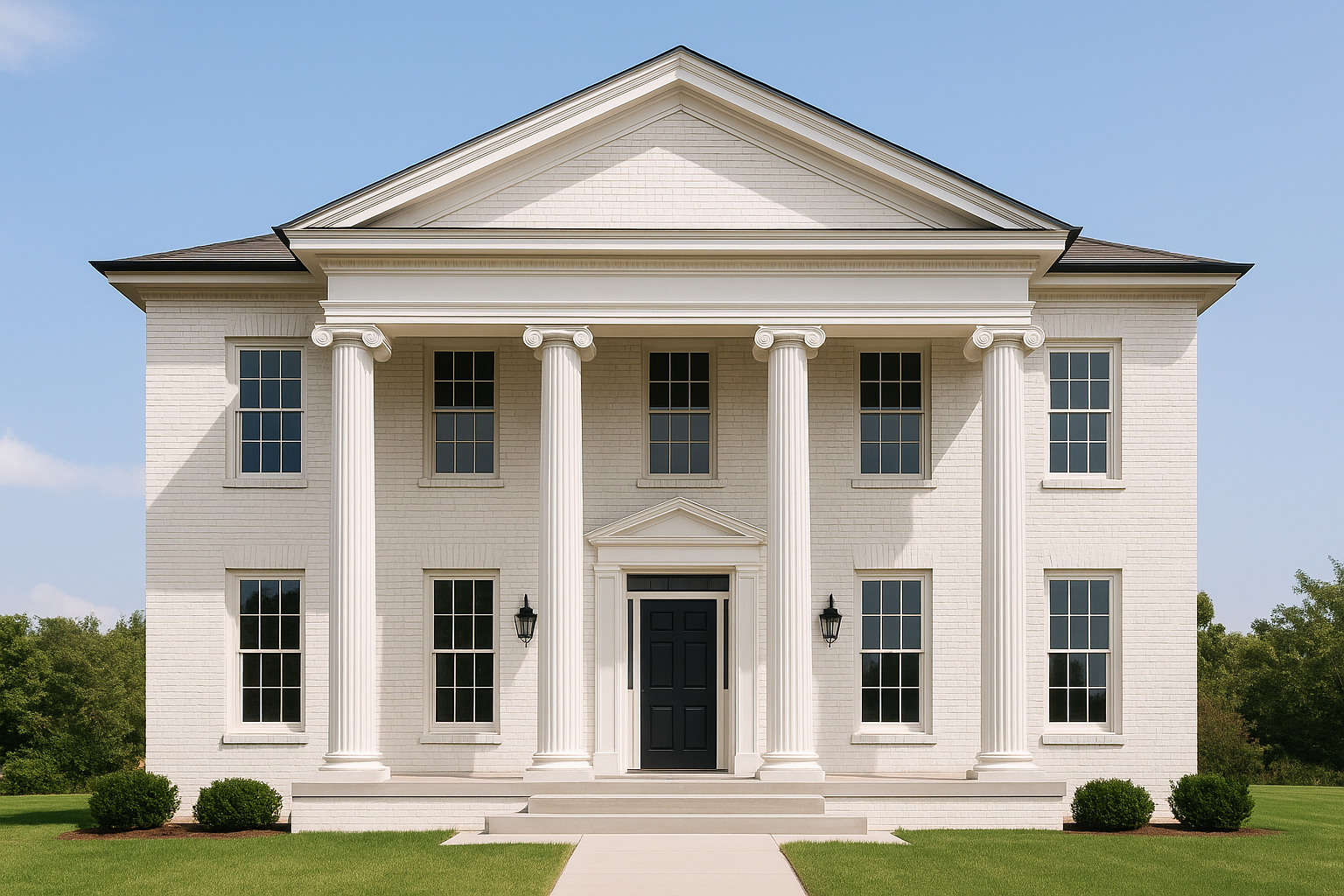
Columns can lift a façade or bury it. They frame the entry, carry rhythm, and hint at structure. But stack too many and the house starts looking like a costume. Use them where they carry weight—literal or visual—not as decoration stuck on after the fact.
The main door is the piece everyone touches. Size it wrong and the whole front feels off. Too small looks mean. Too wide wastes heat. Material matters too. A heavy timber door tells one story, a steel-and-glass pivot another. In some regions the entry still carries cultural weight, so get it right. More on proportion and detailing in our full guide to house main door design.
Front walls do double duty: privacy and ventilation. Solid masonry keeps the street out but also blocks air. Perforated blocks or patterned screens let wind through and still hold a boundary. The trick is balancing safety with breathability so the front doesn’t feel sealed shut.
Balconies and railings are where material choices really show. Metal is light and cheap, but rust never sleeps. Glass opens the view but needs constant cleaning. Stone or concrete look solid but add weight and cost. Pick based on maintenance tolerance as much as looks. If you’re weighing your options, see our breakdown on railing design for house front.
Materials and Finishes
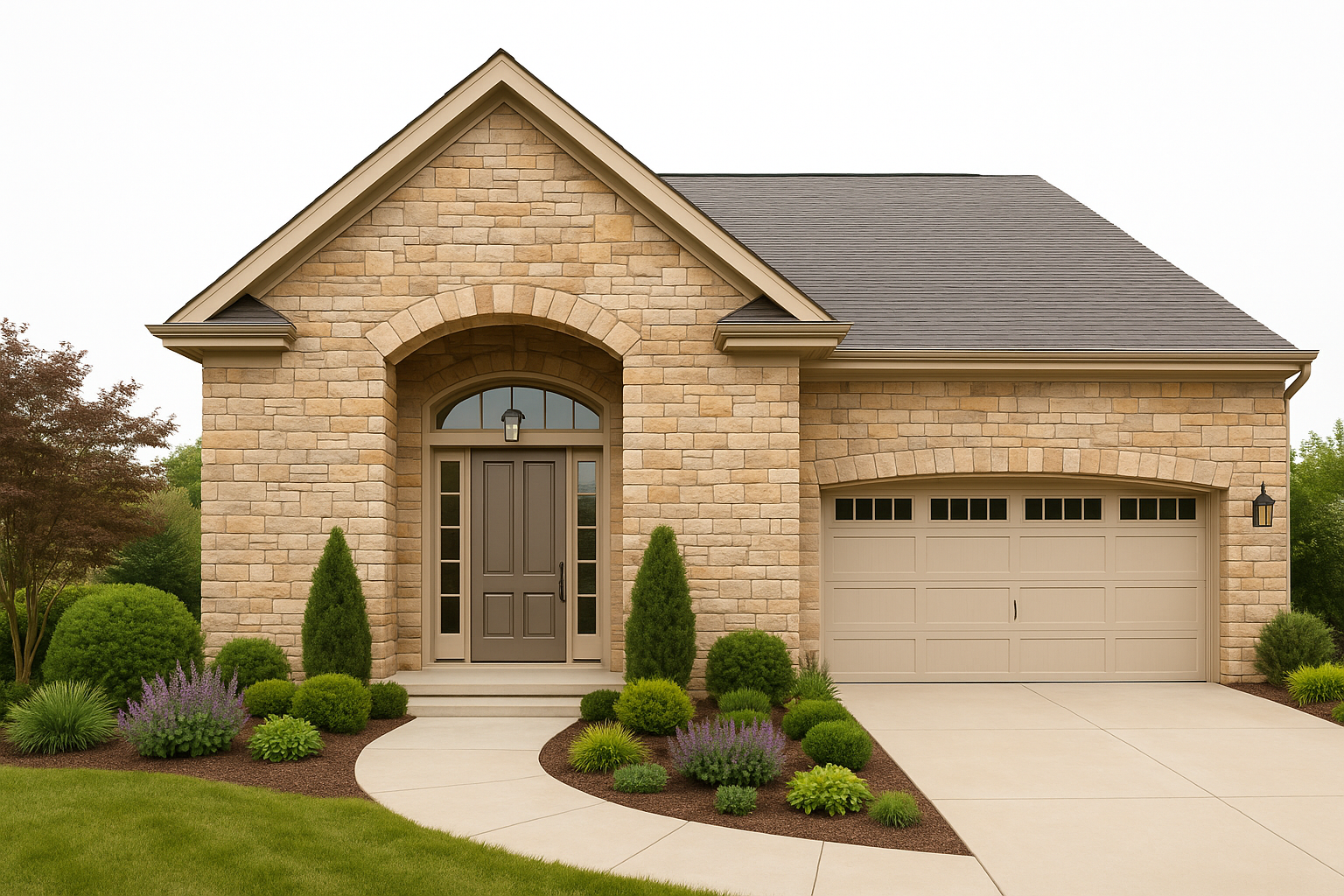
Tiles are the quick fix for a flashy elevation. They’re cheap, easy to stick on, and give instant pattern. The problem is most don’t last. Grout lines blacken, edges pop, and within a few seasons you’re redoing whole sections. If you want a full breakdown of types and real field performance, check our guide to front elevation tiles design for home.
Natural stone and ACP (aluminum composite) panels are the real fork in the road. Stone is heavy, takes skilled labor, and costs more up front, but it ages into the building. ACP is lighter and faster, but dents, waves in the sun, and looks tired quicker. I’ve seen developers use ACP just to cut schedules, and then spend double on replacements five years later. Stone punishes your budget early; ACP punishes it later.
Paint is the hidden negotiator. Pick the wrong finish in a humid or dusty climate and you’ll repaint in two years. Get it right and you buy a decade. Colors also track resale—white and earthy tones sell faster than risky bold schemes. If you’re weighing what’s smart in your climate, check our notes on home front colour design.
Cost and Practical Considerations
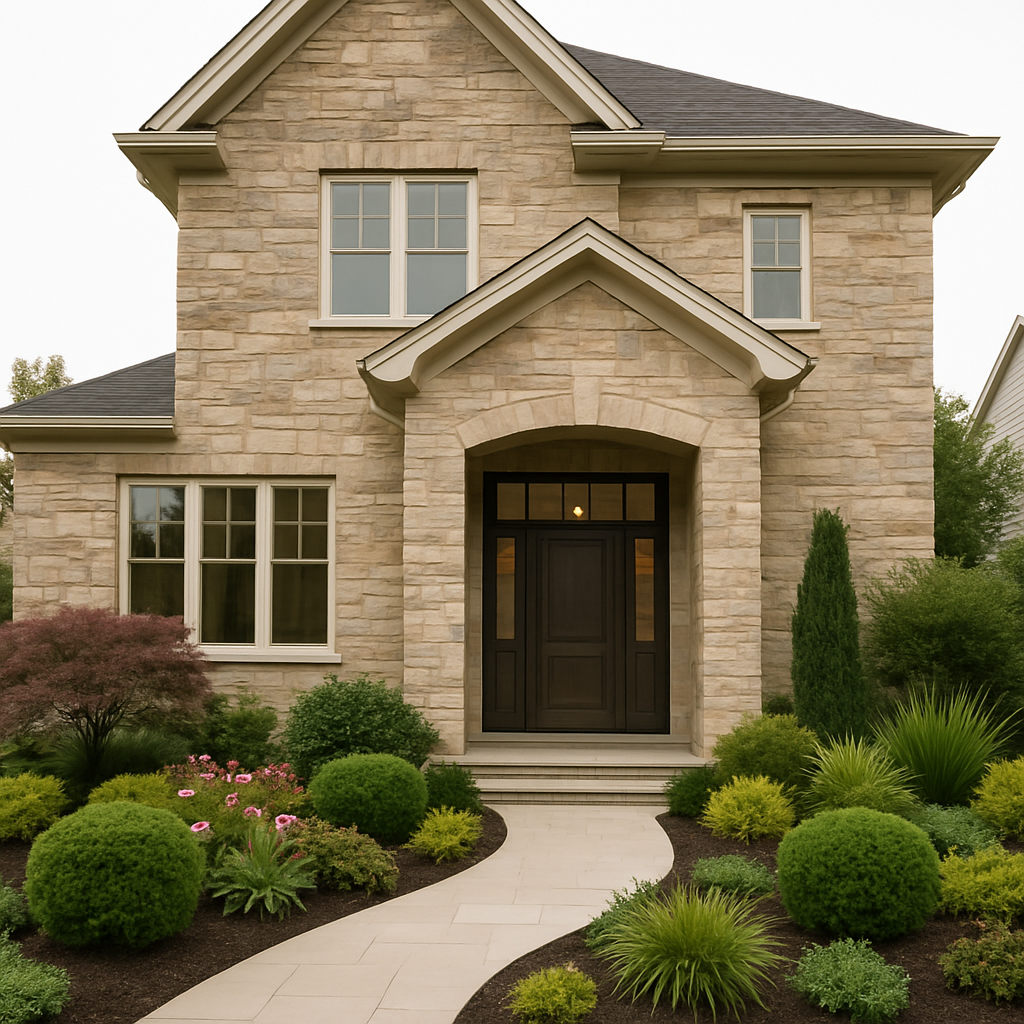
Elevation drawings aren’t free sketches. In India, a basic front elevation can run ₹15,000–₹50,000 depending on city and detail. In the U.S., expect $1,500–$5,000 if an architect is involved, less if it’s a drafting service. Globally, fees follow labor rates—cheaper in Southeast Asia, high in Europe where architects are required for permits.
Materials change the math fast. Tiles look cheap upfront but crack in two seasons if drainage is wrong. Natural stone costs more at install but saves repainting cycles. ACP panels shine in the first five years but fade and dent under hail. Paint is cheapest, but in hot climates the wrong shade can double cooling bills.
Contractor markup versus architect fee is another hidden layer. A contractor may throw in an elevation “design” as part of the build, but it’s often copied from catalogues. An architect charges more, but you pay for proportion, shade studies, and long-term value. I’ve seen houses save 20% on future cooling bills because the elevation accounted for overhangs and window placement.
Common mistakes bleed budgets. Too much glass means higher AC loads and expensive frames. Poor shading means paint fades twice as fast. Cheap exterior paints peel in three years and make the whole building look tired. Even something simple like misaligned rainwater pipes can stain a façade permanently. Once it’s on the street, every flaw reads.
Elevation Drawings and Execution
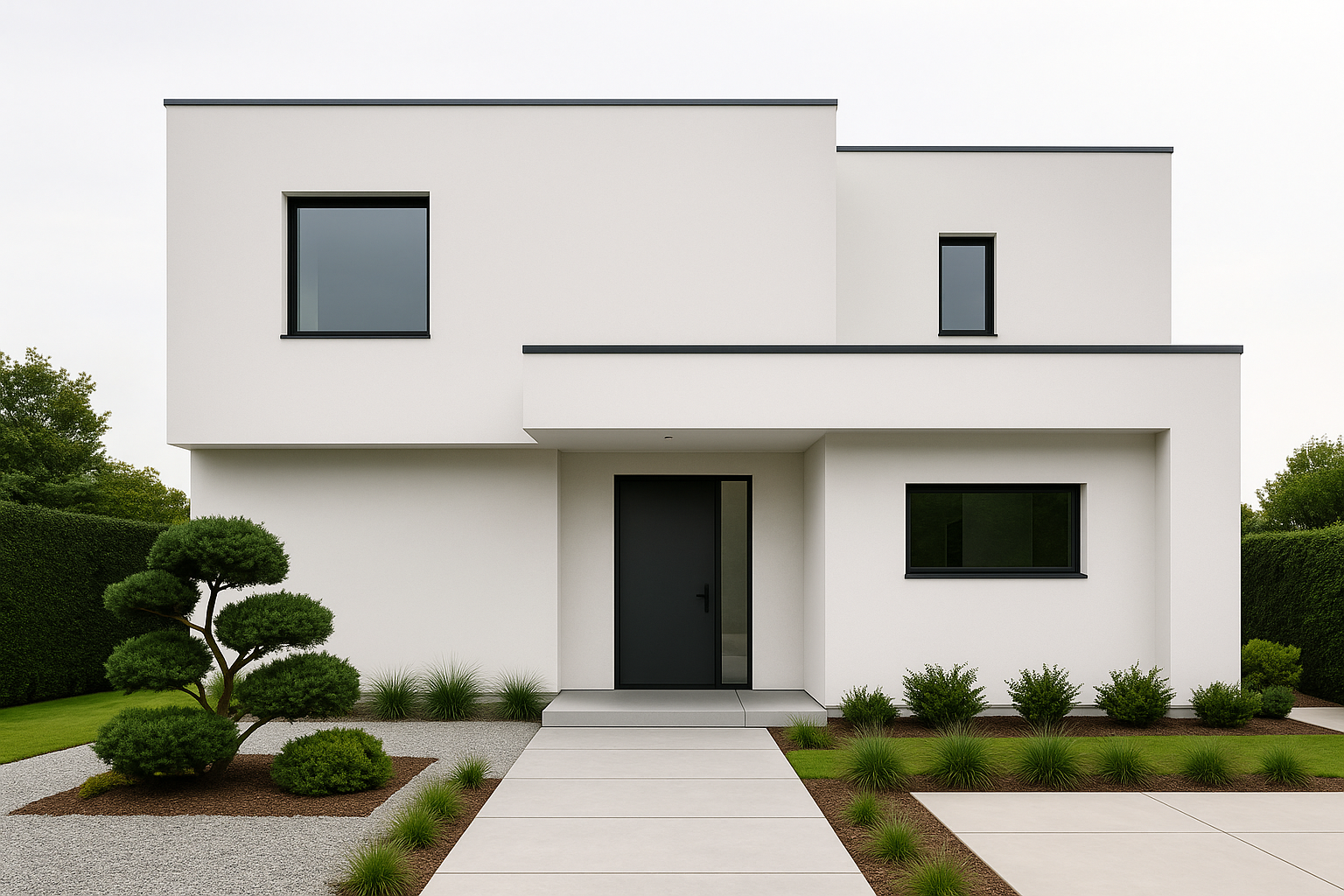
You don’t build off ideas. You build off drawings. A proper elevation set shows the face of the house under real conditions—sun, rain, budget. Without it, contractors guess. Guesswork costs more than drawings ever will.
Hand-drawn elevations still work. I’ve seen old-school builders sketch a street-facing wall with pencil and scale, and it got built straight. But the margin for error is high. One mis-measured window and the whole façade reads crooked. Software like AutoCAD and Revit cut those mistakes down. SketchUp is fast for massing and client visuals, but construction teams want clean CAD sets with dimensions.
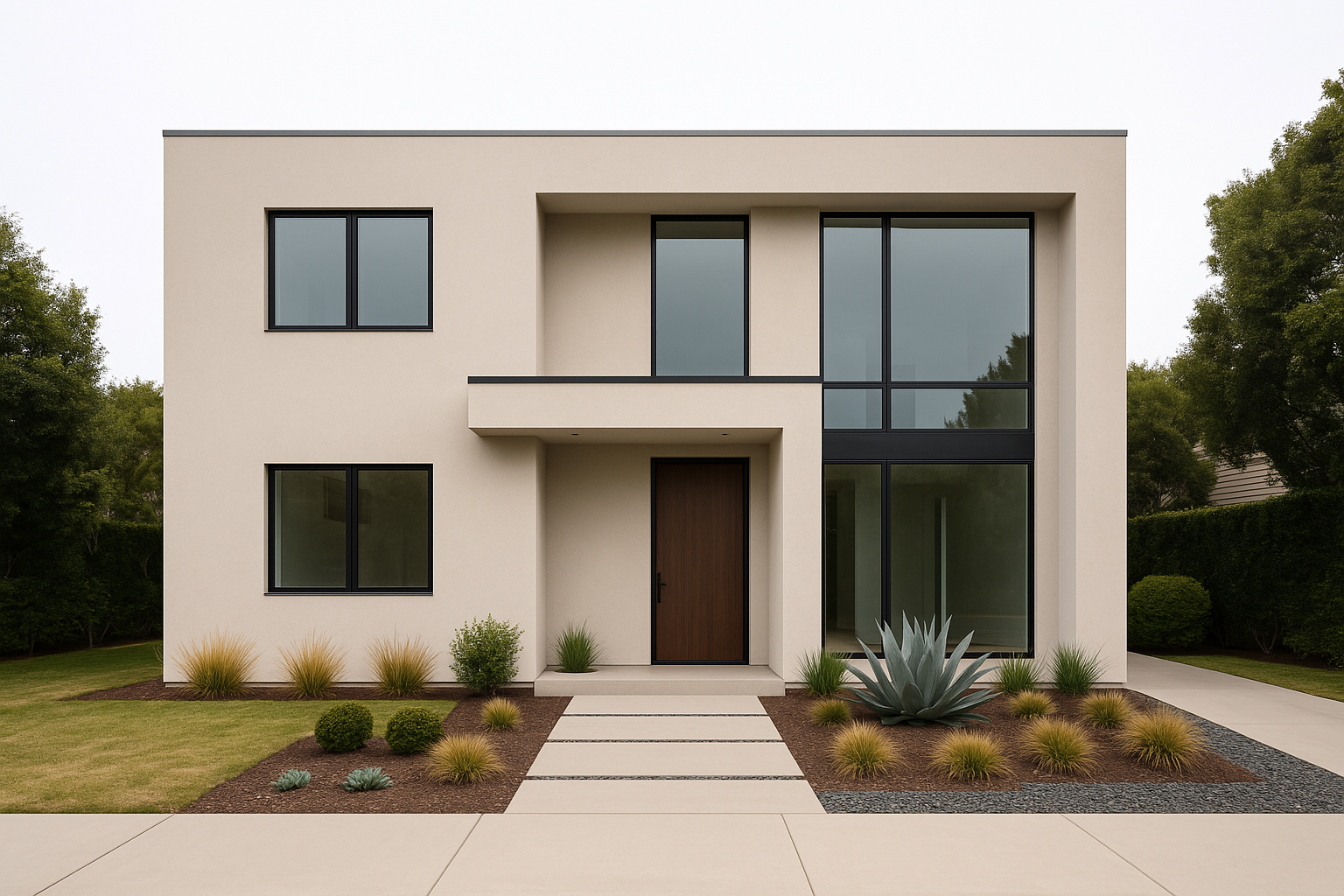
If you’re asking “how to hire an elevation designer near me,” start with architects and draftsmen who’ve done projects on your street or in your region. They know local plot widths, by-laws, and what contractors can actually deliver. Online services will sell you glossy 3D renders, but check if they give you scaled, buildable drawings too. A render without a drawing set is decoration, not design.
For more detail on the drawing side, see our guide on house elevation drawings. It breaks down what must be shown on paper before you spend on site.
Case Studies
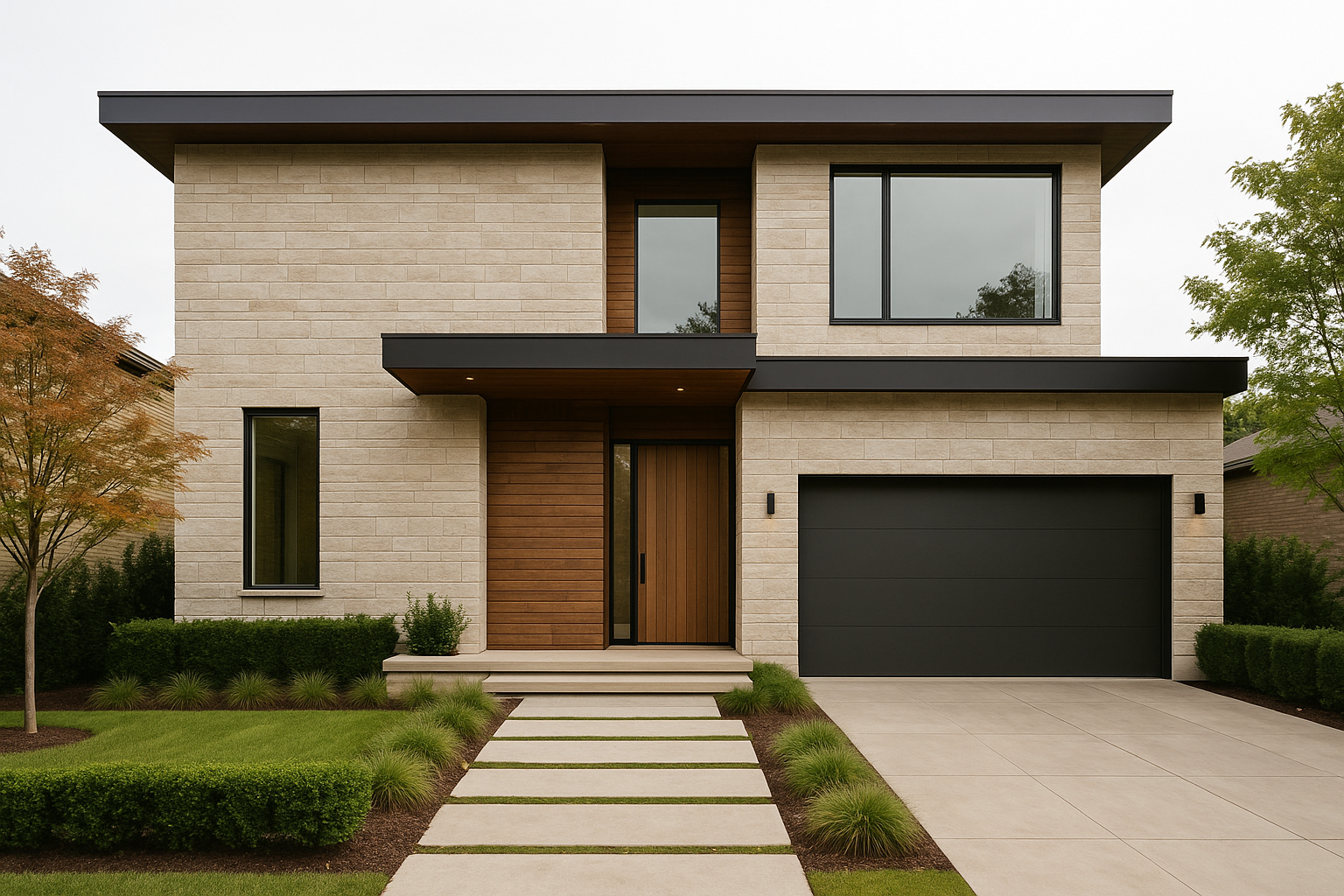
New York Townhouse: Historic Front, Modern Rear
Upper West Side, Manhattan. Late-19th-century townhouse with a protected street façade. We kept the Greek-revival vocabulary toward the street—symmetry, cornice line, restrained entry—then opened the rear wall with a full-height glass and steel grid. That split strategy is what made the whole project work: public face steady, private face open.
We set the rhythm from the front elevation first—cornice datum, window centers, door axis—then let the rear elevation take the performance load: daylight, long views, indoor-outdoor flow. The front carried history, the back carried living.
Costs landed in the heavy range: several hundred dollars per square foot. Structure fixes, hazardous materials, and permit iterations pushed the budget. Expect that if you take on any landmarked building.
Field lesson: we mocked the cornice in foam before millwork and lived with it for a day. Shadow line was too thin. Thickened the crown ⅞ inch and it finally read from the sidewalk. One inch wrong on a historic front reads like a foot.
Single-Floor Porch with Tile Façade: Hot-Humid Belt
Small single-storey home with a deep front porch. Client wanted a “finished” look, so they pushed for ceramic elevation tiles. Tiles do shed water and clean easy, but under sun and monsoon they expand, crack, and stain. We cut them down to touch zones—entry, kick plates—and switched the main body to limewashed render. Cheaper, breathes, and still looks sharp after five years.
We avoided aluminum composite panels. Tempting on cost, but poor fire ratings and delamination turn them into short-term tricks. Stone where hands touch, limewash where walls stretch. Honest materials beat false polish every time.
Two-Storey Suburban with Balcony Rails
Suburban lot, two levels, balcony sitting over a porch. Everyone wants glass rails until the first maintenance cycle. Spots, cracks, code failures. We started with code: minimum guard height, baluster spacing, post connections. Once that passed, materials followed.
We landed on powder-coated steel posts with simple pickets. Clean, strong, and passes inspection. Glass only works if owners are ready for constant cleaning and replacement panes. The pretty render means nothing if the inspector fails it or the first storm leaves stains.
Lesson: lock the proportions, hit code first, then chase looks. Saves both money and headaches.
FAQ
Do I need an architect for a house elevation?
Not always. For basic single-floor projects, a builder can draft a passable elevation. But if you want symmetry, good material joins, or permits in stricter cities, an architect saves you from mistakes that cost triple later.
How much does a front elevation design cost?
Anywhere from $500 for a simple drafted façade to $5,000+ if you want 3D modeling, revisions, and site coordination. What kills budgets isn’t the drawing—it’s when the drawing doesn’t match how the crew builds.
What’s the difference between 2D and 3D elevations?
2D is a flat drawing—what the permit office usually needs. 3D is a rendered model that shows depth, shadows, and materials. Clients love 3D because they finally see how stone or brick lines up. Builders still rely on 2D for the cut sheets.
Which materials work best for front elevations?
Brick, stone, cement board, or stucco—depends on climate and budget. Wood looks great but needs constant maintenance. I’ve seen cheap siding buckle in three summers. Spend more on the skin facing the street; cut costs on the sides.
Can I redesign just the front of my house?
Yes. Many remodels only touch the front. But remember: the structure and roof tie it all together. Slapping columns or fake balconies onto a weak frame makes it worse. If you’re only doing the front, check our house front wall design guide for smarter moves.
Are two-storey elevations harder to build?
Yes. Windows, stairs, and rooflines all have to coordinate. A mistake on paper means field crews improvise, and that’s when you see mismatched lines or water problems. That’s why two-storey elevations need tighter drawings than single-floor jobs.
Amazon Field Picks
📘 MUST READ
Architecture: Form, Space, and Order – Francis D.K. Ching
Still the desk book. Strips design down to proportion, mass, and light. Helps you read elevations without getting lost in style.
FIELD TOOL
Bosch Laser Measure
Fast, accurate, saves arguments on site. If you do elevations, you’ll use it daily.
Keep Learning
For more design frameworks and field notes, see our hub on Modern House Designs.
If you’re working sustainability into elevation choices, check our guide on Sustainable Homes.
External reference: American Institute of Architects – Handbook. Solid baseline if you want the official workflow, from drawings to permits.