
Practical House Design Moves for 2025
Good houses don’t start with glossy photos. They start with the basics: room flow, daylight, structure, and cost. Miss those, and no renovation or trend can save the plan.
Most people spend close to 90% of their time indoors, which makes design choices matter more than they realize. A bad hallway or overheated room shapes daily life as much as any finish. A well-placed window or a clear circulation path does more than any decor trend.
This guide pulls from field-tested moves, mistakes worth avoiding, and design strategies that hold up in 2025. Students can use it to learn, builders to sharpen, and homeowners to spot good plans before they spend.
A Quick Look Back
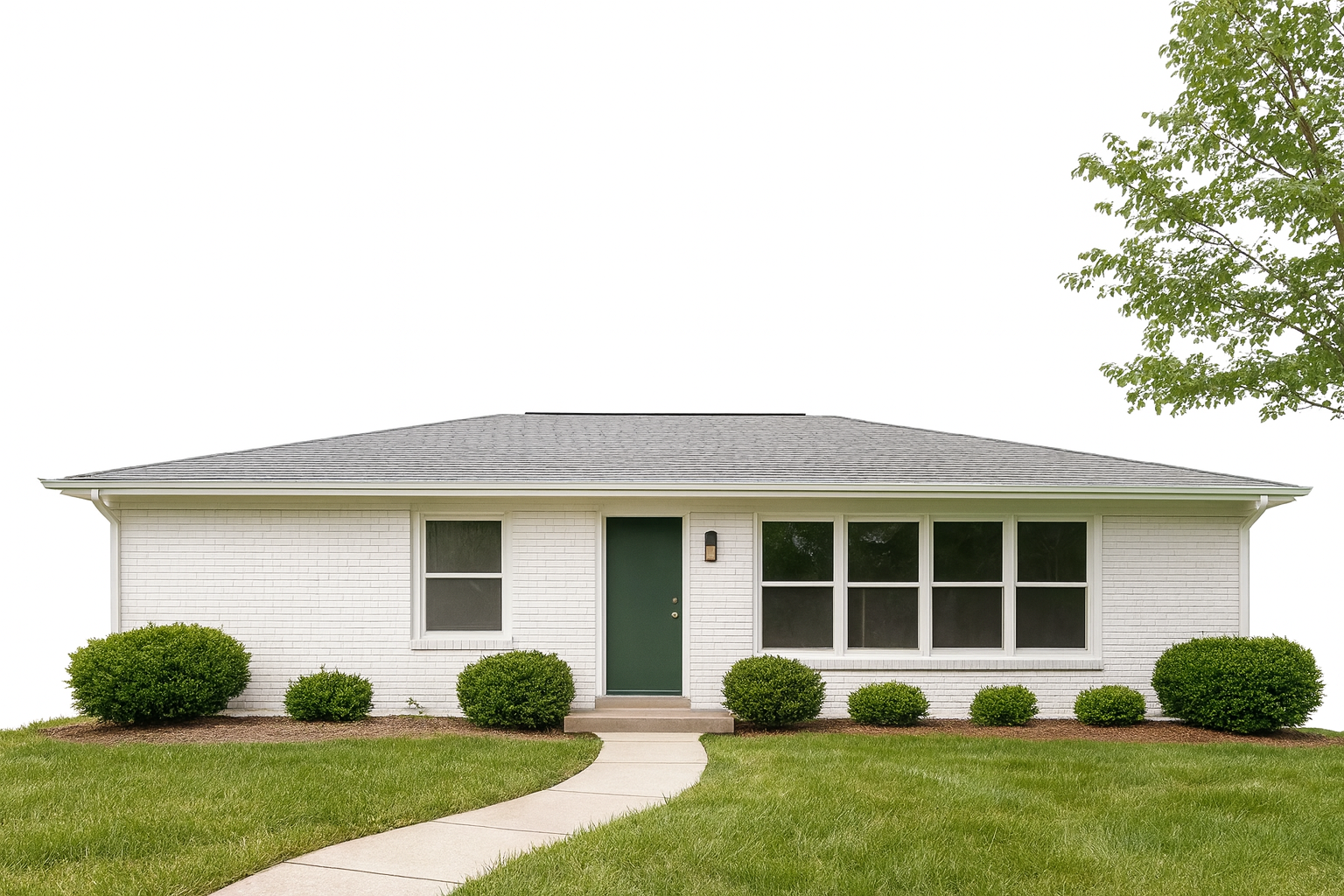
Modern design grew out of the mid-20th century push for clean lines and honest materials. Think Bauhaus, Wright’s Usonian houses, and the postwar boom of flat roofs and open plans. The core idea hasn’t changed: less decoration, more logic.
Interesting note: Wright’s Fallingwater gets all the press, but his small Usonian houses influenced more suburbs than any showpiece villa.

House Ideas: The New 2025 Illustrated Guide
Core Features You’ll See Everywhere

Clean lines and simple forms
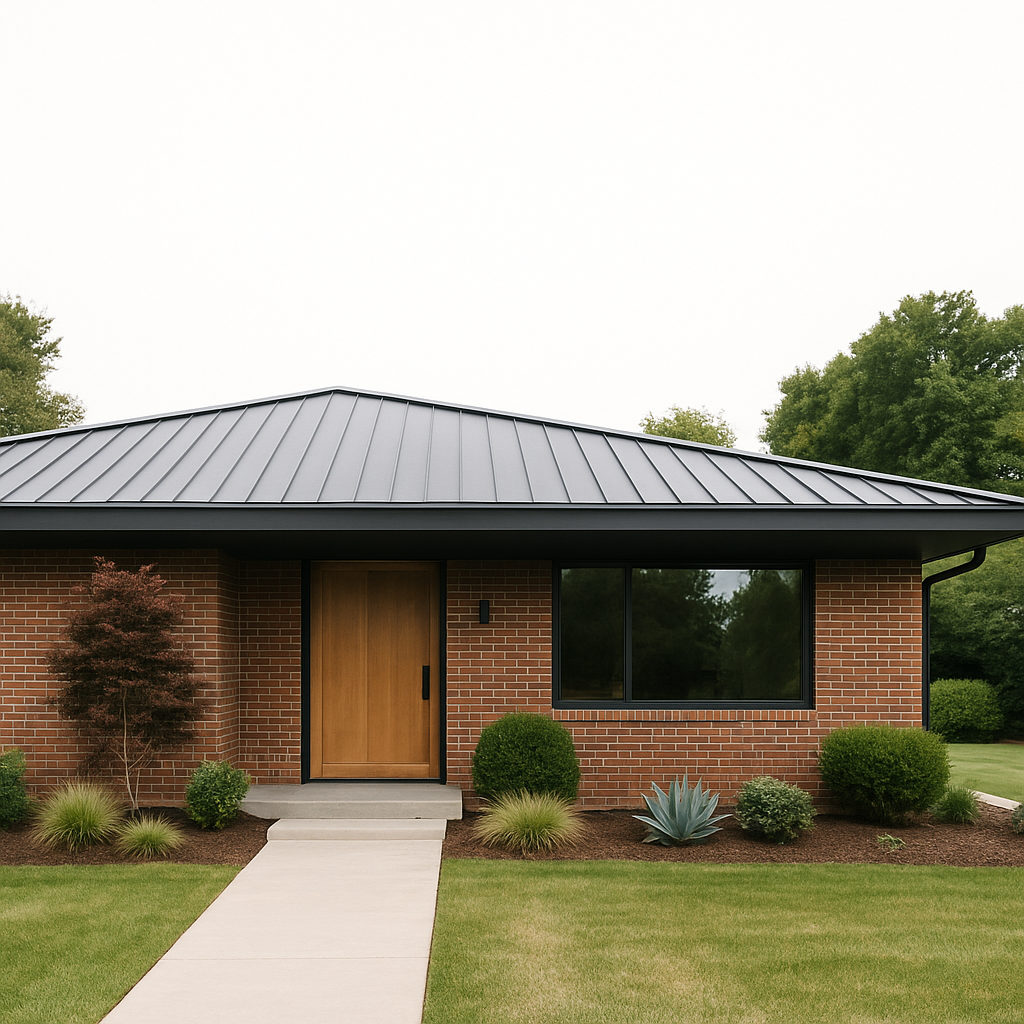
Geometry drives modern design. Straight runs, rectangular footprints, and flat or low-slope roofs dominate. Small House Design examples show how simple geometry keeps costs down and avoids unnecessary weak points.
Insight: Every extra roof angle or jog adds labor and leaks. Simplicity pays for itself.
Open floor plans
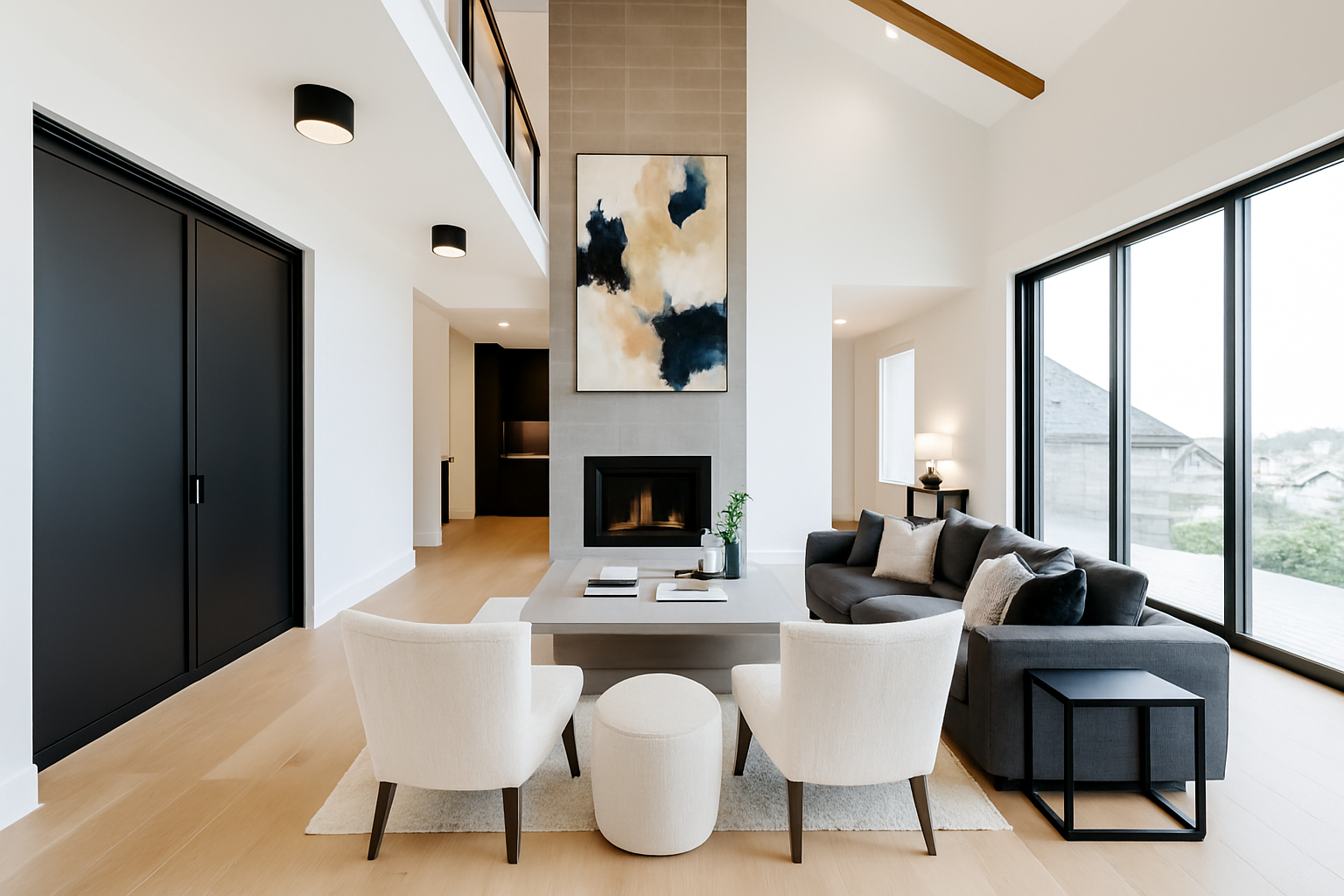
Kitchens, dining, and living areas often merge into one sweep. Single Floor House Design layouts show how open planning improves flow.
Mistake to avoid: Too much openness creates noise and no storage. Smart zoning with partial walls or ceiling drops keeps it livable.
Glass that erases boundaries
Floor-to-ceiling glass connects interiors to outdoor spaces, a hallmark of Modern House Designs.
Pro tip: Cross-light matters more than size. Two modest windows on opposite walls balance glare better than one giant slider.
Sustainable materials
Reclaimed wood, bamboo, and recycled steel are not just marketing points. They cut waste and often outlast trend-driven finishes. For affordable upgrades, check bamboo flooring options on Amazon.
Watch out: Shipping “eco” timber hundreds of miles cancels the green story. Local sourcing beats exotic labels every time.
Smart technology
Lighting, climate, and security are increasingly phone-controlled. These systems are transforming even everyday house designs.
Reality check: Smart blinds and sensors sound futuristic until parts fail. Always ask about servicing before loading up on gadgets.
The Bigger Shift in 2025
It’s no longer about glossy style boards. It’s about trade-offs: privacy versus glass, openness versus acoustics, cost versus detail. The best modern homes of 2025 aren’t the flashiest renders. They’re the ones where circulation stays short, daylight stays balanced, and the shell is built tight enough to keep energy bills down.
MUST READ
50+ House Design Ideas That Work in 2025
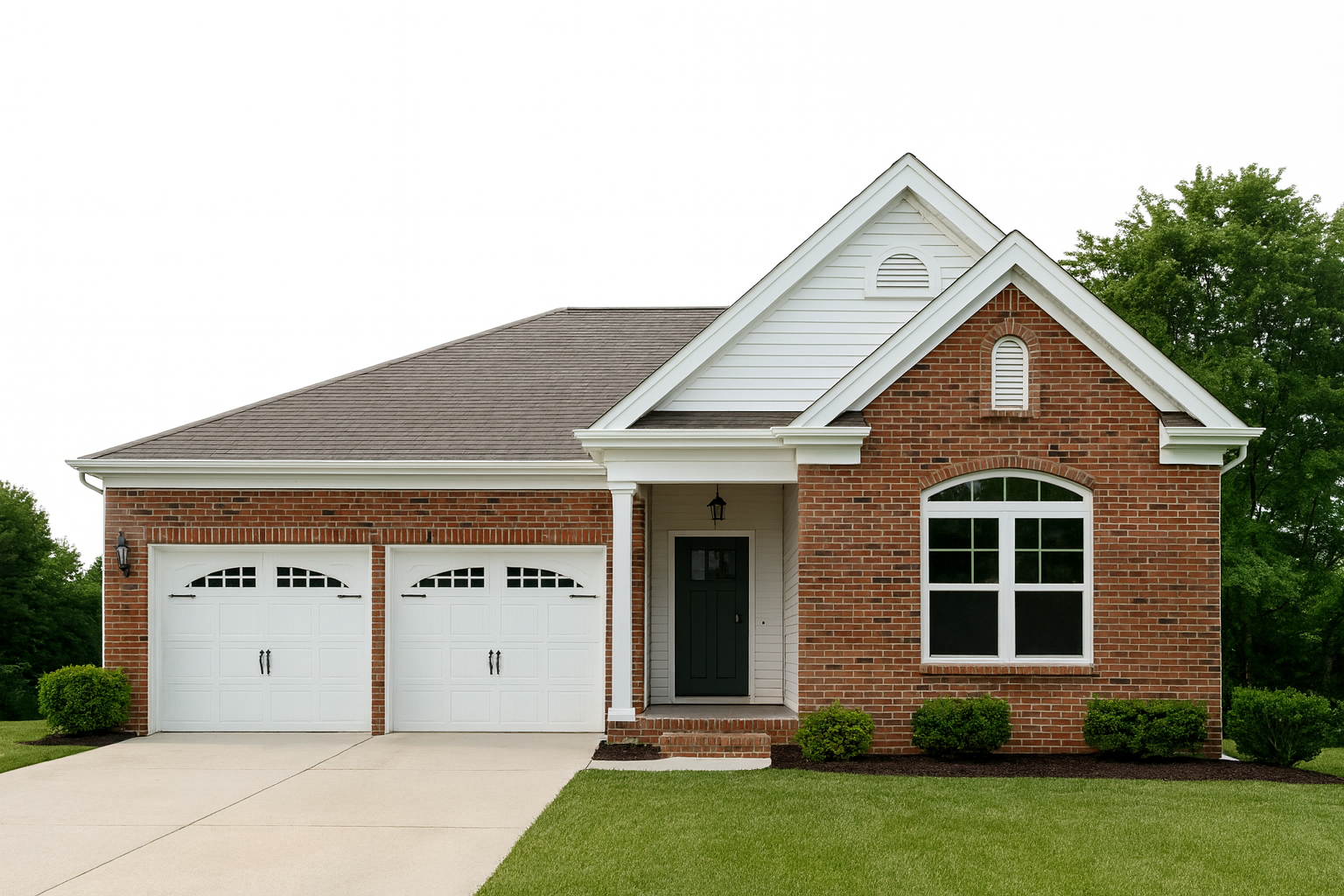
Modern houses today borrow from everywhere—coastal breezes, city lofts, rustic cabins, even global craft traditions. Some ideas hold up, others fall flat once lived in. Below is a field-tested mix of styles, pro moves, and caution notes worth carrying into any project.
Coastal and Nature-Driven Homes
Modern coastal retreat
Expansive windows and decks bring the shoreline in. The trick isn’t the view, it’s the detailing. Salt air eats through cheap hardware in two seasons. Use small house design strategies like compact footprints and resilient cladding to keep costs sane.
Focus here: Weatherproof every hinge, lock, and light fixture. Without that, the “ocean view” becomes a repair list.
Nature-inspired interiors
Stone floors that hold the day’s warmth. Timber beams that pick up patina instead of paint. These spaces calm fast. But drag in too many plants without drainage and you’ve built a greenhouse, not a living room.
Focus here: Balance greenery with ventilation. Live walls only succeed if air and water are managed.
Minimalist and Urban Designs

Minimalist homes
Clean lines, pale palettes, no clutter. Works beautifully until there’s nowhere to drop shoes or stash mail. Built-ins, not empty corners, make minimalism survive real life. See single-floor house design examples for layouts that hide storage inside walls and benches.
Focus here: Design storage first. A dining table buried in coats is where minimalism dies.
Urban loft feel
Glass, steel, and open spans dominate city houses. The energy feels great but acoustics often suffer. A polished concrete floor will bounce sound for days. Smart designers add rugs, partitions, or ceiling drops to soften the echo.
Focus here: Treat noise early. Once the slab is poured, fixes get costly.
Rustic and Farmhouse Styles
Rustic country warmth
Exposed beams, stone fireplaces, and wool throws sell comfort. The failure point? Overdoing “authentic” with faux barn doors and distressed finishes bought new. True rustic thrives on restraint—one reclaimed table works harder than six gimmicks.
Focus here: Choose one or two genuine pieces with age. Let the rest stay simple.
Farmhouse family homes
Wide sinks, sliding doors, and open porches are practical. Trouble starts when the “farmhouse” gets supersized. Ten-foot islands in the kitchen become obstacles, not gathering spots.
Focus here: Scale matters. Keep proportions human, not showroom.
Classic and Elegant Moves
Classic layouts
Symmetry and calm colors never age. But copying classic style without proportion is a trap—thin moldings or undersized chandeliers look cheap. Invest in fewer, heavier details and let space breathe.
Focus here: Quality over quantity. One solid walnut door beats four hollow imitations.
Elegant living
Marble counters, velvet seating, brass fixtures. Luxury lands when restraint rules. Overfilling kills elegance. The houses that last keep to three materials max and let light do half the work.
Focus here: Edit hard. Elegance is subtraction, not collection.
Eclectic, Artistic, and Retro Styles
Bohemian mix
Layered rugs, handmade pottery, saturated colors. Inspiring, until clutter swallows function. The strongest boho houses tie everything with one anchor—usually a unifying floor or wall tone.
Focus here: Choose one base palette. Then layer without drowning the room.
Retro nods
Checkerboard floors, bold oranges, curved furniture. Fun, but dangerous when nostalgia blinds you to usability. Avocado appliances break, and sourcing parts burns budgets.
Focus here: Sample retro finishes, but keep systems current—plumbing, wiring, insulation.
Global and Cultural Touches
Global craft
Handwoven rugs, carved wood, ceramic tiles. These give homes character without theme-park excess. The mistake is scattering “world finds” with no coherence. Use one cultural thread as backbone.
Focus here: Curate, don’t collect. Anchor the room with one region’s material logic.
Sustainability and Energy
Eco-friendly builds
Bamboo cladding, recycled steel, solar roofs, rainwater tanks. These are no longer niche—they’re baseline in 2025. But sustainability fails when details get skipped. A poorly sealed slab leaks heat no matter how many panels you bolt on top.
Focus here: Shell first. Insulate the roof and edges before bragging about solar.
Water and landscape
Greywater loops, drought-tolerant planting, and native species landscapes turn utility into design. Yet homeowners often forget maintenance. A rainwater system with clogged filters is just dead weight.
Focus here: Design for upkeep. Every eco system is only as good as the person who services it.
MUST READ: The Future of Architecture in 100 Buildings – blunt sketches that cut through trends and show where design actually headed.
Sustainable, Smart, and Personal House Design in 2025
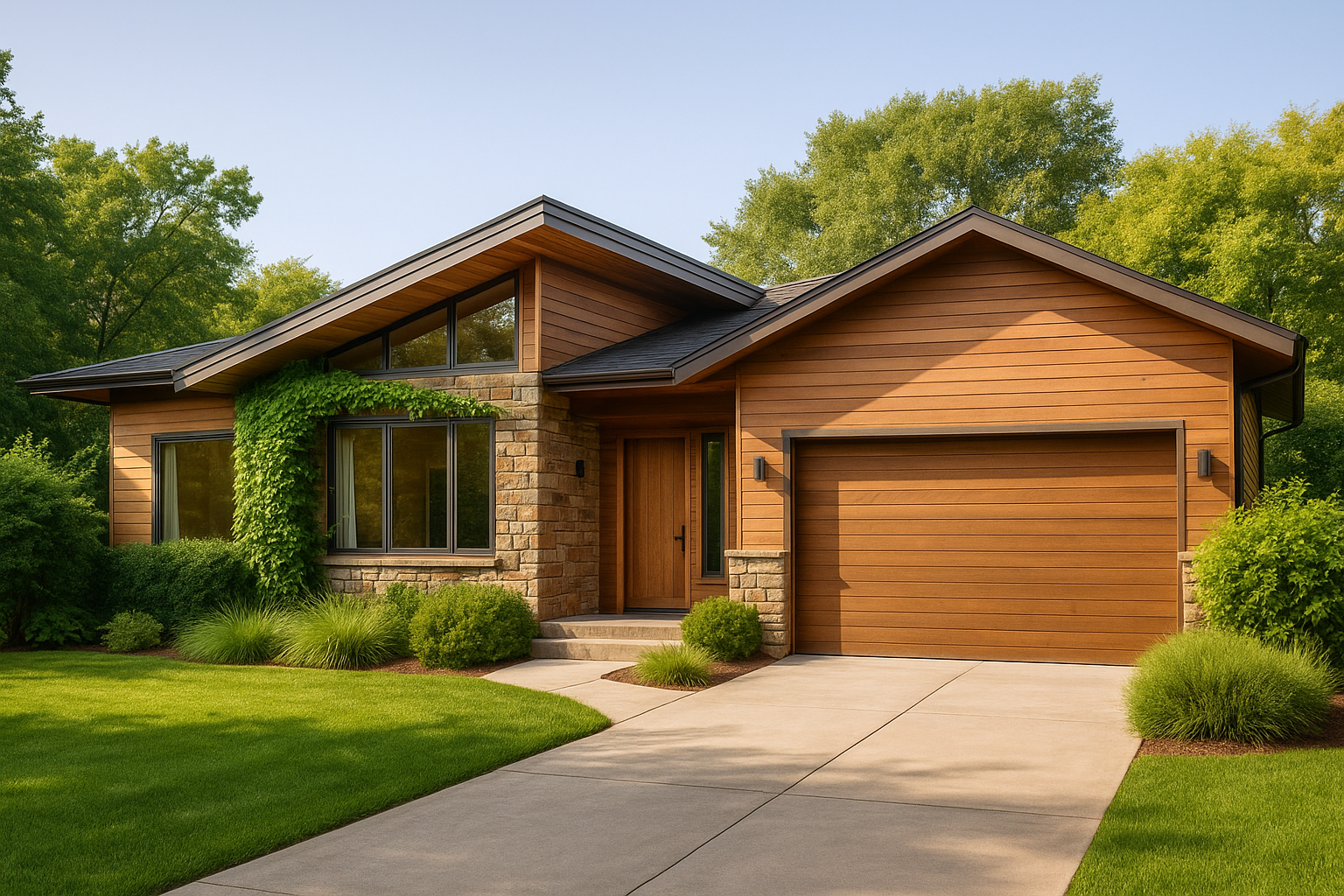
Modern houses in 2025 are built around three threads: sustainability, technology, and personalization. The best ones don’t treat these as buzzwords. They show it in detailing, costs saved, and mistakes avoided. Below is what actually matters when designing a house that holds up.
Sustainability That Survives First Winter
Eco features mean nothing if the shell leaks heat. Green roofs and bamboo siding look impressive, but slab insulation and roof detailing save more energy in real life. Single-floor house design case studies show slab edges are the first failure point if skipped. Sustainable design starts there, not with add-ons.
Focus: Insulate and seal before bragging about panels.
Smart Homes Without the Gimmicks
Smart thermostats and automated lighting are now baseline. What separates solid design from gadget overload is serviceability. Motorized blinds, hidden sensors, and voice controls all break. If parts aren’t standard and repairable, the “smart” home turns dumb fast. See modern house designs for examples where smart tech was integrated into the layout instead of bolted on.
Focus: Always ask: who services this, and how fast can it be replaced?
Water and Landscape That Don’t Fail
Greywater loops, rain tanks, and drought planting can slash bills. They also clog, flood, or die if ignored. The systems that last are simple: gravity-fed tanks, native plants, drip irrigation. Landscapes tied to climate outperform imported “eco” showpieces every time.
Focus: Design for maintenance, not just performance on paper.
Interior Design That Holds Use
Color palettes and furniture trends cycle every few years. What stays valuable is room flow and storage. A bold wall can be repainted in an afternoon. A poor plan bleeds space forever. House ideas that work keep partial walls, ceiling drops, and storage integrated into the plan.
Focus: Nail circulation and storage before finishes.
Exterior Materials That Age Well
Metal cladding chalks, painted siding peels, stone stays. Homeowners often chase looks instead of maintenance cycles. The better moves? Fiber cement siding in wet climates, treated timber with raised decks, masonry where it meets grade. First impressions fade if repairs start in year three.
Focus: Choose materials with repair paths and long cycles, not just showroom shine.
AI in House Design: Useful, Not Flashy
AI now runs energy models, daylight simulations, and layout tests in minutes. That’s where it shines: speeding up calculations humans used to spend weeks on. The weak spot is aesthetics. AI can’t feel proportion or material heft. The projects that succeed let AI run the numbers while humans set the feel.
Focus: Use AI for performance, not taste.
Personalization That Doesn’t Break Function
Homes overloaded with “quirky” features age badly. Built-in swings, conversation pits, trap doors; most get removed within five years. Personality lasts longer when layered onto solid layouts: custom joinery, curated art, or a single bold color scheme.
Focus: Fix function first, personalize later.
Real Trade-Offs to Keep in View
- Privacy vs glass – full walls of glass look sleek until blinds stay closed all day.
- Open plans vs acoustics – fewer walls means more echo, not less clutter.
- Cost vs detail – every extra roof angle adds labor and leak points.
The best houses balance these instead of chasing one extreme.
FAQ
Are single-floor houses cheaper than two-story?
Not always. Slab and roof area are bigger, stairs are gone. In North America, builds can be 5–15% less. In the UK, where land drives cost, savings vanish. See single-floor house design for real layout trade-offs.
What’s the number one mistake with modern homes?
Oversized glass walls. They look good in renders, but without shading and privacy planning, you’ll live behind blinds. Balanced cross-light beats giant sliders every time. Related examples at modern house designs.
Do sustainable materials really save money?
Yes, but only if they’re local. Reclaimed timber hauled 500 miles cancels its eco edge. Fiber cement siding or locally quarried stone usually outlast trendy “green” imports. The win is lower repair cycles, not instant payback.
How much should I budget for unexpected costs?
At least 15–20% of the build cost. Soil surprises, slab cracks, service reroutes—every project throws one curveball. Example: a $300k build can easily eat $45–60k in corrections.
What interior trend will actually last?
Integrated storage. Minimalist looks collapse without it. Built-ins and recessed shelving survive long after bold wall colors or curved sofas go out of style.
How can I cut energy bills the fastest?
Fix the roof and slab. Heavy insulation and airtight detailing cut bills more than solar panels alone. Panels help, but only after the shell is tight.
Is AI really useful in home design?
Yes, but only for numbers. It runs energy models, daylight studies, and cost scenarios in hours. It cannot judge proportion, comfort, or feel. Use it for performance, not taste.
Which upgrades add the most resale value?
Cross ventilation, durable flooring, and simple rooflines. Buyers see light, comfort, and low upkeep. They don’t care if you installed a $10k smart fridge that will be obsolete in three years.
What’s the smallest size a modern house can work at?
1,000–1,200 sq ft with clean circulation and grouped rooms feels bigger than a sloppy 1,800. Short halls, grouped bedrooms, and cross-lighting make the difference.
How do I avoid regrets after moving in?
Test the plan with daily life. Walk it as if carrying groceries. Imagine kids doing homework in the living room while the TV is on. These little runs expose layout flaws before they’re built in concrete.