

How Architects and Designers Pick the Right Furniture
What Matters Most When Selecting Furniture for a Space
Good furniture defines how the space feels, how it works, and how people move through it. The right piece can turn a plain corner into a favorite spot. The wrong one can throw off an entire room.
This guide walks through how furniture design connects to interior design, how to choose pieces that last, and why thoughtful selection matters more than quantity. If you want to see how architects approach furniture from a design perspective, read Furniture Design and Architecture: When Architects Design Chairs Instead of Buildings.
Creating Functional and Beautiful Interiors
How designers think about furniture

Every piece begins with a question: what is this thing supposed to do? Then comes the rest—proportion, comfort, longevity, texture. Form and function aren’t opposites; they depend on each other.
An architect draws to define volume. A furniture designer draws to define contact. The body touches, leans, and rests. That’s why chairs teach proportion better than blueprints ever could. You learn how much space comfort needs.
Good pieces are built from use, not trend. A dining table earns its place by surviving hundreds of dinners. A couch earns it when someone can fall asleep on it.
For a quick look at how architecture and furniture meet, see this crossover guide.
The link between architecture and furniture

Architecture shapes space; furniture gives it purpose. A living room without furniture is a void. A home without scale is an echo. Furniture defines where life happens.
Designing furniture forces you to think small and honest. Architects who designed furniture—Aalto, Le Corbusier, the Eameses—compressed big ideas into the size of a seat. That discipline shows up in their buildings. The same clarity, the same care with edges and touch points.
When the scale shrinks, your margin for error disappears. That’s why furniture design sharpens every architect. It teaches proportion, patience, and how to see human comfort as structure.
The role of furniture in interior design

Every space works around three things: layout, light, and load. Furniture affects all of them. It directs movement, shapes how air and daylight flow, and sets energy in the room.
A single misstep—a sofa too deep, a bed too high, a table too wide—throws the rhythm off. The best interiors are drawn like site plans. Circulation matters. Sight lines matter. Nothing sits there by accident.
If you want the material side of this picture, skim this field guide to core building materials. It shows how structure, surfaces, and furnishings share the same logic. Learn how architects and builders choose materials by structure, climate, and cost.
What good furniture really does
Furniture has three jobs: it supports the body, it serves the activity, and it anchors the space. When all three align, the result feels inevitable. The best rooms aren’t overdesigned; they’re simply honest about their use.
I once designed a home office where the client insisted on a huge desk. It dominated the room. A month later he admitted he only used a laptop. We rebuilt the setup—smaller desk, better chair, more light. The room started breathing again. That’s the real trick: furniture should disappear into daily life until you can’t imagine the room without it.
The Silence Between Objects
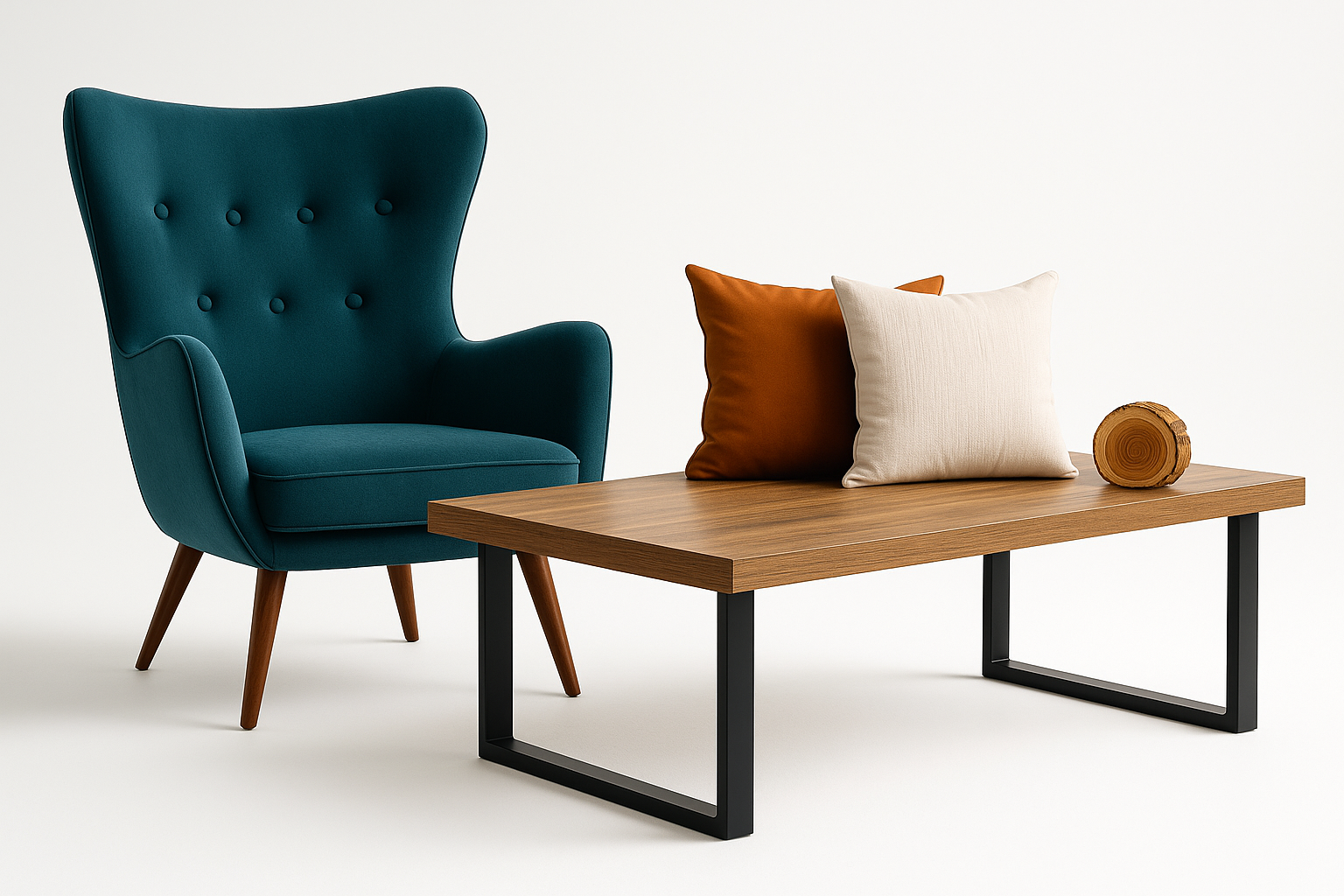
Every room has noise — visual, emotional, spatial. Designers talk about light and proportion, but rarely about silence. The silence between furniture pieces is what makes a space breathe. It’s what separates a showroom from a home.
Too many designers overfill rooms to prove intent. They forget that furniture doesn’t need to compete; it needs to rest. The best interiors have pauses — gaps that hold the same weight as the pieces themselves. Those gaps let people move, think, and recover. They also make the furniture look stronger, the materials sharper, the light more honest.
I learned this watching an empty gallery after an install. The benches were quiet, the air still. Nothing screamed for attention. You could sense the quality in the restraint. That’s when it hit me — design maturity is knowing when to stop.
Try this in your next project: remove one piece after you think you’re done. If the room breathes easier, you just found balance. The silence between objects is not emptiness. It’s intention.
For balance ideas rooted in material and proportion, see this breakdown of how materials carry visual weight. It explains why certain textures or densities create harmony even before color comes into play.
Materials and what they teach you
Every material has a character. Wood expands and softens with age. Metal demands precision. Fabric sets mood. Stone anchors. Glass releases.
Solid wood tells stories through wear. You see touch as patina. Engineered panels bring stability when cost and control matter more than romance. Steel and aluminum push form into lighter, sharper lines.
Once you learn what materials do, furniture becomes predictable. You can sense how a table will age or how a chair will creak before it happens. That’s experience, not guesswork.
Light and furniture
Light decides how furniture looks and lives. No piece survives bad lighting. Velvet goes flat under cold LEDs. Oak glows under warm daylight.
Think of light as the third element—after architecture and furniture. It binds them. Draw the lighting plan before you buy a single piece. Directional light can sculpt a chair. Soft diffused light can make rough materials gentle. Shadows reveal craftsmanship.
Building a room that feels real
Start empty. Ask what the room must do. Sleep, work, gather, cook, rest—each one needs its own layout logic.
Sketch the circulation before choosing a single chair. Place main pieces first: bed, sofa, table. Then layer seating, storage, and accent furniture until the flow feels right. Keep furniture slightly off the walls to let air move. Test everything at full scale with tape on the floor. Walk the paths. Turn, sit, reach. You’ll catch problems drawings miss.
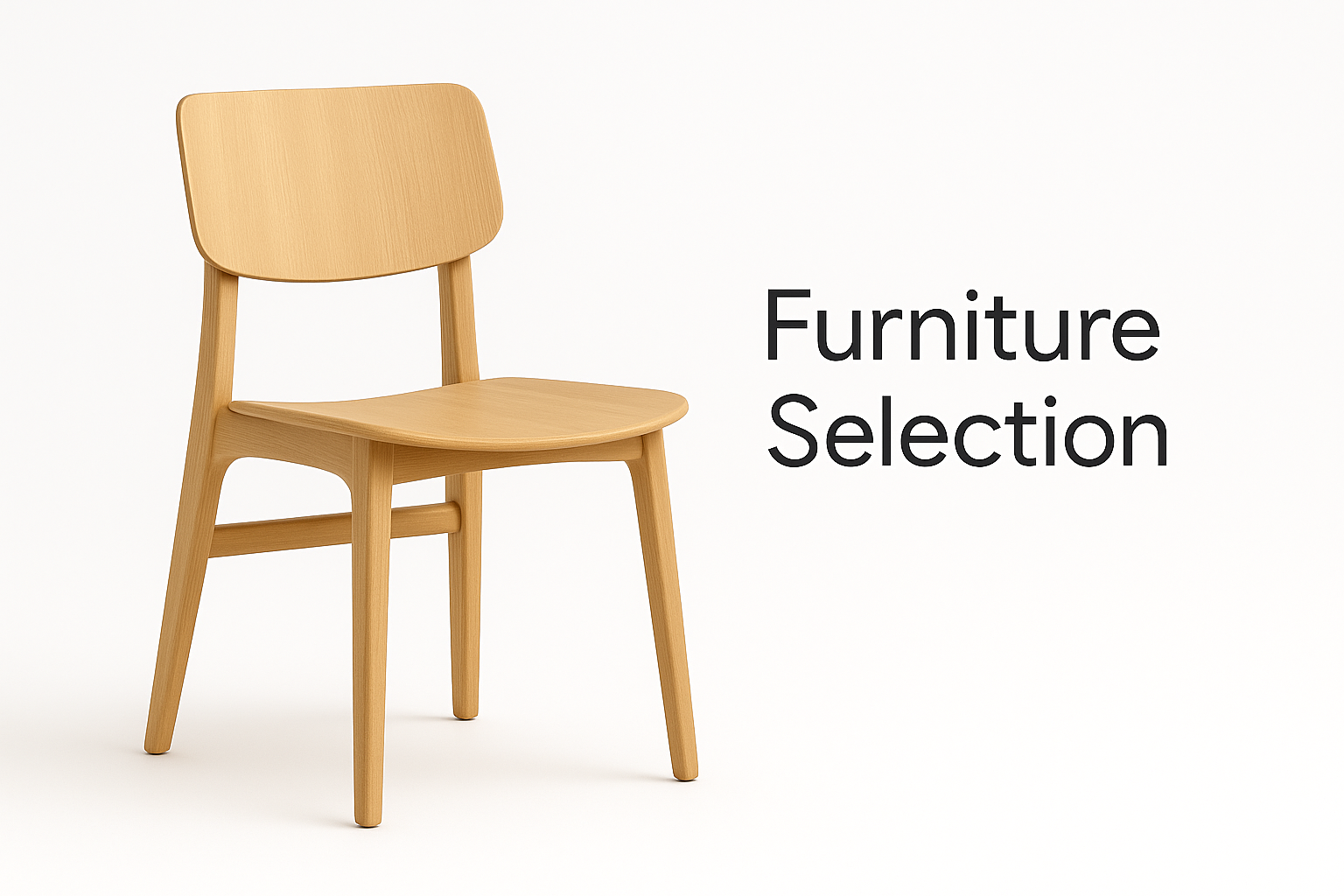
When you get to product choices, these fundamentals help: practical furniture selection basics.
The designer’s shortlist
- Comfort takes measurement. Seat height around 18 inches fits most bodies. For lounge seating, depth around 21–23 inches keeps posture relaxed without swallowing you.
- Avoid pieces that dictate the entire room. Oversized sectionals kill flexibility. Two smaller sofas or a sofa with lounge chairs usually age better with your life.
- Keep one wildcard. A handmade chair, a sculptural light, or a vintage table gives the room a spine.
- Let storage vanish. Wall-to-wall built-ins beat clutter. Shallow depth and consistent rhythm make them feel architectural, not bulky.
- Leave breathing space. Negative space is part of the design. If every wall is “used,” the room stops being generous.
Quality and longevity
A well-built chair can outlive its maker. Most cheap furniture fails at joints, not surfaces. If a table wobbles in the showroom, it will fail at home.
Look underneath. Check joinery. Avoid particleboard where screws carry load. Test drawers and hinges. Good hardware feels heavy, precise, and quiet.
To understand why some pieces feel timeless, read how timber performs in modern practice: where wood belongs in today’s architecture.
Designing for small spaces
Tight layouts expose mistakes fast. Choose lighter frames, open bases, and multi-use pieces. Modular shelves, nesting tables, and storage benches keep the plan flexible. Avoid tall, dark blocks that eat light. Use mirrors, glass, and wall-mounted elements to free the floor.
When space is tight, proportion is everything. Table widths down to 30 inches can still seat four comfortably if leg geometry is right. Shallow sofas or settees keep circulation clear without giving up comfort. Wall lamps replace bulky side tables and free up walking paths.
Sustainability and honesty
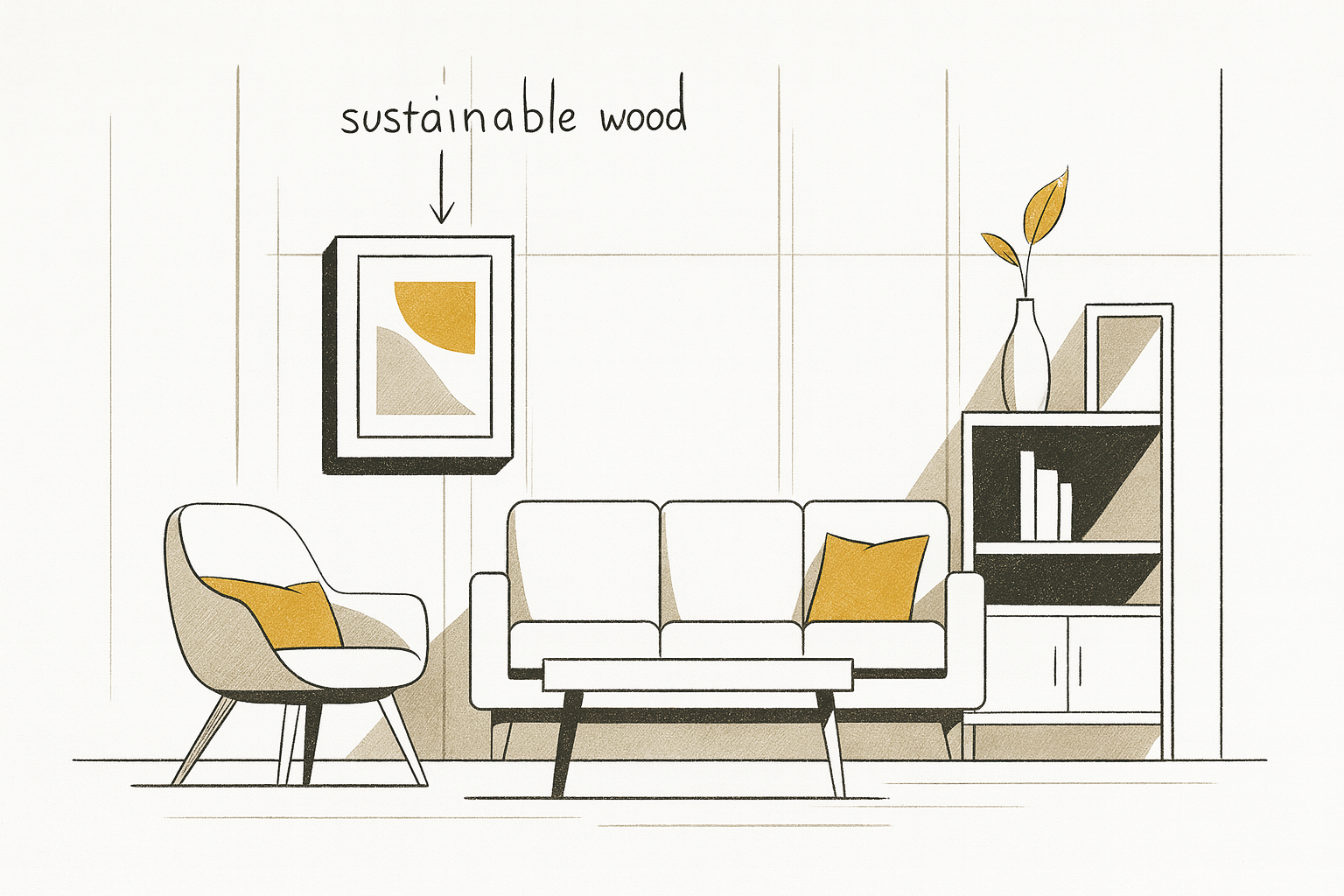
The best sustainable furniture isn’t marketed as green—it’s simply built to last. Reclaimed wood, certified lumber, local materials, and replaceable parts help, but longevity is the real win. The waste often isn’t in manufacturing—it’s in replacement cycles. Buy fewer, better things.
If a material can age well, it’s sustainable. If it breaks before it matures, it’s waste. A quick primer on choices that lower impact: sustainable wood basics.
Mistakes that teach you
I’ve bought chairs too early. I’ve drawn layouts before checking door swings. I’ve placed tables that looked right on plan but crushed the view in real life. Every designer earns these lessons. Scale becomes instinct only after you test it in a room with light, bodies, and time.
A rendering can be perfect. Reality is humbling. That’s the joy here: furniture teaches patience and honesty.
When furniture feels like architecture
The greats blurred the line. Mies’s Barcelona chair, Le Corbusier’s LC series, Aalto’s bentwood forms—architects treating furniture as structure. Same logic, smaller scale. Clarity of line, honesty of material, precision of proportion. That’s why those pieces still fit modern homes a century later.
Architecture holds space. Furniture holds people. Both are containers for life.
Teaching clients to see
Most people look at color first. You have to teach proportion and void. A beautiful couch that blocks a view ruins the room. Move pieces in front of them. Let them feel the flow change with every shift. That’s when design stops being abstract and starts being physical.
How to judge a room

Walk in and stop talking. Does it feel balanced? Is the furniture doing its job quietly? Are you drawn to sit or to leave? Good design feels calm even when it’s bold. It doesn’t beg for attention. It makes use natural.
Good furniture builds rhythm, sets tone, and anchors daily life. You should feel it before you see it: the chair that fits your body, the table that keeps a space honest, the small details that make a house feel intentional.
Designers know this better than anyone.
A wall can frame a view, but a chair decides how long someone stays.
When I started designing, I treated furniture as decoration. Years later, after watching clients actually live with their spaces, I understood that furniture isn’t an accessory. It’s the core structure of how a room works.
Why furniture design belongs in every studio
Every student should design and build a chair before graduating. It compresses structure, ergonomics, beauty, and honesty into one object. There’s no hiding behind concept boards. Either it holds, or it fails. The lesson transfers straight to buildings.
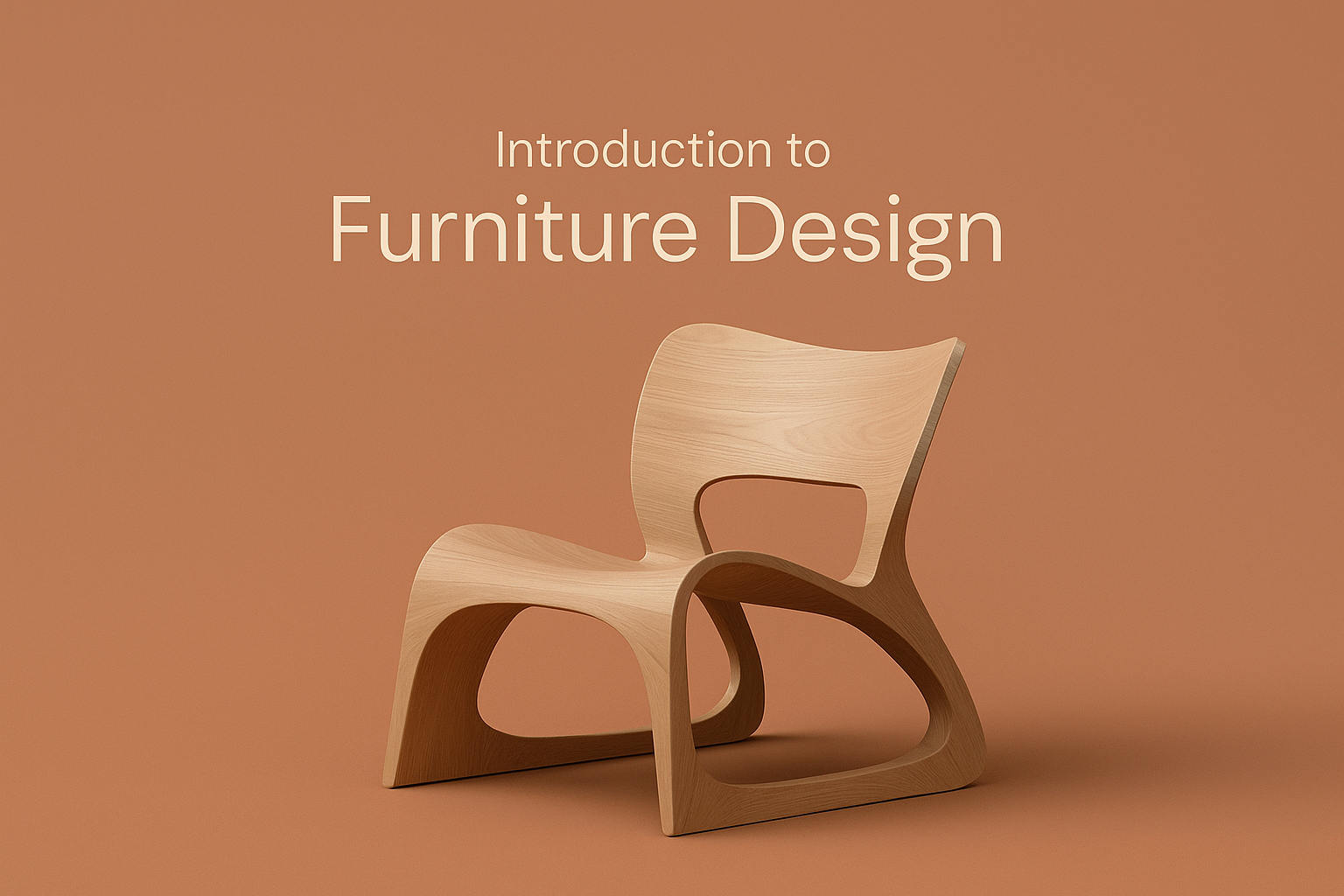
New to this track? Start with the basics in this introduction to furniture design.
The emotional side of furniture
Rooms aren’t remembered for walls or ceilings. They’re remembered for moments. The chair by the window. The dining table that held every celebration. That’s what furniture really does—it records life. You can’t fake that with matching sets. Real homes mix memory with design.
Final thought
Furniture is the bridge between architecture and living. It’s how design becomes human. Every line, joint, and surface exists to serve movement, rest, or connection. You can chase trends, but timeless rooms come from pieces that feel right in proportion, material, and use. Build slow. Choose well. Let furniture earn its place through years of daily life. That’s how good design lasts—quietly, honestly, without shouting.
FAQ
How can I tell if a piece of furniture is well made?
Flip it over. Look at joints, screws, and the underside. Real craftsmanship uses mortise-and-tenon or dovetail joints, not glue and staples. If drawers slide smoothly and weight feels even, it’s solid.
What matters more, comfort or design?
They’re the same. A beautiful chair that hurts to sit in is bad design. Comfort is part of aesthetics.
How do I make mismatched furniture look intentional?
Repeat one element—temperature of wood tone, a metal finish, or a fabric texture. A single thread of similarity holds variety together.
Do I need to match furniture to wall color?
No. Balance the contrast. Dark walls love lighter furniture and vice versa. Let the room breathe between tones.
How do designers plan small spaces?
They measure circulation first. Every inch is drawn. Then they pick pieces that pull double duty—storage benches, folding tables, stackable stools—and they keep floor area open with wall-mounted lighting.
Is it better to buy new or vintage?
Depends on condition. Vintage frames in solid wood or metal usually outlast new mass-market options. Refinish rather than replace when the bones are good.
How much lighting does furniture need?
Layer it. Task lighting for work, ambient light for balance, accent light for mood. Side lighting flatters texture better than overhead glare.
What is one rule that improves any room?
Leave space around furniture. Crowding kills design faster than bad taste.
Does sustainability just mean buying less?
It means buying fewer, better things. A table that lasts 30 years costs less than five replacements, and it saves material and energy.
Why do architects obsess over furniture?
Because it’s where people meet buildings. A chair is the smallest architecture you can sit on.