
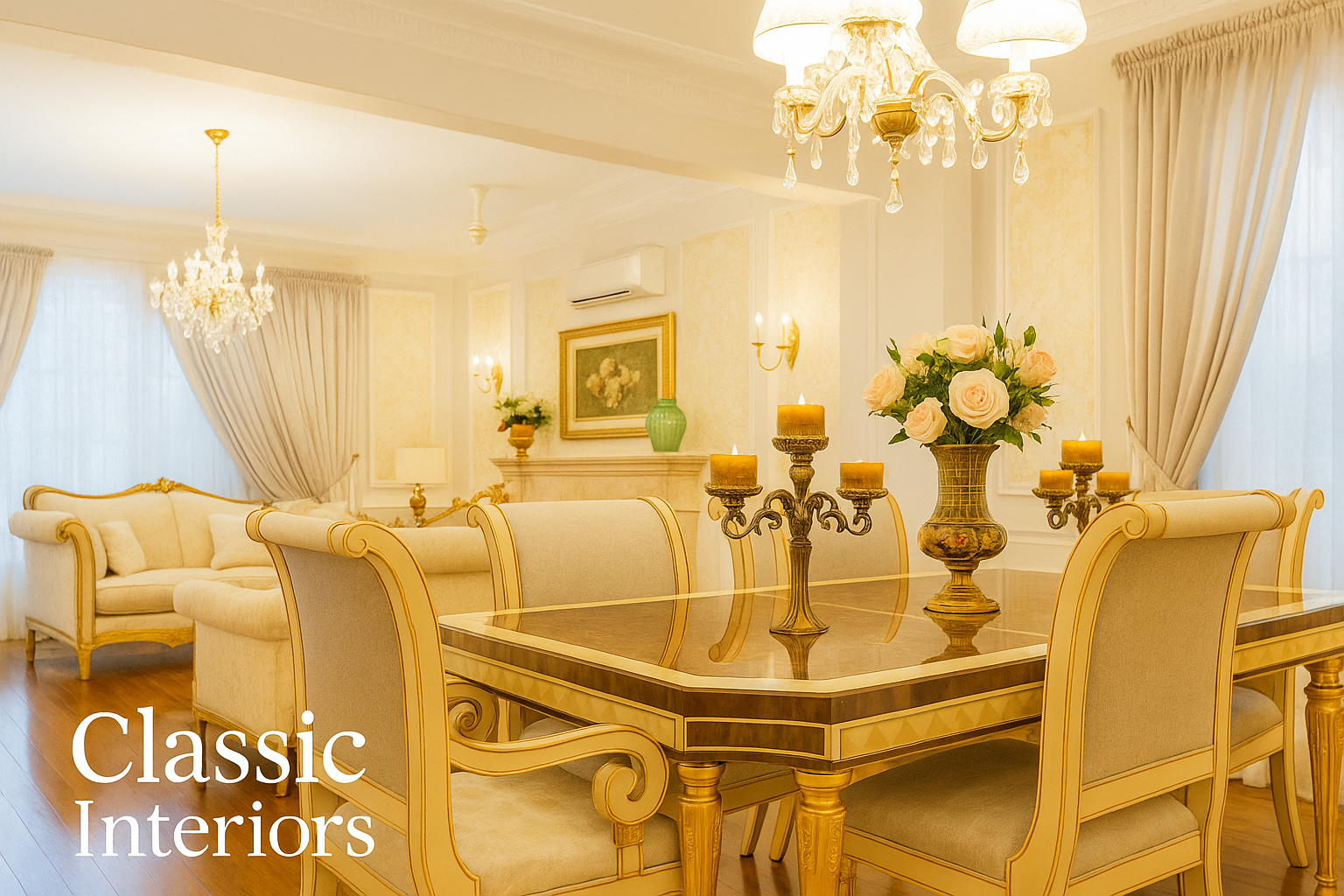
Traditional design is the backbone. When rooms feel calm and lived-in, it’s because the old rules, symmetry, proportion, and rhythm are doing quiet work in the background.
Learn those first, then bend them. That’s how you make spaces that feel inevitable, not staged.
Even the boldest modernists trained on the classics.
You don’t have to copy a palace to benefit from the logic: pair shapes, align to a center, scale trim to the room, and let one honest material lead.
If you need a refresher on the core styles, start with our overview of traditional design basics, or see how those rules adapt in a modern-traditional living room.
What “Traditional” Means Now
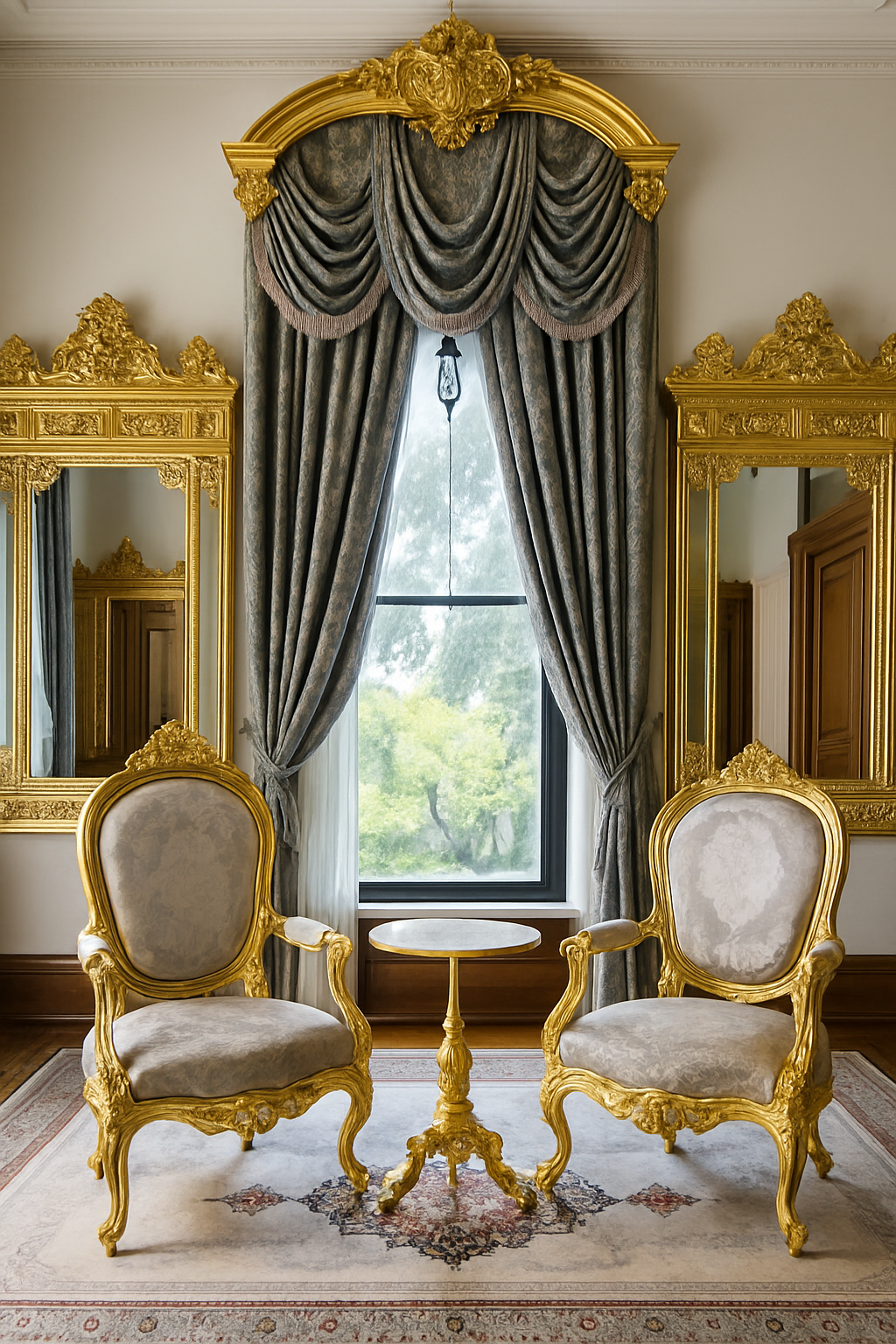
Traditional doesn’t mean fussy. It means the room has bones: a clear centerline, furniture with substance, and materials that age well.
When clients say “warm and classic,” they’re asking for proportion, not clutter. The finish can be American, English, French, Chinese, Persian, pick a dialect, but the core stays steady.
Historically, the thread runs from antiquity’s symmetry through Renaissance proportion into the domestic languages we still use.
If you want to see those foundations in one place, skim our primer on classical architecture and the quick timeline in classical history.
Field Rules That Travel Anywhere
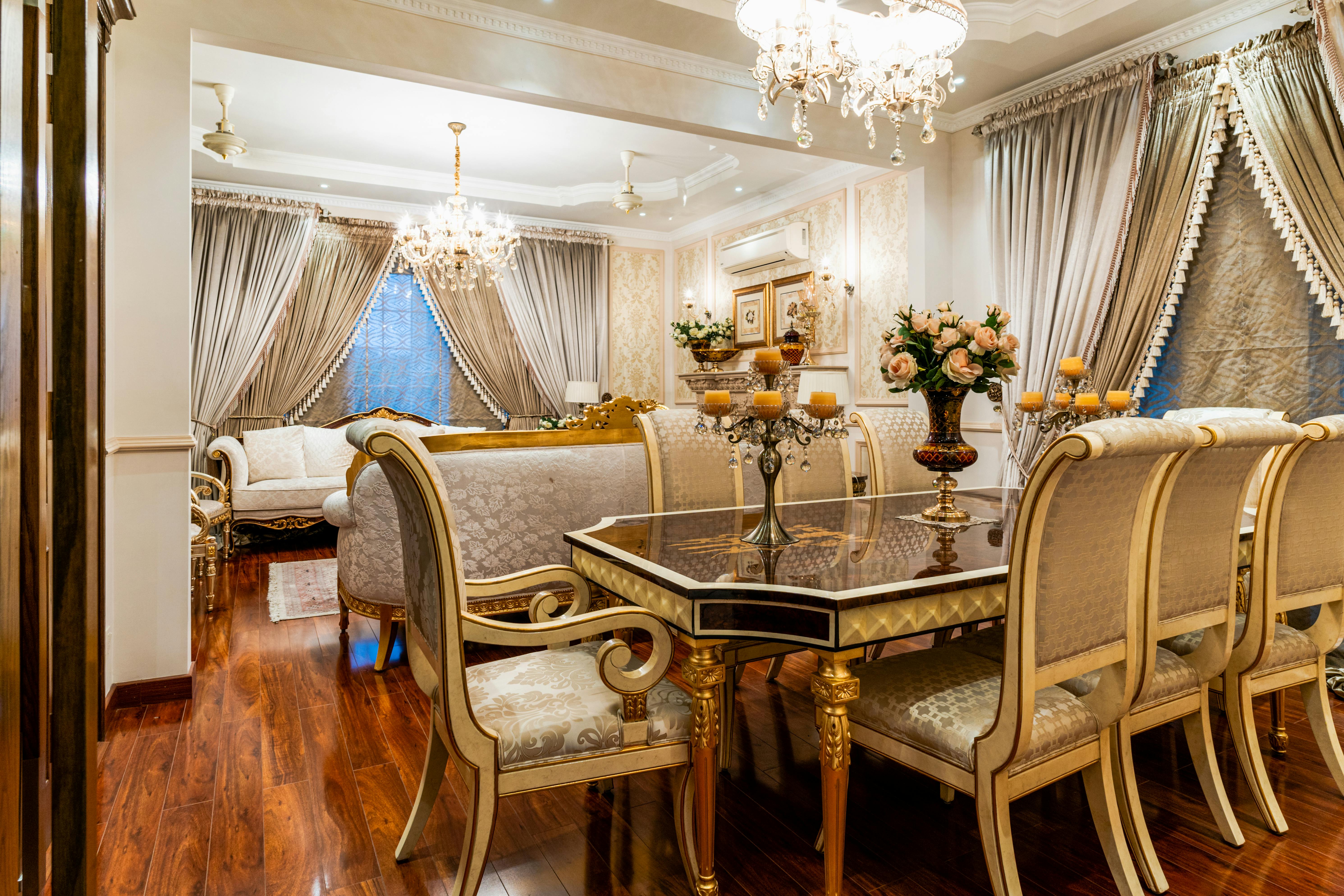
Symmetry and proportion
When the main pieces read as pairs, lamps, chairs, flanking art, the eye relaxes.
You don’t need perfect mirror imaging; you need visual weight that balances.
In practice: center the rug on the room’s true axis, align the main light to the rug, then group seating to that center. Photograph from the doorway, if the plan feels crooked, your axis is wrong.
Honest materials
Wood, stone, clay, brass, linen: surfaces that burnish, not peel. Let one material lead and make the rest supportive. Soapstone counters with painted cabinets. Oak floors with wool rugs. Brick hearth with limewashed walls. One hero, many quiet backups.
Trim as a metronome
Base, casing, crown—scaled to the ceiling so the shadows read clean. Short rooms want slimmer profiles pulled close to wall color; tall rooms can carry deeper sections. If you’re new to this, our notes on neoclassical elements will keep the ratios disciplined.
Regional Styles, Real Rooms
Below are the traditional “dialects” we use most. Don’t treat them like costumes. Use three or four cues, then let the architecture and your materials do the rest.
Traditional Interior Design and Its Cousins: From Bohemian to Japandi
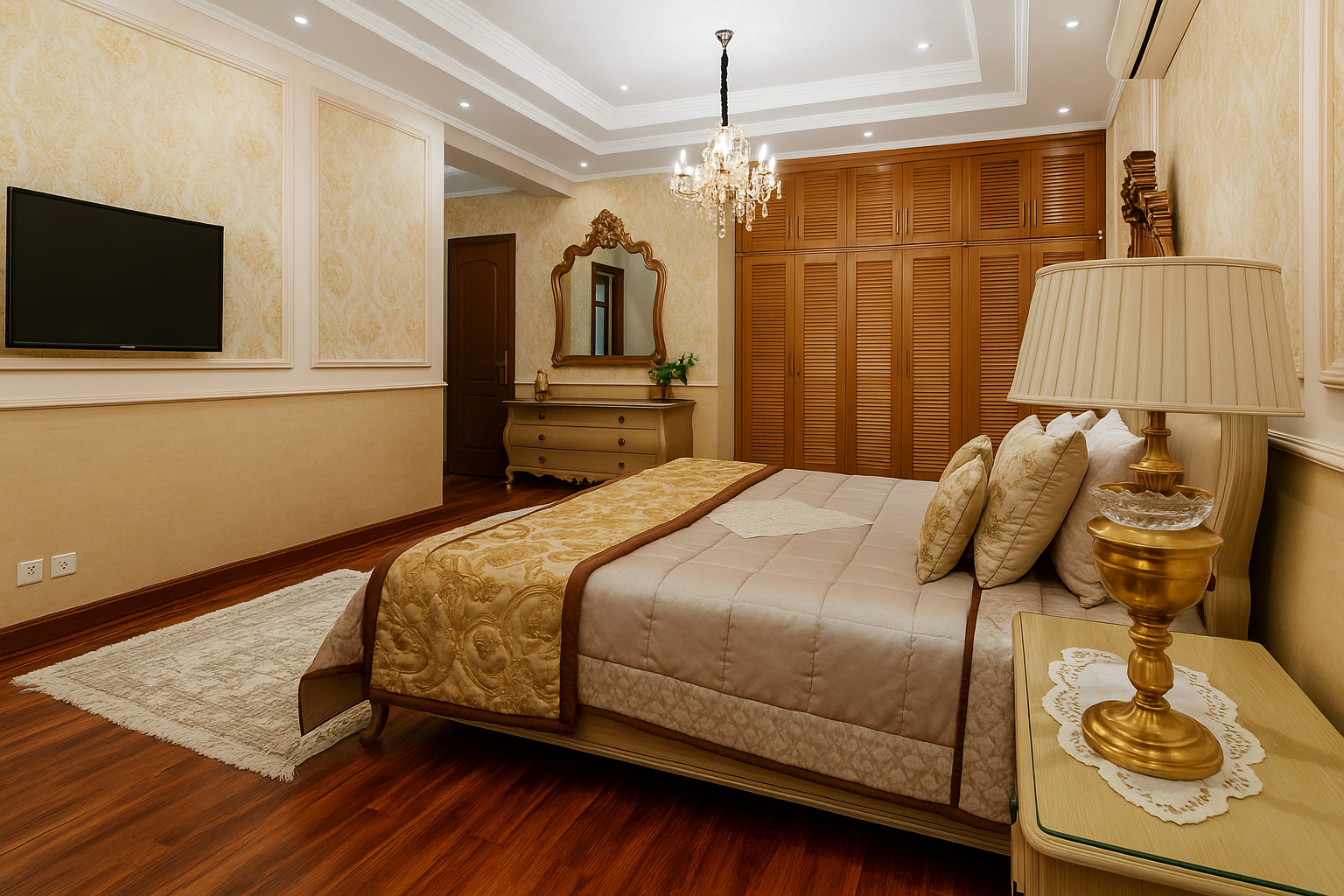
Every interior style you see today started with traditional design logic: balance, craft, scale, and light. Old rooms had it built in; modern ones bend the same grammar. Strip away trends and the good work still depends on proportion, material honesty, and how people live. This guide walks the major families that grew from that base, with field notes from real projects along the way.
Regional Styles, Real Rooms
Below are the traditional “dialects” we use most. Don’t treat them like costumes. Borrow three or four cues and let the architecture and materials do the rest. For a quick primer on house types and their bones, skim our traditional home styles guide and this traditional interiors overview.
American Traditional
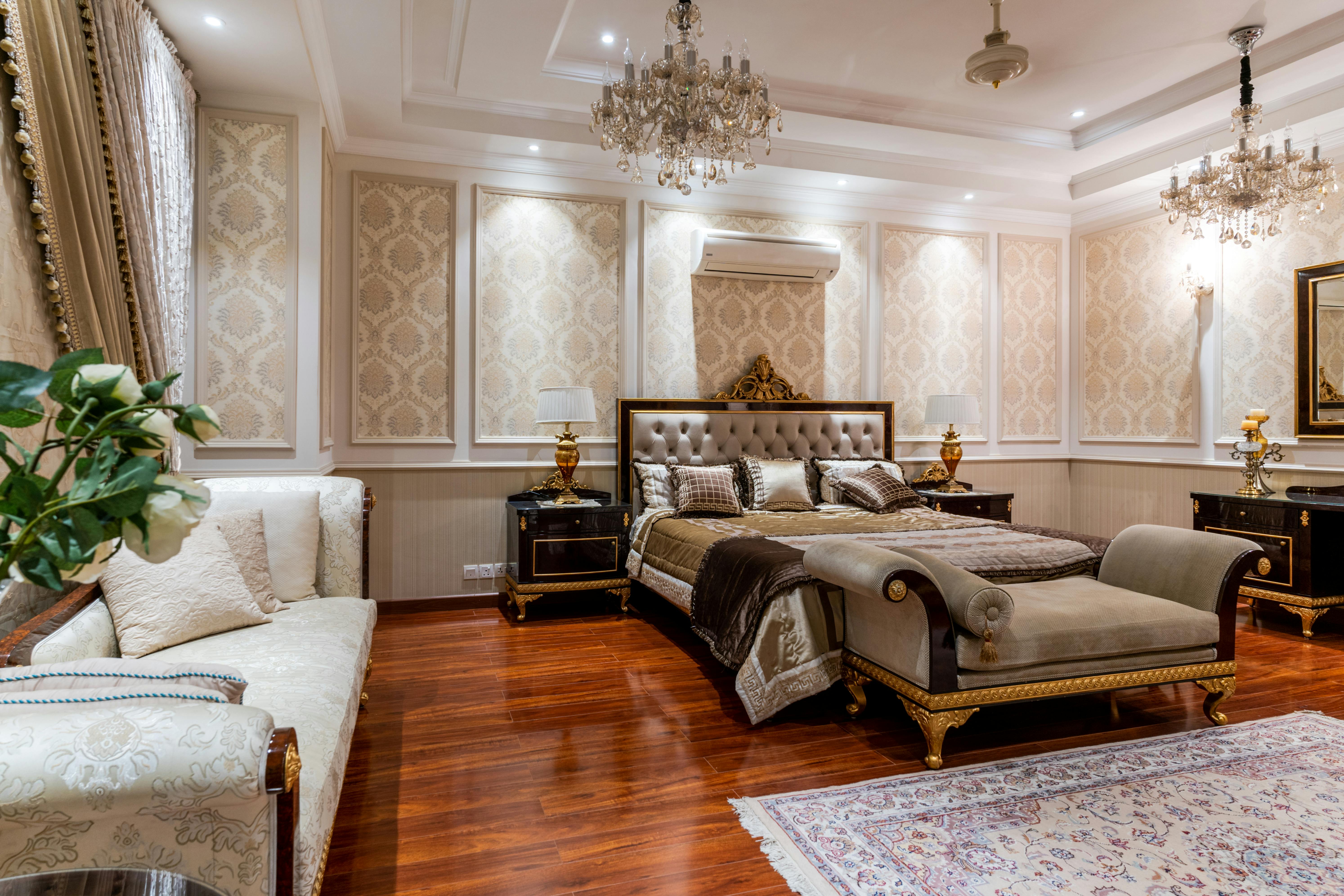
Think symmetry, honest wood, fireplaces that actually work, textiles that hold up. In a colonial living room we restored, we kept the paneled mantle and swapped heavy drapery for lined linen—same bones, lighter read. If you want layout do’s and don’ts, our modern–traditional living room guide shows the balance in practice.
English Country
Layered textiles, leather that shows its age, a Chesterfield that anchors the room. Books everywhere. Florals, checks, a little brass, and a dog that thinks the sofa is his. Keep the palette grounded—one strong rug and calmer walls—so it reads lived, not theme-y.
French (Provençal → Parisian)
From rustic limewash and stone to city gilt and mirrors. The mix that works now: pared-back wall color, an antique mirror, a simple chandelier, and one carved piece. Restraint wins—less ornament, better silhouette. For furniture vocabulary, see Neoclassical furniture in today’s rooms.
Italian (Tuscan → Veneto)
Warm plaster, terracotta, iron, stone fireplaces. Drop a modern sofa in that shell and it still reads classic because the envelope is doing the heavy lifting. Courtyards, shade, and floor cooling are the real lessons.
Spanish Colonial
Arches, stucco, wood beams, tile that handles heat and time. Let patterned terracotta floors do the talking; keep textiles plain. For proportion cues, compare with Mediterranean forms used smartly.
Islamic & Moorish Influences
Geometry, calligraphy, carved screens, zellige. Use one zone—a backsplash, an entry niche—and keep the rest quiet. The Alhambra remains the study in pattern rhythm; if you’re mapping motifs, our classical gardens in Chinese architecture offers a useful contrast in ordered complexity.
Greek & Roman Classical
Columns, proportional grids, marble, coffers. Translate lightly: fluted side tables, an entablature-profile crown, a stone hearth with modern seating around it. For the core rules, see Classical Architecture: history and influence.
Moroccan
Keyhole arches, brass lanterns, lattice, saturated rugs. Lead with pattern or color—not both at full volume—or it goes theatrical. Courtyards in Marrakech are masterclasses in glare control.
Persian
Rugs with memory, inlaid wood, jewel tones. One good Tabriz can set the whole ground-floor palette. Let the carpet’s field color inform walls; pick metals to match the rug’s warm or cool cast.
Japanese & Chinese Traditions
Japan reads as restraint: shoji, tatami, soft timber, low furniture. China reads as polish: lacquer, porcelain, carved hardwoods. Blend sparingly: quiet shell, one or two strong artifacts. For flow and scale, read our traditional Japanese house layout explainer.
The Historic Core
These are the bones of every serious interior language. They set the scale, trim, and layout that later movements borrowed—or argued with. If you want to design well, start here. They teach restraint, balance, and why rooms that have stood for centuries still feel calm today.
Traditional Interior Design
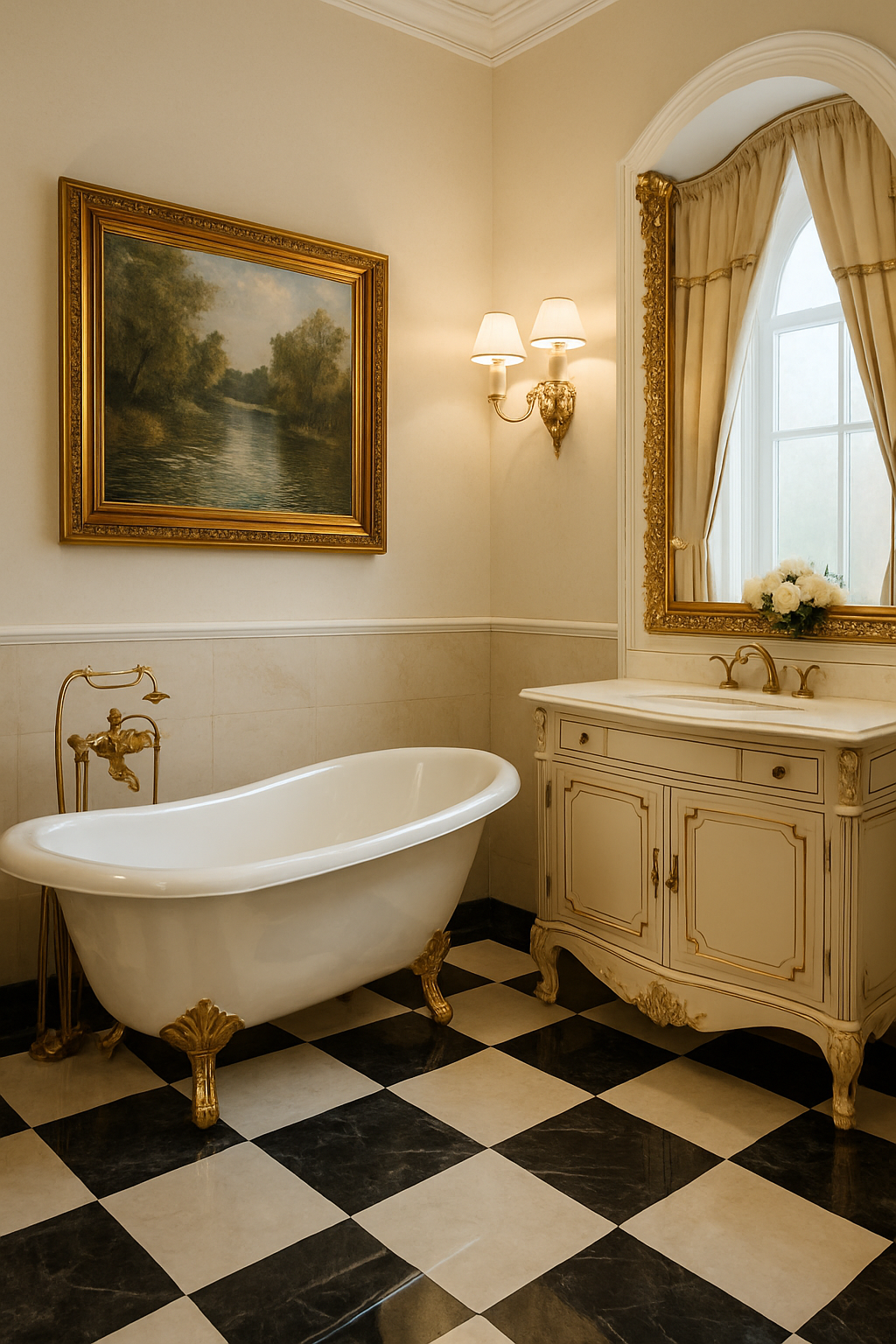
Rooms that respect architecture: balanced plans, warm neutrals, materials that show time. I’ve refreshed old farmhouses where new furniture still behaved because the proportions were right. To connect the dots between shell and furniture, start with our plain-English architecture intro.
American Colonial
Simple geometry, central chimneys, paneled walls, heavy doors—built for climate, not show. Walk the Governor’s Palace in Williamsburg and note how the plan fits modern life. Lesson learned on site: don’t force symmetry—find it inside the function.
Victorian
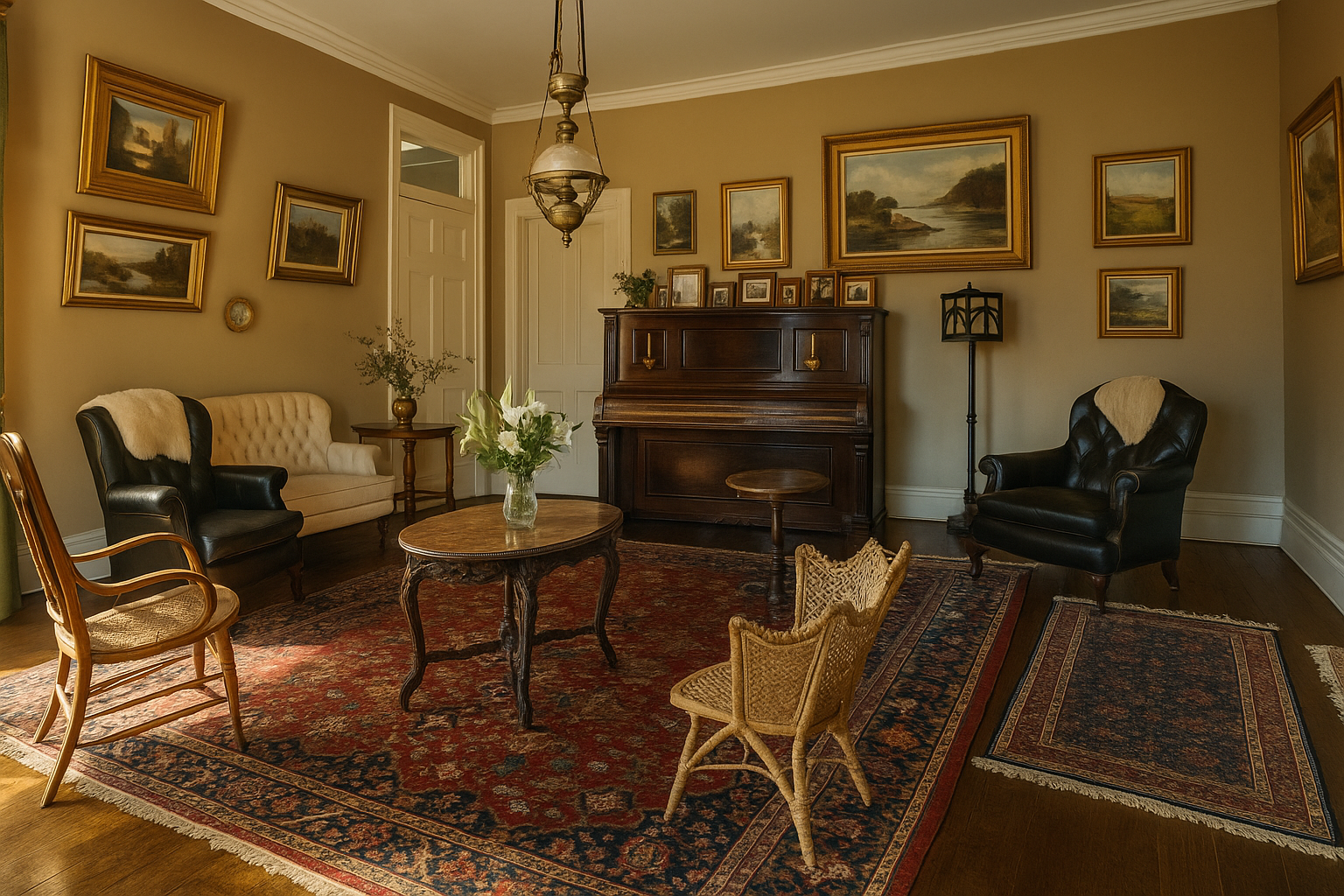
Tall ceilings, layered trim, brave color, ornate hardware. The Carson Mansion in Eureka proves how shadow and depth warm even tight rooms. Edit palette, keep the play of light and detail.
Classic Style
Order and hierarchy: columns, moldings, balanced openings. Know where to stop; too much trim reads fake. The Boston Public Library shows how to hold visual weight with restraint. For reference, our Classical Architecture history traces the through-line.
French Country
Rough plaster, stone floors, linen, lived texture. A farmhouse outside Provence taught me tone harmony beats any paint chart—pigments pulled from local soil always sit right.
Mediterranean Revival
Stucco, iron, tile roofs, arcs of shade. The Biltmore Hotel in Coral Gables remains a clear lesson in proportion and heat management. Courtyards do the real comfort work.
The Artistic Shifts
By the early twentieth century, designers reacted to ornament—but the best kept tradition’s backbone: order, materials, human scale.
Art Deco

Geometry, chrome, optimism. The Chrysler Building’s lobby is proportioned glamour. Rule of thumb: the lines only sing with true materials—marble, brass, glass—not plastic look-alikes. If you’re bridging eras, our traditional to modern forms piece shows the edits that work.
Bohemian
Free layering and travel stories—but edited. Real wood, handmade textiles, honest wear, and one calm anchor to steady the mix. Comfort first, composition second.
Hollywood Glam
Velvet, lacquer, symmetry, spotlighting. See Dorothy Draper’s Greenbrier interiors: confidence turned spatial. Glam fails when everything shines; one matte surface lets the highlights read.
Mid-Century Modern

Wood, glass, flat planes, no pretending. The Eames House is the lesson: nothing fake, nothing for show. Mid-century seating can “clean up” heavy traditional rooms without breaking them. For a measured blend, see types of traditional interiors and where to splice in modern pieces.
The Livable Moderns
Postwar comfort: simpler forms, real materials, warmth. These are what many clients now call “classic” without realizing how recent they are.
Farmhouse
Exposed beams, plank floors, light that moves. True farmhouse isn’t décor; it’s usability. Shaker Village at Pleasant Hill is the gold standard. Function-driven design ages best. See how that translates in our living room layout fixes.
Rustic
Raw stone, reclaimed wood, texture over perfection. Around Lake Tahoe and Muskoka, the best rooms pair one refined surface against rough so your eye can rest. Rustic done right slows your breathing.
Coastal
Open flow, breathable fabrics, controlled glare. A Cape Cod cottage taught me to restrain blue—let sand tones and weathered oak carry the calm. For broader context, compare with housing concepts from traditional to minimalist.
Scandinavian
Neutral palettes, natural light, honest joinery. Every mistake shows, so detailing matters. Stockholm apartments are the classroom; warmth comes from restraint, not stuff.
Minimalism
Bare form, perfect proportion, hidden storage. It’s not emptiness—it’s discipline. Build silence into the room, not just space. If you’re mapping the leap from tradition, our design elements primer helps keep scale intact.
Transitional
Traditional bones with modern comfort. Structured trim, softer furniture, quiet art. I use it often in heritage shells with new plans. It proves history can flex without breaking.
The Global Hybrids
Travel, access, and cultural overlap sharpened these fusions. Harder to do well, but rewarding when they land.
Japandi
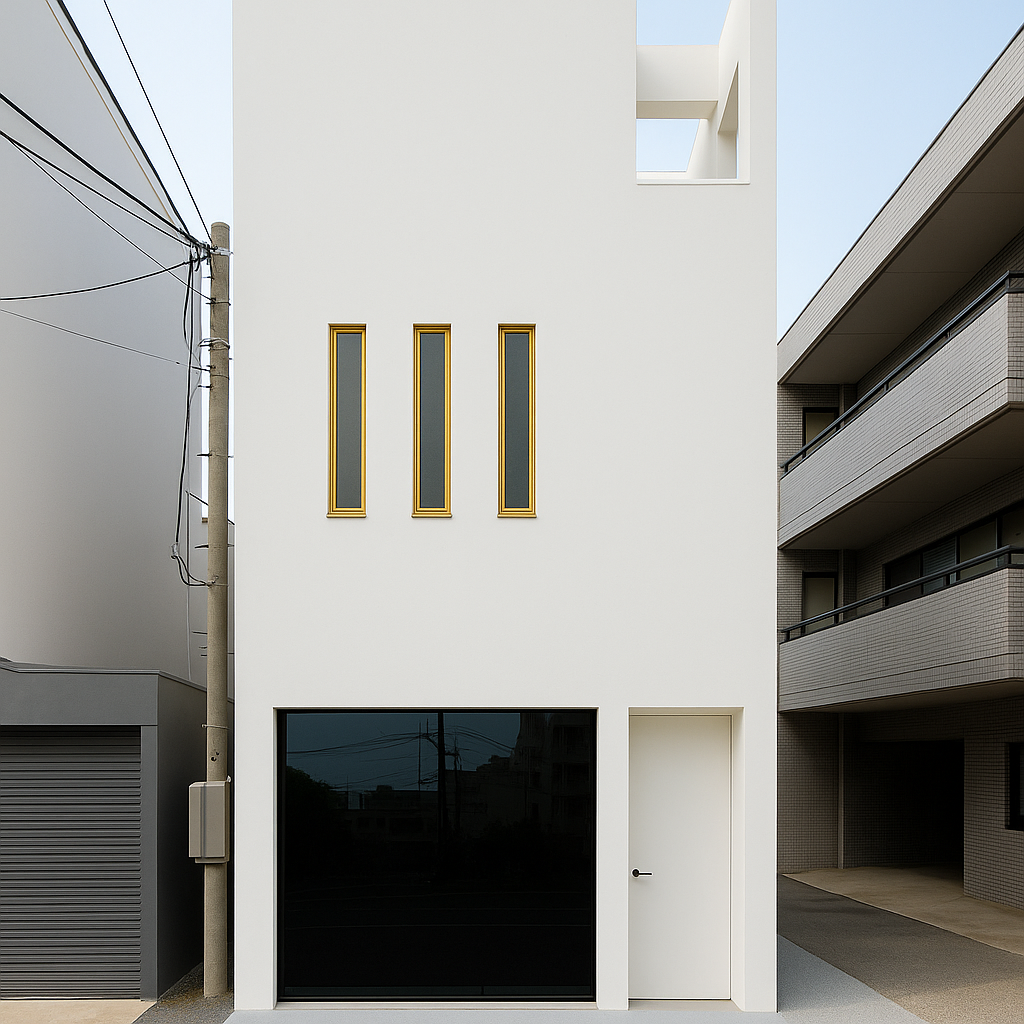
Japanese simplicity with Scandinavian warmth: light woods, soft whites, no clutter. The best examples aren’t staged—they’re Tokyo apartments and Copenhagen studios. Absence of noise creates calm faster than color ever could.
Eclectic
Collected, not chaotic. A brownstone with Persian rugs, industrial lamps, and clean art reads perfect if scaled and color-tempered. Discipline, not a free-for-all.
Maximalism
Pattern on pattern, bold art, saturated walls—framed by structure. Kit Kemp’s Firmdale Hotels prove symmetry and repetition keep abundance readable.
Industrial
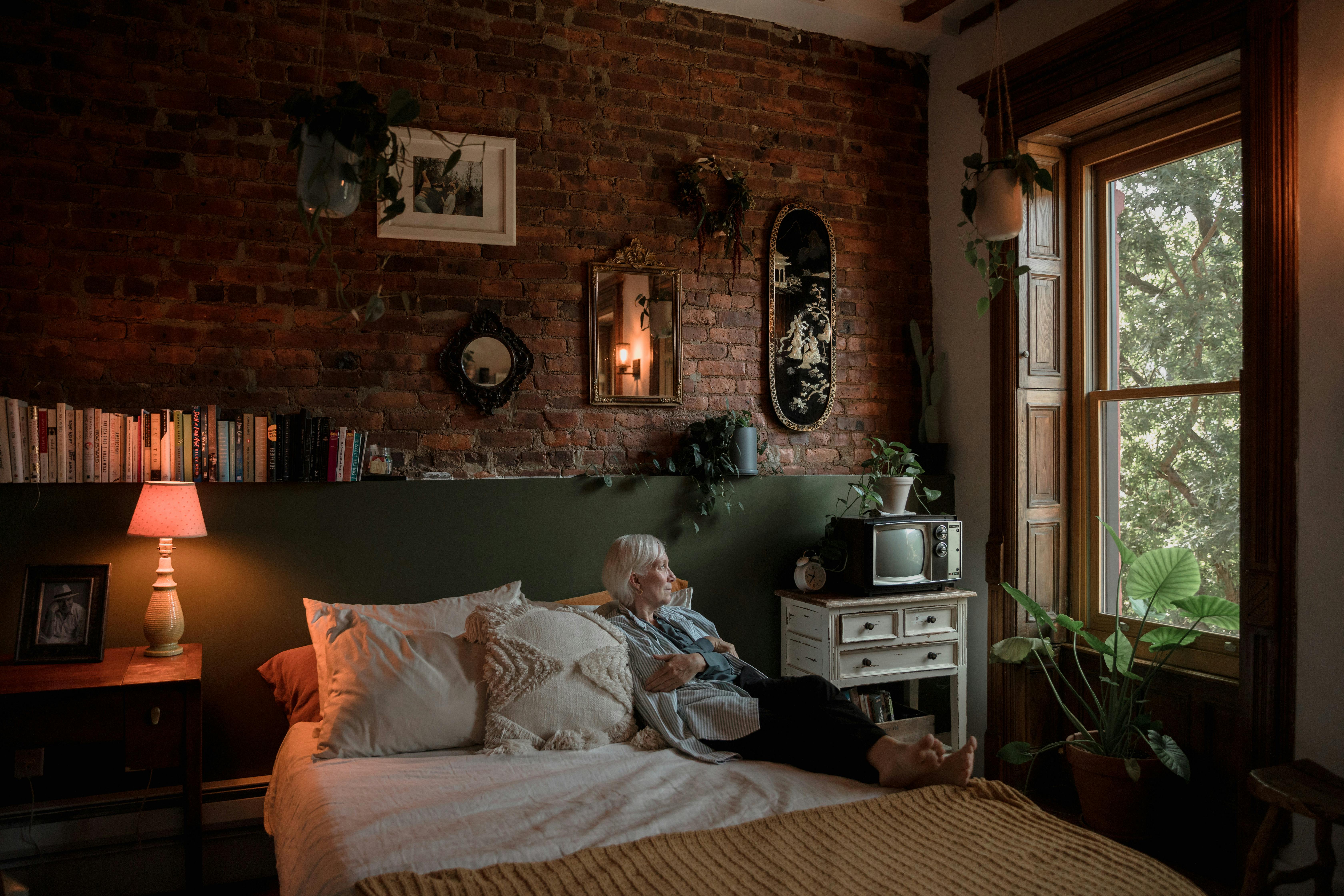
Concrete, steel, brick, open spans. You can’t fake patina: real steel, real brick, or skip it. The High Line district shows how industrial bones soften with age.
Contemporary
Now—whatever solves today’s needs. The best borrow restraint from minimalism, comfort from tradition, warmth from Scandinavia. Watch how top houses in LA or Vancouver balance glass and privacy. The target moves; proportion doesn’t.
Why All of These Matter
Opposite as they seem, every style here starts with the same field truth: build for people, not pictures. Work with scale, rhythm, and use. Let materials carry their story. Learn the logic inside each tradition and you can move between them easily. The skill isn’t copying a look: it’s controlling proportion. That’s what clients feel even when they can’t name it.
MUST READ
Interior Design Masterclass — Carl Dellatore
Short essays from leading designers explaining real design logic and proportion. See the book
Room-by-Room: How We Actually Build It
Living room

We start with the axis (fireplace or window wall), size the rug to pull the seating in, and create pairs the eye can count quickly. Two lamps that agree on height. Two chairs that converse. Then one single anchor—maybe a stone hearth or a vintage chest. If you need a simple playbook, this balanced living room sequence shows the order of operations without fluff.
Kitchen
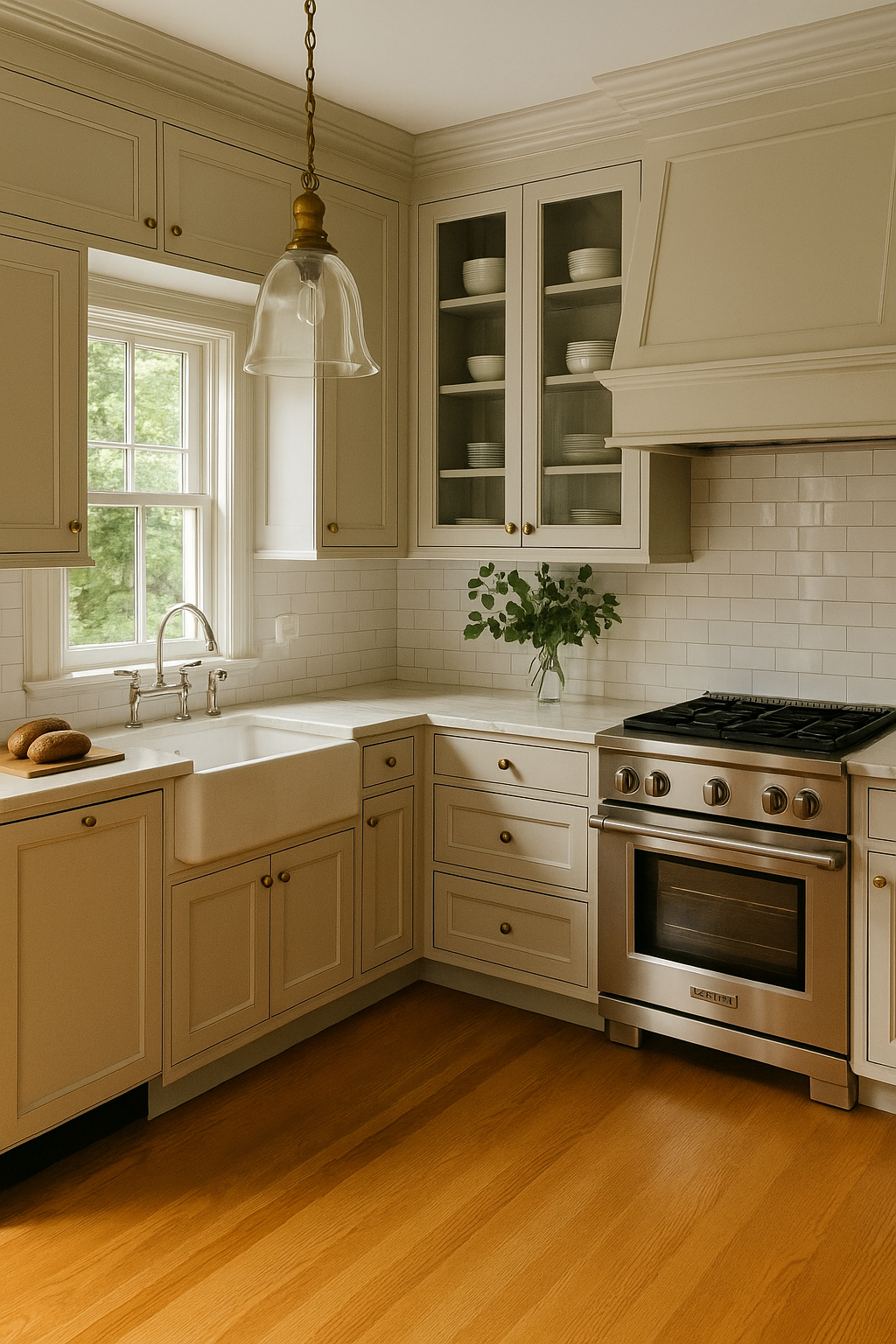
Let one material lead. Soapstone with painted cabinets. Or oak with honed marble. Brass can patinate; stainless stays quiet. A single open shelf for ceramics beats a wall of display.
Bedroom
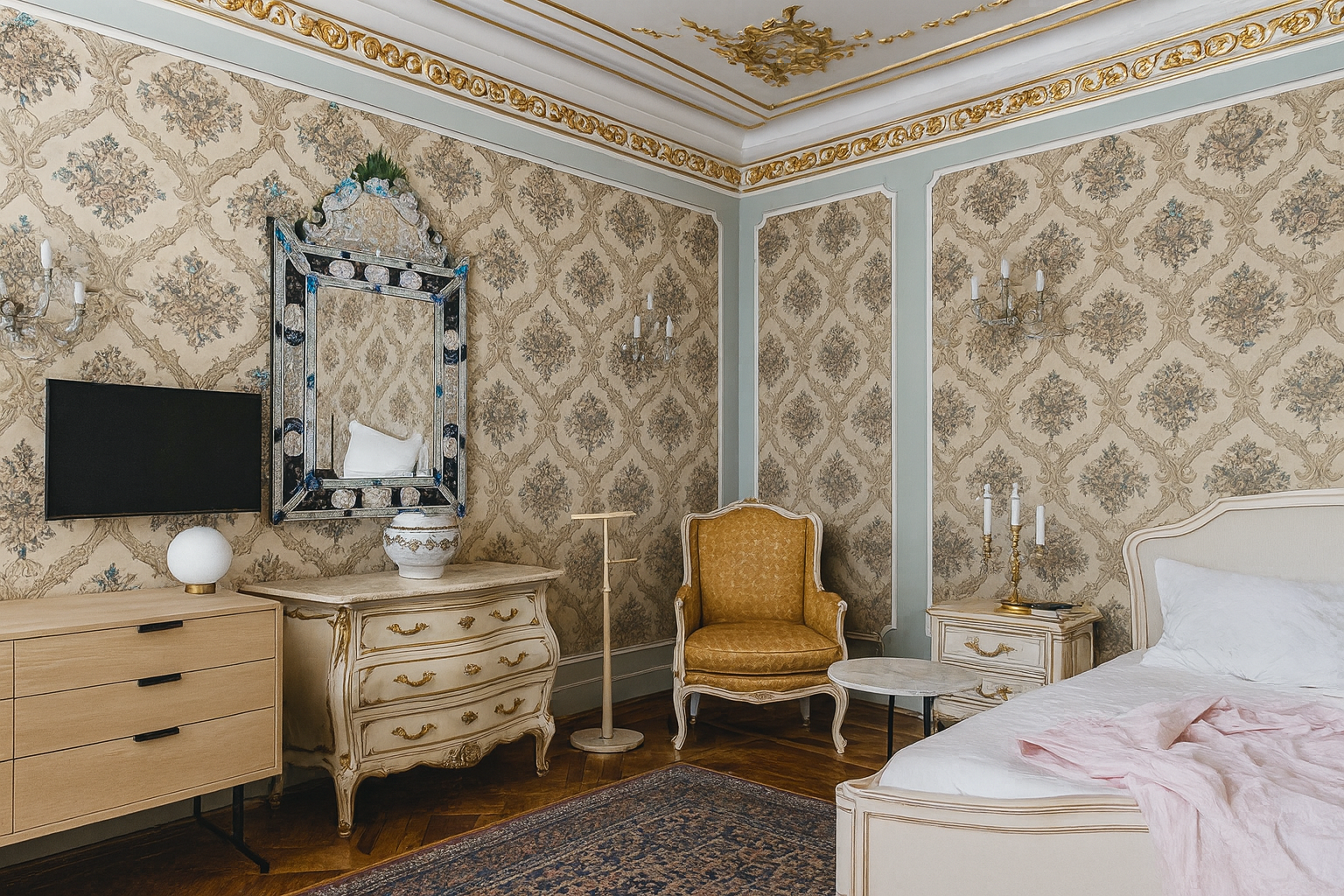
Calm palette, soft symmetry (matching lamps, not matching everything), and one textile with story. Four-poster if the ceiling can carry it; upholstered headboard if not. Window treatments that filter, not fight.
Dining
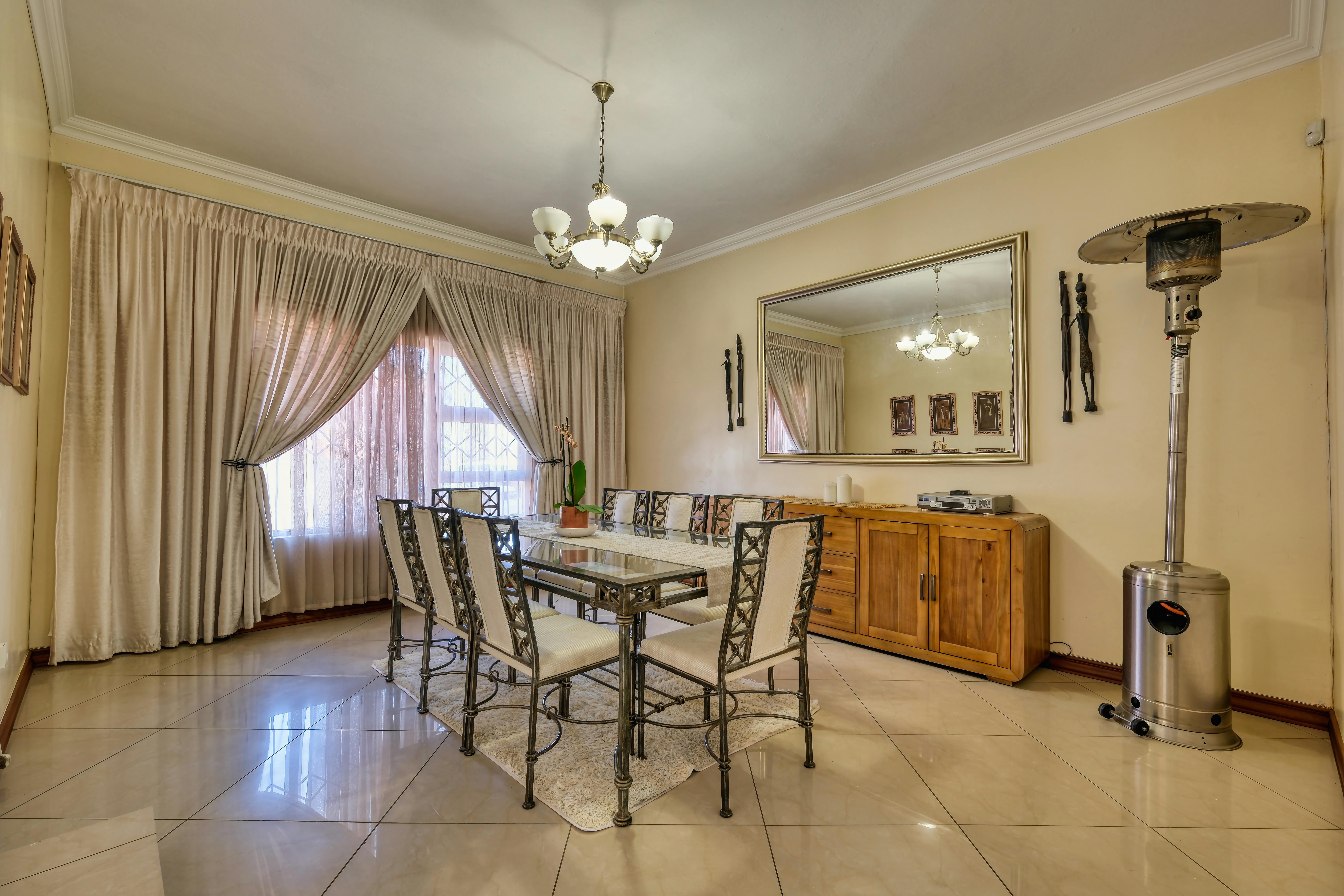
A solid table, comfortable chairs, and light that flatters faces. We hang chandeliers lower than clients expect—eye level when seated. Wainscot and a quiet wallpaper do more than art-clutter ever will.
Outdoors
Stone underfoot, iron or teak you don’t baby, shade you can adjust. Let vines and time do some work. A fountain changes the whole mood line for pennies compared to paving.
Field note: When a room feels “crowded,” it’s usually a rug that’s too small, not too much furniture. Get the front legs of the big pieces on the rug and everything settles.
The Features That Do the Heavy Lifting
Furniture
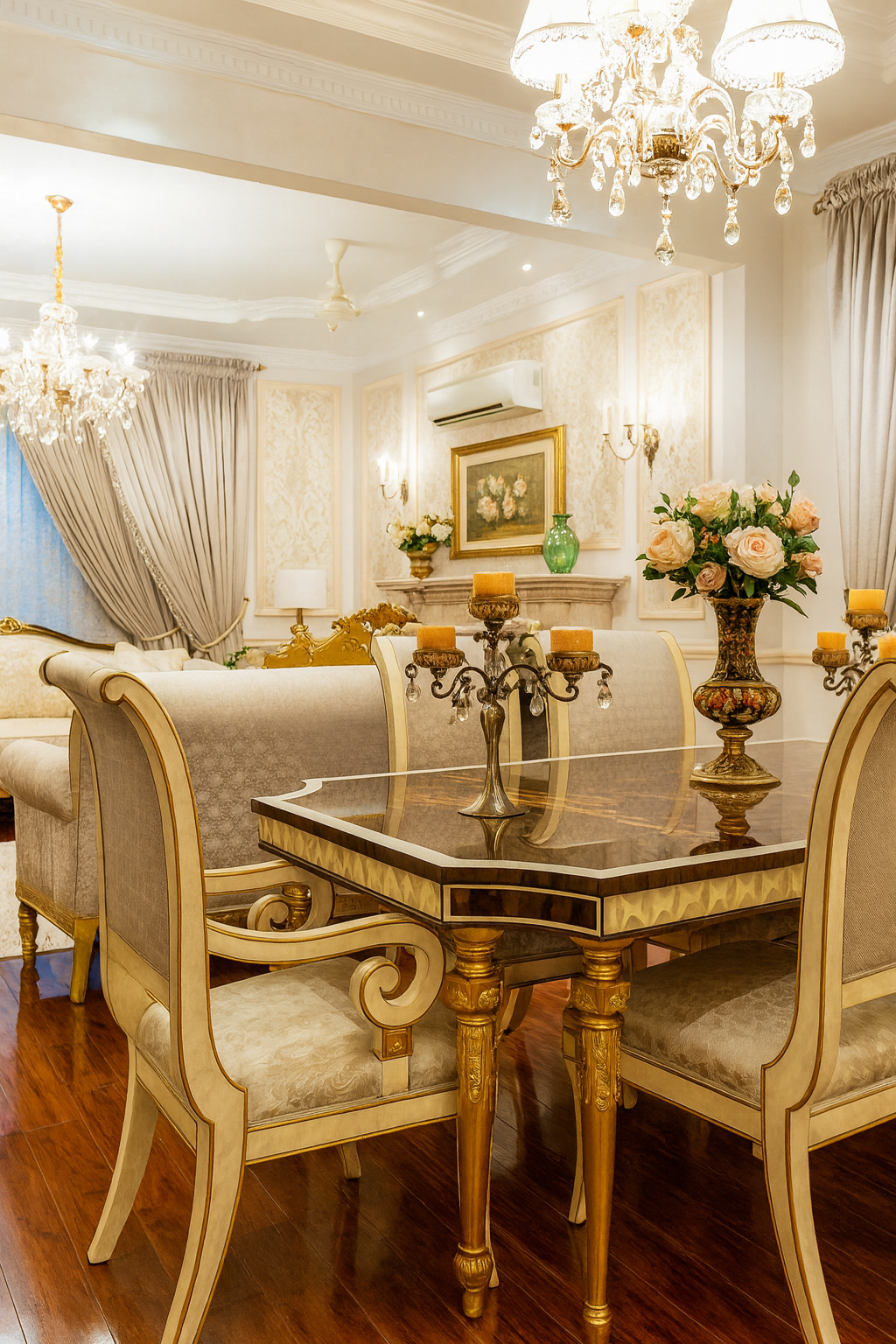
Pick fewer, better pieces with real joinery. Curved lines, turned legs, tufting—use them like spices. We’ve modernized heirloom sets by reupholstering in a tighter weave and cutting the gloss on the wood. The silhouette survives; the shine calms down.
Textiles
Wool rugs for durability, linen for breathability, velvet where you want depth. Layer, but edit. One pattern can lead; the rest should harmonize by scale or color. If you’re new to rhythm and proportion, the diagrams in our design-elements primer make the math usable.
Color
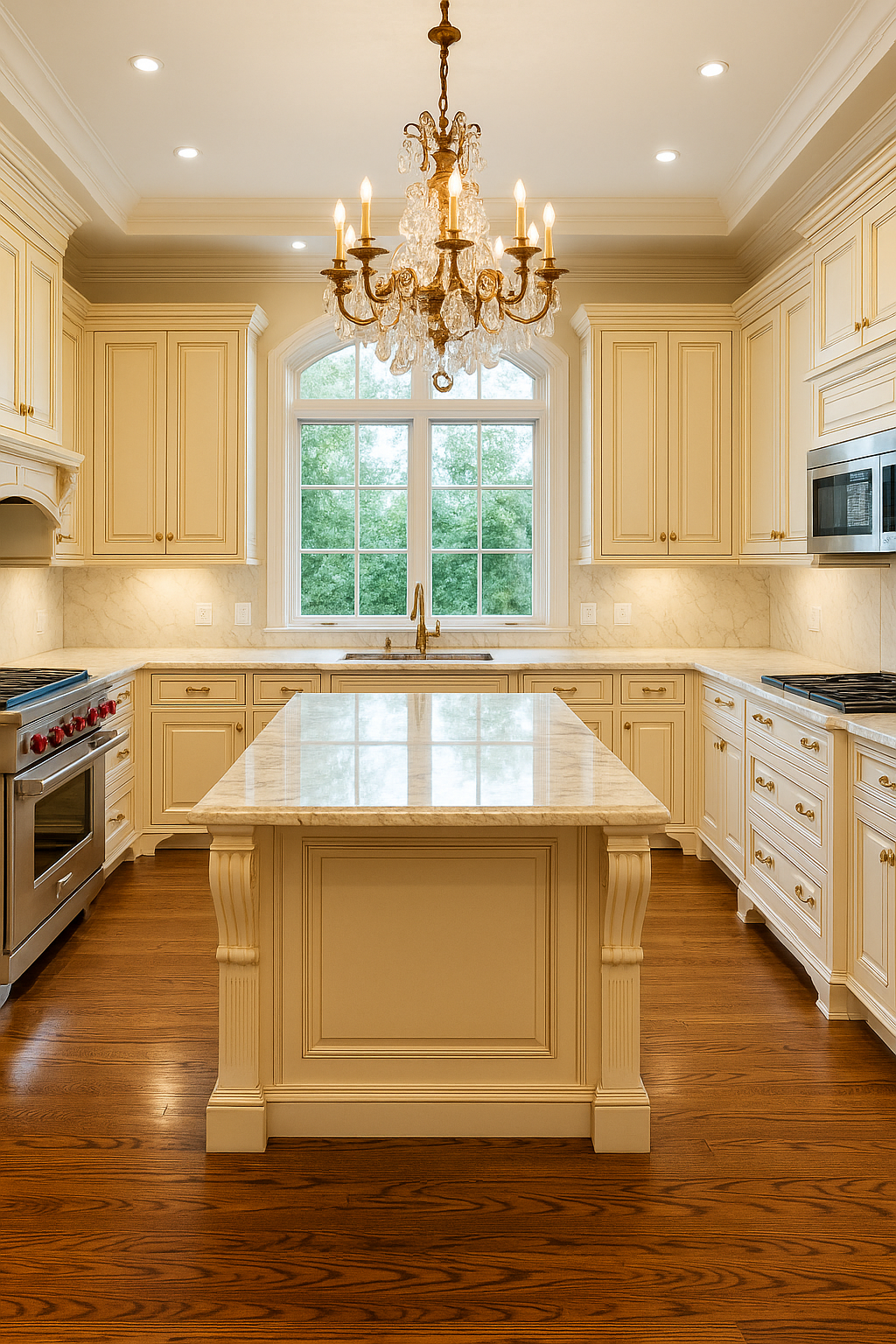
Earth tones carry tradition well; jewel accents (sapphire, emerald, garnet) add posture. We keep the envelope quieter—plastery whites, putty, straw—and let textiles do color. Always test under both daylight and evening lamps.
Lighting
Use the triangle: ceiling, task, and a lamp across the room. Warm bulbs only. Dim everything. Ceiling-only lighting flattens even the best millwork.
Architecture
Scale your trim to ceiling height so shadows read right. Use built-ins to solve storage before you shop furniture. If you want a quick reality check on neoclassical details people often misuse, this piece on what most get wrong is a good audit.
MUST READ
The Interior Design Handbook — Frida Ramstedt
Clear drawings for scale and proportion (useful when sizing trim and rugs). See the book
FIELD PICK
Loloi II Layla Printed Rug
Low pile slides under doors; vintage read without the maintenance. Check price
RECOMMENDED TOOL
Bosch GLM 20 Laser Measure
One-button sizing prevents returns and layout mistakes. Grab the tool
Blending Tradition with Today (Without Losing the Plot)
Open plans and old rules can coexist. We recently opened a brownstone’s parlor by removing a non-structural partition, kept the original casing profiles, and used a single Persian rug to anchor the main zone. Modern sofa, vintage chest, two clean lamps—done. If you’re mapping a whole house, park this overview on traditional style types next to our fresh-traditional decor ideas and you’ll avoid most detours.
Eco note: Tradition is quietly sustainable—buy fewer, better, and repair. Salvaged doors, lime plasters, wool textiles, LED lamps under classic shades. If you need provenance or construction detail while hunting antiques, the V&A’s furniture collection is a reliable reference point (official archive).
Final Field Notes
After twenty years walking through houses from Ottawa to Charleston, one truth stands: the old rules work because they were built for living, not performance. Scale, light, material. That’s it. You can dress it Bohemian or polish it Art Deco, but those three never change. The rest is preference. Good rooms feel inevitable, not forced. That’s the mark of design done right.
FAQ
What’s the easiest way to make a room feel traditional without going heavy?
Anchor it with one substantial piece like a real-wood table or a leather chair. Add pairs of lamps or chairs and keep the walls calm. The heavy feeling comes from clutter, not classic shapes.
Can I mix two or three regional styles in one home?
Yes, but choose a leader and a supporting act. For example, English textiles over an American architectural shell. Keep material and color consistent so it reads as collected, not chaotic.
How do I modernize an inherited dining set?
Change fabric, lower the sheen, and adjust scale. Reupholster with a tighter weave, hand-rub the finish, and pair with a simpler chandelier. It keeps its dignity without reading dated.
What rug size fixes floating furniture fastest?
In most living rooms, 8×10 is the starting point and 9×12 reads best. Make sure front legs of sofas and chairs land on the rug. If door swings interfere, choose a low-pile profile.
Is warm light mandatory for traditional interiors?
Yes. Bulbs in the 2700K–3000K range keep wood, brass, and fabrics rich. Cooler light flattens millwork and kills texture.
Where can I study authentic details without falling into museum trivia?
The Met’s Heilbrunn essays are short and practical for designers. For Islamic and Moorish geometry, Archnet’s archives are visual and deeply documented. Both train your eye for proportion.
What’s the main difference between traditional and modern interiors?
Traditional design follows architectural order. Modern design reduces that order to essentials. The best modern rooms still rely on traditional proportion, just simplified.
Which style ages best in daily use?
Farmhouse and Scandinavian. Both forgive wear, use natural materials, and stay calm over time. Painted gloss finishes rarely age as well under real life.
How do I pick the right style for my house?
Start with what the architecture gives you. Ceiling height, window rhythm, and trim scale tell you what fits. See our traditional home styles guide for reference.
Is minimalism practical for families?
Only if storage comes first. Minimal rooms fail when there’s nowhere to hide clutter. Plan built-ins before furniture and the calm will hold.
Which cities show the widest range of real interiors to study?
New York, Chicago, London, Copenhagen, and Kyoto. Each shows how tradition adapts to density and light. Seeing them in person will teach you more than any photo feed.
Related reading
To keep the learning loop tight, pair this guide with two short pieces: a fast walk-through of field-tested American tips and a broader look at housing concepts from traditional to minimalist.