

Barrel Vaults, Towers, Heavy Walls, Rounded Arches, and Mason Skills
Romanesque was about mass. From the 10th to the 12th century, builders in Europe turned to stone for keeps, bridges, halls, and fortifications. Walls ran feet thick. Windows shrank to slits. Arches were round and plain. Seen from outside, most buildings looked like fortresses, and that was the goal.
Romanesque Architecture: Stone, Weight, and Function
Step inside and the feeling is the same. The air is dim, the walls press in, and the structure feels defensive. Decoration came second. The priority was control of weight and strength.
This era mattered because it brought back stone building at scale. Timber failed too often. It burned, rotted, or sagged. Stone arches and vaults survived fire, water, and time. Masons learned how to spread weight, stretch spans, and repeat patterns they could trust. Those skills made later growth possible.
What You Notice First
The walls are thick, often several feet. Windows are narrow, more slits than openings. Arches are round, not pointed. Vaults are barrel or groin, sometimes crude but effective. Towers square off the silhouette, easy to spot from a distance and hard to take down.
Why It Took Off
Roman building techniques left the blueprint: arches, vaults, and masonry logic. Feudal Europe needed durable castles, fortified towns, and civic halls that could last under stress. Romanesque solved it with mass and repetition. Heavy stone gave security. Simple forms made it repeatable.
History of Romanesque and Gothic Architecture

Romanesque: Heavy, Low, and Built to Last
By the 11th century Europe was back to building in stone. Romanesque style came in with thick walls, rounded arches, barrel vaults, and small windows. Roofs were heavy, interiors dark, but these buildings endured. They felt more like fortresses than open halls. That was intentional. Timber burned and rotted. Stone resisted fire and time.
Romanesque was about control of weight and durability. Castles, bridges, and civic halls all followed the same rules: mass first, space second.
The Shift to Gothic
Romanesque worked but it had limits. Walls had to be thick to hold up the stone roofs. That left interiors dark and cramped. Gothic builders found a way around it.
They used ribbed vaults, pointed arches, and flying buttresses. Walls no longer carried all the weight. Roofs went higher. Windows grew wider. Interiors filled with light. Gothic wasn’t just taller, it was smarter engineering.
Influence From the East
Byzantine design shaped parts of Romanesque and Gothic. Builders brought home ideas of domes, mosaics, and detailed surface patterns from the East. They adapted these elements, not by copying but by working them into European stone traditions.
Phases of Gothic Architecture
Gothic grew in stages.
Early Gothic
Mostly upgrades to Romanesque. Builders tried ribbed vaults and pointed arches to see how far they could go.
High Gothic
The style hit full stride. Bigger windows, complex tracery, and strong vertical lines defined this phase. Height and light were everything.
Late Gothic
Strong in Germany and Austria. Designs became bigger and sometimes excessive. Tall towers, and heavy ornament dominated.
Regional Variations
Gothic looked different depending on where you were. English Gothic kept sturdier, more grounded proportions. Italian Gothic leaned on brick and marble and focused on pattern and color more than height. France pushed scale and vertical reach. Central Europe leaned into dense decoration.
Symbol and Structure
Gothic wasn’t only about solving engineering problems. It turned structure into symbol. Taller spaces and bigger windows created an atmosphere that felt intentional. Light became part of the architecture itself.
How Long It Lasted
Gothic lasted about three centuries. It shifted gradually into Renaissance design rather than ending abruptly. But its structural advances stayed. Ribbed vaults, pointed arches, and buttressing systems carried into later movements and even inspired revivals centuries afterward.
See also: History of Romanesque Architecture: Origins, Styles, and Influence
Romanesque Styles and Spin-offs
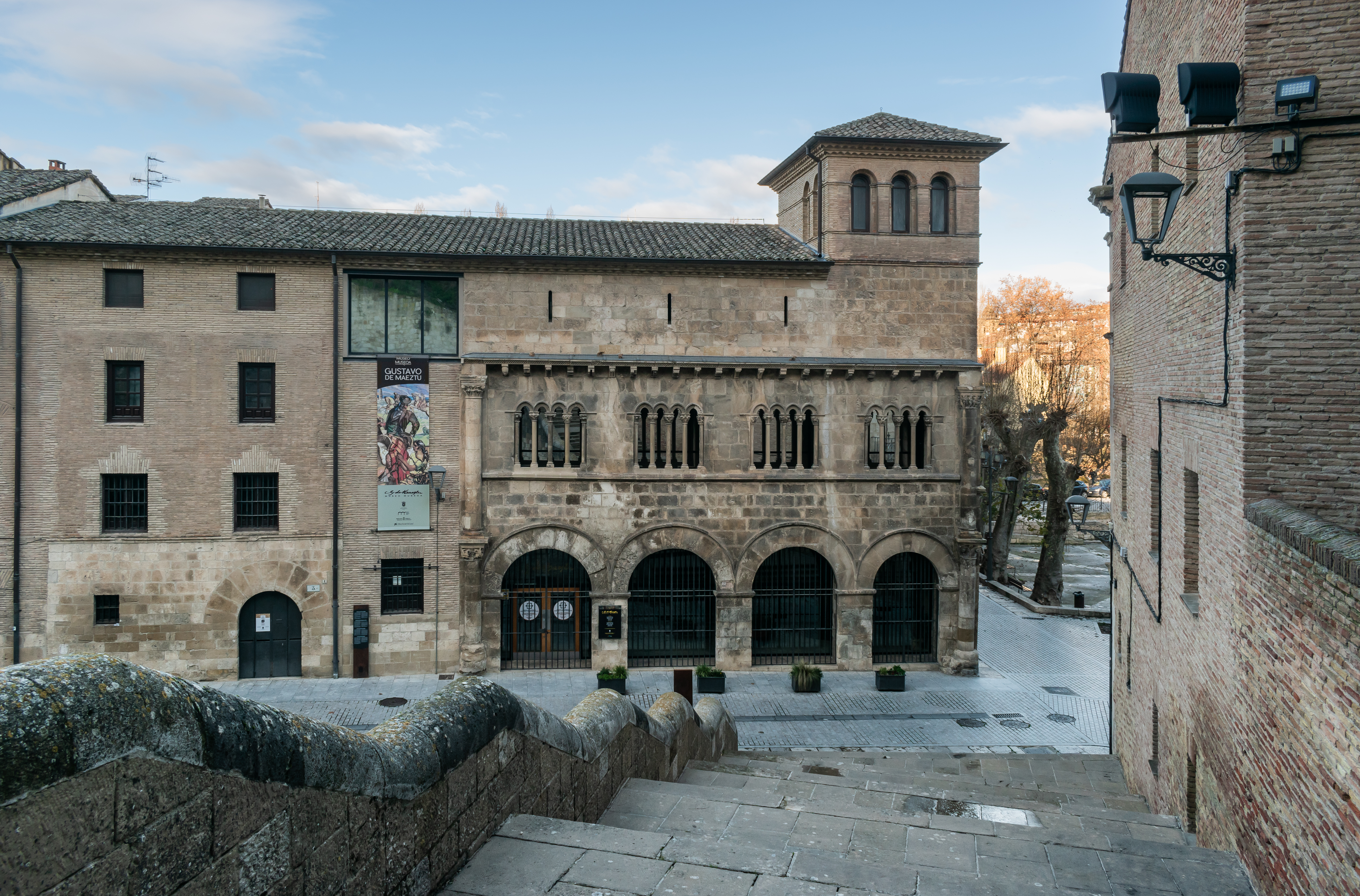
Romanesque pread across Europe between the 10th and 12th centuries and picked up local flavors. Italy blended it with Byzantine mosaics and Islamic stonework. Spain mixed it with Visigothic and Moorish details. The Normans carried it into England and Sicily, building castles and keeps with the same heavy forms.
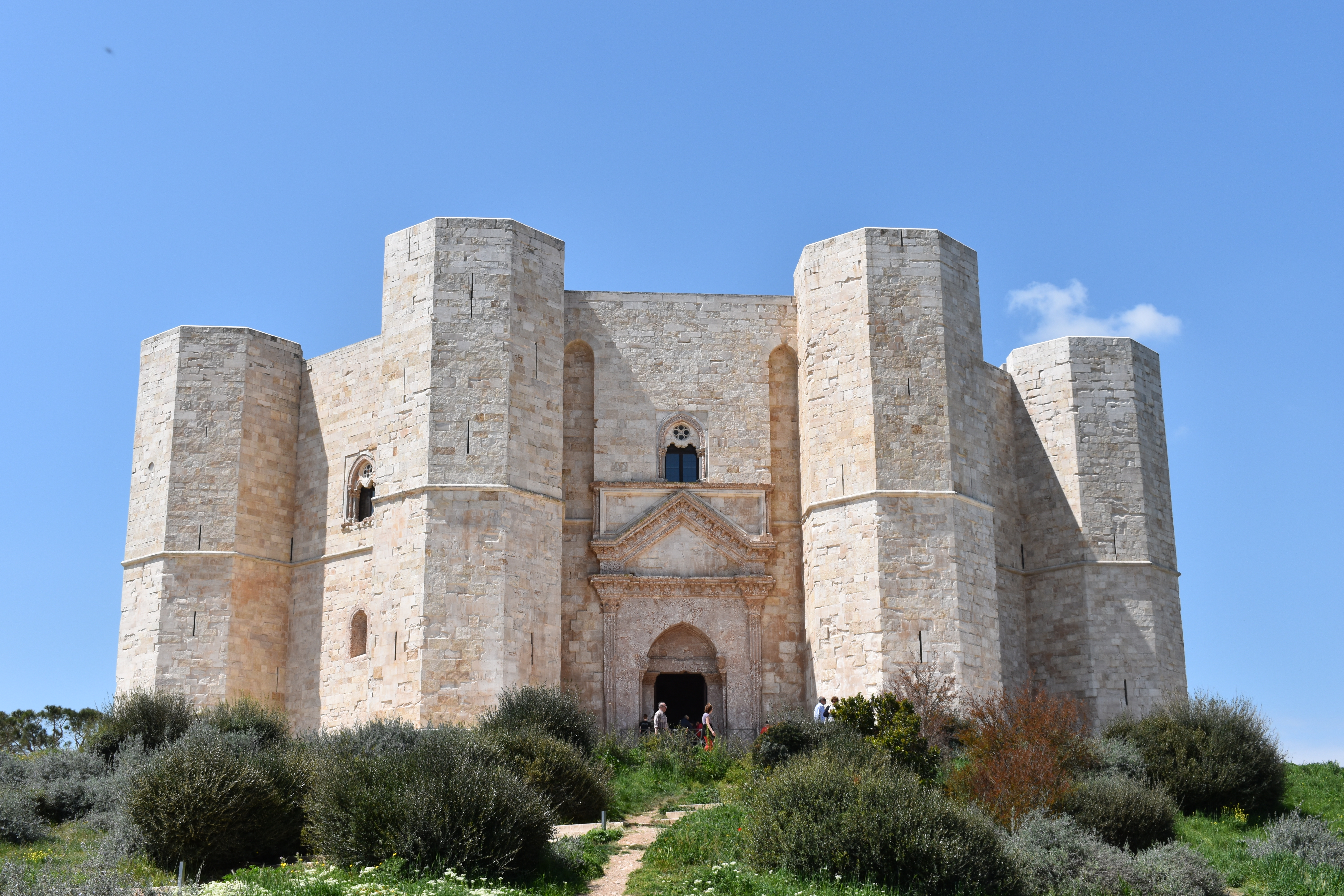
The style came back centuries later. In the 19th century, architects revived the round arches and heavy stone walls for train stations, libraries, and civic halls. In the US, Henry Hobson Richardson pushed it further, giving us Richardsonian Romanesque—big blocks of rough stone, chunky arches, and bold massing. You still see it on courthouses, post offices, and old university buildings.
That’s the family tree that actually matters if you’re studying or visiting buildings today: the medieval originals, their regional twists, and the later revivals that gave the look a second life.
Romanesque Architecture: Heavy Walls, Arches, and Stone Skills
Romanesque architecture changed how Europe built between the 10th and 12th centuries. It was about stone. Thick walls, rounded arches, square towers, and barrel vaults created a style that felt strong and permanent. These weren’t glass palaces or delicate halls. They were built to last through fire, rain, and time.
Instead of timber frames that rotted and burned, communities turned back to masonry. The results shaped castles, bridges, keeps, town halls, and civic halls across the continent. Romanesque was not about decoration first. It was about function, weight, and stability.
Core Characteristics
-
Thick masonry walls often several feet wide, built to hold heavy stone roofs.
-
Rounded arches taken from Roman building traditions, simple but strong.
-
Barrel and groin vaults that let rooms grow wider and taller without collapsing.
-
Small windows to keep walls solid and reduce structural weakness.
-
Towers and keeps that gave settlements visibility and defense.
-
Stone carving used sparingly—mostly patterns, geometric forms, or simple figures to break up the mass of the walls.
Where You Still See It
Romanesque stonework is still standing across Europe. You notice it in:
-
Castles and keeps: Squared-off silhouettes with round-arched entries.
-
Bridges: Massive stone piers and rounded spans, some still in use centuries later.
-
City walls and gates: Defensive works with round-arched portals.
-
Civic halls and towers: Town centers built with the same heavy-wall logic.
In England, Norman keeps like the White Tower in London follow Romanesque principles. In Germany and Italy, you see it in stone town halls and civic towers. In France and Spain, fortified bridges and walls carry the same DNA.
Why It Worked
Romanesque wasn’t about beauty first. It was about solving problems:
-
Fire: Timber halls burned. Stone vaults did not.
-
Load: Heavy roofs and upper floors needed walls that could carry them.
-
Weather: Masonry stood against water, frost, and centuries of wear.
-
Scale: Once masons mastered repeating arches and vaults, they could build much bigger.
This period was training ground for builders. They learned how to span wider spaces, how to push weight into piers, and how to shape vaults. That knowledge set the stage for the Gothic experiments that came after.
Interior Experience
Inside a Romanesque hall, keep, or bridge passage, the feeling is immediate:
-
Walls close in.
-
Light is dim.
-
Vaults hang heavy overhead.
Decoration is minimal. The emphasis is on stone geometry, not surface detail. Where carving appears, it’s simple and direct. The atmosphere is weight, order, and permanence.
A Style That Spread and Evolved
Romanesque spread across Europe because it was practical and repeatable. Local builders adapted it with regional materials:
-
In Italy, stone mixed with brickwork and clean arcades.
-
In Spain, the style blended with Visigothic and Moorish patterns.
-
In England and Normandy, it gave castles and civic towers their trademark bulk.
-
In Germany, it shaped imperial halls and city gates.
Centuries later, the style came back in Romanesque Revival. Architects in the 19th century reused the round arches and blocky forms for courthouses, train stations, libraries, and universities. In the US, Richardsonian Romanesque took it further—rough stone, chunky arches, bold asymmetry.
Why It Still Matters
Romanesque wasn’t delicate. It was the return of large-scale stone building in Europe. It proved that masonry could scale beyond small halls and survive centuries of use. It gave builders the tools—arches, vaults, and structural rhythm—that still anchor architecture today.
When you see a Romanesque bridge still carrying traffic, or a civic tower still marking a town skyline, you see why it worked: it was practical, strong, and built with skill that outlasted the centuries.
What It Took to Build in Stone Again
Stone isn’t forgiving. You can’t just hammer nails into it or shift a wall once it’s up. Relearning large-scale stone meant masons had to solve problems daily. Cutting blocks by hand, lifting them without modern cranes, and locking arches into place was hard labor. One mistake and months of work collapsed.
The wow is in the persistence. Across Europe, whole communities invested decades into walls and vaults they might never live to see finished. It was training ground for craft itself. Every Romanesque structure is a record of what it took to make heavy masonry practical again.
Romanesque as Engineering School
Think of Romanesque less as a “style” and more as a crash course in structural engineering. The lessons learned—how to push loads into piers, how to span with vaults, how to repeat forms—are the same principles structural engineers still rely on. Without this period, Gothic wouldn’t have soared, and modern steel-and-concrete systems wouldn’t have had a starting point.
That’s why Romanesque impresses today. It’s not sleek or elegant. It’s the raw moment when architecture got its weight back under control.
FAQs
General Basics
What is Romanesque architecture?
A style in Europe from roughly the 10th to 12th century marked by thick walls, round arches, barrel vaults, and stone construction.
Why is it called Romanesque?
Because it borrowed Roman tricks—arches, vaults, masonry logic—and reshaped them for medieval needs.
When did Romanesque start and end?
It grew around the 10th century and phased into Gothic by the mid-12th century.
Was it only religious?
No. While many examples are churches, the same style built castles, bridges, towers, and civic halls.
What came before Romanesque?
Mostly timber halls, smaller stonework, and early medieval (pre-Romanesque) experiments.
Key Features
What do Romanesque buildings look like?
Heavy walls, narrow windows, square towers, rounded arches, barrel vaults. Strong and fortress-like.
Why are the walls so thick?
They had to carry the weight of heavy stone roofs and vaults. Thin walls would collapse.
Why round arches instead of pointed ones?
Pointed arches weren’t common yet. Round arches were simpler and based on Roman precedents.
Why are the windows small?
Large openings weakened walls. Narrow slits kept structures stable.
What materials were used?
Mostly stone, cut and laid in massive blocks.
Function and Logic
Was Romanesque mainly about defense?
In civic and military works, yes. In halls and gathering spaces, it was more about permanence and fireproofing than beauty.
How did they build the vaults?
With wooden centering frames, laying stones in curved patterns until the arch locked itself.
Why did it spread across Europe?
Because it was practical, repeatable, and communities everywhere needed durable construction.
What problems did Romanesque solve?
Fire risk from timber, collapse under load, and the need for larger spaces that could last centuries.
Was it decorative?
Decoration was secondary. Most carving was simple and functional, like patterns or figures worked into capitals.
Regional Angles
Did every region look the same?
No. Italian Romanesque used brick with arcades, German Romanesque leaned into massive halls and towers, Spain mixed in Visigothic and Moorish influence.
How is Norman architecture related?
Norman is the English branch of Romanesque, seen in castles and keeps after 1066.
What about Romanesque bridges?
Many survive. They used the same round-arch logic, scaled for river crossings.
Is Romanesque seen outside Europe?
Mostly not, except in later revivals. The original style was European.
When did Romanesque Revival happen?
In the 19th century, especially in the US and Europe. Rough stone, round arches, and heavy forms came back for civic buildings.
Learning and Influence
What did builders learn in this era?
How to manage stone weight, span space with vaults, and build repeatable forms.
How did Romanesque lead to Gothic?
Once masons learned to push forces into piers and vaults, they could experiment with taller, thinner structures.
Why should architects care today?
Because it’s the foundation of structural logic still used: arches, vaults, load paths.
Where can I see good examples today?
In civic keeps, towers, fortified bridges, and stone halls across France, Germany, Spain, Italy, and England.
What’s the biggest lesson Romanesque teaches?
Durability comes from mastering structure, not chasing ornament.