
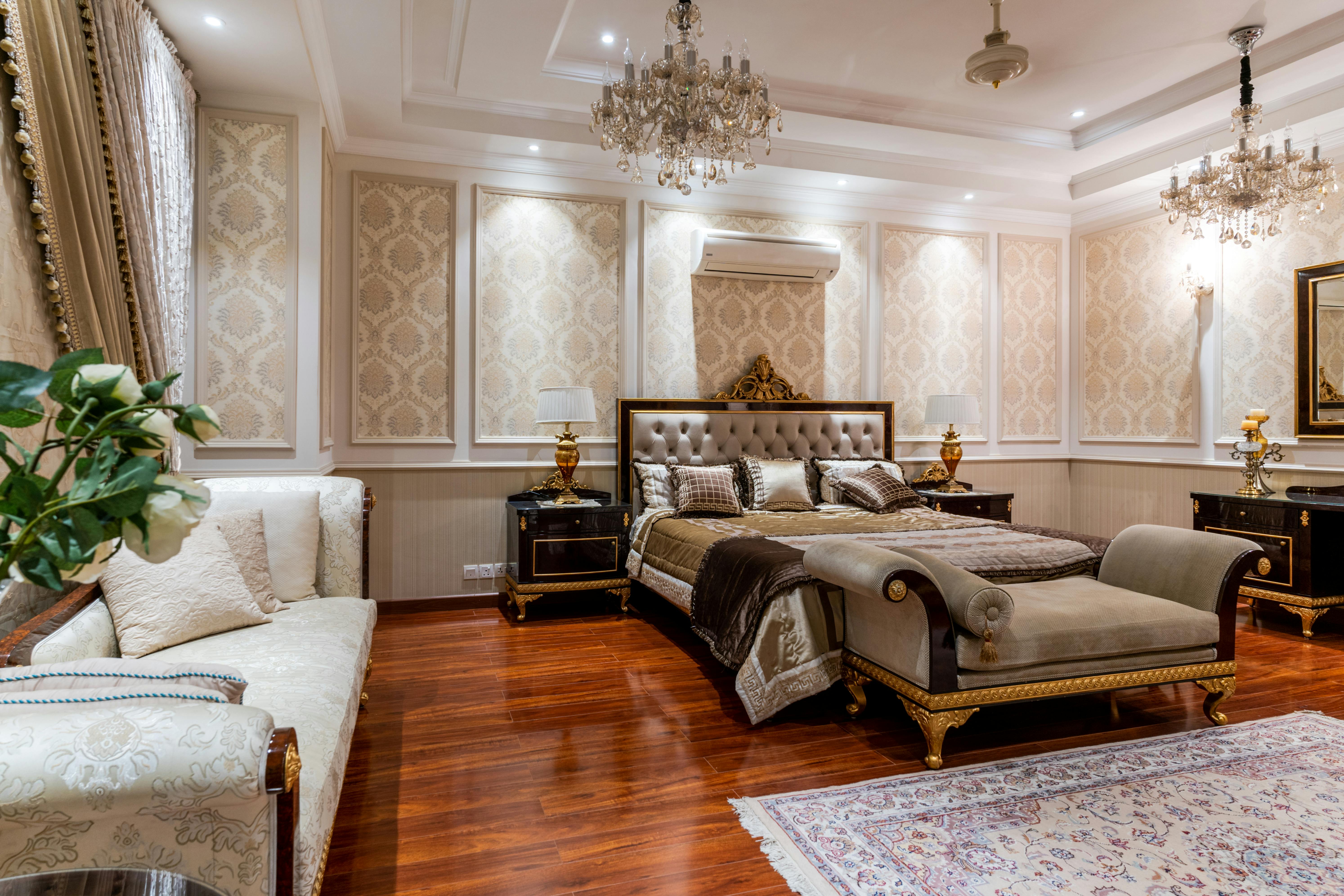
Traditional American interiors get damaged by the same shortcuts over and over. Everything painted stark white. Trim ripped out because it looks “dated.” Thin furniture bought for photos instead of daily life.
The good rooms do the opposite. They are quiet, proportioned, and built around materials that age with some grace.
That is the real logic. Respect scale. Use honest finishes. Let the room breathe. Do that first and most of the rest gets easier.
If you need a fast baseline before planning, skim traditional interior basics. If you want a tighter working checklist, pair this page with traditional tips that actually work.
7 Field Rules for Getting Traditional American Interiors Right
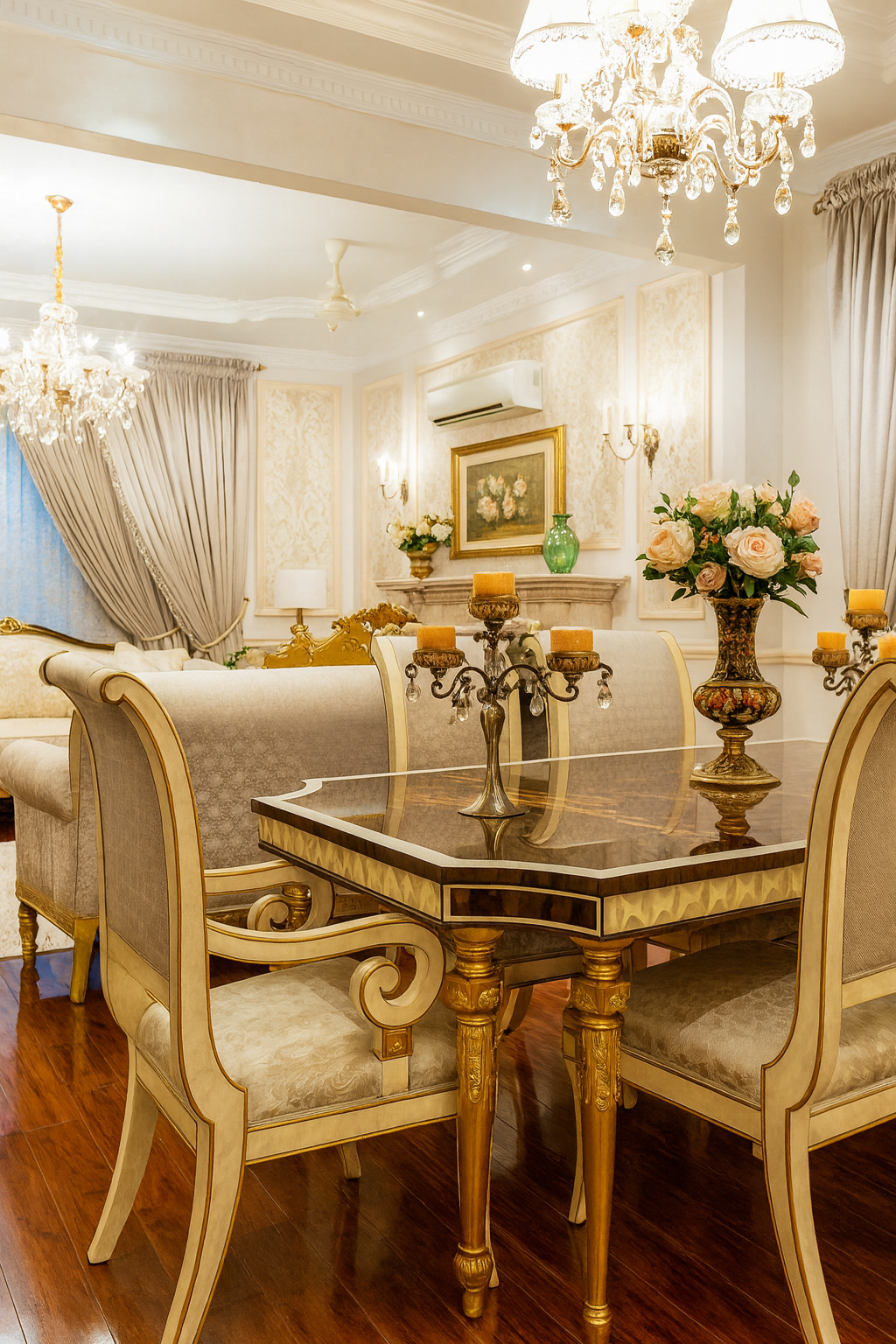
Use these as field checks, not museum rules. Each one pushes a room toward balance without draining the life out of it.
1. Let One Material Lead
Every traditional room needs one material doing the heavy lifting. That might be soapstone on counters, white oak underfoot, painted wood paneling, or an old brick wall worth keeping visible. Pick the lead material first. Let the rest stay quieter.
Why it matters. One clear lead gives calm. When three or four surfaces compete for attention, the room starts arguing with itself.
How to use it. Write the hero material at the top of the plan. After that, every finish has one job: make that material look better, not louder. For a simple companion read, see Traditional Interior Design basics.
2. Find the Real Center
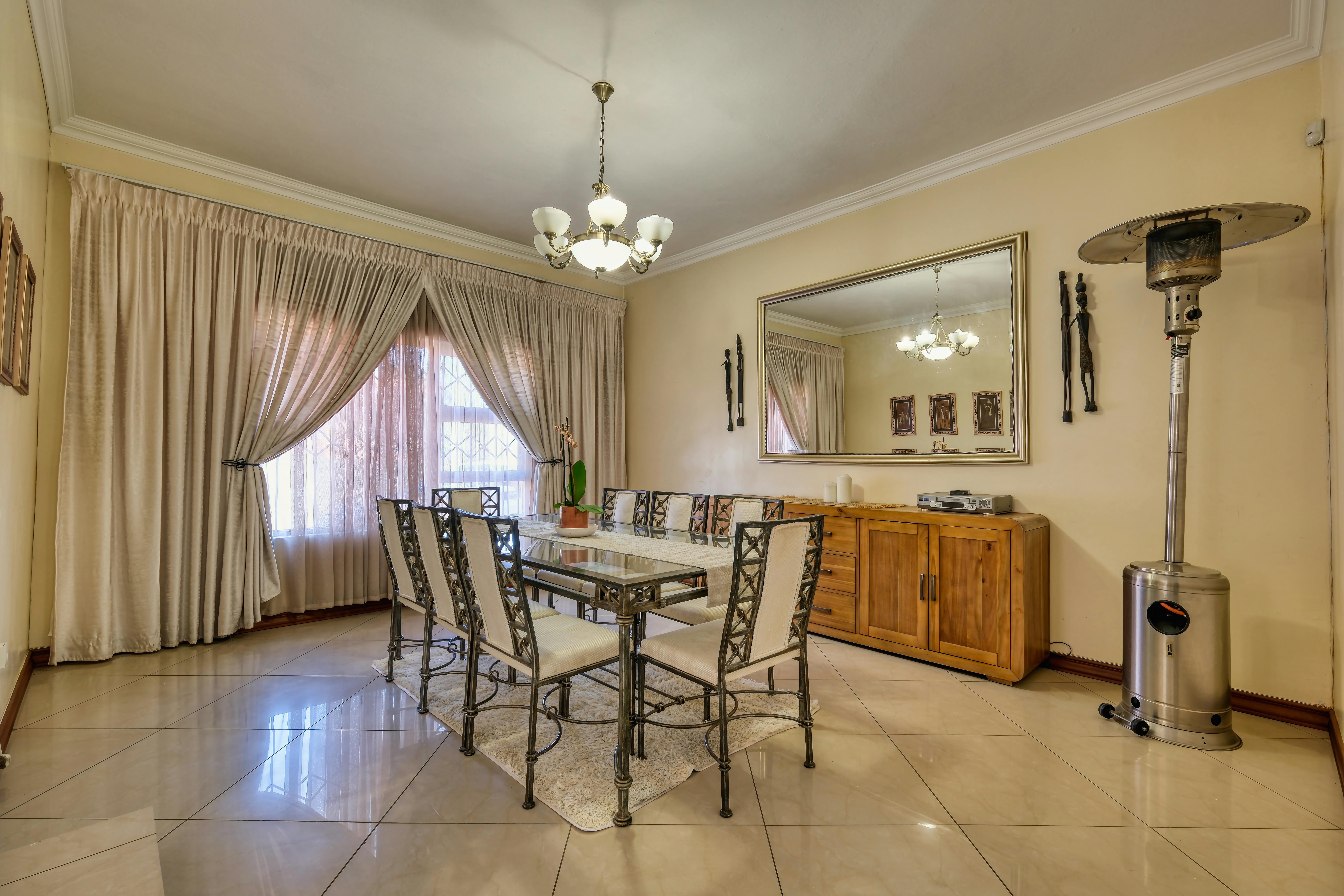
Traditional rooms already have an axis most of the time. A fireplace. A pair of windows. A long wall line. A centered opening. Find that before you move furniture.
Center the rug to that point. Let the main light relate to it. Build seating around it until the room settles.
Quick test. Stand in the doorway and take a phone photo. If the room feels off, the rug or seating group usually needs a small shift. The sequence in this modern traditional living room guide shows the logic clearly.
3. Use Pairs, Then One Anchor
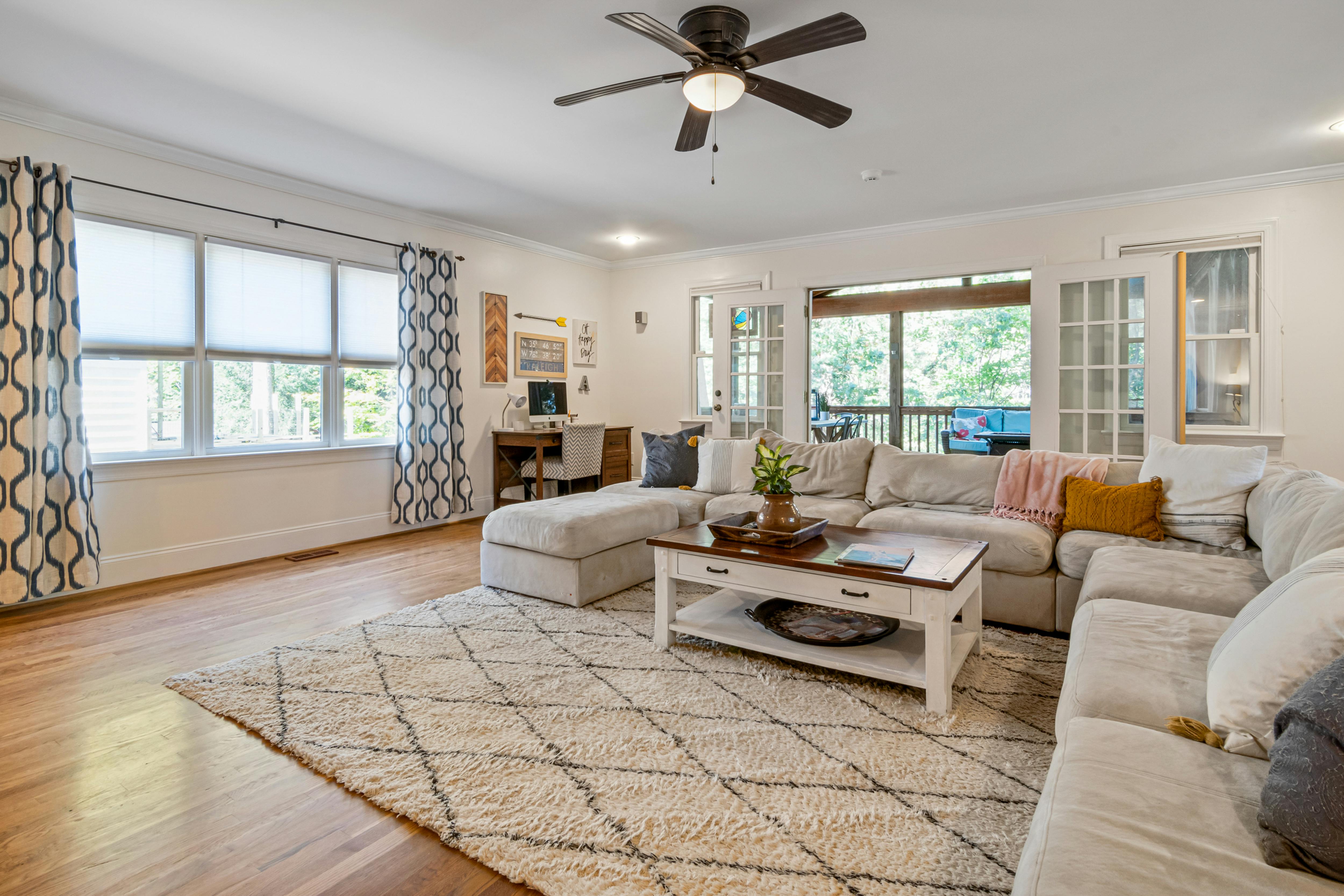
Symmetry helps traditional rooms breathe. Two lamps. Two chairs. Two framed pieces. Then one stronger single object to anchor the view, like a cabinet, chest, or fireplace wall.
Why it works. Pairs calm the room. One anchor gives it direction. Too many “statement” pieces and the room turns into a showroom.
For a practical checklist, keep Traditional American Interior Tips That Work nearby while you lay things out.
4. Light the Room in a Triangle
Traditional interiors rarely work with one overhead fixture doing everything. Use three light sources at different heights. One ceiling fixture. One table lamp near the main seat. One floor lamp or second table lamp across the room.
Why it matters. Light acts like structure. It evens the walls, softens corners, and makes trim read properly at night.
Quick test. Turn off the overhead. If the room still feels balanced, the lighting plan is working. If it collapses, add or shift a side light. For basic placement logic, the short read on housing concepts from traditional to minimalist is useful.
MUST READ
The Interior Design Handbook — Frida Ramstedt
Clear drawings on proportion, lighting, and furniture spacing. Find it here.
5. Let Trim Keep Time
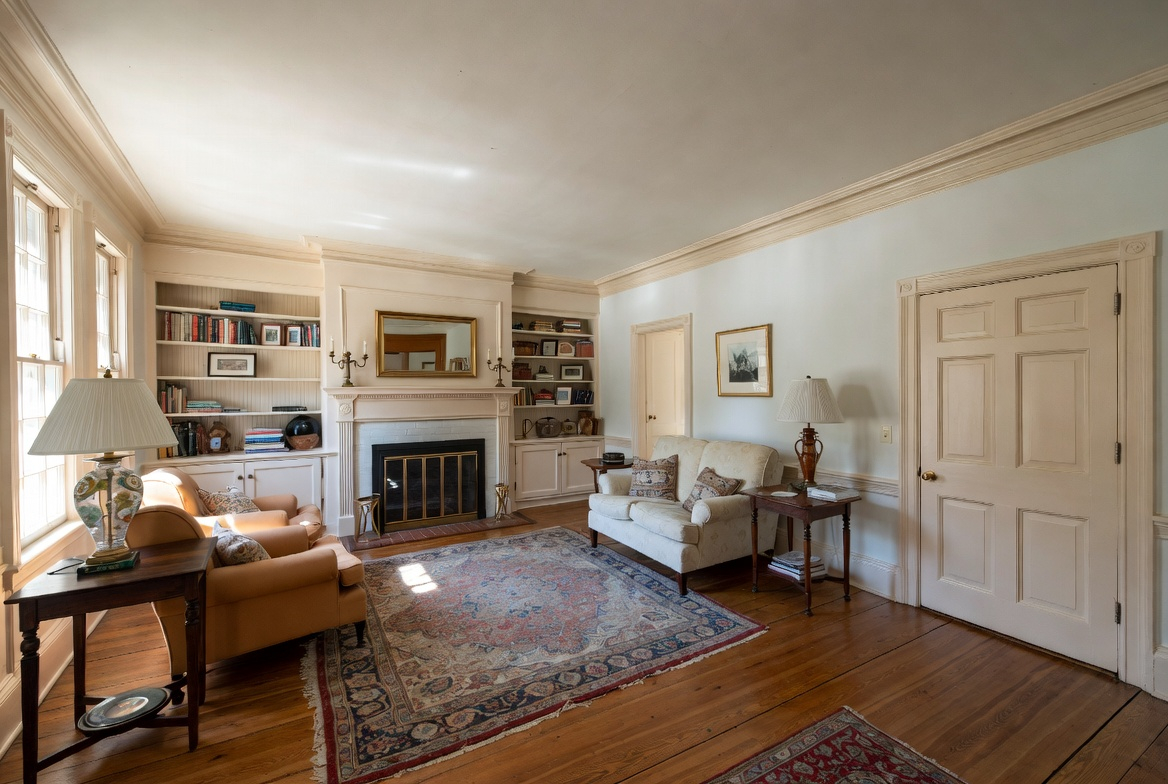
Trim is not decoration in a traditional room. It is rhythm. Baseboard, casing, crown, and chair rail set the shadow lines that keep the space ordered.
Quick rule. Shorter ceilings want slimmer profiles, often painted close to the wall color. Taller rooms can carry deeper crown and heavier casing without feeling crowded.
When in doubt, borrow ratios from Classical Architecture and its Influence and scale them down to what the room can actually handle.
6. Build a Real Palette Kit
Do not trust screens. Build a physical kit. Paint card. Fabric swatch. Wood sample. Metal finish. Move it through the room in morning light and again at dusk.
The five-piece rule. One wall color. One upholstery tone. One wood tone. One metal. One accent. That is enough to guide a whole traditional floor without the room turning busy.
If you need help pairing finishes with the right kind of house, traditional home styles and key features is a useful reference.
7. Anchor the Room with the Rug
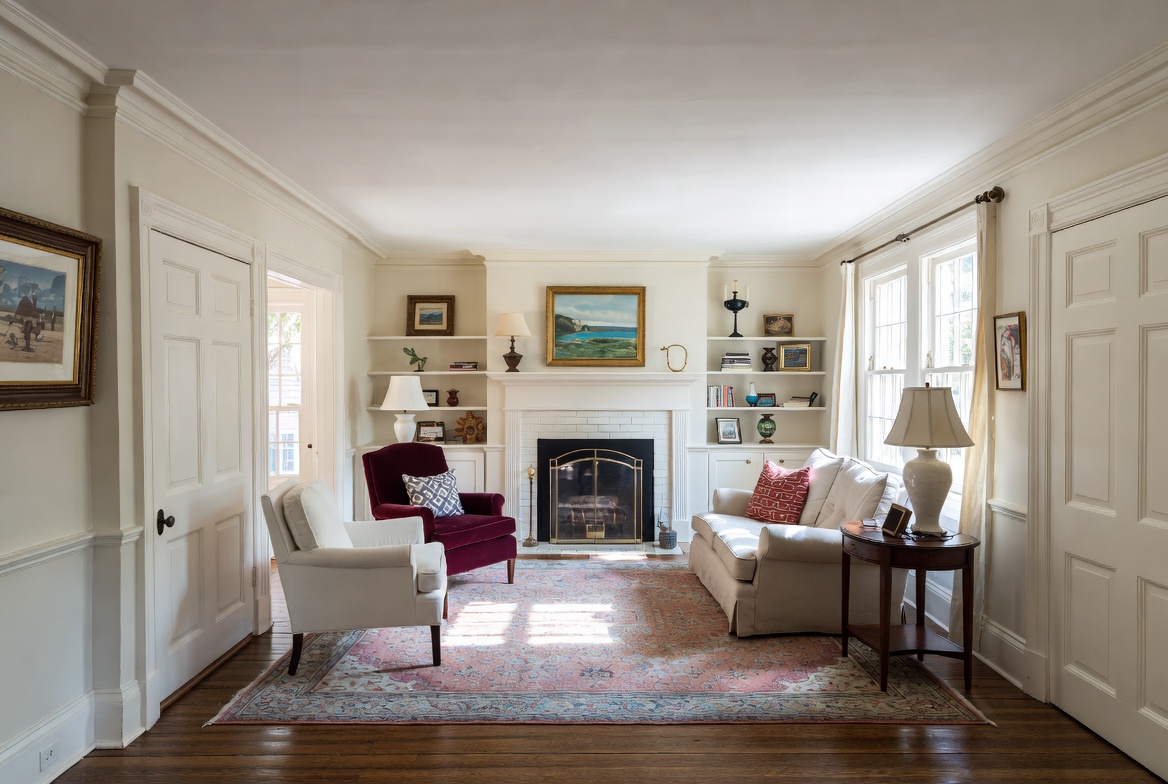
Rugs do not decorate traditional rooms. They organize them. The rug should hold the furniture group together, not float under the coffee table like an afterthought.
Working rule. Front legs of the main seating pieces should land on the rug. Coffee table centered. Side tables inside the grouping.
Field trick. Tape the rug outline on the floor before you buy. Walk the room. Check doors. Check clearances. Then size up if the furniture feels stranded. For a visual reference, see the balanced living room plan and these proportions that work every time.
Traditional American interiors stay strong because they respect order without feeling stiff. Apply these seven checks one at a time. The room usually starts calming down fast.
How Traditional Design Actually Works
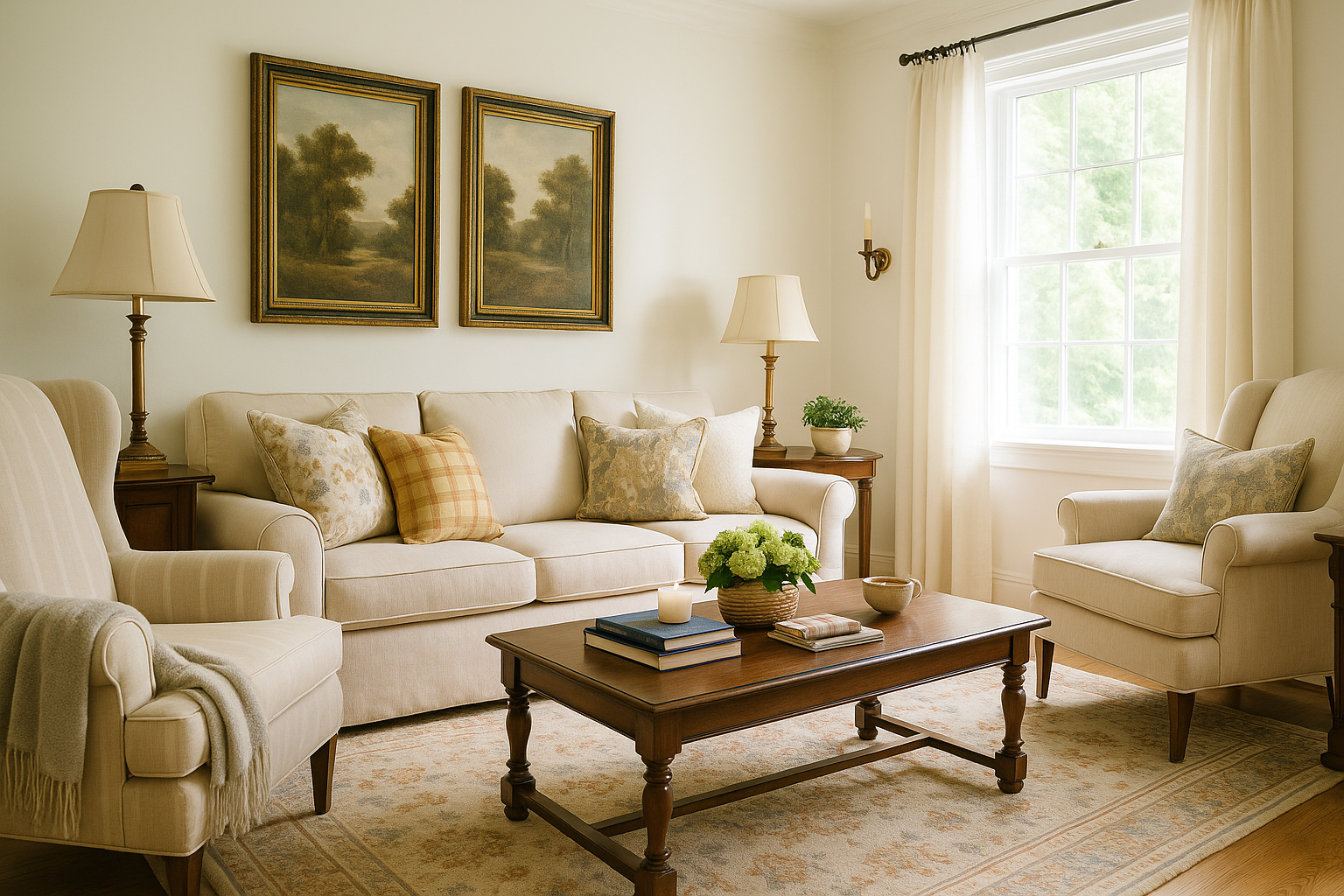
Forget the textbook language for a minute. Balance and proportion only become useful when you have to center a rug in a room that is not square or hang crown in a house with walls that move.
What matters is how the room feels when you walk in. Good traditional design settles quickly. Your eye lands. The furniture makes sense. The room feels considered without looking staged.
That happens because the parts relate. Casing height relates to door height. The rug relates to the seating group. The light relates to the ceiling and the room center. You stop fighting the house and start using what it already gives you.
For a fast vocabulary on form, symmetry, and massing, this overview of building forms from traditional to modern helps name what you are already seeing.
Getting the Structure Right
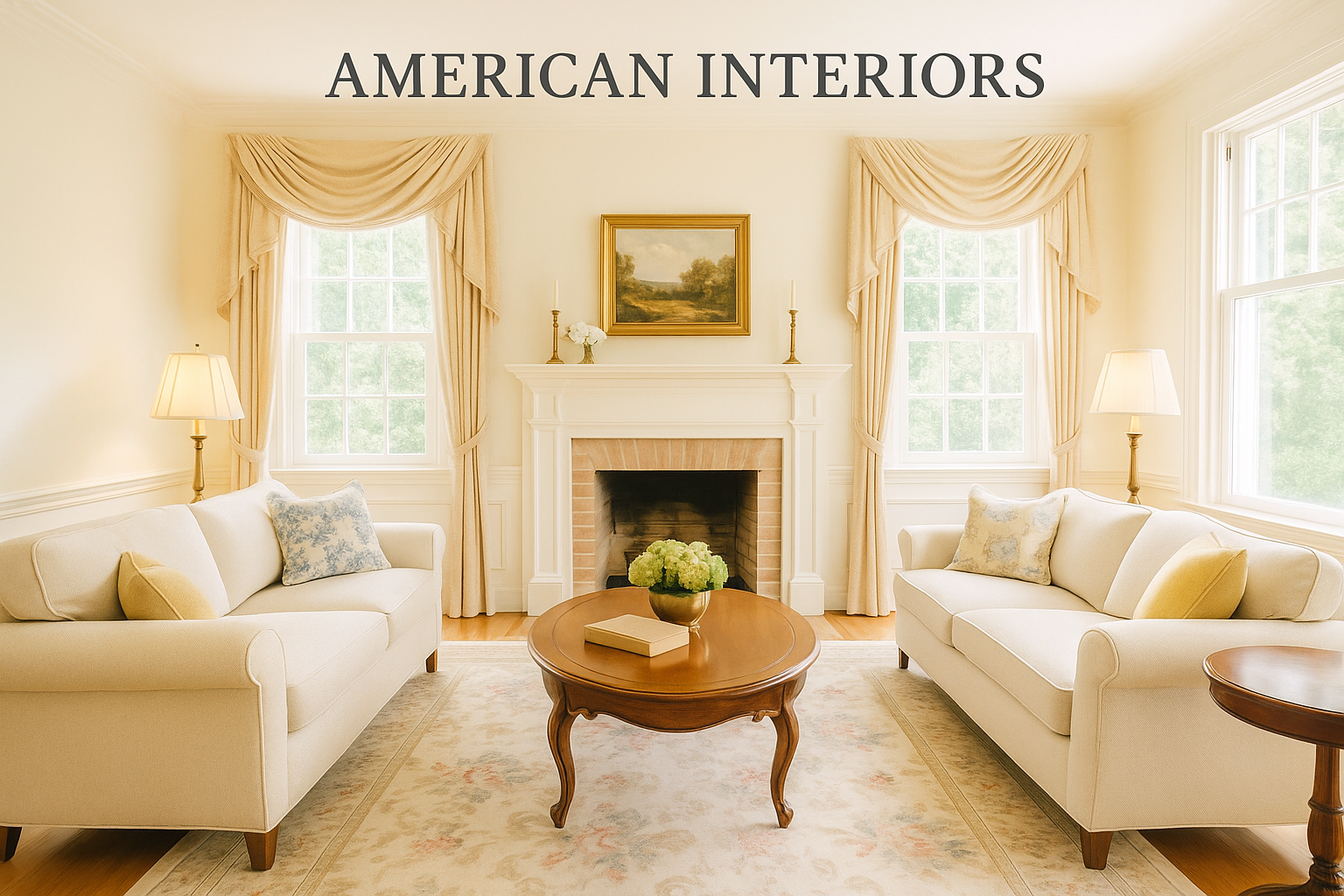
Before you buy a chair, get the shell right. Floors. Walls. Trim. Ceiling line. That is the backbone. Older American rooms are rarely perfect, so do not waste time chasing fake symmetry.
Align the main furniture group to the strongest architectural feature available. Usually that is a fireplace or a window wall. If circulation needs a small offset, do it. A room can survive slight asymmetry. It cannot survive blocked movement.
If baseboard and crown feel unrelated in scale, fix that before you bring in new furniture. For proportion that reads properly on openings and trim, review classical architecture and its influence.
And save old floors when you can. Refinish them. Match the species if replacement is unavoidable. Gloss usually looks false in daylight. Matte or low-sheen finishes sit better in traditional rooms.
Materials That Age Well

Real wood, stone, plaster, brick, wool, linen, and aged metal do most of the work. The mistake is overloading the room with too many “beautiful” materials at once.
Pick one lead natural material per room and let it carry the story. Soapstone with painted cabinets works. White oak with linen works. Marble with aged brass can work. Stack too many strong surfaces together and the room starts shouting.
If you are sorting through wood, stone, and metal combinations, traditional home styles and key features helps line up the materials with the kind of house you are working on.
For deeper proportion logic behind paneling, millwork, and room order, classical architecture history is also worth a read.
Furniture That Feels Honest
Traditional American furniture should read as usable first. Shaker tables. Windsor chairs. Ladder backs. Tight-back sofas. A good wing chair where the room needs weight.
The real test is not whether it looks charming online. It is whether it holds the room without feeling flimsy or oversized.
One or two antiques usually help. Too many and the room gets heavy. If you need help matching silhouettes to mood, this guide to types of traditional interior styles is useful. If the room feels stale rather than steady, borrow a few ideas from making traditional decor feel fresh again.
MUST READ
The Interior Design Handbook — Frida Ramstedt
Still one of the clearest books on proportion and furniture spacing. Find it here.
Lighting That Fixes Mistakes
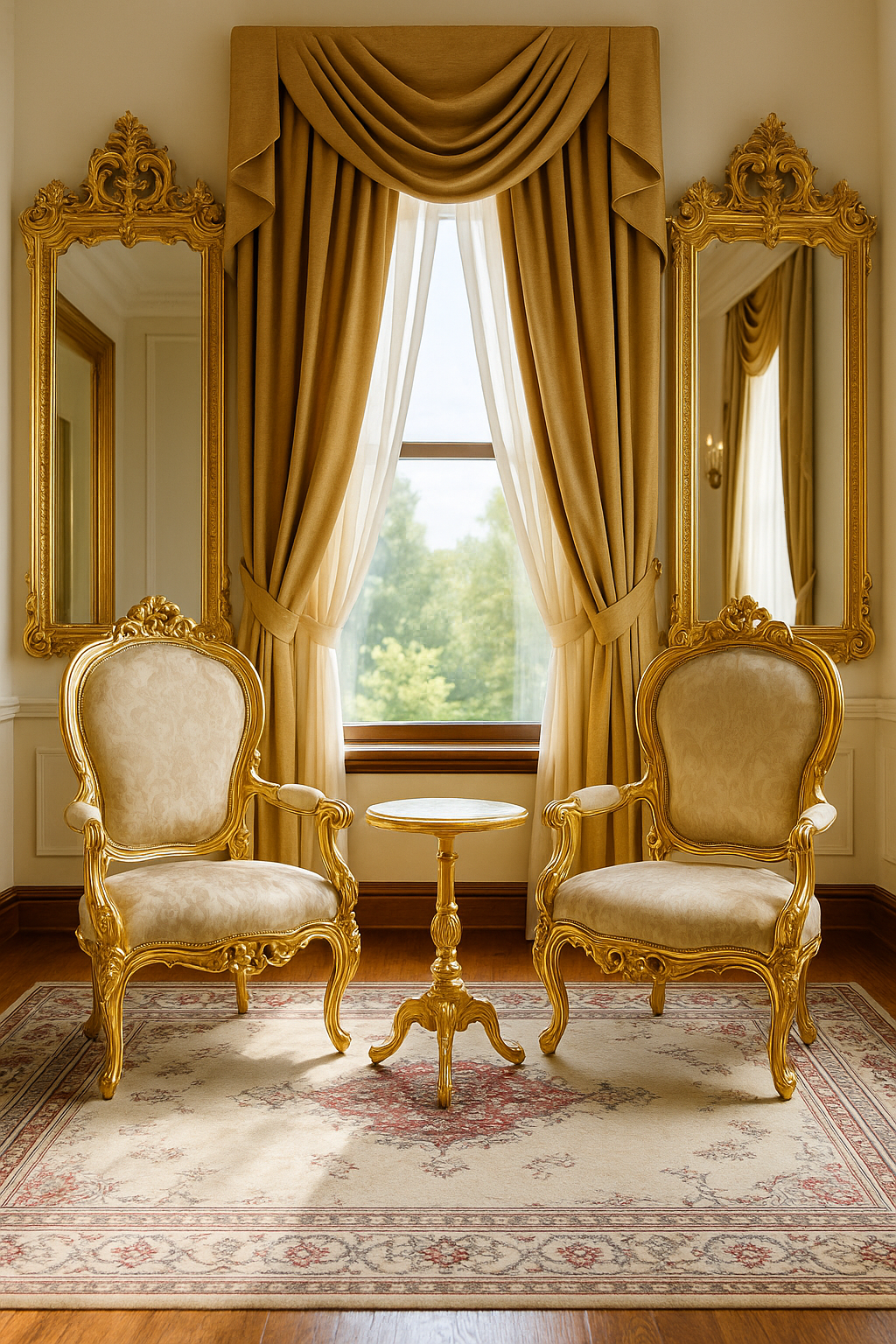
Lighting fixes more than people think. Traditional interiors need layers, not just an overhead fixture centered because the electrician said so.
Use one ceiling source, then build outward with table lamps and a floor lamp. Warm bulbs only. Let corners fall a little darker. Traditional rooms look better when the light has hierarchy.
Dimmers matter more than expensive shades. If the ceiling light is off-center, keep the rug and furniture centered to the room logic and let side lighting do the balancing.
RECOMMENDED TOOL
Trinity Arc Floor Lamp
A fast way to repair a dark corner without opening walls. See details.
Textiles That Soften the Edges
Fabric is where traditional rooms breathe. Wool, cotton, and linen do the work. Patterns should stay quieter than people expect. Narrow stripes. Small florals. Plaids that read as texture before they read as pattern.
Avoid matching sets. It is better to let the pieces relate by tone than by exact fabric. A solid linen sofa, a striped chair, and one patterned pillow often feels more traditional than an entire coordinated suite.
Curtains are where many rooms go wrong. Hang them high and wide. Use lined linen or another matte fabric that falls cleanly. Anything shiny usually ages badly.
FIELD PICK
Loloi II Layla Printed Rug
Low pile, forgiving pattern, and easier to use than fussier traditional rugs in busy houses. See the option.
Trim and Built-Ins
Good trim frames the room. Bad trim drags it down. Match profiles to ceiling height and keep the scale believable.
Built-ins should follow the room logic, not force it. If shelves flank a fireplace, keep widths and depths related. If a bench under a window looks squeezed, skip it.
When you need a proportion reset, revisit classical rules you can use today and apply only what the room can actually carry.
Regional Adjustments That Work
Traditional American interiors are not identical from one region to the next, and they should not be. New England rooms often read cooler and leaner. The South tends warmer and fuller. The Midwest usually stays practical. Southwestern rooms can carry plaster and clay more naturally. West Coast versions often loosen up with lighter woods and more glass.
Keep the regional logic when you can. Materials feel better when they belong to the climate and daily life around them.
If you want Southern-specific context, why traditional Southern design still matters is useful. If you want another tradition that handles restraint and flow well, Japanese traditional houses offers a good comparison.
Mistakes That Show Up Every Week
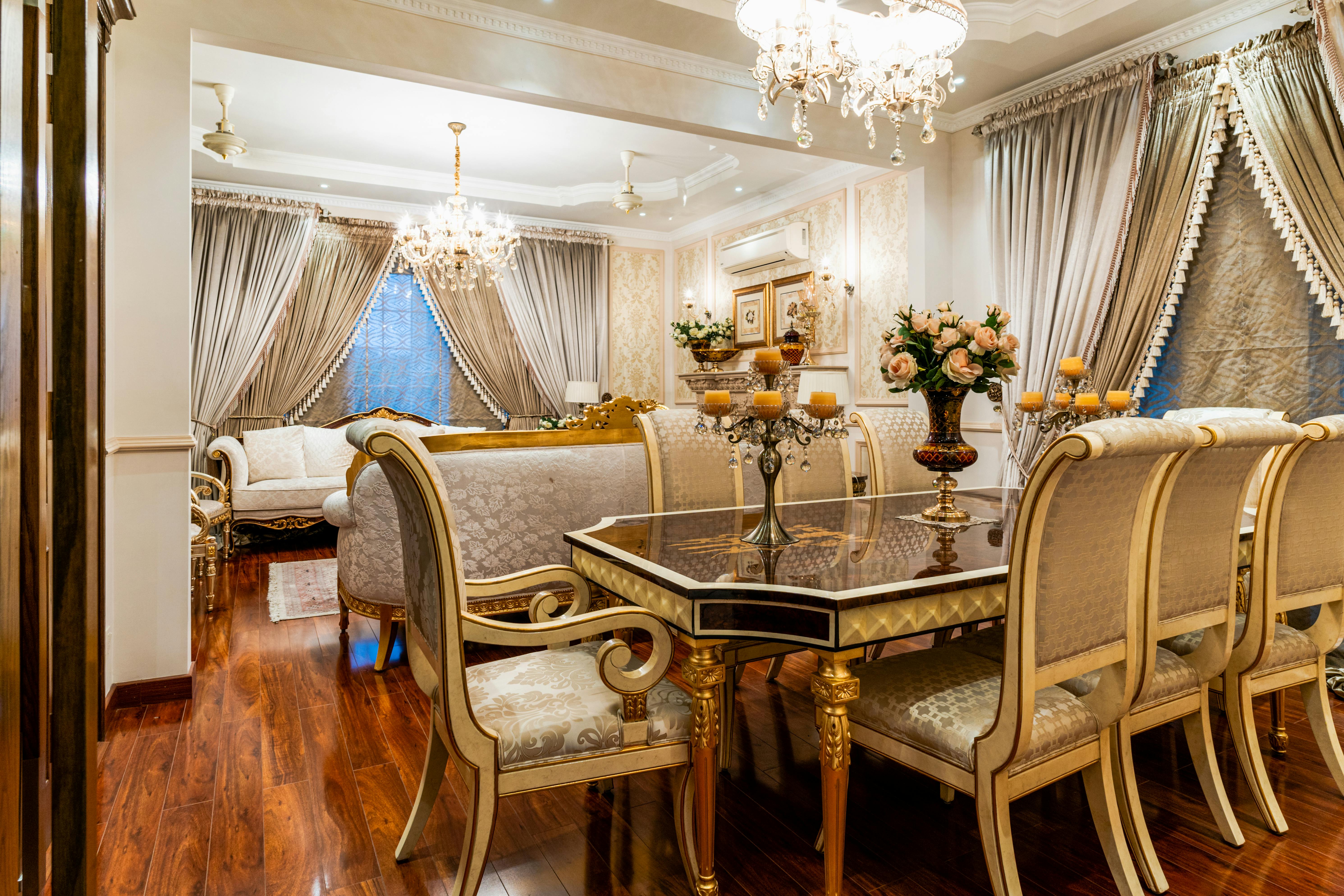
Painting everything bright white. Traditional woodwork usually wants warmth, not glare.
Buying rugs that are too small. The room never settles if the furniture floats.
Using ornate trim in short rooms. Heavy crown lowers the ceiling fast.
Too many antiques. One or two are grounding. A whole room of them can feel airless.
Open shelves everywhere. Charming in moderation. Messy at scale.
What to Fix First
Floors, trim, and paint. Those are the constants.
Lighting order. Measure first. Buy lamps before art.
Material hierarchy. One hero surface, two supporting ones.
Storage. Traditional rooms cannot carry daily clutter out in the open.
Color flow. Three to five related tones through the floor is enough. If you need a reset, use how to freshen traditional decor as a filter.
Case Studies From the Field
Charleston kitchen. Heart pine floors, painted cabinets, soapstone tops, brass hardware, one short open shelf instead of a whole wall of them.
Philadelphia row home. Limewashed brick, tight-back sofa, Windsor chairs, black-and-white photos, restrained palette.
Seattle cottage. Putty walls, walnut table, linen curtains, iron light, no gloss.
Ontario brick house. Natural maple floors, tobacco leather seating, wool rug, warm lamp light ready for winter.
Room-by-Room Field Notes
Entry. Mirror, slim console, lamp, tray, two baskets. Function first.
Living room. Start with the rug. Then lamps. Then art. The modern traditional living room guide lays this out in the right order.
Dining room. Round tables handle traffic better than people think. Use real wood. Add dimmers.
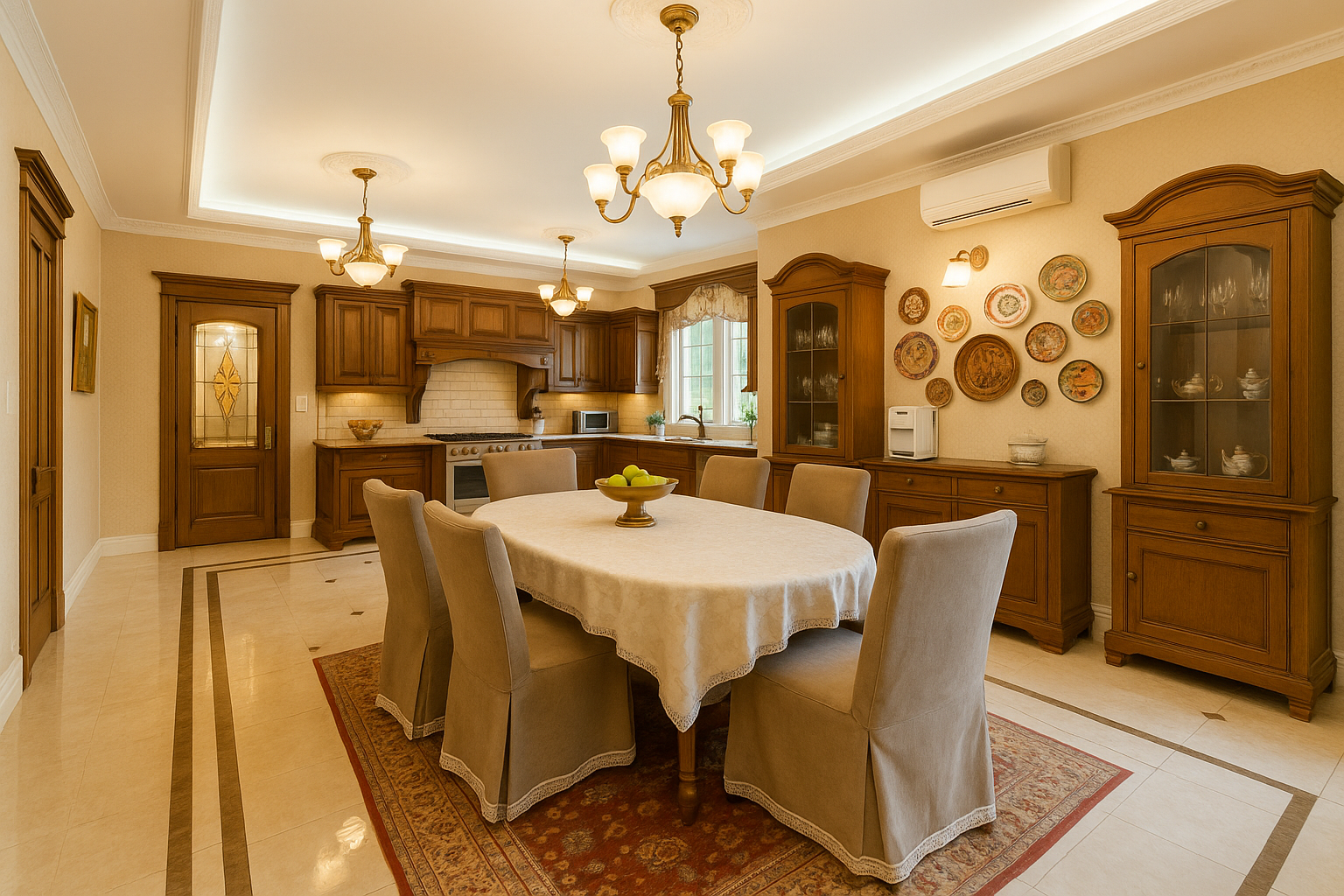
Kitchen. Save old floors when possible. Mix closed storage with one or two open moments.
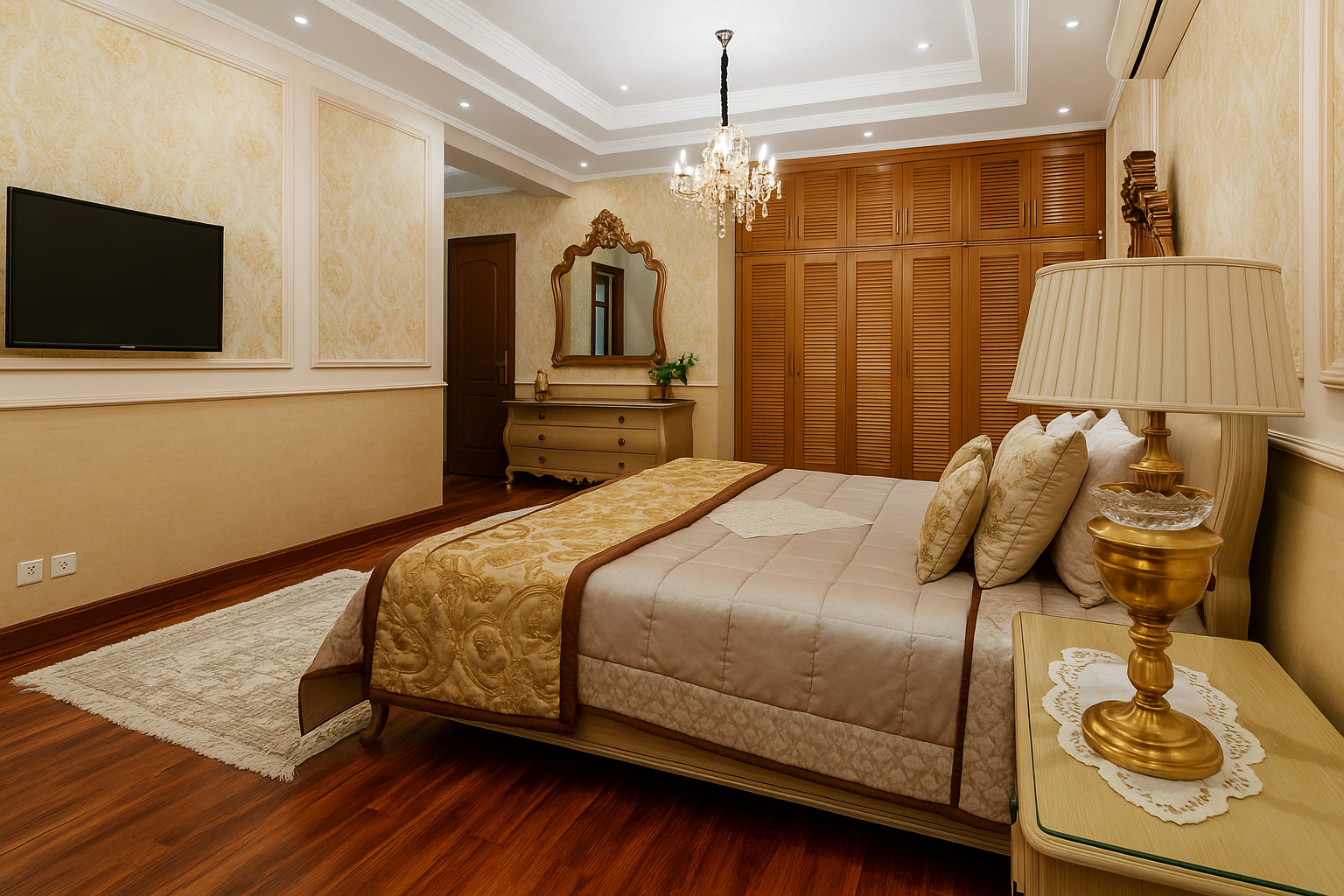
Bedroom. Keep it calm. Upholstered headboard, two lamps, one bench, soft rug, linen bedding.
How to Shop Without Regret
Measure first. The rug size decides more than people think. Buy the sofa next, then chairs, then tables. Do not shop by trend language. Shop by scale, weight, comfort, and finish.
Sit in everything. If it is not comfortable, it is wrong. If the wood feels thin or the finish looks plastic in daylight, keep moving.
FIELD PICK
Bosch GLM 20 Laser Measure
Small, fast, and useful for furniture layouts, rug checks, and lighting placement. Check availability.
Quick Playbooks That Usually Work
Entry five. Mirror, console, baskets, small lamp, tray.
Sofa fix. 8x10 rug minimum, two table lamps, one throw, three pillows. Stop there.
Bedroom calm. Matching lamps, soft rug, linen duvet, bench at the foot.
Learning From Real Houses
When the room feels confused, go back to the architecture. Door heights. Window spacing. Trim lines. Shadow. A lot of traditional order comes from things that are easy to miss because they are quiet.
That is the value of pages like classical rules in plain language. They help explain why certain rooms feel stable before a single decorative object is added.
Newer houses can borrow that same order. Keep trim simple but proportional. Cut clutter. Use one vintage piece if the room needs age. Then stop before it turns theatrical.
Final Field Checklist
One. Find the axis, usually a fireplace or window wall.
Two. Set scale, with the main pieces sized to the room rather than to the catalog photo.
Three. Layer light from ceiling, table, and floor.
Four. Keep color in one family.
Five. Add texture through leather, wool, linen, wood, and metal instead of clutter.
Closing Notes
Traditional design still matters because it respects how people actually live. It is steady. Forgiving. Quiet without being cold.
When the architecture leads and the materials stay honest, the room usually gets better with time instead of looking tired after two years.
FAQ
What makes Traditional American interiors different from European traditional styles?
American traditional rooms are usually less formal and more practical. They lean on comfort, proportion, and durable materials rather than constant ornament. You see pine, oak, brick, painted woodwork, wool, and linen doing more work than marble or highly decorative plaster.
How do I start a traditional room without a full renovation?
Start with the shell you already have. Pick a warm neutral wall color, choose one natural material to lead, add two matching lamps, and size the rug correctly. If you want a clear room order, use the steps in this modern traditional living room guide.
Can I mix modern furniture into a traditional house?
Yes, as long as the architecture stays in charge. A clean sofa or simple pendant can work well if the trim, scale, and material palette remain grounded. One modern move per view is usually enough.
What are the biggest mistakes homeowners make with traditional decor?
Rugs that are too small, bright white paint on everything, ornate trim in short rooms, too many antiques, and too much open display. Traditional rooms need visual rest.
Which colors stay timeless in Traditional American interiors?
Soft whites, oatmeal, putty, pale taupe, muted green, tobacco brown, navy, and other colors with some depth but not too much glare. Natural wood and aged metal help those colors feel warmer.
How do I choose lighting that fits traditional architecture?
Use layers. One overhead, then table and floor lamps at lower levels. Warm bulbs only. If the ceiling light lands awkwardly, let the rug and furniture follow the room logic and use side lighting to restore balance.
What furniture types actually last in real houses?
Solid wood tables, sturdy upholstered frames, Windsor or ladder-back chairs, and pieces with understandable proportions. Furniture that feels light but weak rarely ages well.
How do I apply this in smaller spaces or apartments?
Use fewer pieces, but size them properly. Keep finishes consistent, hang curtains high, repeat metals and wood tones, and use symmetry where possible. Traditional order often makes small rooms feel calmer and larger.
Are regional differences worth keeping?
Yes. A New England room should not feel exactly like one in the South or Southwest. Let local climate, light, and material habits guide the final choices.
What is the single best investment when starting from scratch?
Floors, trim, and lighting. Those shape the room every day. Furniture can improve later, but the shell does most of the long-term work.
Can I make a new build feel traditional?
Yes. Add trim scaled to the ceiling height, use paneled doors where possible, choose aged metal finishes, and bring in real texture through wood, plaster, linen, or wool.
How do I know when to stop adding decor?
When the eye can rest. Take a quick photo. If every surface is talking at once, remove one object from each area until the room reads clearly again.