
Old Uppsala: Burial Mounds and Early Nordic Architecture
How Old Uppsala’s burial mounds inspire today’s landform and landscape-integrated architecture—real-world examples and design insights.
Architects are rethinking terrain. See how Viking mound layouts influence modern museums, memorials, and sacred landscapes.
Ancient Swedish burial designs meet cutting-edge buildings—explore modern projects that echo Old Uppsala's earth-built legacy.
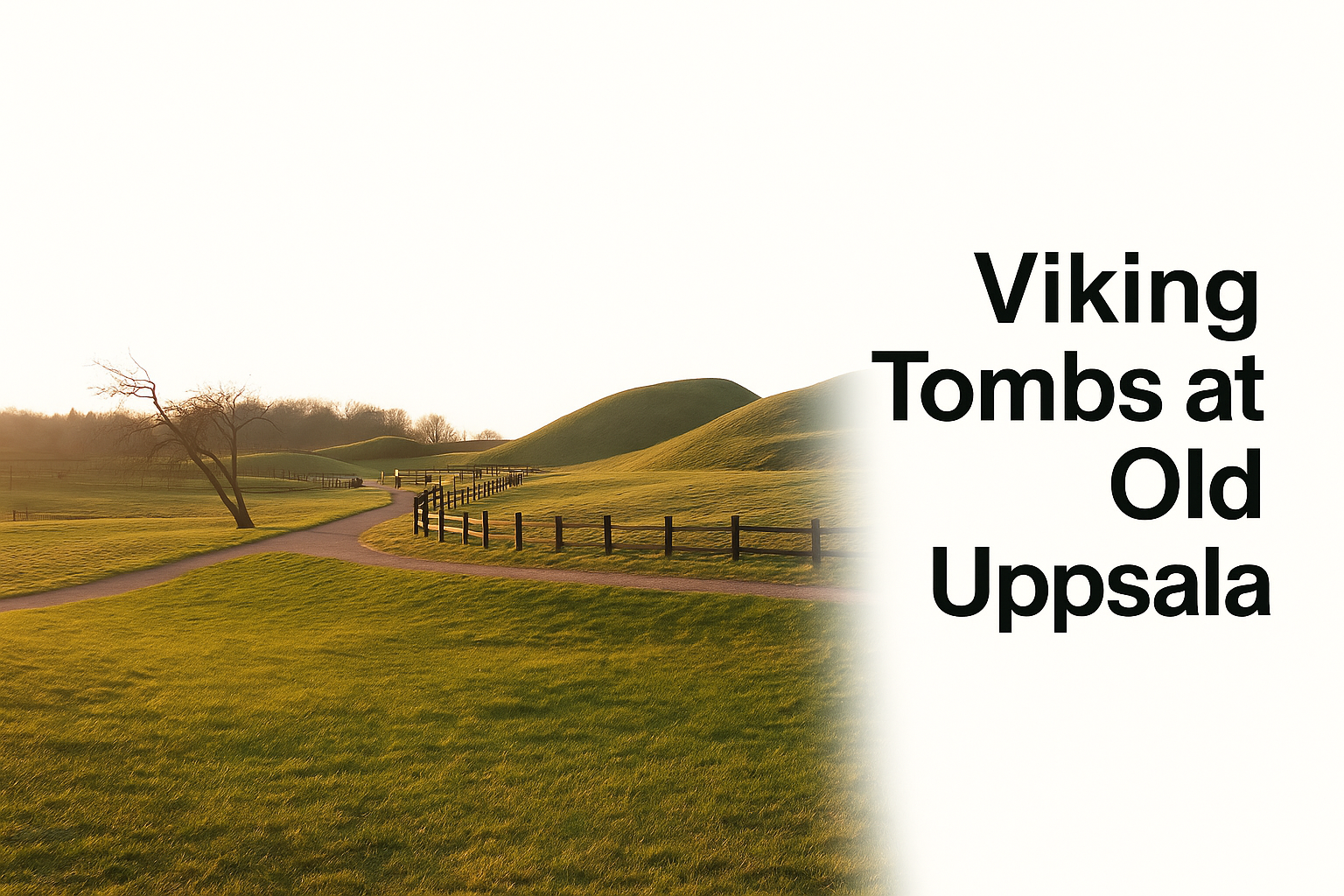
Old Uppsala is a full-scale landscape monument. Located just north of modern Uppsala in Sweden, it features some of the largest Viking-age burial mounds in Scandinavia, carefully shaped and placed over 1,500 years ago.
These mounds, especially the three Royal Mounds, are early examples of monumental landscape design, engineered to project power, status, and permanence.
What Makes Old Uppsala Architecturally Unique?

Unlike stone-built tombs or temples, Viking burial mounds at Old Uppsala used earth, gravel, and natural topography. But their scale and layout weren’t accidental:
-
Size: Up to 70 meters wide, 10 meters tall
-
Form: Round, compacted domes with flattened tops
-
Placement: Aligned along a ridge for maximum visibility
-
Orientation: Likely aligned to solar events or major travel routes
This was not random burial—it was site design with intent.
Landscape-Driven Design: Old Uppsala’s Impact on Architecture
Construction of the Royal Mounds

The three largest mounds—often labeled the King's, Queen's, and Prince's Mounds—are a case study in early Scandinavian earthworks.
How they were built:
-
Layers of turf, clay, and soil stacked to form compact domes
-
Central burial chamber (wood or stone) constructed first
-
Chamber sealed and covered by rising layers of fill
-
Final outer layer shaped, smoothed, and elevated for prominence
Design priorities:
-
Visibility from a distance
-
Central placement on the ridge
-
Protection of the contents from erosion and weather
Architectural Value of the Burial System
The Old Uppsala site includes more than just three mounds. It’s a full complex, with over 300 smaller mounds and flat graves, forming a massive ritual and burial landscape.
Design characteristics:
-
Hierarchical layout: larger mounds on the ridge, smaller ones around
-
Integration with natural slopes and topography
-
Use of elevation to create a skyline of earthforms
-
Pathways between burial zones likely used for ceremonies
This was architecture without buildings—land-shaping as legacy.
Viking Tomb Architecture: What Survives Today
Many of the interiors have collapsed or were looted centuries ago, but structural evidence suggests:
-
Chambers built of wood beams or stone slabs
-
Internal layout possibly included benches, platforms, or coffins
-
Some may have had wooden markers or fences above ground
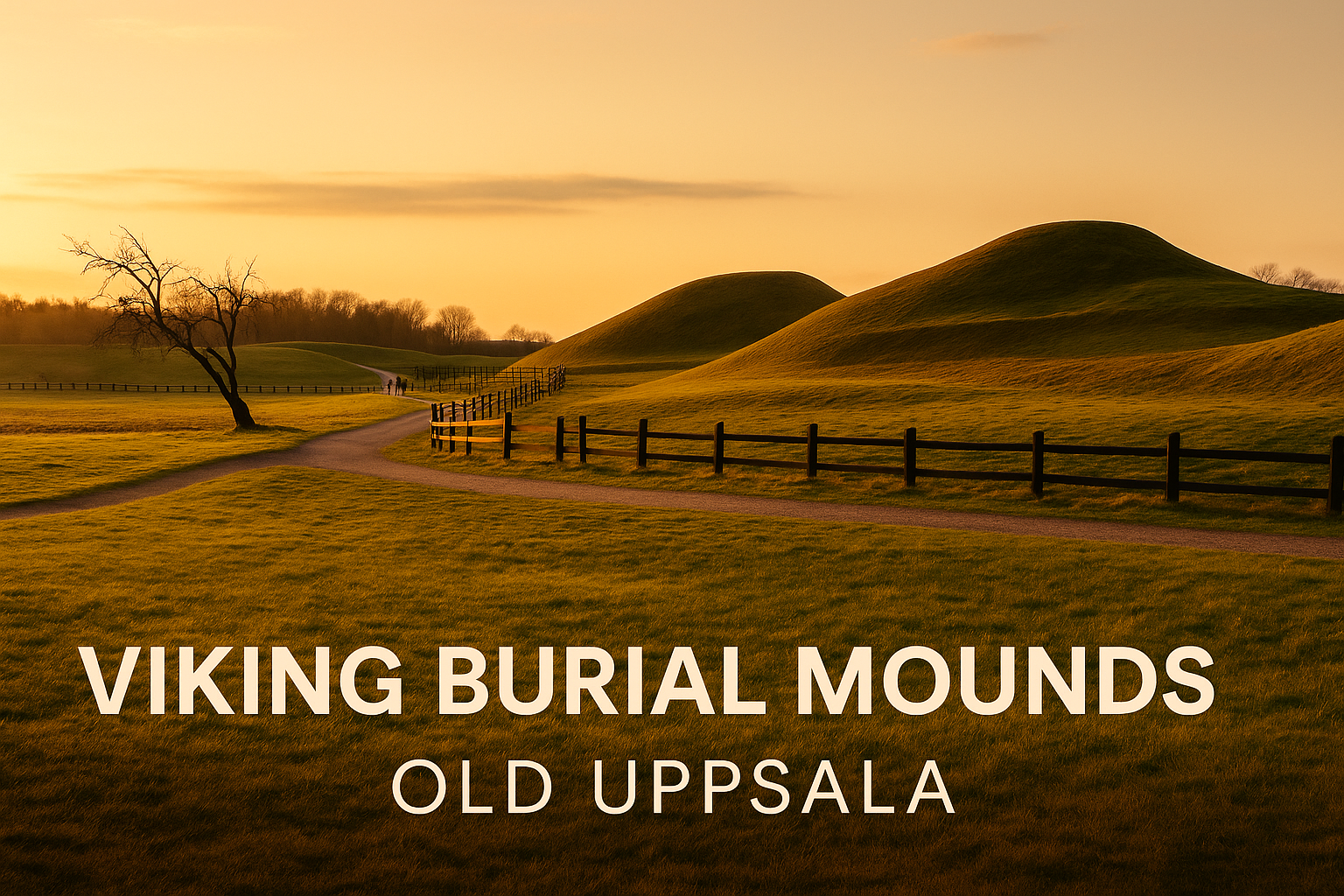
What remains is the external architecture: massive, engineered landforms.
Preservation and Study
Today, the Royal Mounds are protected and studied by archaeologists and landscape historians. Ongoing work focuses on:
-
Soil stratigraphy and mound construction layers
-
Remote sensing of unexcavated tombs
-
3D scanning to track erosion and shape changes
-
Analysis of site planning in relation to early roads and waterways
Real-World Influence
These burial mounds are now studied not only by historians but also by:
-
Landscape architects
-
Cultural heritage designers
-
Civil engineers exploring ancient earthwork stability
Keep It in Mind
When you walk through Old Uppsala, you're not just seeing old graves. You're walking a purposefully designed early Nordic architectural site—crafted with geometry, hierarchy, and landscape control.
No buildings. No bricks. Just earth, scale, and memory.
LANDFORM DESIGN
Earth Meets Form: How Old Uppsala Influences Today’s Design
Here’s what echoes the Old Uppsala approach in modern times:
➤ 1. Snøhetta’s Norwegian National Opera & Ballet
-
Uses rising earth shapes like man-made topography
-
Walkable sloped roof mirrors ritual movement across land
-
Integration with Oslo’s harbor recalls site-driven spiritual layout
➤ 2. National Memorial for Peace and Justice, USA (MASS Design Group)
-
Uses rising mounds and suspended forms to connect land, memory, and loss
-
Clear parallels to Viking mound symbolism and sacred gathering grounds
➤ 3. Museo Site Museum, Pachacamac, Peru (Barclay & Crousse)
-
Architecture embedded in the earth like a modern burial mound
-
Passive cooling, ritual axis, and indigenous alignment principles
➤ 4. First Nations Cultural Centers (Canada & New Zealand)
-
Use land berms and mound-like volumes as cultural symbols
-
Ties to ancestry, place, and honor — similar to Old Uppsala’s burial logic
➤ 5. Tadao Ando’s Hill of the Buddha, Japan
-
Central dome structure buried under an artificial hill
-
Visitors walk around the landform before entering — spiritual path via landscape
What to Focus on in Design
● Earth Integration → Build into the slope or terrain
● Ritual Paths → Let movement across land mean something
● Visual Massing → Large, low mounds feel grounded and permanent
● Symbolic Alignment → Consider sky, sun, or sacred geometry
● Material Honesty → Use soil, stone, and grass authentically
Common Mistakes to Avoid
✘ Using landforms as decoration with no symbolic or spatial logic
✘ Over-complicating layouts—Old Uppsala worked because it was bold and simple
✘ Ignoring how people move through and experience the site
FAQ
Basics & Background
What is landform architecture?
It’s design that shapes buildings around terrain or earthworks, not against them.
How does Old Uppsala influence today’s architects?
Through form, alignment, symbolic massing, and integration with land rituals.
Is Viking architecture studied in landscape architecture today?
Yes—especially in sacred, ritual, or ancestral design contexts.
Materials & Methods
What materials do modern landform buildings use?
Earth, concrete, sod, timber, stone—sometimes combined with modern glass or steel.
How do you build into a slope like in Old Uppsala?
Use retaining walls, green roofs, or cut-and-fill methods for earth contact structures.
Symbolism & Design Theory
Why do designers mimic burial mounds?
For cultural memory, permanence, and connection to ancestry or place.
What is sacred geometry in landform design?
Using shapes like circles, mounds, or solstice lines for deeper meaning.
How do you make landform architecture feel authentic?
Design for meaning, not just aesthetics. Let site history guide form.
RECOMMENDED BOOKS + FIELD PICKS
MUST READ
📖 Landscape and Memory by Simon Schama
A deep, narrative exploration of how culture and landscape shape each other.
🔗 [Check Price on Amazon]
FIELD PICK
Design with the Land by Charles Waldheim
Essential for any architect or student exploring topography-based architecture.
🔗 [Check Price on Amazon]
GEAR TIP
Architect's Topo Tools Set (Modeling Kit)
Great for studying and prototyping landform projects in the studio.
🔗 [Check Price on Amazon]