
Clay in Architecture | From Traditional to Modern
Clay has shaped architecture since the first settlements. Ancient Egyptians built entire cities with mudbrick, a practice later revived in the 20th century by architects like Hassan Fathy, whose New Gourna village proved clay vaults and domes could still serve modern communities.
Today clay spans from handmade terracotta to 3D-printed walls. It remains durable, affordable, and sustainable when used right. Architects mix it with wood, glass, or steel to create buildings that feel both rooted and current.
Clay in Architecture as a Sustainable and Affordable Material
Clay in Architecture from Adobe Walls to 3D Printed Houses
Clay in Architecture Through History
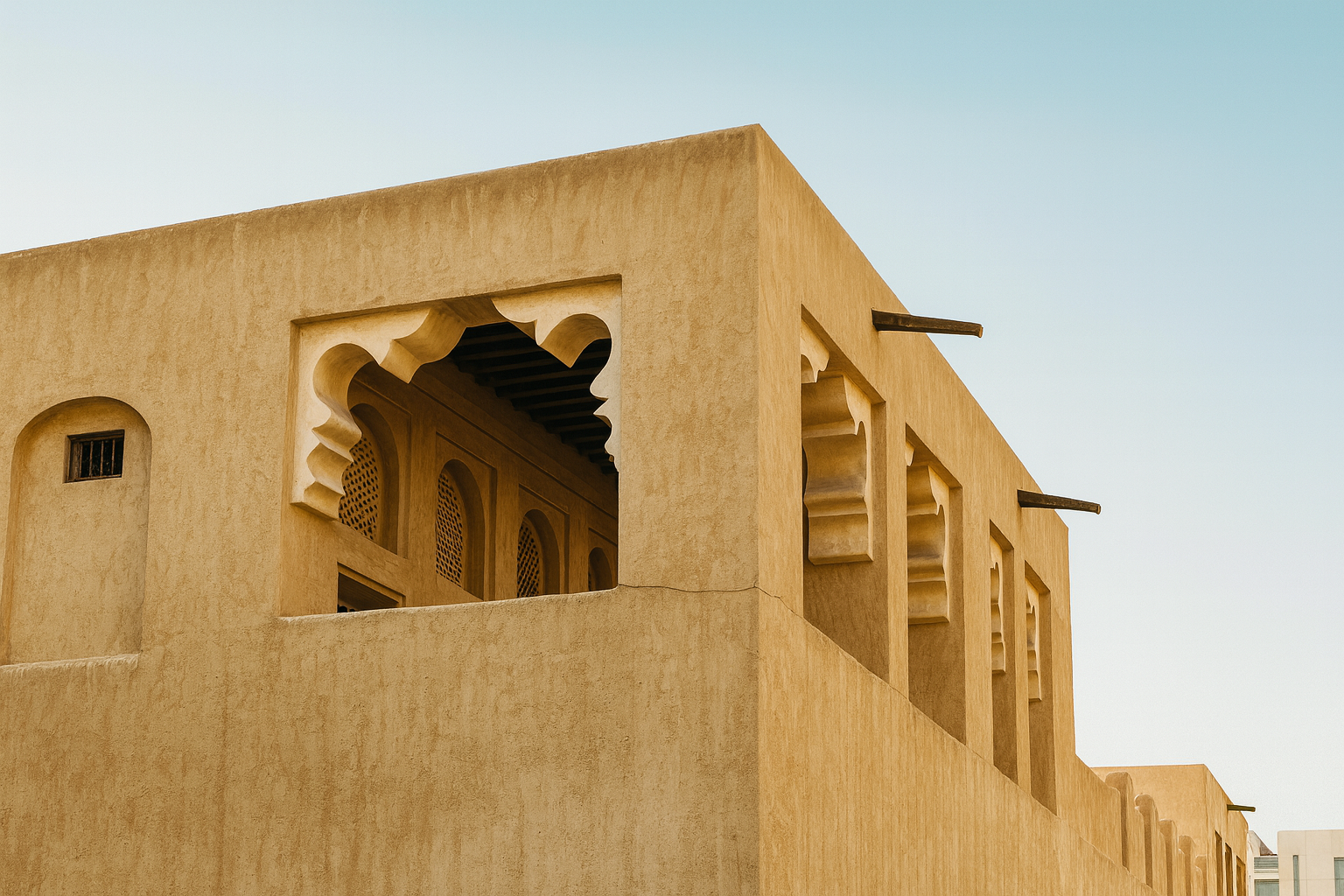
Clay is the material people grabbed first. Dirt underfoot, water from a river, straw if you had it. Mix, press, dry. Suddenly you had walls. From Mesopotamia’s packed towns to the layered streets of Islamic cities, clay wasn’t theory. It was survival.
Mesopotamia, 7000–2000 BCE
Mudbrick raised the earliest towns. Entire streets, storage yards, and defensive walls built out of clay blocks left to harden in the sun. Flood wrecks a wall? You patch it the same week. Cheap, fast, local.
Egypt, 3000–1000 BCE
Nile silt and straw turned into bricks for houses, palaces, everything in between. Most people lived and died inside mudbrick rooms. Easy to mold, easy to rebuild. Still standing in places after thousands of years.
Indus Valley, 2500–1500 BCE
Here clay went high-tech. Kiln-fired bricks made Mohenjo-Daro and Harappa possible. Uniform blocks let them lay out grids, stack multi-story houses, and run drainage networks. First real city plumbing — all thanks to fired clay.
Rome, 500 BCE–400 CE
Rome industrialized it. Bricks and terracotta went into walls, aqueduct linings, roof tiles. Strong, modular, repeatable. It spread through Europe and North Africa like wildfire.
Islamic Cities, 700–1500 CE
Clay became craft. Baghdad, Cairo, Samarkand, Isfahan — housing still used sun-dried brick, but façades became patterned with fired clay. Glazed tiles lit up courtyards and markets. Thick brick walls kept homes cool in 45°C heat. Across North Africa and Spain, you can still see clay as identity, not just structure.
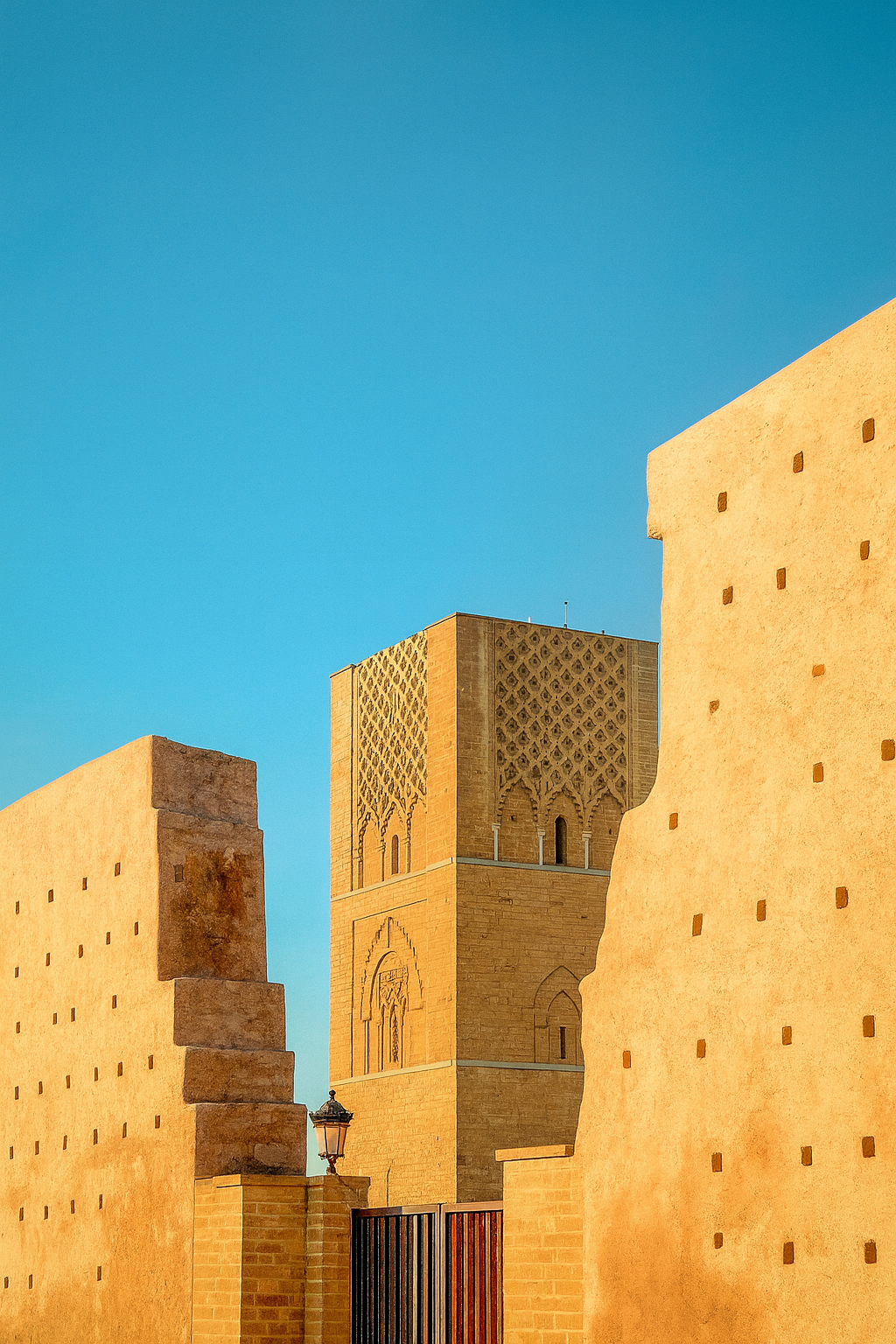
IMAGE: The clay walls and towers of Rabat’s Medina rise in rhythmic geometric patterns, their textured surfaces reflecting centuries of traditional Moroccan Islamic architecture.
Medieval to Early Modern Europe
In towns without quarries, clay was the fallback. Fired bricks stacked into houses, civic halls, warehouses. Whole urban fabrics still standing in the Low Countries and Germany.
Industrial Age, 18th–19th Century
Steam kilns meant scale. Millions of bricks rolling off lines. London rowhouses, Berlin tenements, New York brownstones — all stamped out of fired clay. Cities multiplied because brick could keep up.
Clay lasted because it was there, it was cheap, and it worked. From alley walls in Islamic Cairo to tenement blocks in New York, the form kept changing but the logic never did.
You might like: Biophilic Architecture for Architects: Practical Methods That Work on Site
Clay’s Strengths in Design and Construction
What Makes Clay Work in Architecture
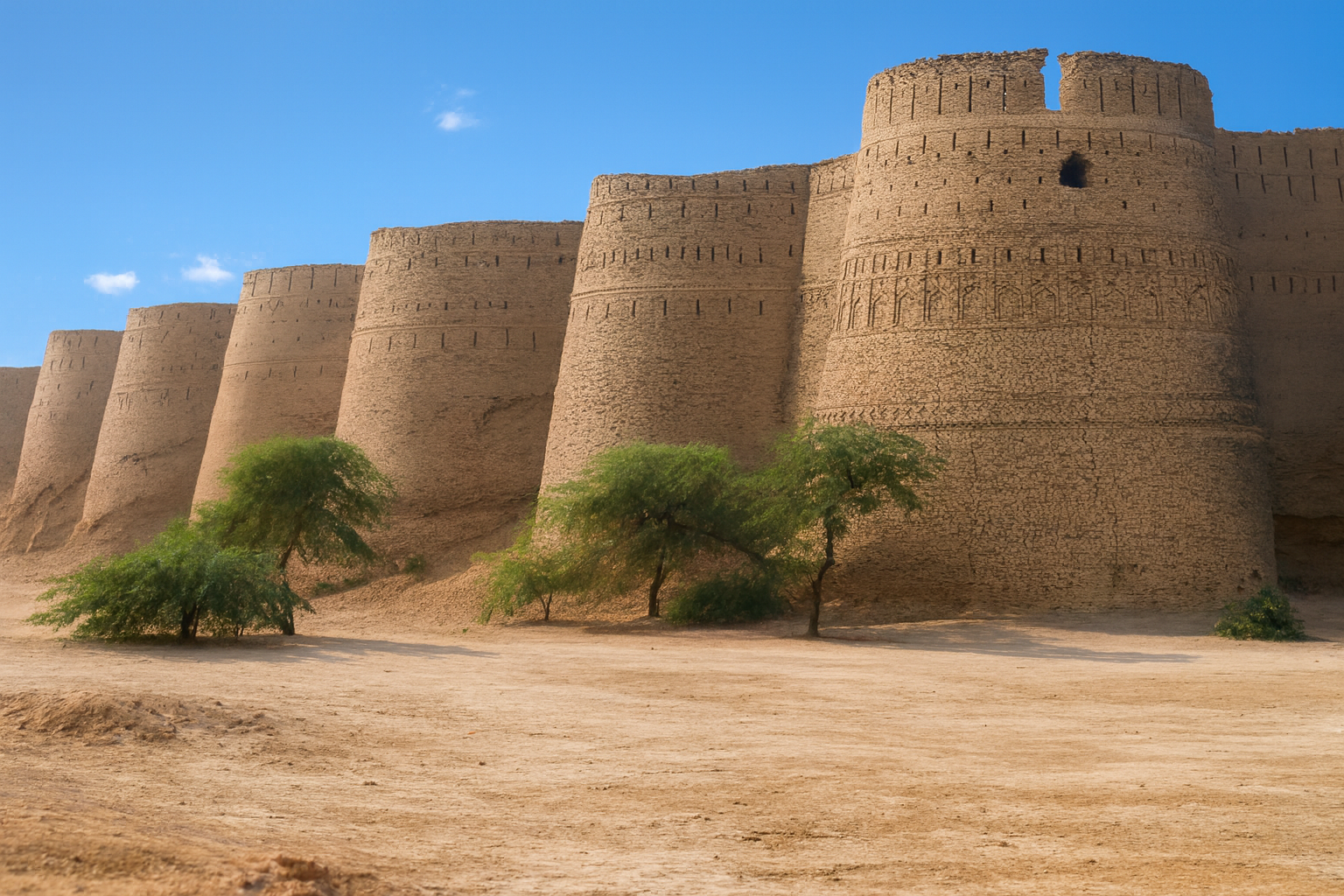
Core Qualities of Clay as a Building Material
Thermal Insulation
Clay walls store and release heat slowly. In hot regions, thick walls absorb sun during the day and keep interiors cool. At night, they let warmth out. In colder places, the same mass holds interior heat. That is why adobe homes in New Mexico or mudbrick houses in Egypt still work centuries later.
Sustainability
Clay is everywhere. Dig, mix, shape, and it becomes a wall. It is abundant, recyclable, and needs little processing. Unfired adobe or rammed earth can be made on site, cutting transport costs and emissions. Fired clay takes more energy but still less than steel or concrete.
Durability and Versatility
Raw clay will wash away if left exposed, but once fired it hardens for centuries. Bricks, tiles, and blocks resist weather and carry structure. It can be walls, floors, cladding, or screens. That range is why you see clay in village houses and corporate towers alike.
Aesthetic Qualities
Clay’s tones run from deep red to pale cream. Left rough, it shows texture. Glazed, it shines. Think of the blue-glazed bricks of Babylon or the terracotta façades in Barcelona. Architects use it for warmth, honesty, and character.
Clay in Use Today
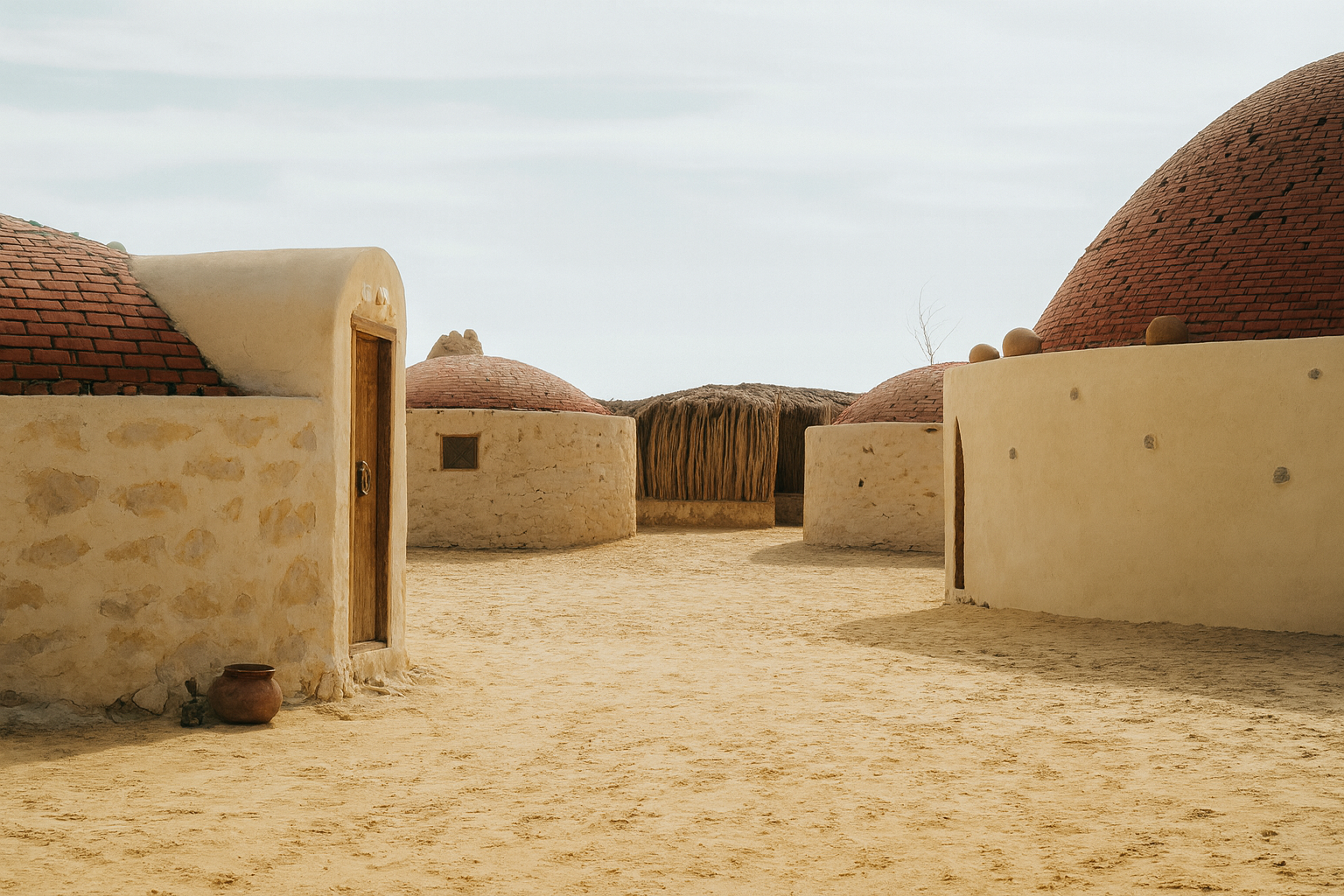
Bricks and Blocks
Still the workhorse. Fired clay makes up streets of rowhouses, schools, entire districts. Stackable, predictable, tough. Bricks take a beating from weather and fire but keep going for decades with almost no maintenance. Contractors trust it because the system is simple: mortar, stack, repeat.
Compressed Earth Blocks
Mudbrick upgraded. Soil, clay, sand pressed into uniform blocks. No firing needed. That means low embodied energy and on-site production. These show up in eco-villages and community schools where money is tight but climate performance matters. Kéré proved they could scale from village classrooms to award-winning civic work.
Rammed Earth Walls
Clay mixed with sand and gravel, packed into forms until it’s rock hard. The result: walls that feel like landscape itself. Thick, silent, with visible layers that look like sedimentary rock. Not cheap — the labor is intense. But architects use it because no other wall delivers that level of presence.
Roofing Tiles
Mediterranean towns, Chinese villages, Spanish suburbs — roofs laid in clay tiles age gracefully and outlast their builders. They insulate naturally by creating an air gap, and once installed, they rarely need replacement. Heavy, yes. Labor intensive, yes. But fireproof and reliable in almost any climate.
Terracotta on Buildings
Terracotta has always been clay dressed up. In the past it meant carved ornament. Today it means rainscreen cladding and modular panels. Fired, glazed, extruded. It resists weather and adds texture to facades. Architects use it to keep surfaces alive without resorting to plastic or synthetic claddings.
Ceramic Tiles
From Roman baths to New York subways. Fired clay tiles take water, grime, and constant use. Kitchens, bathrooms, foyers — they’re there because they’re durable and easy to clean. Glazed tiles bring pattern and color, unglazed tiles bring texture. More and more, they’re made with recycled clay, so the loop closes.
You might like: Methods of Sustainable Construction: What Works, What Wastes Money
Architects Using Clay
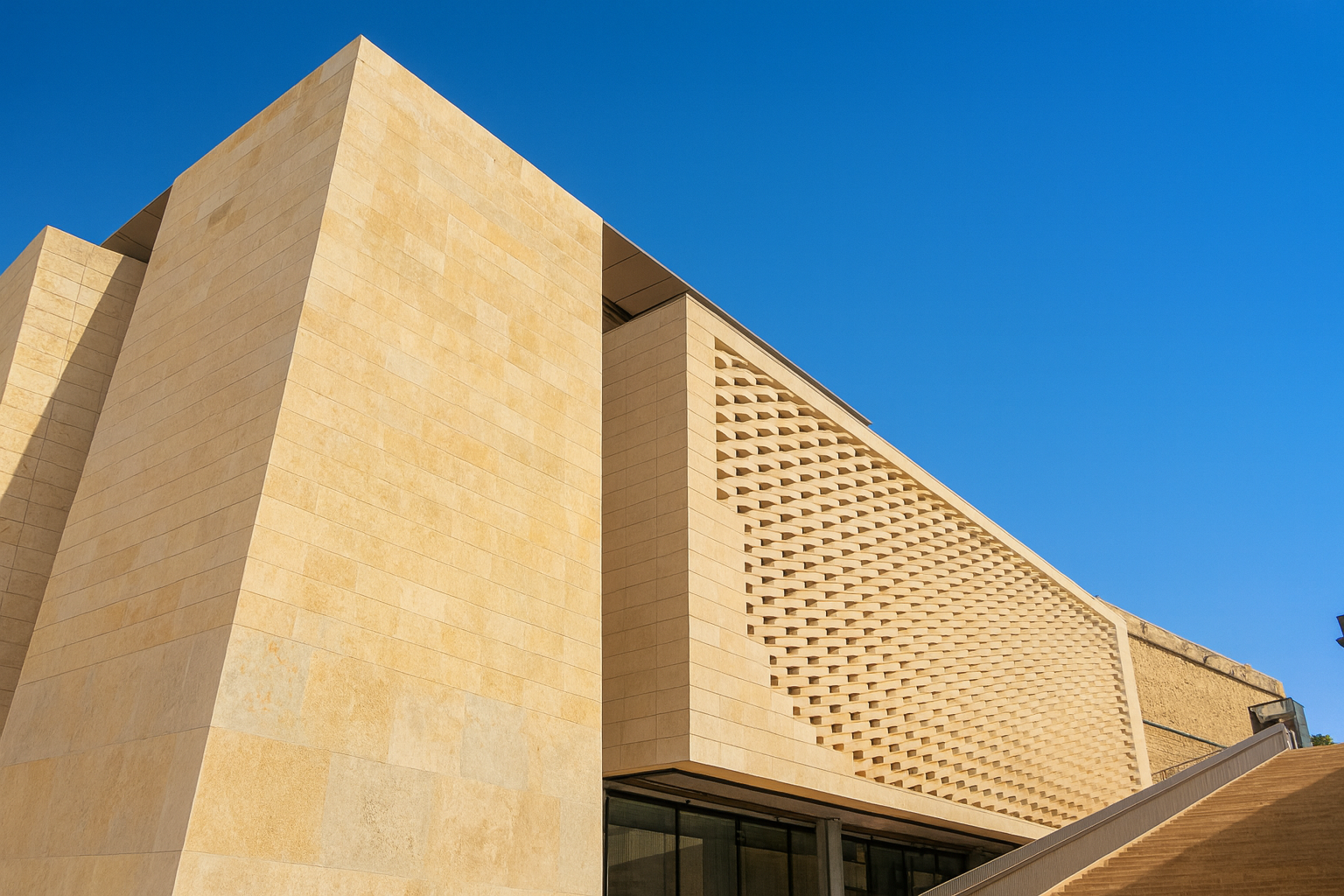
Hassan Fathy
Egyptian architect who brought mudbrick back into serious design. His New Gourna project showed that clay vaults and domes could be climate-smart, low-cost, and dignified. Students still study his details to see how traditional craft meets modern needs.
Francis Kéré
Pritzker Prize winner from Burkina Faso. Uses compressed earth blocks and clay walls to build schools, clinics, civic halls. His buildings stay cool in extreme heat without AC. Proof that clay can carry both function and beauty.
Wang Shu
Chinese architect who treats clay as cultural memory. Reuses old bricks and tiles in new forms. His Ningbo History Museum is a patchwork of salvaged clay — every wall carries fragments of the past while serving a new city.
Peter Zumthor
Swiss architect who uses clay and stone to shape atmosphere. His projects feel heavy, tactile, and grounded. Clay isn’t decoration in his work — it’s mood, texture, permanence.
New Frontiers for Clay
3D Printed Clay
Printers extrude clay walls layer by layer. Cheap, fast, and local soil is often the feedstock. Still experimental, but prototypes in Italy, China, and the US show it can work for low-cost housing. Disaster relief is a likely first step.
Clay Plaster
Clay-based interior plaster regulates humidity, absorbs toxins, and balances temperature. Old trick, rediscovered. People living with it often say rooms “breathe” differently. Contractors like it because it applies like standard plaster but performs better.
Solar Clay Tiles
Clay merged with photovoltaic tech. Terracotta-shaped roof tiles that generate power. They hide the solar cell inside a traditional profile. Expensive now, but the idea is solid: heritage look plus renewable energy.
Wood and Clay Together
Walls
Timber frames filled with clay. Known as wattle and daub in Europe, but versions exist worldwide. Simple, breathable, insulated. Still used in eco-builds because it’s cheap and surprisingly effective.
Floors
Wood planks laid beside clay tiles. The warmth of wood offset by the cooling mass of fired clay. A mix that looks rich and performs well. Common in rustic interiors but creeping back into modern work for texture.
Everyday Clay
Pizza ovens. Clay vaults that trap and radiate heat for hours.
Straw bale houses plastered with clay for protection and breathability.
Homes finished with clay plaster walls that buffer humidity without machines.
Not glamorous, but practical. Clay shows up in everyday life because it works.
Clay Ahead
Clay is abundant, cheap, and endlessly recyclable. That alone makes it a material for the future, not the past. With 3D printing, solar-active tiles, and engineered earth blocks, clay is being retooled for modern needs. From village schools in Africa to luxury museums in Europe, it keeps proving itself adaptable.
The future will not kill clay. If anything, climate pressure and material scarcity will push it even further into the mainstream.
Wood and Clay in Islamic Architecture
Clay and wood were not luxury choices. They were what the ground and climate gave. Yet Islamic builders turned them into structures that still stand centuries later. Thick mud walls in deserts, carved cedar ceilings in palaces, adobe towns still lived in. Survival plus craft.
Wood in Practice
Kairouan, Tunisia
The Great Mosque, built in 670. Wooden ceilings still intact after 1,300 years. Dry air helps, but so does smart roofing that kept beams sheltered.
Alhambra, Spain
13th–14th century palaces in Granada. Muqarnas ceilings carved from wood like lattices in the sky. Fragile, yes, but dry southern Spain plus careful upkeep kept them alive.
Córdoba, Spain
The Mezquita. Begun in the 8th century. Wooden beams and ceilings that carried through its long history. Proof that craftsmanship plus climate can beat rot.
Clay as Structure

Djenné, Mali
The Great Mosque. Mudbrick giant rebuilt by community every year with fresh plaster. It survives because people keep touching it. Without that ritual, the walls would melt in rain.
Bam, Iran
Arg-e Bam, once the world’s largest adobe citadel. Stood for over a millennium until the 2003 quake broke it. Dry climate had kept its clay bricks strong for centuries.
Yazd, Iran
An entire desert city shaped by clay. Sun-dried brick houses and tall windcatchers that pull cool air inside. A whole urban system tuned to climate with nothing more than mud and wood.
Why They Lasted
-
Climate: dry air slowed decay.
-
Techniques: beams tucked under roofs, clay walls replastered.
-
Culture: people valued them, so they maintained them.
The Legacy
Wood carved into ceilings that glow like pattern work. Clay pressed into walls that breathe in the desert. These weren’t temporary fixes. They became identity. Many still stand today because Islamic builders knew how to make local material perform. Architects now look back not for nostalgia but for lessons: build with what you have, build for the climate, and keep communities tied to maintenance.
Related: Eco-Friendly House Without the Green Guilt
Hassan Fathy and Clay for the People
Hassan Fathy, Egyptian architect, mid-20th century. He looked at Cairo’s concrete sprawl and said: this is not for us. Instead, he went back to mudbrick. Local clay, shaped by hand, stacked into vaults and domes without steel or imported cement. Cheap, cool in summer, warm in winter.
His most famous project was New Gourna village near Luxor. He tried to rehouse poor families in homes built with traditional bricks, shaded courtyards, windcatchers, and domed roofs. Beautiful, climate-smart, and affordable. But villagers resisted at first — they didn’t trust the domes, they wanted flat roofs. Some refused to move in. A brutal lesson: design sense is not enough if people don’t buy into it.
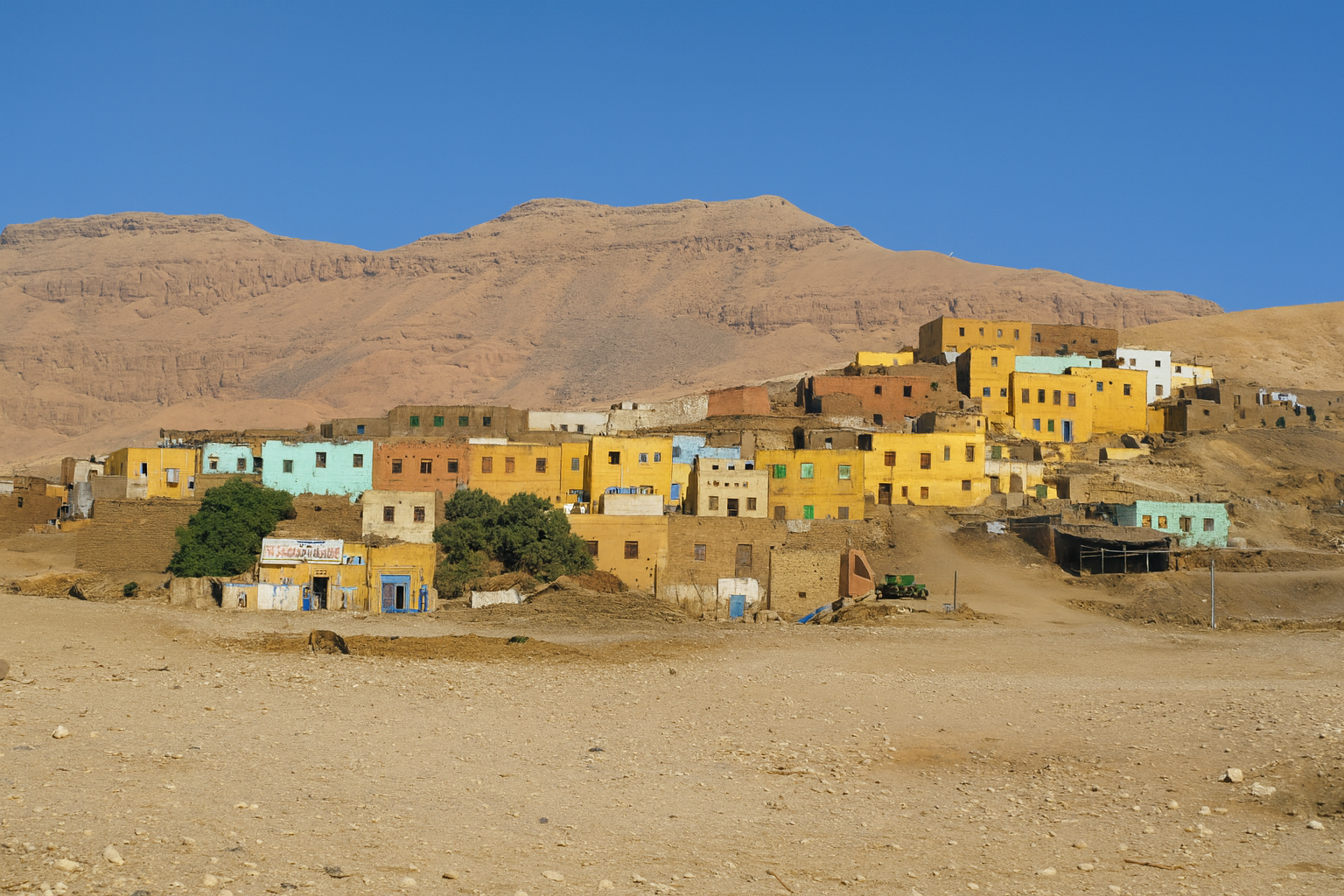
IMAGE 1: Old scenic view of a hillside Gurna village in Luxor, Egypt, showing vibrant clay houses clustered at the mountain base before Hassan Fathy’s architectural intervention.
Fathy wrote Architecture for the Poor — part manual, part confession. He admitted mistakes, from underestimating cultural habits to fighting state bureaucracy. But the bigger point stuck: architecture should serve people with the materials at hand, not copy glass towers that don’t fit the climate.
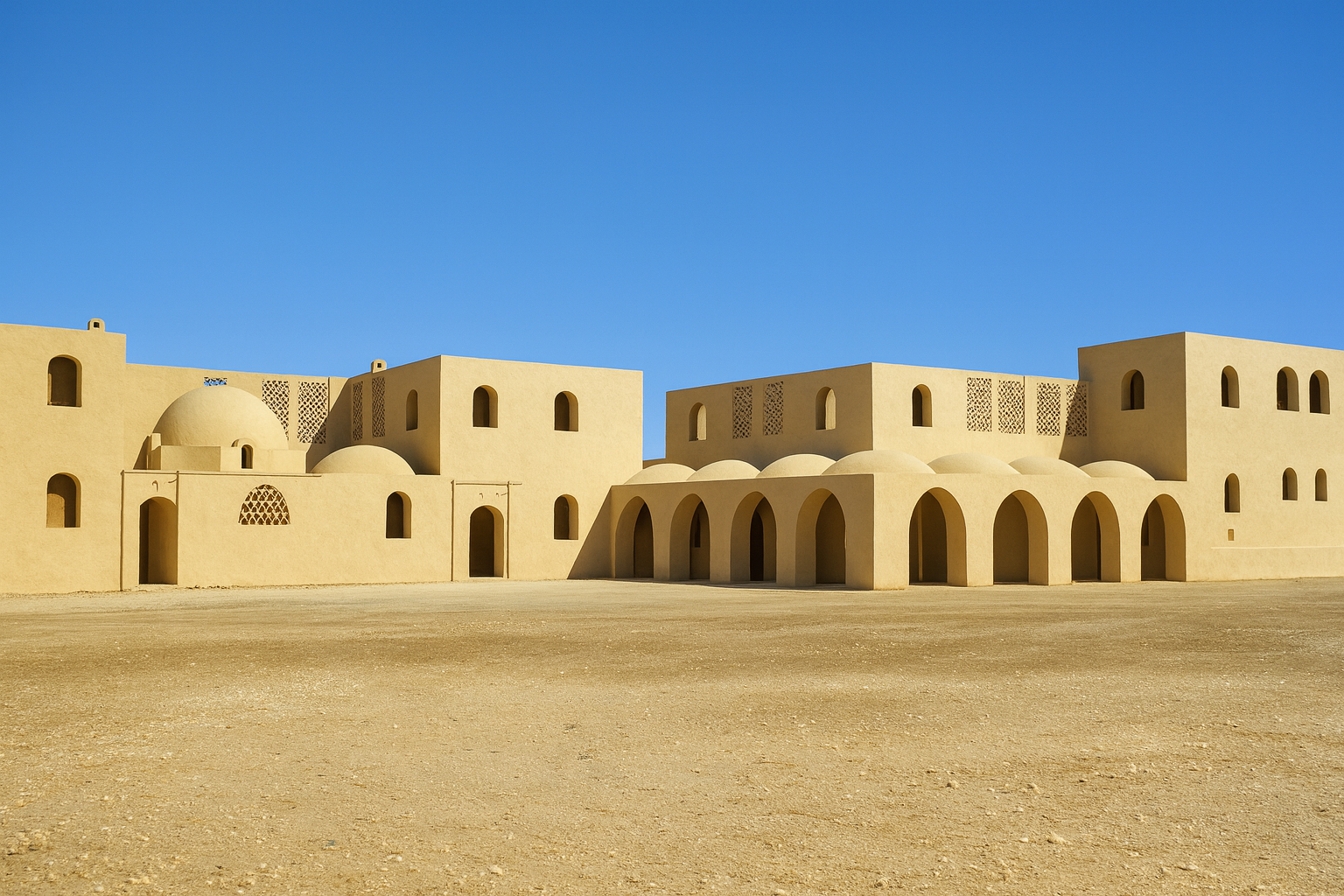
IMAGE 2: Hassan Fathy’s New Gourna architecture in Luxor, Egypt, showcasing clay domes, arches, and desert surroundings for sustainable traditional design.
What to Learn From Fathy
-
Use what the land gives. Clay, stone, palm wood. Imported steel isn’t always progress.
-
Respect climate. Thick walls, small openings, courtyards. These aren’t stylistic — they are survival tools.
-
Listen to people. New Gourna faltered because he imposed ideas. Architecture only works if culture accepts it.
-
Write it down. His book turned one failed project into a global lesson. Every student of sustainable design still reads it.
Hassan Fathy showed that clay could be modern. Not nostalgic, not poor-man’s concrete, but a real alternative to energy-hungry building systems. His work still pushes architects to ask: are you designing for climate and people, or for magazines?
FAQ
1. Why is clay such a popular building material in architecture?
Clay is abundant, affordable, and highly versatile. Its natural thermal insulation properties make it ideal for regulating indoor temperatures in both hot and cold climates. Additionally, clay can be shaped into various forms, making it suitable for both structural and decorative purposes.
2. How does clay contribute to sustainable architecture?
Clay is considered one of the most sustainable building materials due to its natural abundance, low embodied energy, and recyclability. Traditional clay structures like adobe and rammed earth use locally sourced materials and require minimal processing, reducing their environmental footprint. Moreover, clay’s insulating properties help improve energy efficiency in buildings.
3. How long can clay buildings last?
When properly maintained, clay structures can last for centuries, as evidenced by ancient buildings like the Great Mosque of Djenné and the Citadel of Bam. Regular maintenance, such as re-plastering and protective coatings, helps protect clay buildings from weathering and other environmental factors.
4. What are the challenges of building with clay?
While clay is durable and versatile, it can be vulnerable to moisture and erosion, especially in wet climates. Proper sealing, waterproofing, and regular maintenance are essential to prolong the life of clay buildings. In some cases, the structural strength of clay alone may not be sufficient for taller structures, so it is often combined with other materials like wood or reinforced with modern techniques.
5. Can clay be used in modern architecture?
Absolutely. Modern architects are finding innovative ways to incorporate clay into their designs, from 3D-printed clay homes to eco-friendly façades. Compressed earth blocks, ceramic tiles, and even glazed terracotta are common in contemporary projects, offering a blend of tradition and modern aesthetics.
Conclusion
Clay remains one of the most versatile and sustainable materials in architecture, offering both functional and aesthetic benefits that have stood the test of time. From ancient mudbrick structures to modern-day sustainable buildings, clay has evolved to meet the demands of contemporary architecture while maintaining its traditional significance. Its thermal properties, durability, and eco-friendly nature make it an attractive option for architects who seek to create beautiful, energy-efficient buildings.
As sustainability becomes increasingly important in the architectural world, clay’s potential as a low-carbon, energy-efficient material will only continue to grow. Innovations like 3D printing, glazed solar panels, and compressed earth blocks are pushing the boundaries of what clay can do, making it as relevant today as it was thousands of years ago.
Whether it’s used for timeless adobe homes or sleek modern façades, clay continues to shape the future of architecture, proving that this ancient material has an enduring place in the modern world.
Key Materials in Architecture, Construction, and Interior Design
There are several key materials commonly used in architecture and construction that could serve as interesting topics for exploration. Each has its own unique properties, applications, and historical significance. Here are some of the main basic materials:
1. Wood
- Overview: A versatile and renewable material, wood has been used in construction for thousands of years. It offers aesthetic warmth, structural flexibility, and sustainability.
- Potential Topics: Types of wood (softwood vs. hardwood), wood’s role in sustainable architecture, wood construction techniques (e.g., timber framing, Cross-Laminated Timber), and modern uses of wood in architecture.
2. Stone
- Overview: One of the oldest building materials, stone has been used for its strength, durability, and natural beauty. It is often found in monumental structures, historical buildings, and modern homes.
- Potential Topics: Different types of stone (granite, limestone, marble), dry-stone construction techniques, stone’s role in sustainable building, and the historical use of stone in architecture.
3. Steel
- Overview: Known for its strength and flexibility, steel revolutionized construction by enabling the creation of skyscrapers and large-span structures. Its high strength-to-weight ratio makes it ideal for modern architecture.
- Potential Topics: The history of steel in construction, types of steel (stainless, carbon), steel in high-rise buildings and bridges, sustainable steel (recyclability), and iconic steel structures (e.g., the Eiffel Tower, modern skyscrapers).
4. Glass
- Overview: As a transparent and versatile material, glass has transformed architecture by enabling light-filled spaces and modern façades. It is used in everything from windows and skylights to entire curtain walls.
- Potential Topics: Types of glass (tempered, laminated, smart glass), energy-efficient glazing systems, glass in modern architecture (e.g., skyscrapers), and historical use of stained glass in religious buildings.
5. Brick
- Overview: A traditional building material made from clay or concrete, brick is durable, weather-resistant, and aesthetically versatile. It has been used for centuries in both residential and commercial construction.
- Potential Topics: Different types of bricks (clay, concrete), bricklaying techniques (bond patterns), the sustainability of bricks, and notable brick architecture (e.g., industrial and residential uses).
6. Bamboo
- Overview: A renewable and fast-growing material, bamboo is gaining popularity in sustainable architecture due to its flexibility, strength, and aesthetic appeal.
- Potential Topics: Bamboo as an alternative to traditional timber, bamboo construction techniques, the environmental benefits of bamboo, and innovative uses in modern eco-friendly architecture.
7. Aluminum
- Overview: Lightweight, durable, and corrosion-resistant, aluminum is often used in modern façades, window frames, and roofing. It is also highly recyclable, making it popular for sustainable projects.
- Potential Topics: Aluminum in modern architecture, its role in sustainability, aluminum cladding systems, and its use in high-tech buildings.
8. Composite Materials
- Overview: Composite materials such as fiberglass, carbon fiber, and engineered wood products combine two or more materials to create something with enhanced properties.
- Potential Topics: The advantages of composite materials in construction, engineered wood products (e.g., CLT, glulam), and futuristic applications of composite materials in architecture.
9. Concrete
- Overview: A ubiquitous material known for its strength and versatility, concrete is essential in modern construction. Its applications range from simple sidewalks to skyscrapers and bridges.
- Potential Topics: Reinforced concrete, pre-cast concrete, self-healing concrete, sustainable concrete, and the evolution of concrete in modern architecture.
10. Adobe
- Overview: A traditional building material made from earth mixed with water, adobe is one of the oldest known construction materials and is still used today in eco-friendly architecture.
- Potential Topics: The sustainability of adobe, techniques for building with adobe, its role in vernacular architecture, and examples of adobe buildings around the world.
11. Plastic
- Overview: Though controversial due to environmental concerns, plastic is used in various architectural applications, from piping to cladding and even innovative 3D-printed structures.
- Potential Topics: The rise of plastic in modern architecture, 3D-printed plastic homes, recycling and sustainable plastic use, and innovative plastic products in construction.
12. Straw Bale
- Overview: An eco-friendly material made from compressed straw, straw bale construction is used for insulation and sustainable building projects.
- Potential Topics: Straw bale in green building, its insulating properties, techniques for straw bale construction, and notable examples of straw bale houses.
13. Ram Earth
- Overview: An ancient construction technique that compacts layers of soil to create walls, rammed earth is making a comeback in sustainable building for its strength, beauty, and environmental benefits.
- Potential Topics: The revival of rammed earth, its environmental benefits, rammed earth in modern architecture, and building techniques.