

How Government Buildings Speak Power
Columns, Domes, and Symbols in Public Buildings
Walk past a capitol or courthouse and you’ll get the message right away. Stone columns. Wide steps. A dome or spire lifted above the street. These are not just design choices. They’re symbols. They tell you the institution inside is bigger than you. Permanent. In charge.
Why Columns, Domes, and Scale Keep Coming Back

For thousands of years rulers have recycled the same toolkit. Rome built forums this way. Washington used it for the Capitol. Even small-town courthouses copy it.
-
Columns = permanence and order.
-
Domes = reach and vision.
-
Scale = authority.
Before a single law is read or a verdict is spoken, the building has already done half the job. It sets the tone.
MUST READ
📘 Learning to Build: The 5 Bedrock Skills of Innovators and Entrepreneurs by Bob Moesta
Moesta boils down what it actually takes to ship ideas, face failure, and grow into someone who can build again and again. He’s coached thousands of entrepreneurs and knows the traps.
Government Architecture is Never Neutral

IMAGE: The front facade of Buckingham Palace in London, featuring symmetry, scale, and classical detailing, exemplifying how architectural design conveys authority, tradition, and power.
These buildings don’t just provide office space. They frame how people experience government itself. The materials, the layout, the approach—every detail is chosen to communicate stability, control, and legitimacy.
Think of the U.S. Supreme Court. Even if you know nothing about law, the stairs, the marble, the carvings tell you: this is serious ground. The same logic shows up in the Reichstag in Berlin, the Palace of Westminster in London, or even a county courthouse in Kansas.
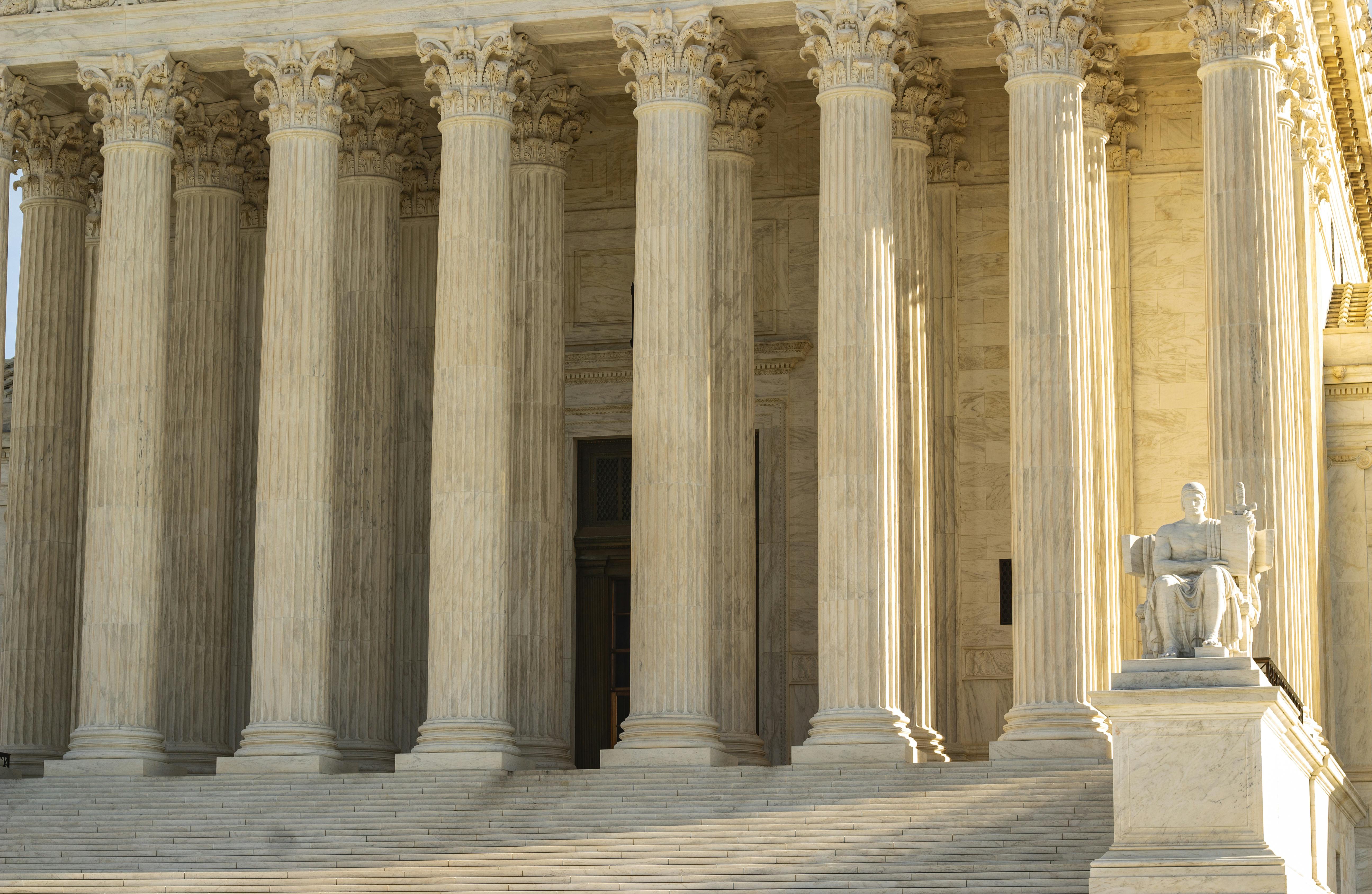
IMAGE: The U.S. Supreme Court facade in Washington D.C., with grand stairs, marble columns, and carved detailing, demonstrating how architecture signals authority and seriousness—parallels seen in the Reichstag in Berlin, the Palace of Westminster in London, and local courthouses alike.
The point is simple: government uses architecture the same way it uses law. To project authority. To last longer than the people who work inside.
Related: Introduction to Architecture: A Beginner’s Guide to Building Design
How Architecture Shapes Power in Government Spaces
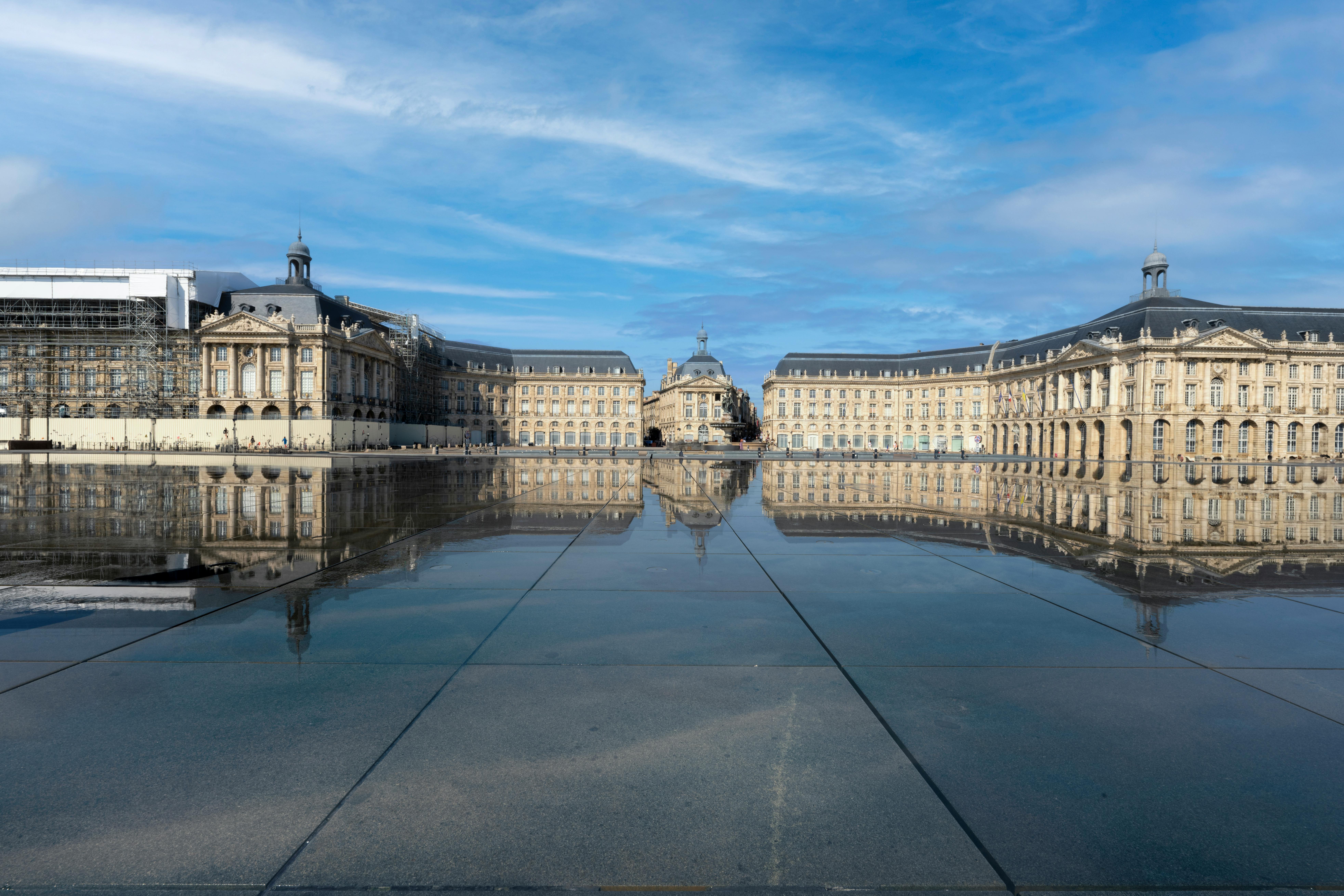
IMAGE: The Place de la Bourse in Bordeaux, France, with its grand symmetrical design, rhythmic colonnades, and reflective plaza, showing how architecture conveys authority, order, and civic power.
Government Buildings: Design, Psychology, and Symbolism
Why Courthouses and Parliaments Look the Way They Do
Government buildings project power. They signal permanence. They shape how citizens see authority.
City halls, parliaments, courthouses, and embassies all carry different weight, but their architecture follows the same logic: make the institution look bigger than the individual.
Columns, domes, marble facades, and wide steps are not just decoration. They’re psychological tools. A person walking up those stairs feels small. The building feels immovable. That’s design doing political work.
Inside, layouts matter too. Courthouses are arranged so the judge sits high above. Legislative chambers use symmetry to suggest order. Even hallways and plazas are planned to control flow and reinforce hierarchy.
The symbolism shifts by culture. A U.S. capitol dome speaks of democracy and openness. A fortress-like ministry building in another country signals security and control. Both use architecture to stage authority.
For architects, the lesson is clear: every line, column, and corridor in government buildings is deliberate. They are designed to send a message before a word is spoken.
Related: Design Basics in Architecture and Building: The Fundamentals You Need to Know
Types of Government Buildings: Design and Purpose
Government buildings are essential in shaping the urban landscape, serving not only as centers for administrative and civic functions but also as symbols of authority, justice, and national identity.

Power Made of Stone: How Government Buildings Manipulate Perception
Government buildings are built to last, but they’re also built to talk. They tell you who holds power, how stable that power is, and how you’re supposed to feel when you enter.
None of it is random. Every column, stair, and dome is a message.
Below are the main types of government buildings, what to pay attention to, and the psychological signals baked into their design.
Capitols: Domes and Balance = Unity and Authority
Example: The U.S. Capitol, Washington D.C.
Capitols always aim for legitimacy. Huge domes aren’t just architectural decoration—they’re symbols of universality and reach. Columns and symmetry reinforce order, balance, and stability.
What to focus on:
-
Dome: Meant to awe, to suggest that government sits over all.
-
Symmetry: Suggests fairness and balance, even if politics inside are messy.
-
Steps and elevation: Forces visitors to look up, literally placing the institution above the people.
Courthouses: Height and Columns = Justice Above You
Example: U.S. Supreme Court, Washington D.C.
Courthouses aren’t designed for comfort. They’re designed for seriousness. Wide stairs, tall Corinthian columns, and stone facades say: “This place is unshakable. The law is permanent.”
What to focus on:
-
Stairs: Create a ritual of ascent. Justice sits higher than the individual.
-
Columns: Signal strength and permanence. Thick, tall ones are deliberate intimidation.
-
Inscribed mottos: Like “Equal Justice Under Law”—words carved in stone to feel eternal.
Palaces: Scale and Ornament = Absolute Power

Example: Buckingham Palace, London
Palaces are residences, but they’re also theaters of dominance. Monumental façades and iron gates separate ruler from ruled. Balconies act as controlled “stage sets” for public appearances.
What to focus on:
-
Size vs. surrounding city: Meant to dwarf ordinary buildings.
-
Fences and gates: Show separation between authority and citizens.
-
Balconies: Controlled access points where leaders can appear godlike.
City Halls: Opulence = Civic Pride and Ambition
Example: Philadelphia City Hall
City Halls often mix pride with intimidation. Towers and statues reinforce civic history while oversized façades remind locals of their city’s importance.
What to focus on:
-
Towers: Meant to be visible everywhere, a civic anchor.
-
Ornament: Sculpture, murals, and carvings celebrate history but also assert dominance.
-
Material choice: Stone over brick = permanence, seriousness.
Related: What Is Granite Used For in Buildings? Full Material Breakdown
Parliaments: Layers = Tradition and Participation
Example: Palace of Westminster, London
Parliaments balance spectacle with function. Gothic spires, clock towers, and monumental halls show historical continuity, while public galleries symbolize openness.
What to focus on:
-
Iconic towers (Big Ben): Symbols of watchfulness and continuity.
-
Spire-heavy silhouette: Suggests timelessness and spiritual weight.
-
Public galleries: Not generosity—controlled access, designed to show transparency on the state’s terms.
Embassies and Consulates: Security Disguised as Hospitality
Example: American Consulate, Istanbul
Embassies are double-faced: secure fortress on the inside, cultural handshake on the outside. Gardens, flags, and symbolic motifs soften what is essentially a bunker.
What to focus on:
-
High walls: Security hidden as “privacy.”
-
Facade design: Welcoming elements (glass, greenery) to balance intimidation.
-
Flag placement: Positioned to dominate the approach, signaling national pride and presence.
Police Stations: Fortress = Surveillance and Control
Example: One Police Plaza, NYC
Police HQs rarely try to be beautiful. Brutalist concrete, small windows, and fortress-like layouts emphasize power, safety, and watchfulness.
What to focus on:
-
Materials: Heavy concrete or stone = immovable authority.
-
Window placement: Minimal and small, to avoid vulnerability.
-
Scale: Oversized blocks that feel hard to penetrate.
See also: The Complete List of Building Materials: Key Types and Their Applications
Post Offices: Accessibility = Government Service
Example: James A. Farley Building, NYC
Post offices use neoclassical architecture—columns, inscriptions, wide staircases—not to intimidate, but to remind people the state provides essential services.
What to focus on:
-
Inscriptions: Mottos like “Neither snow nor rain…” tie service to reliability.
-
Grand stairs: Make daily service feel like participation in something bigger.
-
Columns: Used more as markers of dignity than intimidation.
Prisons: Control vs. Rehabilitation
Example: Halden Prison, Norway
Traditional prisons used high walls, bars, and fortress layouts to intimidate. Progressive ones (like Halden) use natural light and open courtyards to reshape behavior.
What to focus on:
-
Walls and fences: How visible are they? Visible = intimidation. Hidden = rehabilitation.
-
Use of light: Natural light softens punishment.
-
Material: Harsh concrete vs. warm wood signals punishment vs. reform.
Fire Stations: Function = Efficiency
Example: Fire Station No. 4, Columbus, Ohio
Fire stations don’t project power. Their design communicates readiness. Drive-through bays, red accents, and visibility in the community create reassurance.
What to focus on:
-
Vehicle access: Always prioritized. Speed = life-saving.
-
Visibility: Often placed near roads to show presence.
-
Design accents: Red doors or panels symbolize urgency.
The Takeaway: Read Buildings Like Text
Government buildings are designed to manipulate emotion. They can make you feel small, safe, proud, or controlled—often all at once. Once you start noticing patterns—columns for authority, domes for unity, glass for transparency, concrete for control—you realize architecture is not neutral. It’s political theater built in stone.
Related: Must-Read Color Psychology Books for Understanding Emotions and Design
Government Buildings: Reading Power Through Design
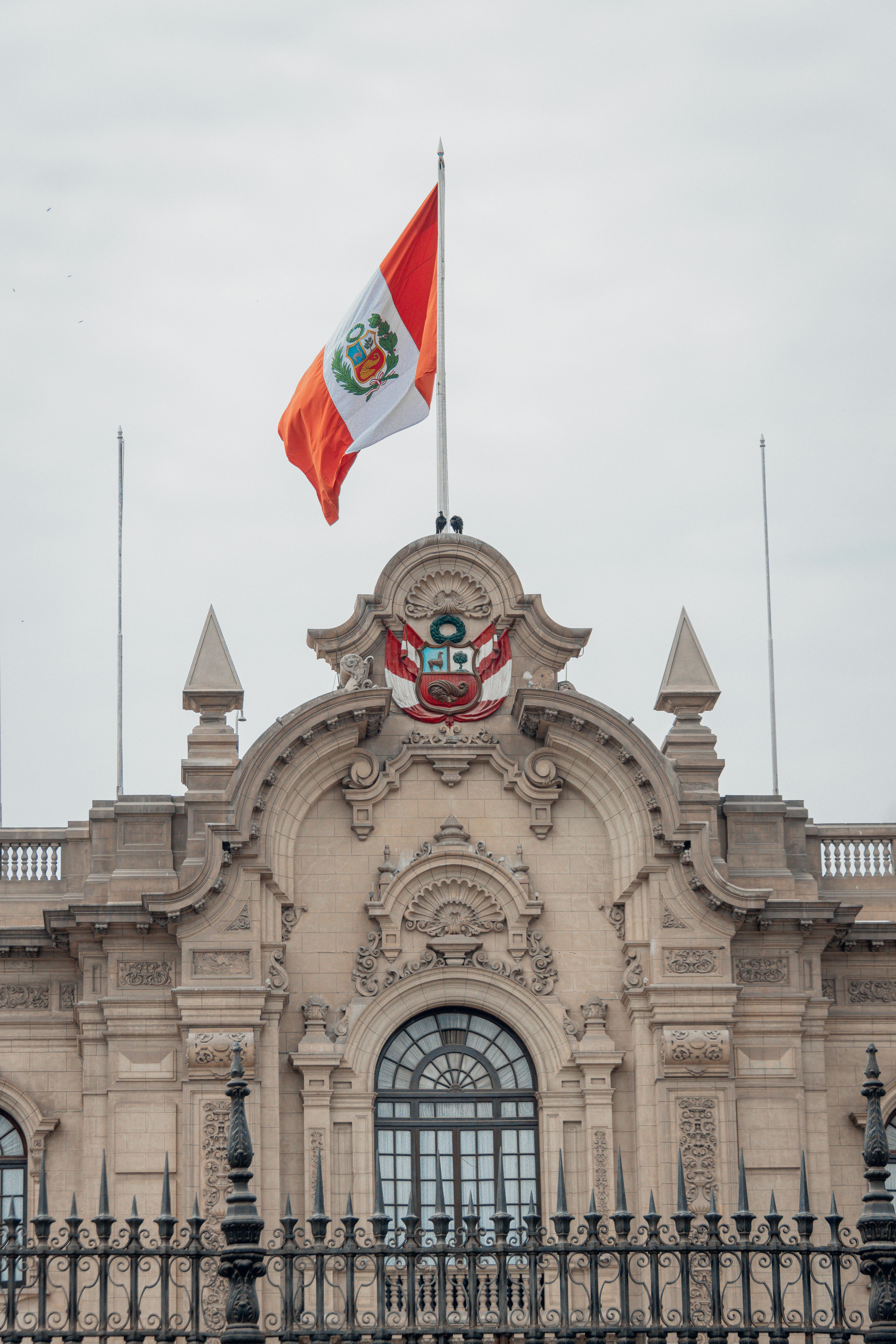
IMAGE: The Government Palace in Lima, Peru, with its grand symmetrical facade, balanced proportions, and ornate detailing, demonstrating design principles used in governmental architecture to convey authority, stability, and power.
How Architecture Shapes Authority
Government buildings aren’t neutral. Their scale, layout, and ornament are carefully chosen to broadcast messages about who holds power. Walk up the steps of a courthouse or past the gates of a palace—what you see is theater as much as function.
City Halls: Civic Pride or Control?
-
What to look for: towers, clocks, statues.
-
Why they’re there: Towers often held bells to mark civic time, reminding citizens of order and the state’s presence. Sculptures and murals highlight local heroes to root authority in culture.
-
Example: Philadelphia City Hall’s William Penn statue looms above the city—a visual reminder that civic identity is tied to history and governance.
Courthouses: Architecture of Judgment
-
What to look for: wide steps, tall Corinthian columns, inscriptions like “Equal Justice Under Law.”
-
Why they’re there: Steps elevate the visitor, forcing them to climb toward justice. Columns evoke permanence, order, and ties to Greek democracy and Roman law.
-
Example: The U.S. Supreme Court in Washington, D.C. makes you feel small before you even enter. That’s intentional—the building itself tells you justice is bigger than you.
Parliaments: Democracy on Display
-
What to look for: domes, spires, or glass.
-
Why they’re there: Domes symbolize unity. Spires assert reach and ambition. Glass is the modern cue for transparency.
-
Example: Berlin’s Reichstag dome by Norman Foster lets citizens literally look down on lawmakers. That isn’t a gimmick—it’s architectural accountability after dictatorship.
Palaces: Architecture of Presence
-
What to look for: long facades, ornamental gates, ceremonial balconies.
-
Why they’re there: Palaces project dynasty and continuity. Balconies create a stage where rulers can appear above crowds, embodying distance but also connection.
-
Example: Buckingham Palace’s balcony appearances aren’t just tradition—they’re choreographed moments of monarchical power.
Embassies: Balancing Openness and Defense
-
What to look for: walls, setbacks from the street, carefully landscaped gardens.
-
Why they’re there: Security is paramount, but design softens it with greenery or local motifs to maintain diplomacy.
-
Example: The new U.S. Embassy in London looks like a fortress but floats on a landscaped pond to project openness alongside strength.
Prisons: From Punishment to Rehabilitation
-
What to look for: barred windows vs. open courtyards.
-
Why they’re there: Older prisons emphasized control and intimidation. Modern ones use light and open space to suggest rehabilitation.
-
Example: Halden Prison in Norway has no bars on windows. Its architecture signals that the goal is reintegration, not lifelong punishment.
How to “Read” a Government Building
-
Columns = legitimacy, order, authority.
-
Domes = unity, law, and often religion tied to governance.
-
Stairs = hierarchy, forcing physical effort to “approach power.”
-
Glass = transparency, accountability, democracy.
-
Fortified walls = fear, security, defense.
Related: Why Canada’s Parliament Buildings Look the Way They Do
Architecture as a Signal of Stability
Government buildings are not only functional. Their design actively broadcasts a message: stability, permanence, and authority.
When a parliament is framed by heavy stone columns, or a courthouse rises with balanced symmetry, people read those choices as signs of order and durability. This isn’t accidental. States deliberately use architecture to reassure citizens that the system will endure, even in times of crisis.
A weak or improvised design can do the opposite. Temporary offices, poorly maintained facades, or inconsistent styles can project fragility. History shows that regimes often collapse alongside their neglected or bombed-out government buildings because the built environment feeds into perception.
Strong, stable architecture also deters opposition. A vast, monumental façade can make protest feel smaller. A dignified, timeless structure can make overthrow seem less possible. The building itself becomes part of the defense, not in a military sense, but in a psychological one.
Modern governments still use this principle. Think of how U.S. federal courthouses use classical symmetry, or how China builds vast marble-clad assemblies to suggest immovable continuity. Even when politics shift, the stone and steel remind people: the state remains.
Key point: Architecture isn’t just about housing government work. It is a deliberate signal of legitimacy, stability, and permanence that influences how people think and act toward authority.
Related: Design Basics in Architecture & Building: The Fundamentals!
Historic Government Buildings That Still Teach Us Something
Old Admiralty Building, London, UK
What it shows: Naval dominance translated into stone. Its neoclassical proportions and placement on Whitehall remind architects that government buildings are often designed as propaganda tools, not just offices.
Architect’s takeaway: Placement and proportion can project as much power as scale.
Old Treasury Building, Melbourne, Australia
What it shows: Wealth made visible. Those Ionic columns during the gold rush era were a deliberate choice to signal stability and confidence.
Architect’s takeaway: Material and detailing choices are not decorative—they broadcast economic intent.
Old State House, Boston, USA
What it shows: Small size, big meaning. The Georgian style might look restrained, but the building became a stage for revolution.
Architect’s takeaway: Don’t underestimate small civic buildings. They can carry national narratives if placed at the right moment in history.


Related: Classical Architecture: History, Key Features, Famous Buildings, and Influence
Government Buildings: History and Architecture
Government buildings have always carried political weight and architectural presence. From ancient temples that doubled as administrative halls to modern embassies built for security and openness, they reveal how power is expressed in stone, brick, and glass.
Ancient Civilizations
Mesopotamia
Ziggurats like the one at Ur worked as both temples and administrative centers. Their massive scale projected authority and reinforced the city’s political hierarchy.
Egypt
Palaces and temple complexes such as Karnak and Luxor combined religious and governmental roles, placing the pharaoh’s authority at the center of both civic and spiritual life.
Greece
Structures in the Athenian Agora, including council chambers and stoas, became models of civic space and early democracy.
Rome
The Roman Forum and the Curia Julia housed the Senate and legislative functions. They remain the clearest architectural imprint of Roman governance.
Medieval to Renaissance
Medieval Europe
Castles and fortified towers, like the Tower of London, served double duty: military defense and political control.
Renaissance Italy
Florence’s Palazzo Vecchio and Venice’s Doge’s Palace show how government architecture turned into civic landmarks, displaying wealth, order, and artistic patronage.
Modern Periods
Baroque and Neoclassical
Palaces such as Versailles in France used scale, symmetry, and ornament to symbolize absolute rule. Neoclassical buildings, often civic, emphasized order and permanence.
Colonial Era
Structures like Casa Rosada in Argentina and Fort Santiago in the Philippines represented European dominance and were designed to impose authority on local populations.
Contemporary Era
Today, government buildings balance symbolism with function. Embassies, parliaments, and courthouses emphasize transparency, security, and sustainability. Materials, layouts, and public access now reflect democratic values rather than only dominance.
Conclusion
Government buildings are never just offices. They anchor national memory, embody authority, and shape how citizens see power.
A courthouse, a parliament, or even a local city hall sends a message before a word is spoken. The dome, the steps, the columns, the glass curtain walls—each is a design choice tied to politics and culture.
Today, these buildings face new pressures: sustainability, security, and technology. Smart materials, green systems, and adaptable layouts are becoming as essential as stone and steel once were. Yet the symbolic weight remains. People still expect a parliament to feel permanent, a courthouse to feel just, and an embassy to feel guarded but open.
The next chapter of government architecture will be judged not only by how it houses administration, but by how it balances tradition with innovation. These landmarks will continue to stand as visible contracts between people and power.
FAQs
History and Origins
What is the oldest known government building?
The Curia Hostilia in ancient Rome is one of the earliest examples, built in the 7th century BC as the Senate house.
Did Mesopotamia really have government buildings?
Yes. Ziggurats doubled as religious and administrative hubs, hosting records and officials.
Why were temples used for government in ancient Egypt?
Because pharaohs tied political authority to divine power, temples acted as both state and religious centers.
What role did the Greek stoa play?
The stoa in Athens housed legal, political, and commercial activity. It was a physical backbone of democracy.
How did Roman forums work?
They concentrated politics, law, and trade in one complex, with the Senate (Curia Julia) at the core.
Medieval and Renaissance
Were castles just military buildings?
No. Castles like the Tower of London also housed treasuries, courts, and administration.
What made Renaissance city halls unique?
They showed civic pride. The Palazzo Vecchio in Florence blended fortress style with decorative art.
Why is Venice’s Doge’s Palace famous?
It combined Gothic elegance with government chambers, symbolizing Venetian independence.
Did medieval towns have separate government halls?
Yes. Many towns built guildhalls and town halls apart from churches to mark civic authority.
How did religion influence government buildings then?
Churches often doubled as court or council spaces, blending sacred and civic life.
Baroque to Colonial
Why is Versailles seen as political, not just royal?
Because Louis XIV used it as a theater of power, forcing nobles into the palace to centralize control.
What defines Baroque government buildings?
Drama. Columns, domes, and giant staircases meant to intimidate and impress.
How did neoclassicism spread in government design?
Through European empires. Capitals copied Greek and Roman styles to symbolize stability.
What is Casa Rosada in Argentina known for?
Its pink façade and its role as the presidential palace since the 19th century.
Why were colonial forts considered government buildings?
Because they combined military power with taxation, prisons, and offices for colonial governors.
Modern Government Buildings
Why do U.S. capitols use domes?
To echo Roman authority and Greek democracy. Domes symbolize unity and visibility.
What makes the UK’s Parliament building Gothic Revival?
Pointed arches, ribbed vaults, and spires chosen to project history and continuity.
Are modern embassies designed for beauty or security?
Both, but security dominates today. Most embassies are fortress-like, with cultural spaces tucked inside.
Do all parliaments have similar layouts?
No. Westminster systems use adversarial benches. Others, like Germany’s Bundestag, prefer semi-circular halls for consensus.
How do modern government buildings show democracy?
With transparent glass facades, open plazas, and accessible public galleries.
Design and Architecture
What materials dominate historic government buildings?
Stone and marble, chosen for permanence and symbolism.
Why do many have columns?
Columns signal order and strength. They reference Greece and Rome’s political roots.
Why are stairs so common in government entrances?
Elevation makes buildings imposing and separates leaders from the street.
Do government buildings always sit in central squares?
Often. Central placement reinforces authority and access.
What role does symbolism play in design?
Every feature — domes, eagles, crests, carvings — communicates power and ideology.
Preservation and Public Use
Are historic government buildings still in use?
Many are. Examples: The Old State House in Boston is now a museum; Palazzo Vecchio still hosts city offices.
What are the main preservation challenges?
Aging stone, outdated wiring, and balancing security with public access.
Do governments adapt old buildings for new use?
Yes. Many are converted to museums, libraries, or courts.
How do modern additions respect old sites?
Architects often build glass extensions or underground expansions to avoid clashing styles.
Why do people visit old government buildings?
For their history, political symbolism, and architectural value. Tours often double as civic education.
Culture and Politics
Do government buildings reflect national identity?
Always. From the White House to the Kremlin, they project the state’s story.
Can architecture influence politics?
Yes. Spaces shape debate. A circular chamber encourages dialogue, a long hall fosters confrontation.
Why do revolutions target government buildings?
Because seizing them equals seizing authority. Think Bastille in 1789 or the U.S. Capitol storming in 2021.
What is the future of government architecture?
Green design, digital security, and more public-friendly layouts. Governments want to show openness while staying safe.
Why does every nation guard its government sites so tightly?
Because they embody sovereignty. Losing control over them signals weakness.