
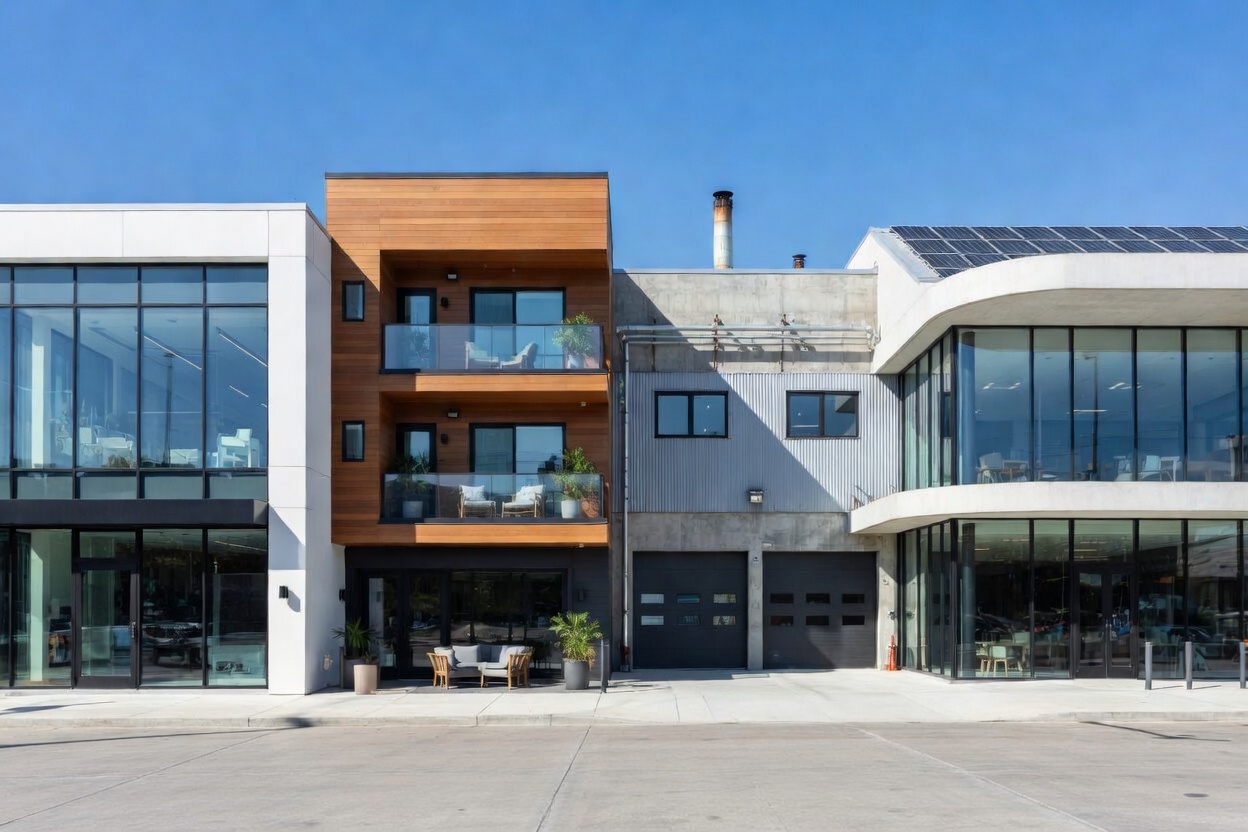
The usual bad version of this topic is a giant list. Residential. Commercial. Industrial. Institutional. Then 40 side trips into materials, codes, and random product terms.
That does not help anyone design or understand a real building. A building type matters because it changes the plan, the structure, the code path, the mechanical loads, the circulation, the life-safety strategy, and the way people actually move through the space. A school is not just “another big building.” Neither is a warehouse. Neither is a house. Neither is a courthouse.
So this page stays simple. The goal is to explain the major building types, what each one is trying to do, and what decisions usually change when the use changes.
Why Building Type Matters
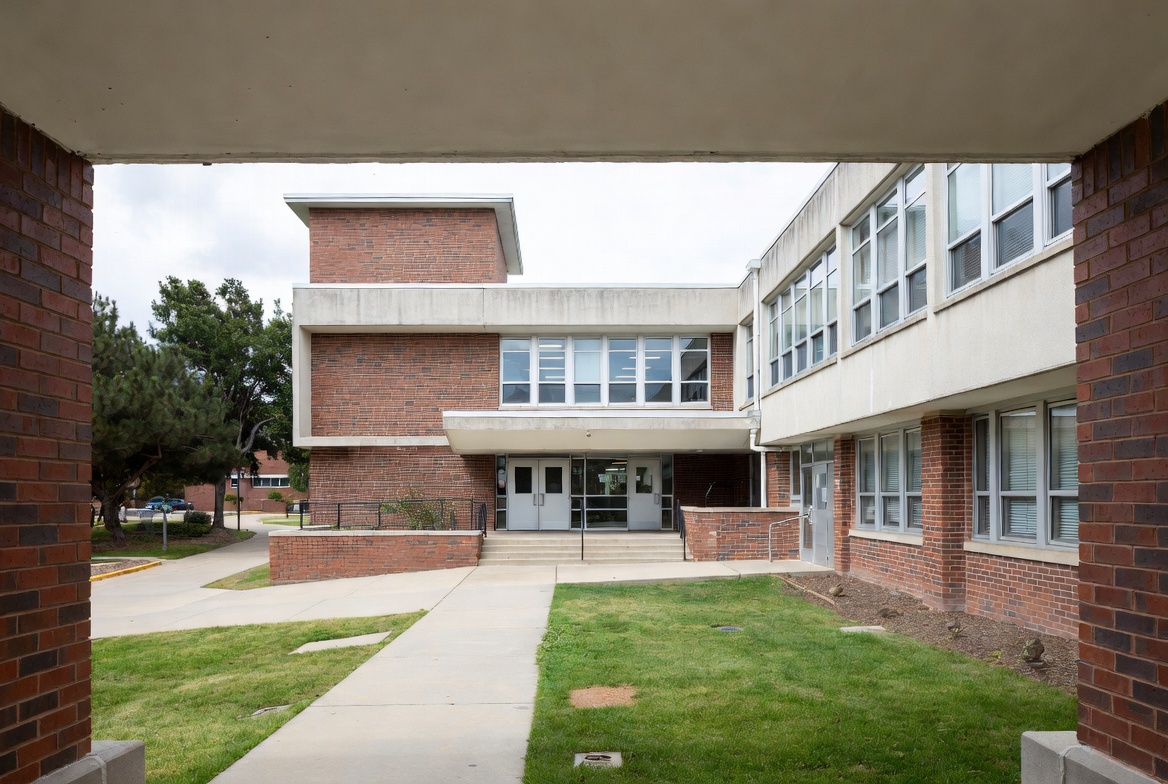
The fastest way to understand building types is this: use drives design.
A residence is shaped by privacy, comfort, storage, daylight, and daily routines. A commercial building is shaped by access, turnover, visibility, flexibility, and code requirements tied to public use. An industrial building is shaped by span, loading, workflow, truck access, and equipment. Institutional work adds another layer: safety, accessibility, durability, and public accountability. Government and civic work adds representation, security, and public trust on top of that.
Change the use, and the whole building starts shifting with it.
Residential Buildings

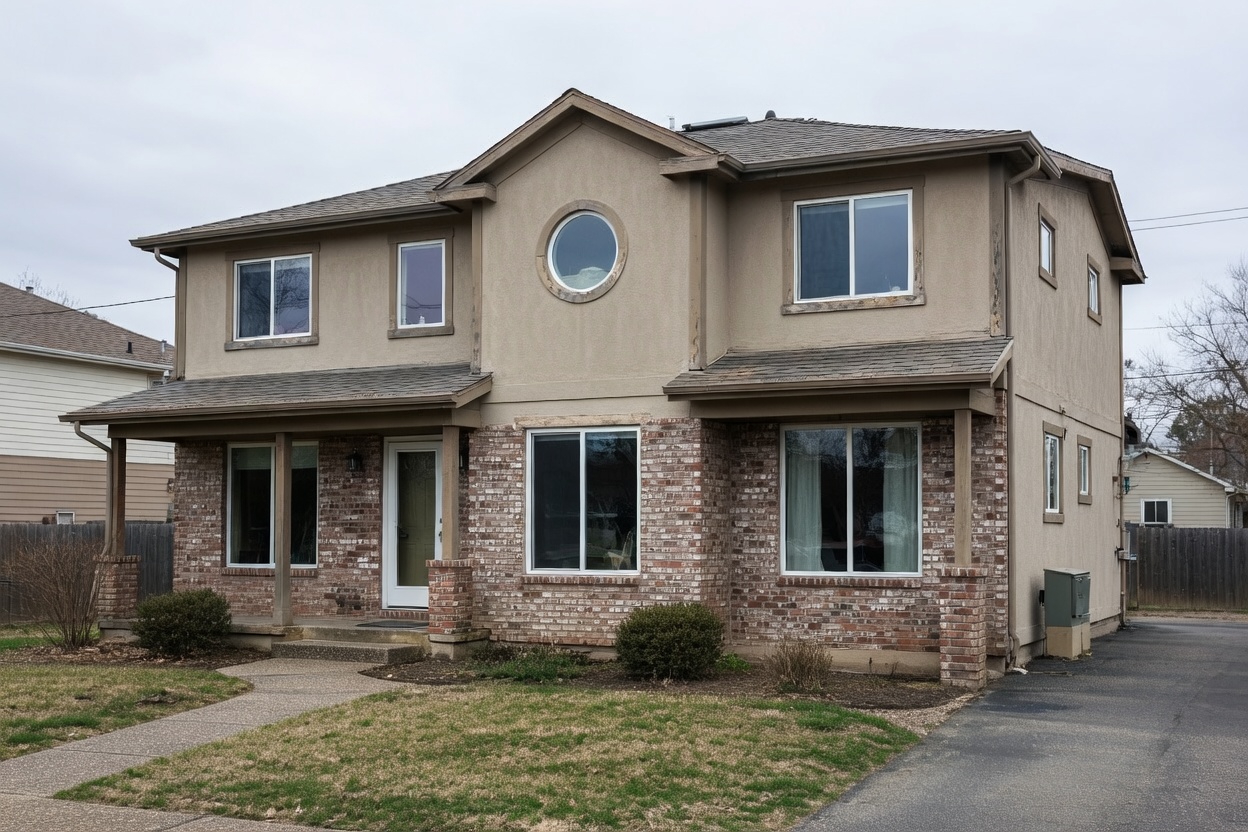
Residential buildings are designed for living first. That sounds obvious, but it changes almost everything: room size, acoustics, privacy, plumbing layout, stair placement, window strategy, and how the site is used.
The category runs from detached houses to duplexes, townhouses, apartment buildings, and large residential towers.
A single-family house can usually be planned around quiet, separation, and personal control. Multi-unit housing has to solve shared circulation, fire separation, sound control, and repeated unit layouts without making the place feel dead.
For the fuller breakdown, see residential buildings explained. If the focus is house-scale design, residential house designs goes deeper into layout and style decisions. For code issues that start shaping the plan early, use residential building codes simplified.
Commercial Buildings
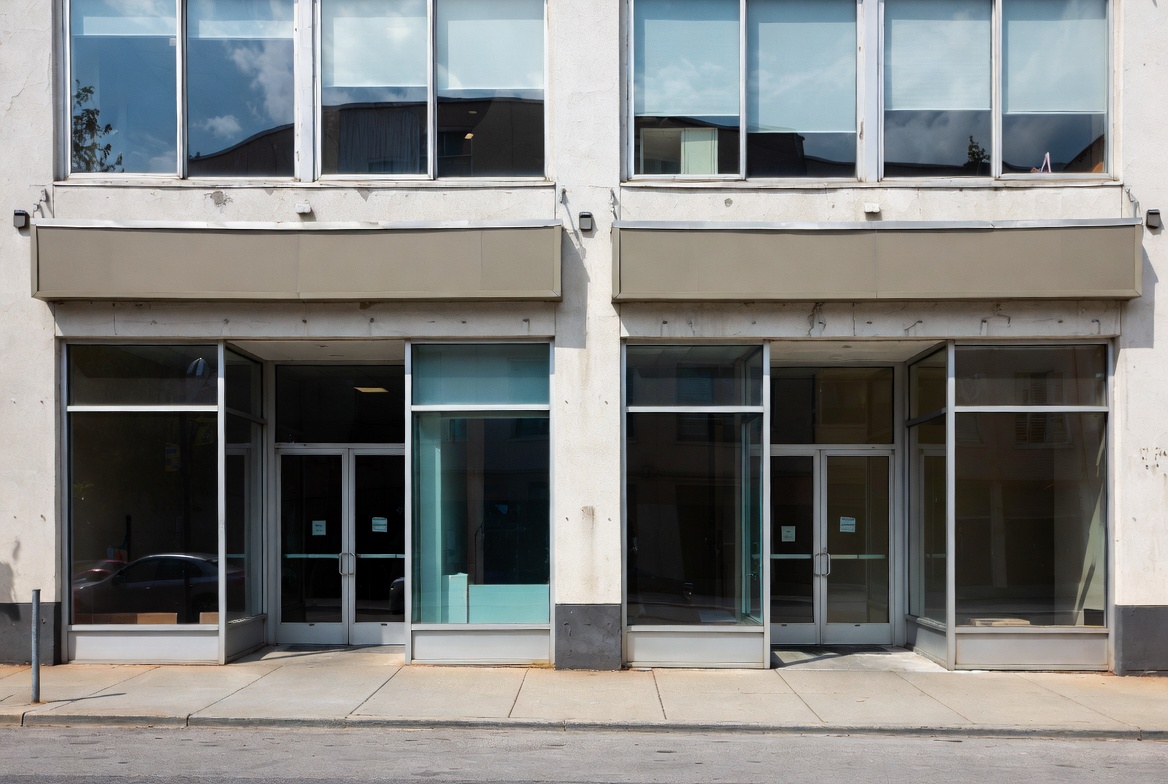
Commercial buildings are built around business use. That includes offices, retail space, restaurants, hotels, and many service-oriented properties. The design pressure here is different from housing. You are usually balancing public access, brand image, flexibility, code compliance, and operating efficiency at the same time.
Office buildings need clear circulation, adaptable floor plates, and mechanical systems that can handle changing tenant needs. Retail buildings depend more on visibility, frontage, parking or urban access, and how easily the customer understands the layout. Hotels add another layer: back-of-house service, repeated room stacks, guest experience, fire safety, and acoustics.
If you want the category broken out in more detail, go to commercial buildings. For narrower use types, types of commercial buildings helps separate offices, retail, hospitality, and similar formats.
Industrial Buildings
Industrial buildings are not just oversized sheds. Good industrial design is about movement, clearance, durability, and sequence.
Factories, warehouses, logistics hubs, and production buildings need clean spans, predictable structural grids, service access, truck circulation, loading zones, and room for equipment or racking. The structure often has to do more with less ornament: fewer interruptions, tougher finishes, faster construction, easier maintenance.
This is where design gets blunt in a good way. If forklift routes fail, the building fails. If loading backs up, the building fails. If the span or clear height is wrong, the whole operation starts working around the building instead of through it.
Institutional Buildings
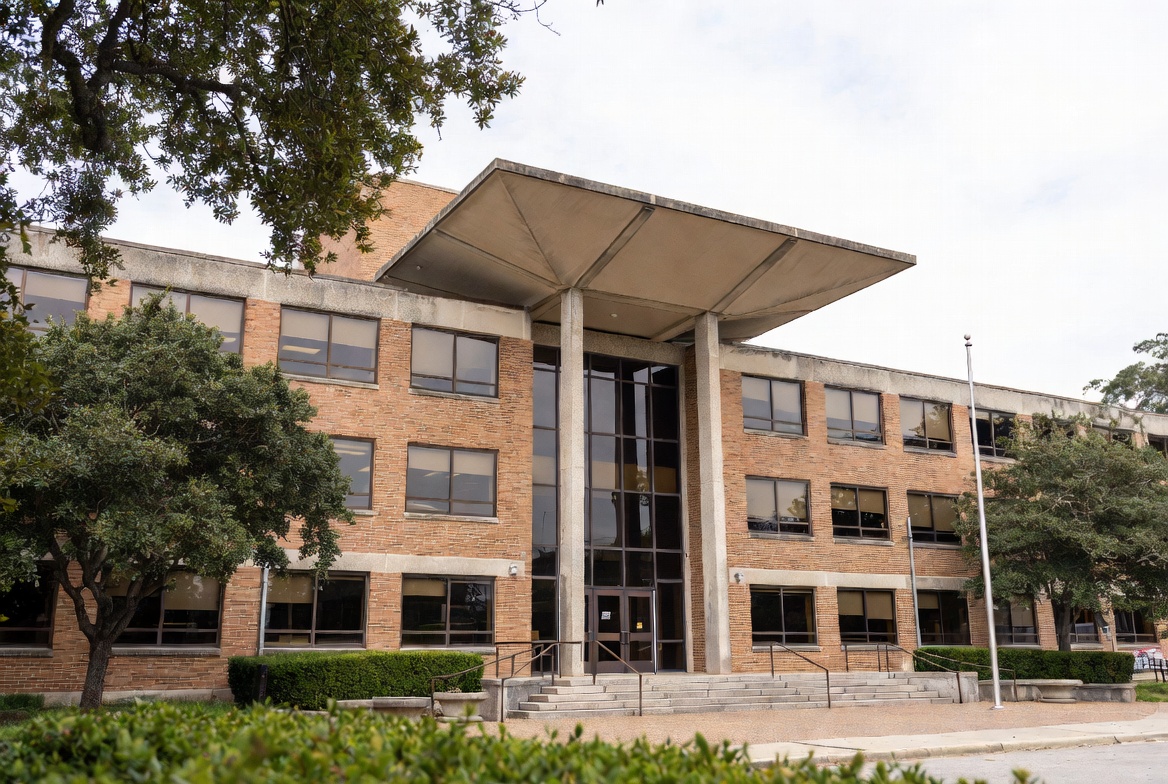
Institutional buildings serve public, educational, medical, or care-related functions. Schools, hospitals, libraries, labs, and similar buildings all fall under this broad group, but they do not behave the same way.
A school needs safe circulation, supervision, daylight, durability, and spaces that support concentration and collaboration. A hospital has far tighter demands around hygiene, systems coordination, wayfinding, life safety, and operational continuity. A library has to balance quiet, public access, storage, technology, and long-term flexibility.
The category is useful, but it can get too broad fast. That is why government work is often clearer as its own type.
Government and Civic Buildings

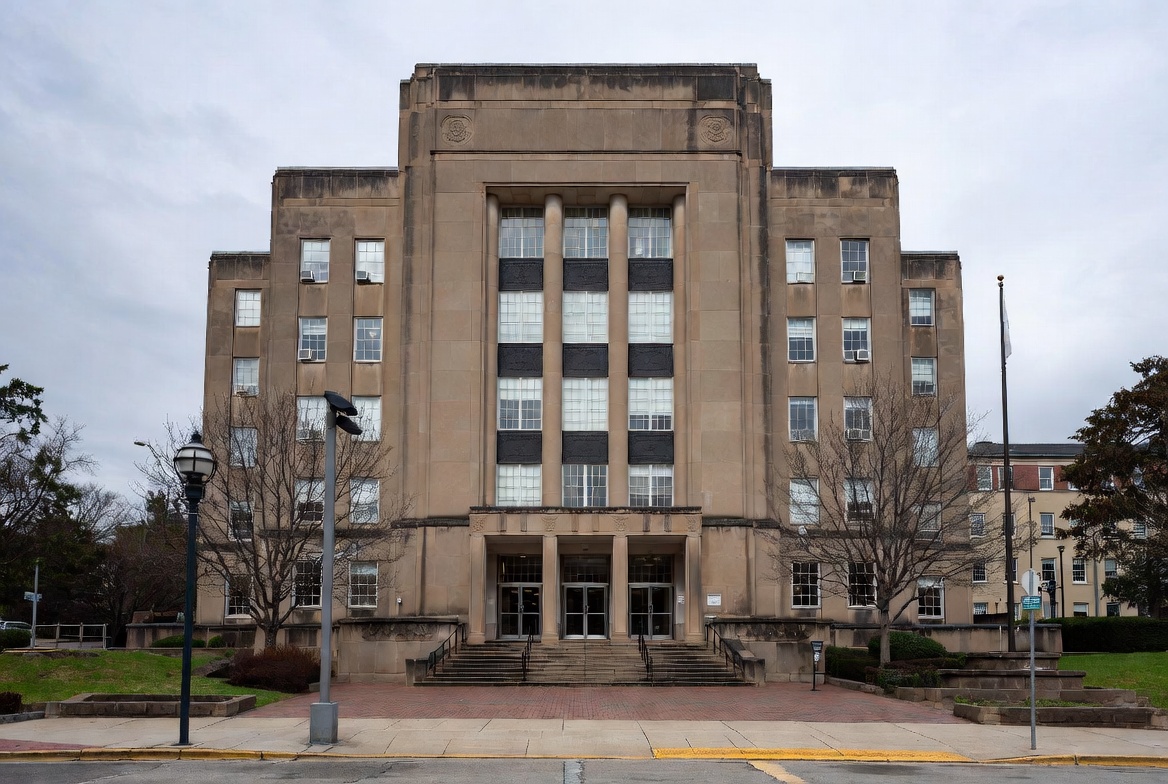
Government buildings deserve their own lane because they carry pressures that do not show up the same way in a school or hospital. Courthouses, city halls, legislative buildings, embassies, police facilities, and agency offices have to function, but they also project authority, legitimacy, transparency, or security.
That mix changes the design. Public entry has to be legible. Secure circulation has to stay controlled. Hearing rooms, counters, chambers, records, screening zones, and staff areas need clean separation. In some projects, symbolism matters almost as much as floor plan efficiency.
For the deeper read, go to government buildings. If the issue is how public space gets shaped for control rather than access, hostile architecture in cities is also worth reading.
Mixed-Use Buildings
Mixed-use buildings combine two or more major uses in one project. The classic example is retail at grade, offices in the middle, and housing above, but there are many versions.
The reason mixed-use matters is that it changes the coordination problem. It is not enough to design a good apartment layout and a good storefront if the two systems fight each other. Entrances, service routes, acoustics, loading, trash, structure, egress, and utilities all need to be separated clearly enough that one use does not break the other.
Done well, mixed-use projects help create denser, more walkable neighborhoods. Done poorly, they create constant friction between residents, tenants, and operations.
Assembly and Cultural Buildings
This group includes theaters, museums, convention centers, arenas, cinemas, and other buildings designed around gathering, performance, or exhibition. These buildings often get buried inside “commercial” or “institutional,” but they behave differently enough to call out separately.
The design pressure here is crowd movement, acoustics, visibility, queuing, security, exits, and what happens before and after the main event. A museum has to choreograph pace and attention. A theater has to control sightlines and sound. An arena has to move thousands of people in and out without turning circulation into chaos.
Transportation Buildings
Transit stations, terminals, airport buildings, ferry halls, and similar structures are another useful category because they are built around flow more than occupancy. The key question is not just what happens in the building. It is how people move through it under pressure.
Baggage, ticketing, waiting, screening, departures, arrivals, service access, and emergency egress all compete for space. Good transportation architecture feels obvious when you are using it. Bad transportation architecture feels confusing within 30 seconds.
What Changes When the Type Changes
The broad categories matter, but the real value is knowing what actually moves when the use changes.
| Building Type | Main Design Priority | Typical Pressure Point |
|---|---|---|
| Residential | Privacy, comfort, daily living | Acoustics, storage, layout efficiency |
| Commercial | Access, flexibility, customer or tenant use | Circulation, frontage, operations |
| Industrial | Workflow, span, durability, logistics | Truck access, loading, clear height |
| Institutional | Safety, accessibility, public function | Code intensity, durability, systems complexity |
| Government and Civic | Public service, security, symbolic clarity | Access control, screening, trust, circulation separation |
| Assembly and Cultural | Crowd experience, visibility, event flow | Queuing, exits, acoustics, peak occupancy |
| Transportation | Movement, timing, wayfinding | Passenger flow, service zones, security |
| Mixed-Use | Stacking different uses without conflict | Separation, servicing, noise, circulation |
The Detail People Miss
People often think building type is just a label for the finished product. It is not. It is an early design decision that controls everything downstream.
The mistake usually happens when someone borrows one solution from the wrong category. House-scale thinking gets pushed into multi-unit housing. Retail logic gets forced onto civic space. Warehouse efficiency gets treated like the only thing that matters in a workplace. That is when buildings start feeling wrong even before you can explain why.
The better move is to ask one question first: what must this building do every day, without drama? Start there. Then the type becomes clearer.
How Building Type Affects Structure and Cost
This is where the topic gets real. Building type is not just planning theory. It drives money.
Residential work often lives or dies on repetition, simple spans, and controlled detailing. Commercial work usually needs more flexibility in the floor plate and more public-facing systems. Industrial buildings may look simpler, but long spans, slabs, dock areas, and service infrastructure push cost in different directions. Institutional buildings can become demanding because they stack systems, code requirements, durability, and public use on top of each other. Government and civic work adds security, public processing, and symbolic requirements that can complicate layout fast.
If your focus is housing economics, residential construction costs per square foot is the practical follow-up.
Residential vs Commercial Is the First Split Most People Need
This is the comparison that comes up most often because the two categories sometimes look similar from the outside. A mid-rise apartment building and an office building can share massing, structure, and envelope strategies. The inside logic is still different.
Residential design revolves around living patterns, private space, and code issues tied to dwelling units. Commercial design revolves around public access, turnover, brand, leasing, staffing, and more fluid occupancy patterns. Interiors shift with that. So do lighting, circulation, storage, and service expectations.
For the interior side of that divide, read commercial vs residential interior design.
Where This Page Stops
This page is the overview. It is here to sort the main building types and show what changes when the use changes.
It is not the place to dump every material, insulation product, wall assembly, roof deck, or foundation method onto one screen. Those are separate decisions. Important ones, yes. But different decisions.
If you need the broader category overview again, use building types as the hub. Then branch into the specific building family you actually need.
FAQ
What Are the Main Building Types?
The main building types are residential, commercial, industrial, institutional, government and civic, assembly and cultural, transportation, and mixed-use. The useful difference is not the label itself. It is how the label changes plan, structure, code, and daily function.
What Counts as a Commercial Building?
A commercial building is used for business activity. That includes offices, retail stores, restaurants, hotels, and similar spaces designed around public or tenant use rather than private living.
Are Government Buildings Just Part of Institutional Design?
Sometimes they are grouped that way, but it helps to separate them. Civic buildings often carry extra demands around security, screening, public access, symbolism, and trust that do not show up the same way in a school or hospital.
How Is an Industrial Building Different From a Commercial One?
Industrial buildings are usually built around production, storage, logistics, or equipment. Commercial buildings are built around business operations, customers, tenants, or public-facing service. The circulation, structure, and service needs are different almost immediately.
What Is a Mixed-Use Building?
A mixed-use building combines more than one major use in the same project, such as retail below with offices or housing above. The challenge is keeping those uses coordinated without letting one interfere with the others.
Why Does Building Type Matter So Early in Design?
Because it affects the whole project from the start: occupancy assumptions, code path, structural layout, MEP systems, circulation, accessibility, and cost.