
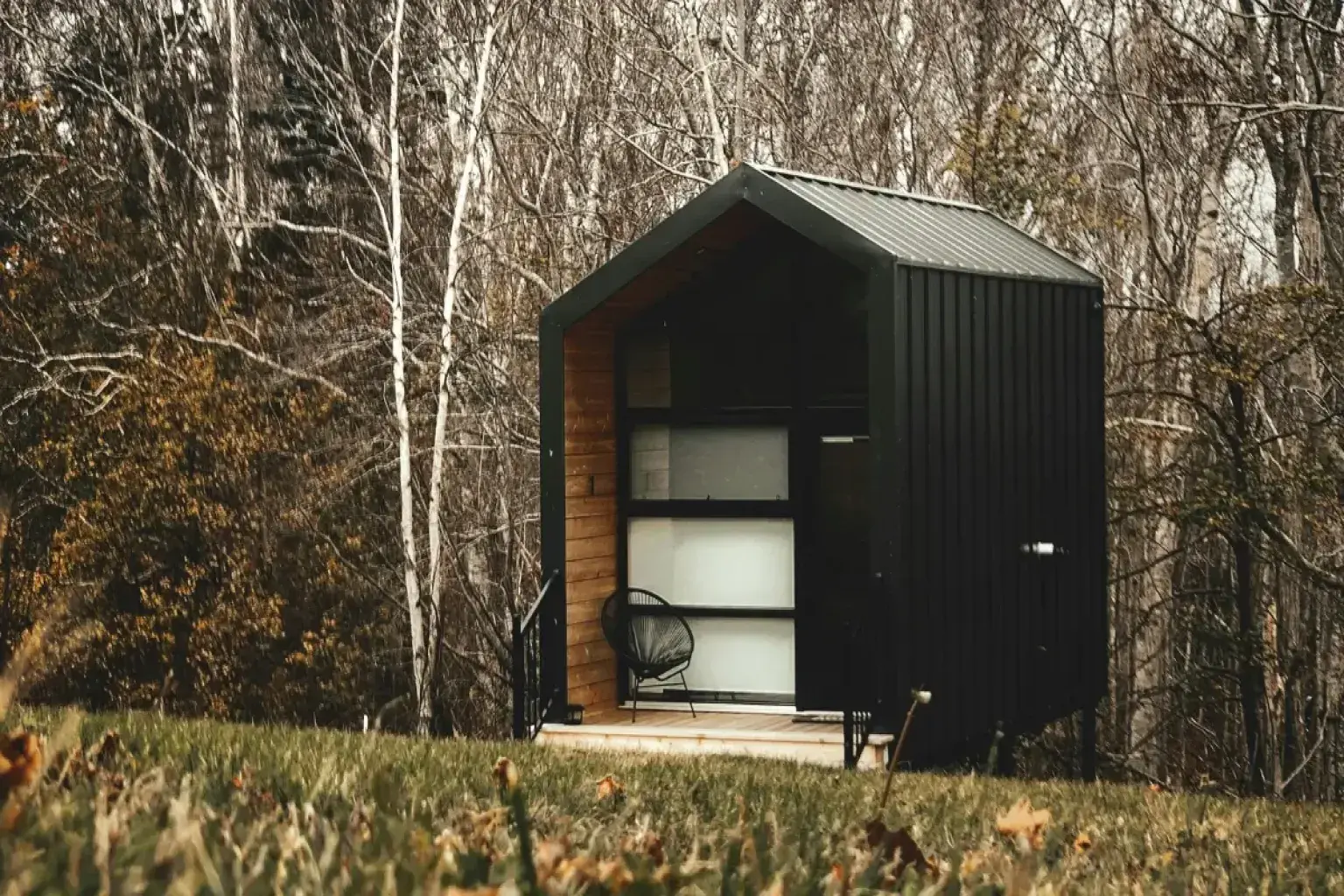
Tiny Houses: Compact Designs for Modern Minimalists
I remember the first time I considered living in a smaller space. It felt like a breath of fresh air—fewer things to manage, fewer bills, and the prospect of shaping a home that truly fit my everyday life.
Back then, I tinkered with the idea of using reclaimed wood, rough-hewn beams, and weathered finishes to create a cozy, rustic vibe outdoors. Over time, I discovered a simple truth: tiny homes can be just as comfortable and stylish as larger houses, especially when you know the rules and add a bit of personal flair to make them your own.
I’ll share what I’ve picked up over the years while learning about building codes, zoning rules, and the little odds and ends of tiny home living.
We’ll also talk about ways to style your outdoor space with rustic elements, so your entire property—no matter how small—feels like a welcoming haven.
Let’s keep things straightforward, skip the fluff, and focus on what you really need to know.
Tiny House Inspiration: Stylish Designs and Practical Layouts
Living Large in Tiny Houses: Smart Designs for Small Spaces
What is a Tiny House?
A modern A-frame cabin surrounded by trees, offering a perfect blend of nature and contemporary design.
Tiny houses, also known as tiny homes, micro homes, and miniature homes, are small dwellings typically ranging from 100 to 400 square feet. Despite their size, they are designed to include all the essential amenities found in a standard home.
Definition and Characteristics
A tiny house is more than just a small living space. It embodies a lifestyle choice that emphasizes simplicity, efficiency, and minimalism. Tiny houses often feature:
- Compact Layouts: Efficient use of space with multifunctional furniture and built-in storage.
- Sustainable Materials: Use of eco-friendly and renewable resources.
- Mobility: Many tiny houses are built on trailers, making them movable tiny homes.
Popularity and Movement Growth
The tiny house movement has grown significantly in recent years, driven by factors such as:
- Affordability: Lower costs compared to traditional homes.
- Sustainability: Reduced environmental footprint.
- Flexibility: Ability to move and travel with tiny homes on wheels.
Types of Tiny Houses

A charming wooden cabana with glass walls in Guerrero, Coah., Mexico, offering a unique blend of nature and modern design.
Tiny houses come in various forms, each with its unique benefits and challenges. Some popular types include:
- Tiny Homes on Wheels: Built on trailers for mobility. Examples include tiny house trailers and tiny home trailers.
- Foundation-Based Tiny Homes: Built on permanent foundations. Examples include tiny cabins and backyard tiny houses.
- Container Homes: Made from repurposed shipping containers, such as shipping container tiny houses.
- Prefabricated and Modular Tiny Homes: Manufactured off-site and assembled on location. Examples include tiny prefab homes and small modular homes.
Related:
History of the Tiny House Movement

The tiny house movement started as a counterculture response to economic and environmental challenges. Over the years, it has grown into a significant lifestyle trend, driven by influential figures and technological advancements. The movement's evolution includes the rise of tiny homes on wheels, prefabricated tiny homes, and eco-friendly designs.
Origins and Key Milestones
The tiny house movement began as a response to the growing desire for simpler, more sustainable living. The origins can be traced back to the late 20th century when people started to challenge the traditional notions of homeownership and consumerism.
Early Beginnings
In the 1970s, the tiny home concept emerged as a counterculture response to the economic and environmental crises. People sought alternative lifestyles that emphasized minimalism and sustainability.
- Tiny Cabins and Sheds: Early adopters built tiny cabins and tiny house sheds in remote areas, focusing on simplicity and self-sufficiency.
The 2000s Boom
The movement gained significant traction in the early 2000s with the advent of the internet and social media. This period saw the rise of tiny homes on wheels, making the lifestyle more accessible and mobile.
- Movable Tiny Homes: The creation of tiny house trailers and tiny home trailers allowed people to live more flexibly, reducing the need for permanent land ownership.
Influential Figures and Organizations
Several key figures and organizations have played pivotal roles in popularizing the tiny house movement.
Jay Shafer
Jay Shafer is often credited with igniting the modern tiny house movement. In 1999, he founded the Tumbleweed Tiny House Company and built one of the first tiny houses on wheels.
- Tumbleweed Tiny House Company: This company became a leading provider of tiny house blueprints, promoting the idea of small, efficient living spaces.
Dee Williams
Dee Williams built her own tiny house in 2004 and wrote extensively about her experiences. Her book, "The Big Tiny," brought widespread attention to the movement.
- Go House Go: Williams also founded the website Go House Go, offering resources and advice for aspiring tiny homeowners.
Other Influential Figures
- Brittany Yunker: Known for her innovative tiny house designs.
- Andrew Morrison: Founder of TinyHouseBuild.com, providing educational resources and workshops.
Evolution of the Movement:
The tiny house movement has evolved significantly over the past few decades, adapting to changing societal needs and technological advancements.
Rise of Prefabricated and Modular Tiny Homes
The development of prefabricated tiny homes and modular tiny homes has made the movement more accessible. These homes are built off-site and assembled on location, reducing construction time and costs.
- Tiny Prefab Homes: Companies began offering tiny prefab homes and premade tiny homes as a more convenient option for those interested in tiny living.
- Small Modular Homes: The rise of small modular homes has provided more customizable and scalable options.
Integration of Modern Technologies
Advancements in technology have allowed for more innovative designs and sustainable practices.
- Eco Tiny Homes: Incorporating eco-friendly materials and renewable energy sources.
- Smart Tiny Homes: Integration of smart home technologies to maximize space and efficiency.
Social and Cultural Impact
The tiny house movement has influenced broader cultural trends, emphasizing the importance of sustainability, minimalism, and intentional living.
- Tiny Home Communities: The rise of tiny house communities has created supportive environments for tiny home enthusiasts.
- Legal and Zoning Changes: Efforts to adapt building codes and zoning laws to accommodate tiny homes.
Why Choose a Tiny House?

A wooden cabin on the edge of a forest in NY, offering a peaceful retreat surrounded by nature.
Take some time to seriously explore the financial, environmental, and lifestyle benefits of tiny house living, as well as real-life case studies.
This section provides a comprehensive overview of why choosing a tiny house is a smart decision. For those interested in learning more, related articles offer additional insights into various aspects of tiny house living.
Financial Benefits
One of the most compelling reasons to choose a tiny house is the financial savings it offers.
Lower Construction Costs

Building a tiny home is significantly cheaper than constructing a traditional house. The reduced size translates to fewer materials and lower labor costs. For example, the average cost of a tiny house ranges from $30,000 to $60,000, whereas traditional homes can cost upwards of $200,000.
- Tiny Home Cost: On average, tiny homes cost a fraction of what traditional houses do.
Related:
- Single Wide Mobile Homes Under $35,000
- 2 Bedroom Tiny House Cost
- How Much Does a 400 Sq Ft Tiny House Cost?
- How Much Does a 3-Bedroom Tiny House Cost?
- 3-Bedroom Tiny Houses on Wheels!
Reduced Utility Bills
Tiny houses are more energy-efficient, leading to lower utility bills. The smaller space requires less heating, cooling, and electricity, resulting in significant savings over time.
- Tiny House Cost: Lower monthly expenses on utilities compared to larger homes.
Minimal Maintenance Expenses
Maintenance costs are also lower for tiny homes. With less space and fewer amenities, upkeep becomes easier and more affordable.
Environmental Impact
Choosing a tiny house is an environmentally friendly decision that reduces your carbon footprint.
Sustainable Living
Tiny homes promote sustainable living by using fewer resources and encouraging eco-friendly practices. Many tiny house owners opt for solar panels, composting toilets, and rainwater collection systems.
- Eco Tiny Homes: Incorporate sustainable materials and renewable energy sources.
Reduced Waste
Building a tiny house generates less construction waste. Additionally, the minimalist lifestyle associated with tiny living often leads to reduced consumption and waste.
- Off-Grid Tiny Homes: Some tiny houses are designed to operate independently from municipal utilities, further minimizing environmental impact.
Lifestyle Changes and Minimalism
Living in a tiny home fosters a minimalist lifestyle that emphasizes simplicity and intentionality.
Decluttered Living
With limited space, tiny house dwellers must prioritize their belongings, leading to a decluttered and organized living environment. This minimalist approach can reduce stress and increase mental clarity.
- Tiny House Living: Emphasizes simplicity and efficiency.
- Tiny Home Nation: A growing community of people embracing minimalism.
Enhanced Mobility
For those who choose tiny homes on wheels, mobility is a significant advantage. These movable tiny homes allow for a nomadic lifestyle, offering the freedom to travel and live in various locations.
- Tiny Homes on Wheels: Provide flexibility and freedom to relocate as desired.
Case Studies and Testimonials

A charming table and chairs set for two in a cozy little beach house, ideal for intimate meals by the coast.
Hearing from those who have successfully transitioned to tiny house living can provide valuable insights and inspiration.
Case Study: The Binion Family
Meet the Binions: Tom, Sarah, and their two kids, Max and Lily. They decided to trade their sprawling 2,000-square-foot suburban fortress for a 300-square-foot tiny house on wheels. Why? They wanted to go green, simplify their lives, and save some serious cash.
After binge-watching countless tiny house shows, they finally picked a design that made the most of every square inch.
They spent about $50,000 on their new digs, which includes solar panels, a composting toilet, and a rainwater collection system. Now their tiny house is not just eco-friendly but practically a superhero in sustainability.
Downsizing has worked wonders for their wallet. Their utility bills are now laughably low, and maintenance? Almost non-existent. Plus, their tiny house has wheels, so they can pack up and move to new adventures whenever they please. Last summer, they parked their house near a beach and had the best vacation ever.
But the best part? Their quality of life has skyrocketed. With less stuff to clutter their lives, they spend more time together as a family. They’ve turned their tiny home into a cozy haven where movie nights and game marathons are the norm. The Binions have discovered that living small has brought them closer together, both literally and figuratively.
- Tiny House on Wheels: The Binion family's mobile tiny home allows them to travel while maintaining a comfortable living space.
Testimonial: Jane Emiad
Meet Jane Emiad, a dynamic thirty-something who was fed up with shelling out a fortune on rent. She took a leap and built her own eco-friendly tiny house, inspired by the tiny house movement's promise of affordability and sustainability.
Jane's tiny house is a marvel of green living. Constructed with reclaimed wood and recycled steel, it cost her about $40,000. The roof is adorned with solar panels, there's a composting toilet in the bathroom, and an energy-efficient heating and cooling system keeps the place comfortable year-round. Her utility bills? Practically non-existent.
Since moving into her tiny house, Jane has saved a ton of money. She's paid off her student loans and has enough left over for frequent travel. Her minimalist lifestyle means she’s focused more on experiences and relationships rather than collecting stuff. Plus, her house is mobile, so she can relocate whenever the mood strikes or work demands.
Jane's tiny house is perfectly tailored to her needs, featuring a loft bedroom, a compact kitchen, and a cozy living area. Living tiny has made her more conscious of her consumption and waste, fitting perfectly with her values of sustainability and simplicity.
Jane's friends and colleagues are fascinated by her tiny house adventure. She loves hosting dinner parties and get-togethers, proving that you don’t need a huge space to entertain. Her tiny home is a testament to how living simply can be both stylish and fun.
- Eco Tiny Home: Jane's experience demonstrates the sustainability and financial benefits of tiny living.
Related:
- Cost Breakdown of Building a Tiny House: Materials and labor are minimized due to the smaller scale.
- 2 Bedroom Tiny House Cost
New Adventure: Nadia Timol and Her Husband

Nadia Timol and her husband were tired of the constant upkeep and expenses of living in a large home. Nadia, who works in IT and can live anywhere with an internet connection, always dreamt of living off the grid. It took some convincing, but she finally persuaded her husband to take the plunge.
They built their tiny house in the remote wilderness of British Columbia, Canada. Their off-grid paradise includes solar panels, a rainwater collection system, and a small wind turbine. The entire project cost them about $45,000, which they quickly realized was a great investment given their new, minimal living expenses.
Nadia has never been happier. She loves the freedom of being able to work from anywhere, and the couple has fully embraced their new lifestyle. They grow their own vegetables, hunt for their food, and enjoy the peace and tranquility of their natural surroundings.
Nadia’s tiny house is a cozy sanctuary, complete with all the amenities they need. The house features a compact but fully equipped kitchen, a comfortable living area, and a loft bedroom. Despite the small space, they have everything they need and more. The minimalist lifestyle has allowed them to focus on what truly matters and live more intentionally.
A common concern about off-grid living is internet access. Yes, you can have internet in off-grid areas. With advancements in satellite internet technology, it’s very doable nowadays. Nadia and her husband use satellite internet, which provides them with a reliable connection even in their remote location.
Nadia and her husband’s story has inspired many others who dream of living off the grid and embracing a simpler, more sustainable way of life. Their tiny house is not just a home but a testament to their adventurous spirit and commitment to sustainability.
- Off-Grid Tiny Home: Nadia Timol and her husband's off-grid tiny house in BC, Canada, showcases the joy and freedom of sustainable living, with reliable internet access through satellite technology.
Related Articles
- Types of Tiny Homes
- Micro home
- Tiny Homes Cost considerations
Explore the financial, environmental, and lifestyle benefits of tiny house living through real-life case studies. This section provides a comprehensive overview of why choosing a tiny house is a smart decision. For those interested in learning more, related articles offer additional insights into various aspects of tiny house living.
Key Design Principles

Maximizing Space Efficiency
Multi-functional Furniture
In a tiny house, every piece of furniture needs to serve multiple purposes. Think of sofas that convert into beds, dining tables that fold away when not in use, and ottomans with hidden storage. Multi-functional furniture helps to maximize space and ensures that the small area remains uncluttered and functional.
Clever Storage Solutions
Storage can be a significant challenge in tiny homes, but with clever solutions, you can make every inch count. Use built-in shelves, under-stair storage, and wall-mounted organizers. Vertical space is especially valuable, so consider using high shelves and lofted areas for storage.
Open Floor Plans and Vertical Space Usage

A modern tiny house room interior in Stowe, VT, featuring stylish, space-saving design.
An open floor plan can make a tiny house feel larger and more inviting. By minimizing walls and using vertical space effectively, you can create a sense of openness. High ceilings, lofted sleeping areas, and large windows all contribute to this effect, making the space feel airy and less confined.
Designing for Comfort
Natural Light and Ventilation
Natural light is essential in making a small space feel larger and more welcoming. Large windows, skylights, and glass doors can flood your tiny house with sunlight. Good ventilation is also crucial, especially in a compact space, to ensure fresh air circulation and prevent stuffiness.
Insulation and Climate Control
Proper insulation and climate control are vital for comfort in a tiny house. High-quality insulation helps to maintain a stable indoor temperature, reducing the need for heating and cooling. Consider using energy-efficient heating and cooling systems that suit the size of your home.
Ergonomics and Accessibility
Designing for comfort also means considering ergonomics and accessibility. Ensure that furniture and fixtures are appropriately sized and positioned for easy use. Thoughtful design can make even the smallest spaces comfortable and user-friendly.
Aesthetic Considerations
Interior Design Styles for Tiny Houses
Your tiny house can reflect any interior design style you love, from minimalist and modern to rustic and cozy. The key is to choose a style that complements the small space and uses light colors and simple lines to create a sense of openness.
Personalizing Your Space
Even in a tiny house, there’s plenty of room for personal touches. Use decor, artwork, and textiles to make the space your own. Personalizing your home helps to create a cozy and inviting atmosphere.
Balancing Functionality and Beauty
In a tiny house, functionality and beauty must go hand in hand. Choose items that are both practical and aesthetically pleasing. This balance ensures that your home is not only efficient but also a joy to live in.
Sustainability and Eco-friendliness
Green Building Materials
Building your tiny house with sustainable materials is good for the environment and can also improve indoor air quality. Consider using reclaimed wood, recycled metal, and non-toxic finishes.
Renewable Energy Options
Integrating renewable energy options like solar panels and wind turbines can make your tiny house self-sufficient and reduce your carbon footprint. These systems can provide electricity and heating, making your home eco-friendly.
Water Conservation Methods
Water conservation is essential in a tiny house. Install low-flow fixtures, use a composting toilet, and consider a rainwater collection system for irrigation and non-potable uses. These methods help to minimize water usage and promote sustainable living.
By incorporating these key design principles, you can create a tiny house that is efficient, comfortable, stylish, and environmentally friendly.
Building a Tiny House

Planning and Budgeting
Setting a Realistic Budget
Creating a realistic budget is the first step in building a tiny house. It's essential to account for all expenses, including materials, labor, permits, and unexpected costs. Many find it helpful to break down the budget into categories, such as construction costs, utility systems, and interior finishing.
- Tiny Home Cost: Understand the overall expenses to avoid surprises.
- Cost Considerations: Keep track of every potential cost.
Finding Financing Options
Financing a tiny house can be different from traditional home loans. Explore various options, including personal loans, RV loans, and tiny house-specific lenders. Some banks and credit unions now offer loans tailored to tiny house construction.
- Tiny Home Prices 2025: Research current market prices for better financial planning.
- Tiny House Cost: Look for competitive loan options to fund your project.
Creating a Detailed Plan and Timeline
A well-thought-out plan and timeline are crucial. This includes designing the layout, selecting materials, and scheduling each phase of construction. A detailed plan helps ensure the project stays on track and within budget.
- Tiny Home Plans: Draft a comprehensive blueprint for your project.
- Tiny House Blueprints: Use detailed designs to guide the construction process.
Legal Considerations
Zoning Laws and Building Codes
Before starting construction, check local zoning laws and building codes. These regulations vary by location and can impact where you can build and what types of structures are permitted.
- Tiny Home Nation: Join communities to learn about local regulations.
- Tiny House Community: Engage with others to share insights on legal hurdles.
Obtaining Permits and Inspections
Securing the necessary permits and passing inspections is critical. This ensures your tiny house meets safety standards and is legally compliant.
- Tiny Home Contractors: Hire professionals familiar with the permit process.
- Tiny House Contractors: Work with experts to navigate inspections.
Understanding Regulations for Tiny Houses on Wheels
If you're building a tiny house on wheels, there are additional considerations. These homes often need to meet RV standards and might be subject to different zoning laws.
- Tiny House on Wheels: Understand the specific regulations for mobile tiny homes.
- Movable Tiny Home: Ensure compliance with RV and mobile home standards.
- Tiny Homes Regulations: Permits and Regulations Regarding Tiny Homes
Choosing a Building Method
DIY vs. Hiring Professionals
Decide whether you'll build the tiny house yourself or hire professionals. DIY can save money but requires significant time and skill. Hiring professionals might increase costs but can ensure a higher quality build.
- Tiny Home Builders: Consider hiring experienced builders for efficiency.
- Custom Tiny Home Builders: Opt for professionals to achieve your vision.
Kit Homes and Prefab Options
Kit homes and prefab options are popular for tiny houses. These can simplify the building process and ensure quality, as they come with pre-cut materials and instructions.
- Prefab Tiny Home: Explore pre-built solutions for convenience.
- Tiny Prefab Home: Look into modular options for quick assembly.
Step-by-Step Building Process
Follow a structured building process from foundation to finishing. This includes laying the foundation, framing, installing systems, and adding interior finishes.
- Tiny Home Layout: Plan each step for a smooth construction process.
- Small House Blueprints: Use detailed guides to follow the construction phases.
Essential Tools and Materials
Basic Tools for Tiny House Construction
Equip yourself with essential tools such as saws, drills, hammers, and levels. Investing in quality tools can make the building process smoother and more efficient.
- Tiny Home Companies: Source tools from specialized suppliers.
- Tiny House Builders: Get recommendations for the best tools to use.
Recommended Building Materials
Choose durable and sustainable materials. Reclaimed wood, recycled metal, and eco-friendly insulation are excellent choices for building a tiny house.
- Sustainable Materials: Prioritize eco-friendly options for construction.
- Tiny House Designs: Select materials that align with your design vision.
Sources for Sustainable and Affordable Materials
Look for suppliers who offer sustainable and affordable building materials. Online marketplaces, local suppliers, and tiny house expos are great places to start.
- Tiny House Expo: Attend events to find materials and network with suppliers.
- Tiny Home Designers: Consult with experts to source the best materials.
Building Systems and Utilities
Electrical Systems and Off-Grid Options
Plan your electrical systems carefully, especially if you're considering off-grid options. Solar panels, wind turbines, and battery storage can provide sustainable energy.
- Off Grid Tiny House: Explore renewable energy solutions.
- Eco Tiny Home: Integrate eco-friendly power systems.
Plumbing and Water Management
Design an efficient plumbing system. Options include composting toilets, greywater recycling, and rainwater harvesting to manage water sustainably.
- Tiny Home Layout: Plan plumbing to maximize efficiency.
- Tiny Home Plans: Include water management systems in your design.
Heating, Cooling, and Ventilation
Ensure your tiny house is comfortable year-round with proper heating, cooling, and ventilation systems. Consider energy-efficient options to maintain a stable indoor climate.
- Tiny Home Living: Choose systems that enhance comfort.
- Tiny House Living: Focus on maintaining a healthy indoor environment.
Interior Finishing and Customization
Flooring, Walls, and Ceilings
Select durable and attractive materials for flooring, walls, and ceilings. Wood, bamboo, and recycled materials can add character and sustainability.
- Tiny Home Designs: Use materials that reflect your style.
- Tiny House Plans: Incorporate unique finishes for a personalized touch.
Kitchens and Bathrooms
Design functional and stylish kitchens and bathrooms. Space-saving fixtures and appliances can help make the most of the limited area.
- Tiny House Design: Focus on efficiency and aesthetics in key areas.
- Tiny House Layout: Plan these spaces for maximum functionality.
Personal Touches and Decor Ideas
Add personal touches to make your tiny house feel like home. Decorate with items that reflect your personality and lifestyle, and use clever storage solutions to keep the space organized.
- Custom Built Tiny Homes: Personalize your home with unique decor.
- Luxury Tiny Home: Add elements of luxury and comfort.
Follow these guidelines to create a tiny house that is not only functional and efficient but also a beautiful and comfortable place to live.
Living in a Tiny House

Adapting to a Tiny Space
Tips for Downsizing and Decluttering
Transitioning to a tiny home requires significant downsizing. Start by sorting your belongings into categories: keep, donate, sell, and discard. Focus on keeping items that are essential and hold significant value. Consider adopting a minimalist mindset, where less is more.
- Tiny House: Embrace minimalism to fit comfortably in your tiny house.
- Micro Home: Small living spaces demand efficient use of available space.
Organizing Your Tiny Home
Efficient organization is crucial in a tiny house. Utilize vertical space with shelves and hanging storage. Multi-functional furniture, such as beds with storage drawers and fold-out desks, can help keep your home tidy and maximize your living area.
- Tiny House Layout: Plan your space to include clever storage solutions.
- Tiny Home Layout: Design your home for maximum functionality and organization.
Maintaining a Comfortable Living Environment
A tiny house can feel cozy and inviting with the right touches. Ensure proper ventilation and natural light to make the space feel larger and more comfortable. Personalize your home with decor that reflects your style, while maintaining a clutter-free environment.
- Tiny Home Designs: Create a space that feels welcoming and spacious.
- Tiny House Living: Use light colors and natural light to enhance comfort.
Community and Lifestyle
Finding Tiny House Communities
Living in a tiny house doesn’t mean you have to live in isolation. Many tiny house communities offer a sense of camaraderie and shared resources. Research communities in your area or consider starting one with like-minded individuals.
- Tiny Home Nation: Join communities to connect with other tiny house enthusiasts.
- Tiny House Community: Find or create a supportive network for tiny living.
Engaging with the Tiny House Movement
Get involved in the broader tiny house movement by attending festivals, joining online forums, and participating in local meetups. These platforms provide valuable resources, inspiration, and a sense of belonging.
- Tiny House Festival: Attend events to learn and connect with others.
- Tiny Home Festival: Participate in community activities and discussions.
Hosting and Socializing in a Small Space
Hosting guests in a tiny house is entirely possible with some creativity. Opt for outdoor gatherings when weather permits, and use multi-functional furniture to accommodate more people. Keep gatherings intimate to maintain a comfortable environment.
- Tiny Guest House: Designate space for guests within your tiny home.
- Backyard Tiny House: Utilize outdoor areas for socializing and hosting.
Mobility and Travel
Preparing Your Tiny House for Travel
If your tiny house is on wheels, ensure it’s road-ready by securing all loose items and checking the structure’s stability. Perform regular maintenance on the trailer and towing equipment to guarantee a safe journey.
- Movable Tiny Home: Regularly inspect and maintain your home for mobility.
Best Practices for Towing and Setting Up
When towing your tiny house, follow best practices to ensure safety. Use the right vehicle, adhere to weight limits, and drive carefully. Once you reach your destination, secure your home by stabilizing the foundation and connecting utilities.
- Tiny House Trailer: Use proper towing techniques for safety.
- Tiny Home Trailer: Ensure your trailer is well-maintained for travel.
Living on the Road and Nomadic Lifestyle Tips
Embrace the freedom of a nomadic lifestyle by planning your travels and destinations. Research camping spots, RV parks, and legal parking areas for tiny homes. Stay connected with the tiny house community for tips and support on the road.
- Tiny House Living: Enjoy the flexibility of living on the road.
- Living Big in a Tiny House: Embrace the adventures of a nomadic lifestyle.
By adapting to the unique aspects of tiny house living, you can create a fulfilling, sustainable, and mobile lifestyle. Engage with the community, organize your space efficiently, and enjoy the freedom that comes with living in a tiny home.
Resources and Further Reading
Living in a Tiny House: Adapting to a Tiny Space
Tips for Downsizing and Decluttering
Transitioning to a tiny home requires significant downsizing. Start by sorting your belongings into categories: keep, donate, sell, and discard. Focus on keeping items that are essential and hold significant value. Consider adopting a minimalist mindset, where less is more.
- Tiny House: Embrace minimalism to fit comfortably in your tiny house.
- Micro Home: Small living spaces demand efficient use of available space.
Organizing Your Tiny Home
Efficient organization is crucial in a tiny house. Utilize vertical space with shelves and hanging storage. Multi-functional furniture, such as beds with storage drawers and fold-out desks, can help keep your home tidy and maximize your living area.
- Tiny House Layout: Plan your space to include clever storage solutions.
- Tiny Home Layout: Design your home for maximum functionality and organization.
Maintaining a Comfortable Living Environment
A tiny house can feel cozy and inviting with the right touches. Ensure proper ventilation and natural light to make the space feel larger and more comfortable. Personalize your home with decor that reflects your style, while maintaining a clutter-free environment.
- Tiny Home Designs: Create a space that feels welcoming and spacious.
- Tiny House Living: Use light colors and natural light to enhance comfort.
Community and Lifestyle
Finding Tiny House Communities
Living in a tiny house doesn’t mean you have to live in isolation. Many tiny house communities offer a sense of camaraderie and shared resources. Research communities in your area or consider starting one with like-minded individuals.
- Tiny Home Nation: Join communities to connect with other tiny house enthusiasts.
- Tiny House Community: Find or create a supportive network for tiny living.
Engaging with the Tiny House Movement
Get involved in the broader tiny house movement by attending festivals, joining online forums, and participating in local meetups. These platforms provide valuable resources, inspiration, and a sense of belonging.
- Tiny House Festival: Attend events to learn and connect with others.
- Tiny Home Festival: Participate in community activities and discussions.
Hosting and Socializing in a Small Space
Hosting guests in a tiny house is entirely possible with some creativity. Opt for outdoor gatherings when weather permits, and use multi-functional furniture to accommodate more people. Keep gatherings intimate to maintain a comfortable environment.
- Tiny Guest House: Designate space for guests within your tiny home.
- Backyard Tiny House: Utilize outdoor areas for socializing and hosting.
Mobility and Travel
Preparing Your Tiny House for Travel
If your tiny house is on wheels, ensure it’s road-ready by securing all loose items and checking the structure’s stability. Perform regular maintenance on the trailer and towing equipment to guarantee a safe journey.
- Movable Tiny Home: Regularly inspect and maintain your home for mobility.
Best Practices for Towing and Setting Up
When towing your tiny house, follow best practices to ensure safety. Use the right vehicle, adhere to weight limits, and drive carefully. Once you reach your destination, secure your home by stabilizing the foundation and connecting utilities.
- Tiny House Trailer: Use proper towing techniques for safety.
- Tiny Home Trailer: Ensure your trailer is well-maintained for travel.
Living on the Road and Nomadic Lifestyle Tips
Embrace the freedom of a nomadic lifestyle by planning your travels and destinations. Research camping spots, RV parks, and legal parking areas for tiny homes. Stay connected with the tiny house community for tips and support on the road.
- Tiny House Living: Enjoy the flexibility of living on the road.
- Living Big in a Tiny House: Embrace the adventures of a nomadic lifestyle.
Professional Organizations and Governmental Resources
Professional Tiny House Organizations
Joining professional organizations can provide valuable resources, networking opportunities, and advocacy for tiny house living. These organizations often offer guidance on best practices, building standards, and community engagement.
- American Tiny House Association: Advocates for tiny house legalization and offers resources for builders and residents.
- Tiny Home Industry Association: Supports the growth of the tiny home industry through standards, advocacy, and education.
Governmental Resources
Understanding and complying with local regulations is crucial for tiny house living. Governmental websites and resources can provide up-to-date information on zoning laws, building codes, and permits.
- U.S. Department of Housing and Urban Development: Provides guidelines on housing standards, including those for tiny houses.
- National Renewable Energy Laboratory: Offers information on sustainable living and renewable energy options for tiny homes.
By adapting to the unique aspects of tiny house living, you can create a fulfilling, sustainable, and mobile lifestyle. Engage with the community, organize your space efficiently, and enjoy the freedom that comes with living in a tiny home.
Key Takeaways
Living in a tiny house offers numerous advantages, including financial savings, environmental benefits, and a minimalist lifestyle. Key aspects to consider include:
- Adapting to a Tiny Space:
- Downsizing and Decluttering: Embrace minimalism by keeping essential items and using efficient storage solutions.
- Organizing: Utilize vertical space and multi-functional furniture to maximize your living area.
- Comfort: Ensure proper ventilation, natural light, and personal touches to create a cozy environment.
- Community and Lifestyle:
- Finding Communities: Join or create tiny house communities for shared resources and social connections.
- Engaging with the Movement: Participate in festivals, online forums, and meetups to stay connected and informed.
- Hosting and Socializing: Get creative with your space to host guests and maintain an active social life.
- Mobility and Travel:
- Preparing for Travel: Ensure your tiny house on wheels is road-ready and well-maintained.
- Best Practices: Follow safety guidelines for towing and setting up your mobile home.
- Nomadic Lifestyle: Plan your travels, research legal parking areas, and enjoy the flexibility of living on the road.
- Professional and Governmental Resources:
- Professional Organizations: Join associations like the American Tiny House Association and the Tiny Home Industry Association for support and advocacy.
- Governmental Resources: Stay informed about regulations and standards through governmental websites such as HUD and the National Renewable Energy Laboratory.
The Benefits and Feasibility of Tiny House Living
- Financial Savings: Lower construction costs, reduced utility bills, and minimal maintenance expenses.
- Environmental Impact: Sustainable living with eco-friendly materials, renewable energy options, and reduced waste.
- Lifestyle Benefits: Simplified living, increased mobility, and a strong sense of community.
Planning for Prospective Tiny House Dwellers
If you're considering making the move to a tiny house, take the time to research and plan thoroughly. Engage with the tiny house community, explore different designs and layouts, and consider both DIY and professional building options. With careful planning and an open mind, tiny house living can be a rewarding and sustainable lifestyle choice.
By embracing the principles of tiny house living, you can create a fulfilling, sustainable, and mobile lifestyle. Engage with the community, organize your space efficiently, and enjoy the freedom and benefits that come with living in a tiny home.
FAQs
General Questions
What is a tiny house? A tiny house is a small dwelling that typically ranges from 100 to 400 square feet. It focuses on efficient use of space and often incorporates multi-functional furniture and clever storage solutions.
Can you really live in a tiny home? Yes, many people live comfortably in tiny homes by adopting a minimalist lifestyle and making efficient use of available space.
What is the concept of tiny houses? The concept of tiny houses revolves around simplifying life, reducing environmental impact, and living more sustainably by downsizing living spaces and possessions.
How many years do tiny homes last? Tiny homes can last as long as traditional houses if properly built and maintained, often ranging from 30 to 50 years or more.
What are the downsides of tiny houses? Some downsides include limited space, zoning and legal challenges, and potential lifestyle adjustments for those used to larger living areas.
Building and Design
How to create a tiny house? Creating a tiny house involves planning the design, setting a budget, obtaining necessary permits, and deciding whether to build it yourself or hire professionals.
What is the average cost of building a tiny house? The average cost of building a tiny house ranges from $30,000 to $60,000, depending on the materials, design, and level of customization.
Can I build a tiny house myself? Yes, many people choose to build their tiny houses themselves to save money and customize the design to their preferences. However, it requires significant time, effort, and skill.
What type of storage is needed in a tiny home? Efficient storage solutions such as built-in shelves, multi-functional furniture, and vertical storage options are essential in a tiny home to maximize space.
Legal and Community
Do I need planning permission for a tiny house in the UK? Yes, planning permission is typically required for tiny houses in the UK. Regulations vary by location, so it's important to check with local authorities.
Are tiny houses legal everywhere? No, tiny house legality varies by location. Some areas have specific zoning laws and building codes that may restrict or regulate tiny houses.
Where are tiny homes the cheapest? Tiny homes tend to be cheaper in areas with lower land costs and fewer zoning restrictions. Researching different regions can help find the most affordable options.
What are the challenges of living in a tiny house? Challenges include limited space, potential zoning and legal hurdles, and the need for efficient organization and storage solutions.
Lifestyle and Mobility
What type of people are choosing to live in tiny homes? People from various backgrounds choose tiny house living, including young professionals, retirees, environmentalists, and those seeking financial freedom or a minimalist lifestyle.
Is it possible to live in a tiny house? Yes, many people successfully live in tiny houses by embracing minimalism, efficient space usage, and sustainable living practices.
How do I maximize space in my tiny house? Maximize space by using multi-functional furniture, vertical storage solutions, and keeping the interior design simple and uncluttered.
What is the best location for a tiny house? The best location depends on personal preferences, lifestyle needs, and local regulations. Considerations include proximity to amenities, community support, and legal permissibility.
Notable Figures and Influence
Who is the father of tiny homes? Jay Shafer is often credited as the father of the modern tiny house movement, having popularized the concept with his innovative designs and advocacy.
Did Elon Musk live in a tiny house? Yes, Elon Musk has reportedly lived in a prefabricated tiny house near SpaceX's launch site in Texas.
Who is the host of Living Big in a Tiny House? Bryce Langston is the host of the popular YouTube channel "Living Big in a Tiny House," which showcases unique tiny homes around the world.
How big are the Tesla homes? Tesla does not produce tiny homes, but Elon Musk's prefabricated home, manufactured by Boxabl, is around 375 square feet.
What is the average bathroom size in a tiny house? The average bathroom in a tiny house is typically compact, around 25 to 35 square feet, designed to maximize space efficiency.
For further detailed information on tiny house living, regulations, and community support, consider exploring resources from professional organizations and governmental websites.
Related List
- Housing Concepts Explained: From Traditional Styles to Minimalist Trends
- Innovative Housing Concepts and Designs: A Glimpse into the Future
Tiny Houses: Comprehensive Overview
1. General Tiny House Concepts
- Small Casita Designs: Functional, cozy layouts for compact living.
- Norwin Tiny Houses: Maximized comfort with creative, smart solutions.
- The Smallest House: Clever designs proving small spaces can still shine.
- Tiny Homes for Homeless: Addressing homelessness with compact, dignified solutions.
- Off-Grid Tiny House Plans: Eco-friendly designs incorporating power and water sustainability.
- Tiny Home Farmhouses: Rustic charm meets modern comforts in tiny living.
2. Regulations and Building Codes
- Tiny House Regulations: Zoning laws, minimum size requirements, and certifications.
- Tiny Houses on Wheels Regulations: RV standards, DMV registration, and mobility allowances.
- Regional Rules:
- Australia: Council-specific guidelines for compliance.
- Europe: Tiny house allowances in France, Germany, and the UK.
- US: State-by-state zoning laws.
3. Roof and Exterior Design
- Simple Roof Design for Small House
- Tiny House Roof Styles: Gable, flat, metal, and contemporary designs.
- Modern Rustic Exteriors: Blending sleek materials with rustic aesthetics.
- Small Houses with Metal Roofs: Durable, urban-chic roofing options.
- Rustic Farmhouse Exteriors: Traditional designs with modern elements.
4. Interior Design and Decor
- Granny Chic Decor: Vintage and eclectic styles with a modern twist.
- Grandmillennial Style: Blending traditional elegance with contemporary designs.
- Modern All-White Kitchens: Clean, bright aesthetics for tiny spaces.
- Rustic Cabin Interiors: Cozy wood and natural elements for warm living spaces.
- Tiny House Kitchens: Smart appliances, multi-use storage, and space-saving designs.
- Tiny Bathrooms: Compact layouts with modern, functional amenities.
5. Specialty Tiny Houses
- Types of Tiny Houses: From A-Frames to Container Homes
- Tiny Homes on Wheels: RV-style mobile homes.
- Shipping Container Tiny Houses: Industrial, modular, and highly durable designs.
- Tiny Cabins: Perfect for seasonal use or remote retreats.
- A-Frame Tiny Houses: Ideas and Inspiration
- DIY Tiny Houses: Self-constructed homes using customizable kits.
6. Plans and Layouts
- Tiny House Floor Plans: Efficient layouts with lofts and multi-functional areas.
- Small Passive Solar House Plans: Utilizing natural energy for heating and cooling.
- Tiny Cabin Plans: Simplistic, rustic designs for occasional use.
- Tiny House Plans with Lofts: Maximizing vertical space for sleeping or storage.
- DIY Tiny Home Plans: Step-by-step instructions for personalized builds.
7. Sales and Kits
- Tiny Homes for Sale: Affordable, luxury, and prefab options.
- Used Tiny Houses: Pre-owned models for budget-friendly options.
- Repossessed Tiny Homes: Bank-owned, discounted homes.
- Tiny Home Kits: Pre-cut materials for DIY assembly.
- Prefabricated Tiny Homes: Factory-built for immediate setup.
8. Modern and Contemporary Tiny Houses
- Modern Tiny Houses: Clean lines, open layouts, and minimalist designs.
- Contemporary Tiny Homes: Current trends in compact living.
- Tiny Houses with Modern Front Elevations: Stylish designs for curb appeal.
- Luxury Tiny Homes: High-end finishes and custom layouts.
9. Community and Lifestyle
- Tiny House Parks: Dedicated spaces with utilities and community living.
- Backyard Tiny Homes: Secondary units for guest accommodations or rentals.
- Tiny House Eco-Communities: Sustainability-focused tiny home clusters.
- Country Living Tiny Homes: Rural settings with modern amenities.
10. Innovations and Technologies
- Smart Tiny Homes: Integrating technology for efficient living.
- Off-Grid Tiny Homes: Advanced systems for self-sustained living.
- Modular Tiny Houses: Flexible designs that can expand or relocate easily.
- Tiny House Building Kits: Comprehensive packages for DIY construction.
11. Specialty Features
- Tiny Houses with Lofts: Vertical spaces for added functionality.
- Tiny House Containers: Repurposing shipping containers for stylish homes.
- Tiny House Sheds: Multi-functional, shed-like designs for secondary living spaces.
- Tiny Houses for Backyard: Compact designs tailored for small yard installations.
12. Size Variants
- Tiny Homes: Generally under 400 square feet, perfect for minimalists.
- Micro Houses: Ultra-small homes under 200 square feet.
- Mini Houses: Slightly larger than micro homes but still compact.
- Small House Design: Between 400–1000 square feet, balancing space and coziness.