
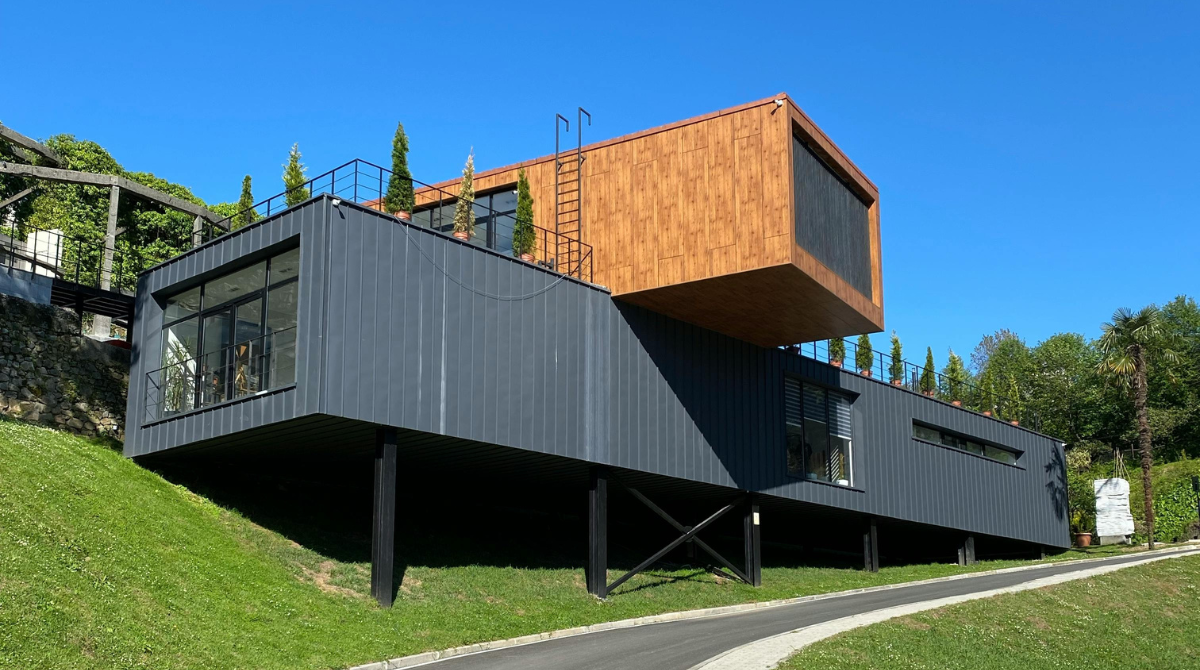
A stunning house made with cargo containers, blending innovative architecture with modern design for a unique and sustainable home.
Introduction to Innovative Housing
Innovative housing is all about new ways of designing, building, and living. It addresses real-world challenges like tight budgets, limited space, and shifting lifestyles. Think of it as a response to rising costs, environmental worries, and growing cities.
Traditional homes can be sturdy, but they might not fit modern needs or budgets. That’s where creative solutions step in—tiny homes, prefab structures, co-living spaces, and green designs. Some of these are small and cozy, others come with cutting-edge technology. Yet they all share a common goal: to make housing more accessible, more efficient, and more in tune with the environment we live in.
Why Now?
- High Costs in Cities
Cities are often the place to be for jobs and community, but it’s getting harder to afford a home there. Innovative models, like micro apartments or accessory dwellings, give folks the chance to live near work without spending a fortune. - Environmental Impact
Buildings eat up a lot of energy and resources. New approaches can reduce carbon footprints and make every square foot count. - Evolving Lifestyles
Families aren’t always the classic two-parents-and-three-kids scenario. Some homes need to fit multiple generations under one roof, while others cater to single professionals seeking community. Flexible or modular layouts work wonders here. - Tech Advancements
From smart appliances to self-healing materials, technology simplifies the building process and daily life.
These points show why innovative housing isn’t just some passing trend. It’s a solution that’s gaining momentum around the world.
Related: Small Things Done Right: Inspiring Design and Architecture Ideas
Features of Innovative Housing Designs
Many innovative projects share common traits. Below are three major features you’ll often see.
1. Sustainability

A homeowner installs a solar panel on their roof, highlighting a commitment to sustainability and green energy solutions.
Sustainability helps preserve resources and cut long-term costs. Builders might use bamboo or reclaimed lumber, and top things off with solar panels.
Key Moves:
- Position homes to catch natural light and breeze.
- Integrate thick insulation or double-glazed windows to keep energy bills low.
- Install green roofs for added insulation and a burst of nature.
A sustainable approach can be as simple as adding a rainwater tank or as sophisticated as going fully off-grid with wind turbines and battery storage. Each step makes a difference.
2. Adaptability and Flexibility
Modern homeowners often need more than a cookie-cutter layout. Some want a home office that doubles as a playroom, or a loft bed above a living room to save space.
What This Looks Like:
- Fold-out desks, hidden compartments, sliding partitions.
- Modular sections that you can add or remove over time.
- Spaces designed for quick rearrangements, so a dining room can morph into a party area on weekends.
3. Technology Integration

Wavy building design expertly crafted to maximize solar energy and natural light for sustainability and style.
Many new builds come with gadgets that make life easier and more secure. Automated lights, app-controlled thermostats, and advanced materials are great examples. You can also find self-healing concrete that seals small cracks, or energy-harvesting walls that generate a portion of a home’s electricity.
Why It Matters:
- Smart sensors can alert you to water leaks or energy spikes.
- Upgrades can lower bills and raise comfort levels.
- Tech-driven approaches often speed up the building process and cut down on mistakes.
Related: Housing Concepts Explained: From Traditional Styles to Minimalist Trends
Types of Innovative Housing
There isn’t a single style that defines “innovative housing.” Instead, we have a mix of options that serve different budgets, tastes, and needs.
1. Tiny Homes

Overview:
- Generally under 400 square feet.
- Clever storage solutions like lofts and pull-out cabinets.
- Often built on trailers for easy relocation.
Tiny homes can run on solar, use composting toilets, and rely on minimal resources. They’re popular with folks wanting a simplified lifestyle or lower monthly bills. Zoning codes can be tricky, but many communities are warming up to these pint-sized homes.
2. Granny Flats and ADUs (Accessory Dwelling Units)
What They Are:
- Small, independent living spaces on an existing property.
- Usually set up for relatives or rental income.
These units can be a garage conversion or a prefab module placed in the backyard. They offer privacy while keeping families connected. With housing prices climbing, ADUs are increasingly common—some homeowners rent them out on platforms like Airbnb for extra cash flow.
3. Micro Apartments
Urban Twist:
- Typically less than 350 square feet.
- Targeted at single professionals or couples who value location over space.
- Often come with built-in furniture, like a Murphy bed or fold-down table.
Why do they work? They’re cheaper than standard units in big cities, freeing up money for experiences or travel. Many micro apartment buildings include communal areas like coworking lounges or rooftop gardens to compensate for tight personal quarters.
4. Co-Living Spaces
Shared Model:
- Private bedrooms but communal kitchens and living rooms.
- Ideal for digital nomads, young professionals, or retirees who enjoy company.
- Cost-splitting for utilities, internet, and furnishings.
Many co-living complexes organize social events, which helps residents bond. It’s a modern spin on shared housing that prioritizes convenience and affordability, with minimal personal upkeep.
5. Prefab and Modular Homes
- Houses built in sections at a factory, then assembled on-site.
- Cuts construction time and waste.
- Often more cost-effective than traditional builds.
Some are fully customized. Others stick to a catalog of modules—pick your living room size, bedroom count, and optional solar kit, then they deliver. It’s a streamlined way to get a well-built home fast.
6. Sustainable Housing
Greener and Cleaner:
- Solar, wind, or geothermal energy sources.
- Water conservation through rain catchment and greywater systems.
- Biodegradable or recycled materials to minimize environmental impact.
“Earthships” and “passive houses” are two extreme ends. Earthships might use old tires and bottles for walls, plus extensive off-grid systems. Passive houses focus on airtight construction, heavy insulation, and minimal heating or cooling needs.
7. Floating and Water-Based Homes
For Waterfront Living:
- Built on buoyant platforms or pillars.
- Resistant to floods or sea-level rises.
- Might rely on solar or wave energy to stay green.
They work well in flood zones, since rising water won’t destroy a house built to float. But they come with unique regulations about mooring rights, plus the challenge of installing services like sewage or electric lines.
Innovative Building Types: Smart, Sustainable, and Stylish
A closer look at innovative building designs, including green buildings, modular homes, and adaptive reuse projects.
Types of Innovative Buildings: Redefining Modern Architecture

Elbphilharmonie Concert Hall in Hamburg, part of the HafenCity district, blends modern architecture with stunning harbor views.
Groundbreaking building types that merge sustainability, functionality, and cutting-edge design.
Innovation in architecture isn’t limited to housing. Architecture is constantly evolving, with innovative designs transforming how we experience public spaces, cultural landmarks, and workplaces.
These groundbreaking structures serve practical purposes, but most importantly, they inspire awe, solve challenges, and push creative boundaries.
From cultural hubs to sustainable marvels, here are some exceptional examples that redefine what architecture can achieve.
Modern Innovations in Architecture: Types of Revolutionary Buildings
Learn about the latest architectural innovations that are shaping the future of construction and design.
1. Cultural Centers: Spaces That Bring People Together
Example: Heydar Aliyev Center, Baku, Azerbaijan
Designed by Zaha Hadid, this building’s flowing, curved design stands out for its boldness and elegance. It’s more than a structure—it’s a hub for art, performances, and community gatherings.

Heydar Aliyev Center in Baku showcases Zaha Hadid’s iconic curved design, blending culture, art, and bold engineering innovation.
- Why It’s Innovative:
- Achieves its unique shape through advanced structural engineering.
- Seamlessly integrates form and function to symbolize openness.
- Blends aesthetics with practical use as a cultural space.
- What to Learn:
- How bold design choices can reflect cultural identity.
- The importance of creating spaces that inspire connection and creativity.
Other Examples:
- Elbphilharmonie, Hamburg, Germany – Famous for its world-class acoustics and glass architecture.
- Museum of the Future, Dubai, UAE – A striking design showcasing the potential of future technologies.
2. Public Buildings: Making Everyday Spaces Special
Example: The Oculus, New York City, USA
This transit hub, designed by Santiago Calatrava, is shaped like a bird in flight, symbolizing renewal and hope. It’s not just a train station—it’s a public gathering space and retail hub.

The Oculus in New York, designed by Santiago Calatrava, blends function and art, symbolizing renewal with light-filled, bird-inspired architecture.
- Why It’s Innovative:
- Uses natural light to create a calm and inviting atmosphere.
- Combines practical function with artistic expression.
- Transforms a transit space into a modern landmark.
- What to Learn:
- How to make functional buildings feel inspiring and welcoming.
- The role of light in shaping user experiences.
Other Examples:
- Marina Bay Sands, Singapore – Known for its rooftop infinity pool and luxurious design.
- Changi Jewel, Singapore – Combines airport functionality with lush gardens and an indoor waterfall.
3. Corporate Spaces: Offices That Spark Ideas
Example: Apple Park, Cupertino, USA
Apple’s circular campus is designed with employee well-being in mind, featuring green spaces, sustainable energy systems, and abundant natural light.

A landmark building that combines energy efficiency with a bold, striking design, symbolizing modern office architecture.
- Why It’s Innovative:
- Prioritizes sustainability with energy-efficient systems.
- Uses design to foster collaboration and creativity.
- Balances advanced technology with a connection to nature.
- What to Learn:
- How thoughtful design can improve productivity and well-being.
- The value of incorporating green spaces into office environments.
Other Examples:
- The Edge, Amsterdam, Netherlands – A smart building that adjusts lighting and climate to individual preferences.
- The Gherkin, London, UK – Combines energy efficiency with a striking visual impact.
4. Educational Buildings: Inspiring Spaces for Learning
Example: The Rolex Learning Center, Lausanne, Switzerland
This open-plan library and study space is designed to encourage collaboration and creativity, with undulating floors and large windows that let in natural light.
- Why It’s Innovative:
- Breaks away from traditional layouts with open, flowing spaces.
- Uses light and design to create a calm, focused environment.
- Encourages interaction and teamwork through its unique layout.
- What to Learn:
- How design can shape learning experiences.
- The benefits of moving away from rigid, traditional layouts.
Other Examples:
- The Hive, Singapore – A vertical campus focused on sustainability.
- UTS Business School, Sydney, Australia – Features Frank Gehry’s unconventional, eye-catching design.
5. Sports Arenas: More Than Just Stadiums
Example: Allianz Arena, Munich, Germany
This stadium’s facade can change color depending on the event, making it an interactive and iconic part of the city.
- Why It’s Innovative:
- Features the world’s first fully color-changing facade.
- Uses energy-efficient technologies.
- Designed for exceptional acoustics and fan experiences.
- What to Learn:
- How interactive features can engage audiences.
- The importance of balancing aesthetics with large-scale functionality.
Other Examples:
- Bird’s Nest (Beijing National Stadium), China – A steel marvel designed for the 2008 Olympics.
- SoFi Stadium, Los Angeles, USA – Merges advanced tech with stunning fan experiences.
6. Sustainable Buildings: Architecture That Protects the Planet
Example: Bosco Verticale, Milan, Italy
These “vertical forests” integrate thousands of plants into their structure, reducing pollution and improving urban air quality.
- Why It’s Innovative:
- Uses over 20,000 plants to create a living facade.
- Combats urban heat islands by reducing temperature.
- Provides a model for integrating nature into urban spaces.
- What to Learn:
- The impact of green design on cities and the environment.
- How buildings can coexist with nature rather than replace it.
Other Examples:
- Masdar City, Abu Dhabi, UAE – A planned zero-carbon city.
- One Central Park, Sydney, Australia – Features a vertical garden and innovative light reflection systems.
7. Bridges and Transport Hubs: Connecting Function and Beauty
Example: Millau Viaduct, France
This record-breaking bridge soars above the clouds, combining elegance with cutting-edge engineering.
- Why It’s Innovative:
- Requires minimal materials for maximum strength.
- Blends into the natural landscape with a graceful design.
- Improves connectivity and traffic flow across challenging terrain.
- What to Learn:
- How to balance engineering efficiency with visual impact.
- The potential for infrastructure to inspire and uplift.
Other Examples:
- High Line, New York City, USA – A former rail line turned into a park.
- Golden Bridge, Da Nang, Vietnam – A pedestrian bridge supported by giant stone hands.
These buildings are lessons in how design can inspire, connect, and solve problems. They show how architecture can inspire, solve problems, and redefine spaces we use every day.
Innovative Design Approaches for Small Houses
Small homes—tiny or otherwise—push us to think more creatively. Space is at a premium, so design has to be on point.
1. Vertical Space
A living area might feel cramped until you look up. A sleeping loft, a shelf near the ceiling, or a raised “platform” with extra storage underneath can transform a room. Even a short ladder to a half-loft can add breathing room.
2. Open-Plan Layouts
Fewer walls let in more light and airflow. That cozy vibe you get from an open space helps a small home feel welcoming instead of cramped. A sliding door or curtain can offer privacy if needed, without permanently dividing the area.
3. Bringing the Outdoors In
A compact house might connect to a wraparound porch or a small terrace. Sliding glass doors let natural light pour in, making the interior feel bigger. These breezy, open transitions can also be a highlight in warmer climates.
4. Smart Storage
Built-in cabinets and shelves often blend right into the wall, maintaining a sleek look. Some folks design stairs with drawers or hinged steps. Others add built-in benches with secret compartments. Every nook matters.
Case Studies of Innovative Residential Architecture
It’s one thing to talk about concepts, but real examples show how these ideas actually work.
1. Urban Housing Projects
High-Rise with Shared Gardens
Picture a tall, modern building in a busy city. Each floor has micro apartments, but the rooftop is a communal garden with veggies, lounge areas, and maybe a small orchard. This approach fosters community while giving residents fresh produce and a sense of escape from the urban grind.
Mixed-Use Complex
Retail at ground level, offices in the middle, and compact apartments on top. Residents can shop or dine downstairs, possibly skip a car altogether, and enjoy a more vibrant neighborhood.
2. Rural Retreats
Off-Grid Cabin
In a secluded spot, a family builds a tiny timber cabin using local wood. They add solar panels, a rainwater tank, and a composting toilet. Without city hookups, they live more in tune with nature, only using what’s necessary.
Eco-Lodge
Set up for eco-tourism or personal retreat, an eco-lodge might feature reclaimed materials, green roofs, and open-air designs that keep AC usage low. It’s a comfortable getaway that still respects its natural surroundings.
3. Community Housing
Sustainable Co-Op
In a suburban area, a group of families pools resources to build a small “village” of prefab homes circling a shared courtyard. They share a large kitchen or laundry room, cutting down on individual costs. A few solar panels on each roof keep utility bills low.
Low-Income Sustainable Developments
Certain nonprofits or city governments construct small solar-powered units for families with limited means. These homes offer durable, energy-efficient living spaces that don’t saddle residents with high utility bills.
Challenges and Opportunities
Innovative housing can seem like a no-brainer, but some real hurdles remain.
1. Challenges
- Regulations
Zoning laws or building codes may not favor tiny homes, floating structures, or container builds. Permits can be tough, and it varies by location. - Funding
Banks might be reluctant to finance a type of home they see as “non-traditional.” This can make mortgages or insurance tricky. - Public Perception
Some neighborhoods don’t welcome unusual designs or smaller footprints, fearing lower property values. Changing minds can take time. - High Initial Costs for Some Features
Solar panels, advanced insulation, or self-healing materials might cost more upfront, even if they save money long term.
2. Opportunities
- Addressing Housing Shortages
Prefab or modular options can be built fast, which is helpful for regions with urgent housing needs. - Better for the Planet
Energy-efficient homes cut carbon footprints. When a community collectively adopts green features, the impact grows. - Community Building
Co-living or multi-generation homes can strengthen social ties, reduce loneliness, and make day-to-day life more affordable. - Innovation in Materials and Tech
Breakthroughs like 3D-printed homes or advanced composites can reduce labor costs and building time.
Financing, Culture, and the Road Ahead
Financing Options
Some homeowners turn to niche lenders or personal loans for unconventional builds. Others finance through crowdsourcing or form co-ops to pool money. In places that support green solutions, grants or rebates might cover part of the costs for solar panels or advanced insulation.
Cultural Shifts
Younger generations often prefer flexible spaces and shared amenities. Families might need multi-generational setups. The market is starting to reflect these new demands, with more ADUs, co-living complexes, and smaller footprints that still feel cozy and livable.
What’s Next?
Expect more 3D-printed homes, high-rise co-living towers, and a push toward net-zero energy usage. As building tech evolves, we could see faster assembly times, advanced sensors for maintenance, and an even greater focus on well-being. Biophilic design—bringing natural elements inside—will also grow in popularity.
Final Thoughts: Embrace the Freedom to Experiment
Innovative housing isn’t reserved for huge budgets or futuristic concepts. Sometimes it’s as simple as turning a shed into a spare bedroom or installing solar panels to cut power bills. It can be a small but thoughtful step—like designing a versatile living room that doubles as an office.
Our advice? There’s no need to jump in all at once. Pick one or two features that resonate with you—maybe a modular room addition or a co-living arrangement with friends. Test them out, see how they fit your lifestyle, and expand if it feels right. The beauty of these new housing ideas is their flexibility, letting you adapt your home over time.
At the end of the day, your living space should make you feel comfortable and happy. Sure, there might be permits to handle or new technology to figure out, but the payoff is a home that reflects the way you truly live. Take it step by step, enjoy the process, and give yourself permission to explore something different. Who knows—you might stumble on a design approach that suits you so well, you’ll wonder why you didn’t try it sooner.
Relax, get creative, and have fun shaping a space that genuinely works for you. An innovative home is more than walls and a roof—it’s a lifestyle choice that can reduce stress, boost sustainability, and offer a fresh way to live.
Related: Housing Concepts Explained: From Traditional Styles to Minimalist Trends
FAQs
Q1: What exactly qualifies as “innovative housing”?
There’s no single definition, but it generally involves new approaches in design, materials, or living arrangements—something beyond the conventional single-family home. It might be a tiny house on wheels, a solar-powered floating home, or a co-living setup with shared amenities.
Q2: Are modular homes cheaper than standard builds?
They can be, thanks to assembly-line production and less on-site work. However, final costs depend on land, customization, and local regulations.
Q3: How can I add sustainable features without breaking the bank?
Small steps help: install LED bulbs, add insulation, switch to low-flow fixtures. If you can budget for solar panels or a high-efficiency HVAC system, all the better. Some areas offer tax credits or rebates for going green.
Q4: Are tiny homes allowed everywhere?
Not always. Zoning codes vary widely. Some places classify tiny homes as RVs. Others have minimum square-footage rules. Always check local ordinances or consult a planner.
Q5: Do co-living spaces actually feel private enough?
They usually offer locked bedrooms. The shared areas are communal, but you still have a personal space to retreat to. Co-living suits folks who enjoy group activities and saving on housing costs by splitting utilities and furnishings.
Resources and Inspiration
Architects and Firms
- Bjarke Ingels Group (BIG): Known for forward-thinking designs that blend fun concepts with real-world practicality.
- KieranTimberlake: Experts in modular construction and sustainability.
Books on Sustainable and Modular Housing
- “Modern Carpentry” by Willis H. Wagner: A solid primer on framing and practical building techniques.
- “Prefabulous + Almost Off the Grid” by Sheri Koones: Showcases prefab homes that thrive with minimal reliance on public utilities.
- “The Green House” by Alanna Stang and Christopher Hawthorne: Looks at eco-friendly designs that don’t skimp on style.
Community and Non-Profit Initiatives
- Habitat for Humanity: Builds affordable homes with volunteers, sometimes featuring green or modular elements.
- Local Urban Planning Offices: Many cities have pilot programs encouraging ADUs or micro-living options.