
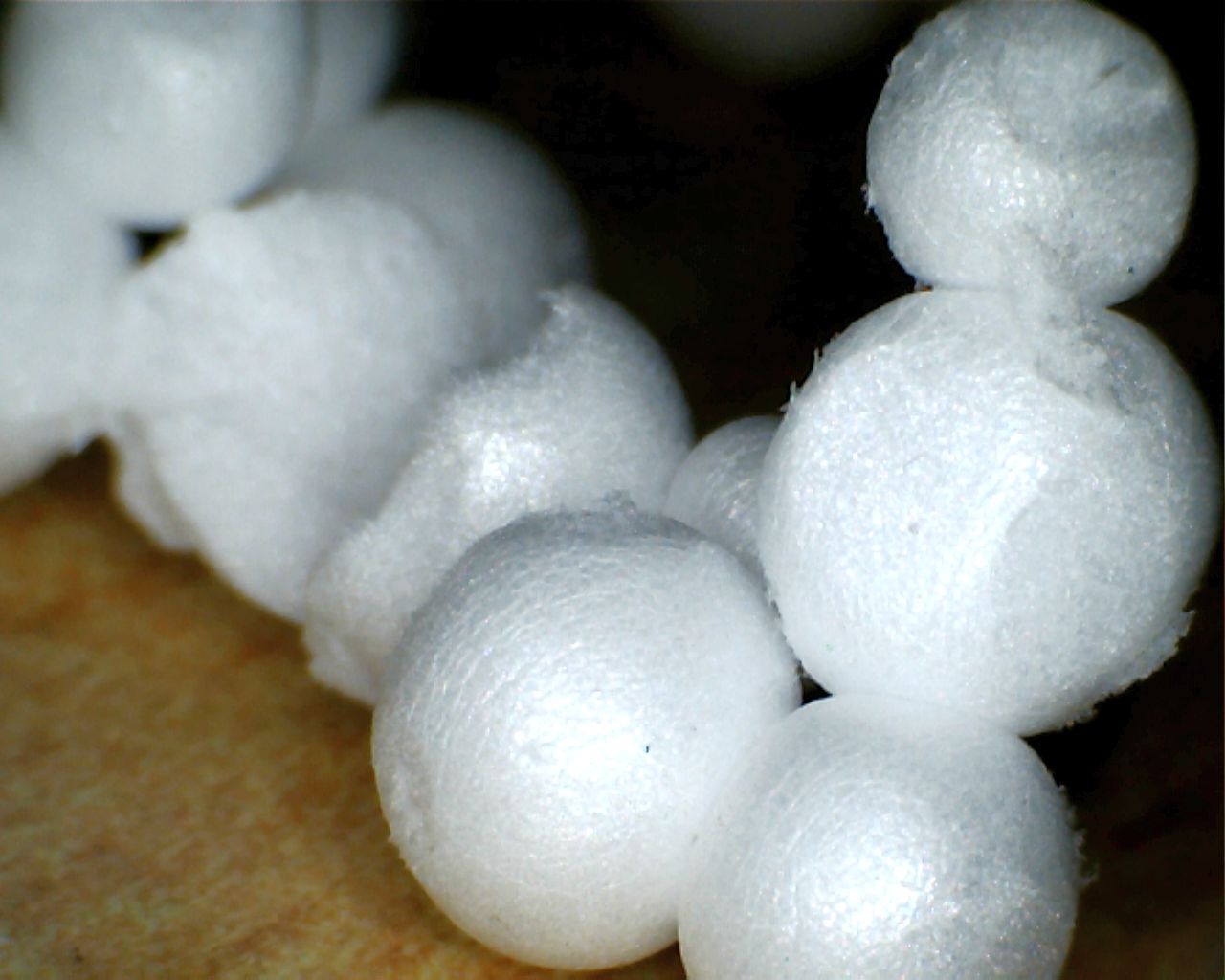
Image: Expanded polystyrene (EPS) beads engineered for use in thermal insulation systems. Lightweight, high R-value, moisture-resistant.
Real-World Test: Is Cardboard or Styrofoam the Better Insulator?
Insulation Showdown: Cardboard and Styrofoam Compared
Is Cardboard a Better Insulator than Styrofoam? A Practical Breakdown from Someone Who’s Tried Both
Here’s the short version: Styrofoam insulates better—but cardboard still has a few surprising uses that might work depending on your project, your budget, and how deep you’re willing to go into DIY territory.
I’ve tested both in real-world scenarios. Small builds. Temporary shelters. Insulated panels for off-grid cabins. And here’s what I’ve learned—not from theory, but from working with the stuff directly.
Summary: Cardboard vs. Styrofoam at a Glance
| Material | Thermal Insulation (R-Value) | Moisture Resistance | Durability | Cost | Eco-Friendly? |
|---|---|---|---|---|---|
| Styrofoam | High (R-4 to R-6 per inch) | Excellent | High | $$ | ✖ (Not great) |
| Cardboard | Low (R-1.5 to R-2 per inch) | Poor | Fragile | $ | ✔ (Recyclable) |
If you’re insulating a wall, a van, or a shed and you care about thermal performance, Styrofoam wins hands down. But cardboard has its place—especially for quick fixes, short-term uses, and sustainability experiments.
What Actually Makes Something a Good Insulator
Insulation works by trapping air. The more air pockets a material holds (and the slower heat moves through it), the better it insulates.
Styrofoam is full of closed air cells that are extremely effective at slowing heat transfer. That’s why it’s used in everything from coffee cups to building insulation panels.
Cardboard, especially corrugated cardboard, traps some air—but not nearly as efficiently. Plus, it absorbs moisture easily, which kills its insulating value fast.
Real-World Test Results
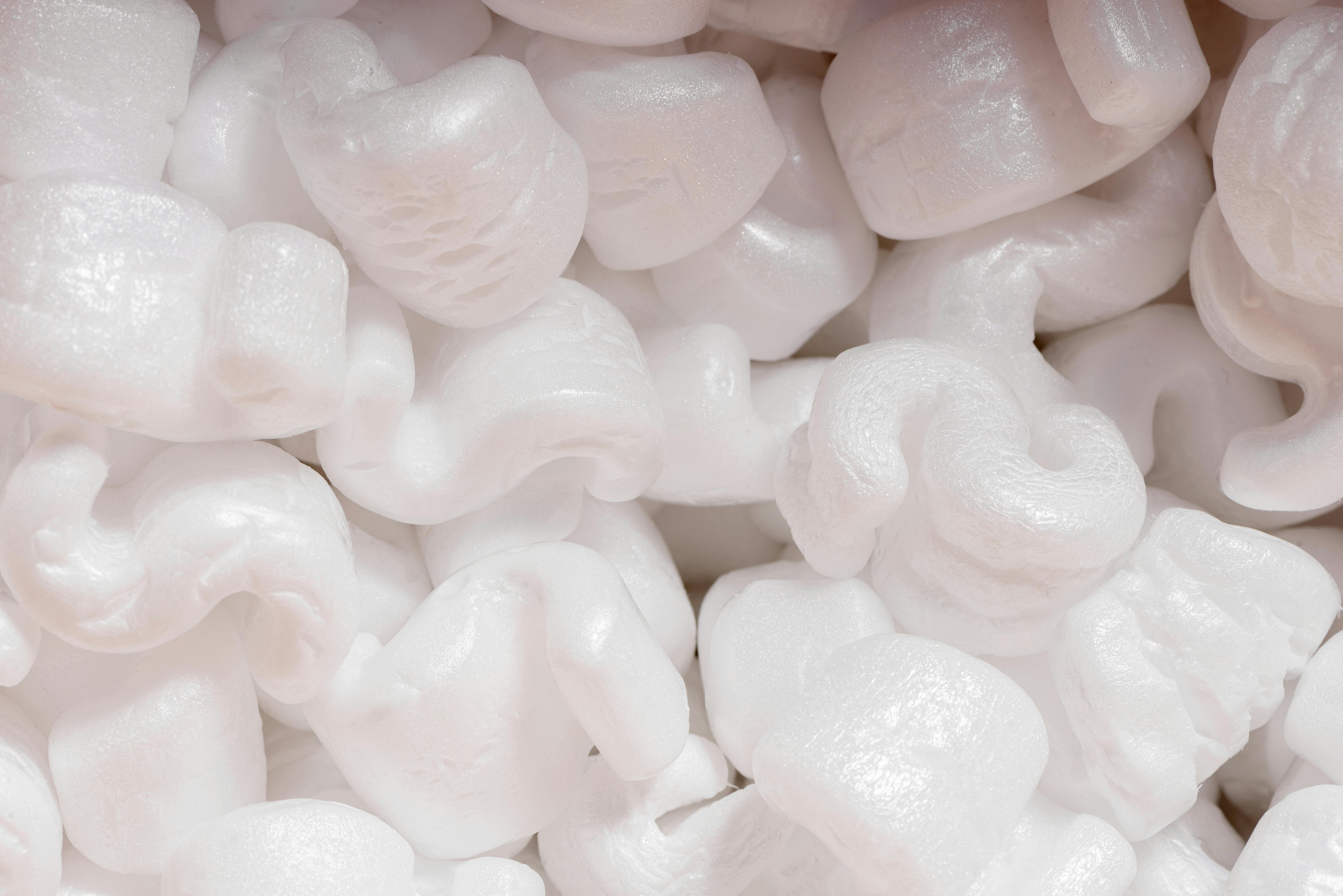
Image: Polystyrene used in packaging, highlighting its potential use in insulation due to lightweight structure and thermal resistance properties.
I’ve tried both in:
▪ Temporary camping shelters
▪ Shed interiors during winter upgrades
▪ Passive solar panel enclosures
▪ Makeshift coolers and root cellars
Results?
- Styrofoam kept internal temps up to 10–12°C warmer in controlled tests
- Cardboard helped maybe 3–5°C max, and only in dry conditions
- Cardboard collapsed or warped when wet or compressed
In short: Cardboard helped slow temperature change, but Styrofoam actually created a thermal barrier.
So Why Use Cardboard at All?

Because sometimes it makes sense.
● It’s free—easy to scavenge or repurpose from packaging
● It’s lightweight and easy to cut
● It’s fully recyclable and compostable
● It can be layered (to a point) for better effect
If you're insulating a temporary shelter or trying out sustainable design methods, cardboard might be just good enough—especially if you combine it with other materials.
Shocking Truth: Cardboard Can Outperform Styrofoam—But Only Like This
Here's where things flip a little:
▪ If Styrofoam is poorly installed—gaps, cracks, bad seams—its performance tanks
▪ Well-sealed cardboard panels, stacked and caulked, can outperform badly-installed Styrofoam
▪ In passive solar designs, layered cardboard with aluminum foil facing reflects heat better than raw Styrofoam
So, if you’re smart about sealing and layering, you can squeeze a lot more out of cardboard than most people expect.
In Focus: Hybrid Builds That Actually Work
Some of the best setups I’ve tested used a mix:
▪ Cardboard as the inner layer – for shape and rigidity
▪ Reflective bubble wrap or foil – for radiant heat barrier
▪ Spray foam or Styrofoam board on the outside – for serious insulation
This layering method works well for:
▪ Van builds
▪ Root cellars
▪ Chicken coops
▪ Off-grid cabins
You're getting the best of both worlds: cardboard’s form + Styrofoam’s insulation + a radiant layer to bounce back heat.
Do & Don’t List: Using Cardboard for Insulation
✔ Do:
- ✔ Use multiple layers with air gaps between
- ✔ Keep it dry—add vapor barriers or cladding
- ✔ Combine it with foil or radiant barriers
- ✔ Use it in temporary or experimental builds
✖ Don’t:
- ✖ Expect it to work like foam board—it won’t
- ✖ Use it where structural strength is needed
- ✖ Leave it exposed to moisture, rodents, or flame
Expert Tip from Experience
If you're building anything semi-permanent: start with Styrofoam or mineral wool. But if you’re experimenting, learning, or prototyping something on a budget, cardboard teaches you a lot—cheaply.
I’ve used cardboard for:
▪ Lining window frames to reduce drafts temporarily
▪ Sandwiching around water tanks for overnight freeze protection
▪ Wrapping greenhouse planter beds
It’s never perfect. But sometimes? It’s better than nothing—and easier to tear down when the season ends.
Styrofoam Balls: Future Insulation in the Making
You’ve probably seen them in packaging—those tiny white Styrofoam beads that spill out and stick to everything. Turns out, those little guys might actually play a serious role in next-gen insulation.
How They’re Used
Styrofoam balls can be:
▪ Blown into wall cavities for loose-fill insulation ▪ Mixed into lightweight concrete as a thermal filler ▪ Packed into fabric tubes for flexible insulating wraps ▪ Recycled and re-formed into custom insulation panels
Why It’s Promising
▪ They trap a lot of air, just like standard foam boards ▪ They’re ultra-light and flow easily into tight or irregular spaces ▪ When used correctly, they deliver solid insulation at a lower cost
What to Watch Out For
▪ They can be messy and hard to contain without proper equipment ▪ Static charge makes them cling to everything ▪ On their own, they don’t have structure—so they need containment or mixing
Some eco-builders are even experimenting with biodegradable coatings to bind the beads together or using starch-based bio-foam versions.
If you’re looking into new insulation options, especially for non-load-bearing walls or alternative fill methods, Styrofoam balls could be your next affordable tool—especially when paired with a DIY-minded, sealed installation method.
Final Thoughts: Which One Should You Use?
Use Styrofoam for anything long-term, structural, or exposed to the elements. It’s the industry standard for a reason.
Use cardboard when:
▪ You’re prototyping ▪ You’re broke ▪ You’re building something experimental ▪ You need a free, fast, flexible layer
Or better yet—use them together.
Cardboard won’t replace Styrofoam. But with the right tweaks and some clever layering, it might just help you build smarter without spending more.
FAQ
● Can I use cardboard to insulate a full room?
You can—but don’t expect long-term performance. It’s useful for quick fixes or short-term projects, but it won’t perform like rigid foam boards.
● Is cardboard insulation safe?
It’s generally safe if kept dry and away from flames. But it’s not fireproof, and it attracts moisture and pests, so use it carefully.
● Does layering cardboard really improve insulation?
Yes, to a degree. Multiple layers with small air gaps in between can improve thermal resistance, but still won’t match foam boards.
● Can I mix cardboard with other insulation types?
Absolutely. It’s often best used as an inner or middle layer when paired with foil, foam, or other insulators.
● How do Styrofoam beads compare to full panels?
Styrofoam beads are better for loose-fill applications or lightweight DIY panels, but they require containment. Full panels are easier for wall installation.
Recommended Books:
▪ The Natural House by David Pearson – Overview of alternative building materials, including cardboard and natural insulators
▪ Green Building Materials by Ross Spiegel & Dru Meadows – Covers insulation options and material comparisons
▪ Insulate and Weatherize by Bruce Harley – Practical guide on home insulation techniques
Online Resources:
▪ U.S. Department of Energy – Insulation Materials Guide
▪ Green Building Advisor – Real-world testing, pros/cons of eco-materials
▪ BuildingGreen.com – Industry insights on sustainable materials and systems
Related Articles
● Basic Insulation Myths & Natural Alternatives
1. Why Cardboard Isn’t a Great Insulator (And What Works Way Better)
Why cardboard fails at holding heat and which materials are actually up for the job.
2. Is Cardboard a Good Insulator? Pros, Cons, and Practicality
An honest breakdown of where cardboard works—and where it really doesn’t.
3. Is Burlap a Good Insulator? Here’s the Real Deal
Curious about burlap? This one's for you—natural, breathable, but is it enough?
● Insulation Overviews & Material Guides
4. The Complete List of Thermal Insulation Materials: Types, Uses, and Best Practices
A full rundown of the most common insulation materials with real-world examples.
5. Natural Insulation Materials: Types, Benefits, and Practical Tips
Eco-conscious choices, their strengths, and how to apply them effectively.
● Hemp Insulation Deep Dives
6. Can Your Walls Get You High? The Hemp Insulation Debate!
A cheeky yet informative look at hemp insulation and its misunderstood origins.
7. Hemp Insulation Companies: Best Providers, Costs, and Benefits Across the USA
Top U.S. brands offering hemp insulation and how much you’ll likely pay.
8. Hemp Insulation: Why Are Builders Switching to It?
Why so many modern builders are turning to this plant-based powerhouse.
9. Is Hemp Insulation Flammable? Will It Blaze or Stay Cool?
How hemp holds up in fire situations and why it’s safer than you might think.
10. Hemp Insulation vs. Rockwool: Which Insulation Wins for Your Home?
Side-by-side comparison of two popular insulation materials for modern homes.
11. Hemp Insulation vs. Fiberglass: Which is Safer for Your Home?
A health-focused look at two major insulation types from a homeowner’s view.
● Mineral Wool & Rockwool Explained
12. Why Choose Loose Fill Rockwool Insulation for Your Next Project?
A flexible option for tricky installs—here’s where it fits best.
13. Can Mineral Wool Insulation Double as a Soundproofing Solution?
Not just for warmth—find out how it handles sound too.
14. Loose Fill Mineral Wool Insulation: What It Is and Why It Works
Get to know this form of insulation and why it’s popular in older homes and renovations.
15. Rockwool Blown Insulation: Benefits, Costs, and Installation Made Simple
Blown-in Rockwool made simple—where to use it and what to expect in cost.
● Safety, Health & Sustainability
16. Sustainable Insulation That Saves Energy and Cuts Costs
Explore green options that protect both your bills and the environment.
17. What is the Safest Insulation to Use?
Fire resistance, non-toxic fibers, and what to pick for safer indoor air.
● Specialized Materials & Modern Construction
18. Is Rubber a Good Insulator? Benefits, Drawbacks, and Real-Life Applications
Where rubber fits in insulation—and where it doesn’t make sense at all.
19. Sandwich Panels in Construction: Strength, Insulation, and Design
Multi-layer panels that combine structure with insulation—especially in industrial and prefab builds.