
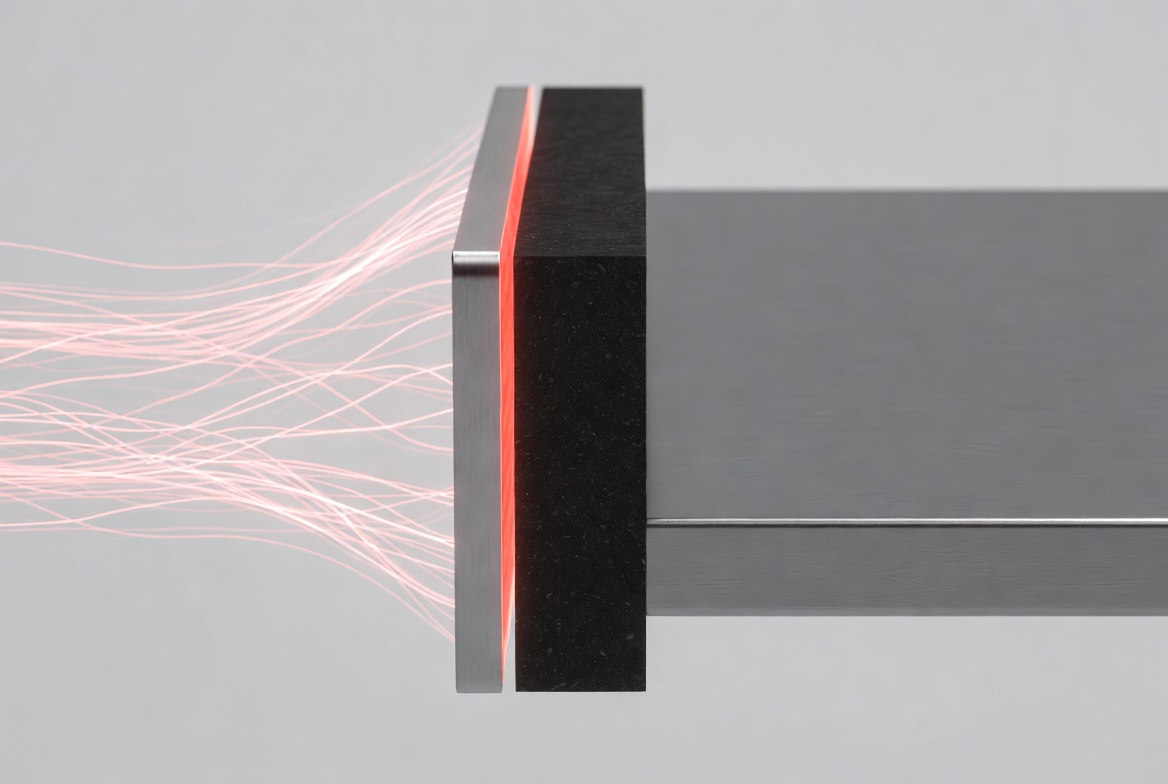
Rubber insulation sounds simple until you try to buy it.
Sometimes people mean electrical rubber. Sometimes they mean the black closed-cell foam wrapped around pipes. Sometimes they mean rubber underlayment for sound. Those are not the same product, and they are not solving the same problem.
So the useful question is not just whether rubber is an insulator. It is. The better question is what kind of insulation job you need it to do, and whether rubber is actually the right material for that job.
First, Stop Lumping It All Together
Rubber shows up in insulation work in three main ways.
Electrical insulation. This is the old familiar one. Cable jackets, gloves, mats, sleeves. The job there is keeping current where it belongs.
Thermal insulation. In building work, this usually means flexible elastomeric foam on pipes, refrigerant lines, and some mechanical runs. It slows heat flow, yes, but just as important, it helps stop condensation.
Sound and vibration control. Rubber also gets used under floors, around equipment, and at certain connections because it absorbs vibration better than a lot of rigid materials.
That matters because a material can be very good at one insulation job and mediocre at another.
Where Rubber Earns Its Keep
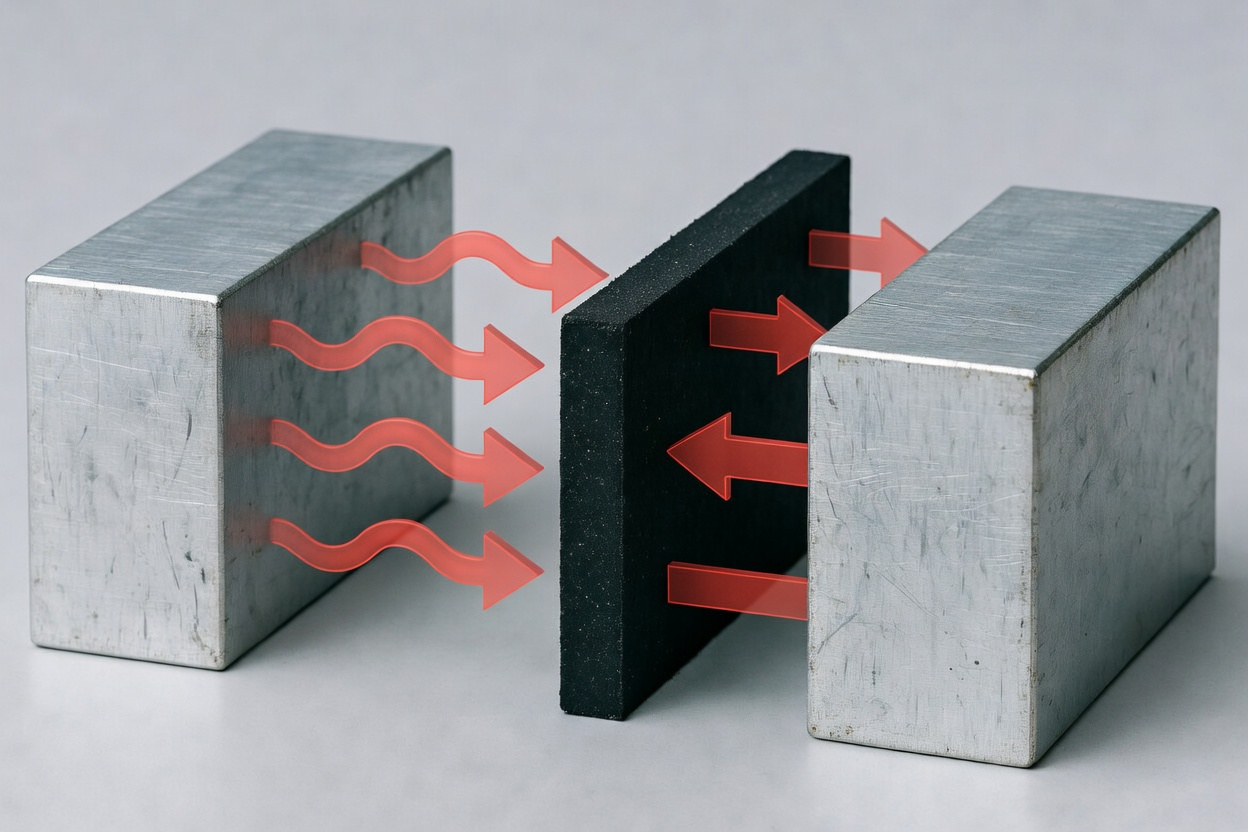
Cold pipes and refrigerant lines. This is where rubber-based closed-cell foam usually makes the most sense. It wraps tightly, handles bends well, and helps keep humid air from hitting a cold surface and turning into water.
Ducts and mechanical equipment. It can work well where you want some mix of thermal control, condensation resistance, and vibration damping in one material.
Tight or awkward runs. This is one of its big advantages. It bends around fittings, valves, offsets, and cramped mechanical spaces better than many rigid insulation products.
Sound-control layers. Rubber underlayments and mats are often more about noise and vibration than raw thermal performance, but that is still a legitimate insulation use.
Where It Usually Falls Short
Whole walls and attics. This is where people overreach. Rubber is usually not the material you choose to insulate an entire wall, ceiling, or attic for overall house performance. It is too specialized, usually too expensive for that role, and not where the best value usually sits.
Outdoor exposure with no protection. Same complaint over and over. It looks fine at first, then sun and weather start chewing it up. A lot of rubber pipe insulation needs a protective jacket, coating, or cladding outside if you expect it to last.
Hot surfaces. Some rubber products can handle moderate temperatures just fine. Some cannot. This is where people buy whatever is on the shelf and assume the word “rubber” covers everything. It does not.
Fire-sensitive assemblies. You still have to care about code, smoke, flame spread, and the exact product listing. “It insulates” is not enough.
What People Get Wrong
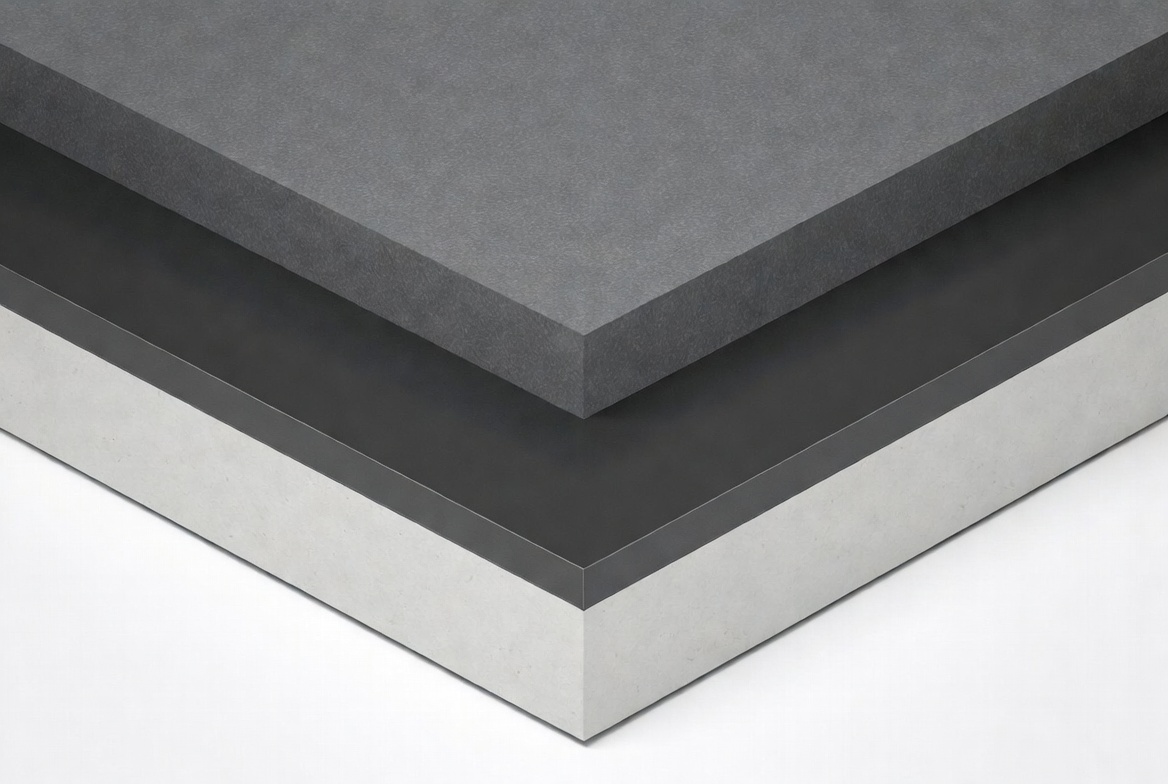
The first mistake is thinking any black foam tube will solve a freezing-pipe problem by itself.
Sometimes it helps a lot. Sometimes it barely changes the outcome because the real problem is cold air moving across the pipe, bad placement, or not enough heat in the space to begin with. Insulation slows heat loss. It does not create heat.
The second mistake is sloppy installation. Loose seams, open joints, and poor fit can let air keep reaching the cold surface. Then the condensation problem never really goes away.
The third mistake is treating rubber like one material. It is not. EPDM, neoprene, nitrile blends, silicone, and other rubber-based products behave differently, and some are clearly better than others for UV, moisture, temperature, or flexibility.
Is It Good for Houses?
Yes, but mostly in specific places.
Rubber insulation makes sense in houses for exposed pipes, some duct runs, equipment isolation, and sound-control layers under certain floors or around mechanical systems. That is where its flexibility and closed-cell structure really help.
It is usually not the first material you pick for a whole wall cavity, roof assembly, or attic floor. That is where fiberglass, mineral wool, cellulose, rigid foam, or spray foam usually enter the conversation first.
If you are comparing oddball or specialty insulation ideas, this piece on whether cardboard works as insulation lands on the same basic truth: the use matters more than the material sounding clever.
Three Good Uses and Three Bad Ones
Good use: insulating a cold water line or refrigerant line where condensation is the real problem.
Good use: wrapping mechanical runs where you want thermal control and some vibration damping at the same time.
Good use: using rubber underlayment where footfall noise, hum, or vibration is part of the complaint.
Bad use: expecting a thin rubber wrap to give you meaningful wall-level thermal performance.
Bad use: putting outdoor pipe insulation in full sun and assuming it will survive with no protection.
Bad use: using generic rubber near hot equipment without checking the actual rating and listing.
How to Make the Call
If your main problem is condensation on cold pipes, rubber-based closed-cell foam is often a strong choice.
If your main problem is noise or vibration, rubber can also make a lot of sense.
If your main problem is whole-house thermal performance, rubber is usually not where you start.
If your situation includes sun, heat, weather, or code-sensitive locations, slow down and check the actual product data before buying anything.
The Straight Answer
Rubber is a good insulator. It is just not a universal one.
It does its best work where you need flexibility, electrical resistance, condensation control, or vibration damping. It gets a lot less impressive when people try to turn it into a catch-all answer for every insulation problem in a house.
That is really it. Use it where it has a real advantage. Do not force it into jobs better handled by something else.