Key Architectural Elements: Design Principles Made Simple
The essential elements of architectural design, including columns, elevations, and principles for cohesive designs, and much more.
Elements of Architectural Design
Don’t be surprised to learn that even professionals in the field sometimes miss the deeper understanding of architectural design. Sure, they know the basics—they can identify walls, columns, arches, or even name architectural styles. But ask them why some buildings resonate while others fall flat, and you might get blank stares.
The truth?
Many limit themselves to textbook definitions and technicalities, missing the magic that truly makes architecture come alive.
Here’s the kicker: getting it—really understanding the interplay of form, function, emotion, and culture—is what separates the ordinary from the extraordinary. It’s why Zaha Hadid’s buildings feel like they defy gravity, or why Frank Lloyd Wright’s Fallingwater feels like it grew straight out of the landscape. They saw architecture not as a set of rules but as a canvas for innovation, connection, and storytelling.
In this guide, I’ll share insights I’ve gathered from years of teaching architecture students (and learning myself along the way). We’ll look at what makes certain designs unforgettable and, more importantly, how you can bring that spark into your work. Get ready for some eye-opening tips, practical examples, and a fresh perspective that just might change the way you see design forever.
Even professionals often know the basics but miss why some buildings stand out and others don’t.
The Difference Between Good and Exceptional Design
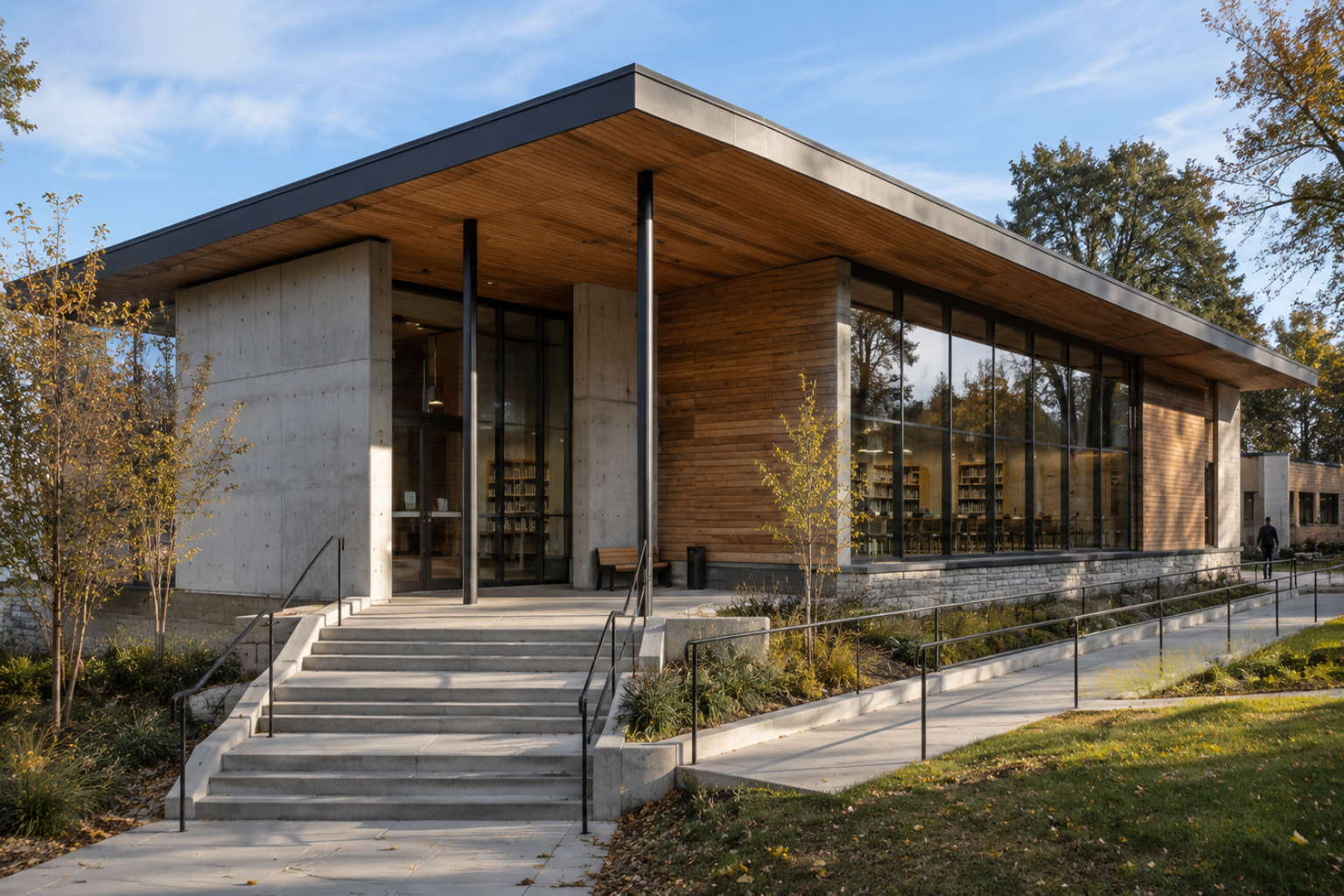
A modern interior with clean lines, functional furniture, and a well-balanced layout emphasizing the principles of good design.
When it comes to architecture, details matter. But not just any details—the right details. Let's explore some real-world examples of architects and projects that got it right, and why these moments made all the difference.
1. Form Meets Function
A dynamic architectural collage merging classical and modern design, featuring realistic spaces, functional layouts, vibrant colors, and the seamless integration of materials and greenery.
The best designs balance aesthetics with practicality. Take Le Corbusier's Villa Savoye, a modernist masterpiece that blends open spaces with precise proportions. It’s not just a boxy house; it’s a vision of how humans should live in harmony with their surroundings. The pilotis (columns) lift the structure off the ground, while the ribbon windows flood the interiors with light. The result? A space that’s beautiful and deeply functional.
- Why It Works: Le Corbusier didn’t just design a house—he designed a lifestyle. The integration of form and function is seamless, showing a true understanding of how architecture shapes daily life.
2. Responding to the Environment
Let’s talk about Fallingwater by Frank Lloyd Wright. Built in 1935, this house doesn’t just sit on the land—it’s part of it. The cantilevered terraces extend over the waterfall, creating a harmonious connection between architecture and nature. Wright understood that a building’s environment isn’t an afterthought; it’s the foundation of the design.
- Why It Works: Wright didn’t force his design onto the landscape; he let the landscape shape the design. The result is a building that feels alive, rooted, and timeless.
3. Emotion Through Space
Zaha Hadid’s Heydar Aliyev Center in Azerbaijan is an example of architecture as pure expression. The flowing, curved surfaces evoke movement and energy, breaking free from rigid, linear forms. Entering the building feels like stepping into a work of art, where every space invites exploration and wonder.
- Why It Works: Hadid thought beyond function. She wanted people to feel something—curiosity, awe, inspiration—and designed spaces that elicit those emotions.
4. Human-Centered Design
Shigeru Ban’s Cardboard Cathedral in New Zealand is a perfect example of architecture that puts people first. Created as a temporary structure after the devastating Christchurch earthquake, it’s made of cardboard tubes and other lightweight materials. But it doesn’t feel temporary—it feels thoughtful, respectful, and hopeful.
- Why It Works: Ban prioritized the needs of the community, creating a space that was accessible, meaningful, and sustainable.
What Sets Great Architects Apart
- They See Beyond the Obvious
- Great architects don’t just design buildings; they design experiences. Think of Renzo Piano, whose Pompidou Centre in Paris flips the idea of a museum inside out. The building’s “guts” (pipes, ducts, and structural elements) are displayed on the outside, challenging traditional ideas of beauty.
- They Solve Problems Creatively
- Consider Bjarke Ingels and his firm, BIG. Their project 8 House in Copenhagen is a mixed-use building shaped like the figure eight. It’s not just visually striking—it solves urban challenges by combining housing, offices, and communal spaces in a single structure.
- They Embrace Change
- Take Jeanne Gang and her Aqua Tower in Chicago. With its undulating balconies, the building redefines what a high-rise can be. Gang also incorporated sustainable design elements, proving that innovation and environmental responsibility can go hand in hand.
How to Apply These Lessons to Your Work
- Ask Bigger Questions
- Instead of starting with “What will this building look like?” ask “How will this building make people feel?”
- Example: When designing a school, think about how the layout can encourage collaboration, creativity, and comfort.
- Study the Site Like a Detective
- Take inspiration from Fallingwater and design in harmony with the environment. Is there a way to integrate natural light, preserve views, or use local materials?
- Experiment Without Fear
- Look at Zaha Hadid’s bold, flowing designs. Don’t be afraid to push boundaries, as long as the result serves a purpose.
- Think Beyond Today
- Consider future needs and sustainability. How will your design stand the test of time?
What really sticks with me is how great architecture isn’t just about walls or roofs—it’s about ideas that challenge the way we think and feel in a space. The architects who get it don’t just build; they create something that stays with you, something that works and feels right. That’s the kind of design worth aiming for.
Mastering the Basics of Architectural Design
Learn about the key components of architectural design, from natural integration to modern principles.
Understanding the Basics
When you truly grasp these fundamentals, your designs stop being just functional—they become memorable.
Let me share a quick story. Early in my career, I was working on a school project. I had the layout, the materials, even a stunning façade. But something wasn’t clicking. It looked fine on paper, but the design felt... flat. It wasn’t until a mentor pointed out that I’d overlooked how people would feel in the space that things started to change.
Once I thought about how students would move through the halls, where they’d naturally gather, and how light would shape their day, the design came alive.
That was my wake-up call: the basics aren’t just rules—they’re tools for creating experiences.
Here’s what it comes down to: the basics are your foundation. If you can’t nail those, no amount of fancy details or groundbreaking ideas will save your design. Whether it’s the lines that guide the eye, the textures that beg to be touched, or the spaces that invite people in, these fundamentals are what make or break a project.
In this section, we’ll break down the core building blocks that every great architect needs to understand—not just on paper but in practice.
Let’s explore the elements that transform ordinary designs into unforgettable spaces.
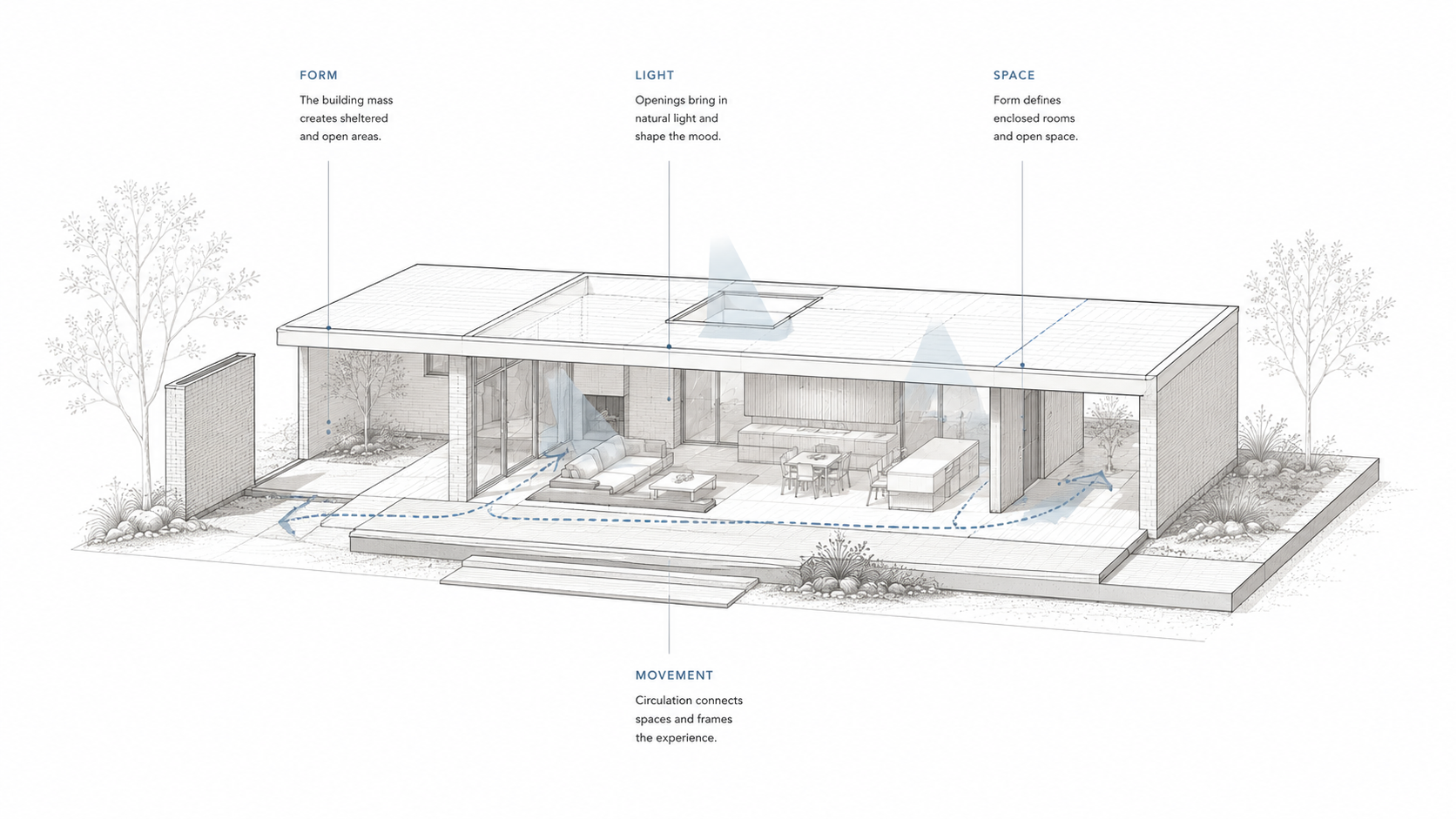
Architectural design basics, covering interior and exterior elements, columns, and innovative trends, and more.
Core Elements of Architecture
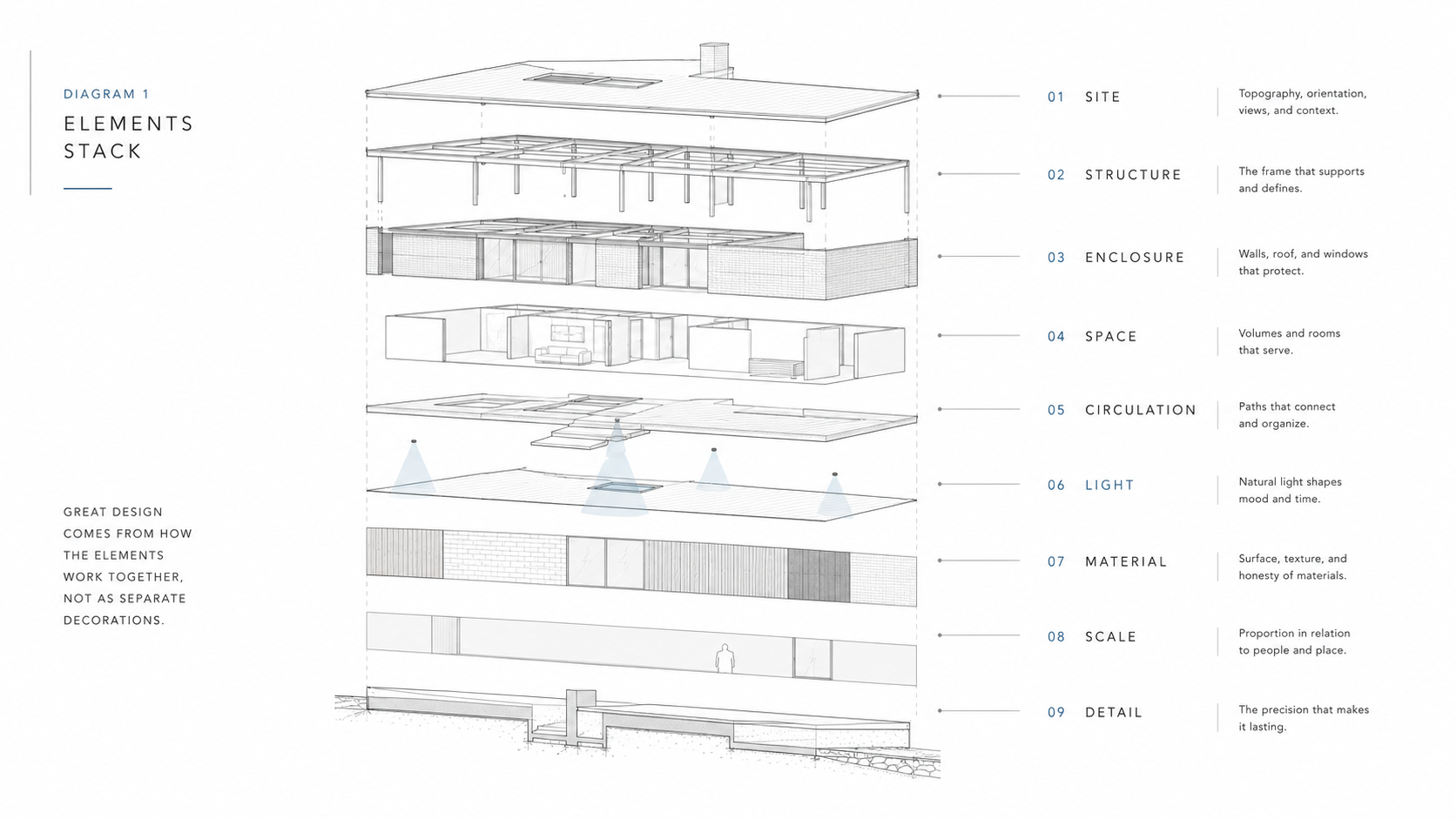
These foundational elements form the backbone of architectural design. They are the essential building blocks that give a structure its form, function, and aesthetic.
Lines in Architecture
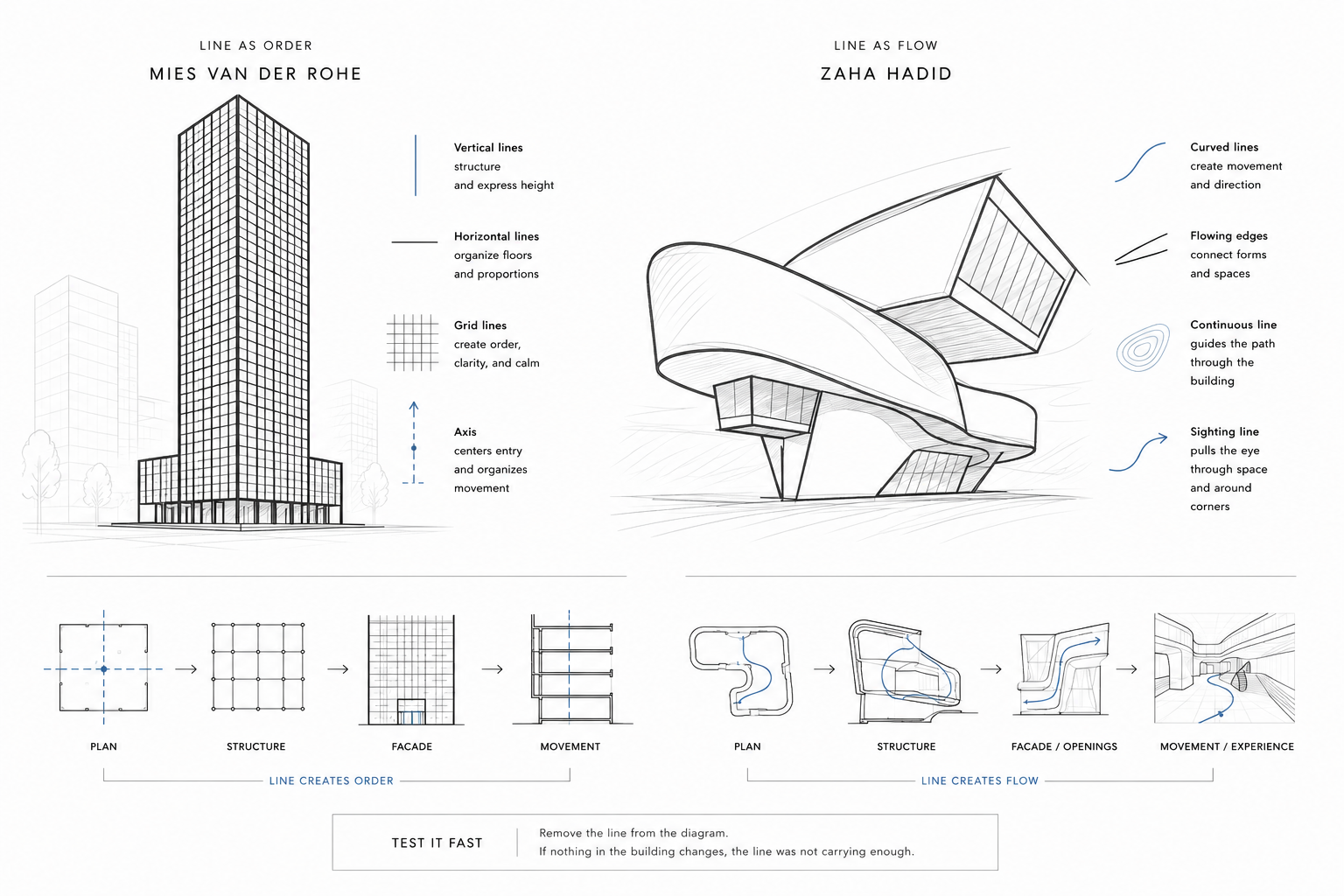
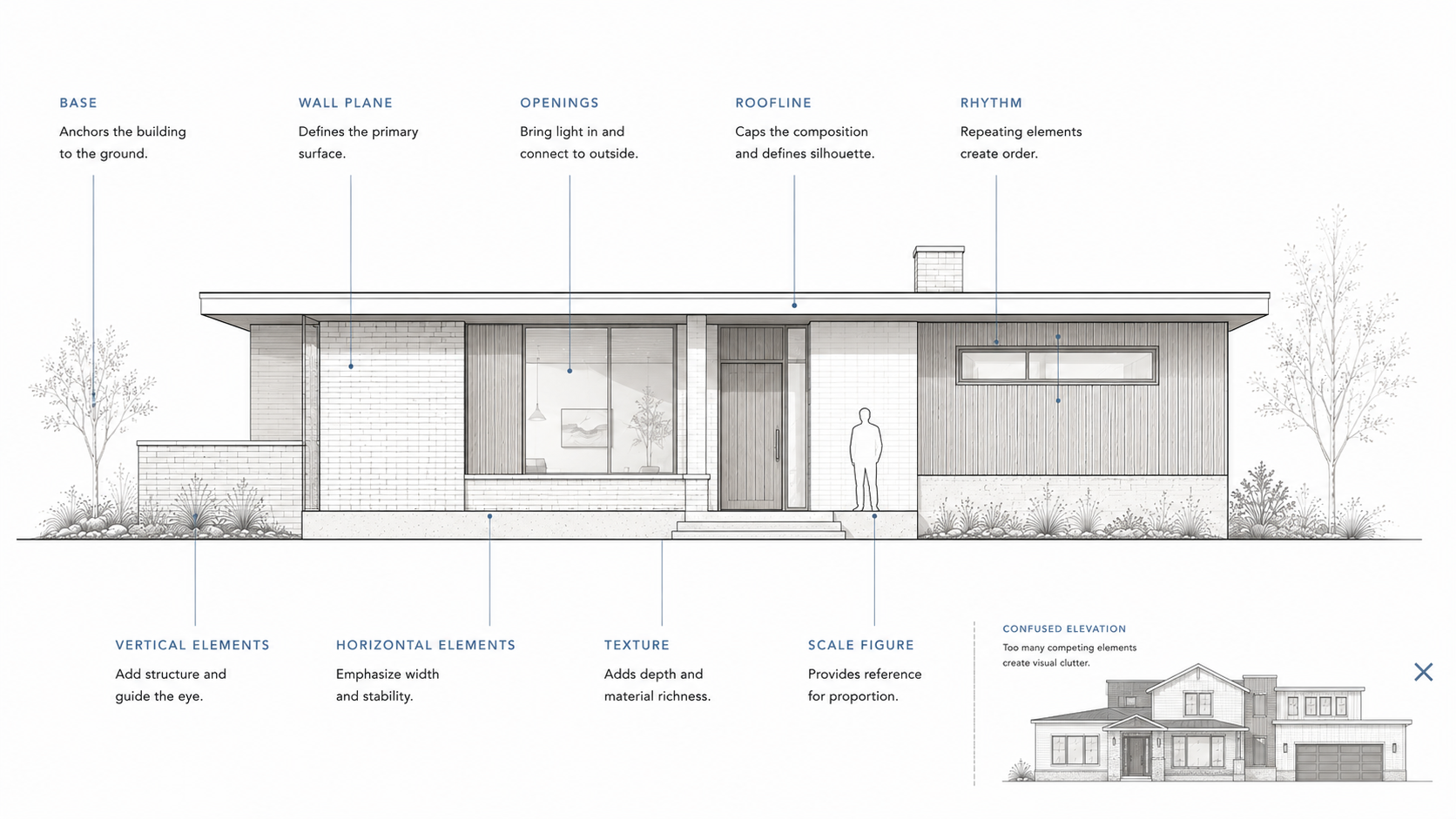
Lines are fundamental to creating structure, patterns, and movement in architecture. They define shapes, guide the eye, and establish the tone of a design.
- Horizontal Lines: These emphasize stability and calmness. Frank Lloyd Wright’s Prairie Style homes use horizontal lines to blend with flat landscapes, creating a grounded, serene feeling.
- Vertical Lines: These convey strength and grandeur, seen in Gothic cathedrals where towering verticals draw the eye skyward and inspire awe.
- Diagonal and Curved Lines: These add motion and energy. Zaha Hadid’s Heydar Aliyev Center uses flowing, curved lines to create an organic sense of movement.
Pro Tip: Use lines to set the mood—horizontal for tranquility, vertical for authority, and diagonal for dynamism.
Shape in Architectural Design
Shapes define the physical form of a building, offering a visual identity and influencing how people interact with the space.
- Geometric Shapes: Simple forms like squares and circles create order and clarity. The Villa Savoye by Le Corbusier uses geometric shapes to represent modernist ideals of functionality and simplicity.
- Organic Shapes: Inspired by nature, these shapes bring fluidity and a sense of life. Antoni Gaudí’s Casa Batlló features flowing, natural forms that make the building feel almost alive.
Pro Tip: Combine geometric and organic shapes to strike a balance between order and creativity.
Color in Architectural Design
Color is more than an aesthetic choice—it’s a tool for influencing mood, perception, and focus.
- Bold Colors: Make a statement and create focal points. Luis Barragán’s vibrant pinks and yellows add personality and impact.
- Neutral Colors: Provide timelessness and calmness. Scandinavian interiors use whites and grays to highlight natural materials.
- Contrasts: Add depth and drama, like Tadao Ando’s minimalist designs, which juxtapose light and dark tones.
Pro Tip: Use bold colors as accents and neutrals for a timeless base.
Texture in Building Design
Texture influences how a surface is perceived both visually and physically, adding depth and character.
- Rough Textures: Exposed brick or raw wood adds warmth and authenticity, perfect for rustic or industrial styles.
- Smooth Textures: Polished stone, glass, or concrete offers sleekness and modernity.
- Mixed Textures: Herzog & de Meuron’s Elbphilharmonie mixes glass and brick, creating contrast and intrigue.
Pro Tip: Match textures to the function of the space—cozy textures for intimate areas and sleek finishes for formal ones.
Conceptual Elements of Architecture
A conceptual representation of architectural elements, showcasing the balance of form, function, and material integration in modern design.
These elements go beyond the tangible and focus on how spaces are experienced and understood.
Value in Architecture
Value refers to the interplay of light, shadow, and contrast, which adds depth and dimension to spaces.
- Example: Tadao Ando’s Church of the Light uses sharp contrasts between natural light and dark concrete to create a spiritual, contemplative space.
- Why It Matters: Value affects how forms and materials are perceived, making spaces feel alive.
Pro Tip: Experiment with light and shadow to enhance the emotional impact of your design.
Space in Architecture
Space is more than emptiness—it’s the essence of how people interact with a structure.
- Open Spaces: Scandinavian designs often use open layouts to create a sense of freedom and airiness.
- Defined Spaces: Frank Lloyd Wright’s Fallingwater organizes space to enhance flow and functionality.
Pro Tip: Plan spaces with their users in mind. Think about movement, comfort, and purpose.
Contextual and Supporting Elements
These elements ensure that designs are functional, relatable, and in harmony with their surroundings.
Size and Scale in Building Design
Size and scale define how well elements within a design relate to each other and to human proportions.
- Example: The Parthenon’s proportions achieve visual harmony, making it a timeless architectural marvel.
- Why It Matters: Misaligned scale can make designs feel awkward and disconnected.
Pro Tip: Test proportions during the design process to ensure every element fits cohesively.
Typography in Architectural Signage
While not a core architectural element, typography enhances navigation and branding within spaces.
- Example: Clean, modern signage in airports improves wayfinding while reflecting the building’s design ethos.
- Pro Tip: Choose fonts and styles that complement the building’s aesthetic.
Building Blocks of Architectural Elements
These are the practical aspects of architecture that combine foundational and conceptual elements to create a cohesive design.
Basic Architectural Elements
The "bones" of a structure—walls, floors, and roofs—are essential for creating functional and aesthetic designs.
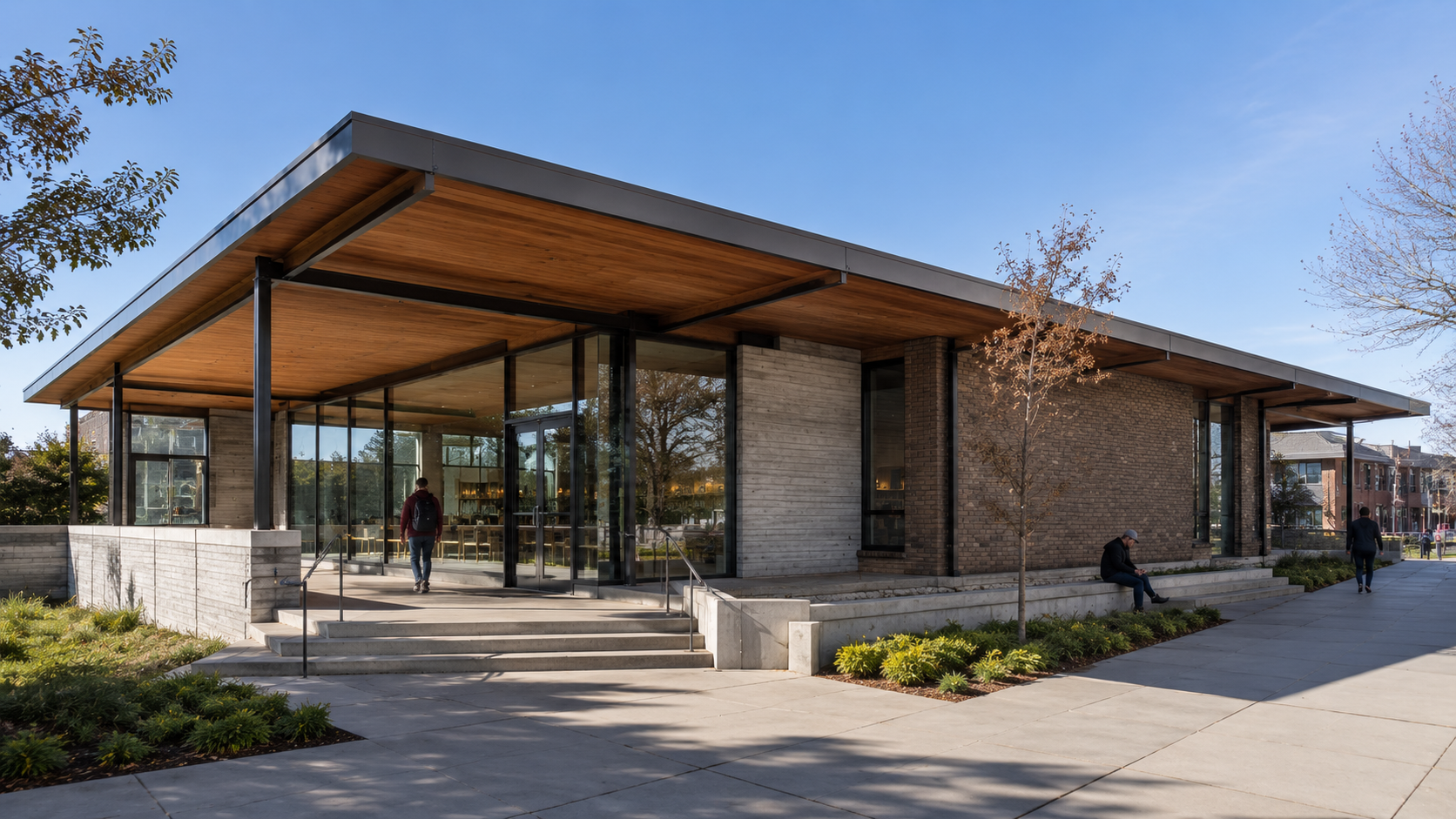
- Example: The structural simplicity of Mies van der Rohe’s Farnsworth House highlights the beauty of basic elements.
- Pro Tip: Perfect the basics before adding decorative or innovative elements.
Interior Architectural Elements
Inside a building is where creativity flourishes with elements like arches, columns, and moldings.
- Example: A grand archway in an entry hall can make even a small home feel monumental.
Pro Tip: Add personality without overwhelming functionality.
Vertical Elements in Architecture
Vertical elements guide the eye upward, creating drama and a sense of scale.
- Example: Skyscrapers like the Burj Khalifa use verticality to emphasize height and elegance.
Pro Tip: Use vertical elements sparingly to avoid overwhelming a space.
Principles of Design in Architecture
These principles ensure coherence and harmony in a design.
- Balance: Visual stability that makes spaces feel grounded.
- Emphasis: Focal points that draw attention to key elements.
- Rhythm: Repetition of patterns and shapes to create flow.
- Symmetry: Adds order and clarity.
- Contrast: Adds drama and visual interest.
Pro Tip: Use these principles as a guide to create intentional, impactful designs.
Modern and Contemporary Design Elements
Modern Architecture Elements
Characterized by steel, glass, and open spaces, modern design prioritizes functionality.
- Example: The clean lines and minimalism of Ludwig Mies van der Rohe’s designs.
Pro Tip: Keep designs clean and clutter-free for timeless appeal.
Elements of Contemporary Architecture
Contemporary architecture merges minimalism with eco-conscious innovations.
- Example: Green roofs and solar panels in contemporary homes.
Pro Tip: Embrace sustainability without sacrificing style.
Natural and Biophilic Elements
Nature-inspired designs connect people to the environment.
- Example: Biophilic offices with plants and natural light improve well-being and productivity.
Pro Tip: Integrate natural materials and greenery to create healthier spaces.
Structural Integrity
No design can succeed without structural soundness. A building must be safe, durable, and functional.
- Example: The Eiffel Tower’s iron lattice structure demonstrates how strength can also be visually striking.
Pro Tip: Collaborate with engineers to balance creativity with safety.
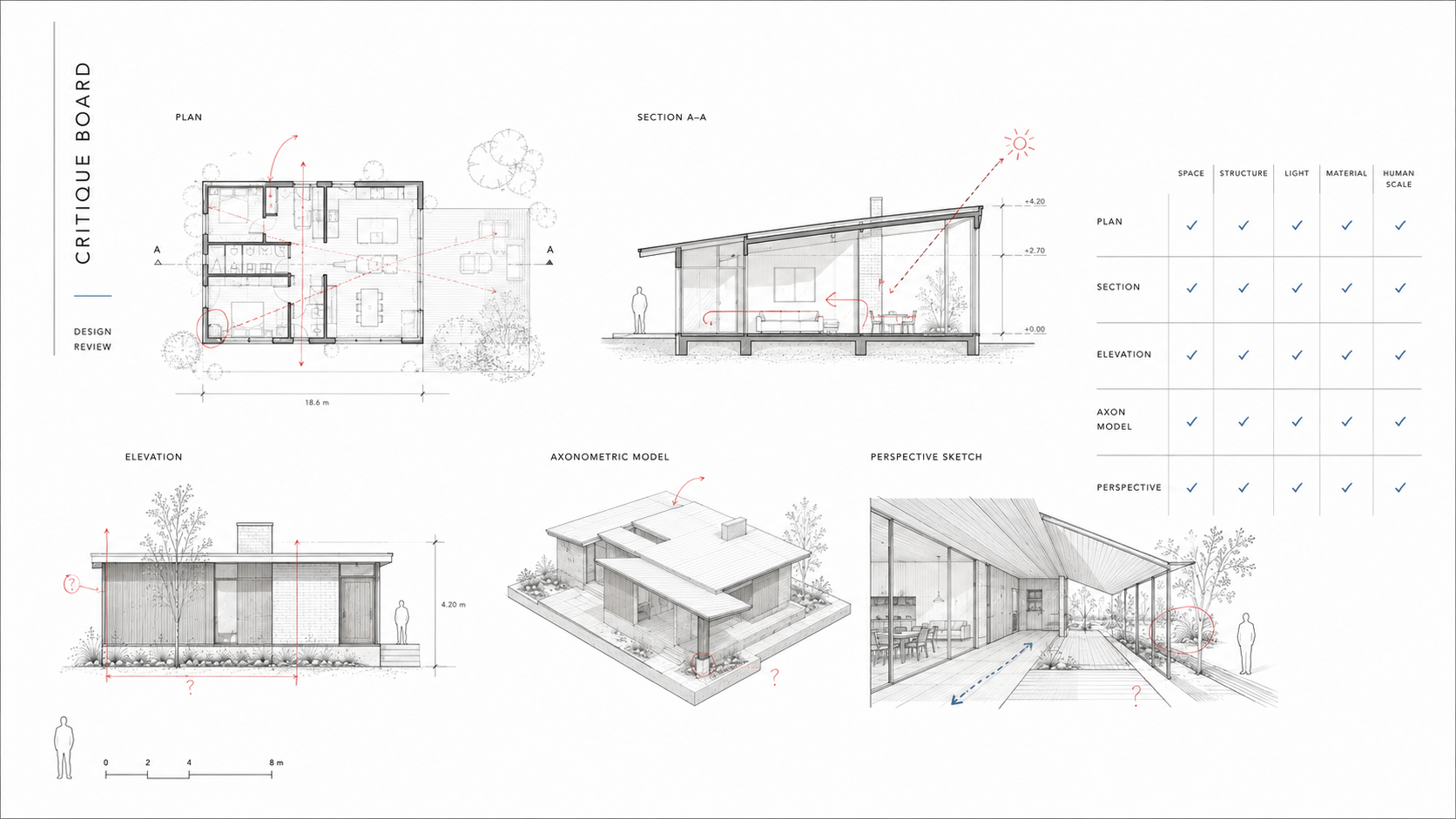
The secrets of architectural design, covering columns, natural elements, and biophilic design.
Bringing It All Together
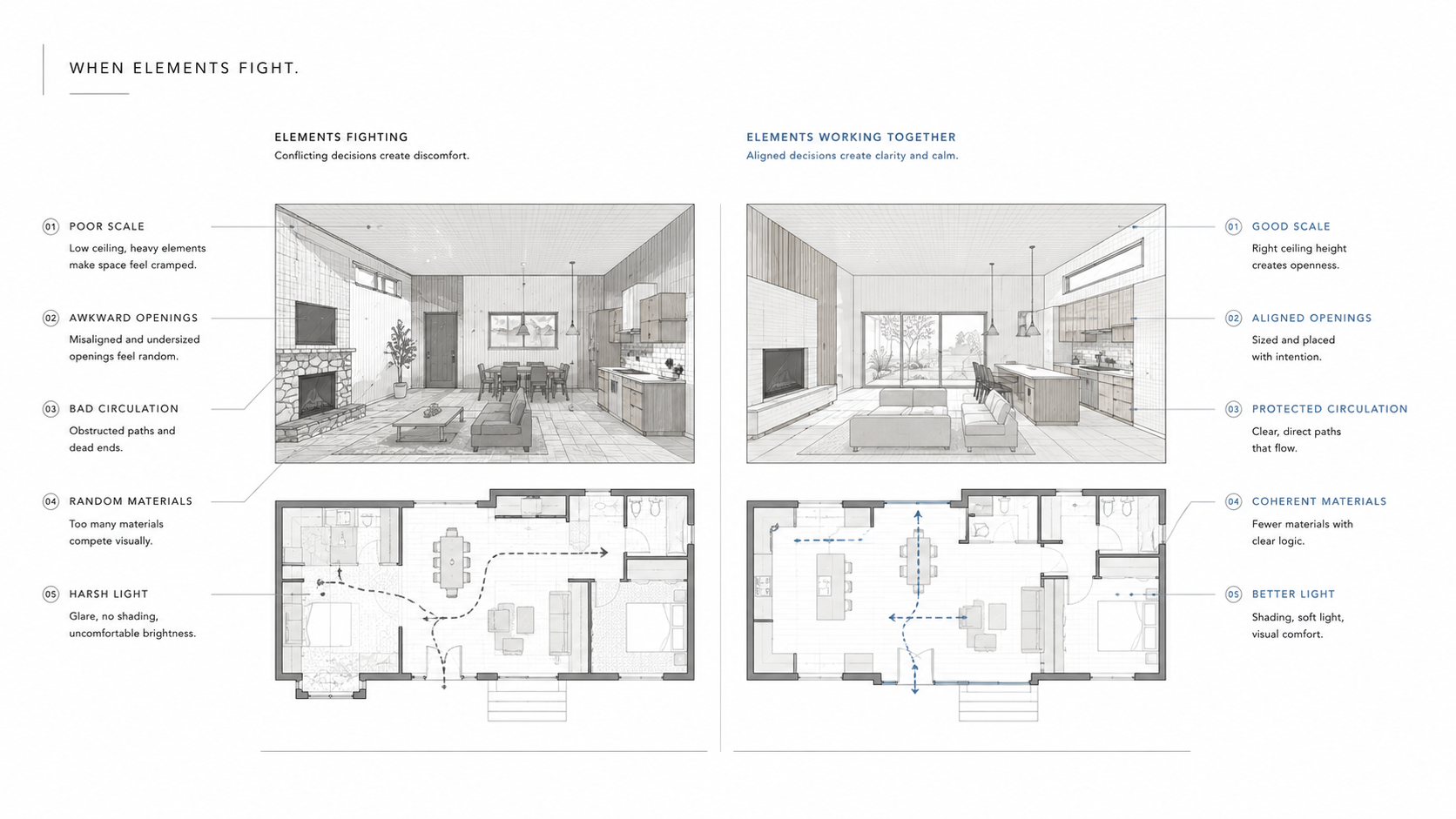
Great architecture is like a carefully crafted recipe—every element plays a role, and it’s the combination that makes the magic happen. Lines guide the eye, shapes define space, color evokes emotion, texture invites touch, and light breathes life into a design. But here’s the thing: it’s not just about ticking boxes. It’s about how these elements come together to tell a story, solve a problem, or create an experience.
When I first started designing, I’d get so caught up in individual details—obsessing over the perfect line or the ideal color—that I’d lose sight of the bigger picture. One project, a small community library, taught me a valuable lesson.
My design had all the "right" elements: a clean layout, neutral tones, and modern materials. But when I saw it come to life, it felt… lifeless. Functional, sure, but it lacked the warmth and connection the space needed to feel inviting.
What changed? I started focusing on how the elements worked together. I added softer textures to balance the sharp lines, introduced warm, natural lighting to create a cozy atmosphere, and rethought the spatial flow to encourage movement and interaction.
Suddenly, it wasn’t just a building—it was a place people wanted to spend time in. That’s when I realized that no single element can carry a design; it’s their interplay that makes a space come alive.
So, what does this mean for you?
Start with the basics, but don’t stop there. Think about how each choice influences the next:
- How does a bold line work with a subtle texture?
- Does the color you’ve chosen enhance the natural light or fight against it?
- Are the shapes you’ve used inviting or intimidating?
Every decision matters because architecture isn’t just about what you build—it’s about how it makes people feel.
And remember, architecture doesn’t have to be flashy to be impactful. Some of the most inspiring spaces are the simplest, where every element feels intentional and nothing is overdone. Like Fallingwater by Frank Lloyd Wright—it’s not just the lines, the stone, or the water; it’s how all of these pieces come together to create something timeless.
So, take your time with the details, but always step back and look at the bigger picture. That’s where the magic happens.
Architectural Design Essentials: From Columns to Composition
Reviving Spaces: How Adaptive Reuse Enhances Architectural Design
In architectural design, one of the most impactful yet often overlooked strategies is adaptive reuse—the art of repurposing old buildings for new uses. This approach isn’t just practical; it transforms the way we think about design by bridging history, sustainability, and innovation. Here’s how it connects to the core principles of architectural design and why it’s a game-changer for architects today.
What is Adaptive Reuse in Architectural Design?
Adaptive reuse is all about taking existing buildings—factories, schools, churches, or even abandoned warehouses—and giving them a new purpose. Instead of demolishing and starting fresh, architects work with the existing structure, blending history with modern needs.
Why Adaptive Reuse Matters to Architecture
- Preserving Architectural Elements
Older buildings often feature craftsmanship and materials that are rare today. By repurposing these spaces, architects can incorporate features like intricate moldings, columns, and unique facades into modern designs. - Sustainability in Action
Adaptive reuse aligns perfectly with sustainable design principles by minimizing waste and reducing the demand for new construction materials. It’s a practical way to make architectural design eco-friendly. - Cultural Continuity
Buildings tell stories. When architects reuse a structure, they preserve its history while adapting it for future generations, adding depth to the design narrative.
Practical Applications in Design
- Balancing Old and New
When reimagining a space, architects must integrate modern needs without erasing the building’s identity. This balance is key to creating designs that feel authentic yet functional.- Example: Converting an old school into a residential space while keeping key architectural features like wide hallways or large windows.
- Incorporating Natural Elements
Adaptive reuse often works well with biophilic design principles. By opening up spaces for natural light or greenery, architects can modernize interiors while maintaining the integrity of the original structure.
Notable Examples of Adaptive Reuse in Architecture
- The High Line, New York City
An abandoned railway repurposed into a vibrant public park, blending structural innovation with thoughtful landscape architecture. - Zeitz MOCAA, Cape Town
A grain silo turned into a contemporary art museum, showcasing how adaptive reuse can merge industrial structures with cutting-edge design.
Tips for Architects Working on Adaptive Reuse Projects
- Study the Existing Structure
Understand the building’s history, materials, and original intent to inform design decisions. - Emphasize Functionality
While preserving character, ensure the new design aligns with the needs of modern users. - Highlight Original Features
Elements like arches, beams, or brickwork can add unique charm to the final design, creating a visual and emotional connection to the past.
Why It’s Relevant to Architectural Design
Adaptive reuse connects directly to the principles of functionality, sustainability, context, and aesthetics. By focusing on this approach, architects can push the boundaries of creativity while honoring the past. It’s not just a design challenge—it’s an opportunity to redefine what architecture means in a rapidly changing world.
Conclusion
You’d think understanding the basics of architecture would be, well, basic. But here’s the thing: a lot of people—even professionals—don’t fully get it. Sure, they can throw around terms like "form," "space," and "texture," but often, the deeper understanding of how these elements interact to create truly impactful spaces is missing.
Architecture isn’t just about walls, roofs, and columns—it’s about the human experience. It’s about how a space makes you feel when you walk in, how light dances across a surface, or how a simple design detail can tell a story. Whether you’re designing a public plaza, a cozy home, or even just rethinking a room, these principles are your foundation. They’re not rules—they’re tools to help you think bigger and create spaces that are as functional as they are beautiful.
So, take these ideas and make them yours. Experiment. Combine. Challenge the norms. And if you end up with a Doric column in your living room, who are we to judge? Just make it meaningful.
Fundamental Design Elements in Architecture and Building: Creating Harmony in Visual Design
Please don’t think architecture is just about throwing up walls, a roof, and maybe a fancy façade for good measure. It’s so much more than that. Imagine walking into a space and feeling it—it resonates with you.
And no, I’m not just tossing around a word like "resonate" to sound impressive. In architecture, it means the space speaks to you, whether it’s through light pouring in just right or textures that make you want to reach out and touch them.
For example, think about stepping into a library that’s quiet but also warm, inviting you to stay. Or entering a modern gallery where clean lines and soft lighting keep your focus exactly where the architect intended. Those moments? They don’t happen by accident.
An architectural design collage showcasing a blend of arches, columns, and modern elements, with materials like stone, glass, and metal coming together to create a striking contrast of classic and contemporary styles.
So, think of the fundamental design elements as your secret ingredients. These are the things that transform a boring, lifeless space into something alive and meaningful. Maybe you’re drawn in by the way lines guide your eyes, or the way textures create depth you can almost feel. Even the light shifting throughout the day plays its part.
Here we go—let’s break these down and see how they come together to create designs that stick with you long after you’ve left the space.
Lines: Guiding the Eye and Shaping Spaces
Lines are the backbone of any architectural design. They create boundaries, guide movement, and set the tone for how a space feels.
- Horizontal Lines: Evoke calmness and stability. Think of Frank Lloyd Wright’s Prairie homes, where horizontal lines mirror the landscape’s tranquility.
- Vertical Lines: Suggest height and power, like the towering spires of Gothic cathedrals.
- Diagonal and Curved Lines: Bring energy and motion. For example, Zaha Hadid’s designs use sweeping curves to create dynamic, fluid forms.
Takeaway: Use lines to control how people experience a space. Horizontal for peace, vertical for grandeur, and curved for movement.
Shapes: Defining the Character of Spaces
Shapes create the physical identity of a building. Whether geometric or organic, they influence how a structure interacts with its surroundings.
- Geometric Shapes: Squares, rectangles, and circles are orderly and timeless. The Guggenheim Museum in New York uses bold spirals to captivate attention while maintaining harmony.
- Organic Shapes: Inspired by nature, they soften the design. Antoni Gaudí’s Casa Batlló showcases flowing, natural forms that feel alive.
Pro Tip: Mix geometric and organic shapes for a design that’s both structured and welcoming.
Space: The Canvas of Design
Space isn’t just about what’s there—it’s about what isn’t. The balance between positive (filled) and negative (empty) space defines the flow and usability of a design.
- Open Spaces: Offer freedom and clarity, like the vast atriums in Scandinavian architecture.
- Compact Spaces: Create intimacy and focus, often used in residential designs to foster comfort.
Key Insight: Thoughtful space planning ensures a structure feels natural, whether it’s a sprawling plaza or a cozy room.
Color: Setting the Mood
Color influences how people perceive and feel in a space. It can make a small room feel expansive or create warmth in a vast building.
- Warm Colors: Reds, oranges, and yellows evoke energy and passion.
- Cool Colors: Blues and greens create calmness and focus.
- Neutral Colors: Whites, grays, and beiges provide balance and timelessness.
Example: Luis Barragán’s bold use of pinks and yellows adds personality and draws the eye to focal points.
Texture: Adding Depth and Tactility
Texture gives surfaces their character. It influences not only how a building looks but also how it feels—visually and physically.
- Rough Textures: Like exposed brick, add warmth and authenticity.
- Smooth Textures: Like polished marble, convey sleekness and sophistication.
Design Tip: Combine textures to create contrast and depth, as seen in Herzog & de Meuron’s Elbphilharmonie, where glass and brick meet seamlessly.
Proportion and Scale: Balancing Elements
Proportion ensures that elements within a design feel balanced, while scale relates to their size in relation to people or other structures.
- Example: The Parthenon achieves perfect harmony through proportion, making its columns and pediments feel unified.
- Why It Matters: Poor proportions can make a space feel uncomfortable or chaotic.
Quick Tip: Always design with the human scale in mind. A relatable space feels more natural.
Light: Shaping Atmosphere
Light transforms architecture. It can highlight textures, emphasize shapes, and change the mood of a space throughout the day.
- Natural Light: Enhances openness and connects the indoors with nature.
- Artificial Light: Adds drama and functionality, especially in spaces with limited daylight.
Case Study: Tadao Ando’s Church of the Light uses a single cross-shaped opening to create an awe-inspiring play of light and shadow.
Pattern and Rhythm: Creating Flow
Patterns bring consistency, while rhythm—the repetition of elements—creates movement within a space.
- Example: The repetitive columns in Neoclassical architecture create order and symmetry, guiding the viewer’s eye.
Design Insight: Use rhythm to create energy and balance, drawing attention to key architectural features.
The Bigger Picture
Bringing it All Together: Getting these fundamental elements right isn’t about perfection; it’s about understanding how they work together to tell a story. The lines and shapes give structure, color and light bring emotion, and texture adds a layer of connection. These aren’t just tools—they’re how we make spaces that feel human, spaces that work and resonate with the people who use them.
Think about it: a well-designed space isn’t just functional, and it’s not just pretty to look at—it’s both. That’s where harmony comes in, and that’s the sweet spot you should aim for in every design. Once you’ve mastered these basics, you’ll be ready to create places that don’t just exist but matter. And honestly, that’s the whole point of good architecture.
Applying the Principles of Design in Architecture: Real Examples
Horizontal Lines:
A House With Horizontal Lines: A house with horizontal lines makes it look sleek and clean and creates a calm atmosphere
Modern house featuring clean horizontal lines and a simple color palette of blues, whites, and greens.
Diagonal Direction
A house with diagonal direction: A house with diagonal direction reinforces the chaotic nature of the house
A unique and eye-catching house designed with bold diagonal lines that create a sense of movement and energy. The dynamic layout and vibrant design elements give the structure a lively, unconventional character, making it stand out in any setting.
Vertical Direction
A government building that uses vertical lines to convey authority and formality.
A formal government building characterized by its strong vertical lines, projecting a sense of authority and stability. The design is complemented by a refined color palette, emphasizing its sophisticated and dignified presence.
Vertical Direction House: Vertical Direction House makes a house look solid and formal.
A stylish house with tall vertical lines that give it a solid, formal look. The muted, sophisticated colors add a touch of class and simplicity.
FAQs
What are the four elements of architecture?
The four foundational elements are hearth, roof, wall, and foundation, focusing on the essential needs of shelter and functionality.
How do columns differ in classical architecture?
Columns in classical architecture come in three main styles:
- Doric: Simple and sturdy, with no elaborate base.
- Ionic: More decorative, with scroll-like ornaments (volutes) on the capital.
- Corinthian: The most ornate, featuring intricate carvings of acanthus leaves.
What is proportion in architectural design?
Proportion is the relationship between elements in a design. It ensures everything feels balanced and harmonious, whether you’re designing a façade or an interior space.
Why is texture important in building design?
Texture affects both the visual and tactile experience of a space. Rough textures, like exposed brick, can add warmth and authenticity, while smooth textures, like polished concrete, give a sleek, modern feel.
What is adaptive reuse in architecture?
Adaptive reuse is the practice of repurposing existing structures for new uses. It’s a sustainable approach that preserves historical elements while meeting modern needs.
How does natural light affect a space?
Natural light enhances a building’s atmosphere, making it feel open, inviting, and dynamic. It can also reduce energy costs and improve the well-being of occupants.
What is the role of color in architectural design?
Color sets the mood and influences perception. Neutral tones can create calmness, while bold colors add energy or draw attention to specific elements.
What is biophilic design, and why is it trending?
Biophilic design integrates natural elements like plants, water, and sunlight into spaces. It’s popular because it improves mental health, boosts productivity, and connects people with nature.
What’s the difference between modern and contemporary architecture?
- Modern architecture refers to the style of the early-to-mid-20th century, focusing on simplicity and function (e.g., glass, steel, open spaces).
- Contemporary architecture is current and ever-evolving, often incorporating sustainable materials and cutting-edge technology.
What is the principle of balance in design?
Balance ensures visual stability. It can be symmetrical (equal on both sides) or asymmetrical (balanced but not mirrored), creating a sense of order and harmony.
How does space planning improve design?
Space planning organizes areas for maximum efficiency and comfort. It considers flow, function, and how people interact with the space.
What is rhythm in architecture?
Rhythm is the repetition of design elements—like windows, columns, or patterns—that creates a sense of movement and unity in a building.
Why is sustainability important in modern design?
Sustainability reduces environmental impact by using renewable materials, improving energy efficiency, and designing for longevity. It’s essential for future-proofing architecture.
What is structural integrity in design?
Structural integrity ensures a building is safe, stable, and able to withstand forces like weight, wind, or earthquakes. It’s non-negotiable in any project.
How do architects use context in design?
Context ensures a building fits its environment—culturally, historically, and geographically. It’s about blending or contrasting intentionally with the surroundings.
What’s the difference between form and function?
- Form refers to how a building looks (its shape and style).
- Function is about how well it serves its purpose for the users. The best designs balance both.
Why is proportion critical when designing for people?
Proportion ensures spaces feel comfortable and relatable to human scale. Poor proportions can make areas feel awkward, cramped, or overly imposing.
What’s the role of cultural significance in architecture?
Cultural significance influences design by incorporating local traditions, materials, and symbols. It makes buildings meaningful to the communities they serve.
How do architects use contrast in design?
Contrast highlights differences between elements—light and dark, rough and smooth, old and new. It adds visual interest and depth.
What is unity in architectural design?
Unity ensures all elements of a design work together cohesively. It creates a sense of wholeness, where nothing feels out of place.
Related
- Elements of Interior Design
Learn how color, texture, space, and lighting work together to create inviting and functional interiors. Read the full article for more details. - Elements of Building Design
Understand the key principles of functionality, aesthetics, and sustainability that shape outstanding buildings. Check out the full article for more. - Elements of Building Construction
Get insights into the materials, techniques, and processes involved in creating durable and efficient structures. See the full article for further information. - Elements of Engineering Design
Explore how technical expertise, problem-solving, and innovation come together in engineering projects. Read the full article to learn more. - Elements of Structural Design
Learn about the essential aspects of stability, strength, and safety that ensure structures can withstand various forces and challenges. Read the full article for more insights.
Recommended Books:
- Form and Function in Architecture by Peter Blundell Jones
- Why Read It? Perfect for understanding how to balance aesthetics with practicality.
- Architectural Design Basics by Francis D.K. Ching
- Why Read It? A must-read for grasping design principles and techniques.
Affiliate Notice:
We’re all about making architecture accessible. While these resources are free to browse, purchasing through our links supports our efforts—at no extra cost to you!
Even More Guides
1. Architectural Elements
- Architectural Elements Doors: Key design features of doors in architectural styles.
- Architectural Elevation Elements: Components that define a building's exterior facade.
- Basic Architectural Elements: Foundational parts like walls, roofs, and floors.
- Interior Architectural Elements: Internal features like columns, arches, and moldings.
- Vertical Elements In Architecture: Features like columns, walls, and vertical supports.
- Elements Of Building Design: Essential structural and aesthetic components of buildings.
- Formal Elements Of Architecture: Principles like symmetry, proportion, and balance.
- Natural Elements In Architecture: Integration of natural materials or forms into designs.
- Elements Of Nature In Architecture: Incorporating landscapes, light, and organic forms.
2. Columns and Related Designs
- Column Capital Design: Artistic and structural details of column capitals.
- Column Arch Design: Integration of columns with arch structures.
- Column Cornice Design: Decorative elements at the top of columns.
- Arch Column Design: Design techniques for combining arches and columns.
- A Doric Column: Characteristics of Doric-style columns.
- Ionic Column Design: Features of Ionic columns with scroll-like ornaments.
3. Design Principles in Architecture
- Design Principles In Architecture: Guidelines for creating cohesive architectural designs.
- Basic Design Principles In Architecture: Foundational rules like rhythm, contrast, and scale.
- Elements And Principles Of Design Architecture: Combining form, texture, and color effectively.
- Elements And Principles Of Design In Architecture: Practical applications of design theory.
- Principles And Elements Of Architectural Composition: Techniques for arranging architectural elements harmoniously.
- Principles Of Architectural Composition: Balancing functionality with aesthetics.
4. Gothic and Neoclassical Motifs
- Gothic Architecture Design Elements: Pointed arches, ribbed vaults, and flying buttresses.
- Gothic Design Elements: Decorative motifs like gargoyles and tracery.
- Gothic Design Motifs: Repeated patterns or themes in Gothic architecture.
- Roman Design Motifs: Classical motifs like acanthus leaves and laurel wreaths.
- Neoclassical Design Elements: Features like pediments, columns, and symmetry.
5. Modern and Contemporary Architecture
- Modern Architecture Elements: Use of glass, steel, and open spaces.
- Elements Of Contemporary Architecture: Sleek lines, sustainable materials, and minimalism.
- Jean Nouvel The Elements Of Architecture: Contributions of Jean Nouvel to modern architecture.
- Zaha Hadid Design Elements: Key features of Zaha Hadid’s fluid and dynamic forms.
6. Specific Architectural Concepts
- Elements Of Architectural Composition: Combining different parts to create unified designs.
- Components Of Architectural Design: Fundamental building blocks of architectural projects.
- Elements Of Form In Architecture: Shape, volume, and mass in architectural design.
- Primary Elements Of Architecture: Space, structure, light, and material.
- The Four Elements Of Architecture: Conceptual framework including hearth, roof, wall, and foundation.
- Shape Form And Unity In Architecture: How these aspects contribute to cohesive designs.
7. Cultural and Historical Design Elements
- Islamic Architecture Geometric Patterns: Symmetry and tessellations in Islamic designs.
- Roman Design Motifs: Classical influences seen in columns, friezes, and pediments.
- Le Corbusier 5 Elements Of Architecture: Core principles by the modernist architect.
- Jean Nouvel The Elements Of Architecture: Distinctive features by the contemporary architect.
8. Healing and Biophilic Design
- Elements Of Healing Architecture: Incorporating natural light, plants, and water for therapeutic spaces.
- Biophilic Elements: Designs that connect occupants with nature.
- Natural Elements In Architecture: Integration of natural features and materials into buildings.
9. Visual and Structural Design
- Visual Lines Building Design: How lines guide the eye and create structure.
- Structural And Decorative Design In Architecture: Balancing functionality with ornamentation.
- Architectural Design Using Shapes Lines And Forms: Creating impactful designs through geometric elements.
10. Miscellaneous Architectural Topics
- Circulation Elements In Architecture: Features like stairs, corridors, and ramps.
- Irma Boom Rem Koolhaas: Collaboration in design innovations.
- The Sixth Element Architecture & Design Studio: Innovative architectural firms or concepts.