

Educational Buildings: How Design Shapes the Way We Learn
How educational buildings shape learning. Explore design features, real trends, and the impact of smart architecture on education.
Why Educational Building Design Matters
Good school design shapes how people learn, focus, and connect. From layout to lighting, every detail affects students and teachers. This guide shows what works—and why.
How a school is built changes how people learn.
Good layout? Kids focus better. Natural light? Teachers feel less stressed. Bad design? Everyone struggles.
This guide shows what actually works. Not theory. Real stuff I’ve seen on real projects.
Let’s break it down.
MUST READ
The Language of School Design
Clear, real-world examples of what makes classrooms and campuses work. Packed with floor plans, case studies, and practical tips for new builds or upgrades.
Why This Guide Matters
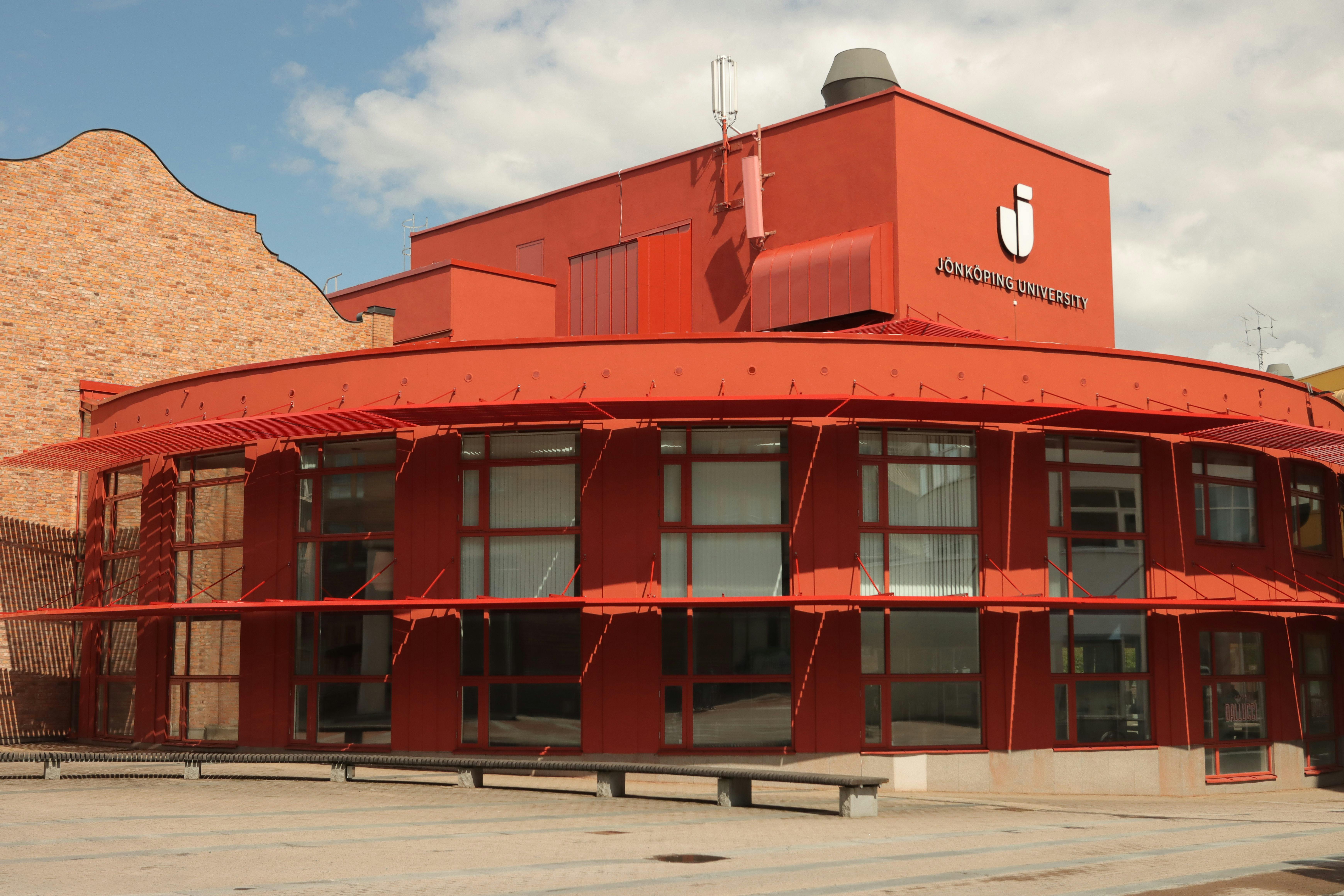
IMAGE: Jonkoping University in Sweden featuring a sleek, contemporary facade that reflects Scandinavian academic architecture.
The way a building is designed can change how people learn. A good school, library, or campus isn’t just walls and windows—it’s a tool for better education.
We'll break down what makes educational spaces work. You’ll see how smart layouts, lighting, and materials directly affect focus, comfort, and learning outcomes.
I’ve worked on dozens of school projects, and I’ve seen how even small design choices—like hallway width or window placement—can impact how students behave, think, and feel.
Must Read
"The Third Teacher" How design can influence student learning and well-being.
Early Educational Buildings
How School Design Has Changed Over Time

Design follows learning. As teaching changed, buildings had to keep up.
19th to Early 20th Century: Formal but Starting to Loosen Up
Back then, school meant rules—and buildings showed it.
Gothic Revival schools like Boston Latin were tall, serious, and full of fancy detail. Education mattered, and so did looking important.
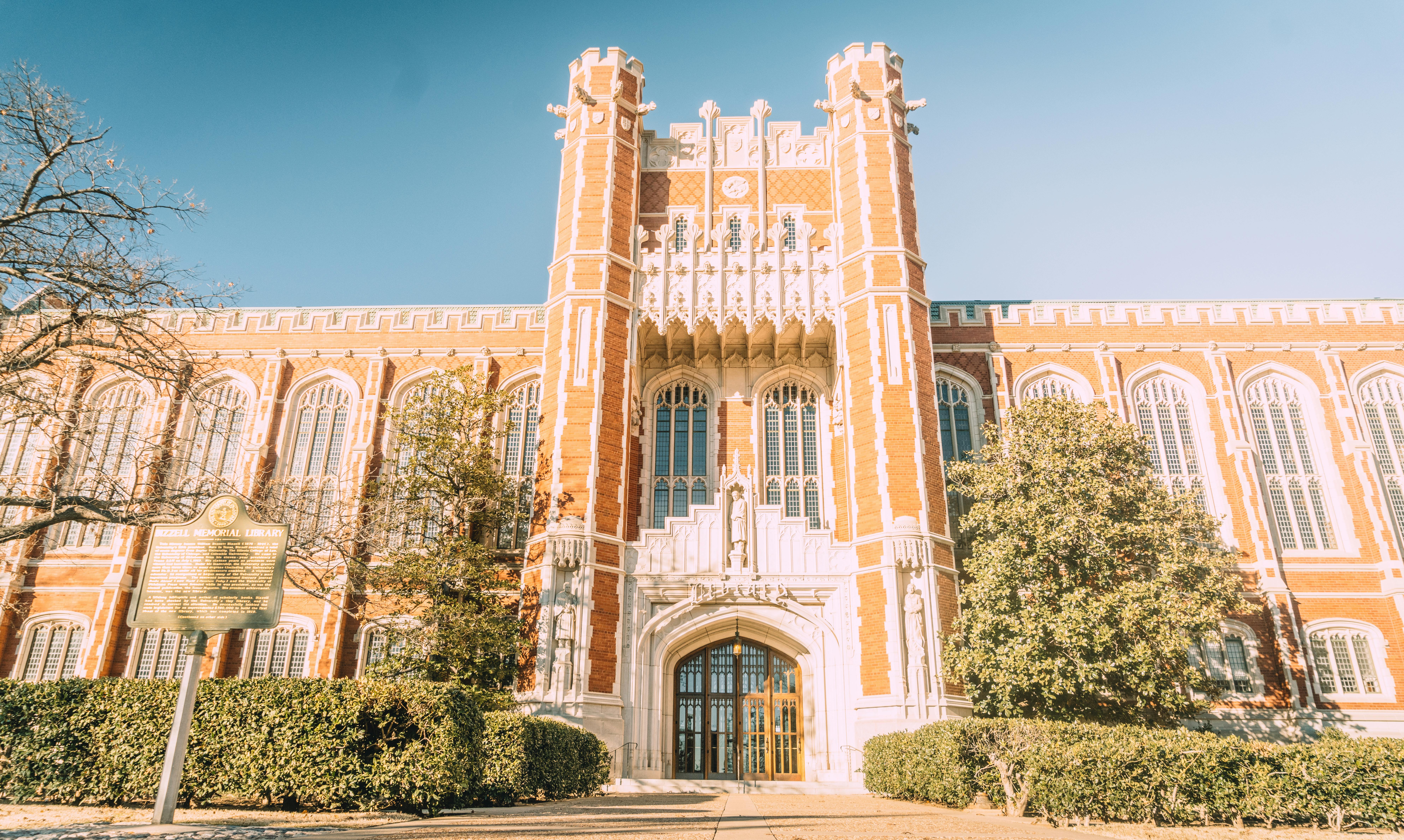
IMAGE: Neo-Gothic facade of Bizzell Memorial Library at the University of Oklahoma in Norman, featuring ornate stonework and pointed arches.
Then the 1900s hit, and things started to shift.
Open classrooms showed up. Kids went outside more.

IMAGE: University of Washington Administration Building in Seattle with Collegiate Gothic design, pointed arches, stone statue, and detailed ornamentation.
Frank Lloyd Wright’s Taliesin West? Way ahead of its time—flexible spaces, natural light, room to move and think. That’s how design started catching up with better learning.
Post-War to Late 20th Century: Cut the Fat, Keep the Light
After WWII, schools got more practical. More kids, less money.
Enter Modernism—clean lines, open plans, no frills.
Louis Kahn’s Kimbell Art Museum may be a museum, but it nailed what schools needed too: simple forms, natural light, quiet power.
Today: Smart, Green, and a Little Bold

Now it’s all about flexibility, tech, and eco-smarts.
Buildings like The Edge in Sydney or the Center for Sustainable Landscapes don’t just look good—they work hard. Solar panels. Recycled stuff. Spaces that adjust to whatever the day needs.

It’s architecture that thinks.
It All Connects
Old ideas didn’t die—they evolved.
Greek courtyards became open-plan learning.
Gothic windows turned into natural daylight strategies.
Modernism’s simplicity paved the way for green buildings with purpose.
School design keeps changing because learning keeps changing.
And good design? It still comes down to one thing:
Helping people think better.
Related:
- Gothic Revival-style
- Educational Facilities: Planning, Modernization, and Management" by Basil Castaldi
Types of Educational Buildings
What Kinds of Educational Buildings Are Out There?

Schools don’t all look the same. And they shouldn’t. Different learning needs call for different spaces. Here’s how they break down.
Schools for Kids: K-12
These buildings need to keep kids safe, focused, and curious.
The basics? Bright light. Open rooms. Spaces that flex and adapt.
- Safety comes first: Secure entry points. Easy supervision. Clear exits.
- Spaces that inspire: Natural light, color, and outdoor areas make a big difference.
- Flexible rooms: Movable walls, modular furniture, and zones for group or solo work.
Examples that nailed it:
- Ørestad Gymnasium (Copenhagen) – Totally open, built for interaction.
- Thomson Elementary (Washington, D.C.) – Designed around how kids move and learn.
- Kingsdale School (London) – Shows what happens when bold design meets smart planning.
Higher Ed: Colleges + Universities

IMAGE: Telkom University in Bandung, Indonesia, showing modern campus buildings set against a vivid blue sky backdrop.
Big campuses need buildings that do more than just function—they need to feel like part of something bigger.
- Blend in, stand out: Each building should fit the campus vibe but still do its own thing.
- Tech-ready: Smart classrooms, fast networks, labs that keep up with the times.
- Built to last: Green roofs. Energy systems. Sustainable materials.
Real standouts:
- Mansueto Library (University of Chicago) – Glass dome, buried stacks, pure genius.
- MIT New Science Building – High-tech meets high-function.
- Stanford University – Old soul, modern bones.
Specialized Spaces
Some schools teach very specific stuff. Their buildings have to do more than just teach—they have to simulate the real thing.
- Health + Med Ed:
UC Davis built labs where students train like it’s the real world.
Michigan’s Med School uses real-life patient simulators. - Telemedicine:
University of Miami built a hybrid building for digital and hands-on training. - Aviation Training:
Delta’s Flight Facility is packed with tech and realism. - Nursing:
University of Texas built it like a real care environment—every detail counts.
Libraries That Work
Today’s libraries do way more than store books.
- Solo zones? Check.
- Group study areas? Check.
- Digital labs? You bet.
Great examples:
- Seattle Central Library – Public, powerful, adaptable.
- Hunt Library (NC State) – Robots fetch your books. Yes, really.
Sports + Rec Spaces
Physical learning matters too. These buildings support health, team-building, and events.
- Safe, open, and tough.
- Can shift between sports and community events.
Ones that got it right:
- Lansdowne Stadium (Ottawa) – Built for more than just games.
- Tottenham Hotspur Stadium – Inspired schools to think bigger.
Snapshot Table
| Building Type | Purpose | What Matters | Example |
|---|---|---|---|
| K-12 School | Learning for kids | Safety, Flexibility, Engagement | Ørestad Gymnasium, Copenhagen |
| University | Higher Ed | Campus Feel, Tech, Sustainability | Mansueto Library, University of Chicago |
| Health Science | Med + Health Training | Realism, Labs, Collaboration | UC Davis Health Science Building |
| Library | Study + Research | Tech, Mixed Spaces | Hunt Library, NC State |
| Sports Facility | Fitness + Community | Safety, Flexibility, Shared Use | Lansdowne Stadium, Ottawa |
Good school buildings don’t just look good.
They help people focus. Feel safe. Think better.
Want to build better? Start there.
Must Read: Learning Spaces - by Diana Oblinger
Key Design Principles in Educational Buildings
Functionality and Flexibility
How to Design Educational Buildings That Actually Work

Forget buzzwords. A good school building doesn’t need to be trendy—it needs to work.
It should feel safe, adapt fast, and make sense for real people using it.
Educational Architecture: Key Features of Smart School Design
From schools to libraries, see how great design makes a difference. Learn what works in educational buildings—and why it matters.
Make It Functional and Flexible
Classrooms aren’t museums. They need to change—fast.
● One space should do many things: group work, solo study, afterschool clubs.
● Modular design helps. Movable walls. Rolling furniture. Nothing fixed in place.
● At Harvard’s Center for Sustainable Development, classrooms shift in minutes.
Want efficiency? Go multi-use.
King’s College School in London runs lectures and performances in the same room. That’s smart.
See it in action:
▪ Thomson Elementary, D.C. – Movable walls + outdoor classrooms = total flexibility.
▪ Ørestad Gymnasium, Copenhagen – Open plan, student-led learning flow.
See also: What Makes Building Shapes Feel Right?
Safety and Accessibility Are Non-Negotiable
If a space doesn’t feel safe, learning stops.
● Controlled entrances = safer buildings.
● Emergency plans start with design: wide stairs, simple exits, no dead ends.
● Accessibility isn’t just about ramps—it’s full freedom to move, learn, and belong.
Who nailed it:
▪ Alfond Athletics Center (Colby College) – Smart access + surveillance.
▪ Gallaudet’s Sorenson Center – Designed for Deaf students, with full visual sightlines.
▪ U of Michigan Medical School – ADA done right: thoughtful, not just compliant.
Sustainability Isn’t a Bonus—It’s the Baseline
Want to build a future-facing school? Start with how it uses energy and materials.
● LEED standards are table stakes now.
▪ UC Merced is fully carbon-neutral. Every building.
▪ Georgia Tech’s Kendeda Building lets students track energy in real time.
● Use what you’ve got. Rainwater harvesting. Local materials. Solar if you can.
▪ Yale Forestry School used reclaimed wood. No fluff.
▪ Bertschi School (Seattle) is a living building—makes more than it takes.
Tech Should Help—Not Get in the Way
Good tech = better learning. Bad tech = distraction.
● Start with strong networks.
● Add smart classrooms only if they work for the teacher.
▪ Stanford Innovation Center adapts to multiple teaching styles.
▪ MIT Media Arts Building runs on rock-solid connectivity.
● Build for what’s coming next:
▪ VR, AR, simulation labs.
▪ Sustainable tech like energy dashboards students can actually use.
Common Design Mistakes to Avoid
Even good intentions can lead to bad buildings. Here's where schools often go wrong:
- Too closed-off: Long hallways, sealed rooms. They kill flow and make supervision harder.
- No natural light: Makes people tired. Hurts focus. Easy fix? Bigger windows and skylights.
- One-size-fits-all classrooms: Not every subject or age group learns the same way. Spaces need to adapt.
- Poor acoustics: Kids can't focus if they can hear everything from the next room.
- No outdoor space: Students need fresh air and room to move. Even a small courtyard helps.
- Over-designed or under-budgeted: Flashy doesn’t mean functional. And cheap doesn’t mean smart.
- Ignoring the community: If the school feels like a fortress, it won’t feel like it belongs.
Build for the people using it—not for the brochure.
Final word?
Don’t design for the brochure. Design for the people.
Related: Introduction to Architecture: A Beginner’s Guide to Building Design
Vista Hills Public School: What Smart School Design Looks Like
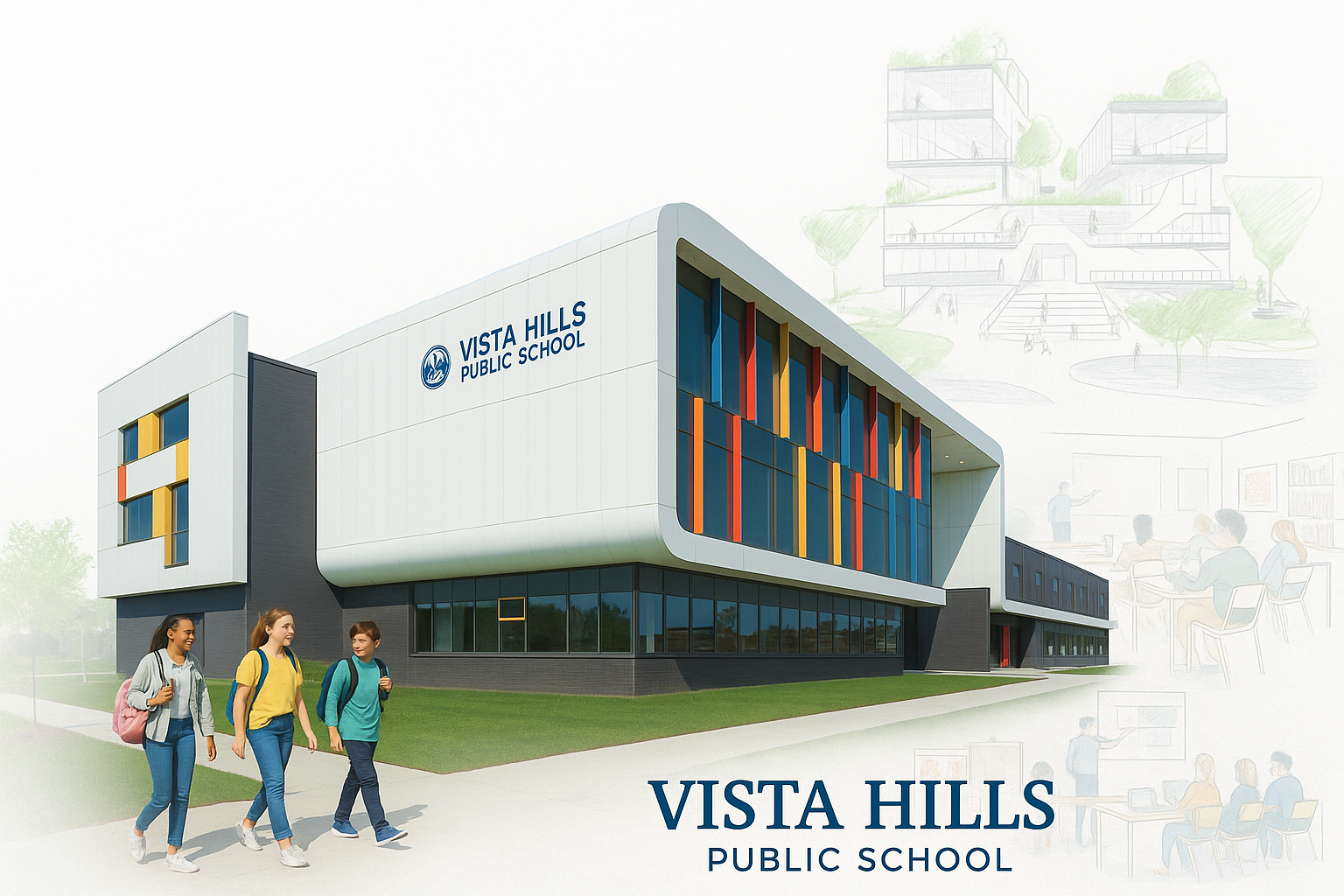
IMAGE: Vista Hills Public School in Waterloo showcasing smart school design with spacious classrooms, natural light, and welcoming architecture.
Modern schools don’t need to look boring. Or feel like prisons.
Vista Hills proves it.
Built in Waterloo, Ontario, this public school doesn’t just house students—it supports them. From layout to light, this place shows what happens when architecture actually listens.
What to Learn from It
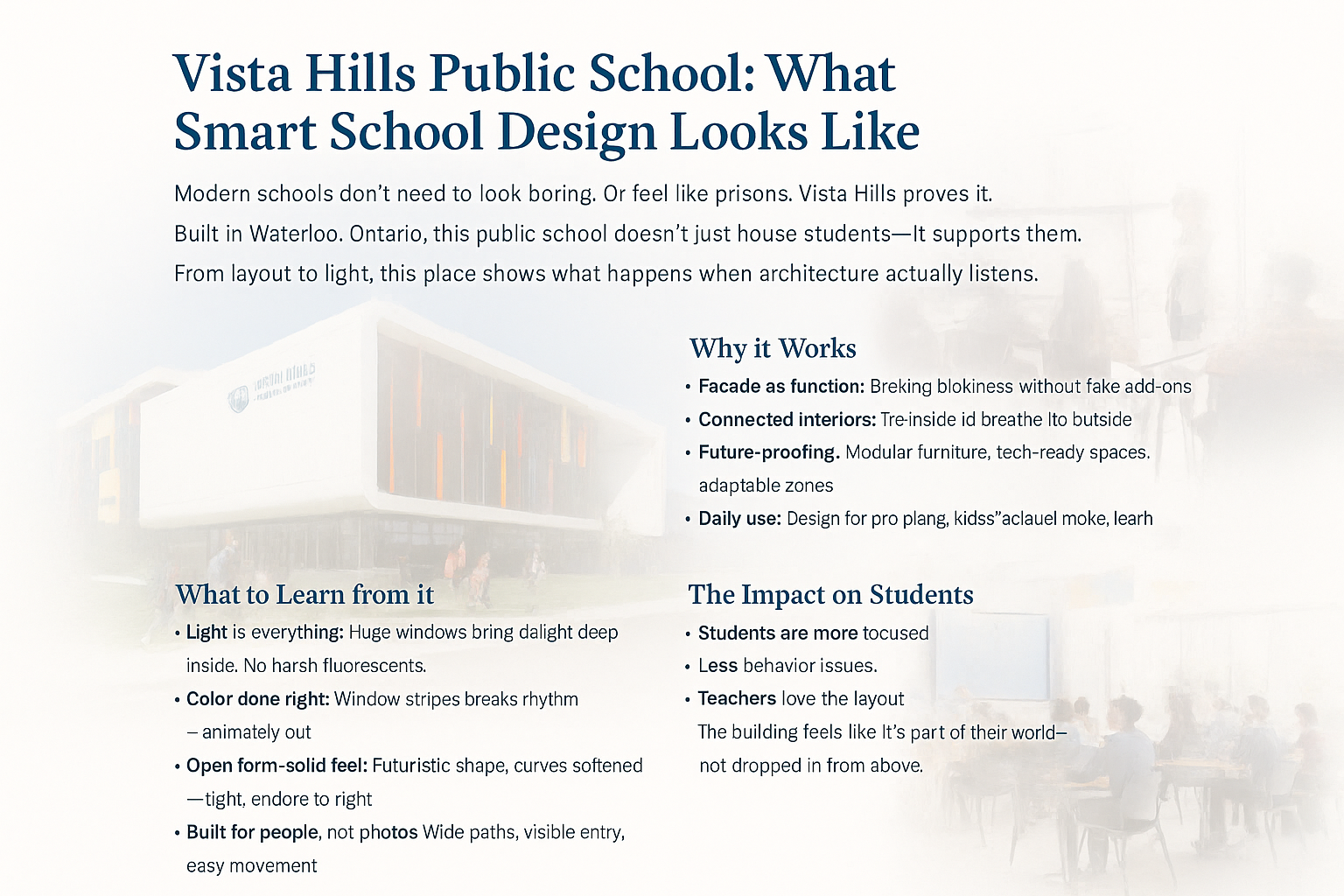
● Light is everything
Huge windows bring daylight deep inside. No harsh fluorescents. Just natural focus.
● Color done right
The stripes on the windows aren’t just fun—they break the rhythm of the building. Makes it feel alive.
● Open form, solid feel
The shape looks futuristic, but not flashy. Curves soften the edges. Corners are tight. It feels stable, but never cold.
● Built for people, not photos
Wide paths. Visible entry. Easy movement. The building invites people in. It’s not just a shell.
Why It Works
This isn’t a flashy private school.
It’s public. It had a budget. It had rules.
But the team didn’t waste time on fake details. They focused on what matters:
→ Comfort
→ Flexibility
→ Light
→ Pride
No marble. No steel sculptures. Just real design for real use.
What Architects Should Focus On
-
Façade as function → Break the blockiness without fake add-ons
-
Connected interiors → Let the inside breathe like the outside
-
Future-proofing → Modular furniture, tech-ready spaces, adaptable zones
-
Daily use → Design for how kids actually move, learn, talk, and eat
The Impact on Students
You feel it when you walk in.
✓ Students are more focused
✓ Less behavior issues
✓ Teachers love the layout
✓ The building feels like it’s part of their world—not dropped in from above
Final Word? Vista Hills shows us you don’t need a massive budget to build better.
You just need to care about the people using the building—and listen to what they actually need.
Related: What Islamic Buildings Get Right Every Time
What Makes a School Building Great?
Influential Architects and Their Educational Buildings
Influential Architects and the Schools They Shaped
Architecture doesn’t just shape buildings—it shapes how people learn.
Here’s how the best in the game left their mark.
Back Then: The Originals Who Changed Everything
Henry Hobson Richardson
Brought bold Romanesque style to schools.
Sever Hall at Harvard? Solid red brick, big arches, built to last—and feel important. Serious space for serious learning.
Charles Rennie Mackintosh
Mixed tradition with flair.
The Glasgow School of Art is flooded with light and full of detail. Made for artists, built like one.
Frank Lloyd Wright
Didn’t build schools, but his ideas changed them.
Taliesin West showed how buildings could feel natural. Light, open, organic. That thinking spread into modern school design fast.
“Architecture is not just about shelter—it’s about shaping behavior.”
— Frank Lloyd Wright
Now: The Builders Pushing Boundaries
Santiago Calatrava
Futuristic. Sculptural. His City of Arts and Sciences in Valencia isn’t a school—but it feels like one. Every space invites curiosity.
Zaha Hadid
Made buildings move—visually, at least.
Evelyn Grace Academy in London twists through space like a racetrack. Sleek. Fluid. Built to energize learning.
“A school should be a place you want to be, not just a place you go.”
— Zaha Hadid
Richard Rogers
Designed the Bioclimatic School in France. Runs on green energy. Teaches kids about the building while they’re in it. Smart meets sustainable.
Style Is Belief!
Gothic Revival
Think Oxford or early Harvard.
Pointed arches, stained glass, sky-high ceilings. It screams: learning is sacred.
Modernism
Clean. Rational. No clutter.
Concrete, glass, light. Think Le Corbusier—open layouts that made learning feel efficient.
Brutalism
Raw concrete. No apologies.
Blocky forms like the Ziggurats at East Anglia (Lasdun). Heavy, serious, built for endurance—not charm.
What These Styles Say About Learning
-
Gothic Revival: Learning is tradition. Knowledge is power. The building should remind you of that.
-
Modernism: Keep it simple. Make it work. No distractions.
-
Brutalism: Be tough. Be focused. The building won’t coddle you—and that’s the point.
What to Take Away
-
Good architects don’t just design buildings—they design how we learn inside them.
-
Richardson, Wright, and Mackintosh made learning spaces matter.
-
Hadid and Calatrava make them move, breathe, and spark ideas.
-
Every style tells a story. Know the message you’re sending when you build.
Related: Understanding Architecture Education: Programs, Opportunities, and Trends
Top Trends in Educational Building Design (That Actually Work)
A practical guide to educational buildings: key design features, trends, and how thoughtful architecture supports better learning outcomes.
Case Studies: Real Buildings That Got It Right

IMAGE: Donna E. Shalala Student Center at the University of Miami in Coral Gables, Florida, showcasing modern university architecture
Looking at blueprints is one thing. Seeing how real schools function? That’s where the truth shows up. These projects prove that smart design can shift how people learn, move, and feel inside a space.
Big Names, Big Moves
SUNY Downstate Health Sciences Building
Medical learning is complex. This building gets it. Clean layout, advanced tech, and smart circulation. Students aren’t just sitting—they’re interacting, simulating, moving through real-life scenarios.
Delta Airlines Aviation Training Center
Flight simulators. Technical labs. Real-world prep. This isn’t a generic school—it’s custom-built for careers in the air. A strong example of what happens when a building is made for a specific purpose.
Garff Executive Education Building
Sleek, modern, and climate-conscious. Combines clean business design with sustainable materials. Feels more like a future-facing workspace than a stuffy lecture hall.
University of Bologna (Italy)
Oldest university in the world—and still teaching. Its architecture shows how durability and function can stretch across centuries when the bones are good.
Fresh Thinking, Modern Results
Second Student Centre, York University
This isn’t just a building—it’s a student hive. Solar panels. Study pods. Open zones for rest or debate. Built for what students actually do, not what we think they should do.
Modular Schools
Need fast, flexible classrooms? Build them like LEGO. Modular schools go up quickly, scale easily, and adapt fast. Perfect for growing cities and shifting budgets.
Building Schools for the Future (UK)
Some hit, some miss—but many got it right. Focused on making schools feel open, green, and tech-ready. Brought ideas like flexible walls, smart lighting, and real outdoor space into mainstream education.
Old Buildings, New Life
Maria Montessori Building (Renovation)
Historic bones, modern brain. They took an old structure, cleaned it up, and gave it new purpose. Classrooms feel fresh, but the soul of the place is still there.
Northumbria University – ELA Building
A proper blend. Old masonry on the outside, smart tech inside. Renovation done right. No fight between past and present—just a handshake.
Why This Works
Adaptive reuse isn’t just practical—it’s respectful. Keeps cultural memory alive while meeting today’s learning needs. And when done well? Cheaper, greener, and better for the community.
Small Projects. Big Impact.
Bangor University Arts Building
Tight budget, tight footprint—but every square inch earns its keep. Flexible rooms, great acoustics, and just enough daylight to keep it human.
Community-Centered Designs
When a school reflects the people around it, you feel it. These small projects often shine because they’re personal. Every window, bench, and hallway means something.
Lesson here?
You don’t need a billion-dollar budget to design well. You need focus. Intent. And a team that listens.
Designing Better Learning Spaces: From Classrooms to Campuses
How Modern Educational Buildings Are Changing Education
What’s Next for School Design
Where School Buildings Are Headed
Design’s moving fast. So is learning. Schools have to keep up—or get left behind.
What’s Changing in Design
Modular buildings are taking off. Want flexible, fast, low-cost classrooms? This is it. Build today, change it tomorrow. Schools are shifting to teaching blocks that can grow or shrink based on real needs.
Sustainability isn’t optional anymore. Energy-efficient systems, fresh air, sunlight, and eco-materials are becoming standard. USGBC and LEED certifications are showing up on more school blueprints than ever.
How Tech Is Changing School Buildings
Smart tech is everywhere: lighting, air, doors, learning. Classrooms adjust on the fly. Students learn with screens, sensors, and software—not just chalkboards.
Telemedicine in med schools means students don’t just learn—they connect with real cases. VR and AR turn lessons into immersive experiences. Want to fly a jet in class? You can. Just ask the Delta Air Lines Aviation Education Building.
What Schools Look Like Around the World
Scandinavia: Light, air, community. Schools feel more like homes. East Asia: Maximize space. Maximize tech.
Bangor University Arts Building (Wales): Arts-first design. Form meets expression.
Northumbria ELA: History outside, future-ready inside.
Every region teaches differently. The best schools show it.
How COVID Changed School Design
COVID-19 flipped the script. Distance. Ventilation. Space to shift. Overnight, the rules changed. Schools had to be portable, flexible, and safe.
What changed:
- More air, fewer crowds
- Touchless everything
- Classrooms that change shape
Today’s buildings are built to bend, not break. Architects now ask: "What happens in a crisis?" And design for it.
Related: Design Basics in Architecture & Building: The Fundamentals!
Real Projects That Did It Right
Schools for Healthcare
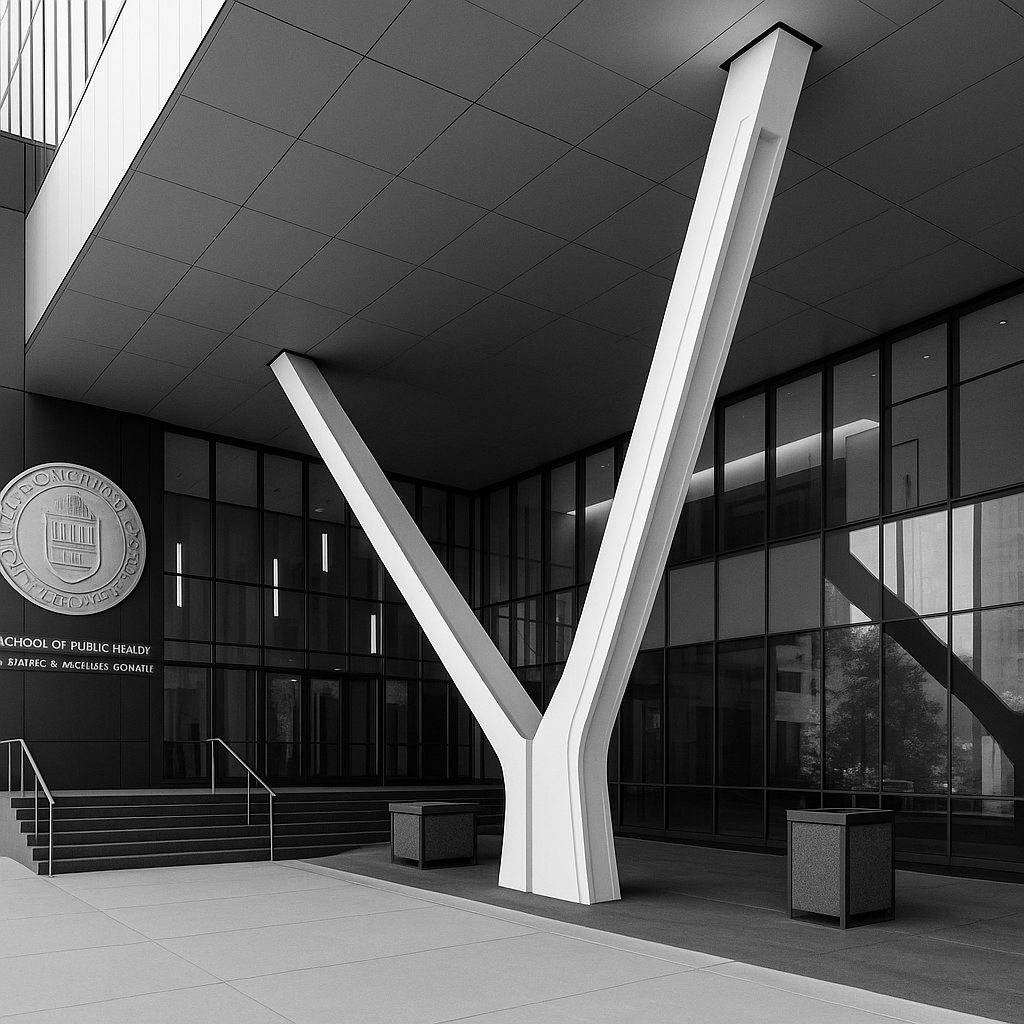
Built for teams, not just tests. These health science buildings bring students, doctors, and tech together.
Example: SUNY Downstate Health Science Education Building. Simulation labs. Real-world layouts. Set up for learning like you’re already on the job.
Training Buildings for Pros
Looks sharp. Works smarter. Built for professionals going back to learn more.
Big features:
- High-tech lecture halls
- Quiet breakout zones
- Adaptable rooms for events, seminars, or solo work
It’s a place that means business—and lets you focus.
A Place for Students to Be Students
This is how you build campus life.
York’s Second Student Centre mixes lounge space, study corners, and event zones—all under one sleek roof.
- Big, open, and bright
- Easy to move through
- Built for real student use, not just show
Schools for Health Training
It shows up again because it works. From sim labs to research hubs, this place is purpose-built for hands-on medical learning.
Everything’s here:
- AV-loaded classrooms
- Clinical spaces
- Room for experiments—and mistakes
Learning the Montessori Way
Follows the Montessori method, down to the walls.
- Natural light
- Calm materials
- Freedom of movement
Kids don’t sit still here—they explore.
Spaces for Creative Minds
Creative space, creative minds.
- Studios. Performance zones. Showrooms.
- Mix of old and new styles that mirror the art it teaches.
It’s not just about function—it’s about feeling.
A Modern Building That Keeps It Simple
Tech-forward. Energy-smart. Academic muscle.
- Efficient systems
- Open plan layouts
- Group spaces and solo spots
A teaching space that teaches by example.
See also: What Makes Building Shapes Feel Right?
Spaces That Bring People Together
Making Campus Feel Like Home
The classroom matters. But connection matters more.
Smart campuses add:
- Student lounges
- Multipurpose spaces
- Open zones for actual conversations
Second Student Centre York nails it. So does the Student Activity Center at UT Austin.
Making Room for Everyone
Good buildings adapt to all students:
- Varied seating setups
- Tech tools for accessibility
- Quiet, group, and hybrid learning zones
See it done right:
- Northumbria ELA – Accessible, layered, inclusive
- Maria Montessori Building – Personalized and flexible for every student
Classrooms That Work for Everyone
Inclusion isn’t a bonus. It’s a must.
- Height-adjustable furniture
- Wide, clear layouts
- AV systems that don’t miss a voice
SUNY Downstate delivers. So does Bangor Arts with full physical access for every student.
Buildings That Teach More Than Lessons
Values need space too. Build places that teach ethics, leadership, and self.
Garff Executive Ed Building sets the tone. Workshops, service rooms, reflective spaces—built to shape humans, not just resumes.
Schools That Welcome the Public
Schools shouldn’t stay behind gates.
Collaborative Health Education Building brings care to the public.
Delta Aviation Education trains both students and locals.
When a building serves both campus and city—it wins.
Certifications That Actually Mean Something
Programs That Teach the Builders
The CIOB backs programs that meet serious building industry standards. If a school has it, it’s teaching real-world construction, not just theory.
Northumbria’s ELA Building is one of them. Sustainable. Smart. Practical.
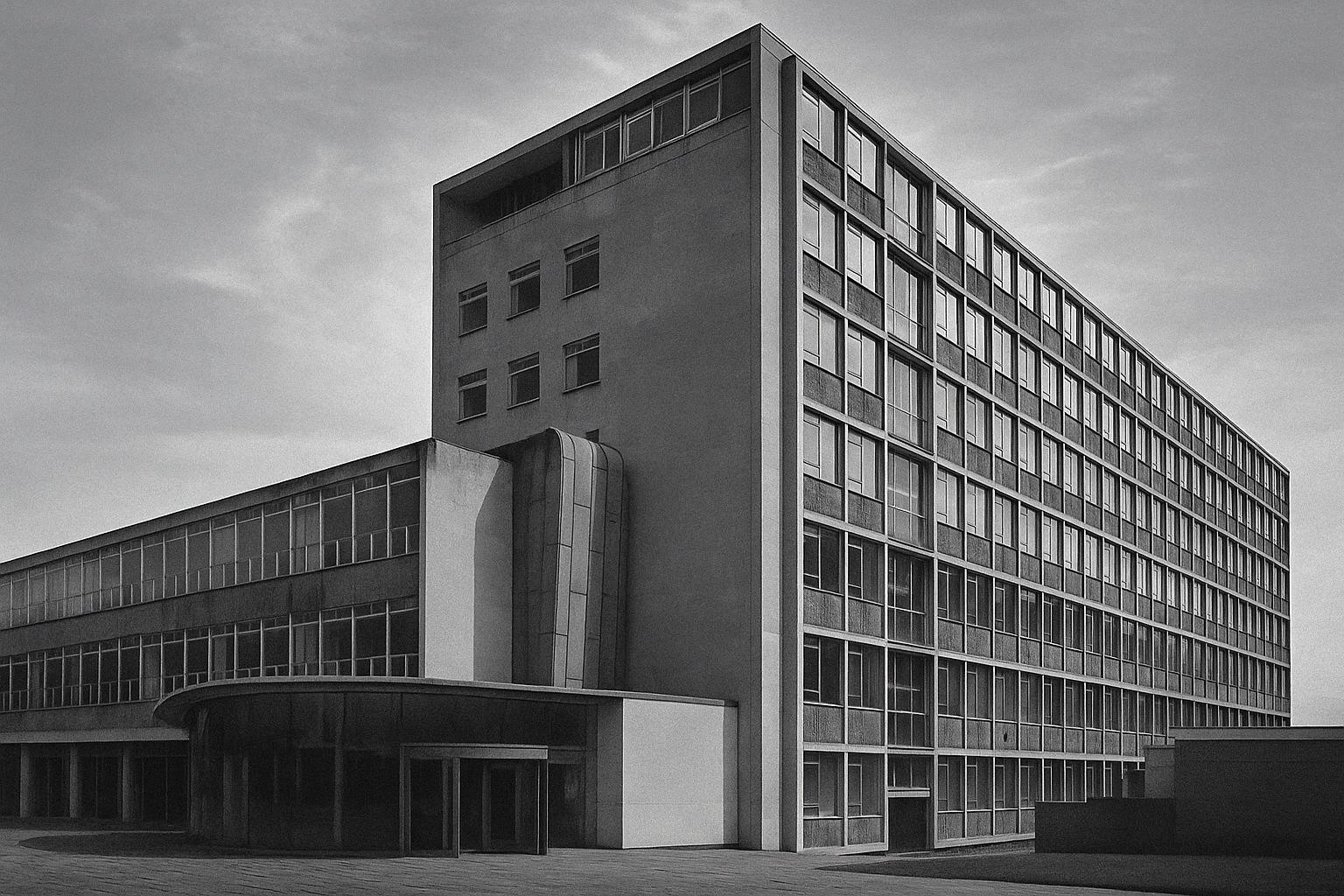
IMAGE: ELA Building at Northumbria University, certified by CIOB for meeting high construction education standards with a focus on sustainability.
Learning Green, Building Smarter
Green Building Initiative CEUs train students and pros on making sustainable schools.
SUNY Downstate hits this hard—with energy-saving systems and eco-materials that double as teaching tools.
Certifications That Back It Up
These mean a school is built right. Period.
- Low waste
- Good air
- Smart energy use
Bangor Arts? LEED certified.
Maria Montessori Building? Natural light, toxin-free materials, and energy efficiency all the way.
Where Students Actually Live and Learn
Centers That Power Student Life
Second Student Centre York shows how it’s done. Open. Warm. Versatile.
- Hang out. Study. Organize. Repeat.
- Designed with students, not just for them.
Garff Executive Ed also doubles as a space to meet, collaborate, and grow—no matter what level you’re at.
Dorms Then and Now
2010: Basic beds. Shared everything. No frills.
Now:
Private rooms. Group kitchens. Wi-Fi. Fitness zones. Study nooks. Social hubs. Housing = lifestyle.
Foundation Building Student Housing takes it further: tutoring, advising, study lounges—all built in.
When Living Feels Like Learning
Bangor Arts ties student housing to studio space. Live upstairs. Paint downstairs.
Maria Montessori does the same: integrated spaces built around how kids actually move and learn.
More Than Just a Place to Sleep
SUNY Downstate builds in wellness. Chill zones. Fitness rooms. Group hangouts.
When housing supports the whole student, it stops being shelter—it starts being strategy.
Reading
- "The Third Teacher" by Cannon Design, which explores how design can influence student learning and well-being.
- "Educational Facilities: Planning, Modernization, and Management" by Basil Castaldi, which provides a comprehensive guide on the planning and management of educational buildings.
- "Learning Spaces" by Diana Oblinger, a collection of essays that discuss how physical spaces in educational settings can enhance learning experiences.
Related
- Introduction to Architecture: A Beginner’s Guide to Building Design
- What Islamic Buildings Get Right Every Time
- Why Canada’s Parliament Buildings Look the Way They Do
- Residential Buildings: All Types Explained with Real Examples
- Types of Commercial Buildings and What They’re Used For
- Government Buildings: Architecture, History, and Design Principles Explained
- What Is Granite Used For in Buildings? Full Material Breakdown
- Design Basics in Architecture & Building: The Fundamentals!
- What Makes Building Shapes Feel Right?
- Classical Architecture: History, Key Features, Famous Buildings, and Influence
- The Complete List of Building Materials: Key Types and Their Applications
Resources:
Professional Organizations and Governmental Resources
American Institute of Architects (AIA):
The AIA is a leading professional organization for architects in the United States, offering resources, educational opportunities, and advocacy for architecture-related issues, including educational building design.
Visit AIA
Association for Learning Environments (A4LE):
Formerly known as the Council of Educational Facility Planners International (CEFPI), A4LE is dedicated to improving the environments where students learn. It provides resources, certification programs, and networking opportunities for professionals involved in the planning, design, and construction of educational facilities.
Visit A4LE
Green Building Initiative (GBI):
The GBI offers the Green Globes certification and resources for sustainable building practices, which are essential for those involved in sustainable building education and the design of green educational facilities.
Visit GBI
U.S. Green Building Council (USGBC):
The USGBC is responsible for the LEED certification program, which is critical for those involved in the design and construction of sustainable educational buildings. It offers resources, educational courses, and certification programs to support green building practices.
Visit USGBC
National Council of Architectural Registration Boards (NCARB):
NCARB provides licensure resources and continuing education for architects in the United States, ensuring that professionals stay current with the latest standards in architectural practice, including educational architecture.
Visit NCARB
Chartered Institute of Building (CIOB):
CIOB is a global professional body for construction management professionals, providing accreditation for educational programs and professional development in construction management and building design.
Visit CIOB
The Royal Institute of British Architects (RIBA):
RIBA champions better buildings, communities, and the environment through architecture and provides professional standards, training, support, and recognition for architects, including those involved in educational building design.
Visit RIBA