
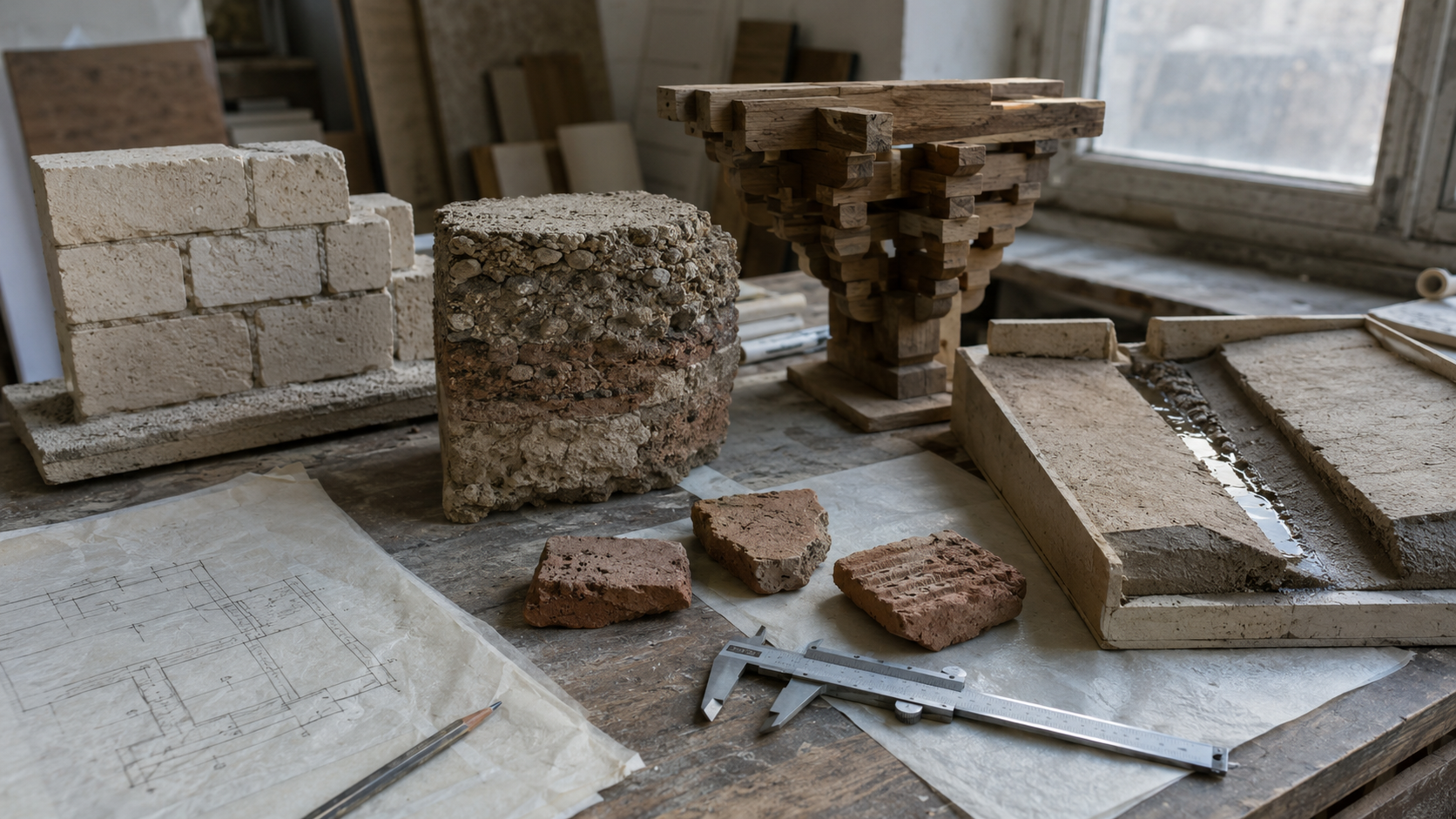
Ancient architecture is stronger when you stop treating it like a mystery.
The hard parts were practical. Stone had to hold its own weight. Timber had to move without tearing the roof apart. Courtyards had to cool air before mechanical systems existed. Platforms had to lift people, handle water, and organize crowds. A bad span failed. A bad drainage edge eroded. A bad joint stayed visible for centuries.
That is why ancient buildings still teach. The best ones were working systems shaped by climate, labor, structure, material limits, and repair.
The useful question is simple: what problem was the building solving?
The Problems Came First
Style came later. The first job was survival.
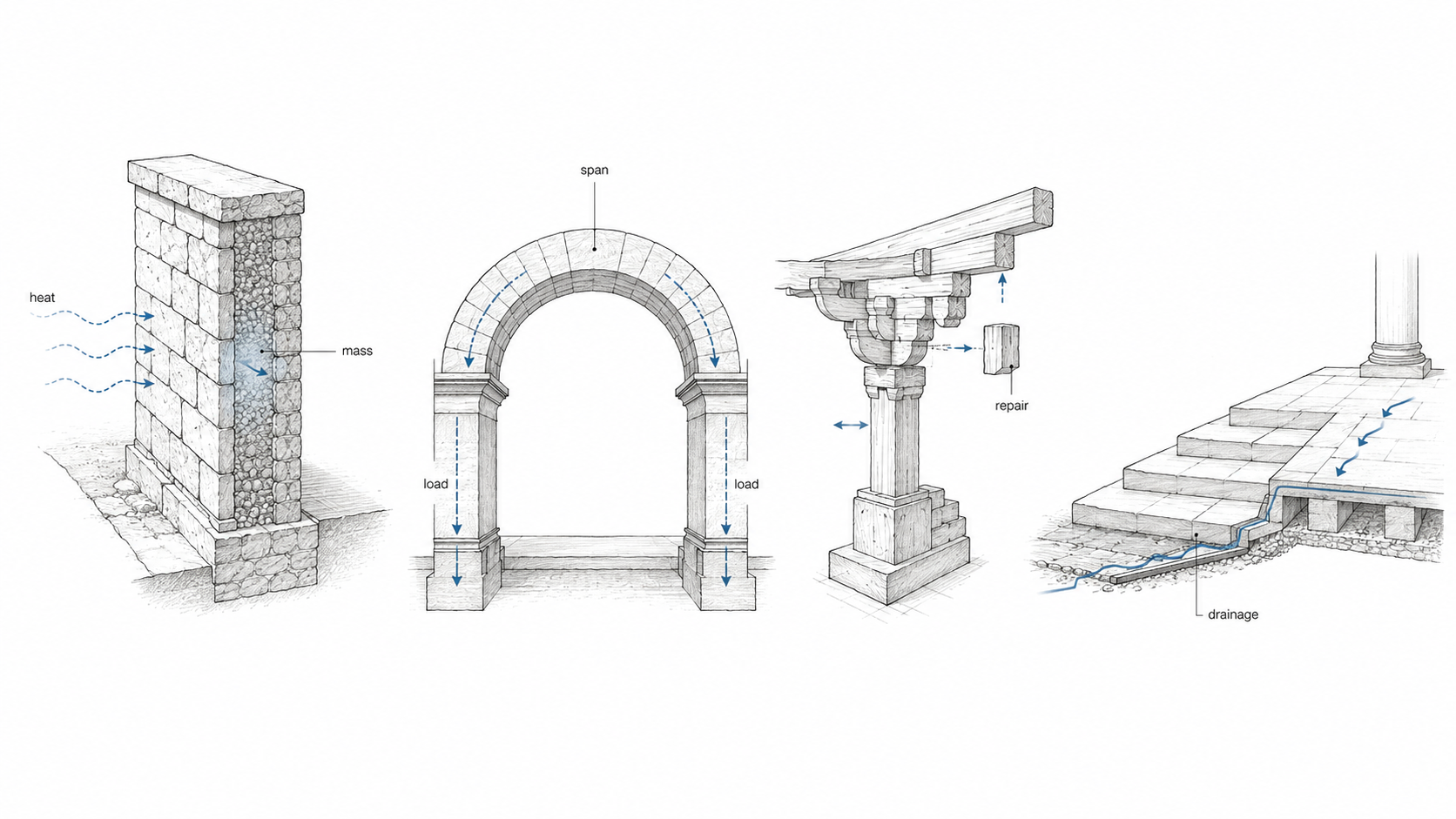
Heat, rain, weight, fire, earthquakes, floodwater, crowd movement, available labor, and material limits shaped ancient buildings before anyone argued about beauty. A thick wall could be structure and climate control at the same time. A raised platform could be civic stage, drainage tool, and circulation control. A courtyard could be a social room and a cooling device. A bracket could carry roof load while making later repair possible.
The strongest ancient systems did several jobs at once.
| Problem | Ancient Response | What It Solved |
|---|---|---|
| Heat | Thick walls, courtyards, shade, small openings | Lower glare and slower heat gain |
| Span | Arches, vaults, domes, post-and-beam systems | Larger rooms and stronger public buildings |
| Water | Raised platforms, sloped paving, drainage channels | Less erosion and less standing water at the base |
| Repair | Replaceable timber parts, modular stone, layered walls | Buildings could age without total replacement |
| Crowds | Plazas, courts, stepped seating, processional routes | Clear movement and public order |
This is the cleanest way to read ancient architecture. Start with the problem, then look at the form.
Egypt: Mass and Geometry
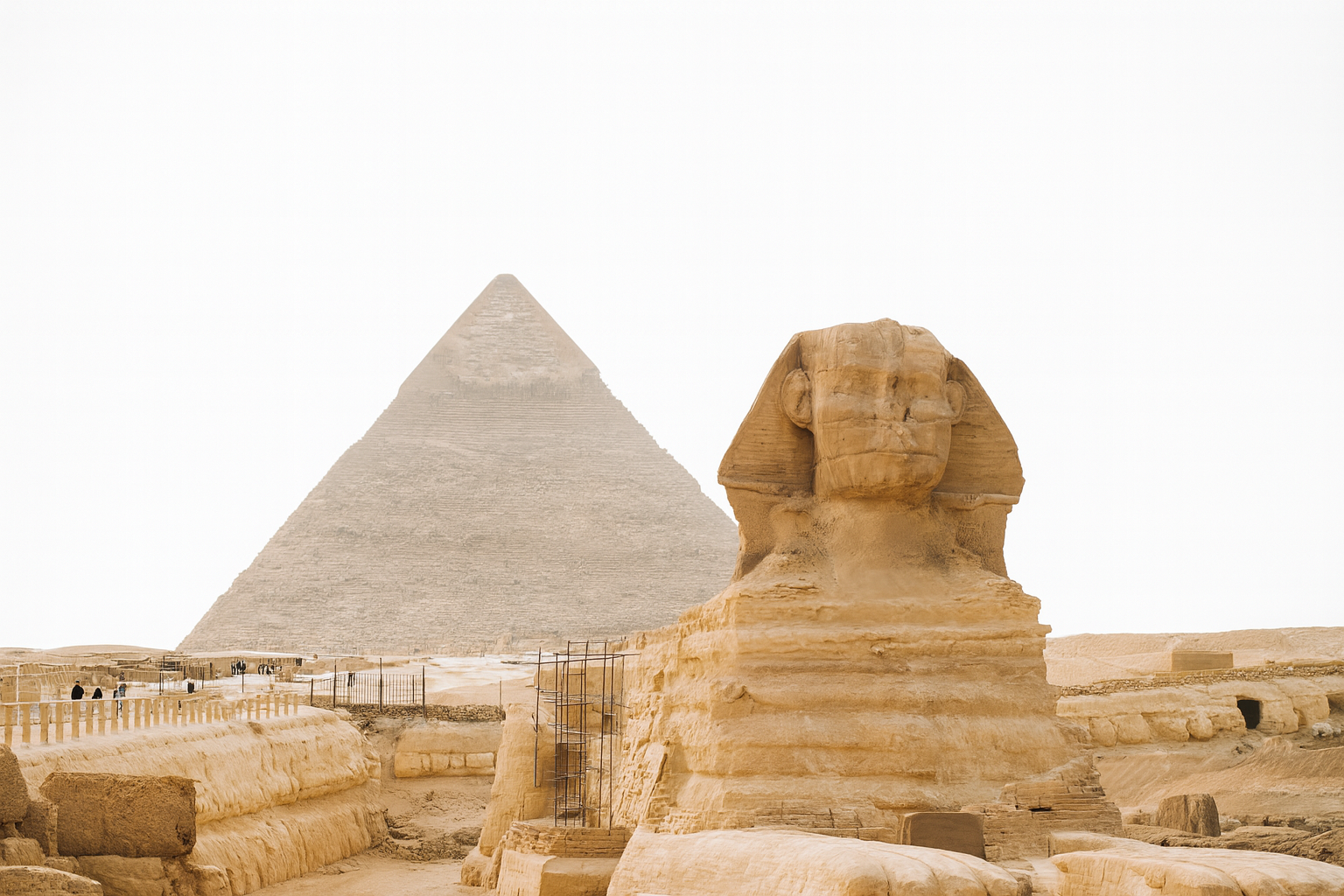
Egyptian architecture gets flattened when everything becomes pyramids. The stronger lesson is how stone, geometry, labor, and orientation were organized at scale.
Stone mass did several jobs. It carried load. It resisted heat. It created still interiors compared with the desert outside. A massive wall in that context slows heat, shapes shadow, and makes the building feel permanent before ornament appears.
Repetition mattered too. Large stone projects could not depend on improvising every block. Stone had to be quarried, moved, set, corrected, and aligned in a sequence that workers could repeat. The final object matters, but so does the system that made it possible.
For the Egyptian branch, use History of Egyptian Architecture for the broader building tradition and Egyptian Pyramids: Architecture and Design when you want the pyramid problem separated out.
Greece: Proportion and the Eye
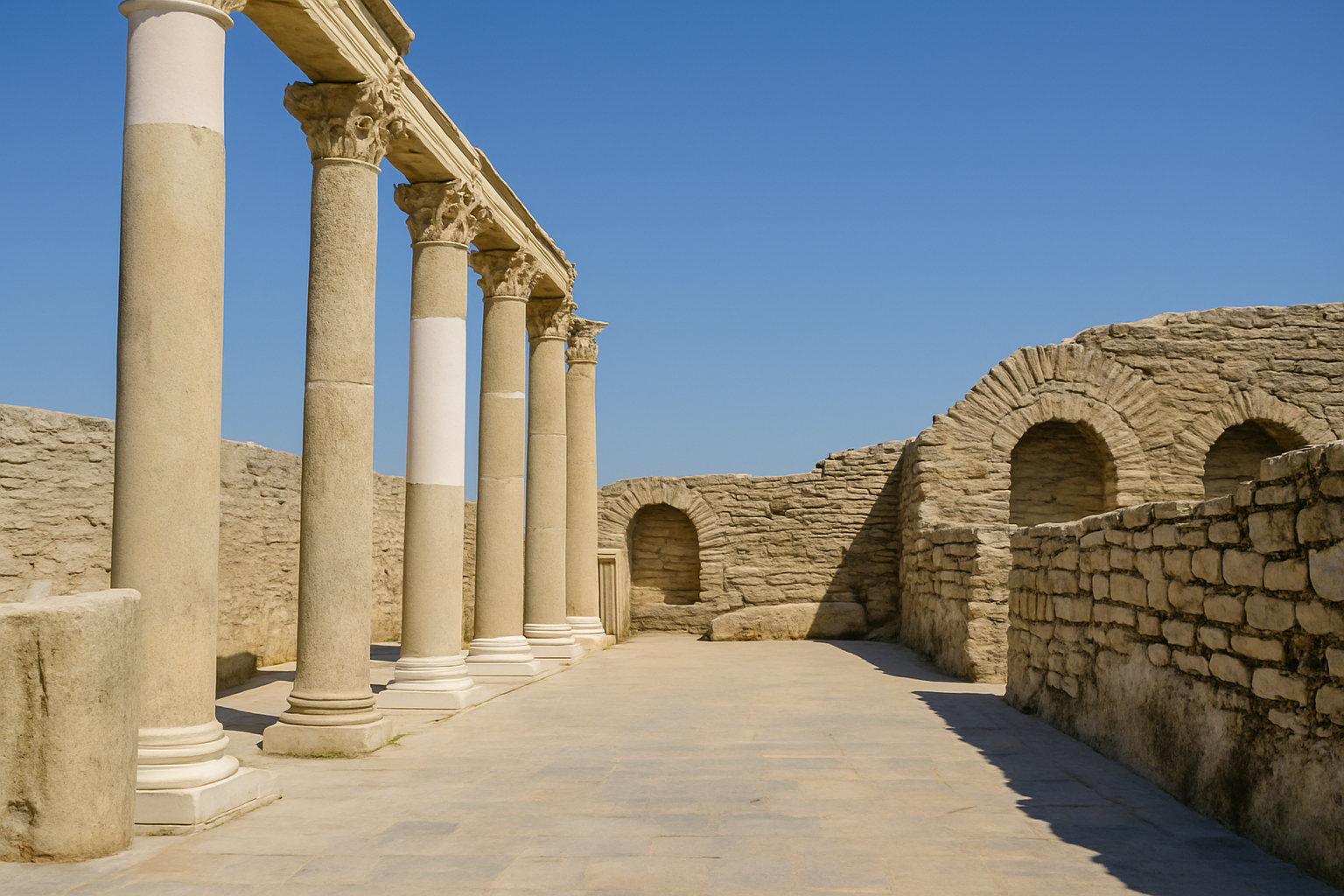
Greek architecture teaches a hard lesson: a building is judged by the eye before it is understood by the mind.
Columns swell slightly. Long bases curve. Corners receive extra care. These moves were not decoration. They corrected what the eye misreads at scale. A straight line can look slack. A column can look thinner than it is. A corner can feel weak even when it is safe.
The Greek answer was adjustment. Small correction. Tight proportion. Better rhythm.
This still matters because proportion has to survive sunlight, distance, shadow, and the human body standing in front of it. A drawing may look correct on paper and still feel wrong in space.
Keep the Greek pages separated clearly. Ancient Greek Architecture should carry the ancient-period background. Greek Architecture should handle the design logic. Ancient Greek Columns is the better page for Doric, Ionic, and Corinthian details.
Rome: Concrete and Span
Rome widened the room.
Greek builders refined visual order. Roman builders pushed enclosure, infrastructure, and urban scale. Arches, vaults, domes, brick-faced concrete, roads, aqueducts, baths, markets, and amphitheaters changed what architecture could do in daily life.
The arch alone was not the whole move. The system around it mattered. Roman concrete allowed builders to shape mass differently. Vaults could cover larger spaces. Domes could gather public life under one volume. Brickwork could act as form, surface, and construction logic at once.
The Pantheon gets attention because the dome still feels difficult to believe. The better lesson is process control. Heavy material belongs lower. Lighter aggregate belongs higher. Openings reduce weight but also change stress. Get the sequence wrong and the form becomes a liability.
The deeper Roman path starts with Roman Architecture Style, then moves into Ancient Roman Architecture and Roman Architecture and Engineering.
China: Frames Built for Repair

Chinese timber architecture did not chase durability by pretending nothing would move. It accepted movement and worked with it.
Posts, beams, roof loads, and bracket sets worked together. The dougong bracket system is often admired because it looks intricate, but the deeper value is structural. It spreads roof load. It adds flexibility. It helps the frame absorb movement better than a brittle system would.
That matters in earthquake zones and under heavy roofs. A structure that can move without losing its roof has a better chance of surviving. A building that can be repaired piece by piece also has a longer life than one that has to be demolished when one part fails.
The lesson is direct: durability is not always about making every part permanent. Sometimes it comes from planning for replacement.
For this branch, Ancient Chinese Architecture is the main companion page. The defensive and territorial side belongs with Great Wall of China Architecture.
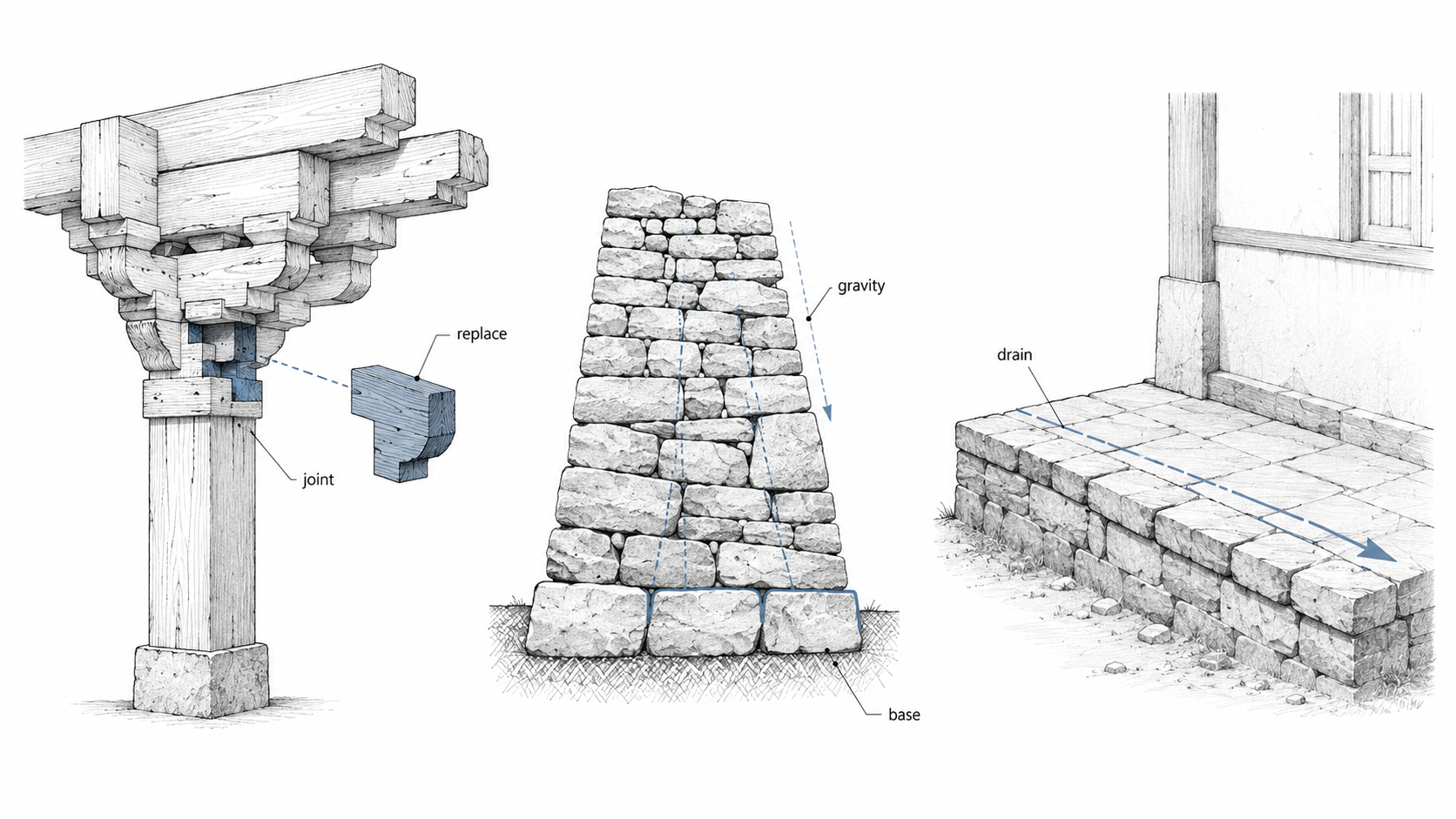
Repair Was Part of the System
This is one of the most useful ancient lessons, and it rarely gets enough attention.
Many old buildings survived because repair was possible. Not easy. Possible. Timber pieces could be replaced. Stone walls could be restacked. Roof edges could be renewed. Plinths and platforms could be patched before water reached the vulnerable parts above.
That changes the way you judge durability. A building is not durable only because its first version was strong. It is durable when the weak parts are visible, reachable, and replaceable before they destroy the larger system.
Modern buildings often hide the failure. Sealed cavities, inaccessible drainage, decorative cladding, and thin assemblies can look clean for a while. Then water or movement gets behind the finish, and the repair becomes expensive because the system was never meant to be opened.
Ancient architecture was not perfect. The better examples were maintainable.
Japan: Climate Carpentry
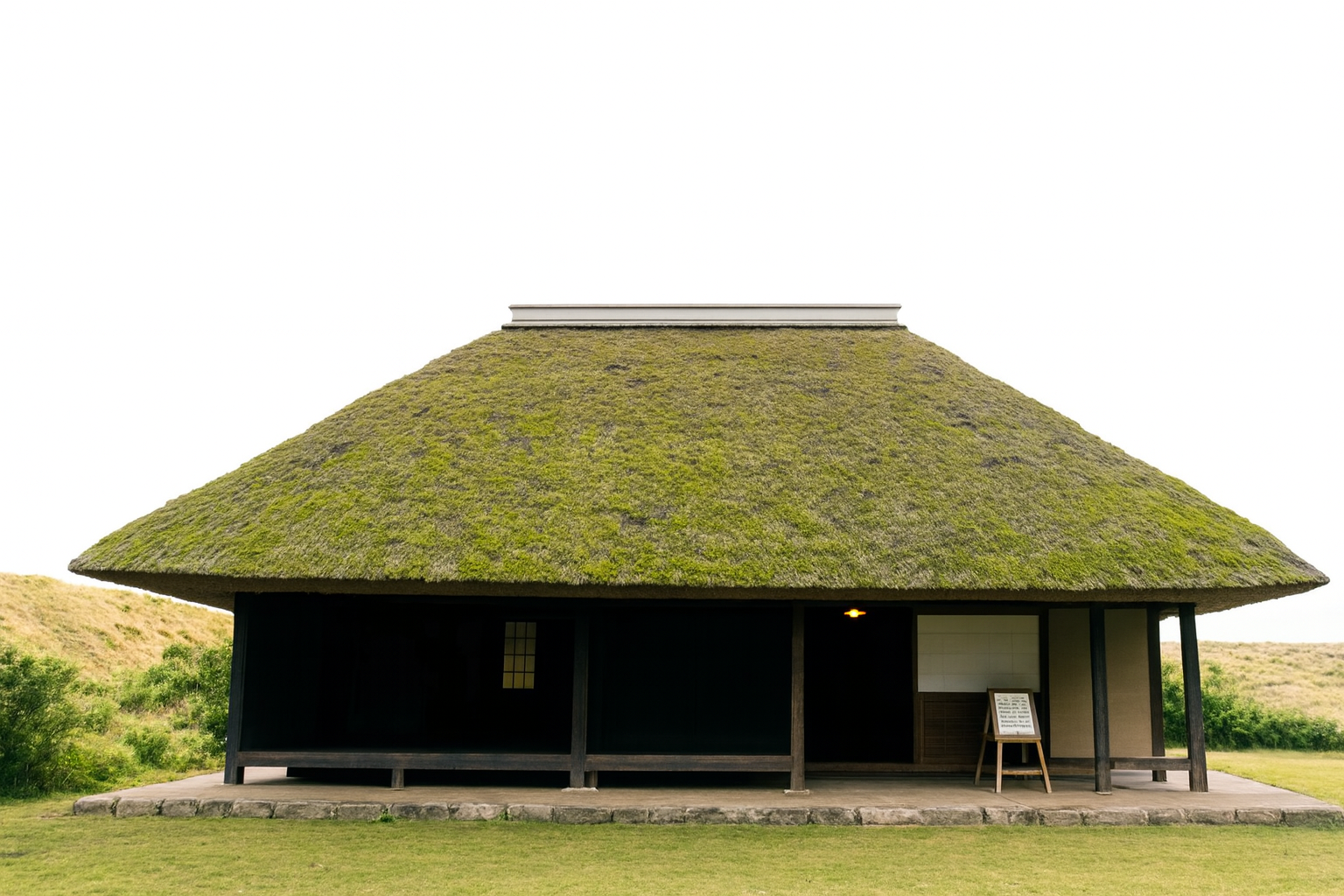
Japanese architecture is often described through restraint. The practical lesson is climate discipline.
Deep eaves keep water off walls. Light infill reduces load. Timber joinery lets pieces move. Open plans make comfort depend on shade, air, garden edges, and seasonal behavior. That is not a weakness. It is a different comfort model.
This matters because modern copies often keep the look and lose the weather logic. Shorten the eaves and the wall gets wetter. Seal everything tightly without thinking about air and moisture and the building stops behaving like the older system.
Japanese timber work rewards the detail a glossy image rarely shows: how water leaves, how the joint moves, how a worn piece can be replaced, and how the building ages without pretending to stay new.
For the broader page, use Japanese Architecture. For house-specific forms, Traditional Japanese House Types is the tighter next step.
Maya and Mesoamerica: Platforms Before Walls
Maya and other Mesoamerican builders shaped cities through platforms, plazas, courts, steps, and alignments. The building was part of a ground system.
That changes the reading. A platform can lift a structure above wet ground. It can organize ceremony, drainage, crowd movement, visibility, and access. A plaza can work as a civic room. A stepped base can be infrastructure and public stage at once.
The mistake is looking only at the vertical monument. The ground plan carries the logic.
That lesson still applies. Bad projects often start too late, at the wall. Ancient platform cities remind you that the base sets the rules: drainage, level change, approach, procession, crowd control, and maintenance access.
For a site-specific branch, Teotihuacan Architecture belongs near this part of the cluster.
Courtyards, Shade, and Air

Courtyard architecture keeps returning because it solves several problems at once.
A courtyard can bring light into a dense plan. It can move air. It can protect privacy. It can create shade and social space without depending on a sealed interior. Arcades, screens, water, and planted edges can change how a space feels before mechanical cooling enters the picture.
But courtyards are not magic. A courtyard without airflow can become a heat trap. A shaded edge with poor drainage becomes a maintenance problem. A screen without the right orientation can cut light without improving comfort.
The form works only when the climate logic is still there.
This is where Islamic architecture has a lot to teach through courtyards, arcades, screens, and thermal control. Use Islamic Architecture and Characteristics of Islamic Architecture when you want that branch separated from the broad ancient systems page.
Earth and Stone: Slow Materials
Earth and stone reward patience. They punish shortcuts.
Dry-stone walls work only when the builder respects gravity, fit, and lean. Mortar is not the hero. The stone selection, stacking, inward batter, and base condition do the work. A wall can look rough and still be intelligent if the load and water are handled well.
Earthen walls teach a related lesson. Thick earth can moderate heat, but it needs roof protection, base protection, drying capacity, and routine repair. Leave out the roof edge and the wall suffers. Ignore the base and water starts working upward.
Ancient durability was rarely effortless. It was usually maintenance made normal.
For modern material follow-up, Rammed Earth Houses and Rammed Earth Wall Thickness are the better pages.
The Parts That Do Not Travel Well
This is where modern designers waste the lesson.
Ancient architecture fails when it gets copied as a look instead of adapted as a system. A Greek-looking column with weak spacing and shallow trim does not carry Greek authority. A Roman-looking dome without material discipline is only a shape. A Japanese-style roof with no eave depth pushes water onto the wall. A courtyard dropped into the wrong climate without airflow and shade can make heat worse.
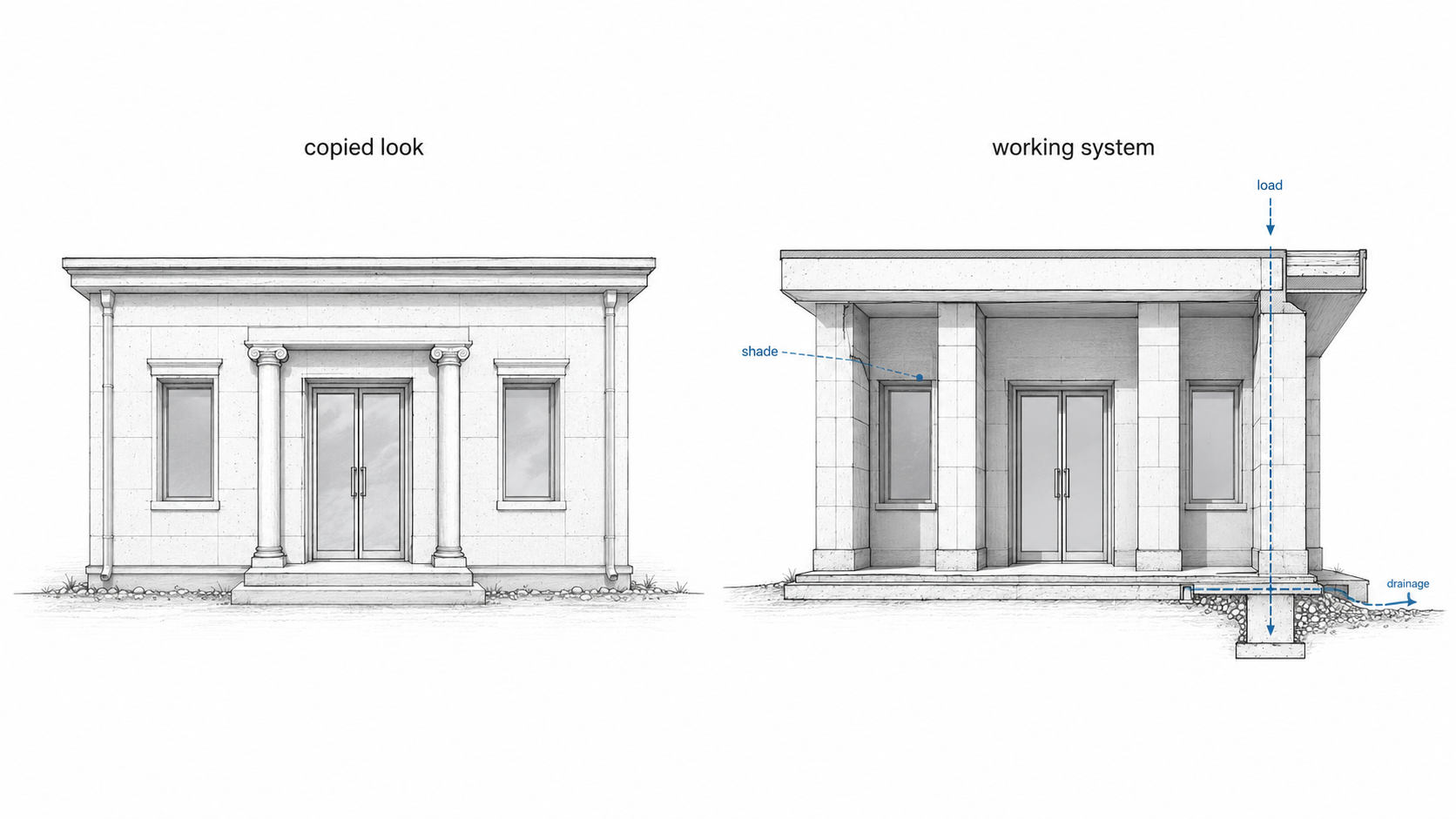
Thick walls are a good example. They can help with heat in the right climate and assembly. Move that idea into a cold or humid wall without vapor control, drying capacity, or water management, and the mass can become a moisture trap. Condensation, mold, and trapped water do not care that the precedent looked beautiful.
The same problem shows up with ancient-looking finishes. Thin fake stone panels, shallow arches, decorative brackets, and pasted-on trim can create the image without the performance. The building looks historical for a season. Then the weak joints, bad drainage, or poor proportions begin showing.
The protective move is simple: copy the job, not the costume. Ask what the old system was doing. Heat? Span? Drainage? Repair? Shade? Crowd movement? Then decide whether your project needs that same job solved today.
What Still Helps Now

Ancient architecture is most useful when it changes the questions you ask.
Before choosing a form, ask what the material wants. Before enlarging a span, ask how the load moves. Before copying a courtyard, ask how air will move through it. Before using timber as a historic reference, ask how the piece can dry and be repaired. Before raising a platform, ask where water goes after the first hard rain.
These are not old questions. They are still the right questions.
| Ancient Lesson | Modern Use | Where It Goes Wrong |
|---|---|---|
| Stone mass | Thermal stability and durable enclosure | Copied without moisture control or drying path |
| Roman span logic | Large rooms and expressive structure | Copied as a dome shape without structural discipline |
| Greek proportion | Calm public facades and human-scaled rhythm | Reduced to thin decorative columns |
| Chinese repair logic | Replaceable parts and longer building life | Hidden behind sealed assemblies with no access |
| Japanese eaves | Rain control, shade, and wall protection | Shortened for style until water hits the wall |
| Maya platforms | Drainage, level changes, and crowd movement | Ignored until water and access problems appear |
What Ancient Architecture Means
Ancient architecture is the early built record of how people solved shelter, structure, climate, power, movement, and public life before modern machines existed.
It includes houses, walls, platforms, tombs, civic buildings, water systems, timber frames, stone walls, courts, baths, markets, and fortifications. The best examples matter because their building logic is still readable.
That is the part worth keeping. Ancient architecture is not a list of monuments. It is a collection of working systems.
Quick Reference
| Culture or Region | System to Study | Main Lesson |
|---|---|---|
| Egypt | Stone mass and geometry | Repetition, weight, and orientation can do serious work. |
| Greece | Proportion and optical correction | The eye needs adjustment, not only perfect lines. |
| Rome | Concrete, arches, vaults, domes | Material process changes what space can be. |
| China | Timber frames and brackets | Repairability can be a durability strategy. |
| Japan | Joinery, eaves, light walls | Water, movement, and seasonal use belong in the detail. |
| Mesoamerica | Platforms and plazas | The base organizes drainage, movement, and civic life. |
| Islamic traditions | Courtyards, shade, screens | Comfort can come from air, edge, and geometry. |
| Earth and stone traditions | Mass walls, dry stacking, earthen repair | Material behavior matters more than applied image. |
FAQ
What is ancient architecture?
Ancient architecture is the building work of early civilizations, usually before the medieval period. It includes houses, walls, platforms, tombs, civic buildings, water systems, and large public structures.
Why is ancient architecture still important?
Because it shows how builders solved heat, load, water, repair, and crowd movement before modern machines. Those problems have not disappeared.
What is the most important ancient building material?
There is no single answer. Stone, brick, timber, earth, lime, and concrete all mattered in different places. The better question is whether the material matched the climate, labor, and structural job.
Why did Roman buildings last so long?
Many survived because Roman builders used strong masonry systems, arches, vaults, and concrete mixes suited to the job. Survival also depends on maintenance, later reuse, and whether the original mix and construction were done well.
What did Greek architecture contribute?
Greek architecture refined proportion, column orders, optical correction, and civic rhythm. Its strongest lesson is the discipline behind spacing, edge, shadow, and visual balance.
Why did ancient builders use courtyards?
Courtyards helped with light, air, shade, privacy, and movement. In hot climates, a good courtyard can make a building more comfortable. A bad courtyard can trap heat if airflow and shade are ignored.
What is the biggest mistake when copying ancient architecture?
Copying the image without the system. Ancient forms worked because they solved a job. Remove the climate, structure, material depth, or repair logic, and the copy becomes decoration.
Books Worth Keeping Nearby
MUST READ: Ten Books on Architecture by Vitruvius
The only surviving manual by a Roman architect. Dry in places, but useful if you want to understand how ancient writers thought about proportion, material, site, and building judgment before modern theory took over.
WIDER VIEW: A Global History of Architecture
Good for keeping the story broad. It helps place Rome, Greece, Egypt, Asia, Africa, and the Americas in the same long timeline without making one region feel like the whole story.
Read This Next
Ancient Engineering Technologies and Construction Techniques is the closest companion page if you want the tools, materials, and construction methods behind the buildings.
Architecture Complete History gives the broader timeline after ancient systems begin turning into classical, medieval, industrial, and modern architecture.
Architectural History and Theory is the better next step if you want to understand how buildings become ideas, arguments, and design references instead of isolated examples.