
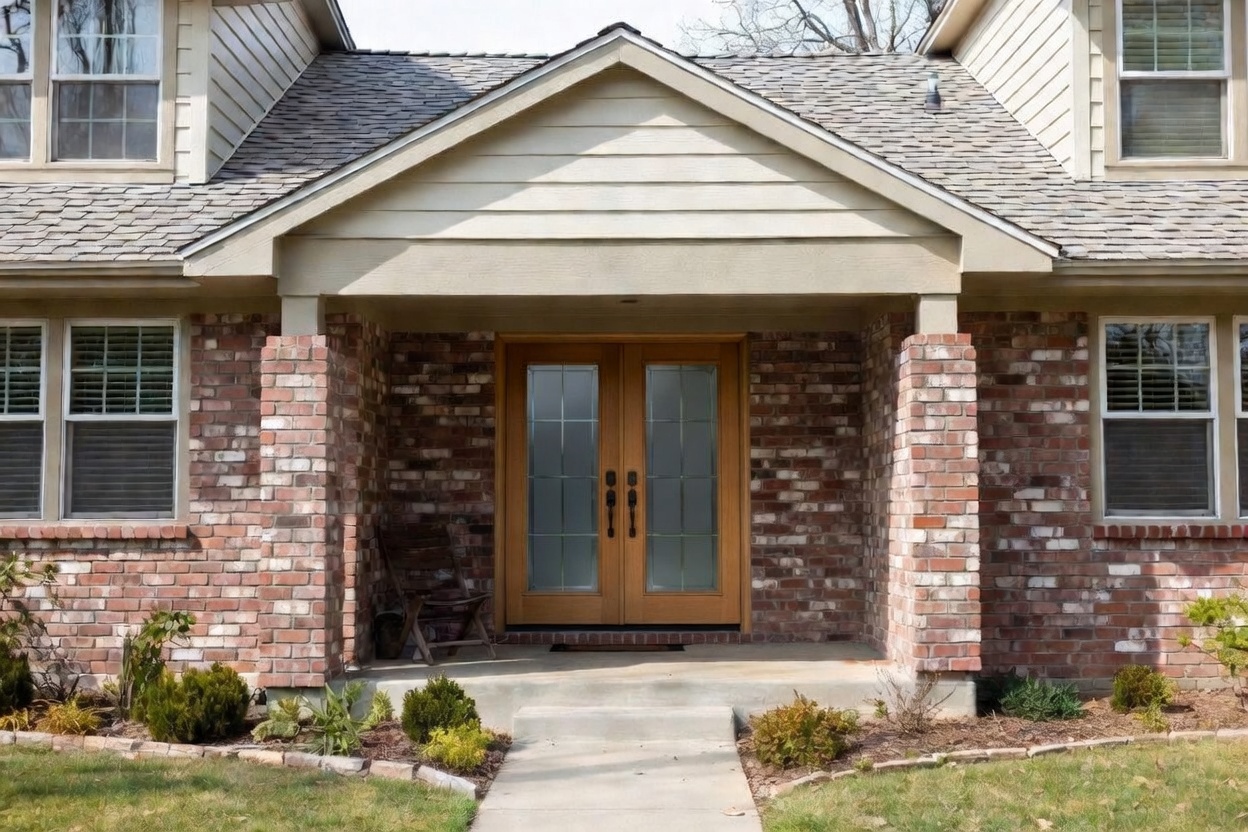
Reclaimed thin brick gets sold two ways.
As character. And as a shortcut.
The character part is fair. A good reclaimed thin brick wall can settle a room down fast. It can give a newer interior some age, some weight, some surface memory. It can make a fireplace feel anchored instead of decorative.
The shortcut part is where people start wasting money.
Thin brick does not automatically make a room feel older, warmer, or more architectural. Sometimes it does the opposite. It reads like a surface treatment trying to manufacture history in a room that never wanted it.
That is the real buying question. Not just Do I like brick? More like this: where does reclaimed thin brick genuinely improve the room, and where does it turn into an expensive finish that looks applied after the fact?
That is the line this article stays with. When reclaimed thin brick feels architectural. When it starts looking fake. What it costs. Where it is worth spending on. What corners, sealers, substrates, and room conditions usually decide the result.
What Reclaimed Thin Brick Is, and What It Is Not
Reclaimed thin brick gives you the face, color variation, and wear of older masonry without the structural depth of a full brick wall. That makes it useful in interiors where full brick would be too thick, too heavy, or just unnecessary.
It is not a structural wall. It is not a free pass to fake age. And it is not automatically the same thing as older salvage.
Some reclaimed thin brick comes from cut-down salvaged units. Some is manufactured to mimic old brick. Both can look good. Both can also look wrong. The room does not care what the sales tag says. It reacts to proportion, corners, mortar, finish, and whether the installation feels believable.
If you want the older full-size reference behind this look, antique bricks are the better comparison point.
The First Filter: Is It Doing Architecture or Just Surface Styling?
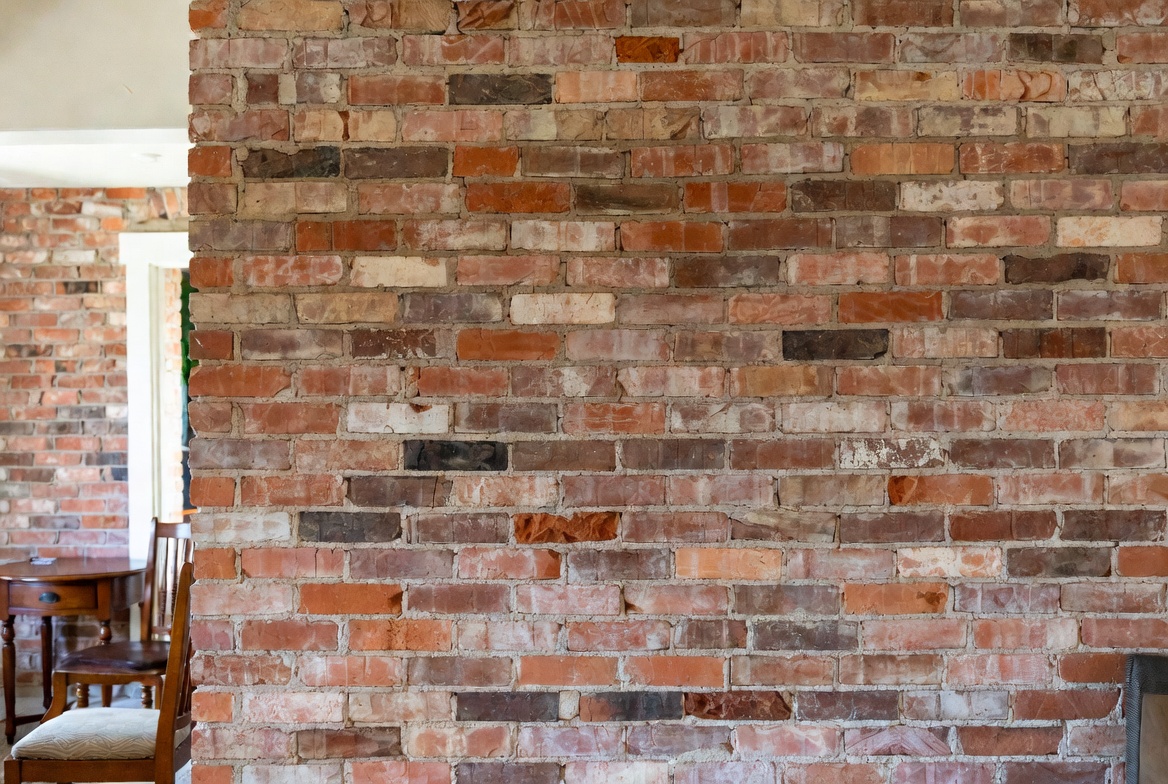
This is still the cleanest test.
Reclaimed thin brick feels architectural when it gives a room mass, focus, or continuity. It holds a fireplace wall together. It strengthens an entry. It gives a long flat elevation some depth and a reason to exist.
It feels like surface styling when it is there mostly to wake up a bland room, fake age on command, or rescue an awkward blank wall that probably needed a better layout, better storage, or better lighting instead.
That sounds severe. It saves money.
Because once the brick is not doing any real spatial work, the whole decision starts leaning on mood alone. That is where people overspend on material that photographs well and lives badly.
Where Reclaimed Thin Brick Usually Earns the Spend
| Location | Why It Can Be Worth It | What Usually Makes It Work |
|---|---|---|
| Fireplace wall | Natural focal point that already wants visual weight | Good returns, calm mantel detailing, non-glossy sealer, enough surface area |
| Entry or mudroom wall | Adds grip and toughness to a hard-working zone | Clean transitions, durable finish, restraint in nearby materials |
| Long dining or living wall | Helps a flat room feel settled instead of underdeveloped | Believable stopping points, mixed brick blend, good lighting |
| Kitchen backsplash or range wall | Can soften modern cabinetry and give the room some age | Proper sealing, not too much visual noise on counters, easier cleanup strategy |
| Stair wall | Turns dead circulation surface into part of the room | Full-height treatment, logical corners, no awkward interruptions |
The pattern is simple. It earns the money where the room already wants one heavier, quieter surface.
Where People Waste Money on It
- Tiny accent patches. Small strips behind open shelves or narrow TV panels rarely read as architecture. They read as product.
- Rooms already full of strong finishes. If the room already has busy stone, bold grain wood, patterned tile, dark metal, and open shelving, brick may just become one more thing arguing for attention.
- Cheap corner handling. The illusion falls apart fast when edges go flat.
- Glossy sealers. Old-looking brick should not look dipped in plastic.
- Backsplashes in kitchens with no cleanup plan. Texture looks great until grease, splatter, and dust settle into it.
- Exterior use without a real wall-system plan. Outside, moisture and freeze-thaw stop being background issues.
Also Useful. If your room leans cleaner and more contemporary, using brick in modern design becomes less about “adding character” and more about knowing exactly how much texture the room can carry.
Real Reclaimed vs. Manufactured Look-Alikes
This part matters more than the brochures make it sound.
Real reclaimed thin brick usually has more irregularity, more face variation, more chipped edges, and less predictable sizing. That can look excellent. It can also make installation slower and fussier.
Manufactured old-look thin brick is often more consistent in thickness, shape, and color control. That can make labor easier and the finished wall calmer. It can also look too clean if the room is depending on genuine wear to carry the whole effect.
The wrong way to compare them is “authentic versus fake.” The better comparison is this:
- Do you want more irregularity or more control?
- Can your installer handle reclaimed variation without making the wall look messy?
- Is the room asking for roughness, or just some age and weight?
If the answer is mostly about softness, patina, and an older interior feel, antique thin brick is often the closer visual target.
How Much Reclaimed Thin Brick Usually Costs
Cost is where people get vague fast. They compare one sample board to another and forget that the installed wall is the real number.
In practice, you are usually paying for four separate things:
- the brick itself
- corner pieces or return treatment
- setting materials, mortar, and sealer
- labor, which can swing hard depending on brick variation and wall complexity
As a rough framework, reclaimed or reclaimed-look thin brick often lands in a broad installed range from moderate to surprisingly expensive once corners, sealing, surface prep, outlet cuts, and layout time are included. The material price alone is never the whole story.
That is why the better question is not just cost per square foot. It is cost per square foot in the right room. A full-height fireplace wall that anchors the room can justify more money than a decorative patch behind a coffee bar.
Wall-Only, Floor-Rated, and Exterior-Suitable Are Three Different Questions
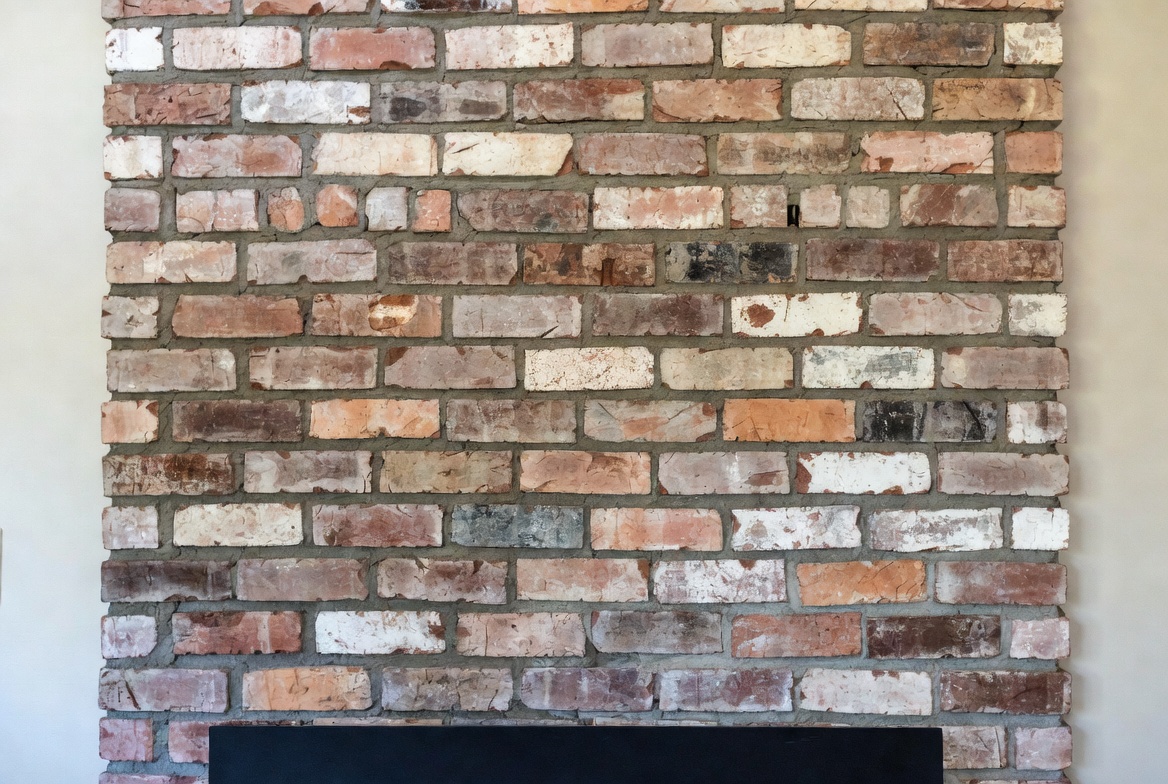
This is where a lot of buying mistakes start.
Wall Use
Interior wall applications are the easiest category. You still need good substrate, believable corners, and the right sealer, but the performance demands are lower.
Floor Use
Floors are stricter. Brick underfoot deals with abrasion, chair movement, joint wear, dirt, and tighter tolerance for unevenness. Not every thin brick product belongs on a floor just because the color works in a showroom.
Exterior Use
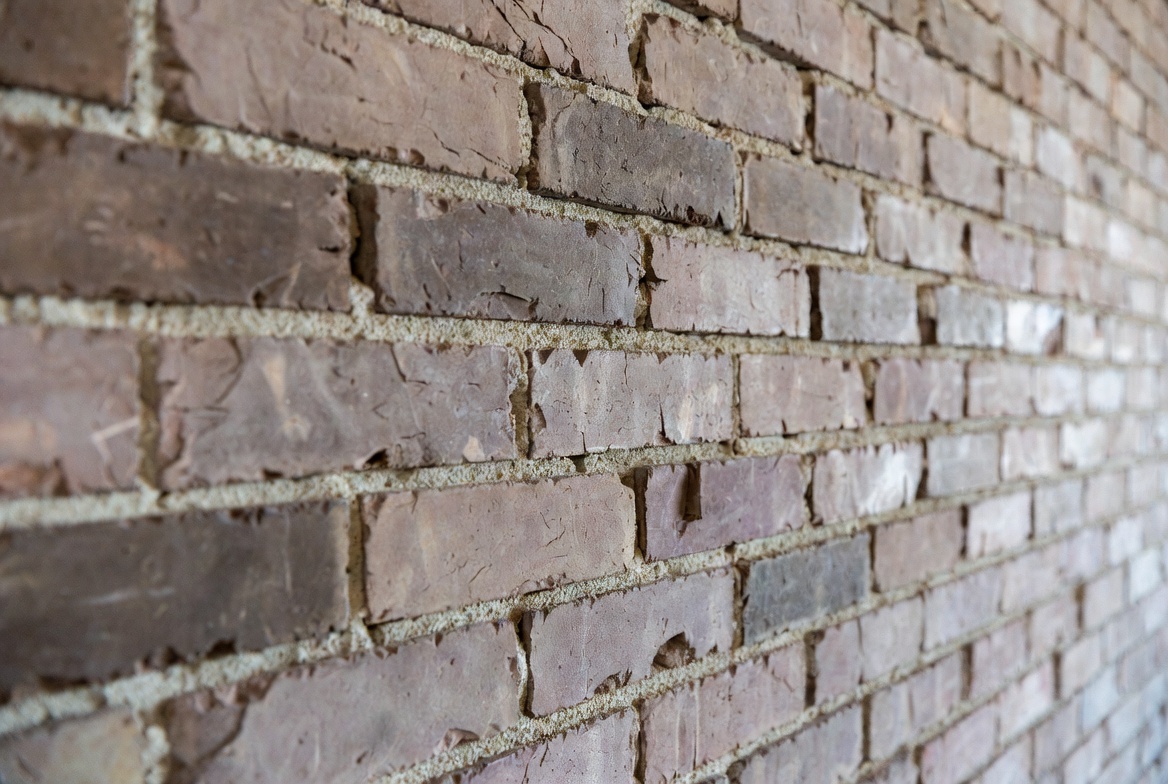
Exterior use is stricter again. Water management, freeze-thaw cycles, movement, edge exposure, and detailing around openings all matter more. At that point, the brick is not just a finish. It is part of a cladding system.
Indoors, you can sometimes get away with instinct. Outside, details settle the argument.
Corner Pieces Are Not Optional in Spirit, Even When They Are Optional on the Invoice
If the wall has exposed returns, outside corners, chimney edges, or obvious stopping points, corner treatment usually decides whether the whole installation feels believable.
This is where people try to save money and end up exposing the trick.
A flat edge on a supposedly masonry-like surface tells on itself immediately. You may be able to hide that in some tiny backsplash application, but not on a fireplace wall, not in an entry, not anywhere the edge is part of the view.
Ask about corners before you fall in love with the face brick.
Sealer Choice Changes the Whole Look
Sealer is not an afterthought. It is part of the design decision.
A shiny sealer can kill the entire point of reclaimed material in one pass. The wall stops reading like old brick and starts reading like coated veneer.
In most interiors, the safer move is a matte or low-sheen finish that protects the surface without flattening its age. Kitchens, mudrooms, and splash zones may need more protection, but even then the finish wants discipline.
Sample the sealer on the actual brick. Not on a promise. Brick color deepens, light shifts, and surface variation changes once the finish goes on.
The Installation Problems That Cost the Most Later
- Bad substrate. Dirty, unstable, damp, or poorly prepared backing can turn a good material into a failure.
- No box blending. Running one carton at a time creates obvious color blocks and patterning.
- Weak stopping points. Brick that dies in the middle of nowhere makes the whole installation feel temporary.
- Sloppy cuts around outlets and trim. Reclaimed thin brick is unforgiving around interruptions.
- Wrong mortar color. Mortar can either calm the wall down or make every unit shout.
- Ignoring moisture conditions. Kitchens, entries, basements, and exterior walls all ask harder questions than a dry living-room feature wall does.
Before You Move On. If the attraction here is less the brick itself and more the older material language, antique bricks help clarify what you are trying to borrow and what thin veneer can only suggest.
Labor Is Usually Harder Than People Expect
Thin brick looks simple on mood boards because the finished surface feels effortless. The labor is not.
Layout takes time. Corners take time. Blending takes time. Mortar cleanup takes time. Irregular reclaimed faces make spacing and rhythm more demanding, not less.
That means this is not always a “cheap upgrade,” even when the square footage seems small. A short wall with outlets, shelves, corners, and trim conflicts can eat more labor than a larger uninterrupted surface.
The cruel version of this job is small and fussy. The easier version is broad, continuous, and clear about where it starts and stops.
Best Rooms to Spend On, Worst Rooms to Force It Into
Best Places to Spend
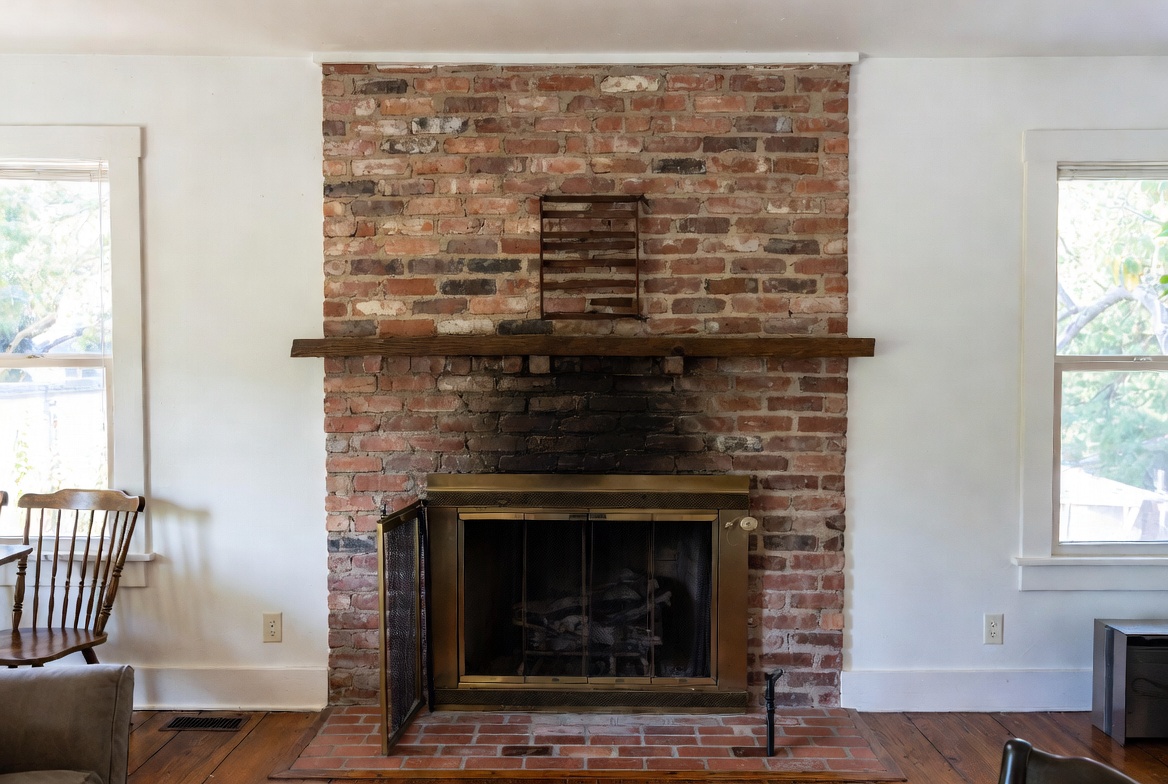
- fireplace walls
- entries and mudrooms
- long quiet living or dining walls
- stair walls that need more presence
- selected kitchen walls where the rest of the finish palette stays restrained
Places to Think Twice
- tiny decorative patches
- crowded kitchens with lots of small objects and strong finishes already in play
- bathrooms with too many moisture and cleaning demands for the payoff
- exterior applications without a real detail package
- rooms where better lighting, better storage, or better paint would solve the problem more honestly
What To Check Before You Buy
- Is it truly reclaimed, partially reclaimed, or manufactured to look reclaimed?
- Are matching corner pieces available?
- Is it rated for walls only, or also for floors or exterior use?
- What substrate does the manufacturer require?
- What sealer is recommended, and what sheen does that leave behind?
- How much thickness variation should you expect?
- What happens where the brick meets casing, cabinets, ceilings, or open edges?
- Have you seen a full installed sample, not just a neat little board?
Those questions tell you more than most marketing copy will.
FAQ
Is reclaimed thin brick worth the money?
Yes, when it is used on a wall or surface that genuinely benefits from more weight and age. No, when it is being used to fake character in a room that mainly needs better layout, better restraint, or fewer finishes competing at once.
What is the difference between reclaimed thin brick and manufactured thin brick?
Real reclaimed material usually brings more irregularity and face variation. Manufactured versions usually bring more control and easier installation. One is not automatically better. The room, the budget, and the installer decide which one makes more sense.
Can reclaimed thin brick go on floors?
Some products can, but not all. Floor-rated use is a separate performance category from wall veneer and should be treated that way.
Do I need corner pieces?
If the wall has visible returns or exposed edges, usually yes. Saving money there is one of the fastest ways to make the installation look flat and fake.
Does it need sealing?
Often yes, especially in kitchens, entries, mudrooms, and other splash-prone areas. The better move is a finish that protects the brick without making it shiny.
Is reclaimed thin brick good outside?
It can be, but exterior use is far less forgiving. Moisture, freeze-thaw exposure, movement, and detailing around openings make the system behind the brick just as important as the brick itself.
Bottom Line
Reclaimed thin brick is not valuable just because it is old-looking.
It becomes valuable when it gives a room something it was missing. Weight. Focus. Surface depth. A wall that feels more like part of the building and less like background.
That is also why people waste money on it. They buy the mood and skip the harder questions: is it real or imitation, where do the corners go, what does the sealer do, can the substrate handle it, is the room too busy already, and is this wall even worth emphasizing?
Ask those questions first. Reclaimed thin brick gets a lot more convincing once it stops trying to act like a shortcut.