
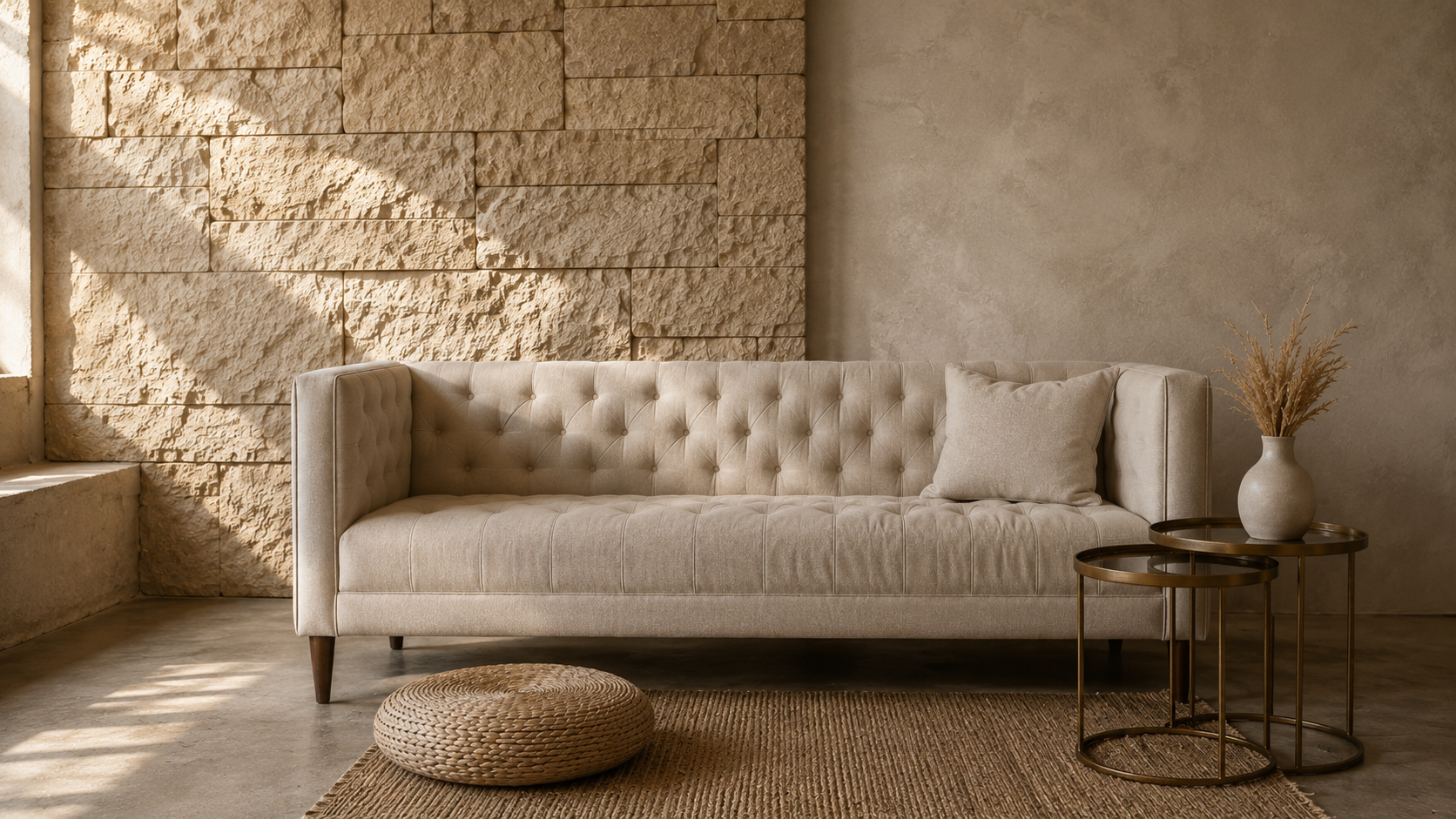
Stone moved inside long before it became a trend. Every decade architects rediscover how strong, low-maintenance, and expressive it can be.
This guide explains how stone works in real interiors—room by room—based on lived experience, not catalogs. What follows are lessons from projects where stone added weight, texture, and permanence to spaces that needed it.
Why Use Stone Indoors
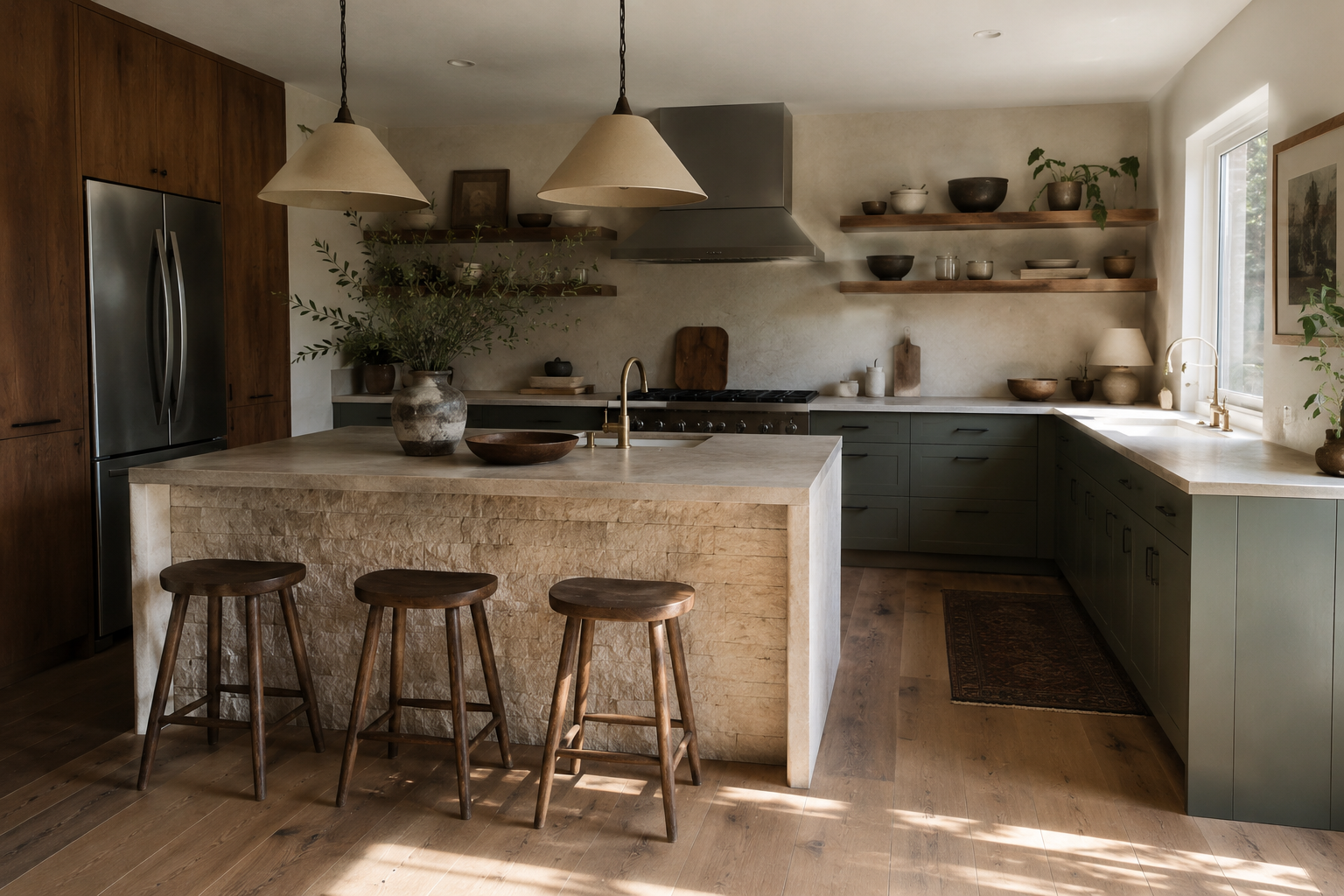
A stone kitchen island feels stronger when the room has wood, muted color, shadow, and texture around it instead of a flat all-white finish.
Stone lasts. It resists traffic, water, impact, and time. Unlike laminate or engineered finishes, it wears in, not out. In kitchens and halls, that means decades of use before replacement. In bathrooms and fireplaces, it means surfaces that still look deliberate after years of heat and moisture.
The real draw is versatility. Slate, limestone, marble, granite, travertine, and sandstone each behave differently. Pick one and it sets the tone for everything else. Learn more about natural stone benchtops if you plan to continue surfaces from kitchen to bath.
Field tip: Always match stone to use. Harder stones for floors. Denser ones for wet zones. Softer ones where touch matters.
Living Rooms and Entryways

A stone floor in a main living space anchors the room. Slate or travertine tiles absorb daylight and give depth to plain walls. Polished limestone brightens dark entry halls. For one project, I used split-face slate only on the lower meter of a foyer wall. It took scuffs without complaint and aged better than paint.
Accent walls in living rooms can turn a standard box into a balanced composition. One vertical surface in granite or slate is often enough. The trick is restraint—choose one focal wall and let texture replace color. See how facade planning principles apply to interior stone walls when detailing joins and corners.
Field Pick: Building with Stone by Charles McRaven. It covers fixing, bedding, and the patience required for good joints.
Kitchens: Work Surfaces That Endure
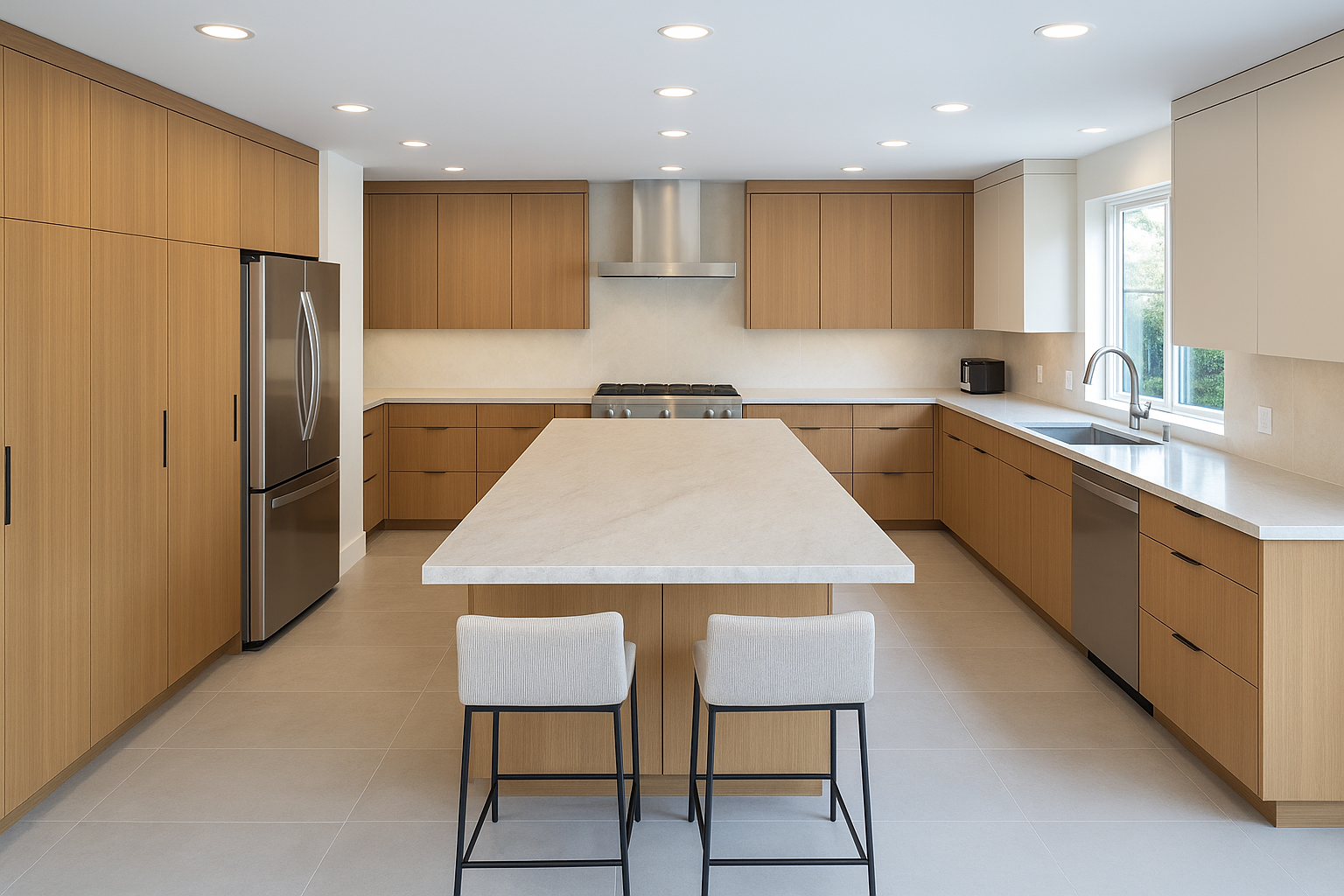
Kitchens show stone’s best qualities. Countertops in granite or soapstone take heat, knife edges, and spills. Backsplashes in honed marble or limestone reflect light but need sealing. For flooring, dense slate or porcelain-backed thin stone panels keep maintenance simple.
I once detailed a kitchen where the owner insisted on marble counters. We tested a sealed sample for two weeks with wine, lemon, and coffee. The stains became part of the surface story. If you can live with patina, marble rewards you. If not, granite or engineered stone may fit better. Stone Benchtops Prices: What You Need to Know gives cost and maintenance comparisons.
Installation costs often match material costs. Heavy slabs need proper substructure. Always check load limits before committing to thick tops or stone islands. Designing a Stone House includes notes on structural tolerance useful for kitchens too.
Bathrooms: Water Meets Stone
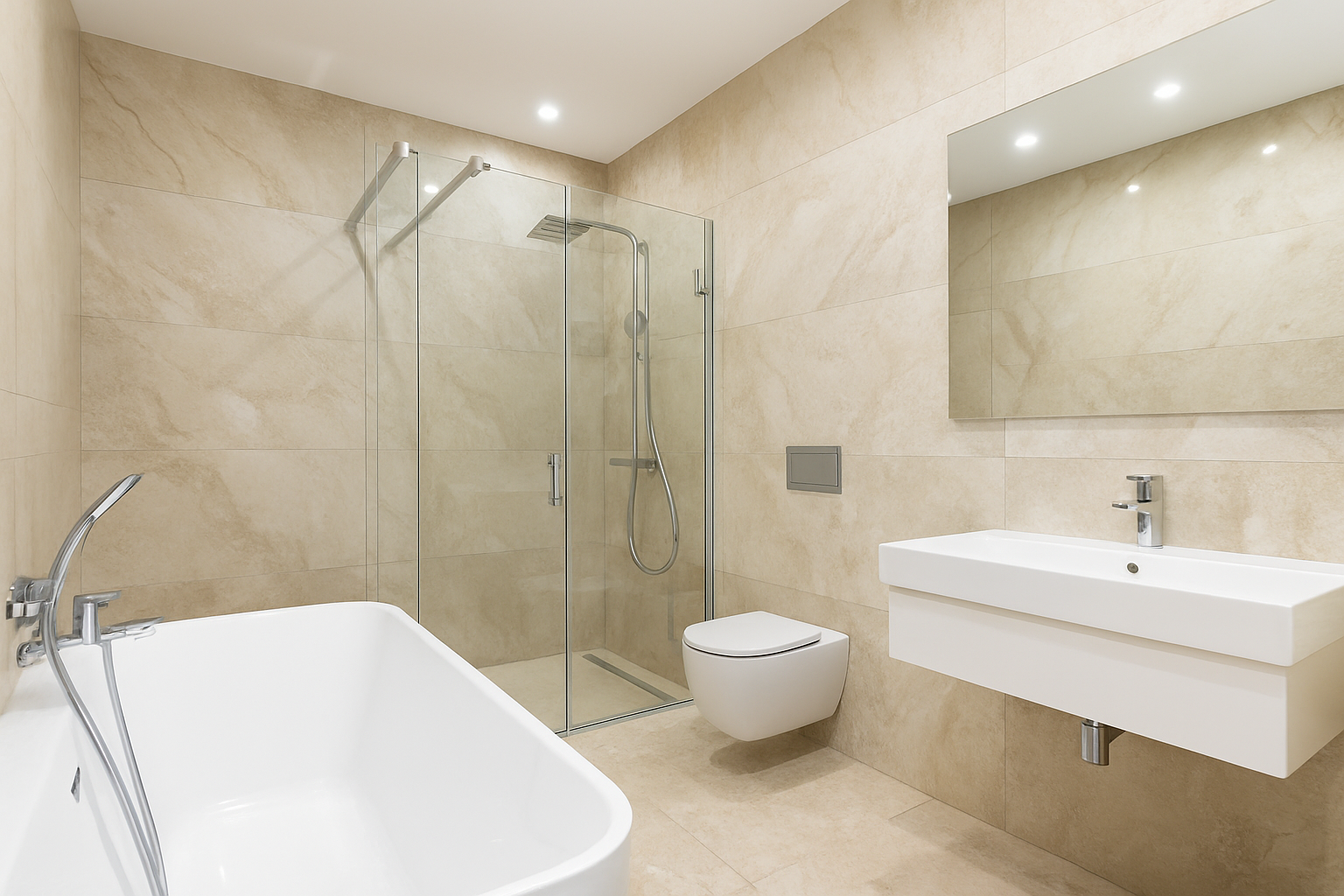
Bathrooms prove how stone handles moisture. Granite floors and marble walls make a small room feel permanent. Even tumbled travertine can look deliberate when joints are tight. Avoid polished limestone on wet floors—it’s slick. Sand-blasted or honed finishes work better.
Showers lined with slate or quartzite develop subtle color shifts over time. They are easy to clean and outlast tile grout by years. When budgets allow, single-slab shower walls remove seams completely. It costs more upfront but cuts future maintenance. See Calacatta marble design notes for details on sealing and finish selection.
Field Pick: Stone in Architecture: Properties and Durability by Siegfried Siegesmund and Rolf Snethlage. Technical but worth having when specifying stone near water.
Bedrooms: Quiet Materials
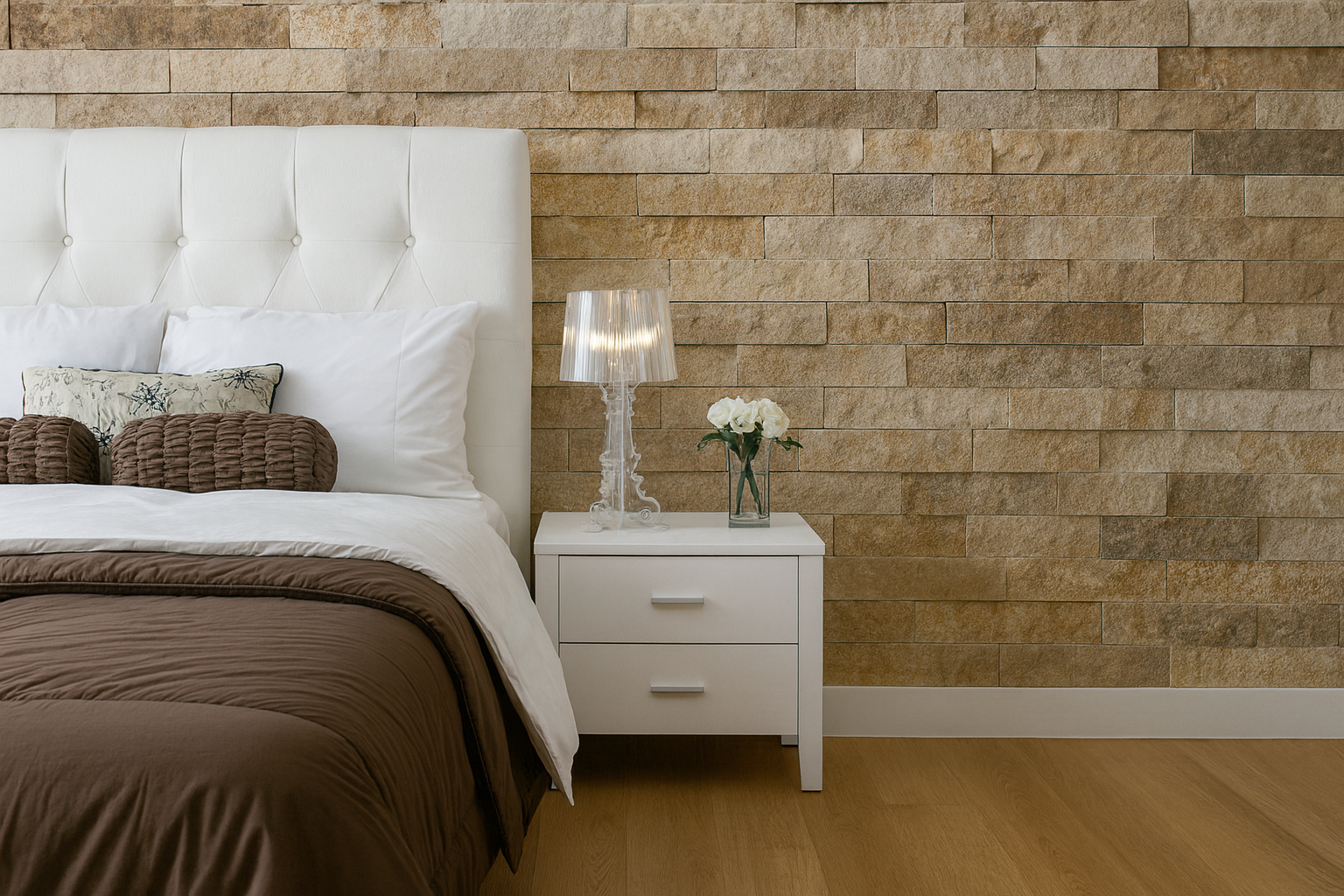
Bedrooms rarely use stone, but when they do, it’s about calm. One limestone wall behind the bed can frame the room like a headboard. A basalt threshold or window sill adds tactile weight without coldness. Pair stone with timber floors to keep warmth.
Clients worry stone feels cold. Radiant underfloor heating removes that issue. The combination of slate floors and low-temperature water systems works especially well. The surface stays at body temperature without over-drying the air.
Fireplaces and Feature Walls
A stone fireplace can define an entire house. Modern detailing uses flush joints and large pieces. Older houses benefit from smaller coursed stones. Avoid decorative veneers that only mimic texture. They chip easily and look dated fast.
In one renovation, we rebuilt a fireplace with local granite and a steel lintel. It took two masons a week but became the visual anchor for the living space. Maintenance is close to zero—just dusting. Modern Stone Homes shows how clean detailing keeps fireplaces from looking rustic.
Field Pick: New Stone Architecture by David Dernie. Includes contemporary fireplace and wall integrations.
Furniture and Small Details
Stone furniture is growing fast—coffee tables, benches, even sinks carved from single blocks. The key is proportion. Heavy material needs light framing. I worked on a marble dining table supported by narrow steel legs; it looked like it floated.
Edges matter. A blunt 3 mm chamfer stops chips. Always specify felt pads under stone pieces placed on timber floors. For custom furniture, confirm slab weight with your installer before fabrication.
Planning Stone Interiors Like a Pro
1. Match Stone to Function
Select based on wear and exposure. Harder stones like granite for kitchens, softer ones like limestone for bedrooms. Slate fits anywhere between. Natural Stone Benchtops: What You Need to Know covers durability charts and sealing advice.
2. Control Color and Texture
Each stone changes with light. Test samples in your actual room before ordering. Light stones open a space, dark ones add depth. Always check under both daylight and artificial light.
3. Think About Weight
Stone is heavy. Countertops and floors may need reinforcement. Discuss load capacity early. Never assume existing joists can carry new stone finishes.
4. Pick the Right Installer
Stone installation is precision work. Ask for previous interior jobs, not just exterior facades. A clean mitred edge in a corner tells you more about a contractor than any reference sheet.
Costs and Real Numbers
Stone costs vary but here’s what holds in practice:
- Granite: 40–100 USD per square foot installed
- Marble: 50–150 USD per square foot installed
- Slate: 30–90 USD per square foot installed
- Limestone: 50–100 USD per square foot installed
Labor adds 20–45 USD per square foot. Most of that covers cutting and transport. Stone Benchtop Prices explains the breakdown and where to save without hurting quality.
Good stone outlasts cheaper substitutes by decades. That makes its lifecycle cost lower than laminate or engineered composites. When maintained, it increases property value more than any paint or veneer upgrade.
Room-By-Room Quick Guide
Kitchen
Use granite or soapstone for counters. Slate or quartzite for floors. Avoid polished marble unless sealed often.
Bathroom
Choose honed marble or limestone. Use non-slip finishes for floors. Seal joints yearly.
Living Room
Try one feature wall in slate or basalt. Keep the rest neutral. Let light shape texture.
Bedroom
Introduce stone subtly—a window sill, bench top, or bedside plinth. Balance weight with fabric and timber.
Hallway or Entry
Pick dense flagstone or granite tiles. They hide wear and define threshold character.
Maintenance and Care
Stone needs less attention than people think. Dust and mop weekly with neutral cleaner. Reseal polished surfaces every few years. Avoid acids. When stains appear, poultice with baking soda paste instead of bleach.
If grout cracks, repair early to stop water migration. Small chips can be sanded and repolished. Heavy damage usually signals poor bedding—an installation problem, not a material flaw.
Sustainability and Local Sourcing
Local stone reduces transport impact and supports regional quarries. Many areas offer reclaimed slabs or cutoffs from larger builds. Reusing stone keeps embodied energy low and adds story to interiors.
Consider Limestone Calcined Clay Cement (LC3) when pairing stone with modern eco-binders for flooring. It lowers CO₂ footprint without losing strength.
Field Pick: The Stonebuilder’s Primer by Charles Long. Straightforward approach to sourcing and environmental design.
Common Mistakes
- Choosing polished finishes for wet floors
- Ignoring structural load limits
- Skipping sealing and expecting zero maintenance
- Mixing too many stone types in one space
- Hiring installers without indoor stone experience
FAQ
Is Stone Hard to Maintain Indoors?
No. Wipe, reseal occasionally, and it will last decades. Harder stones need even less care.
Can Stone Work in Minimalist Designs?
Yes. Use large plain slabs with fine joints. Pair with glass and steel. Stone in Interior Design shows minimal layouts that keep spaces light.
Does It Make a Room Cold?
Only without heating. Combine with radiant systems for consistent comfort.
Is It Expensive?
Upfront yes, but low lifetime cost. It rarely needs replacement.
Can I Use Stone in Small Rooms?
Yes. Light tones and continuous joints make spaces feel larger. Try pale limestone or honed marble for reflection.
Final Thoughts
Stone inside is not about fashion. It is about permanence. Once installed, it becomes part of the building’s bones. Every mark adds story. Every reflection tells you where the light comes from. When used with care, it outlasts its owners.
For more practical guides, see Stone Architecture Basics and Designing a Stone House. Both connect the interior lessons here to exterior detailing.
Field summary: choose wisely, install carefully, and let stone age on its own terms.