
Stone Facades: How to Get It Right the First Time
Planning a stone facade? Here’s what matters: the right material, the right layout, and smart detailing.
Stone isn’t just for show—it affects weight, drainage, thermal performance, and cost. I’ve designed everything from rural cottages to sharp-edged modern builds, and when stone is done right, it makes the whole structure feel grounded and permanent.
This guide breaks down what I’ve learned:

-
How to choose the right stone (and avoid the wrong one)
-
What most people miss in layout and layering
-
Real examples of what works—and why

No fluff. Just expert tips that’ll save you time, money, and regret.
Related: Contemporary & Modern Stone Homes: Merging Tradition with Innovation in Architecture
Planning a stone facade for your home?
Learn the ins and outs of stone selection, placement, and installation for a stunning exterior.
Why Choose Stone for Your Facade?
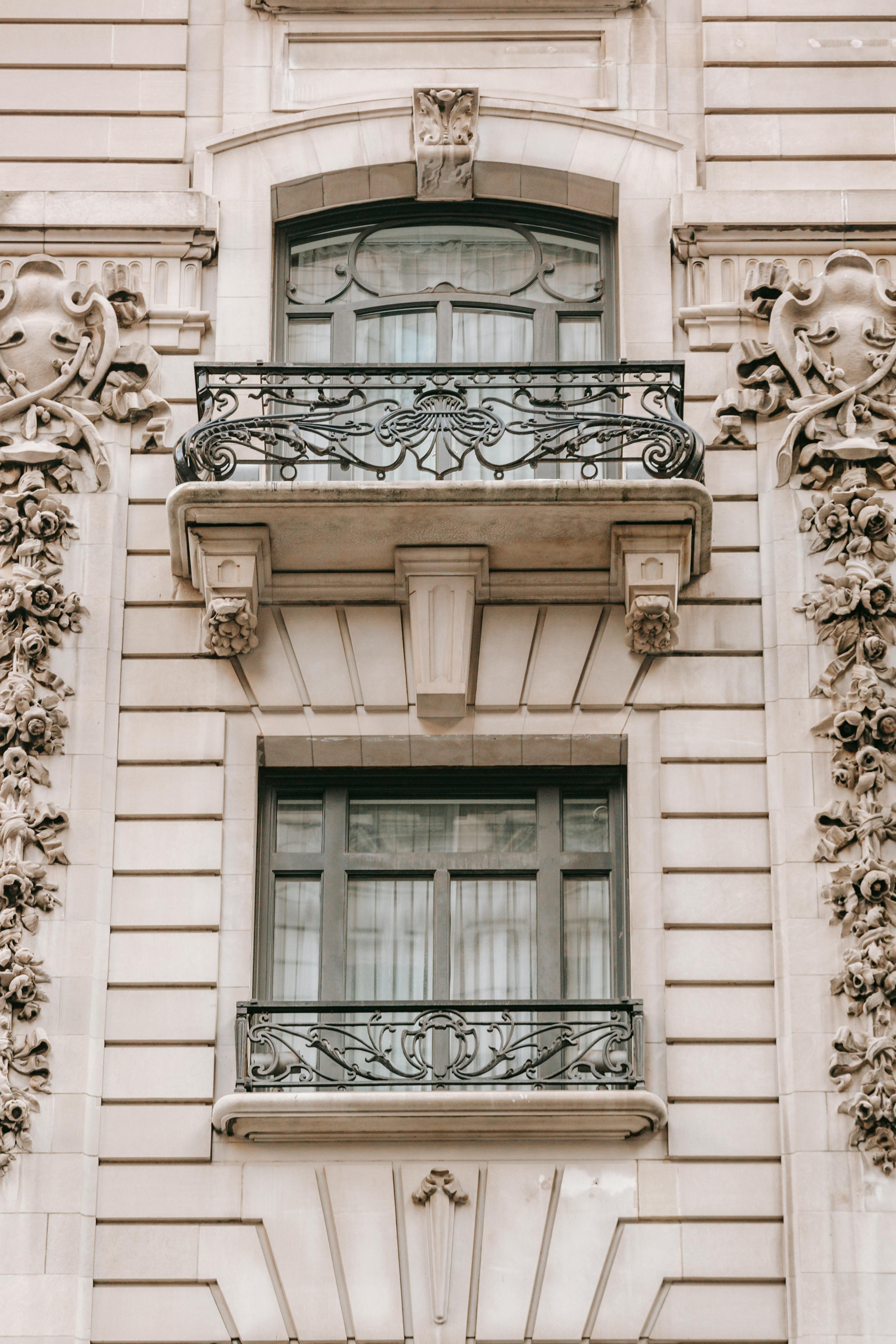
IMAGE: Traditional Italian stone facade featuring arched openings, rustic masonry, and architectural details that reflect Mediterranean design.
The first question to tackle is: why stone?
Stone costs more—but for good reason. If you want a facade that holds up and actually looks better over time, here’s why stone still wins:
So, Why Use Stone on a Facade?
1. It Lasts Longer Than Anything Else
Stone doesn’t rot. It doesn’t warp. It doesn’t peel. From desert heat to coastal storms, it survives conditions that destroy cheaper materials. Some of the oldest buildings on earth are stone—and they’re still standing.
Real Example: I worked on a seaside home where salt air rusted every metal fixture. The stone? Looked the same ten years later.
2. It Ages Well
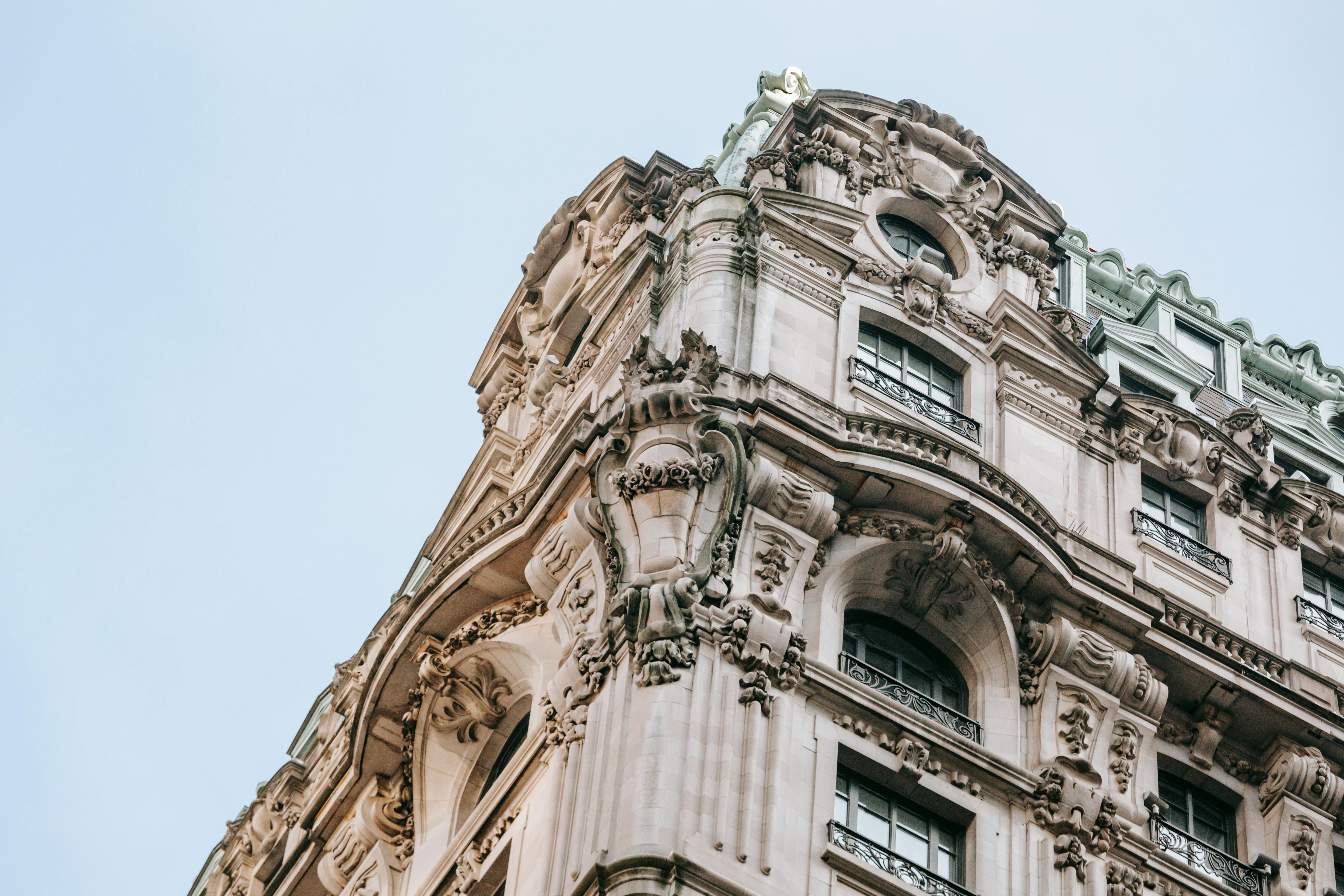
IMAGE: Classic stone building with intricate masonry and design details, showing no signs of wear—an example of durable architecture that ages gracefully over time.
Most materials get uglier with time. Stone doesn’t. It weathers. It gains character. The color deepens, the edges soften, and it blends into the landscape in a way synthetic cladding never will.
Bonus: Stone comes in dozens of textures and shades—granite for sharp lines, limestone for softness, slate for bold contrast.
3. It’s Actually Sustainable
No coatings. No chemical treatments. Just cut, transport, and install. If sourced locally, stone has a lower carbon footprint than concrete or composite panels.
It also helps with thermal mass—absorbing heat during the day, releasing it at night.
Planning Your Stone Facade
Designing a Stone Facade That Actually Works

Stone can make your house look solid, grounded, and timeless—if you plan it right. I've seen beautiful facades fall flat because the stone was wrong, placed badly, or clashed with everything else.
Here's what you need to know before you start laying anything.
1. Pick the Right Stone for Your Climate and Look

Every stone behaves differently. Some crack in freeze-thaw. Some fade fast. Some cost a fortune to maintain. Here’s what to focus on:
- Limestone – Light, smooth, great for modern or traditional. Easy to cut. Best in dry or mild climates.
- Granite – Strong, dense, and durable. Comes in dark or speckled finishes. Perfect for tough weather.
- Sandstone – Warm tones, rough texture. Good for earthy, rustic designs. Needs sealing in wet areas.
- Slate – Dark, bold, and clean. Works best on modern homes. Can get slippery when used on steps.
- Marble – Luxurious but soft. Use for accents only—it stains and weathers easily outdoors.
Architect Tip: I once used limestone on a dry hillside home in California—aged beautifully. But on a snowy build in Quebec, granite was the only smart choice. Always match the stone to the climate.
2. Don’t Just Cover Everything: Use Stone Where It Makes Sense
Where you place stone changes everything. Some homes look heavy and overdone because the stone overwhelms the design. Others look underwhelming because it’s used too sparingly.
Three smart options:
- Full Facade: Good for larger homes—just balance it with lots of glass or wood to keep it from feeling bulky.
- Accent Zones: Use stone around entryways, columns, or the lower level. Clean and cost-effective.
- Stone + Glass Combo: One of my favorite builds had granite columns framing 12-foot glass walls. The mix of solid + transparent made the whole house feel modern and powerful.
3. Coordinate Color or It’ll Clash

Stone comes in dozens of tones—from warm honey and beige to charcoal and black. If you ignore color pairing, the house will look patched together. Here’s how to get it right:
- Light stone (like cream limestone) → Great for brightening dark exteriors
- Dark stone (like slate or black granite) → Bold and moody, especially when paired with metal or wood
Real-World Tip: Always test stone samples outside your actual house. Look at them in morning, noon, and dusk light. The same stone can shift wildly in tone depending on lighting.
Don’t pick stone from a catalog. See it in person. Hold it in your hands. Place it against your siding. And ask what it’ll look like in 10 years—not just on move-in day.
Done right, a stone facade makes your home feel permanent. Done wrong, it just adds cost. Plan carefully—and use every inch of it with purpose.
Don't Go for Generic Stone Facades: Be Smart, Be Informed
Real Talk
Why Stone Facades Fail (And How to Get Them Right)
Too many homes today slap on stone without thinking. The result? Bland, heavy, awkward-looking walls that cost a lot—but don’t look great.
Stone is a powerful material. But you need to use it with purpose.
Here's what I’ve learned after designing dozens of stone homes:
1. Know Your Stone — Not All Are the Same
Before picking colors, learn the basics:
Granite
- Tough, water-resistant, great for bad weather
- Best for modern homes with steel or glass
- Tip: Go for polished, not rough—keeps it clean and sleek
Limestone
- Softer, elegant, light color
- Great for classic or Mediterranean designs
- Tip: Needs sealing. Avoid in areas with water or snow.
Sandstone
- Warm, rustic, earthy look
- Best in dry climates
- Warning: Not great near oceans or constant rain. It erodes fast.
Slate
- Dark, bold, dramatic
- Looks great on modern or industrial-style homes
- Watch out: It can be brittle. Use it high up, not near foot traffic.
2. Use Stone Wisely — Don’t Overdo It
More stone doesn’t mean better. Balance is everything.
Where to use stone:
- Entryways
- Pillars or columns
- Lower walls
- Around windows
Pair with:
- Wood
- Glass
- Stucco
Avoid:
- Covering the entire facade
- Using too many textures or types of stone at once
Pro tip: Keep it under 60% of the exterior. Mix with lighter materials to break up the weight.
3. Ask These Questions Before You Start
- What’s the weather like where I live?
- Can this stone handle moisture, frost, heat?
- What’s my budget?
- Am I using stone as a main feature or just accents?
- Does the stone match the style of my home?
4. Hire People Who Know Stone
Stone is heavy, expensive, and hard to fix if done wrong.
What to look for:
- A contractor with real stone experience
- Photos of past projects
- Clear talk about sealing, drainage, and installation
Red flags:
- Bad mortar work
- No water protection plan
- Cheap shortcuts on finish work
5. Common Mistakes to Avoid
- Too much stone: Makes your home feel heavy and dark
- Wrong type for your climate: Limestone in rain = erosion
- Bad installation: Cracks, loose stones, water damage
- No drainage: Water gets trapped, causes damage
- Mismatched colors: Always check samples in daylight
- No maintenance plan: Stone needs sealing and cleaning
6. The Science Behind Stone
Thermal Mass
- Stone stores heat, releases it slowly
- Helps keep your home cool in summer, warm in winter
Weather Resistance
- Granite and slate are great for harsh conditions
Porosity
- Some stones soak up water—like limestone or sandstone
- Ask: Does this stone need sealing? How often?
Designing the Perfect Stone Facade: What to Ask Your Architect
Working with an architect? Good call. Just don’t sit there nodding at every suggestion. Ask smart questions. Some might even save your budget—or your house.
Try these:
- What kind of stone fits my home's style and location? (Please don’t say “whatever’s cheapest.”)
- How will the stone work with other materials like wood or glass? I don’t want my house to look like a medieval sandwich.
- Will this stone need a lot of maintenance where I live? Or will I be out there sealing it every fall?
- Can we keep it modern without making it look cold? (Glass + stone can be great—unless it screams corporate lobby.)
- What should I expect for cost and timeline? Be honest—I won’t cry (yet).
Build It to Last
Done right, a stone facade will make your home look solid, sharp, and timeless. But it’s not just about looks.
It’s about:
- Choosing the right stone for your climate
- Knowing where and how to use it
- Hiring the right crew to install it right the first time
Skip the “stone castle” mistake. Be smart. Use stone to elevate—not overwhelm—your design.
Related
- Contemporary & Modern Stone Homes: Merging Tradition with Innovation in Architecture
- Stone House Design: What I Learned the Hard Way
Cost of a Stone Facade: Is It Worth It?
Let’s talk money. Stone isn’t cheap—but if you do it right, it pays off.
1. Material Costs
- Natural stone (like granite, limestone, slate): $20–$50 per square foot
- Premium stone (like marble): $60 and up
- Engineered or faux stone: $10–$25 per square foot (cheaper, but not always convincing)
2. Installation Costs
- Labor is where it adds up. Stone is heavy and needs skilled masons.
- Expect $30–$70 per square foot for installation.
- Costs rise with complex patterns, curved walls, or vertical heights.
3. Hidden Costs to Watch For
- Sealing (especially limestone and sandstone): Every few years
- Structural support: Stone adds weight—your home needs to be able to carry it
- Foundation and drainage work: Don’t skip it or water damage will find you
4. Is It Worth It?
- Yes—if you plan long term
- Stone won’t warp, rot, or fade like siding
- It adds real resale value and curb appeal
- Less repainting, fewer repairs
Architect’s Advice: If you’re staying in your home for 10+ years, the investment pays for itself in value, maintenance, and looks. If you’re flipping the house in 12 months—use stone as an accent, not the whole facade.
FAQ
Everything You Need to Know About Designing a Stunning Stone Facade
- How durable is a stone facade? Stone facades are incredibly durable and can last for decades with minimal maintenance. Stones like granite or slate can withstand harsh weather conditions for years.
- What is the best stone for a modern home? For contemporary designs, slate and granite are excellent choices. They offer clean lines and a sleek look that pairs well with modern architecture.
- Can I mix stone with other materials on my facade? Yes, mixing stone with wood, metal, or glass can create a striking and balanced design. This is a great way to soften the heavy look of stone.
- Can I mix different types of stone in one facade?
Yes, but do so thoughtfully. Stick to stones with complementary colors and textures to avoid a disjointed look. - Is stone expensive for a facade? Stone is more expensive than other materials like siding, but it’s a long-term investment. It’s durable, low-maintenance, and adds significant value to your home.
- How do I maintain a stone facade? Maintenance is minimal. Occasional cleaning and ensuring proper drainage are usually enough to keep a stone facade looking its best.
- How often do I need to maintain my stone facade?
Depending on the type of stone, you’ll need to seal it every 3–5 years and clean it regularly to prevent moss or dirt buildup. - What’s the best type of stone for a low-maintenance facade?
Granite and slate are great options for low maintenance, as they’re less porous and more resistant to the elements. - How much should I budget for a stone facade?
Stone facades can range from $50 to $150 per square foot, depending on the stone and labor involved.
Related
- Stone in Architecture: Modern Uses and Importance
- Stone House Design: What I Learned the Hard Way
- Contemporary Stone Homes: Expert Guide to Facades, Fireplaces, and More
- Contemporary & Modern Stone Homes: Merging Tradition with Innovation in Architecture
- Natural Stone for Architecture: Types, Benefits, and Design Insights
- Stone Inlay in Architecture: From Cultural Heritage to Modern Design
- Natural Stone Benchtops: What You Need to Know
- Stone in Interior Design: How to Incorporate Stone Throughout Your Home
- Materials Selection: Best Practices for Architectural Design and Sustainability
- Tudor Style Houses: Architectural Features, Examples, and Facts