
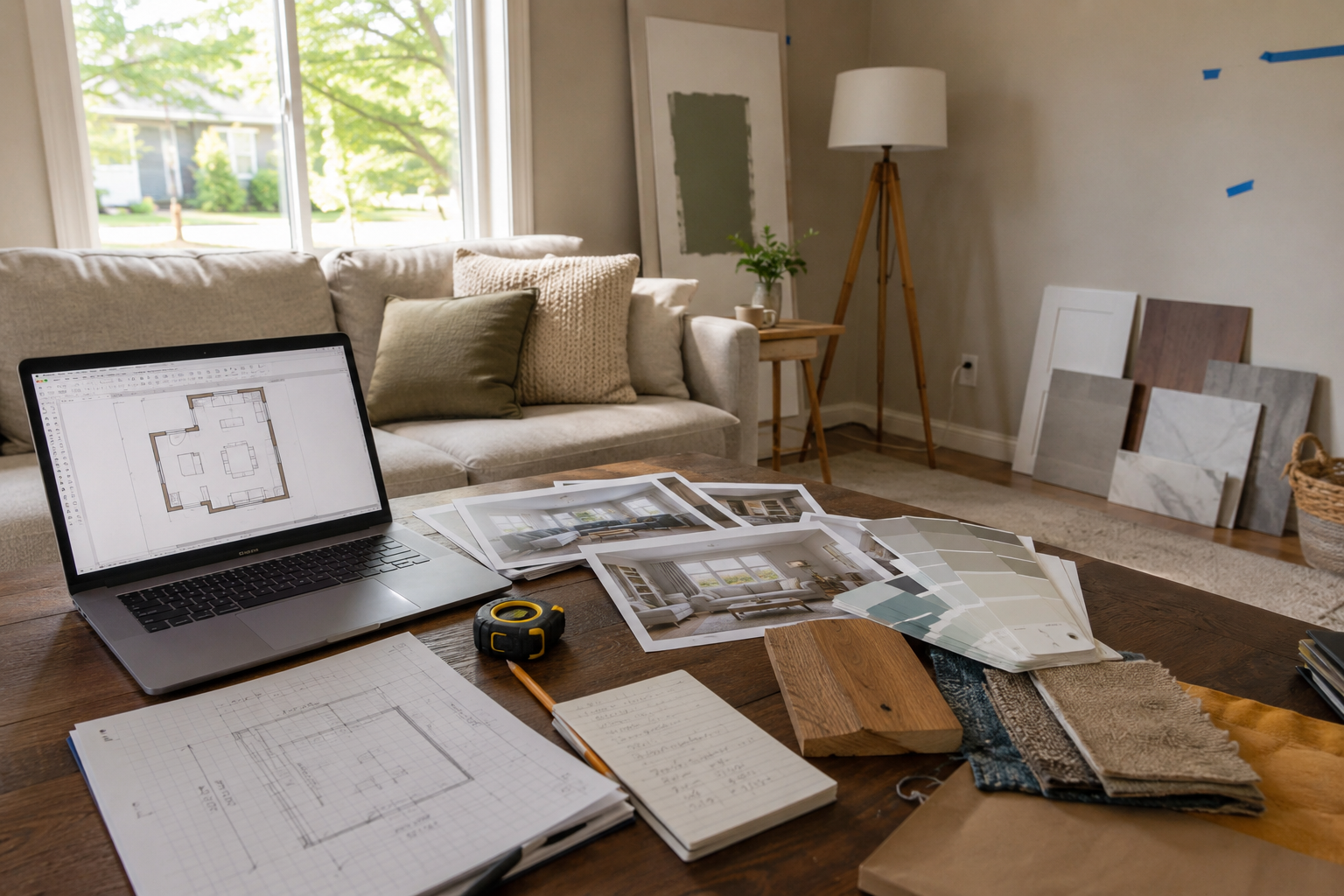
Free home design software can save you money before you spend real money.
It helps you test a room, move furniture, try colors, and see a basic plan before buying materials or calling a contractor.
It also has limits. A free app can make a room look good on screen and still miss a bad stair, a tight doorway, a weak wall, or a permit problem.
Use free software for planning, learning, and explaining ideas. Bring in real help when the work affects structure, code, permits, wiring, plumbing, stairs, roofs, or major renovation work.
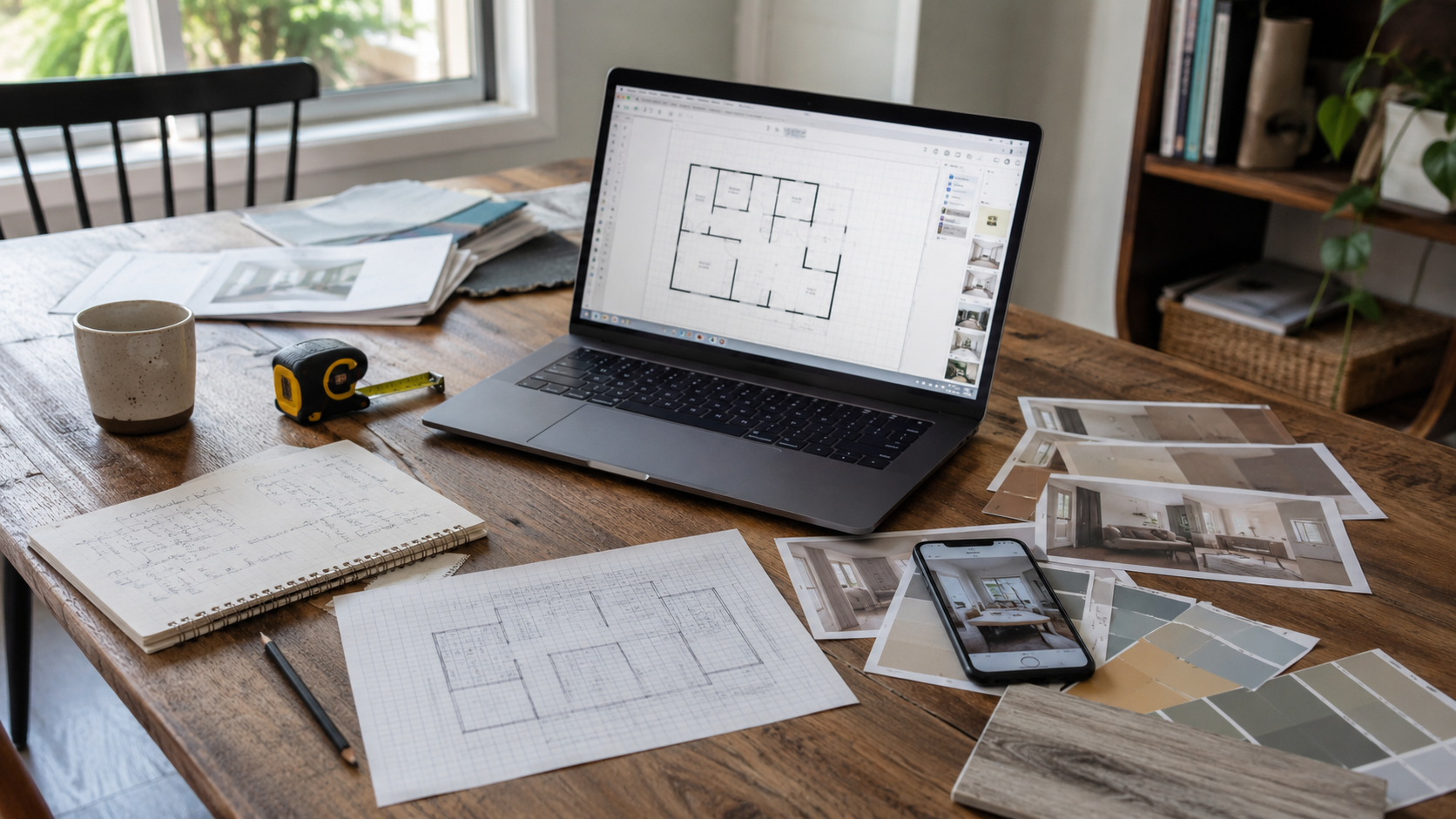
Who Free Home Design Software Helps Most
A homeowner, student, beginner, and professional do not need the same tool.
A homeowner may only need to know whether a sofa fits. A student may need to learn plans and 3D. A professional may only use a free tool for a quick early idea.
| User | Best use of free software | Where free tools fall short |
|---|---|---|
| Homeowners | Room layouts, furniture tests, color ideas, simple floor plans | Permits, structure, code, contractor-ready drawings |
| Students | Learning plans, 3D modeling, rendering, and portfolio practice | Advanced BIM, office standards, large coordinated projects |
| Beginners | Understanding space, scale, furniture, light, and basic 3D | Precise details, material specs, and professional drawings |
| Professionals | Quick sketches, early client ideas, mood tests, simple visuals | Final drawings, liability, team work, and paid deliverables |
Free is not the whole answer. A free tool can be perfect for testing a bedroom and useless for a permit set.
Start with the job. Then choose the tool.
For the basic design process, read how to design your own house and architectural drawings before trusting any app to solve the whole project.
The Best Free Tools by Job
Do not pick software because a list calls it the best.
Pick the tool that does the job in front of you.
| Job | Best free or free-start tools | Best for |
|---|---|---|
| Simple floor plans | RoomSketcher, Floorplanner, Planner 5D, Sweet Home 3D | Homeowners and beginners |
| 3D room planning | SketchUp Free, Sweet Home 3D, HomeByMe, Homestyler | Room layouts and basic visuals |
| Learning 3D modeling | SketchUp Free, Blender, FreeCAD | Students and serious beginners |
| Interior ideas | Homestyler, Planner 5D, RoomSketcher, HomeByMe | Furniture, colors, finishes, and mood tests |
| Technical drafting practice | FreeCAD, LibreCAD, student versions where allowed | Students and detail-minded users |
| Presentation images | Blender, SketchUp Free, Homestyler, HomeByMe | Portfolio and concept visuals |
Best Free Home Design Software for Homeowners
Homeowners need tools that answer plain questions.
- Will this sofa fit?
- Can the dining table move here?
- Does this kitchen layout feel cramped?
- Where should the bed, desk, or storage go?
- Will a darker wall color make the room feel smaller?
A homeowner does not need heavy professional software for those questions.
You need a tool that lets you draw a room, place furniture, test views, and change ideas without fighting the screen for an hour.
Good homeowner choices
- RoomSketcher: good for simple floor plans and room planning.
- Floorplanner: good for quick online layouts.
- Sweet Home 3D: good for basic plans, furniture layout, and 3D room views.
- Planner 5D: good for simple 2D and 3D home ideas.
- HomeByMe: good for room visuals and interior tests.
Use these tools for planning. Do not treat a homeowner floor plan as construction drawings.
A simple plan can help explain an idea to a contractor. It does not tell a contractor how to build it.
For room planning basics, connect the software work to space planning and layout. A floor plan is only useful when the room still works in daily life.
Best Free Home Design Software for Students
Students need more than a room planner.
You are learning space, scale, drawings, models, light, and presentation.
A simple student stack works:
- Use SketchUp Free for quick 3D massing and room models.
- Use Blender for stronger rendering and more control.
- Use FreeCAD or LibreCAD for drafting practice.
- Use PDF or slides for clean presentation boards.
Do not collect software for the sake of it. Show that you understand the design.
A clean plan, one good section, one model view, and a short design note beat a folder full of random screenshots.
For school or job applications, read interior designer portfolio development and real architecture portfolios.
Best Free Home Design Software for Beginners
Beginners get lost when the first project is too big.
Start with one room.
Do not start with a full custom house, roof plan, plumbing plan, structural system, and polished render.
A better first project looks like this:
- Measure one room.
- Draw the walls, door, and windows.
- Add the main furniture.
- Test two layouts.
- Make one simple 3D view.
- Save a PDF or image that explains the idea.
SketchUp Free, Sweet Home 3D, RoomSketcher, and Planner 5D can all help with this.
The right first tool is the one you can still use after the first hour.
Best Free Tools for Professionals
Professionals can use free tools, but the use is narrow.
A designer, architect, or builder may use a free tool for quick idea testing, early layouts, client mood options, or a simple before-and-after view.
Final paid work needs stronger control: office standards, file naming, specs, drawings, exports, code review, and responsibility.
Free tools can help at the start. Professional judgment still carries the job.
Where free tools still help pros
- early client sketches
- simple 3D massing
- quick room layouts
- furniture blocking
- mood and color studies
- simple before-and-after explanations
Where pros usually need paid tools
- permit drawings
- BIM coordination
- construction details
- large projects
- team file sharing
- client deliverables with legal responsibility
For professional interior projects, software is only one part of the work. Scheduling, approvals, drawings, samples, and client decisions matter too.
See interior design project management for that side of the workflow.
What Free Home Design Software Does Well
Free tools are best at early planning.
- Room layout: test furniture, doors, windows, and walking space.
- Basic 3D: see the size and shape of a room.
- Color ideas: compare light and dark rooms before painting.
- Furniture planning: check whether a table, bed, sofa, or desk fits.
- Learning: practice plans, models, and presentations without paying.
- Family or client discussion: show an idea clearly before spending money.
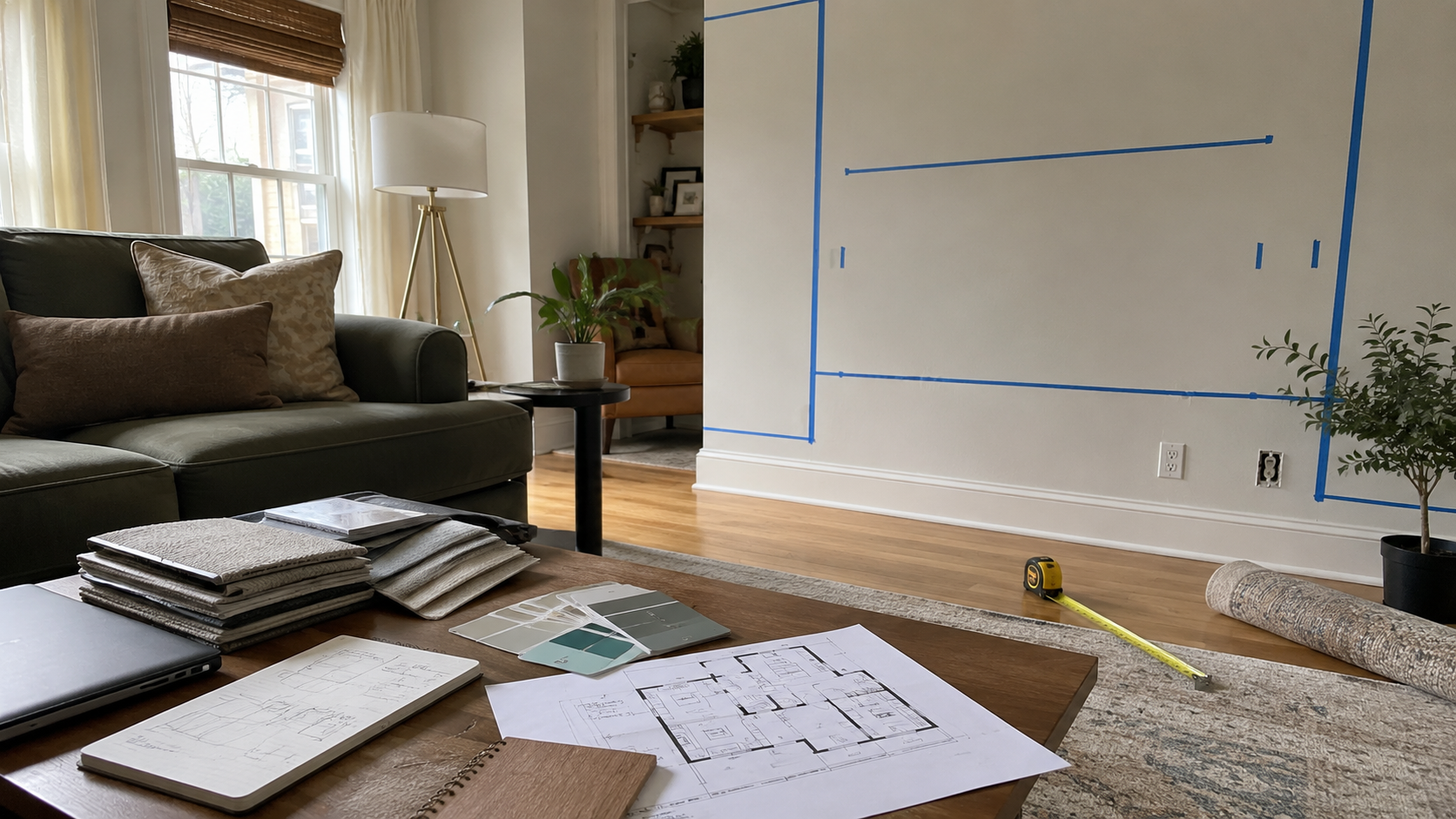
That is enough for many small decisions.
Rearranging a bedroom, planning a home office, testing a living room, or comparing furniture sizes may not need paid software at all.
Where Free Home Design Software Gets People in Trouble
Free software can make a weak plan look finished.
That is the risk.
The room may look clean on screen while the real project still has tight stairs, poor drainage, bad wiring, a blocked window, or a wall that cannot move.
- It may not check local building code.
- It may not size beams, joists, walls, or foundations.
- It may not produce permit-ready drawings.
- It may not show real plumbing, duct, or electrical conflicts.
- It may not handle exact product specs.
- It may limit exports, render quality, project count, or commercial use.
- It may make rooms look bigger or brighter than they are.
Use free software to think, test, and explain.
Do not use it as proof that a wall can move, a beam is safe, or a permit will pass.
Bring in a qualified professional when the design affects structure, stairs, exits, windows, foundations, drainage, or major building systems.
Free vs. Paid: When to Upgrade
Stay with free software for learning, planning, testing, and simple ideas.
Upgrade when the project needs speed, accuracy, better exports, stronger renders, larger libraries, commercial rights, or coordinated drawings.
| Stay free for... | Upgrade or hire help for... |
|---|---|
| Testing furniture placement | Moving walls or changing structure |
| A simple room plan | Permit or contractor drawings |
| Learning design basics | Paid client work |
| Low-res visuals | High-quality renders or walkthroughs |
| One-room planning | A full renovation |
Tool-by-Tool Advice
SketchUp Free
SketchUp Free is one of the best first tools for 3D home design.
It works well for simple models, room massing, furniture blocking, and early house ideas.
Use it to understand space in 3D. Check the free version limits before using it for serious drawing output.
Sweet Home 3D
Sweet Home 3D is a good beginner tool for interiors.
It helps you draw a home plan, arrange furniture, and view the room in 3D.
Use it for room planning, furniture layout, and simple home ideas. It is not the best choice for structural work or polished professional drawings.
RoomSketcher
RoomSketcher is useful for simple floor plans and room visuals.
It is easy to understand, which makes it useful for homeowners.
The free plan can help you test the app. Stronger features may require a paid plan, so check the current limits before building a full workflow around it.
Planner 5D
Planner 5D is good for quick 2D and 3D home layouts.
It works well for simple room and home ideas.
Some furniture items, rendering features, and premium tools may need paid access.
HomeByMe
HomeByMe is useful for interior planning and 3D home visuals.
It can help homeowners test layouts and furniture before buying anything.
The free account has limits, so it works best for early planning or a small number of projects.
Homestyler
Homestyler is useful for interior design ideas, furniture layouts, and quick visuals.
It can help homeowners and beginners see style options faster.
The free plan can be useful, but advanced rendering and extra features may require upgrades.
Blender
Blender is powerful and free.
It can create strong 3D models and renders, but it is not the easiest first tool for a homeowner who only wants to move furniture around.
Use Blender as a student, serious beginner, or designer who wants to learn 3D visualization. Skip it for a quick Saturday room plan.
FreeCAD
FreeCAD is open-source and useful for technical, parametric modeling.
It fits detail-minded users better than casual decorators.
Use it to learn CAD logic. Do not expect it to feel like a simple drag-and-drop room app.
Best Simple Stack by User
| User | Simple free-start stack | Why it works |
|---|---|---|
| Homeowner planning one room | RoomSketcher, Sweet Home 3D, or Planner 5D | Fast layouts and easy furniture planning |
| Homeowner planning a remodel idea | SketchUp Free plus simple PDF notes | Better for explaining space and volume |
| Interior design beginner | Sweet Home 3D, Homestyler, SketchUp Free | Good mix of room planning and visuals |
| Architecture student | SketchUp Free, Blender, FreeCAD or LibreCAD | Better learning path for modeling, rendering, and drafting |
| Professional testing ideas | SketchUp Free, Blender, AI mood tools, PDF presentation | Good for early ideas, not final deliverables |
How to Start Without Getting Lost
Start smaller than you think.
Do not open ten tools. Do not design the whole house on day one. Do not start with a perfect render.
Start with one room or one floor.
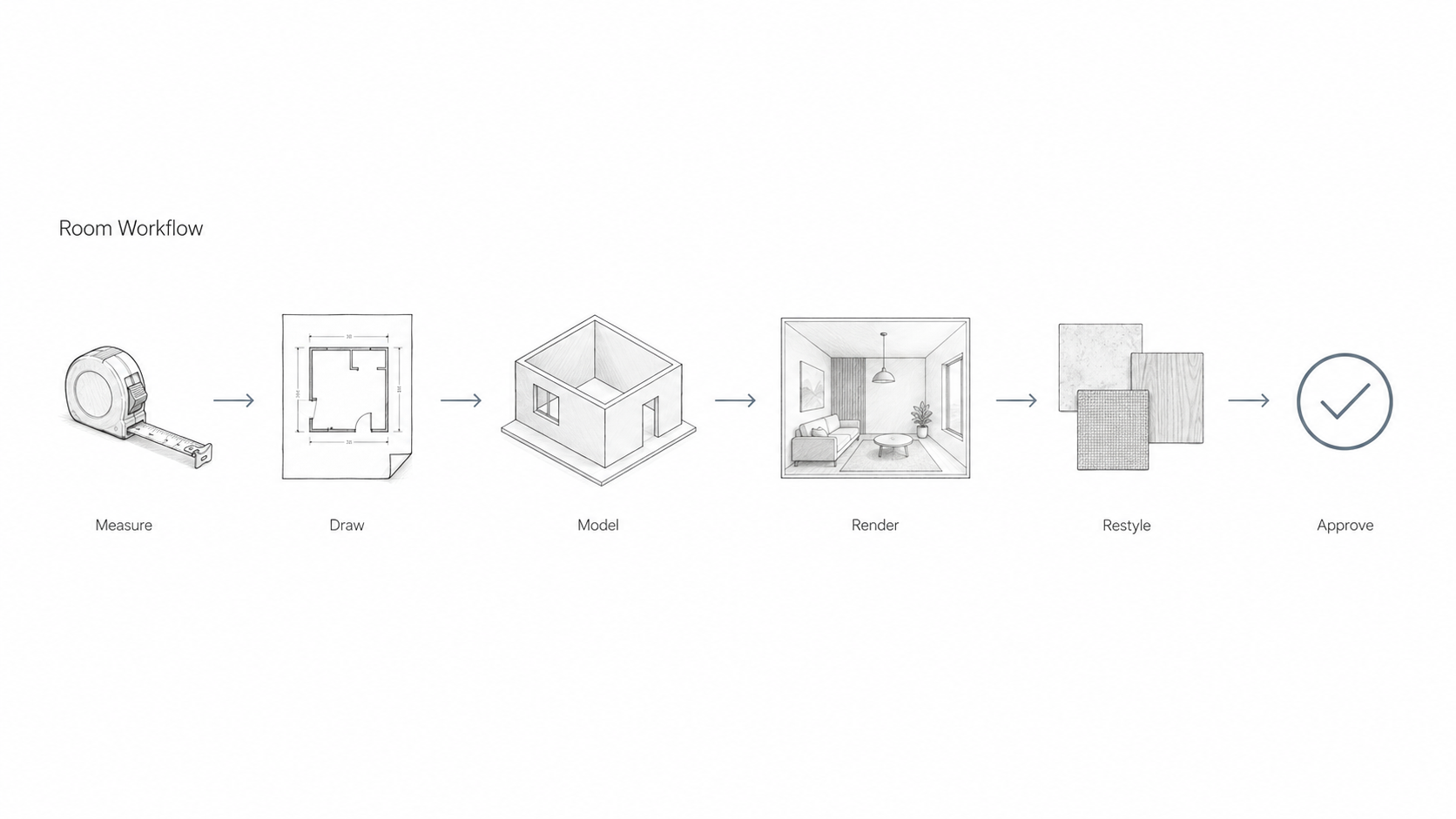
- Measure the room or house area.
- Draw the walls and openings.
- Add the main furniture or fixed elements.
- Test two layouts.
- Check walking space and door swings.
- Make one simple 3D view.
- Write down what still needs a professional check.
This keeps the software useful.
The goal is not a perfect digital house. The goal is a better decision before spending money.
The Mistakes Free Software Makes Easy
Free tools are helpful. They can also make beginners too confident.
1. Making the room too perfect
Real rooms have vents, outlets, switches, uneven walls, pipes, beams, baseboards, trim, radiators, columns, and awkward corners.
Add these early. They change the design.
2. Trusting furniture sizes
App furniture can be close, but not exact.
Before buying, check the real product size from the manufacturer.
3. Ignoring walking space
A sofa can fit on screen and still make a room hard to walk through.
Leave space for doors, chairs, drawers, cabinets, and daily movement.
4. Designing without light
A color that looks good on screen can look dull in north light or harsh in afternoon sun.
Use samples before painting or buying finishes.
5. Treating a concept plan like a construction plan
A concept plan helps explain an idea.
A construction plan tells someone how to build it. Those are different things.
When You Still Need a Designer, Architect, or Contractor
Free software does not carry professional responsibility.
Get help when the work includes structure, stairs, roof changes, exterior walls, additions, major plumbing moves, electrical changes, load-bearing walls, permits, or code questions.
A free floor plan can still help. It can show what you want.
A professional checks what is safe, legal, buildable, and worth the money.
For design roles, read architecture vs interior design.
For Interior Design Projects
Free home design software works especially well for interiors.
Many interior questions are visual and spatial. Furniture, rugs, lighting, wall color, storage, and material direction can all be tested before buying.
That can prevent bad purchases.
Pair the software with real samples. A render cannot fully show fabric feel, paint undertone, wood grain, tile texture, or daylight changes.
For related planning, read lighting design, materials and textiles for interior design, and furniture design and selection.
Where AI Fits In
AI can help with fast visual ideas.
It can show a room in a warmer style, a darker palette, or a cleaner furniture direction.
AI can also lie. It can change room size, remove outlets, invent windows, shrink furniture, clean up bad corners, and make cheap materials look expensive.
Use AI for mood, not measurements.
After you like an AI idea, rebuild it in a measured plan or model.
For a deeper look at this part of the workflow, see AI interior design and furniture design.
Best Pick by Goal
| Goal | Best first tool | Why |
|---|---|---|
| Plan a bedroom or living room | Sweet Home 3D or RoomSketcher | Simple room layout and furniture placement |
| Design a basic house idea | SketchUp Free | Good for 3D massing and space thinking |
| Practice 3D rendering | Blender | Powerful free rendering and modeling |
| Learn technical CAD thinking | FreeCAD or LibreCAD | Better for drafting logic and precision practice |
| Make fast interior visuals | Homestyler, HomeByMe, or Planner 5D | Useful for mood, furniture, and room options |
FAQ
What is the best free home design software?
The best free home design software depends on the job. SketchUp Free is strong for 3D modeling. Sweet Home 3D is good for simple interiors. RoomSketcher and Floorplanner are useful for floor plans. Blender is best for people who want to learn stronger 3D rendering.
Can I design my own house for free?
You can design early ideas for free. You can test layouts, rooms, furniture, and 3D views. A full house may still need an architect, designer, engineer, or contractor when permits, structure, code, or construction drawings are involved.
Is free home design software good enough for permits?
Usually no. Some tools can help explain an idea, but permit drawings need local code, dimensions, structure, notes, and professional standards. Ask your local building department what they accept.
Is SketchUp Free enough for home design?
SketchUp Free can be enough for simple 3D models, room ideas, and early home concepts. It may not be enough for professional drawings, advanced exports, construction documents, or paid design work.
Is Blender good for home design?
Blender is powerful, free, and excellent for 3D modeling and rendering. It is not the easiest first tool for a homeowner who only wants a simple floor plan.
What is the easiest free software for beginners?
Sweet Home 3D, RoomSketcher, Floorplanner, Planner 5D, and Homestyler are easier starting points than professional CAD or BIM tools. The easiest choice depends on the job: floor plan, room layout, or 3D visual.
Can ChatGPT draw floor plans?
ChatGPT can help you plan rooms, write design briefs, compare layouts, and explain what to check. It does not replace measured floor plan software or professional drawings.
Should professionals use free home design software?
Professionals can use free tools for early ideas, sketches, mood tests, and simple visuals. Final paid work often needs professional software, clear file control, proper drawings, and code-aware documentation.
What to Do Next
Pick one room and one tool.
Measure the room. Draw the walls. Add the main furniture. Test two layouts. Make one simple 3D view.
That small test will teach you more than downloading every free app on the list.