

1930s houses are easy to recognize and hard to reduce to one style.
Some are crisp and geometric. Some lean on brick, stone, shutters, steep roofs, and cottage charm. Some are plain, compact, and practical. What they usually share is a kind of discipline that newer houses often miss.
The rooms are tighter. The proportions are better. Built-ins show up where they help. Windows feel placed, not scattered. Even when the house has decoration, there is usually a practical backbone underneath it.
That is why these houses still pull people in. It is also why they are easy to renovate badly. The wrong update does not just change the finish. It breaks the logic. Trim gets simplified, windows get replaced with the wrong proportions, kitchens get widened into something generic, and the house starts to feel flatter than it did before.
This page is about identifying the house first. For repair problems, read how 1930s houses fall apart over time. For whole-house upgrades, go to 1930s house renovation.
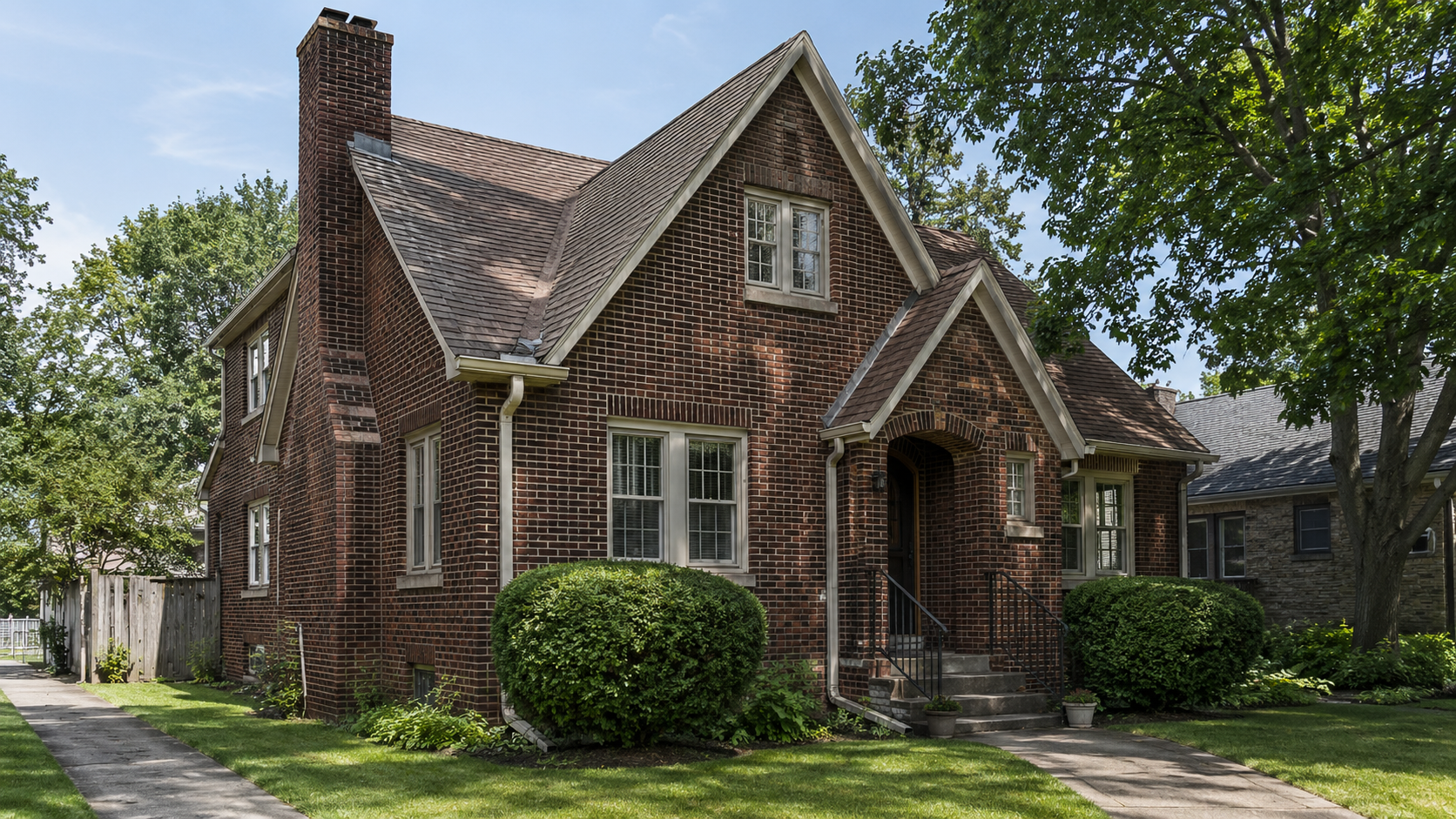
The 1930s Did Not Have One House Style
The decade did not settle on one look.
That is part of the problem when people try to renovate these houses from a single inspiration photo. A 1930s Art Deco house, a modest brick cottage, and a stripped-down early modern house do not want the same updates.
| Style Direction | What You Notice First | What Gets Ruined Fast |
|---|---|---|
| Art Deco | Geometry, vertical accents, smooth surfaces, strong entry details | Removing contrast, flattening the entry, using generic trim |
| Streamline Moderne | Rounded corners, horizontal lines, flatter roofs, metal details | Adding heavy traditional trim or fake cottage details |
| Cottage Revival | Brick, stone, steep roofs, arched entries, smaller openings | Oversized windows, painted brick, fake stone, heavy modern doors |
| Early Modern / International Influence | Boxier massing, flat roofs, white walls, minimal trim | Adding decorative parts the house never wanted |
| Modest Suburban 1930s House | Compact plan, brick or stucco, simple windows, practical rooms | Making every room open, wide, glossy, and oversized |
These are different houses. But the good ones usually share the same habits: controlled proportions, decent materials, and rooms that still know what they are for.
Why the Plans Still Work
Many 1930s houses were not large by current standards, but they were often better organized than people expect.
Rooms tended to have clearer jobs. Circulation was tighter. Storage was not generous, but it was more intentional. That is why many of these houses still feel comfortable even when the kitchen is small and the closets are not modern.
The better plans also balanced openness and separation. You could move through the house easily, but rooms still felt like rooms. That is one of the first qualities owners erase when they chase a bigger, looser plan everywhere.
Exterior Features Worth Keeping
A 1930s exterior does not need much to feel finished.
Most of the work is done by massing, roof shape, window pattern, wall material, and the entry. Those parts matter more than decorative upgrades added later.
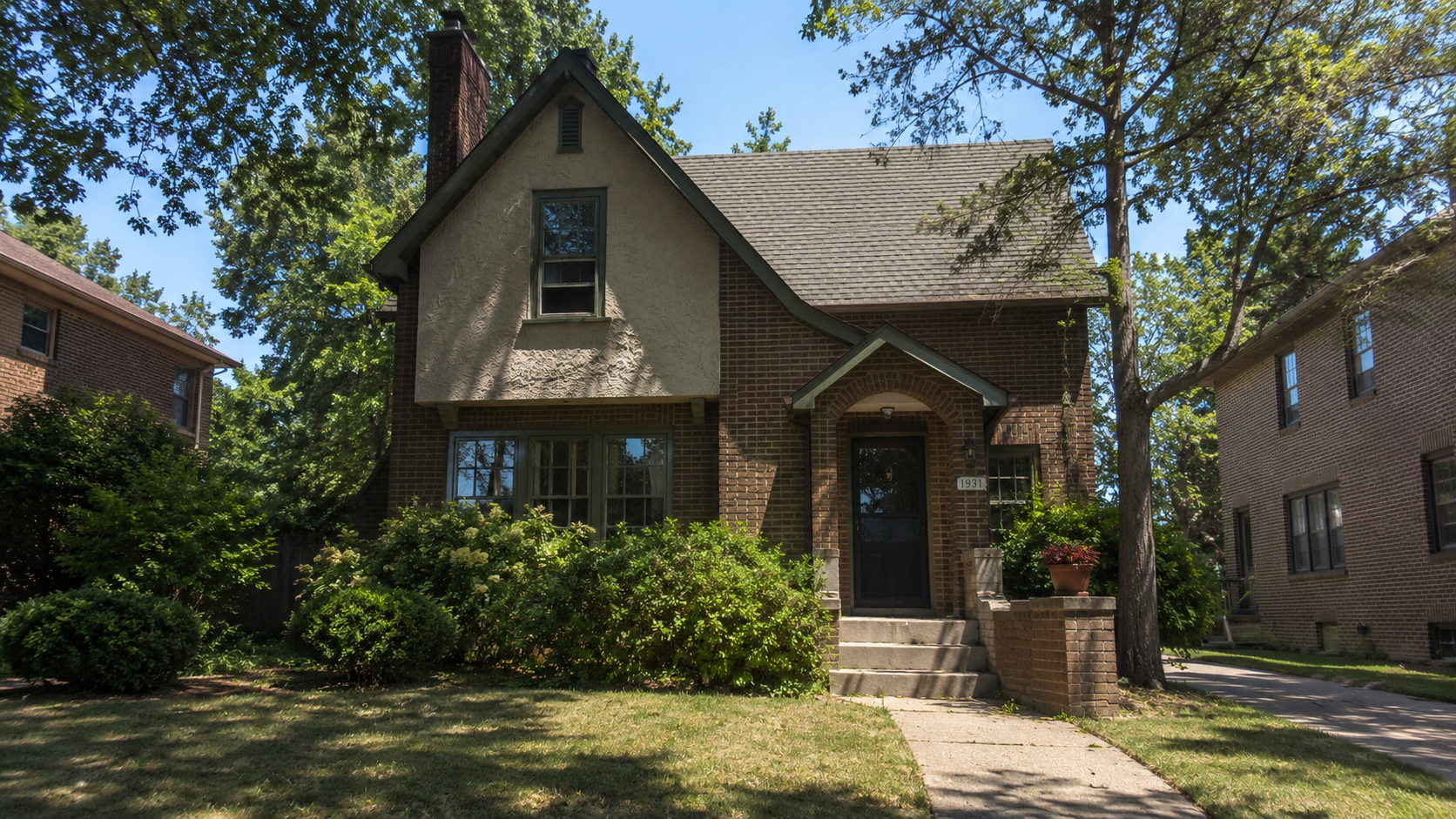
- Brick, stucco, or stone: the wall material gives the facade weight and texture.
- Roof shape: a steep cottage roof, hip roof, or flatter modernist roof often defines the house from the street.
- Window proportions: the pattern matters even when the windows themselves need repair.
- Entry details: arches, stoops, railings, doors, sidelights, and trim often carry the style quietly.
The worst updates are usually obvious: oversized replacement windows, fake stone veneer, heavy new trim, wrong siding, or painted brick used to hide repair issues. The house may look cleaner afterward, but it stops looking like itself.
Good exterior work is quieter. Repair the masonry properly. Match stucco texture. Respect original window proportions. Treat the roofline like it matters, because it does.
Interior Features Worth Keeping
Inside, the details do more work than the square footage.
Even simpler 1930s houses often feel more finished than newer houses because the trim, windows, built-ins, and room shapes are doing their jobs properly.
Living Rooms Had a Center
Living rooms in 1930s houses often feel anchored.
Fireplaces mattered. Windows were placed to shape the room. Trim had enough weight to finish the edges. Even a modest room usually understood where its center was.
That does not mean every fireplace, mantel, or built-in is sacred. It does mean you should understand what organizes the room before removing it.
Kitchens Were Compact, Not Random
1930s kitchens were workrooms first.
Built-in cabinets, tiled work surfaces, enamel sinks, compact circulation, and small-scale storage often did more work than the square footage suggests. A careful update can make the kitchen brighter and easier to use without turning it into a generic new room.
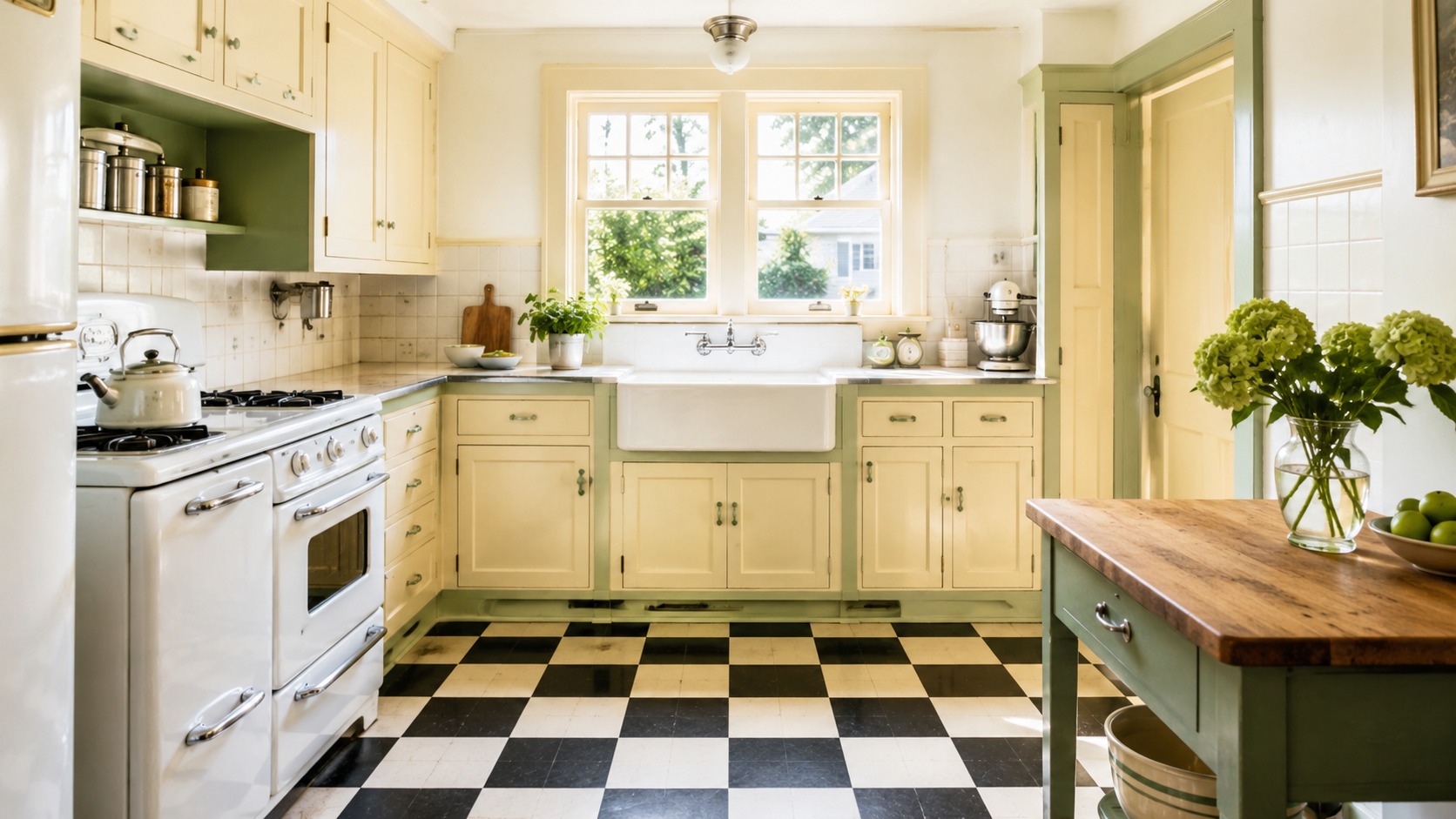
For the kitchen-specific path, read 1930s kitchen design. If cabinetry is the issue, go to 1930s kitchen cabinets. If the sink is original, read 1930s kitchen sinks before replacing it.
Bathrooms Were Small but Controlled
1930s bathrooms can still hold up when the basics are sound.
Tile, porcelain, chrome, compact fixtures, and restrained color did a lot of work. The best bathrooms from this period often feel cleaner than rushed modern remodels because the material language is simple and the room is not trying too hard.
A good bathroom update improves plumbing, ventilation, waterproofing, lighting, and storage without replacing every old detail with a spa look that belongs to another house.
What to Keep and What to Upgrade
Old-house work goes wrong fast when the first instinct is demolition.
That does not mean every original feature deserves saving. It means you should know what is doing the architectural work before you remove it.
Usually worth keeping:
- trim profiles and interior doors
- wood floors that can be repaired or refinished
- built-ins that still help the room
- period tile, sinks, tubs, and modest hardware when they are sound
- window proportions and opening patterns, even if the windows need help
Usually worth upgrading:
- wiring and service capacity
- plumbing and venting
- insulation and air sealing where it can be done safely
- kitchen and bathroom function when the room no longer works
- roofing, drainage, and moisture control
The best updates are often the ones you notice least: better light, better storage, safer systems, more comfort. Same house.
Common 1930s Renovation Mistakes
This is where otherwise decent work starts to wobble.
Not because the owner meant to ruin the house. Because the same bad decisions keep showing up.
- Windows get replaced with the wrong proportions. Suddenly the facade looks heavy and dull.
- The kitchen gets widened into a generic open-plan room. The house loses its internal rhythm.
- Original trim gets simplified. The rooms start to feel cheaper, even when the finishes cost more.
- Materials get louder than the architecture. Busy counters, trendy tile, fake wood, and dramatic lighting can overwhelm the house.
- The whole house gets updated into one current style. That is usually where the personality disappears.
Modernization is not the problem. Modernization with no respect for scale, restraint, and material language is the problem.
Can a 1930s House Work for Modern Living?
Yes, if the fit is right.
If you want huge open rooms, oversized closets, zero maintenance, and every system hidden behind perfect drywall, a 1930s house may wear you down. If you like materials that age, rooms with some definition, and a house that feels like it has a point of view, these homes still make a lot of sense.
What usually helps most is not trying to make the house behave like a new speculative build. Better insulation. Better lighting. Better storage. Better kitchen and bathroom planning. That gets you most of the way there without flattening the character that made the house worth buying.
What People Notice After Living There
The delayed lesson is usually about proportion.
A 1930s house can feel small on a listing sheet and better in daily use than a larger, looser house. The rooms have edges. Windows frame furniture. The entry sequence makes sense. The fireplace, stair, hall, or built-in gives the room a center.
Bad renovations often remove those small organizers first. The house gets brighter and more open for a week, then starts feeling oddly cheap. The rooms lose their edges. Furniture floats. The old exterior no longer matches the new interior.
Before removing a wall, stripping trim, replacing windows, or flattening a kitchen, ask what that part is organizing. It may be doing more work than it appears.
What It Costs to Repair or Update a 1930s House
Restoring or updating a 1930s house is rarely cheap when done properly.
The money usually goes into the work people do not post first: structure, drainage, roofing, windows, plaster repair, wiring, kitchens, and bathrooms. These are 2026 planning ranges for typical U.S. conditions, not quotes.
| Scope | Planning Range | What Changes the Cost |
|---|---|---|
| Light updates | $25,000-$75,000 | Paint, lighting, minor repairs, limited fixture updates, no major hidden work |
| Selective renovation | $75,000-$175,000+ | Kitchen or bath work, windows, electrical, plumbing, plaster, floors |
| Whole-house renovation | $175,000-$400,000+ | Systems, roof, drainage, kitchen, baths, layout changes, exterior repair |
| High-detail restoration | Project-specific | Custom windows, masonry, tile, millwork, historic review, specialty trades |
Shortcuts tend to age badly in these houses: cheap windows, wrong tile, thin trim, rushed cabinet swaps, and cosmetic work over damp or bad wiring. The place may look tidier for a while, but it usually feels worse.
Where This Page Fits in the 1930s Cluster
This page is the architecture and style hub.
It should identify what makes a 1930s house look and feel like a 1930s house. It should not become the full repair guide, the renovation cost guide, or the kitchen page.
- Use this page to identify style, proportions, exterior features, interiors, and what not to erase.
- Use common 1930s house problems when the question is damage, repair, damp, wiring, plumbing, roof, or hidden failure.
- Use 1930s house renovation when the question is modernization, budget, sequencing, and contractor decisions.
Keeping those lanes separate protects the cluster from cannibalization.
FAQ
What styles were common in 1930s houses?
Art Deco, Streamline Moderne, Cottage Revival, early International Style, Colonial Revival, Tudor-influenced cottages, and modest suburban brick houses all appear in the decade. Many houses mix influences rather than fitting one pure label.
Why do 1930s houses still feel good to live in?
Usually because of their proportions, room definition, built-ins, materials, and practical planning. The rooms may be smaller, but they often have a clearer purpose.
What should I preserve first in a 1930s house?
Start with the parts that define the house visually and architecturally: window proportions, trim, doors, floors, built-ins, tile, fireplace details, and room proportions.
Can I modernize a 1930s house without losing its character?
Yes, if the upgrades stay consistent with the house’s scale, material language, and layout logic. The best updates improve comfort without turning the house into something else.
Are 1930s kitchens and bathrooms worth restoring?
Often, yes. They were compact, but many were well planned. Careful restoration or restrained updating usually gives better results than a generic full replacement.
Should I replace original 1930s windows?
Only when repair is no longer sensible. The proportions and opening patterns matter. Bad replacement windows can damage the entire facade even when they improve energy performance on paper.
Is a 1930s house expensive to renovate?
It can be. The expensive parts are often hidden: wiring, plumbing, roof, drainage, plaster repair, damp, windows, kitchens, and bathrooms. Cosmetic work should not come before those checks.
Read This Next
- How 1930s Houses Fall Apart Over Time
- 1930s House Renovation: What to Fix Before You Modernize
- 1930s Kitchen Design: What Modern Updates Ruin First
- 1930s Kitchen Remodel: What a Wall Hides Until Demolition Day
- 1930s Bathroom Design: Tile, Fixtures, Layout, and What to Keep