

Most sump pump pages lean too hard on cheap deal language. That is not the useful question. The useful question is whether the pump will still be working when the pit sees real water, real cycling, and real neglect.
The Zoeller M53 keeps showing up because it is built like a primary sump pump, not a disposable backup purchase. It has a long field reputation for a reason.
This is not the cheapest pump in the aisle. It is the one people usually end up buying after replacing a cheaper one too soon.
The Best Sump Pump for Basements That Actually Flood
Quick Specs
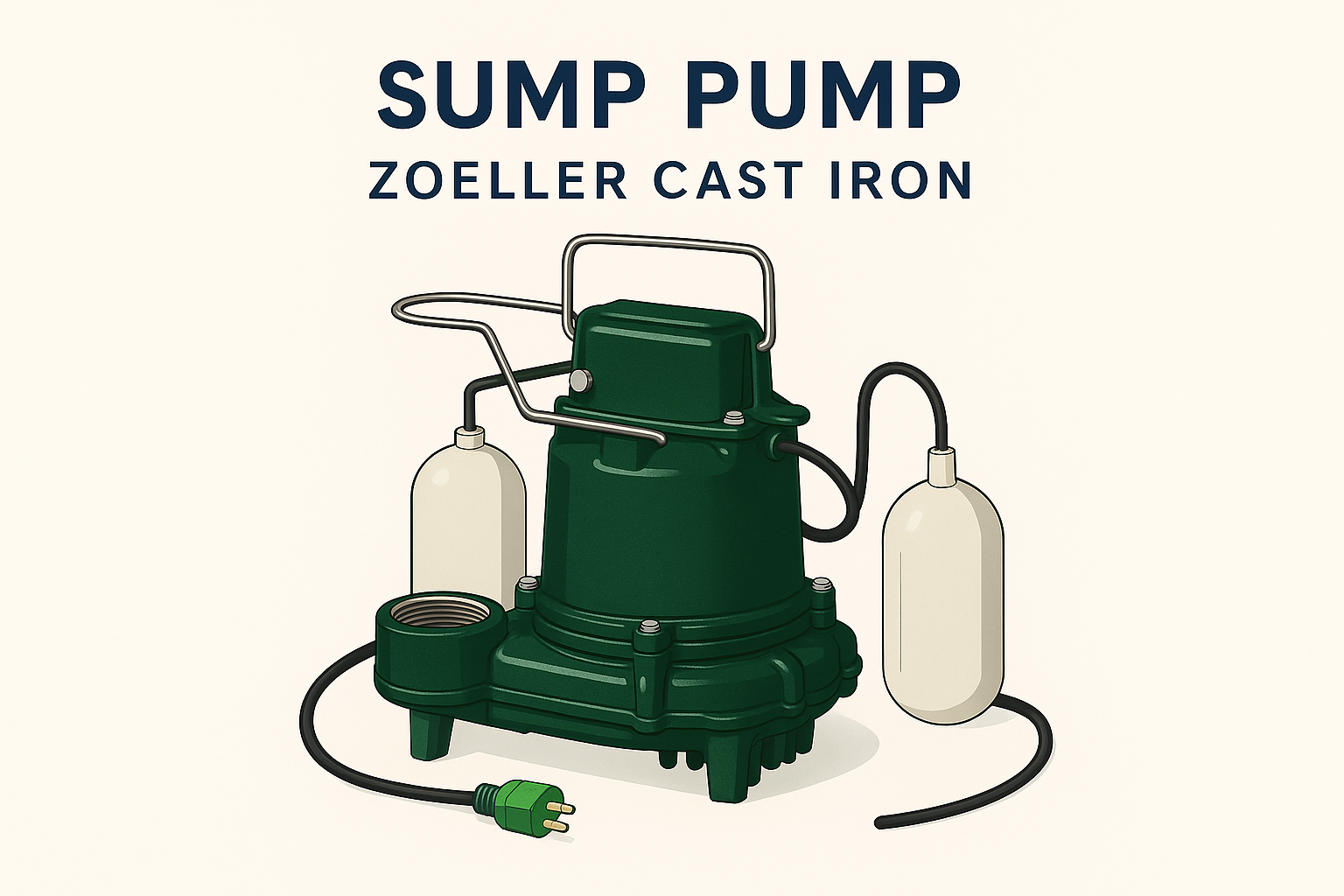
| Feature | Detail |
|---|---|
| Type | Submersible, automatic |
| Motor | 3/10 HP |
| Flow Rate | Up to 43 gallons per minute |
| Discharge | 1.5-inch NPT |
| Max Head | 19.25 feet |
| Switch | Built-in automatic snap-action switch |
| Main Construction | Cast iron switch case, motor housing, and pump housing |
| Impeller | Corrosion-resistant engineered plastic vortex impeller |
| Float | Solid polypropylene float |
| Warranty | 3-year limited warranty |
Why People Keep Buying It
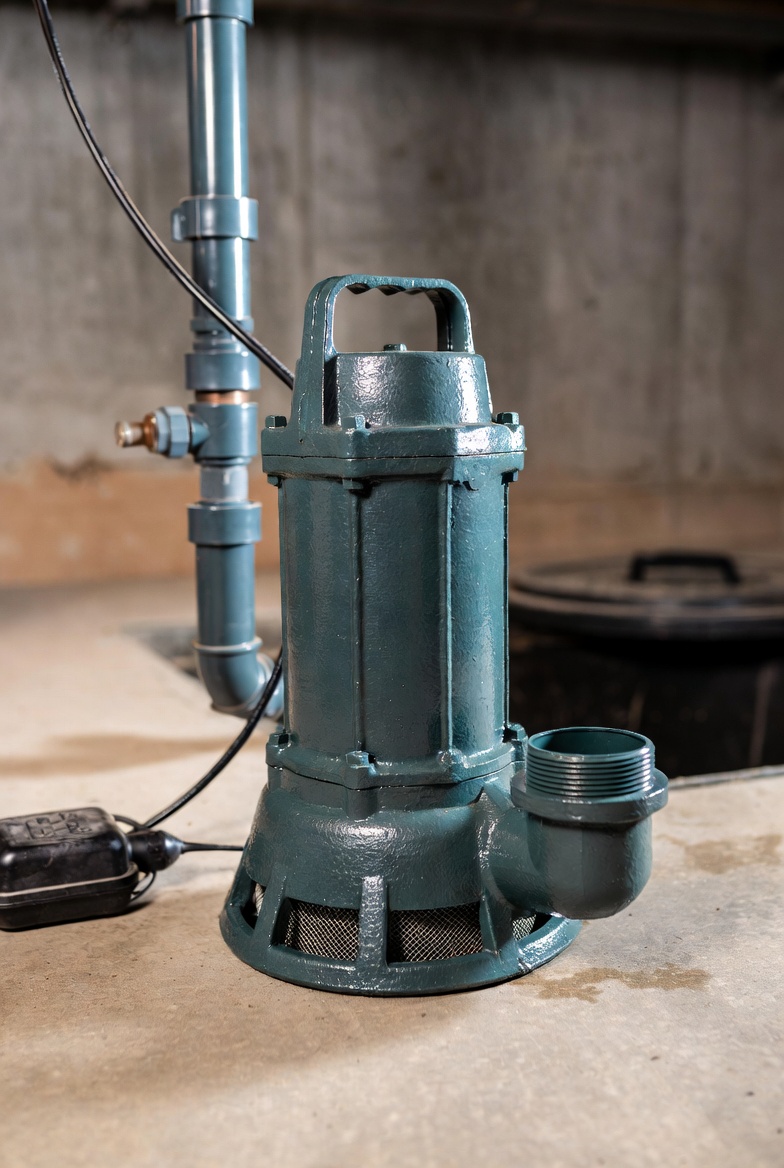
It is built like a real primary pump.
The switch case, motor housing, and pump housing are cast iron. That matters in a sump pit because heat, vibration, and constant cycling are what kill lighter-duty pumps first.
The float setup is more serious than the usual cheap hardware.
The M53 uses a solid polypropylene float and a built-in automatic switch. That is a cleaner setup than the flimsy, snag-prone switch arrangements that show up on a lot of bargain pumps.
It is designed for basement groundwater, not gadget appeal.
No app. No Wi-Fi. No fake “smart home” angle. Just a time-tested primary sump pump with the right discharge size, enough flow for a lot of normal residential pits, and a reputation built on staying in service.
The motor is built for steady work.
The oil-filled motor and cast iron housing help with heat dissipation. That is the kind of detail that matters more in real use than flashy packaging.
Where It Makes Sense
The M53 makes the most sense as a primary sump pump for a basement or crawlspace system where groundwater is the real issue and you want a pump with a long track record.
- Finished basements where failure gets expensive fast
- Older homes with regular seasonal groundwater
- Homes where the primary concern is reliability, not low upfront cost
- Standard residential pits that do not need a higher-head or higher-volume pump
What It Does Not Do
- It is not a backup pump. If the power goes out, this pump goes out with it unless the system is paired with a battery backup, generator, or water-powered backup.
- It is not the answer for every severe drainage problem. If the pit is undersized, the discharge is wrong, the check valve is missing, or the exterior drainage is a mess, the pump alone will not fix that.
- It is not silent. You will hear it run.
That last point bothers some people until the first real storm. Then they stop caring.
What You Still Need to Get Right
A good sump pump can still be let down by a bad installation.
- Use the right check valve. Without one, water falls back into the pit and the pump cycles more than it should.
- Get the discharge line right. A strong pump still needs a discharge path that actually lets it move water away from the house.
- Set it on a proper base. Do not let it sit in mud, debris, or loose silt at the bottom of the pit.
- Test it. Do not assume it works just because the plug is in.
If the drainage side is the weak point, start with how to install a French drain with a sump pump.
Maintenance Reality
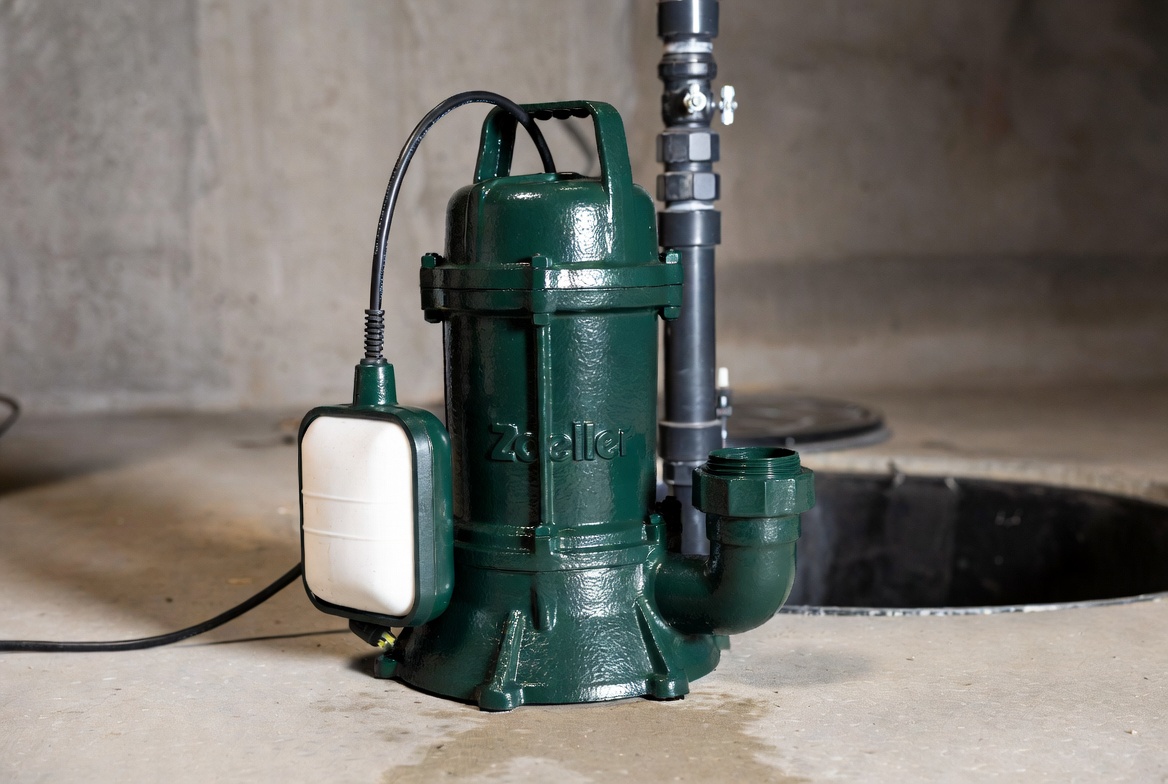
- Test it monthly. Fill the pit or lift the float carefully and make sure the cycle is clean.
- Clean the pit periodically. Silt and debris are what turn a good pump into a bad system.
- Check the discharge outside. Ice, blockage, or poor grading can make a working pump look like a failed one.
- Listen for change. Pumps usually sound different before they quit.
Pros
- Serious cast-iron construction where it counts
- Long-standing contractor and homeowner trust
- Automatic operation with a proven float setup
- Good fit for primary residential sump duty
- 3-year limited warranty
Cons
- Costs more than bargain sump pumps
- No backup power built in
- Not the right fix for every bad drainage system
- Audible when running
Final Verdict
Most cheap sump pumps are bought to solve a water problem cheaply. That is usually how people end up buying twice.
The Zoeller M53 makes more sense if you want a real primary sump pump with a strong field reputation, serious construction, and fewer surprises down the road.
It is not flashy. It is not the cheapest. It is just the kind of pump people buy when they are more interested in keeping the basement dry than winning the receipt.
FIELD PICK
Zoeller M53 Mighty-Mate