
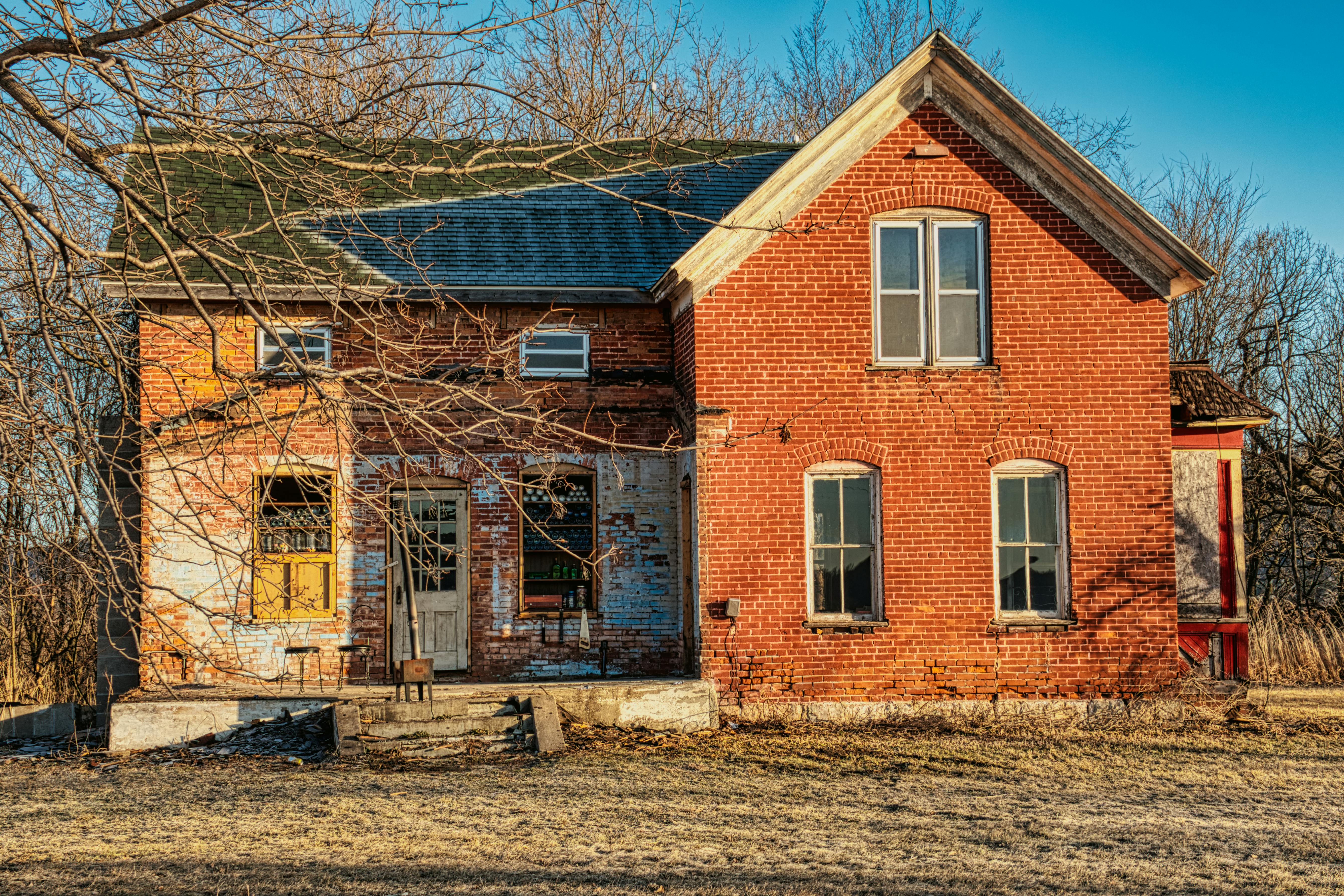
1930s houses are easy to recognize and a little harder to sum up cleanly. Some are crisp and geometric. Some lean brick, stone, shutters, and cottage charm. Some sit somewhere in between. What they usually share is a kind of discipline that newer houses often miss.
The rooms are tighter. The proportions are better. Built-ins show up where they help. Windows feel placed, not scattered. Even when the house is decorative, there is usually a practical backbone under it.
That is why these houses still pull people in. It is also why they are easy to renovate badly. The wrong update does not just change the finish. It breaks the logic. Trim gets simplified, windows get replaced with the wrong proportions, kitchens get widened into something generic, and the house starts to feel flatter than it did before.
This is the part worth getting right. Not preserving every old thing out of guilt. Not stripping the place to the studs just because it is old. Figuring out what the house is doing well, then working with it.
Also Useful: If you want the cleaner style breakdown first, this guide to 1930s house styles is the right companion page.
The Main 1930s House Styles

One reason 1930s houses still feel fresh is that the decade did not settle on one look.
Art Deco Houses
Art Deco pushed harder on geometry, contrast, metal, smooth stucco, and stronger entry details. It could be glamorous, but the better houses still had restraint. The Art Deco page goes deeper if that is the branch you are trying to identify.
Streamline Moderne Houses
Moderne leaned even cleaner. Rounded corners, horizontal lines, flat roofs, steel railings, ribbon windows. Less ornament. More motion.
Cottage Revival Houses
Cottage Revival moved the other way. Brick, stone, steeper roofs, smaller openings, arched doors, warmer detailing. Softer. More domestic. More likely to feel rooted in the street.
International Style Houses
This was the stripped-down edge of the decade. Boxier massing, flat roofs, white walls, minimal trim, a more overtly modernist read.
They are different houses. But they usually share the same good habits: decent materials, controlled proportions, and rooms that still know what they are for.
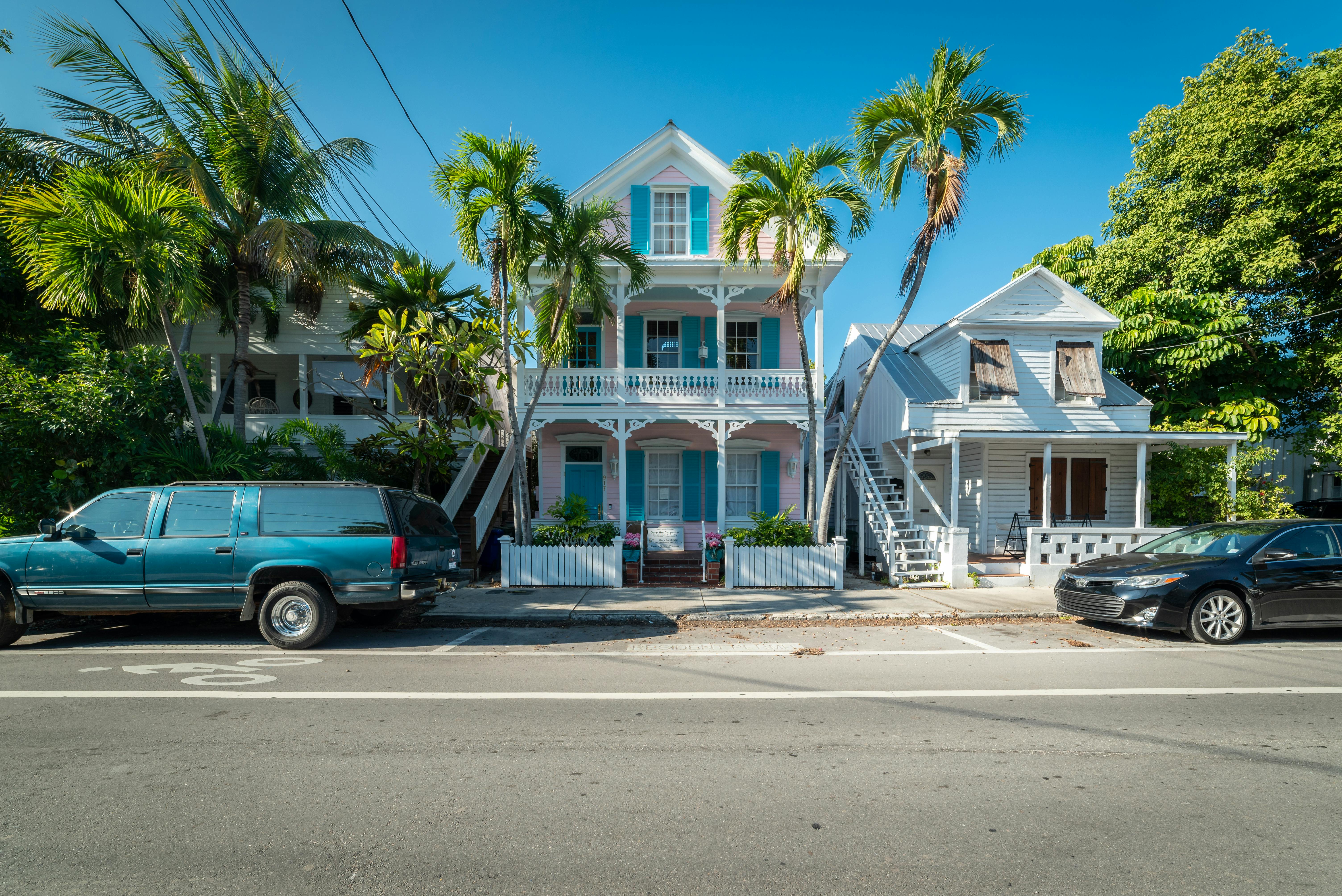
Why 1930s House Plans Still Work
These houses were not large by current standards, but they were often better organized than people expect. That matters more than square footage.
Rooms tended to have clearer jobs. Circulation was tighter. Storage was not generous, but it was more intentional. There is a reason so many 1930s houses still feel comfortable even when the kitchen is small and the closets are not exactly modern.

The better ones also had a nice balance between openness and separation. You could move through the house easily, but rooms still felt like rooms. That is one of the first qualities owners accidentally erase when they start chasing a bigger, looser plan everywhere.
Worth Knowing: If the kitchen is one of the reasons you bought the house, this 1930s kitchen guide is the next useful read. Those rooms were smaller, but a lot smarter than people give them credit for.
Exterior Features Worth Keeping

A 1930s exterior does not need much to feel finished. Most of the work is done by massing, roof shape, windows, wall material, and the entry.
- Brick, stucco, or stone that gives the facade weight
- Rooflines with real character, whether that means a steep cottage roof or a flat modernist one
- Window patterns that belong to the house, not just whatever happened to be cheapest during replacement
- Doors and entries that carry the style without looking theatrical
- Small details that do not look small from the street, like railings, leaded glass, trim bands, brickwork, or a modest arch
The worst updates are usually obvious. Oversized replacement windows. Fake stone veneer. Heavy new trim. Wrong siding. The house may look cleaner afterward, but it stops looking like itself.
Good exterior work is quieter than that. Match the stucco texture. Repair the masonry properly. Respect the original window proportions even if the units themselves need replacing. Treat the roofline like it matters, because it does.
Interior Features Worth Keeping
Inside, the details do more work than the square footage. That is part of the appeal. Even simpler 1930s houses often feel more finished than newer ones because the trim, windows, built-ins, and room shapes are doing their jobs properly.
Living Rooms

Living rooms in 1930s houses often feel anchored in a way newer ones do not. Fireplaces mattered. Windows were placed to shape the room. Trim had enough weight to finish the edges properly. Even the simpler houses usually understood where the room’s center was.
Kitchens

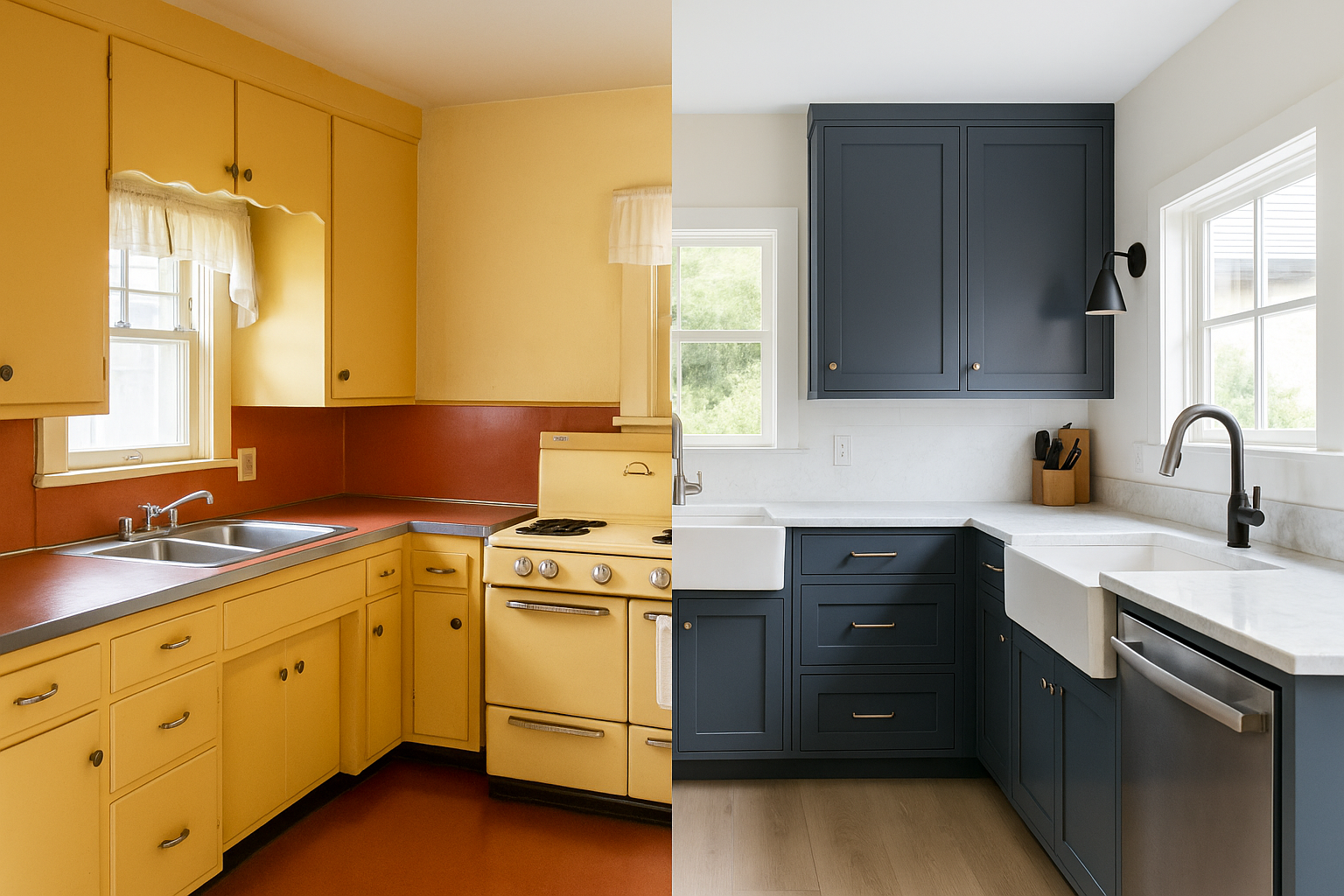
Kitchens were compact, but rarely random. Built-in cabinets, tiled work surfaces, enamel sinks, and tight circulation all show up here. They were workrooms first, which is exactly why they still respond well to careful updates now.
If you are dealing with original storage, this cabinet guide is one of the more useful next reads because cabinetry usually carries most of the room’s character.
Bedrooms
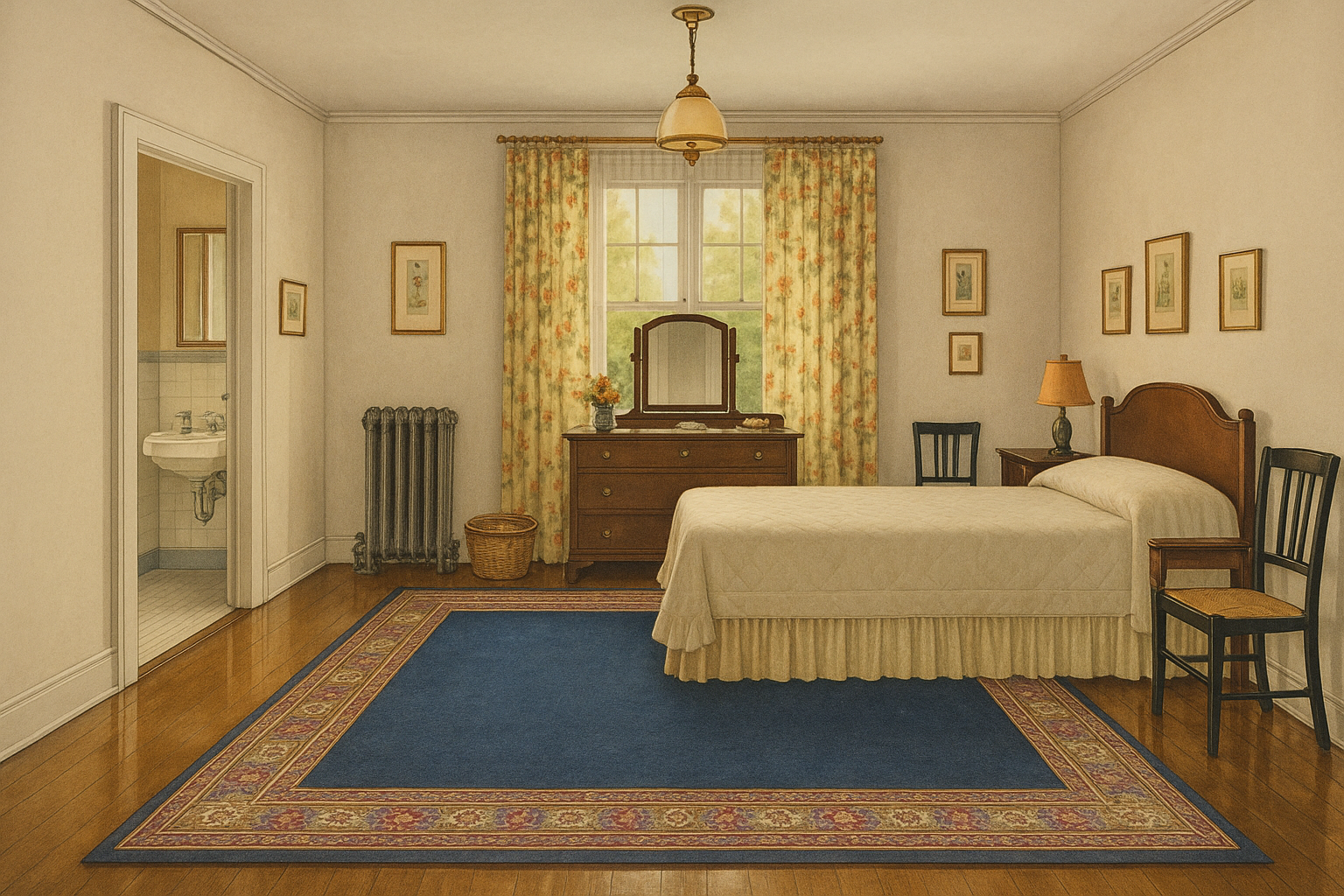
Bedrooms were usually simple and well-proportioned. Not oversized. Not overdesigned. Just finished enough to feel complete.
Bathrooms
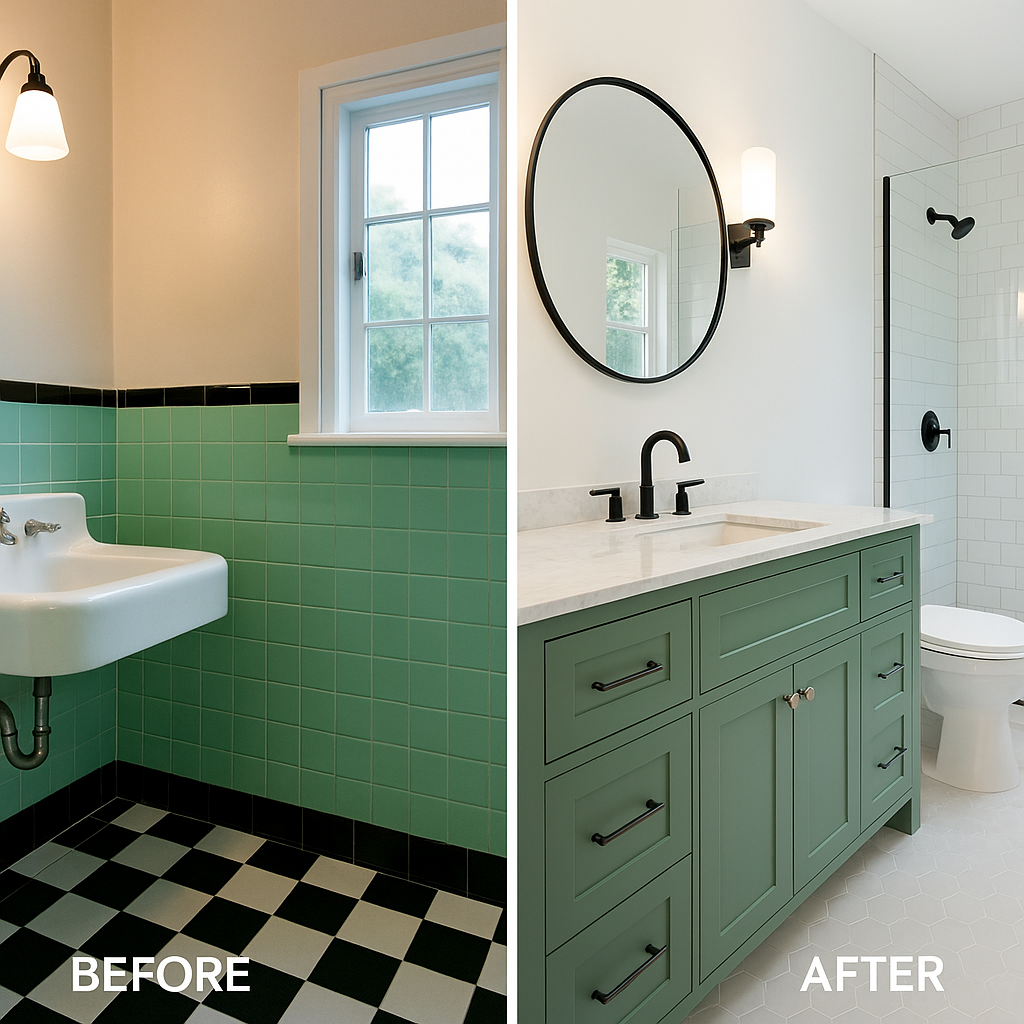
This is another place where the decade still holds up. Tile, porcelain, chrome, compact fixtures, and good color control did a lot of work. The better bathrooms from this period feel cleaner than many poorly redone new ones.
What to Keep and What to Upgrade
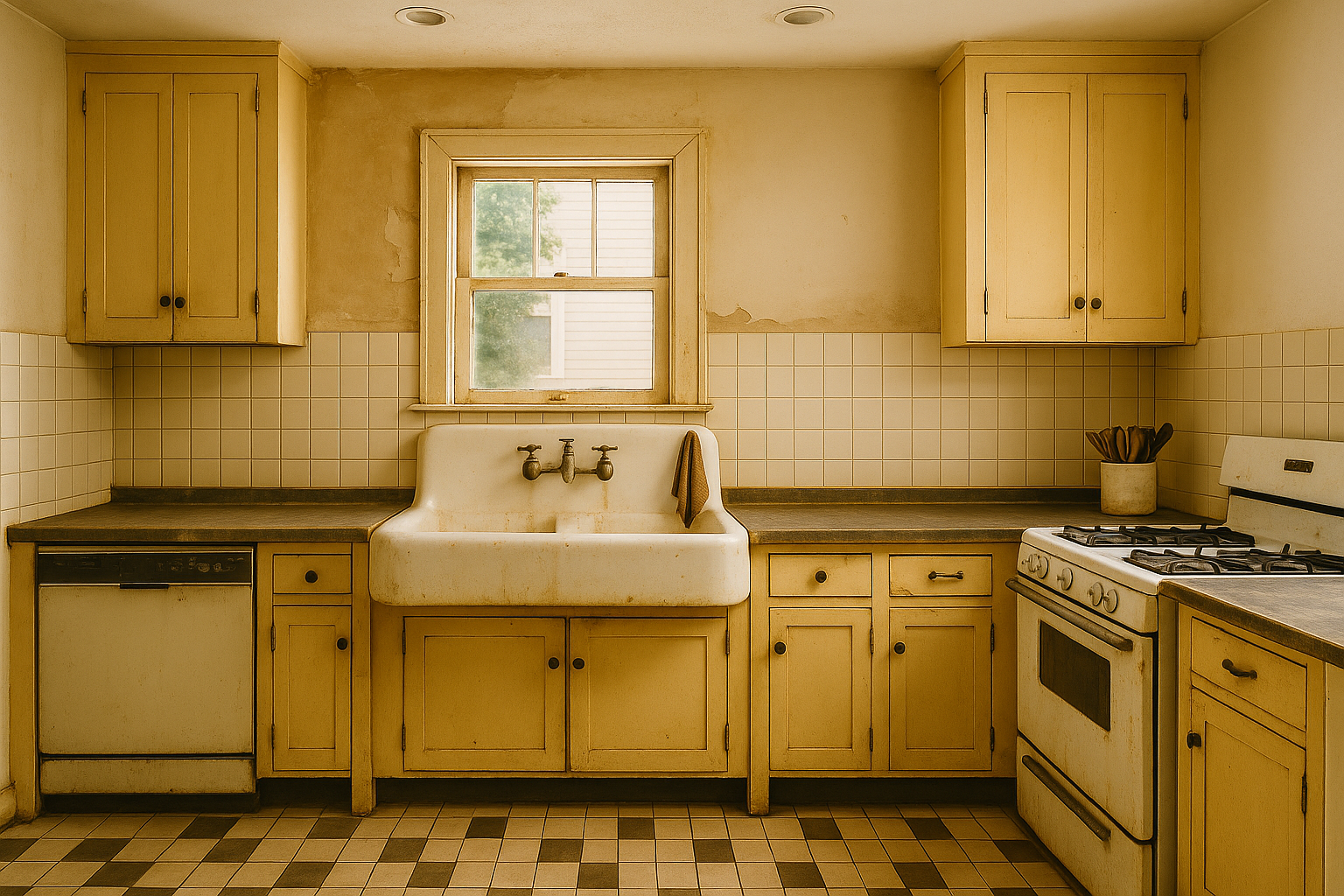
Old-house work goes wrong fast when the first instinct is demolition. That does not mean every original feature deserves saving. It means you should know what is doing the real architectural work before you start removing it.
Usually worth keeping:
- trim profiles and interior doors
- wood floors that can be repaired or refinished
- built-ins that still help the room
- period tile, sinks, tubs, and modest hardware when they are sound
- window proportions and opening patterns, even if the windows themselves need help
Usually worth upgrading:
- wiring and service capacity
- plumbing and venting
- insulation and air sealing where it can be done without damage
- kitchen and bath function when the room no longer works
- roofing, drainage, and moisture control
The best updates are usually the ones you notice least. Better light. Better storage. Better systems. Same house.
One More Thing: This page on common 1930s house problems is worth reading before you set a renovation budget. These houses tend to reveal their expensive issues late.

Common 1930s Renovation Mistakes
This is where otherwise decent work starts to wobble. Not because the owner meant to ruin the house. Because the same bad decisions keep showing up.
- Windows get replaced with the wrong proportions. Suddenly the facade looks heavy and dull.
- The kitchen gets widened into a generic open-plan room. The house loses its internal rhythm.
- Original trim gets simplified. The rooms start to feel cheaper, even when the finishes cost more.
- Materials get louder than the architecture. Busy counters, trendy tile, fake wood, dramatic lighting. Too much noise.
- The whole house gets “updated” into one current style. That is usually where the personality disappears.
The problem is not modernization. The problem is modernization with no respect for the house’s scale, restraint, or material language.
Can a 1930s House Work for Modern Living?
Yes. Usually very well. But the fit matters.
If you want huge open rooms, oversized closets, zero maintenance, and every system hidden behind perfect drywall, a 1930s house may wear you down. If you like materials that age, rooms with some definition, and a house that feels like it has a point of view, these homes still make a lot of sense.
What usually helps most is not trying to make the house behave like a 2020s speculative build. Better insulation. Better lighting. Better storage. Better kitchen and bath planning. That gets you most of the way there without flattening the character that made the house worth buying in the first place.
What It Costs to Repair or Update a 1930s House
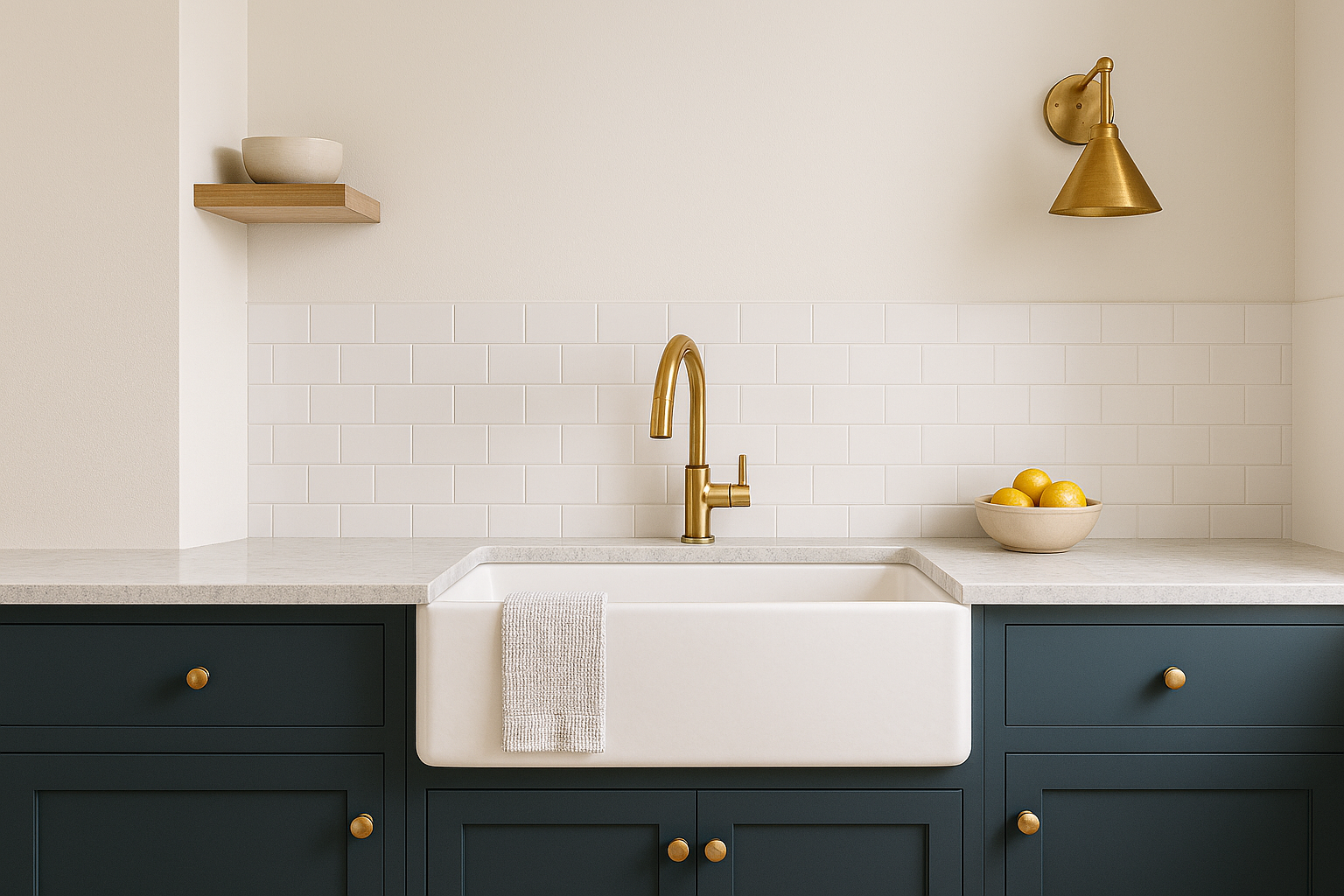
Restoring or updating a 1930s house is almost never cheap when done properly. The money usually goes into the things people do not post first: structure, drainage, roofing, windows, plaster repair, wiring, kitchens, and baths.
- Basic renovation: often around $100 to $150 per square foot
- Full restoration: can climb toward high-end new-build pricing
- Kitchens and baths: usually accelerate the budget faster than anything else
- Hidden conditions: plumbing, electrical, moisture, and earlier bad repairs are where surprises usually land
The cheaper route is not always the smarter one. But there are a few habits that help:
- keep original material that still works
- buy salvage before ordering reproductions
- fix structural and systems issues before decorative ones
- leave a real contingency, because old houses almost always reveal more than the listing photos did
Shortcuts tend to age badly in these houses. Cheap windows. Wrong tile. Thin trim. Rushed cabinet swaps. The place may look tidier for a while, but it usually feels worse.
What’s Next
If you are still trying to identify the house properly, start with 1930s House Style: From Art Moderne to Cottage Revival. It sharpens the style distinctions this page only sketches. If you are already thinking about repairs, How 1930s Houses Fall Apart Over Time is the more practical next read because it gets into the failure points that usually drive real costs. And if the goal is upgrading without wrecking the place, How to Modernize a 1930s Home the Right Way is the cleanest follow-up because it turns these bigger house-level ideas into renovation decisions.
FAQ
What styles were common in 1930s houses?
Art Deco, Streamline Moderne, Cottage Revival, and early International Style all show up in the decade, sometimes cleanly and sometimes mixed in softer suburban versions.
Why do 1930s houses still feel good to live in?
Usually because of their proportions, room definition, built-ins, materials, and the fact that even decorative versions often had a practical layout underneath.
What should I preserve first in a 1930s house?
Start with the parts that define the house visually and architecturally: trim, windows, floors, built-ins, tile, and room proportions.
Can I modernize a 1930s house without losing its character?
Yes, if the upgrades stay consistent with the house’s scale, material language, and layout logic. The best updates improve comfort without turning it into a different kind of house.
Are 1930s kitchens and bathrooms worth restoring?
Often yes. They were compact, but many were very well planned. Careful restoration or restrained updating usually gives better results than a generic full replacement.