
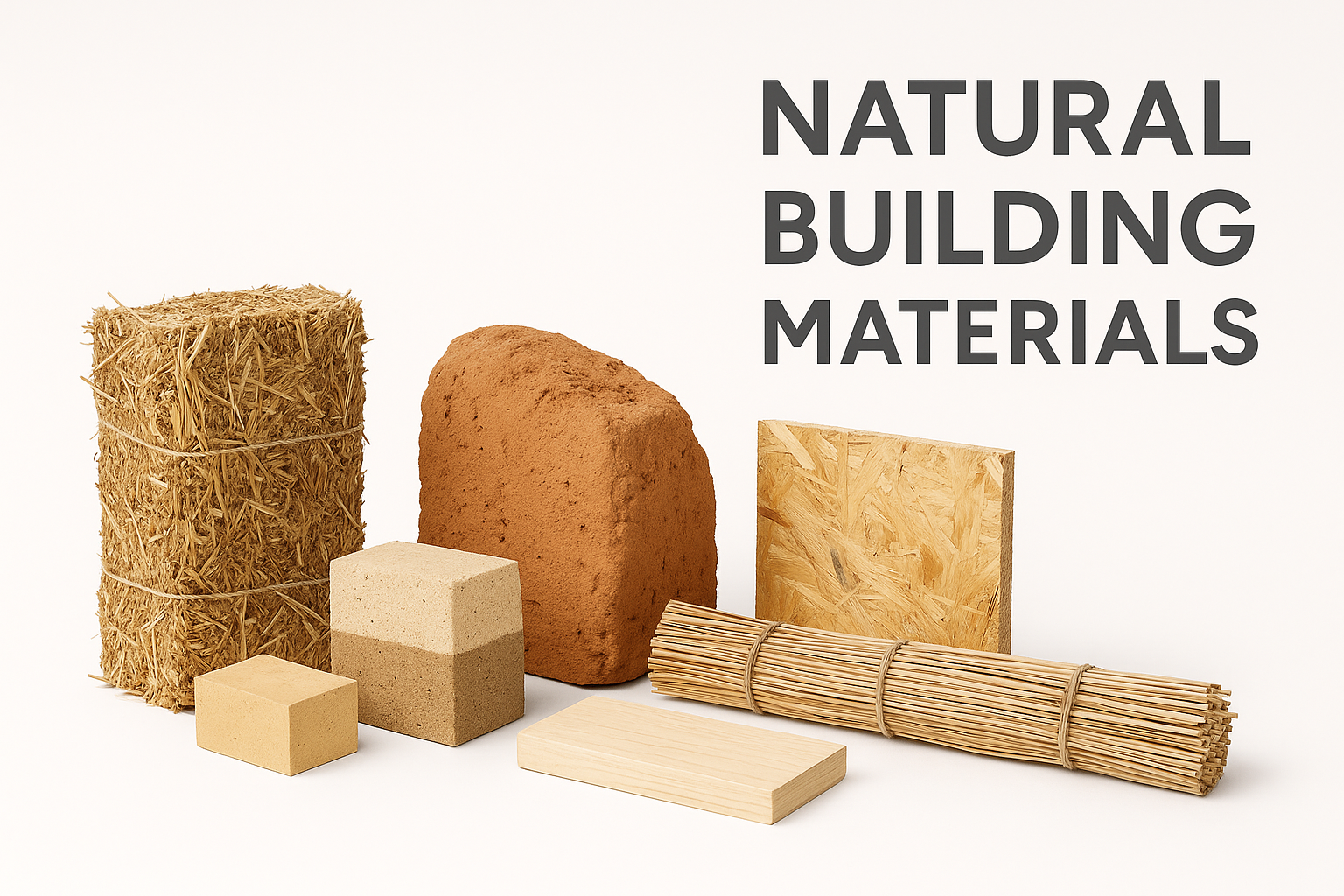
Sustainable Construction: Why Natural Materials Still Win
Stone, straw, wood, earth—builders have used them for centuries. Not because they were trendy. Because they worked.
Today, with rising costs and pressure to lower emissions, natural materials aren’t just alternatives—they’re practical tools for smart design. They insulate well, age with character, and reduce waste.
Below, we’ll break down:
-
Which materials are worth using today
-
Where they perform best in real construction
-
What to watch for during design and installation
Straightforward, field-tested, and focused. Ready to start?
Sustainable Construction: The Power of Natural Building Materials

RECOMMENDED READING
The Natural Building Companion by Jacob Deva Racusin & Ace McArleton
What You’ll Learn: Hands-on detail for building with straw bale, timber, earthen plasters, and more—written by pro builders, not theorists.
🔗 Check Price on Amazon
Mastering Natural Materials
Stone, Insulation, and More for Green Building
This is part of an extensive series designed to demystify materials, techniques, and strategies used in eco-conscious construction.
Real Benefits of Building with Natural Materials

Natural materials aren’t just “green.” They breathe better, last longer, and feel right in real buildings. Below we break down where they actually perform—and why smart builders still use them today.
● Why Use Natural Materials in Construction?
Lower Carbon, Less Waste
-
Hempcrete, straw, and wood use a fraction of the energy needed to make concrete or steel.
-
Bamboo, straw, and cork grow fast and regenerate quickly.
● Example: A small housing project in Quebec used local straw bales and timber—cutting total emissions by nearly a third.
● Natural Materials Help You Breathe Easier
Better Air Quality, Fewer Chemicals
-
Clay plasters and lime walls breathe—regulating indoor humidity naturally.
-
No off-gassing, no toxins, no fake “fresh” smell.
● Example: A passive solar home in Germany used clay finishes and no synthetics—the result was stable humidity year-round and mold-free walls.
● Healthier Homes Without Sacrificing Performance
Toxin-Free, Quiet, and Comfortable
-
Natural materials don’t carry VOCs or formaldehyde like synthetic insulation and glue.
-
Cork, wool, and cellulose dampen noise—ideal for homes, studios, or schools.
● Example: A yoga studio in Northern California used wool insulation and cork floors. It stayed quiet and healthy—no chemical smell or echo.
● Energy Efficiency That’s Built Into the Walls
Thermal Mass + Natural Insulation
-
Rammed earth and stone store heat—slowing down indoor temp swings.
-
Hemp, straw, and wool insulate like modern foam—without the plastic.
● Example: A rural home in Scotland insulated with hempcrete and cut energy bills by 40% over standard builds.
● Looks That Get Better With Age
Beauty and Longevity in One
-
Reclaimed wood, raw stone, clay—no need for faking it.
-
These materials age with character, not decay.
● Example: A design firm in Japan built an office using exposed bamboo, rough stone, and charred timber. It’s clean, modern—and feels alive.
Natural materials don’t just perform—they connect a building to its climate, to people, and to time itself.
Natural Materials in Modern Construction: A Free Lesson for Students and Professionals
Everything about natural building materials, from stone types to sustainable insulation, in this detailed and accessible guide for students and professionals.
The Basics of Natural Construction Materials
Natural Building Materials: What They Are and Why They Matter

Clay, wood, straw, bamboo—simple materials with powerful results.
What Counts as a Natural Building Material?
Stone, wood, straw, clay, and bamboo.
That’s it.
No chemical soup, no heavy manufacturing. These materials come straight from the Earth—and they’ve been holding up homes for centuries.
Natural materials aren’t just eco-friendly. They’re durable, breathable, and built for comfort. A lime plaster wall can cut mold risk. Straw bale insulation keeps heat in and bills down. Bamboo? Light, fast-growing, and stronger than some steel.
Why Use Natural Materials Now?
-
Lower emissions than concrete and steel
-
Better air quality thanks to breathable walls
-
Local sourcing cuts costs and transport pollution
-
Real comfort—warmer, quieter, and less toxic
People are tired of cold plastic interiors. Natural spaces feel better—mentally, physically, and environmentally.
This Isn’t a Trend. It’s a Return.
Old-school materials are showing up in modern builds. Clay in smart homes. Reclaimed wood in high-end offices. Why? Because it works—and it looks damn good doing it.
You’re not sacrificing performance. You’re gaining longevity, character, and real thermal performance—without the landfill waste.
Building Smarter, Not Harder
Natural materials aren’t just for off-grid cabins. They scale—from tiny homes to public buildings. They insulate, breathe, and age gracefully. And when sourced locally, they cut your footprint and your budget.
Thinking of renovating or building new? Start with materials that actually help.
FIELD PICK
The Art of Natural Building
What You’ll Learn: Full breakdown of clay, straw, timber framing, moisture control, and passive design. Real field-tested strategies.
🔗 Check Price on Amazon
See also:
- Natural Insulation Materials: Types, Benefits, and Practical Tips
- Hemp Insulation: Why Are Builders Switching to It?
Types of Natural Stone in Construction

Stone doesn’t just hold up buildings—it makes them unforgettable.
1. Know Your Stones: Which One Fits?
● Granite — The Workhorse
● Tough as nails. Scratch-proof. Weather-resistant.
● Best for: High-traffic floors, countertops, patios
● Example: We used polished granite slabs in a mall entrance. Years later, still no scuffs.
● Sandstone — The Easygoing One
● Warm tones, easy to shape, rustic charm
● Best for: Garden paths, exterior walls, retaining walls
● Example: A cottage project got sandstone walkways that blended straight into the landscape.
● Limestone — The Smooth Operator
● Neutral, smooth, carves clean
● Best for: Facades, fireplaces, carved detail, classical vibe
● Example: A luxury home got a limestone facade that aged like wine—clean, modern, elegant.
● Slate — The Roof King
● Waterproof, thin, rich color
● Best for: Roofs, wet zones, dark feature walls
● Example: In a mountain cabin build, slate roofing handled snow, storms, and looked timeless.
● Quartzite — The Showstopper
● Crystalline shine, hard as granite
● Best for: High-end floors, reception counters, wow-factor finishes
● Example: A corporate lobby used quartzite at the desk—looked sharp, held up under pressure.
2. Stone Cladding: Texture Without the Bulk
● Full-Depth Stone Cladding
Adds thermal mass, weather resistance, and visual weight.
● Use it: Main facades, entrances, landscape walls
● Example: A suburban house got full-stone entrance cladding—bold, grounded, and durable.
● Lightweight Cladding Panels
Real stone veneers, less weight and cost.
● Use it: Balconies, upper levels, interior accents
● Example: We installed lightweight sheets on a tower’s balconies—clean look, no structural burden.
● Rubble Cladding
Rough, irregular, handmade feel.
● Use it: Fireplaces, rustic exteriors, cottages
● Example: A countryside retreat used rubble cladding on the hearth—warm, lived-in texture.
3. Where Stone Works Best
-
Roof Tiles — Tough, traditional, snow-resistant
-
Exterior Facades — Adds instant curb appeal
-
Interior Walls — Adds weight and warmth indoors
-
Entry Columns & Fireplaces — Anchor the design visually
● Example: A boutique hotel used rough-cut stone walls in the lobby—everyone touched them walking in.
4. Stone Costs & Smart Sourcing
Price Guide (per sq ft):
▪ Granite & Quartzite: $50–$100+
▪ Limestone & Sandstone: $20–$50
▪ Reclaimed Stone: Varies—can be a steal
Eco Tips:
▪ Buy local: Less shipping, more control
▪ Reuse: Salvage yards have great finds
▪ Look for certifications (e.g. Natural Stone Institute)
▪ Inspect slabs: No cracks, stains, color inconsistency
● Example: In an urban retrofit, we reclaimed limestone from a teardown nearby—saved 40% and made the build local.
Let the Stone Speak
Stone doesn’t go out of style. Whether you're after the muscle of granite, the softness of limestone, or the old-world charm of rubble stone—each has its place. Choose based on use, weather, texture, and weight. And always get hands-on before you buy.
Natural Insulation Materials
Sustainable Solutions for Comfortable Homes
Hemp, Wool, and More: A Guide to Natural Insulation

Showcasing various insulation materials options for construction such as mineral wool, foam, fiberglass, and natural alternatives like hemp and cork, highlighting their textures and layers.
Summary:
From Hempcrete to Straw Bale: Insulating Naturally and Effectively
- Hemp Insulation
- Hempcrete and its fire-resistant properties.
- Hemp wool insulation panels and batts.
- Sheep’s Wool Insulation
- Benefits like breathability and moisture regulation.
- Applications for roofs, walls, and floors.
- Natural Fiber Insulation
- Options like woodfibre, coconut fiber, and straw bale.
- Lime-Based Insulation
- Insulating lime and hemp lime plaster.
Details:
Eco-Friendly Insulation: Options for Every Project
Building Smarter: Choosing the Right Natural Insulation
1. Natural Insulation: Why It Matters
Insulation is like your home’s sweater—keeping it warm in winter, cool in summer, and comfortable all year round. Natural insulation materials go a step further, offering eco-friendly, breathable, and sometimes even healthier options compared to synthetic alternatives. From hempcrete to sheep’s wool, these materials bring sustainability and performance together. Let’s break down the options, when to use them, and what makes them stand out.
2. Hemp Insulation: The Powerhouse of Eco-Friendly Building
Why Choose Hemp?
Hemp is a star in natural insulation. It’s renewable, non-toxic, and incredibly versatile. Builders love it for its combination of durability and breathability. Bonus: it also resists pests and mold.
Applications of Hempcrete
Hempcrete is a mix of hemp fibers, lime, and water, creating a lightweight yet strong insulating material.
- When to Use: Perfect for walls in eco-homes where breathability and fire resistance are key.
- Why It Works: Hempcrete locks in warmth while preventing condensation. It also absorbs carbon during its production, making it a carbon-negative material.
- Example: A sustainable housing project in France used hempcrete for its walls, reducing energy bills by up to 50% while maintaining indoor air quality.
Hemp Wool Insulation Panels and Batts
Hemp wool comes in easy-to-install panels or batts, making it a favorite for DIY projects.
- When to Use: Great for attics, roofs, and cavity walls where ease of installation is important.
- Why It Works: Its flexibility makes it ideal for irregular spaces, and it doesn’t irritate skin like fiberglass does.
3. Sheep’s Wool Insulation: Nature’s Temperature Regulator
Why Choose Sheep’s Wool?
Sheep’s wool doesn’t just keep animals warm—it’s fantastic for homes too. It regulates temperature, absorbs moisture, and even purifies the air by trapping harmful chemicals.
Applications Across the Home
- Roofs: Wool’s natural resilience makes it perfect for insulating sloped or flat roofs.
- Walls and Floors: Its soundproofing qualities make it a top pick for busy households or home offices.
- Example: A modern cabin in Scotland used sheep’s wool to insulate the roof and walls, creating a warm, peaceful retreat even in harsh weather.
Fun Fact: Wool retains its insulating properties even when wet, unlike many synthetic materials that fail when exposed to moisture.
4. Natural Fiber Insulation: Choices for Every Project
Woodfibre Insulation
Woodfibre boards are eco-friendly and dense, offering great thermal performance.
- When to Use: Ideal for exterior walls or roofs in both hot and cold climates.
- Why It Works: Its density helps with noise reduction while keeping your home energy-efficient.
Coconut Fiber Insulation
Made from coconut husks, this insulation is renewable and biodegradable.
- When to Use: Best for tropical climates where mold resistance is a priority.
- Why It Works: Coconut fiber is naturally resistant to fungi and has good thermal properties.
Straw Bale Insulation
Straw bales are an old-school but effective way to insulate walls.
- When to Use: Perfect for eco-homes in dry climates.
- Why It Works: They’re inexpensive, widely available, and excellent at trapping heat.
- Example: An off-grid farmhouse in California used straw bale walls to cut down on both building costs and heating expenses.
5. Lime-Based Insulation: Versatile and Breathable
Insulating Lime Plaster
Lime plaster is a breathable, lightweight material that pairs beautifully with natural stone or brick.
- When to Use: Great for restoring older buildings where maintaining breathability is crucial.
- Why It Works: Lime plaster prevents dampness and works well as a finishing layer over hempcrete.
Hemp Lime Plaster
Hemp lime plaster combines hemp fibers with lime for added insulation.
- When to Use: Ideal for interior walls in homes where thermal performance and a natural aesthetic are priorities.
- Why It Works: It adds a smooth, natural finish while contributing to the home’s insulation.
Example: A heritage building in the UK was retrofitted with lime plaster, preserving its original character while improving energy efficiency.
Why Choose Natural Insulation Over Synthetic?
- Better Indoor Air Quality: Natural insulation materials are free from harmful chemicals found in many synthetic options.
- Breathability: Materials like hemp and lime allow moisture to escape, preventing mold and improving comfort.
- Eco-Friendliness: Most natural insulations are biodegradable and renewable, leaving a smaller environmental footprint.
- Ease of Use: Many natural materials are easier and safer to handle than synthetic ones like fiberglass.
Final Thoughts: Natural insulation materials aren’t just about going green—they’re about making smart choices for your home’s comfort, health, and long-term sustainability. Whether you’re restoring a historic property or building a modern eco-home, options like hemp, wool, straw, and lime provide performance without compromise. Think of it this way: you’re not just insulating your walls—you’re creating a healthier, happier home for generations.
Practical Uses for Artificial Stone in Modern Construction
Tips for Getting the Most Out of Precast Stone
What Are Precast Stones and How Do They Work?
Lightweight Faux Stone Panels: Are They Worth It?

Showcasing precast stones used in construction, featuring textures and patterns and their application in facades or decorative walls.
Precast or Natural Stone: Which One Fits Your Project?
1. What Is Precast Stone and When Should You Use It?
Precast stone is created by casting stone-like materials into molds to achieve specific shapes, sizes, and finishes. It’s designed for uniformity and efficiency in construction, making it ideal for large-scale projects.
When to Use Precast Stone
- For Repetitive Designs: Precast blocks are perfect for projects like commercial buildings or retaining walls where uniformity is key.
- Time-Sensitive Projects: Precast components are manufactured off-site and delivered ready for installation, saving time during construction.
- Budget Constraints: It offers the look of natural stone at a fraction of the cost.
Example:
In a recent multi-unit housing project, precast stone blocks were used for the facade. The consistency in size and texture sped up construction while maintaining a polished aesthetic.
2. Faux Stone Panels: Lightweight and Budget-Friendly Solutions
Faux stone panels are a lightweight alternative to natural or precast stone. Made from materials like polyurethane, they’re designed to mimic the look and feel of real stone without the weight or cost.
Why Choose Faux Stone Panels
- Ease of Installation: Lightweight panels can be installed without heavy machinery, making them ideal for DIY projects.
- Cost Savings: They’re significantly cheaper than natural stone but still deliver a similar aesthetic.
- Versatility: Faux stone can be used indoors and outdoors for fireplaces, feature walls, or exterior facades.
When to Avoid Faux Stone Panels
- High-Impact Areas: They may not hold up well in areas subject to heavy wear and tear.
- Authenticity Needed: For luxury or heritage projects, natural or precast stone may be a better fit.
Example:
In a modern office renovation, faux stone panels were used to create a statement wall in the lobby, adding texture and depth without overburdening the structure.
3. How to Choose Between Precast and Natural Stone
Making the right choice depends on factors like budget, project type, and aesthetic preferences.
Choose Precast Stone When:
- Uniformity is essential (e.g., commercial buildings).
- Time is a constraint, and quick installation is a priority.
- You’re working with a limited budget but want a polished stone look.
Choose Natural Stone When:
- Authenticity and uniqueness are priorities (e.g., heritage restorations).
- The project involves high-end or custom designs.
- The location requires materials that can withstand harsh weather.
Tip: Combine both! Use natural stone for focal points and precast for structural or repetitive elements to balance cost and design.
4. Applications of Artificial Stone: Where It Works Best
Artificial stone shines in a variety of applications:
- Exterior Cladding: Perfect for modern and traditional facades, providing insulation and aesthetic appeal.
- Interior Feature Walls: Adds texture and warmth to living rooms, kitchens, and bathrooms.
- Landscaping Elements: Ideal for garden walls, pathways, and decorative features.
Example:
In a suburban home makeover, faux stone panels were used for a backyard fire pit, creating a cozy yet stylish outdoor centerpiece.
5. Tips for Using Precast and Artificial Stone Effectively
- Plan for Weight and Support: While lighter than natural stone, precast stone still requires proper structural support.
- Match the Environment: Choose colors and textures that blend with the surrounding architecture or landscape.
- Use Sealants: Apply a sealant to protect precast stone from stains and weathering, especially in outdoor applications.
- Hire Skilled Installers: For large-scale projects, professional installation ensures a seamless and durable finish.
Example:
In a high-end retail space, a combination of faux and precast stone was used to create a visually striking storefront. Proper planning and expert installation resulted in a design that was both functional and elegant.
Precast and artificial stone offer versatile, cost-effective solutions for modern construction, bridging the gap between aesthetics and practicality. With thoughtful planning and the right applications, these materials can elevate any project.
Bamboo, Earth, and More: Natural Materials Redefining Construction
How to Choose the Right Sustainable Materials for Your Project
What Are the Most Eco-Friendly Building Materials Today?
Sustainable Building Materials

Highlighting sustainable building materials for eco-friendly construction such as bamboo, recycled steel, rammed earth, and reclaimed wood, emphasizing their natural textures and tones.
Reclaimed and Recycled: Sustainable Materials That Make a Difference
From Bamboo to Rammed Earth: Practical Uses for Green Materials
1. What Are the Most Eco-Friendly Building Materials Today?
Sustainable materials are changing the construction game, focusing on reducing environmental harm while still delivering on durability and aesthetics. Examples include:
- Bamboo: Rapidly renewable, lightweight, and strong.
- Recycled Steel: Cuts down on new steel production and saves energy.
- Rammed Earth: A durable choice for walls with excellent thermal properties.
These materials are gaining popularity not just for their eco-friendliness but also for their performance in real-world applications.
2. Bamboo, Earth, and More: Natural Materials Redefining Construction
Bamboo: Strength and Flexibility
- Why It’s Used: Bamboo is lightweight yet as strong as steel in tension, making it ideal for structural elements.
- Example: In Southeast Asia, bamboo is a go-to for scaffolding, flooring, and even walls due to its renewable nature.
Rammed Earth:
- Why It’s Used: Compacting soil and clay into solid walls creates a sustainable alternative to concrete.
- Example: The Great Wall of China’s durability shows how effective this material is for long-lasting structures.
3. Reclaimed and Recycled: Sustainable Materials That Make a Difference
Reclaimed Wood:
- Why It’s Used: Repurposing old wood reduces demand for logging, making it a great option for flooring or beams.
- Example: A rustic restaurant in Oregon used reclaimed barn wood for its interiors, adding charm while being eco-conscious.
Recycled Steel:
- Why It’s Used: Requires less energy to produce than new steel and is just as strong.
- Example: The Empire State Building incorporated recycled steel during its construction, showcasing its durability and sustainability.
4. How to Choose the Right Sustainable Materials for Your Project
Choosing sustainable materials involves balancing performance, availability, and cost.
- When to Use Bamboo: Perfect for lightweight structures in tropical climates.
- When to Use Rammed Earth: Ideal for thermal regulation in hot, dry regions.
- When to Use Reclaimed Wood: Adds character and is perfect for aesthetic features like floors and ceilings.
5. From Bamboo to Rammed Earth: Practical Uses for Green Materials
Sustainable materials are versatile, fitting into various construction styles and needs:
- Bamboo for Frames and Scaffolding: Strong and flexible.
- Rammed Earth Walls: A blend of sustainability and thermal efficiency.
- Recycled Steel Beams: A modern choice for eco-friendly skyscrapers.
Each material has unique benefits, making it important to consider your project’s specific requirements before choosing.
Where Natural Materials Shine in Construction
Natural materials are making a big comeback in modern architecture, offering durability, sustainability, and a unique aesthetic that synthetic materials can’t replicate.
Applications of Natural Materials: Practical Examples
Let’s explore some standout applications and why they matter.
How to Use Stone, Lime, and Clay in Modern Building
Stone Houses: Strength Meets Style
- Why Use Stone: Stone offers unmatched durability and can last for centuries with minimal maintenance.
- Applications: Ideal for load-bearing walls, fireplaces, and even contemporary facades.
- Example: A countryside villa in Italy used reclaimed stone for exterior walls, creating a rustic yet refined look.
Natural Plasters: Breathability and Charm
- Clay Plaster: Perfect for regulating indoor humidity and creating a soft, textured finish.
- Lime Plaster: Durable and mold-resistant, making it great for kitchens, bathrooms, or any damp areas.
- Example: A heritage home restoration project in the UK used lime plaster to maintain historical authenticity while enhancing wall insulation.
Applications of Natural Materials: Practical Examples
Stone for Modern Designs
From polished granite countertops to rugged slate flooring, stone adapts beautifully to both traditional and contemporary aesthetics.
Clay Walls for Energy Efficiency
Clay walls help regulate temperatures naturally, reducing energy costs in homes and offices alike.
Example: In a desert eco-resort, clay was used for guestroom walls, keeping interiors cool without air conditioning.
Natural Materials in Action: From Stone Houses to Lime Plasters
- Stone Houses: Combine timeless beauty and structural integrity.
- Lime and Clay Plasters: Add breathability and charm to interiors.
- Reclaimed Wood: Brings warmth and sustainability to flooring and furniture.
Example: A minimalist home in Japan integrated natural stone, wood, and lime plaster to create a calming, eco-friendly environment.
Building with Nature: Creative Uses of Natural Materials
- Stone Paths and Facades: Blend architecture seamlessly into natural landscapes.
- Clay Roof Tiles: Offer weather resistance while enhancing traditional aesthetics.
- Lime Paints: Eco-friendly and perfect for achieving soft, muted tones in interiors.
Natural materials don’t just build homes—they create spaces that connect us to the environment, ensuring sustainability and beauty in every project.
Constructing with Sustainable Resources
Crafting Structures with Eco-Friendly Materials
Working with Natural Construction Materials
Designing and Building Naturally
Cost Factors to Consider
Natural materials, while eco-friendly, can vary significantly in cost depending on factors like availability, transportation, and preparation.
- Stone: Granite and quartzite are often pricier due to their durability, ranging from $40–$100 per square foot, while sandstone or limestone can be more affordable, averaging $20–$50 per square foot.
- Insulation: Hemp and wool insulation may have a higher upfront cost compared to fiberglass but provide better long-term energy savings.
Example:
In a recent eco-home build, the project saved 25% on material costs by sourcing reclaimed limestone from a local quarry, reducing both expenses and environmental impact.
How to Budget and Source Natural Building Materials Effectively
Budgeting Tips
- Start by assessing the size of your project and calculate material needs precisely to avoid over-purchasing.
- Compare costs between new and reclaimed materials; reclaimed stone or wood can often provide significant savings.
- Factor in transportation costs if sourcing materials from outside your area.
Real Insight:
A sustainable housing project in New York allocated 15% of its budget for locally sourced reclaimed wood and natural stone, ensuring eco-friendly construction without exceeding costs.
Finding and Affording Natural Materials: A Practical Guide
Where to Source Materials
- Local Suppliers: Visit local quarries or mills for stone and timber to minimize transportation costs and emissions.
- Online Merchants: Platforms like Green Building Supply and Salvage Hunters offer sustainable and reclaimed materials.
- Reclaimed Options: Salvage yards and demolition sites are excellent places to find unique and affordable materials.
Example:
In a community restoration project, reclaimed wood from old barns was repurposed into flooring, reducing costs by 40% compared to new timber.
Tips for Sourcing and Budgeting with Stone, Wood, and More
Stone Considerations
- Use granite or quartzite for high-impact areas like countertops or flooring.
- Opt for sandstone or limestone in decorative or less demanding applications.
Insulation Choices
- Hempcrete is ideal for walls in eco-homes due to its insulation and breathability.
- Sheep’s wool works best in climates with high humidity for its moisture-regulating properties.
Example:
A modern eco-lodge in Scotland used a mix of natural wool insulation for the roof and hempcrete for the walls, ensuring energy efficiency and a comfortable indoor environment.
Where to Find Natural Materials Without Breaking the Bank
Practical Tips:
- Combine materials: Use reclaimed wood for interiors and locally sourced stone for exteriors to balance costs.
- Plan ahead: Early sourcing allows time to find deals on reclaimed or surplus materials.
- Inspect thoroughly: When buying reclaimed materials, check for structural integrity and pest damage.
Example:
A minimalist family home in California sourced over 80% of its building materials from a local salvage yard, creating a unique aesthetic while staying under budget.
Incorporating natural materials into your projects doesn’t have to be costly or complicated. With smart budgeting, thoughtful sourcing, and a little creativity, you can achieve stunning, sustainable results that fit your financial plan.
Practical Tips for Incorporating Natural Materials
1. Smart Ways to Use Natural Materials in Construction
Match the Material to the Purpose
- Stone for Durability: Use granite or limestone for structural elements where strength and longevity are critical.
- Wood for Warmth: Timber works beautifully in interiors, bringing natural warmth and texture to floors, ceilings, or beams.
- Clay for Energy Efficiency: Clay walls help regulate temperature and humidity, ideal for eco-friendly homes in hot or dry climates.
Example:
In a modern eco-retreat in Arizona, clay walls and reclaimed wood were paired to create a thermally efficient and visually stunning interior.
2. How to Choose and Blend Natural Materials Effectively
Mix Traditional and Modern Approaches
- Combine cob or rammed earth walls with steel or glass for a striking blend of old-world charm and contemporary design.
- Use natural stone facades with modern architectural lines for a timeless yet innovative look.
Example:
A contemporary mountain cabin paired rammed earth walls with large glass windows, achieving both energy efficiency and panoramic views.
3. Building with Nature: Tips for Success
Plan for Maintenance Needs
- Natural materials like wood and stone require sealing or periodic treatment to preserve their quality.
- Lime or clay plasters may need touch-ups in high-traffic areas.
Example:
A historic home restoration in England used lime plaster for interior walls. The breathable material helped prevent dampness while maintaining the home’s original charm.
4. Integrating Natural Materials: What Works and Why
Balance Aesthetics and Functionality
- Use bamboo for lightweight structures or decorative elements where flexibility is needed.
- Opt for hempcrete for insulation in walls that need to be breathable and eco-friendly.
Example:
A passive solar home in Germany incorporated hempcrete for wall insulation, ensuring year-round comfort without relying heavily on mechanical heating or cooling.
5. Making Natural Materials Fit Your Project Needs
Think Locally
- Source materials from your area to reduce costs and environmental impact. For instance, adobe in desert climates or timber in forested regions.
Example:
A lakeside cottage in Canada used locally sourced timber for its framing and reclaimed stone for the fireplace, keeping the project sustainable and cost-effective.
Emerging Trends and Technologies in Natural Construction
What’s Next for Sustainable Building Materials?
Bio-Based Composites: Nature’s High-Tech Answer
- Mycelium: A fungal material that grows into custom shapes and offers strength comparable to plastics. Used for lightweight panels, insulation, and even furniture.
- Algae Materials: Algae-based bioplastics and bricks are being developed for sustainable urban projects, offering a renewable alternative to traditional materials.
- Example: A pavilion in the Netherlands used mycelium bricks to create a structure that is fully biodegradable and carbon-neutral.
Innovative Uses of Nature in Modern Construction
Prefabricated Bamboo Housing Modules
- Why They Work: Prefabrication speeds up construction, reduces waste, and ensures precision. Bamboo’s rapid growth and strength make it a perfect fit for these modules.
- Applications: Used for disaster relief housing, eco-resorts, and urban green housing projects.
- Example: In Bali, bamboo prefabricated homes are being used to build luxury villas that are both stylish and sustainable.
From Mycelium to Bamboo: Future-Friendly Building Solutions
Hempcrete in Urban Construction
- Why It’s Revolutionary: Hempcrete provides excellent thermal insulation, soundproofing, and carbon sequestration, making it ideal for urban high-rises.
- Example: A multi-story apartment complex in France incorporated hempcrete into its walls, reducing heating and cooling costs by 40%.
Revolutionizing Construction with Bio-Based Materials
Rapid Eco-Friendly Construction
- Bio-based composites like cork, straw panels, and recycled papercrete are enabling quicker and greener construction processes.
- Example: A sustainable office building in the UK was completed in half the time using prefabricated natural panels.
Urban Eco-Construction: Trends Shaping the Future
Smart Integration of Natural Materials
- Combining traditional materials like clay or lime with cutting-edge tech (e.g., 3D printing of earth walls).
- Example: In the UAE, 3D-printed rammed earth houses are being tested as a cost-effective solution for sustainable housing in arid regions.
These emerging trends demonstrate how natural construction is evolving beyond traditional methods, combining innovative technologies and bio-based materials to meet the challenges of modern construction.
FAQs
General Questions About Natural Building Materials
1. What are natural building materials, and why are they important in construction?
Natural building materials are materials sourced directly from nature with minimal processing, such as stone, wood, bamboo, clay, and straw. They are important because they are renewable, sustainable, and often more energy-efficient than synthetic alternatives.
2. How do natural materials improve the sustainability of a building?
Natural materials reduce environmental impact by lowering embodied energy, cutting down on carbon emissions, and often being recyclable or biodegradable. They also support energy efficiency and healthy indoor air quality.
3. Are natural materials suitable for all types of climates?
Yes, but their suitability depends on the specific material. For instance, stone is excellent for hot climates due to its thermal mass, while wood and straw are better suited for moderate or cold climates. Proper design and preparation can adapt most natural materials to any climate.
4. What are the challenges of working with natural materials?
Challenges include sourcing high-quality materials, ensuring structural stability, managing higher initial costs in some cases, and the need for skilled labor familiar with traditional building techniques.
Cost and Budgeting
5. What are the most cost-effective natural materials?
Materials like straw bales, clay, and reclaimed wood are often the most affordable. Bamboo is another cost-effective option in regions where it is locally sourced.
6. How does the cost of natural materials compare to synthetic alternatives?
Natural materials may have higher upfront costs but tend to be more cost-effective in the long term due to their durability, low maintenance, and energy-saving properties.
7. Are reclaimed building materials cheaper than new ones?
Yes, reclaimed materials like wood, stone, or bricks are often cheaper, especially if sourced locally. However, transportation and preparation costs can sometimes offset savings.
8. What is the average cost of building a home using natural materials?
The cost can range from $100 to $300 per square foot, depending on the materials, labor, and design. Straw bale and cob homes are on the lower end, while stone or timber-frame homes can be more expensive.
9. Do natural materials offer long-term savings on maintenance or energy bills?
Absolutely. Natural materials like stone and hempcrete are durable and require minimal upkeep. Insulation materials such as wool and straw significantly reduce heating and cooling costs.
Sourcing and Availability
10. Where can I find reclaimed building materials?
Check local salvage yards, demolition sites, online platforms like Craigslist or Facebook Marketplace, and specialized suppliers of reclaimed wood and stone.
11. Are there online platforms or marketplaces for natural construction materials?
Yes, websites like EcoBuilding Bargains, The Reclaimed Wood Exchange, and Green Building Supply specialize in natural and reclaimed materials.
12. How can I verify the quality of reclaimed or natural materials before purchasing?
Inspect materials for signs of damage, rot, or pest infestations. Request certifications or quality reports for materials like stone and insulation.
13. What factors should I consider when sourcing natural materials locally?
Availability, transport costs, environmental impact, and the suitability of the material for your project’s climate and design.
14. Are there certifications or eco-labels to look for when buying natural building materials?
Look for certifications like FSC (Forest Stewardship Council) for wood, and Cradle to Cradle for sustainability and recyclability.
Applications and Usage
15. Which natural materials are best for insulation in homes?
Hemp, sheep’s wool, and straw bales are excellent for insulation due to their thermal efficiency and breathability.
16. Can natural materials be used in modern, high-tech construction projects?
Yes. Many modern eco-homes and high-tech buildings integrate natural materials like bamboo, stone, and hempcrete.
17. What types of natural cladding are best for external walls?
Stone, timber, and clay-based materials like adobe and cob are durable and visually appealing options.
18. How can I use natural materials for roofing?
Slate and stone tiles, wooden shingles, and thatched roofs are popular natural roofing options.
19. Are there specific natural materials suited for humid or tropical climates?
Bamboo, laterite stone, and clay are well-suited for humid climates due to their ability to withstand moisture and regulate indoor humidity.
Sustainability and Environmental Impact
20. How do natural building materials reduce a building's carbon footprint?
They lower embodied energy, require less processing, and often sequester carbon (e.g., hempcrete). Using local materials also reduces transportation emissions.
21. Are natural materials always more sustainable than synthetic options?
Generally, yes, but sustainability depends on the source, processing, and transportation. Overharvesting or poor resource management can reduce the eco-benefits of natural materials.
22. What are the benefits of using reclaimed materials in construction?
They reduce waste, lower costs, and often have unique aesthetic qualities. Reclaimed materials also require less energy to repurpose compared to producing new materials.
23. Do natural materials help improve indoor air quality?
Yes, many natural materials, like lime plaster and wood, are breathable and free of toxic chemicals, improving indoor air quality.
24. Are there any negative environmental impacts associated with extracting natural materials?
If not managed sustainably, extraction can lead to habitat destruction, soil erosion, and resource depletion. Responsible sourcing is crucial.
Durability and Maintenance
25. How durable are natural materials like stone, wood, and bamboo compared to synthetic ones?
Stone is extremely durable, lasting centuries. Wood and bamboo are also long-lasting when treated properly but may require more maintenance than synthetic materials.
26. What maintenance is required for natural materials?
Maintenance varies but can include resealing wood, cleaning stone surfaces, and replacing thatched roofing as needed.
27. Are natural materials resistant to pests, mold, and weathering?
Many natural materials like stone are inherently resistant, while others, like wood and straw, require treatments to enhance resistance.
28. How long can a structure built with natural materials last?
With proper maintenance, stone buildings can last centuries, while timber and bamboo structures can last decades to a century.
Insulation and Energy Efficiency
29. How do natural insulation materials like hemp, wool, and straw compare to fiberglass?
They are comparable in thermal efficiency (R-values) and offer added benefits like breathability, moisture regulation, and being eco-friendly.
30. What is the R-value of hempcrete or sheep’s wool insulation?
Hempcrete has an R-value of R-2 to R-4 per inch, while sheep’s wool offers R-3.5 to R-4 per inch.
31. Are natural insulation materials fire-resistant?
Yes, materials like hempcrete and treated wool are fire-resistant due to their natural composition and density.
32. Can natural insulation materials regulate indoor humidity?
Absolutely. Wool, straw, and hempcrete can absorb and release moisture, helping maintain indoor humidity levels.
33. How effective are lime plasters and natural fibers in energy efficiency?
Lime plasters improve insulation and thermal mass, while natural fibers like straw and wood enhance overall energy efficiency.
Design and Aesthetics
34. Can natural materials be used in both traditional and modern architectural designs?
Yes, natural materials are versatile and complement both traditional and contemporary styles.
35. How do natural materials add aesthetic value to a building?
They offer unique textures, colors, and finishes, creating a timeless and organic look.
36. Are there design limitations when working with natural materials?
Design limitations may include availability, structural properties, and the need for skilled labor.
37. What interior design options are available with natural materials like stone or bamboo?
Options include stone cladding for walls, bamboo paneling, and natural flooring materials like slate or reclaimed wood.
Construction Techniques
38. What are the most common techniques for building with cob or adobe?
Mixing clay, sand, and straw, then stacking layers or molding bricks to create walls. Both require proper drying and weatherproofing.
39. How is hempcrete prepared and applied in construction?
Hempcrete is mixed from hemp fibers, lime, and water, then poured or tamped into molds to create walls or insulation layers.
40. Can natural materials be combined with synthetic ones in hybrid designs?
Yes, hybrid designs often use natural materials for aesthetics and insulation, combined with synthetic materials for structural support.
41. What tools and skills are required to work with natural materials?
Basic tools like trowels, saws, and mixers, along with skills in masonry, carpentry, and traditional building techniques.
Health and Safety
42. Are natural building materials safe for people with allergies or sensitivities?
Yes, materials like wool and lime plaster are hypoallergenic, but proper treatment is necessary to avoid irritants.
43. What precautions should be taken when using reclaimed materials?
Inspect for contaminants, pests, or structural issues. Clean and treat materials as needed.
44. Are there any health risks associated with natural materials like lime or hemp?
Lime can be caustic during application, requiring protective gear. Hemp is generally safe but should be treated to avoid mold.
45. How can natural materials help create a healthier indoor environment?
They regulate humidity, improve air quality, and are free from harmful VOCs (volatile organic compounds).
Innovations and Trends
46. What are the latest trends in natural building materials?
Emerging trends include bio-based composites, 3D-printed natural materials, and modular designs using bamboo and hempcrete.
47. Are there new technologies making natural materials more accessible?
Yes, innovations in processing and supply chain management, such as prefabricated natural panels, are increasing accessibility.
48. How are architects integrating natural materials into smart homes?
Architects use natural materials in passive designs, combining them with smart systems for energy efficiency and comfort.
49. What role do natural materials play in passive solar design?
They enhance thermal mass, insulation, and indoor air quality, making them ideal for energy-efficient passive solar designs.
Related
Insulation
- Sustainable Insulation That Saves Energy and Cuts Costs
Learn about insulation solutions that are cost-effective and eco-friendly. - Natural Insulation Materials: Types, Benefits, and Practical Tips
A guide to natural insulation materials and their practical applications. - Rockwool Blown Insulation: Benefits, Costs, and Installation Made Simple
Understand the advantages and usage of Rockwool insulation. - How Does Mineral Wool Handle Fire?
Insights into the fire-resistance properties of mineral wool. - Loose Fill Mineral Wool Insulation: What It Is and Why It Works
A breakdown of the benefits and functionality of loose-fill mineral wool. - Hemp Insulation: Why Are Builders Switching to It?
Explore why hemp insulation is gaining traction in the construction industry. - Is Cardboard a Good Insulator? Pros, Cons, and Practicality
Evaluate the effectiveness of cardboard as an insulation material. - Can Mineral Wool Insulation Double as a Soundproofing Solution?
Discover how mineral wool serves both insulation and soundproofing needs.
Comparisons
- Hemp Insulation vs. Rockwool: Which Insulation Wins for Your Home?
A comparison of hemp and Rockwool insulation for residential use. - Hemp Insulation vs. Fiberglass: Which is Safer for Your Home?
Compare the safety features of hemp and fiberglass insulation. - Is Hemp Safer Than Fiberglass?
A focused discussion on the safety aspects of these two materials.
Natural Building Materials
- Hemp Building Materials Explained: Uses, Benefits, and Cost Breakdown
Understand the role of hemp in sustainable construction. - Hempcrete: The Green Revolution in Construction
Explore how hempcrete is paving the way for eco-friendly construction practices.
Guides and How-To
- How to Make Hempcrete: A Step-by-Step Guide for Beginners
A detailed guide for creating and using hempcrete in projects. - The Complete List of Building Materials: Key Types and Their Applications
An extensive guide to the materials used in modern construction.
Sustainability Trends
- Sustainable Materials: Which Ones Are Revolutionizing Construction?
A look at innovative materials leading the shift toward sustainability. - Sustainable Architecture: Building with Bamboo
Highlighting bamboo's role in sustainable design.
Product Reviews
- Hemp Insulation Companies: Best Providers, Costs, and Benefits Across the USA
A review of leading hemp insulation providers in the U.S.
Market Trends
- Why Are Some States All In on Hemp?
Insights into the growing popularity of hemp across the U.S. - Prefab Homes vs. Traditional Construction: Which is Better for Your Budget?
Comparing prefab and traditional construction methods in terms of cost and efficiency. - Materials Selection: Best Practices for Architectural Design and Sustainability
Best practices for choosing sustainable materials for architectural design.
Resources
Books and Courses on Natural Building Techniques
Recommended Books
- The Natural Building Companion: A Comprehensive Guide to Integrative Design and Construction by Jacob Deva Racusin and Ace McArleton.
- Shelter by Lloyd Kahn and Bob Easton.
- Straw Bale Building: How to Plan, Design, and Build with Straw by Brian Hodge.
- The Art of Natural Building by Joseph F. Kennedy, Michael G. Smith, and Catherine Wanek.
- Building Green: A Complete How-To Guide to Alternative Building Methods by Clarke Snell and Tim Callahan.
- Essential Hempcrete Construction by Chris Magwood.
- Online courses such as the Sustainable Building Design series from Green Building Academy or the Earth Building courses on Udemy.
Reports and Industry Guides
- EPA Sustainable Construction Guidelines.
- US Department of Energy - Energy-Efficient Building Materials.
- World Green Building Council (WGBC) - Advancing Net Zero.
Governmental and Professional Organization References
- US Green Building Council (USGBC)
- Environmental Protection Agency (EPA) - Sustainable Construction Resources
- United Nations Environment Programme (UNEP) - Resource Efficiency
Verified Suppliers and Academic Studies
- Green Building Store
- Natural Building Collective Research
- Academic journal articles from ScienceDirect (www.sciencedirect.com).
Glossary of Natural and Sustainable Building Materials
1. Stone in Construction
Stone has been a cornerstone of construction for centuries due to its durability, versatility, and aesthetic appeal. Here’s how stone is used:
Types of Building Stones
- Granite: Known for its strength and resistance to weathering, often used for walls and flooring.
- Sandstone: Easy to work with and commonly used for paving blocks, cladding, and wall construction.
- Limestone: Popular for its smooth texture and versatility in cladding, wall blocks, and decorative elements.
- Slate: Ideal for roofing and walling blocks.
- Quartzite: Durable and used in modern and rustic designs.
Stone Cladding Options
- External Stone Cladding: Adds texture and a natural look to modern and traditional houses.
- Stone Cladding Sheets: Lightweight options for quick installation.
- Rubble Stone Cladding: Common for rustic and cottage-style designs.
Applications
- Stone Roof Tile: Traditional roofs with York stone slates or modern precast tiles.
- House Facades: Stone cladding enhances both traditional and contemporary exteriors.
- Internal Stone Wall Cladding: Adds a natural touch to interiors, combining style with insulation.
Suppliers and Costs
- Stone Building Merchants: Provide a variety of building stone types.
- Natural Stone Price per Square Foot: Varies by type, ranging from $10–$50/sq. ft.
- Reclaimed Building Stone: Eco-friendly and often more affordable for rustic projects.
2. Insulation Options
Sustainable insulation materials contribute to energy efficiency and environmental conservation.
Hemp Insulation
- Hempcrete: A mix of hemp and lime offering breathable, fire-resistant insulation.
- Hemp Wool Insulation: Available in panels and batts, providing thermal and soundproofing properties.
- R-Value of Hemp Insulation: Ranges from R-2 to R-4 per inch, making it competitive with synthetic alternatives.
Sheep’s Wool Insulation
- Properties: Naturally breathable, moisture-regulating, and fire-resistant.
- Applications: Roofs, walls, and floors in both modern and traditional constructions.
- Suppliers: Brands like Havelock Wool and Isolena offer treated sheep wool insulation.
Natural Fiber Insulation
- Woodfibre Insulation: Eco-friendly boards ideal for roofs and walls.
- Coconut Fiber Insulation: A renewable option with good thermal performance.
- Straw Bale and Clay Insulation: Combines affordability with excellent insulation.
Lime-Based Insulation
- Insulating Lime Plaster: Breathable and ideal for stone walls.
- Hemp Lime Plaster: Provides both insulation and a natural finish.
3. Sustainable Building Materials
Natural materials not only reduce environmental impact but also enhance the aesthetic appeal of buildings.
Natural Stone
- Building Stone Veneers: Lightweight, cost-effective, and versatile for facades.
- Flagstone Pavers: Popular for walkways, patios, and garden features.
Wood and Bamboo
- Woodfibre Insulation: Ideal for eco-friendly construction.
- Bamboo Construction: Lightweight and strong, often used in workshops and fencing.
Earth-Based Materials
- Cob Building Techniques: A mix of clay, sand, and straw for natural homes.
- Laterite Stone: Sustainable and widely used in tropical regions.
4. Precast and Artificial Stone
- Precast Stone Blocks: Durable and uniform for quick construction.
- Artificial Stone Panels: Lightweight, cost-effective options for cladding.
- Faux Stone for Metal Buildings: Adds texture and style without the weight.
5. Popular Applications of Natural Materials
- Stone Houses: Combining strength with a timeless aesthetic.
- Natural Plasters: Clay or lime-based finishes for walls, improving breathability.
- Eco-Friendly Insulation: Materials like hemp, wool, and straw help regulate temperature while reducing energy consumption.
6. Building with Natural Materials
Natural materials are versatile and adaptable to various construction styles, from traditional cottages to modern eco-homes.
Cost Considerations
- Cost of Building a Stone House: Typically higher upfront but offers long-term durability and lower maintenance.
- Natural Insulation Prices: Wool and hemp options can be costlier than synthetic ones but provide environmental benefits.
Where to Source Materials
- Local Stone Companies: Offer reclaimed, natural, and artificial stones.
- Specialized Merchants: Provide insulation materials like hemp and sheep wool.
- Online Retailers: Many suppliers now offer sustainable building materials online.