
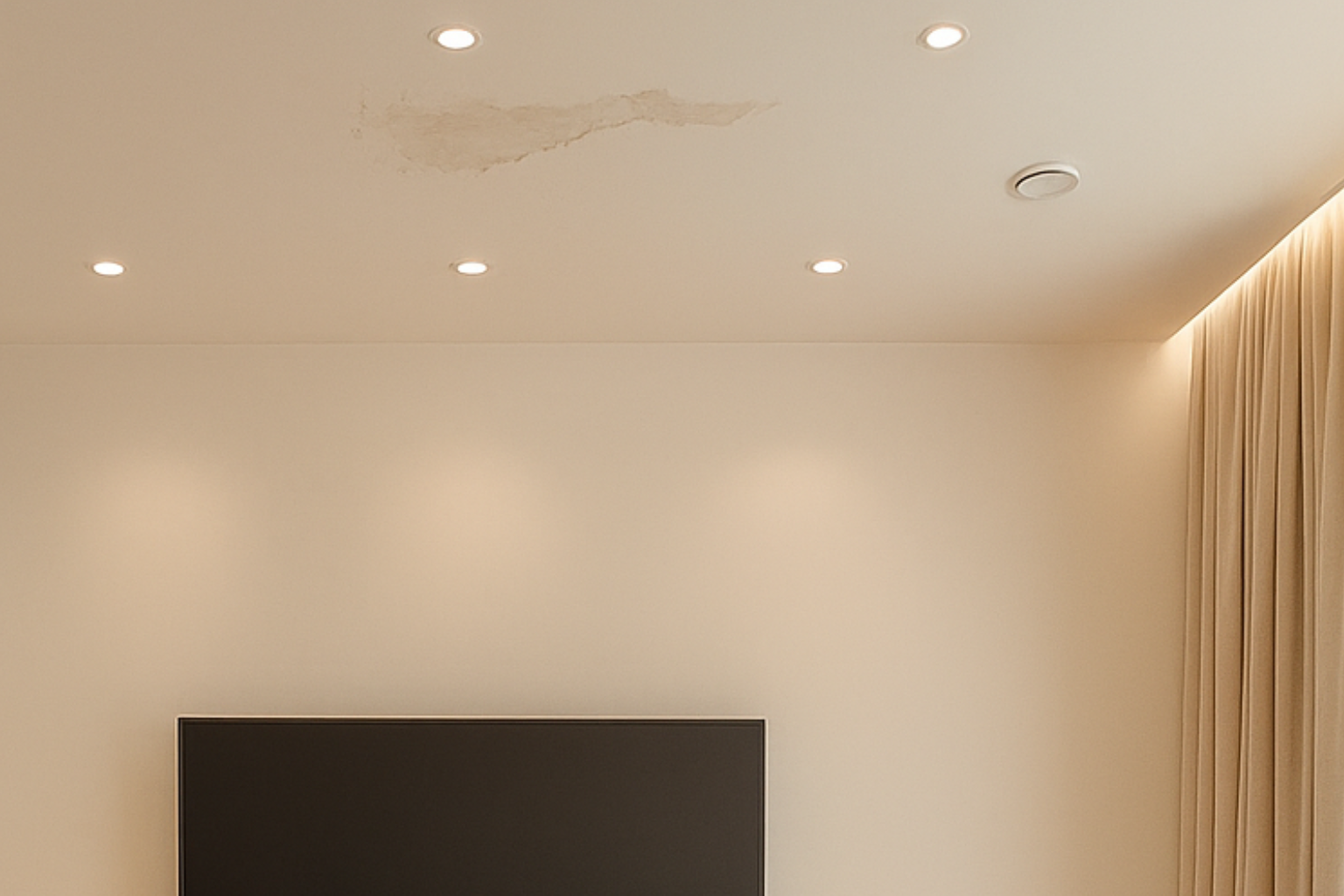
A Practical Guide to Finding and Fixing Problems
Most serious building problems start out boring. A little stain around a window. A musty corner in the basement. A slow water leak under a sink. If nobody pays attention, those small issues turn into rot, mold, and full-blown water damage repair jobs that eat budgets and schedules.
This hub pulls the pieces together: how moisture gets into a house, how to spot early warning signs, what to do in a flood or flooded basement event, how water damage restoration, water mitigation, and water remediation actually work, and how to keep humidity and leaks under control so you do not keep paying for the same problem twice.
If you want more background on how ground, foundations, and structure behave when water shows up where it should not, it pairs well with a deeper look at soil and foundations like this guide on foundations, soil analysis, and site investigation .
How Moisture Gets Into a House

Water gets into buildings in a few basic ways. If you understand these, you stop chasing “mystery leaks” and start tracing them with a clear head.
Bulk Water: Direct Leaks and Floods
Bulk water is the obvious stuff: rain blowing under shingles, a ceiling leak under a failed roof valley, a pipe that bursts, or a flooded basement after a storm. It shows up fast and usually leaves clear signs – standing water, soaked drywall, visible drips.
When people call an emergency water damage restoration line, it is usually bulk water: water leaking from ceiling, water leaking into basement after heavy rain, or a broken supply line. This is where you see pumps, wet vacs, and fans running 24/7.
Hidden Leaks: Slow, Quiet, and Expensive
Slow leaks are worse in some ways. A pinhole in a copper line, a failing wax ring on a toilet, or a tiny split in a shower drain can feed water into framing and finishes for months. There is no “flood” – just slow, steady damage.
These are the jobs that start with small stains, soft drywall, or a musty smell, and end as full-blown home water damage repair projects once someone finally opens the wall.
Condensation and High Humidity
Not all moisture comes from leaks. Everyday life adds a lot of water to the air: showers, cooking, drying clothes, plants, and people just breathing. If that air is trapped in a tight, poorly ventilated space, the moisture condenses on cold surfaces – glass, poorly insulated corners, the back of closets, basement walls.
This is where humidity in house and general moisture control matter. You see peeling paint, mold in corners, and chronic damp patches with no obvious “leak.” It is still water damage; it just arrived by air, not by pipe or roof.
Fast Triage: What Kind of Moisture Problem Is This?
Before you start cutting drywall or calling a water damage restoration company, classify what you are looking at. You have three main buckets:
- Active leak. Wet to the touch, dripping, spreading stain, or visible running water.
- Old damage. Dry to the touch, no smell, no growth, with clear edges on the stain.
- Condensation / humidity. Repeats in the same season, often in bathrooms, basements, or cold corners.
Ask yourself:
- Is it getting worse day to day or only after rain, showers, or certain uses?
- Is the surface soft, swollen, or “mushy,” or just stained?
- Do you smell mold or sewage, or just “old house” dust?
The answers tell you whether you are chasing a roof leak, a plumbing issue, a foundation / site problem, or a pure ventilation and humidity issue.
Common Building Envelope Leaks: Roofs, Walls, Windows
Start with the shell. If water is coming from outside, you will see patterns tied to rain and wind direction.
Roof Leaks
Typical roof-related signs:
- Stains or water damage restoration ceiling work needed directly under valleys or penetrations.
- Damp insulation in the attic and darkened roof sheathing around nails or joints.
- Stains creeping down from the top corners of exterior walls.
Common causes:
- Missing or broken shingles.
- Cracked or poorly detailed flashing at chimneys, skylights, and vents.
- Ice dams and backed-up gutters in cold climates.
A water leak detector will not help on the roof. You need eyes, safe access, and sometimes a roofer. From the ceiling side, any active water leaking from ceiling is an emergency: catch and contain, then track up and out.
Walls, Windows, and Doors
Bulk water at walls often shows as:
- Stains and soft drywall under window sills.
- Peeling paint or swelling near exterior doors.
- Localized wet spots on exterior walls during or right after storms.
Typical reasons:
- Failed flashing at windows and heads.
- Missing or cracked sealant at trims and siding joints.
- Incorrectly lapped housewrap or cladding details.
If you are planning new work or major replacements, it helps to understand how these details are drawn and specified in drawings. A basic guide to reading plans like this primer on reading blueprints and sections makes it easier to trace where water should be deflected on paper – and where it is actually going on site.
Common Indoor Leak Sources: Tanks, Fixtures, and Pipes
Not every water problem starts with a roof or a flooded yard. A lot of damage comes from small, boring leaks inside the house: hot water tanks, toilets, showers, and cheap valves that quietly drip for months.
Typical interior culprits include:
- Water heaters and hot water tanks. A water heater leaking from bottom or a hot water tank leaking from bottom usually means the tank itself is failing, not a quick patch job. Top leaks (water heater leaking from top) are often fittings or valves you can replace, but you still have to check for damage around the base and on any platform or framing.
- Bathrooms. A bathtub faucet leaking, a tub faucet leaking, or a slow leaking shower adds up over time. Add in a toilet leaking at base or toilet leaking from tank, and you have constant moisture under flooring and in framing if nobody deals with it. It shows up later as soft subfloor, loose tiles, or moldy drywall.
- Small plumbing fittings. The classic leaking faucet, dripping faucet, or leaking tap feels minor, but in tight cabinets and wall cavities that slow drip becomes a mold problem. Basic leaky faucet repair, new tap washers, and fixing a leaking pipe early is always cheaper than “damage restoration water” jobs later.
- Exterior fixtures. An outside faucet leaking into a wall, or a hose bib inside an uninsulated box, can soak sheathing and framing before anything shows inside. In cold climates, a small leak plus freezing can split pipes and flood basements.
If you are tracing an interior stain or swollen floor near a bathroom, laundry, or mechanical room, assume a quiet water leak first, then work your way out to bigger building-envelope issues. The sooner you handle these small leaks, the less you will need full-scale water damage restoration and repair later.
Basements, Flooded Spaces, and Groundwater
Basements and crawl spaces are where site design, drainage, and structure meet. If the exterior is wrong, you spend the rest of the building’s life fighting damp walls and basement water cleanup.
Typical Basement Moisture Patterns
Common symptoms:
- Water seeping in at the cove joint where slab meets wall.
- Damp spots or efflorescence bands on walls a foot or two above the slab.
- Full flooded basement after storms or snowmelt.
Causes:
- Poor grading and downspouts dumping water at the foundation.
- Failed or missing perimeter drains.
- Hydrostatic pressure from high groundwater or nearby bodies of water.
In these cases, calling a wet basement contractor or basement water removal service is step one; solving the exterior grading and drainage is step two. If you want the bigger picture of how site and foundations should be designed to avoid these problems, it is worth reading something like this groundwork and site-preparation hub on soil, drainage, and foundations .
What to Do in a Flooded Basement
When the basement fills with water, focus on three things:
- Safety: electricity, gas, and structural stability.
- Water removal: pumps, wet vacs, and professional water removal services if needed.
- Drying and cleaning: dehumidifiers, air movement, and removal of soaked finishes and contents.
This is where an emergency water damage mitigation team or flood cleanup services make sense. They bring pumps, extraction gear, and drying equipment. Good companies will also advise on what can be saved and what needs to be cut out and replaced.
Leak Detection and Monitoring
Some leaks are obvious. Others hide in slabs, behind finishes, or in buried lines. That is where leak detection tools and services earn their keep.
Simple Monitoring: Meters and Spot Checks
Before you call any leak detection services, there is simple work you can do:
- Use a basic moisture meter on suspicious areas of drywall and trim.
- Check water meter movement when all fixtures and appliances are off.
- Inspect accessible plumbing runs in basements and crawl spaces.
A water leak detector with a small sensor pad under a tank, sink, or appliance can catch leaks early. Smart systems like Flo by Moen (and similar) monitor flow and can shut off water automatically when they see unusual use.
Specialist Leak Detection
When the leak is in a slab, an underground line, or a large complex building, you step into specialist territory:
- Ultrasonic leak detector tools to listen for pressurized leaks.
- Underground water leak detector systems to find buried leaks.
- Thermal cameras to pick up temperature differences from cold water lines and wet areas.
These tools save you from random demolition. Instead of opening ten meters of slab or wall, a good detection crew narrows it to one or two targeted cuts.
Water Mitigation, Remediation, and Restoration – What the Companies Actually Do
Once water has soaked insulation, framing, and finishes, you are no longer in “wipe it up with a towel” territory. This is where water damage restoration, water mitigation, and water remediation come in. People throw these words around like they are identical. They are not.
In simple terms:
- Mitigation. Stop the damage from getting worse. A water mitigation company or water mitigation contractor deals with emergency steps: pumping out water, extracting from carpets, setting up fans and dehumidifiers, and protecting areas that are still dry. This is the “stabilize the scene” phase.
- Remediation. Clean and sanitize what can be saved. Remediation water damage covers drying, cleaning, and dealing with mold, sewage, or contamination. This is where sewage cleanup and mold protocols come in, especially after backed-up drains or sump failures.
- Restoration. Put the building back together. Restoration of water damage means repairing structure and finishes: new drywall, insulation, flooring, trim, and paint. In bad cases, restoration also includes structural repairs and full-room rebuilds.
A good water restoration team handles all three phases or works closely with contractors who do: emergency water removal services, water damage clean up, and full home water damage restoration. The red flag is any “restoration company water damage” outfit that only wants to skim coat and paint over swollen drywall without talking about drying, mold, or what actually got wet.
If you want to see how these decisions tie back into load paths and structural safety, it is worth pairing this with a broader structural overview like this structural analysis guide for everyday building design .
Humidity, Dehumidifiers, and Keeping the House Dry
Not all moisture comes from leaks. Showers, cooking, drying clothes, and just breathing push moisture into the air. If that humid air has nowhere to go, it condenses on cold surfaces and quietly feeds mold in corners, closets, and basements.
As a rough rule of thumb, the best humidity for home or best humidity for house is usually in the 30–50% range, depending on climate. That range is also what most people mean by “normal humidity in house” or “normal room humidity”. Go much higher and you are asking for condensation and mold. Go too low and you get dry air, cracked finishes, and comfort issues.
Practical tools and tactics:
- Exhaust and sensing fans. A good bathroom fan is non-negotiable. A humidity sensing bathroom fan can ramp up automatically when moisture spikes after a shower. Fans must vent outside, not into the attic, or you simply move the problem into your roof space.
- Dehumidifiers. A dehumidifier for bathroom or a full-room unit in a basement can keep humidity in check where ventilation alone is not enough. For problem spots, people use small tools like dehumidifier for mould, closet dehumidifier, wardrobe dehumidifier, or car dehumidifier bag to keep tight spaces dry.
- Layout and insulation. Improving insulation at cold bridges and keeping furniture a little off exterior walls reduces cold surfaces and condensation risk. Sometimes a tiny layout change does more than any gadget.
Managing air humidity inside the house is part of moisture control, not an extra. Get humidity into a healthy range and you cut down on surface condensation, mold, and the slow “mysterious” damage that never looks like a big leak but ruins finishes all the same.
How Water Damages Common Materials
Different materials fail in different ways. Knowing what you are looking at helps you decide between repair and full replacement.
Drywall and Plaster
Drywall acts like a sponge. Once it is soaked, it loses strength and the paper facing feeds mold. Water damage restoration ceiling work often starts with cutting out loose, sagging panels and any sections that crumble under light pressure. Wet insulation behind them usually has to go as well.
Plaster is tougher but brittle. It can survive light wetting if it dries quickly, but repeated wetting and drying will cause cracking, delamination from lath, and eventual failure. In older houses you may need a plaster specialist rather than a standard drywall crew if you care about the finish.
Wood, OSB, and Framing
Solid lumber can handle occasional wetting if it dries fast and stays ventilated. Long-term wetting leads to rot, especially at end grain and bearing points. OSB and particleboard are less forgiving – once they swell and lose structural integrity, they usually do not come back.
In floor and roof assemblies, you are not just looking at surface stains. You are looking for:
- Soft spots at high-traffic areas.
- Deflection or bounce under load.
- Rusting fasteners and plates in engineered trusses.
When the structure is involved, this is no longer just a “restoration” job. It is a structural repair, and it should be designed and checked accordingly.
Mold, Sewage, and Health
Once water stays in a building for more than a day or two, mold and bacteria become part of the conversation. This is where a “simple leak” turns into a health issue.
Mold from Clean Water Leaks
Even clean supply-line leaks eventually feed mold if the area stays damp. Paper-faced drywall, wood, dust, and insulation all provide food. Signs include:
- Musty odour, especially after the space has been closed up.
- Spots or fuzzy growth at corners, behind furniture, or on the back of stored items.
- Allergy or respiratory symptoms that improve when people leave the building.
Mold remediation is part of water remediation. It is not just about killing spores; it is about removing contaminated materials and fixing the moisture source so the problem does not return.
Sewage and Contaminated Water
Sewage backups, storm surges, and some floodwaters are a different category. Floors, walls, and contents soaked with sewage or “black water” need serious cleanup. This is where sewage cleanup, emergency sewage cleanup, and specialized water damage restoration services come in.
In these jobs, carpets are usually disposed of, not “cleaned.” Many porous materials cannot be safely salvaged. Expect more demolition, more PPE, and stricter protocols.
Codes, Documentation, and Insurance
Leaks and floods do not happen in a vacuum. Building codes, insurance rules, and documentation all affect what happens next.
Why Codes Matter for Water Damage Work
When you open up a ceiling or wall, you are not just patching what you see. You are potentially touching fire separations, vapor control, insulation levels, and structural elements. Even “simple” water damage restoration and construction work has to respect code requirements.
If you want a plain-English starting point, see a simple residential code breakdown like this guide to residential building codes simplified .
Insurance and Documentation
For insurance claims, you need:
- Photos and videos before, during, and after cleanup.
- Moisture readings and notes from any water damage specialists.
- Invoices and reports from water damage restoration contractors.
Good restoration companies understand this and build documentation into their process. If someone is doing “emergency water damage repair” with no written scope, no photos, and no moisture logs, expect trouble when you talk to insurers or when problems reappear later.
Design and Maintenance to Prevent Future Problems
The cheapest leak to fix is the one that never forms. Most prevention is basic, boring work done consistently.
Site, Drainage, and Foundations
Keep water away from the building:
- Grade soil so it falls away from foundations.
- Extend downspouts and keep gutters clean.
- Check that surface water has somewhere to go that is not your basement wall.
If you are designing new work or doing major renovations, learn from site analysis and foundation planning guides instead of guessing. A step-by-step site analysis workflow like this residential site analysis process will save you moisture headaches later.
Interior Maintenance
Inside the house:
- Inspect plumbing fixtures and supply lines for slow leaks.
- Service water heaters before they rust out at the base.
- Use and maintain exhaust fans in kitchens and baths.
- Watch for early signs: small stains, soft spots, or a “new” musty smell.
None of this is glamorous, but it is how you avoid calling a 24 hour water damage restoration crew at three in the morning.
FAQ
How do I know if I need a water damage restoration company or if I can fix it myself?
Look at scale and contamination. A small, clean leak caught early – for example, a leaking faucet that dripped into a cabinet for a few days – is often a DIY repair plus some drying. Once water has soaked insulation, subfloor, or multiple rooms, or you are dealing with sewage or floodwater, you are into water mitigation and restoration territory. If you see sagging ceilings, widespread mold, or “squishy” floors, bring in a pro.
What is the difference between water mitigation, remediation, and restoration?
Mitigation is about stopping the damage from getting worse – pumping out water, extracting from carpets, setting up fans and dehumidifiers. Remediation is cleaning and sanitizing what got wet, including mold and sewage cleanup. Restoration is rebuilding: new drywall, flooring, trim, and sometimes structural repairs. Good water damage restoration contractors address all three, not just the cosmetic finish.
What humidity should I keep in my house to avoid mold and condensation?
Aim for normal humidity in house levels – roughly 30–50% relative humidity for most climates. Above that, you are more likely to see condensation on windows, cold corners, and uninsulated surfaces. Below that, air gets dry and uncomfortable. Use exhaust fans, a dehumidifier for bathroom or basement where needed, and watch for signs like persistent condensation on glass or mold in corners.
Do I always have to replace wet drywall and insulation after a leak?
It depends on how wet, how long, and what type of water. Lightly damp drywall from a one-time incident that dried quickly might be fine after checking for mold. Soaked, sagging, or crumbling drywall needs to be cut out. Wet fiberglass insulation can sometimes be dried in place if it did not stay saturated for long; blown-in cellulose or long-saturated batts are usually replaced. Category 3 (sewage or contaminated) water means most porous materials go in the trash, not back on the wall.
How fast do I need to act after a flood or major leak?
Fast. The first 24–48 hours are critical. The longer materials stay wet, the deeper water penetrates and the higher the risk of mold and structural damage. This is why serious events often justify calling an emergency water damage restoration service or water removal services crew. They can get extraction and drying started while you deal with insurance and longer-term decisions.
Can special paints or coatings prevent water damage?
Thick “anti-crack” or “no more damp” paints can help hide minor surface flaws and resist light condensation, but they do not stop leaks, fix missing flashing, or repair failed waterproofing. Use them as a finishing layer after you have fixed the actual moisture source, not as a shortcut around proper water damage restoration and construction.
When should I worry about mold and health issues after a leak?
Any time materials stay damp for more than a couple of days, especially in warm conditions, mold becomes a realistic risk. If you see visible growth, smell musty odours, or have a history of allergies or asthma in the household, treat the situation as more than “just a leak.” This is where mold and water remediation from a competent contractor makes sense – removal of contaminated material, proper drying, and fixing the source so it does not return.