
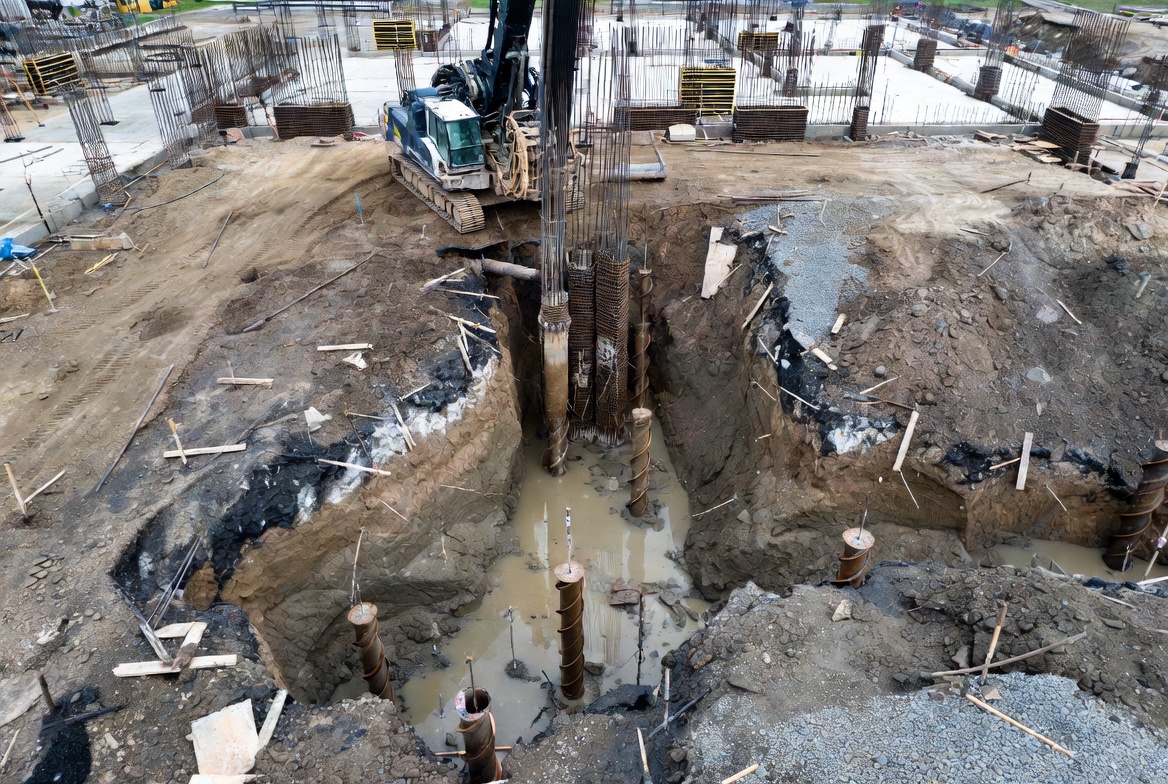
Nobody likes hearing “we need piles” after the job is already moving.
That sentence usually shows up after the clean plan starts breaking down. Footings looked fine. Excavation starts. Then the borings read worse than expected, the fill runs deeper than anyone thought, groundwater shows up too early, or the old building next door turns vibration into a real problem instead of a note in the report.
Sometimes it is a new-build issue. Sometimes the building has already moved, the cracks are already there, and now the repair scope starts using words most owners were not expecting to learn. Either way, piling specialists usually enter the job when shallow foundations stop looking reliable enough and the load has to be carried deeper into something the site can actually trust.
If you need the broader foundation picture first, start with types of building foundations. This page is for the point where the ground has already made the job harder.
When a Job Turns Into a Pile Job
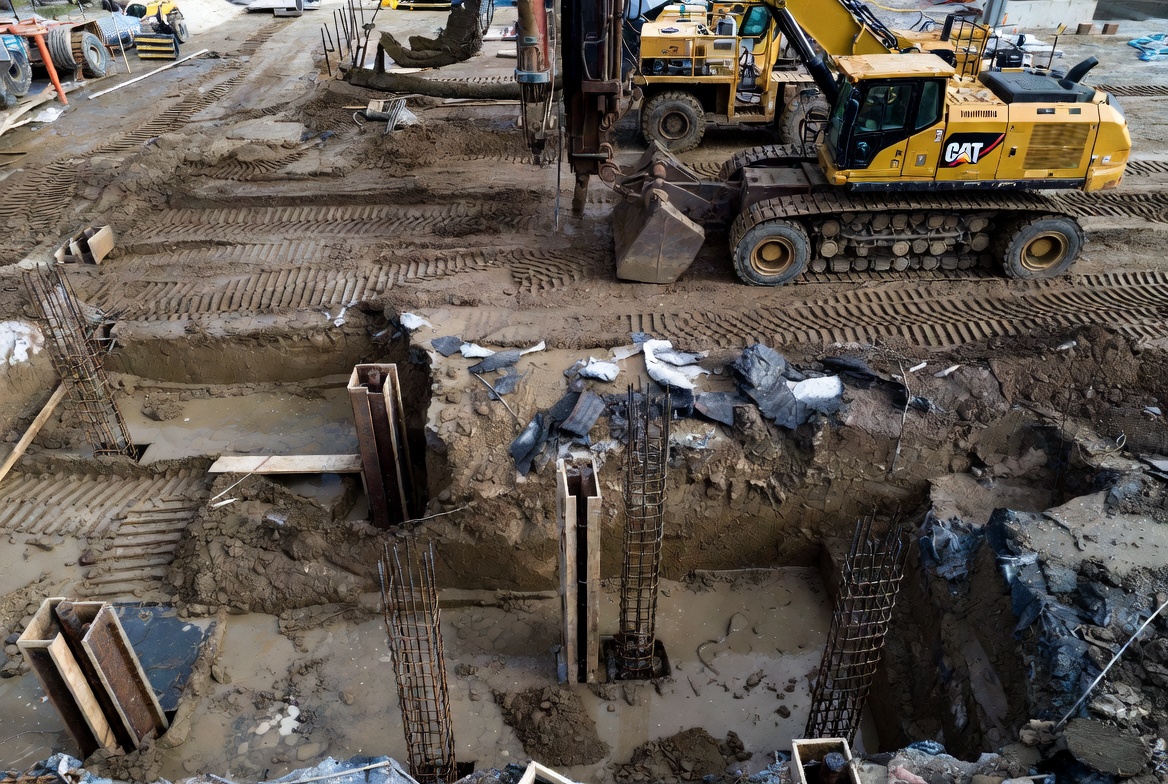
Deep foundation excavation with drilled pier elements and reinforced foundation work in progress.
Piling is not the default on ordinary small projects because it costs more, needs specialized equipment, and usually solves problems that basic excavation-and-pour work cannot.
Weak near-surface soil. Fill, soft clay, loose material, organics, buried debris, or ground that looks decent until you actually open it up.
Heavy loads. Tall buildings, bridge work, retaining systems, industrial equipment, or additions pushing too much weight onto bad soil.
Access limits. Tight side yards, urban infill work, low headroom, nearby structures, overhead wires, or a site where the machine itself becomes part of the problem.
Vibration limits. This one gets real fast beside old masonry, brittle plaster, aging utilities, or neighbors already waiting to complain. Driven piling may still work. It just stops being a casual choice.
Repair and underpinning. A lot of piling work is not glamorous new construction. It is stabilization after settlement, slope movement, or a failing foundation has already forced the issue. If that is your situation, this page on foundation underpinning is the right companion read.
That is the first useful correction. Piling is rarely about preference. It is usually about constraints, risk, and load finding better ground than the surface can offer.
What These Specialists Are Really Hired To Do
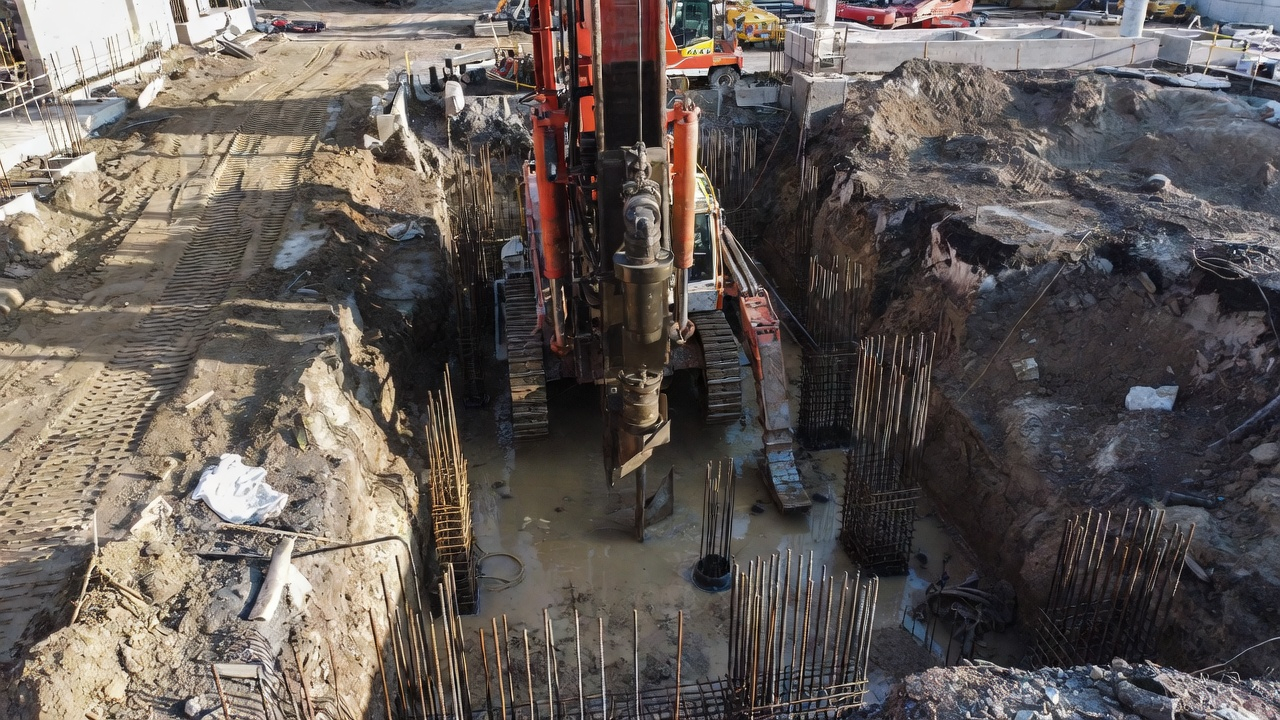
They are not just the crew with the rig.
A good piling contractor is working inside a chain that includes the geotechnical report, structural loads, access limits, installation criteria, testing requirements, and whatever ugly surprises the site has been saving for the day equipment finally arrives.
At the practical level, specialized piling and foundation services usually include:
- reviewing geotechnical and structural information before mobilization
- helping match the pile type to the actual site problem
- installing piles to depth, torque, pressure, refusal, or other project criteria
- handling obstructions, groundwater, buried junk, layout conflicts, and access trouble in the field
- coordinating inspection, testing, and installation records
- turning the work back over with something the engineer can accept without guessing
That last part matters more than owners expect. One of the most common complaints on deep-foundation jobs is not just cost. It is spending real money and getting almost nothing useful in writing afterward.
Which System Fits Which Problem
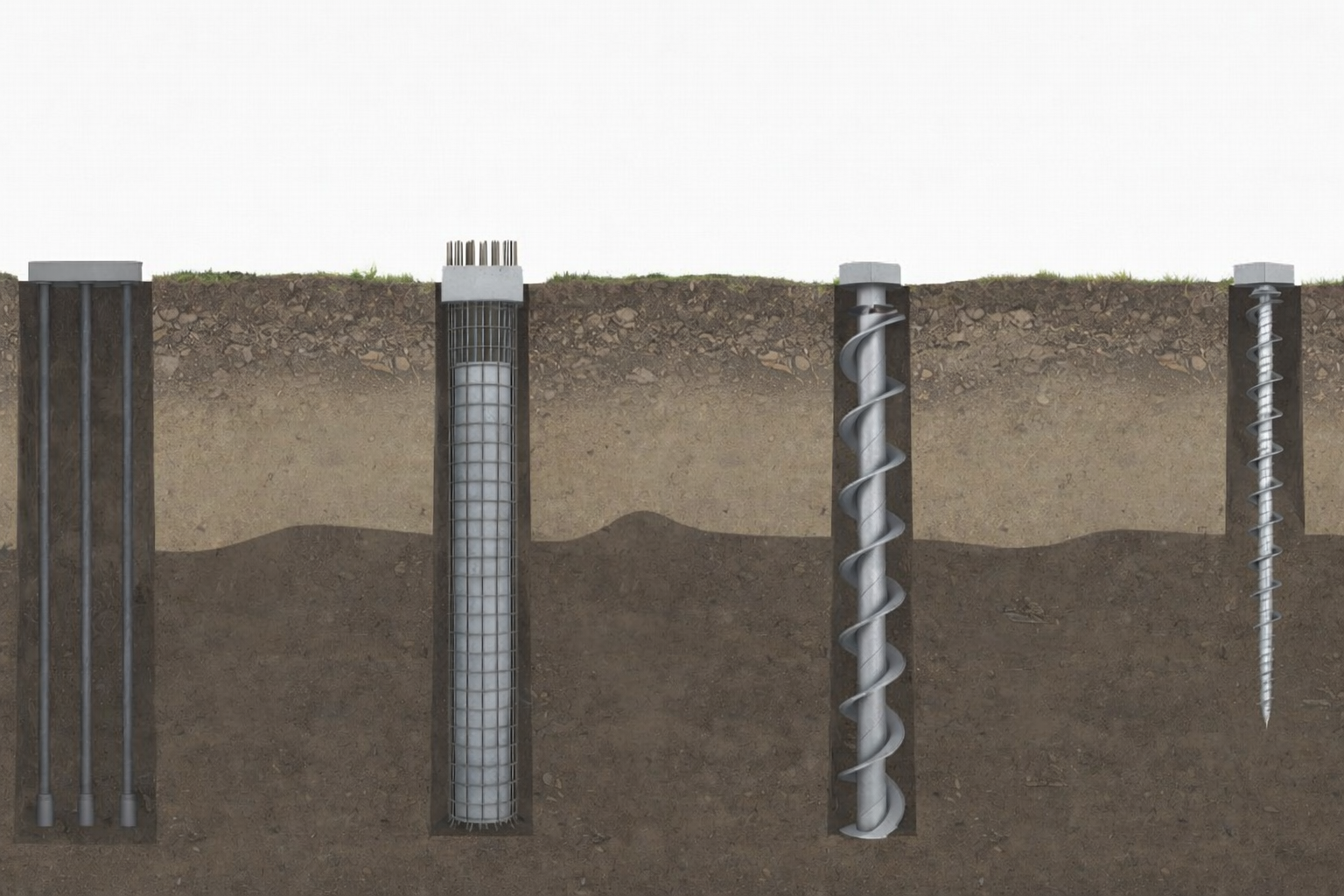
Conceptual comparison diagram showing four common deep-foundation systems: driven piles, drilled shafts, helical piles, and micropiles.
This is where the sales pitch can get slippery. The right system depends on what is actually wrong with the site.
Driven Piles
Driven piles are prefabricated steel, concrete, or timber elements installed with impact or vibration. They are often a strong choice when you need capacity, speed, and repeatability, especially on larger jobs with room to work.
They are a bad pick when vibration and noise are the real jobsite risk and nobody wants to admit it yet. They can also become painful on tight urban sites where access, monitoring, and neighbor conditions were underthought. The pile itself may be fine. The surroundings may not be.
Drilled Shafts and Bored Piles
These are built in place by drilling a hole, placing reinforcement, and filling it with concrete. They make sense where driven piling would be too disruptive, where larger-diameter deep elements are needed, or where the subsurface conditions suit drilled installation better.
They are a bad pick when spoil handling has not been thought through, groundwater control is weak, or the site acts like drilled work is “cleaner” without pricing the mess. Spoils hauling can get ugly fast. Wet soil, slurry, contaminated material, trucking, staging. That part has a way of showing up late and billing early.
Helical and Screw Piles
These are steel shafts with helices rotated into the ground. They are common on additions, decks, light structures, repairs, and sites where excavation needs to stay limited.
They are a bad pick when they are being sold as a universal answer. Helicals work well in the right conditions, but quick installation is not the same thing as automatic success. Torque, uplift, bracket fit, corrosion exposure, lateral demand, and the actual load path still matter. A pile that went in fast can still be the wrong pile.
Micropiles
Micropiles are small-diameter drilled and grouted piles used where space is limited, headroom is tight, vibration must stay low, or an existing structure needs underpinning without a full tear-it-open operation.
They are a bad pick when someone expects them to behave like a cheap shortcut. They are usually a precision answer to a difficult site, not a bargain option. If the conversation has turned to micropiles, the constraints are usually real and the job is already past the easy stage.
Sheet Piles
Sheet piles belong in the conversation too, but usually for earth retention, water control, cofferdams, or temporary support rather than direct vertical support for the building itself.
They are a bad pick when somebody treats them like a foundation cure-all instead of what they actually are. Good at holding back soil or water. Not a substitute for every deep foundation need.
The Arguments That Start Once the Rig Shows Up
This is the part brochures skip.
Pre-drill versus drive. One side wants cleaner installation and less vibration. The other side wants full capacity without softening the process too much. Sometimes pre-drilling makes sense. Sometimes it changes the installation behavior enough that everyone starts arguing about what the acceptance criteria really mean.
Refusal changed halfway through the job. This one burns time and trust. The piles are not behaving the way the early assumptions suggested, and now the field crew, engineer, and contractor are suddenly negotiating in public about whether the pile is truly accepted.
Spoils have nowhere to go. Drilled systems generate material, and not every site has room to stockpile it. Add wet conditions, trucking limits, or questionable fill and the disposal issue stops being minor.
The neighbors are now involved. Not abstractly. Actively. The walls shook, the dog lost its mind, and someone wants a crack survey from before the work started. Vibration monitoring and preconstruction condition documentation feel boring right up until the first complaint lands.
The rig does not really fit. Sales said yes. Field reality says fence removal, crane swing problems, utility conflicts, matting, or equipment substitution. This happens more than it should.
That is why the groundwork matters so much. Before the pile type gets sold, the site needs to be read properly. This is where soil analysis and site investigation usually matter more than the equipment list.
Where These Jobs Usually Go Sideways
The expensive failures are usually built out of smaller boring mistakes.
The report was too thin. Not totally wrong. Just not deep enough, not read carefully enough, or not representative of the ugly part of the site where the real problem was waiting.
The contractor sold the system they know best. That is not automatically dishonest. It is still something to watch. Some crews are excellent at one pile type and strangely uncurious about all the others.
Acceptance was never defined clearly enough. “Installed correctly” is useless language on a deep-foundation job. The real standard is what was measured, what was observed, what was tested, and what the engineer agreed to accept.
The consequences were priced too late. On a pile job, small misses can turn into trucking costs, inspection delays, remobilization, redesign, or neighbor claims. Deep foundation work gets expensive fastest when the team keeps acting surprised by the site.
The Records You Should Expect
Owners and smaller builders often focus on the pile itself and miss the records. That is backward.
The useful paper trail usually includes geotechnical recommendations, the engineer’s foundation schedule, installation logs, any field adjustments, testing results if testing was required, and final acceptance documentation.
For helical work, owners often assume they will automatically receive clean installation records and learn too late that nobody defined that properly. On repair work, the same thing happens with bracket details, load assumptions, or elevation recovery. Everyone thought it was understood. It was not.
That is not paperwork theater. It is the difference between “we installed piles” and “here is what was installed, where, against which criteria, and how it was accepted.”
Questions Worth Asking Before You Sign
You do not need to become a geotechnical engineer. You do need better questions.
- What site information are you basing this system on?
- What would make you change methods once work starts?
- What happens if access, spoil, groundwater, or obstructions get worse than expected?
- How are vibration, nearby buildings, and pre-job condition documentation being handled?
- What installation records, testing, and final acceptance paperwork will I actually receive?
- If this is repair work, what exactly is being stabilized and what is outside the scope?
If the answers stay vague, the risk does not disappear. It just gets handed downhill to the owner.
When Piling Is Too Much
This matters too.
Not every annoying site needs a pile rig. Sometimes the real fix is drainage. Sometimes it is overexcavation and replacement. Sometimes it is better compaction, a lighter structure, or a different shallow-foundation approach.
That is why piling should not be treated like a prestige solution. It is a specialized one. Strong, yes. Useful, absolutely. Expensive, also yes. Worth it when the ground or structure demands it. Wasteful when it does not.
If you are still earlier in the decision, this guide to foundation excavation methods and this piece on choosing excavation contractors help sort out the stage before the project tips into deep-foundation work.
What You Are Really Paying For
The easy answer is pile capacity. The more honest answer is fewer guesses.
Specialized piling services are what you pay for when the ground is unreliable, the structure is demanding, the site is constrained, or the cost of movement is too high to shrug off.
Good piling contractors are not just selling steel, concrete, grout, or machine time. They are selling a way to get the load past bad ground with fewer ugly surprises than the site would otherwise hand you.
And that is really the correction. Piling is not some elite version of a footing job. It is what shows up when the easy foundation answer has already stopped being believable.