
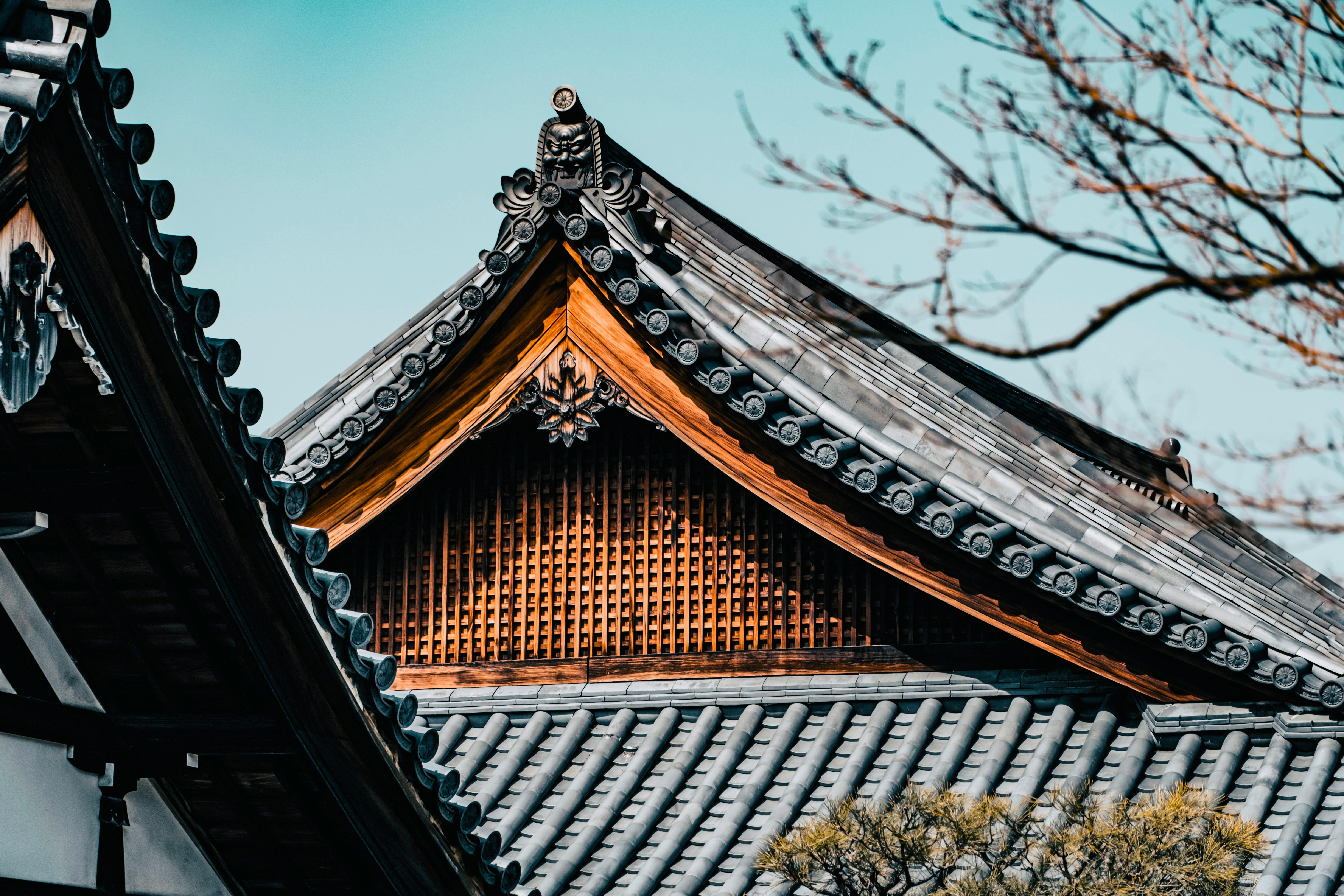
Japanese Architecture: Why It Still Works Today
Japanese homes aren’t loud. They don’t scream luxury or chase trends. But they do something better — they make you feel calm, focused, and at home.
From countryside kominka to smart urban townhouses, the logic behind Japanese design has quietly been solving the same problems we still face today: space, light, comfort, and flow.
Over the years, we’ve worked on everything from tight city remodels to nature-blended homes. And when a project starts to feel off? We almost always find ourselves circling back to Japanese principles.
Natural materials. Flexible spaces. Quiet balance instead of busy layouts.
Below, we’re not just unpacking history — we’re showing you why it still matters. With real stories, design wins, and lessons from mistakes we’ve actually made.
Related: Engawa—a Japanese-style corridor that connects the house to the outdoors.
Japanese Architecture: The Style Everyone Can Learn From
How Japanese Houses Teach Us to Think Differently About Space
(A Design Psychology Perspective That Western Homes Ignore)
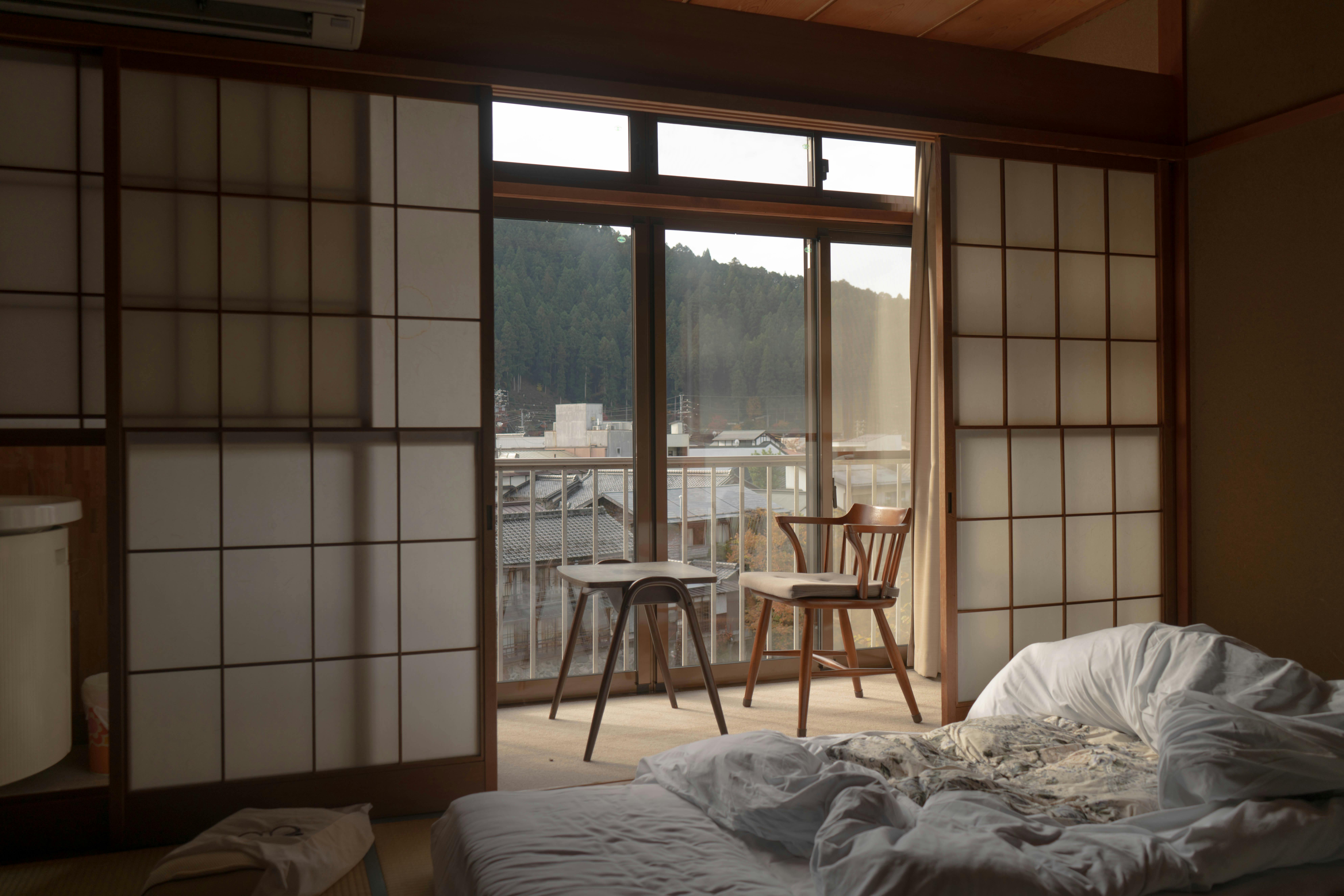
Forget fancy materials for a second. The real brilliance of Japanese traditional homes? It’s psychological.
These houses aren’t just places to eat and sleep — they’re environments that shape how you think, move, and feel.
Every sliding panel, empty alcove, and soft tatami underfoot plays a quiet role in how the body slows down, how the mind softens, and how the home quietly trains you to live with more intention.
Let’s unpack how the layout itself teaches a different kind of living.
Mental Calm vs. Visual Clutter
Why Japanese Minimalism Isn't Just a Vibe
Western homes often shout with open-concept kitchens, walls of art, and piles of "stuff." Japanese homes whisper. They use simplicity not as an aesthetic, but as emotional architecture.
-
Fewer items = fewer distractions = calmer nervous system.
-
Soft textures, low contrast, and a natural palette allow the eyes and brain to rest.
-
Instead of “filling” the room, designers curate emptiness for mental clarity.
Design Insight: A Tokyo-based architect once told us:
“A Western living room asks you to perform. A Japanese room invites you to breathe.”
Intentional Emptiness (Ma)
Space Isn’t Just Empty — It’s Alive
In Japanese architecture, the empty space between things (called Ma) is just as important as the objects themselves. It’s not a void. It’s a pause. A breath.
-
In a tea room, the absence of furniture creates a sense of calm.
-
A single flower in the tokonoma is powerful because of the blank space around it.
-
Walking paths are never crowded — they're staged for rhythm and silence.
Compare this to Western designs where empty space often feels unfinished or wasted. In Japan, it’s purposeful.
What to avoid: Filling every shelf. Filling every corner. A room doesn’t need more things — it needs more meaning.
Habit Training Through Layout
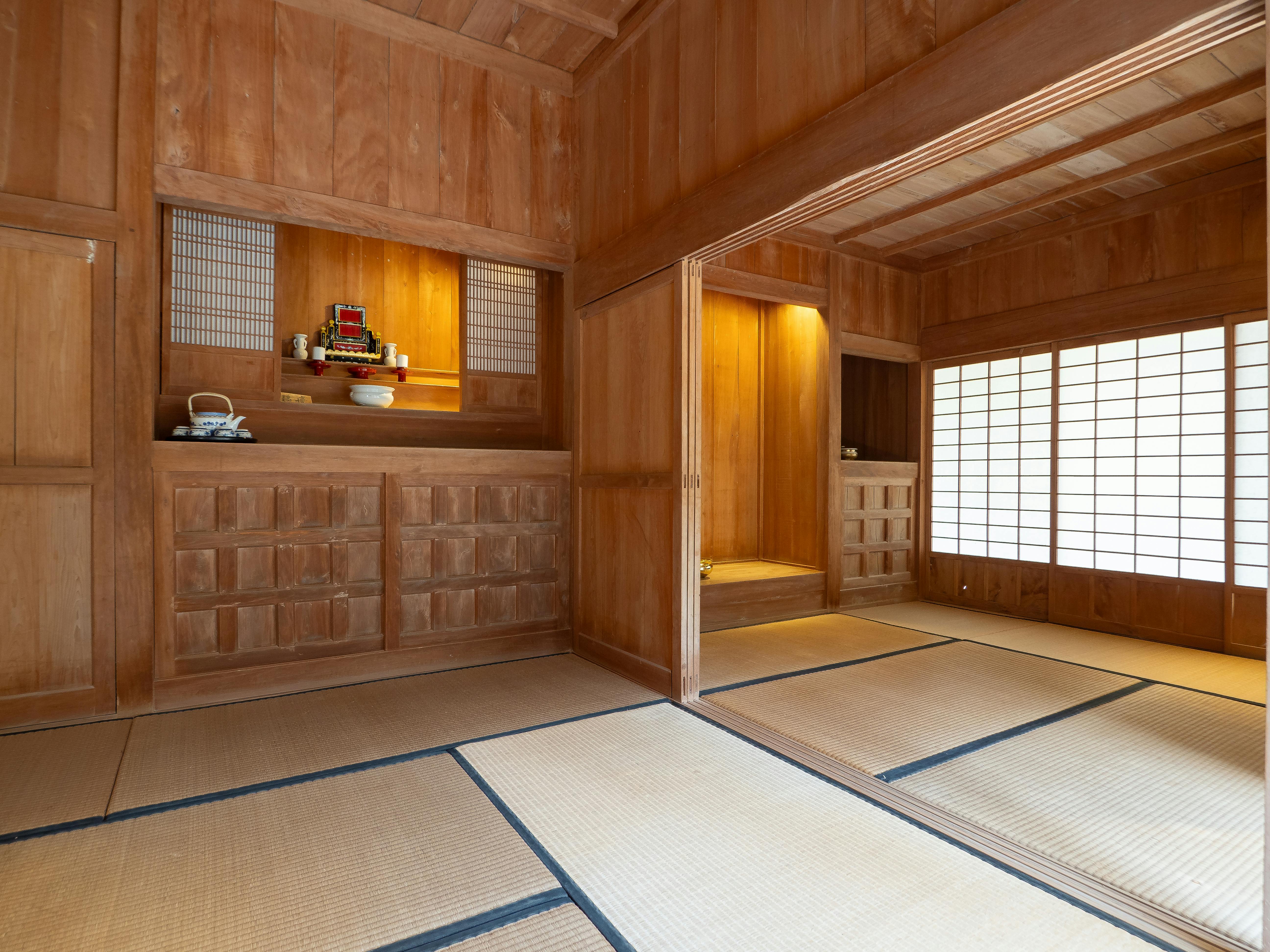
The House That Teaches You to Live Better
Japanese homes have subtle ways of shaping behavior. They don’t just accommodate habits — they encourage better ones.
-
Genkan (entry zone): Removing shoes at the threshold isn’t just tradition — it physically marks the boundary between outside chaos and indoor peace.
-
Floor Seating: Encourages better posture, slower meals, and mindful rest.
-
Minimal Storage: Forces you to keep only what you need — no space for hoarding.
-
Sliding Doors: Rooms aren’t fixed. They transform based on the moment — morning yoga, afternoon tea, evening sleep.
One carpenter joked with us:
“A house should teach you how to live lightly. If it doesn’t, it’s just walls.”
Behavioral Design: Rooms Without Labels
The Power of Undefined Space
Unlike Western homes where each room has a name (kitchen, living room, bedroom), Japanese rooms are often multipurpose.
-
A 6-tatami mat room might be used for tea in the morning, work in the afternoon, and sleeping at night.
-
The absence of fixed furniture allows the function to change, not just the form.
-
The layout encourages adaptability and reflection — what do you really need from this space right now?
👓 Modern Tip: Try de-labeling a room. Instead of calling it “the office,” let it be an empty space that changes. Add light, flexibility, and intention — not more furniture.
Traditional Japanese House Layout
(Focus: flow, adaptability, calm transitions)
Image: Room layout comparison of a traditional and modern hybrid Japanese home, highlighting differences in space usage and design elements.
Key Characteristics:
-
Genkan (Entrance): Lowered step area where shoes are removed. Leads to the main home space.
-
Washitsu (Tatami Rooms): Multi-purpose rooms with tatami flooring. No fixed function—used for sitting, eating, or sleeping.
-
Fusuma (Sliding Doors): Movable partitions between rooms. Allows the space to be opened or divided as needed.
-
Engawa: Covered outdoor corridor between interior rooms and the garden. Often used for quiet moments or weather protection.
-
Irori or Kotatsu (Sunken Hearths): Used for heating and socializing in colder regions.
-
Storage: Built-in hidden storage like oshiire (closet) or tansu (chests), usually built into walls.
Room Flow:
-
Genkan → Washitsu → Kitchen (separate) → Engawa/Garden
-
Rooms are open-plan, reconfigurable
-
There is usually no designated dining or living room
-
Sleeping mats (futon) are rolled out at night
Modern Hybrid Japanese House Layout
(Focus: preserving tradition, with clear zones for modern life)
Key Characteristics:
-
Genkan remains as an entrance ritual
-
Dedicated Washitsu room (tatami) used for tea, guests, or meditation
-
Modern Living Room with low furniture, large windows, and natural materials
-
Western-style Kitchen & Bathroom with clean, modern finishes
-
Open-plan Living–Dining–Kitchen (LDK) layout—common in Japanese homes today
-
Small Engawa-inspired balcony or sunroom
Room Flow:
-
Genkan → LDK Area → Washitsu Room or Bedrooms
-
Tatami area often blended into the modern space (e.g., sunken tatami zone in living room)
-
Rooms serve clear functions, but maintain flexibility
-
Storage units and minimal built-ins keep the design uncluttered
Key Takeaways:
| Feature | Traditional | Modern Hybrid |
|---|---|---|
| Entry | Genkan | Genkan |
| Room Function | Fluid / Multi-use | Clearly defined (Living, Dining, etc.) |
| Flooring | Mostly tatami | Wood + partial tatami zones |
| Walls | Fusuma (sliding) | Combination (walls + fusuma) |
| Heating | Kotatsu or Irori | Radiant floors or electric heaters |
| Layout Flow | Circular, soft flow | Open-plan with focal areas |
| Outdoor connection | Engawa | Balcony / Patio |
Example
In Kyoto, a family lives in a 90-year-old machiya-style house. They’ve kept the tatami room for hosting grandparents and tea ceremonies, but installed a modern kitchen and open living room for daily life. The washitsu now functions like a guest lounge, while the living room holds a sunken tatami nook near the window.
In Tokyo, many homes today combine a compact Western-style LDK layout with a single tatami area near the balcony, keeping a link to tradition while staying fully functional.
Real-Life Example: From Chaos to Calm
In a recent remodel in California, we replaced a client’s oversized sectional with tatami seating and replaced overhead lights with paper lanterns.
The room, once chaotic and loud, became a peaceful reading space by day and guest room by night. The client didn’t just change their furniture — they changed their behavior.
Their words:
“It slowed us down. Now we take off our shoes, sit lower, speak softer. We didn’t expect a room to change how we live.”
Your House Can Be a Teacher

What Western architecture often misses is this: the layout itself is a tool. A wise space doesn’t demand more of you — it gives more to you.
It simplifies. Softens. Refocuses.
Japanese homes don’t just house life — they shape it.
So if you’re building or renovating, ask yourself:
-
Does this space help me rest?
-
Does it adapt as I grow?
-
Does it guide better habits?
If the answer is no — maybe it’s time to think like a Japanese carpenter.
In Focus: Shoji Light Diffusion
Soft Light, Soft Mind
Japanese homes don’t blast you with light. Instead of harsh ceiling bulbs or exposed windows, they use shoji screens — those paper-covered sliding doors that let light in gently.
Why it matters:
-
Filtered light calms the brain. It reduces glare, prevents eye strain, and helps regulate your circadian rhythm — your body’s natural sleep and mood cycle.
-
It gives a space that glow, instead of a glare. It’s not trying to spotlight everything — it’s trying to keep you comfortable.
Even if you don’t live in Japan:
-
Use diffused curtains, frosted glass, or rice paper stick-on film over windows.
-
Try lamps with parchment or linen shades instead of bare bulbs.
-
Avoid blue-white LED lights — go for warm whites in the 2700K range.
Real tip: A designer in Toronto replicated the shoji effect in a modern apartment by layering a linen roller blind behind a translucent IKEA panel. Not only did it block the street view, but it also changed how her clients felt in the space — calmer, more grounded, and less “on.”
In Focus: Tatami Zones = Stress Zones
The Ground Is Telling You to Relax
Tatami mats aren’t just a style choice. These straw mats are usually about 2" thick and slightly soft — and they change the way you use a room.
Here’s what actually happens:
-
You take off your shoes — immediately, your brain shifts from “public” mode to “private” mode.
-
You sit lower — on cushions, or directly on the mat. You’re not hunched over a dining table, and you don’t “crash” into a sofa.
-
You move slower — partly because you don’t want to damage the mat, and partly because you’re closer to the floor.
Psychologically, tatami rooms reduce mental pressure. They nudge you into being still.
You don’t need actual tatami:
-
Try a low platform area with soft rugs or floor cushions.
-
Use floor zones where people naturally remove shoes (entryways, window corners).
-
Add a subtle boundary — like a step up, a wooden threshold, or a curtain — to make it feel like a dedicated “calm zone.”
👣 Real tip: A family in Vancouver built a small tatami-style corner off their living room using IKEA floor cushions and a wooden step. It became their screen-free reading nook — even their hyper dog chills out there.
🌿 In Focus: Engawa – The Lost Porch Zone
A Breath of Space Between Worlds
Engawa is that narrow edge zone — part porch, part hallway — between a Japanese home and its garden or street.
It’s usually covered, open on one side, and just big enough to sit or walk along.
Here’s why it’s brilliant:
-
It acts like a buffer zone — not quite indoors, not quite outdoors.
-
It lets you pause before entering or leaving. That tiny delay matters — it helps your brain shift gears.
-
It also creates visual depth — softening the harsh line between home and the outside world.
Why we need this now:
-
Modern homes often go straight from sidewalk to front door, or from living room to backyard. That abruptness is jarring — especially when you're already overstimulated.
How to bring it back:
-
Add a small covered walkway, deck, or even a bench and trellis right outside your door.
-
Use wood slats, pebbles, or greenery to visually frame it.
-
Inside, a simple step-up entry (genkan-style) or even a sitting bench can create the same feeling.
Real tip: An architect in California added a 2-foot-wide side deck along a home’s kitchen wall, with just one potted maple tree. That small “in-between” space turned into their favorite tea spot — without needing a full garden or porch.
Architectural Heritage and Vernacular Design in Japanese Architecture

Japan’s architectural heritage tells a story of ingenuity, adaptability, and harmony with nature. From early timber techniques to beautifully crafted rural homes, traditional Japanese architecture masterfully blends functionality with natural materials.
Here’s a look at its roots, evolution, and influence.
Ancient Japan: How Did They Build Without Nails?
One of the most remarkable features of early Japanese architecture is its timber joinery techniques—structures built entirely without nails. Known as kigumi, these intricate interlocking systems provided strength, flexibility, and durability.
- Why no nails? Japan’s humid climate caused nails to rust quickly. Builders developed wooden joints that fit together like puzzles, making buildings more resistant to earthquakes.
- Natural Wood: The beauty of exposed wooden beams highlighted the craftsmanship and practical approach of Japanese builders.
These methods, refined over centuries, set the foundation for many traditional homes and continue to inspire carpenters and designers today.
Classic Japanese Architecture: A Perfect Blend of Materials
Japan’s architectural history offers a completely different perspective on how we view architecture — one that most people never see.
And in architecture, fresh perspectives are always welcome. Let’s look at how Japanese design tells the story of its people's culture and innovation.
Is there a unique kind of beauty hidden in every detail? There is — and it’s worth seeing through this lens.
Classic Japanese architecture is built around natural, sustainable materials that emphasize simplicity and function.
Key Materials and Features:
- Wood: The backbone of Japanese structures, used for beams, columns, and flooring. Cedar, cypress, and pine were the most common choices.
- Bamboo: Used for fences, decorative screens, and smaller structural elements.
- Clay Tiles: Roofs featured curved clay tiles for durability and visual elegance.
- Shoji Screens: Sliding panels made of translucent paper allowed light to filter through while providing privacy.
This thoughtful use of materials created spaces that were practical, long-lasting, and deeply connected to their natural surroundings.
Minka Homes: Practical Rural Design for Everyday Life
Minka homes, built for farmers, merchants, and artisans, were designed to be both functional and adaptable. These rural homes are some of the best examples of Japan’s vernacular architecture.
What Makes Minka Homes Unique?
- Flexible Layouts: Sliding doors (fusuma) allowed rooms to change function as needed.
- Raised Floors: Wooden floors were elevated for ventilation, protecting interiors from humidity.
- Engawa (Veranda): A wooden veranda connected the house to the outdoors, creating a space for relaxation and shelter.
- Natural Materials: Minka relied on wood, bamboo, and thatch, blending seamlessly with the environment.
What’s impressive is how minka homes continue to evolve. Today, many are being carefully renovated to incorporate modern comforts while preserving their original charm and craftsmanship.
Urban and Castle Architecture: Adapting to a Changing Society
As Japan urbanized during the Edo period (1603–1868), urban homes and fortified castles showcased new approaches to design.
- Machiya (Townhouses): Narrow homes in cities featured wooden frameworks, sliding partitions, and small courtyard gardens for light and ventilation.
- Castles: Built with stone foundations, thick walls, and layered roofs, Japanese castles balanced defense with aesthetics. Notable examples include Himeji Castle and Matsumoto Castle.
These architectural developments reflected Japan’s changing society while maintaining a commitment to natural materials and functional design.
History Timeline: The Evolution of Japanese Architecture
- 300 BCE–250 CE: Pit dwellings with thatched roofs served early agricultural communities.
- 300–710 CE: Raised-floor buildings emerged, offering improved ventilation and protection.
- 794–1185 (Heian Period): Aristocratic mansions featured open layouts, verandas, and garden connections (shinden-zukuri style).
- 1185–1573: Rural and urban homes adopted sturdier designs with sliding partitions and natural materials.
- 1603–1868 (Edo Period): Urban machiya homes and grand castles reflected stability and growth.
- 1868–1912 (Meiji Period): Western materials like brick and stone influenced Japanese architecture.
- Modern Era: Traditional methods were revived in contemporary projects, blending heritage with innovation.
Traditional Japanese Architecture
How Japanese Architecture Blends Nature and Function

Depiction of traditional Japanese residential architecture, featuring a wooden house with a tiled roof, sliding shoji doors, and an extended veranda. The setting includes wooden beams, exposed joinery, and a small courtyard garden with stones and plants.
The Essence of Traditional Japanese Architecture
Traditional Japanese architecture reflects a balance of simplicity, functionality, and harmony with the natural world. Using local materials and ingenious design solutions, it evolved to suit Japan’s unique environment, culture, and needs over centuries.
Here’s a detailed look at its defining features, layouts, and key examples.
Key Features of Traditional Japanese Architecture
- Simplicity and Minimalism:
- Clean, uncluttered spaces are a hallmark of traditional Japanese design.
- Homes prioritize functionality while embracing open, adaptable layouts.
- The use of ma (negative space) creates an atmosphere of calm and balance.
- Natural Materials:
- Wood: The primary structural material, including cedar, cypress, and pine, chosen for its durability and flexibility.
- Bamboo: Used for screens, fences, and decorative elements.
- Paper (Shoji): Lightweight sliding panels diffuse soft light indoors.
- Clay Tiles: Gabled, tiled roofs provide durability and a distinct visual character.
- Raised Wooden Frameworks:
- Homes are built on elevated wooden platforms to allow airflow beneath the floors.
- This design prevents moisture buildup, protects against flooding, and keeps interiors cool during Japan’s humid summers.
- Harmony with Nature:
- Seamless indoor-outdoor transitions are achieved through verandas (engawa) and large openings.
- Homes are oriented to take advantage of natural light, seasonal views, and ventilation.
Japanese House Floor Plan (Traditional)
Traditional Japanese homes feature practical, flexible layouts designed to adapt to different needs throughout the day.

- Tatami Mats:
- Floors are covered with woven tatami mats, which regulate humidity and provide a comfortable surface for sitting and sleeping.
- The size of a room is often measured by the number of tatami mats it accommodates.
- Sliding Doors (Fusuma and Shoji):
- Fusuma: Opaque sliding panels divide rooms for privacy.
- Shoji: Translucent paper screens allow soft light to filter through, maintaining a sense of openness.
- Multifunctional Rooms:
- Spaces are designed for flexibility. A single room can serve as a living area, sleeping area, or workspace depending on how it is arranged.
- Engawa (Corridors):
- Engawa are wooden verandas or corridors that wrap around the house, connecting the indoors to the outdoors.
- They provide shaded areas for relaxation while allowing views of gardens or courtyards.
Minka and Vernacular Homes
Minka are traditional rural houses built for farmers, artisans, and merchants, reflecting a perfect blend of function, adaptability, and beauty.
- Floor Plans:
- Flexible layouts with sliding doors and engawa corridors allow rooms to expand or close off as needed.
- Spaces often center around a hearth (irori), which serves as both a heat source and gathering spot.
- Key Features:
- Raised Floors: Elevation allows airflow to keep interiors dry and cool.
- Natural Materials: Local wood, bamboo, thatch, and straw are used for durability and sustainability.
- Gabled Roofs: Steep thatched or tiled roofs efficiently shed heavy rain or snow.
- Adaptability:
- Minka homes are built to suit regional climates and lifestyles.
- Modern renovations often preserve original structures while introducing contemporary elements for added comfort.
Japanese Courtyard House Designs
Courtyards are central to traditional Japanese home design, seamlessly blending indoor and outdoor living.
- Purpose:
- Central courtyards bring natural light, fresh air, and views of nature into the home.
- They create private outdoor spaces within urban or rural settings.
- Design:
- Rooms are arranged around the courtyard, connected by wooden engawa corridors or sliding doors.
- The open layout allows for uninterrupted views and smooth transitions between living spaces.
- Benefits:
- Courtyards enhance ventilation and reduce the need for artificial lighting during the day.
- They provide a calm, private space for relaxation and seasonal enjoyment.
Castles and Feudal Japan Architecture
During Japan’s feudal period, architecture evolved to include sturdy castles that combined strategic defense with visual grandeur.
- Key Features of Castles:
- Gabled Roofs: Multi-tiered roofs with wide eaves added visual appeal while protecting structures from the elements.
- Stone Bases: Strong foundations made from massive granite blocks ensured stability and defense.
- Fortifications: Thick walls, moats, and watchtowers were designed for protection against invasions.
- Example: Hideyoshi’s Castle (Osaka):
- Built in 1583 by the ruler Hideyoshi Toyotomi, this castle featured layered stone walls, steep gabled roofs, and elevated platforms for defense.
- Its strategic design was imposing yet functional, showcasing Japan’s architectural ingenuity during the 16th century.
Key Eras of Japanese Architecture
- Kamakura Period (1185–1333):
- Practical, sturdy designs emerged, focusing on structural durability and simplicity.
- Influences from warrior (samurai) culture led to homes with stronger wooden frameworks.
- 16th Century (Azuchi-Momoyama Period):
- Development of fortified castles with stone bases and multi-tiered wooden structures.
- Residential architecture blended functionality with intricate wooden craftsmanship.
Summary: Why Japanese Architecture Still Hits Home
Japanese homes don’t just look good—they feel right. It’s not about trends or fancy finishes. It’s about calm, balance, and smart design that just works.
From the sturdy timber joints of old minka houses to the sliding screens and layered thresholds of Kyoto townhouses, traditional Japanese architecture has always been about doing more with less—and doing it beautifully.
These homes teach us to build with intention:
-
Use space wisely
-
Let materials breathe
-
Design around the seasons
-
Keep things flexible and functional
Even today, these old ideas hold up. They’re timeless tools for anyone designing a new home, remodeling a small apartment, or just craving a bit more clarity in their space.
No matter where you live, there’s something here you can borrow—because this isn’t just design. It’s a way of thinking.
Japanese Traditional Interiors: Simple Design That Still Works Today
The Key Features of Japanese Traditional Interiors
Bringing Japanese Interior Design into Modern Homes

Why Japanese Traditional Interiors Still Inspire Homeowners
Traditional Japanese interiors are a masterclass in minimalism, adaptability, and the thoughtful use of natural materials. Their clean, uncluttered design still holds immense value today, effortlessly inspiring modern homes around the world.
From shoji screens to tatami flooring, these elements don’t just look beautiful—they bring function, flexibility, and a sense of calm to living spaces.
How Japanese Interiors Blend Tradition with Modern Living
The Minimalist Approach: Clean, Functional, and Beautiful
Japanese interiors are known for their focus on simplicity and purposeful design. Every element serves a function while maintaining visual harmony.
- Shoji Screens:
- Made from translucent paper and wooden frames, shoji screens allow natural light to filter through while maintaining privacy.
- These sliding panels are a brilliant solution for dividing spaces without permanently closing them off.
- Real-life Experience: In one of our projects, a client wanted flexible spaces in their open-plan home. We introduced shoji-style partitions, inspired by traditional screens, to allow rooms to adapt for different uses. The result? A bright, airy interior that felt both modern and distinctly Japanese.
- Tatami Flooring:
- Woven tatami mats made of rice straw are not just beautiful but practical. They regulate humidity, provide comfort underfoot, and bring a soft, natural aesthetic.
- Rooms are often measured by the number of tatami mats they can fit, showing the functional importance of this design element.
- What to Avoid: When working with tatami, we once made the mistake of placing heavy modern furniture on it. Over time, the mats dented and lost their clean lines. Lesson learned: keep the furniture light and low to honor the material’s purpose.
- Tokonoma Alcoves:
- These recessed spaces are used to display art, calligraphy, or meaningful objects. Tokonoma act as subtle focal points that bring personality and culture into minimalist rooms.
- How It Inspires Today: We’ve used modern alcoves to showcase ceramics, books, or sculptures in living spaces. The key is restraint—too much clutter defeats the purpose.
Blending Traditional Elements with Modern Homes

Modern homes don’t need to replicate traditional Japanese interiors exactly to capture their essence. Instead, you can use elements like shoji screens, tatami mats, or tokonoma alcoves to create a balance between old and new.
Here are some real-life examples and lessons we’ve learned:
- Shoji-Style Partitions in Open-Plan Homes:
- Modern homes often feature large open spaces, but they can feel cold or lack definition.
- What We Did: In one project, we installed shoji-style sliding doors with modern materials like frosted glass and wood. This allowed for flexible spaces that could open up or close off as needed.
- The Result: The soft light filtering through gave the space warmth and character while maintaining privacy.
- Tatami Zones in Modern Living Rooms:
- Instead of covering an entire floor with tatami mats, we’ve created tatami “zones”—elevated platforms within larger spaces.
- Why It Works: It adds texture, a nod to Japanese tradition, and a comfortable area for sitting or relaxing.
- What to Avoid: Avoid placing tatami directly near wet areas like kitchens. They’re durable but need care to last.
- Tokonoma-Inspired Focal Points:
- Even in contemporary settings, a simple, well-thought-out niche for art or meaningful objects can create calm and beauty.
- Lesson Learned: Less is more. In one project, we initially overdecorated a modern tokonoma. Simplifying the space with a single ceramic vase transformed it into the standout feature of the room.
What We’ve Learned: Avoiding Common Mistakes

Integrating traditional Japanese interiors into modern homes requires attention to detail and respect for the original principles. Here are some tips from our experience:
- Balance is Key: Overloading a room with traditional elements can feel forced. Start with one or two features—like a shoji partition or a tatami corner—and build from there.
- Choose the Right Materials: Authentic materials like tatami and natural wood bring the most impact. Avoid low-quality imitations; they rarely look or feel right.
- Keep it Light: Japanese interiors work best with low furniture and uncluttered surfaces. Heavy, oversized pieces will clash with the aesthetic.
- Focus on Flexibility: Sliding partitions and modular layouts are a great way to make spaces adaptable—this is something Japanese interiors perfected long before modern design trends caught on.
Why Japanese Interiors Still Matter Today
Traditional Japanese interiors are more than a design choice; they’re a way of living. They teach us to embrace minimalism, value craftsmanship, and find beauty in functional simplicity.
- For professionals and homeowners, these lessons are invaluable. They show how to create spaces that are flexible, calming, and connected to their surroundings.
- We’ve seen firsthand how incorporating elements like shoji screens or tatami floors can transform modern homes—offering warmth, light, and a unique character that feels timeless yet fresh.
Whether you’re designing an open-plan living area or rethinking a small apartment, Japanese interiors offer endless inspiration. The key is respecting the traditions while adapting them thoughtfully. Trust us—when done right, the result feels effortlessly natural and beautifully functional.
The Role of Negative Space (Ma)
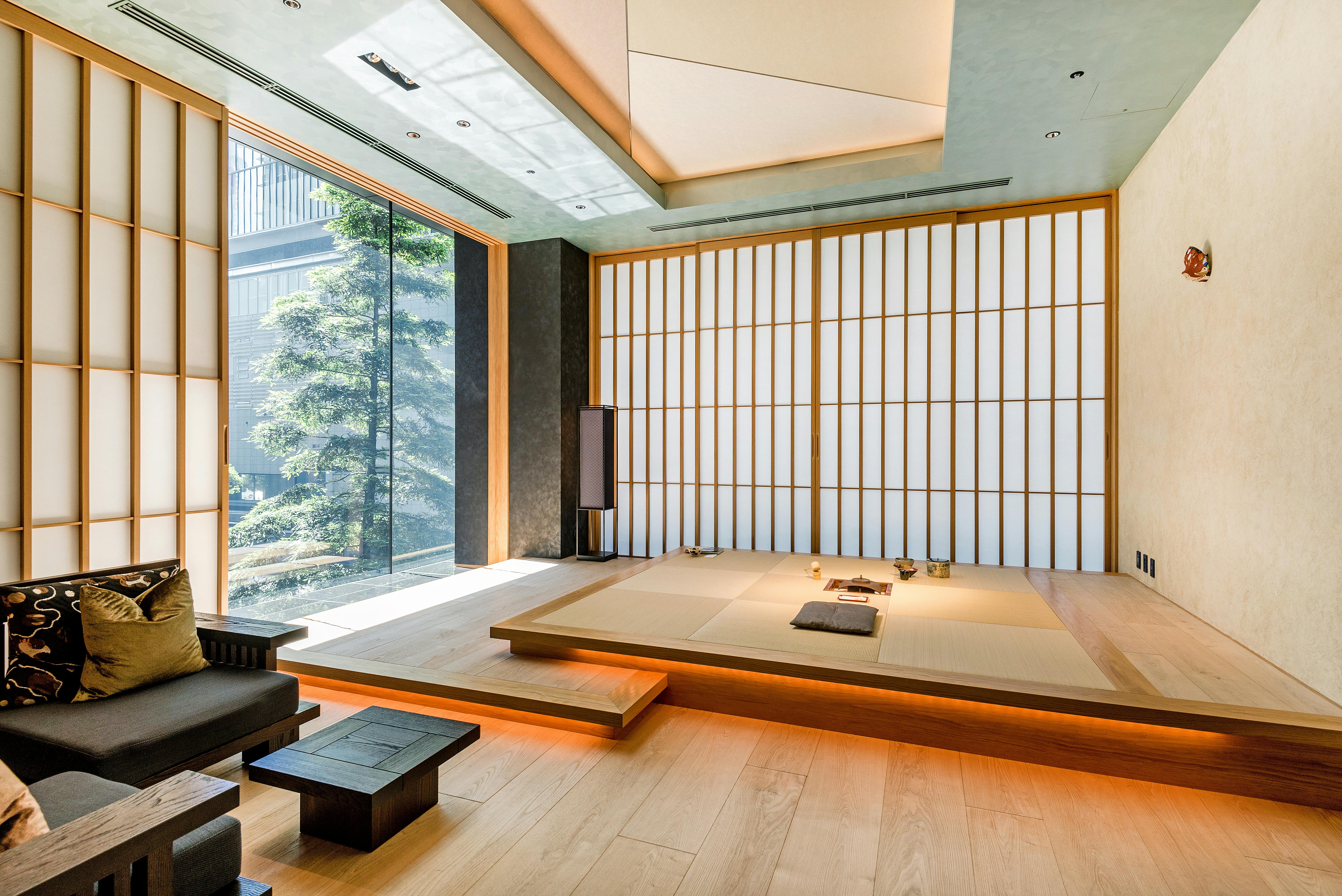
Image: A Japanese living room designed with the concept of Ma, featuring minimal furniture like a low wooden table and cushions. The polished wooden floor, large windows, and light-colored walls create purposeful negative space, adding calm, balance, and openness to the room.
One element often overlooked in Japanese architecture is the concept of Ma—a focus on negative space. Unlike Western design, where spaces are often "filled," Japanese architecture embraces empty space to allow for calm, flow, and purpose.
What is Ma?
- Definition: Ma refers to the intentional use of negative space to create balance, movement, and focus. It’s not “empty” but rather purposeful space that enhances the entire design.
How It Adds Value to Modern Homes:
- Visual Calm: Open, uncluttered spaces make interiors feel larger and more serene.
- Better Functionality: Rooms with fewer fixed objects allow flexibility—space can evolve for different needs.
- Light Play: Negative space works with light and shadows to add depth to a room, making even small areas feel dynamic.
Real Example:
In one of our smaller projects, we applied the principle of Ma in a living room. Instead of over-furnishing the space, we left areas intentionally clear, used light-colored walls, and added a large window. The client initially feared it would feel “unfinished,” but the result was a calming, airy space where the furniture became focal points without feeling crowded.
Tip: When designing your space, ask yourself: “What can I remove?” Sometimes the most powerful design choice is leaving an area open.
Key Features of Modern Japanese Design
Modern Japanese Architecture: A Blend of Tradition and Innovation

Image: Expansive cityscape of Tokyo, Japan, highlighting its modern skyline, urban density, and architectural diversity.
Modern Japanese architecture stands out for its balance of clean design, smart functionality, and creative use of both traditional and contemporary elements.
From raw concrete brutalism to groundbreaking sustainable solutions, Japanese architects continue to set trends worldwide. Their designs reflect the country’s ability to adapt, innovate, and connect with nature—even in dense urban spaces.
Here’s what makes modern Japanese architecture unique, along with real-life insights and tips from our own projects.
Practical Lessons from Modern Japanese Architecture
1. Key Characteristics of Modern Japanese Architecture
Modern Japanese architecture combines minimalism, practicality, and a deep respect for the environment. It builds on centuries of traditional principles while incorporating modern materials and technology.
- Clean Lines and Simple Forms:
- Minimalism is at the heart of modern Japanese design. Buildings feature sleek, unadorned lines and simple geometric shapes.
- Why It Works: This simplicity allows for flexible spaces that feel open, calm, and purposeful.
- Functionality First:
- Every part of the design serves a purpose, whether it’s a sliding panel for saving space or a cleverly placed window for natural light.
- Rooms are adaptable, often multifunctional, reflecting modern needs.
- Blending Traditional Elements:
- Features like shoji screens, wooden frameworks, and natural materials (like stone or bamboo) are often paired with modern materials such as concrete, glass, and steel.
- What We’ve Learned: In one project, we combined traditional wood paneling with modern steel beams to create a warm yet industrial aesthetic. The contrast worked beautifully.
- Connection to Nature:
- Large windows, rooftop gardens, and indoor-outdoor spaces emphasize harmony with the environment.
2. Brutalist Architecture in Japan: Raw and Resilient
After World War II, Japan embraced Brutalist architecture, a style defined by raw concrete and bold, minimalist designs. It was a response to the need for rapid reconstruction and the desire for durable, affordable structures.

A Tokyo brutalist building featuring raw, textured concrete, angular lines, cantilevered sections, and large concrete slabs. The dramatic, industrial aesthetic contrasts with the minimalistic urban surroundings.
- What Defines Japanese Brutalism:
- Exposed concrete surfaces with minimal decoration.
- Geometric, block-like shapes that highlight the material itself.
- Structures designed to withstand earthquakes and harsh weather conditions.
- Key Example:
- The National Gymnasium in F by Kenzo Tange is a perfect representation of Japanese Brutalism. It combines brutalist principles with innovative engineering to create a powerful yet functional space.
- Lesson Learned:
- We once tried to replicate a Brutalist-inspired feature wall using raw concrete but underestimated the importance of lighting. Without proper illumination, the surface looked flat and uninspired. The fix? Adding indirect lighting completely changed the feel—bringing out the texture and making it a stunning focal point.
3. Capsule Architecture: The Nakagin Capsule Tower
One of the most fascinating movements in modern Japanese architecture is Capsule Architecture, part of the 1960s Metabolism movement. The idea? Buildings that could “grow” or adapt, with modular units that could be replaced or rearranged as needed.
- Nakagin Capsule Tower:
- Built in 1972 by architect Kisho Kurokawa, the Nakagin Capsule Tower became the face of Capsule Architecture.
- It featured small, prefabricated living pods stacked together like building blocks. Each pod was compact, functional, and could be removed or replaced.
- Why It Matters Today:
- While the Nakagin Capsule Tower has deteriorated over time, its concepts—modular design, efficient use of space, and prefabrication—continue to inspire architects facing modern challenges like urban density and housing shortages.
- Practical Takeaway:
- Modular thinking works. We’ve applied similar concepts when designing modern housing units—using prefabricated materials to create flexible spaces that are quick to assemble and easy to maintain.
4. Contemporary Design Trends: Solutions for Dense Cities
Modern Japanese architecture leads the way in finding innovative solutions for urban living.
- Compact Homes:
- Space is limited in Japanese cities, so architects prioritize smart layouts with multi-functional rooms, lofts, and vertical spaces.
- Example: “Micro-houses” use clever storage solutions, sliding walls, and rooftop terraces to maximize livability in tiny footprints.
- Green Spaces in Urban Settings:
- Rooftop gardens, vertical greenery, and pocket parks help cities balance density with nature.
- These solutions improve air quality, reduce urban heat, and provide much-needed relaxation spaces.
- Innovative Schools and Community Spaces:
- Modern schools often include open learning spaces, natural lighting, and sustainable materials.
- In one project, we learned the importance of natural light firsthand. Designing skylights and open courtyards in a learning space transformed the environment—students felt more engaged and focused.
5. Japanese Sustainable Architecture: Eco-Friendly Innovation
Japanese architects are global leaders in sustainable design, often combining traditional principles with cutting-edge technology.
- Natural Materials:
- Wood, bamboo, and stone are used for their low environmental impact and longevity.
- Passive Design Strategies:
- Large windows, overhanging eaves, and cross-ventilation reduce the need for artificial lighting and air conditioning.
- Tip: In one of our projects, we incorporated large overhangs inspired by traditional Japanese roofs. They shaded the interiors during summer while allowing warmth in during winter—reducing energy use year-round.
- Innovative Materials:
- Use of recycled or prefabricated materials to reduce construction waste.
- Green Technology:
- Solar panels, rainwater harvesting systems, and green roofs are becoming standard features in modern Japanese homes.
What We’ve Learned from Japanese Modern Architecture
Bringing Japanese design into modern projects isn’t about copying the look; it’s about understanding the principles that make it work:
- Balance Form and Function: Simplicity isn’t just an aesthetic—it’s about creating spaces that work smarter.
- Work with Nature, Not Against It: Incorporate natural materials and design with light, airflow, and surroundings in mind.
- Think Adaptability: Spaces should be flexible to meet the changing needs of modern living.
In one project, we used shoji-style sliding doors to divide a multi-purpose living area. It created private, intimate spaces while keeping the option to open everything up for gatherings. It was a practical, beautiful nod to Japanese principles that worked seamlessly in a modern home.
Final Thoughts: Modern Japanese architecture continues to inspire because it prioritizes clean design, smart functionality, and a connection to nature.
Whether it’s Brutalist concrete, modular capsules, or eco-friendly urban homes, Japan’s architects have mastered the art of blending tradition with forward-thinking innovation.
For professionals, homeowners, or design enthusiasts, there’s so much to learn here: how to make spaces adaptable, how to bring the outdoors in, and how to use materials thoughtfully.
Done right, these principles don’t just create beautiful spaces—they make homes that work better, feel calmer, and stand the test of time.
Notable Japanese Architects and Their Work
Japanese architecture has been shaped and redefined by visionary architects who blend tradition with innovation. From minimalist masterpieces to sustainable designs, their work continues to influence modern architecture worldwide.
Tadao Ando: The Master of Modern Minimalism
- Tadao Ando is renowned for his ability to fuse modern minimalism with natural elements like light, water, and open spaces.
- Signature Style:
- Exposed concrete, geometric simplicity, and a strong focus on natural light.
- Spaces are serene yet powerful, showcasing how minimal design can evoke emotion.
- Key Projects:
- Naoshima Art Projects (Naoshima Island): A series of art spaces that harmonize with the island’s natural surroundings.
- Projects in Kobe and Tokyo: Ando’s work in these cities exemplifies his ability to integrate contemporary architecture into dense urban environments without sacrificing tranquility.
What We’ve Learned: Ando’s work reminds us that restraint can be powerful. In one of our projects, we used exposed concrete walls inspired by his designs but softened them with natural light and wooden accents to avoid cold, lifeless interiors.
Kenzo Tange: The Metabolism Movement Pioneer
- Kenzo Tange was a leading figure in post-war Japanese architecture, combining traditional elements with modern innovation. He spearheaded the Metabolism movement, which reimagined buildings as adaptable, organic systems.
- Signature Style:
- A mix of modernist principles and modular, flexible structures designed to evolve over time.
- Key Projects:
- Hiroshima Peace Memorial (Hiroshima): A powerful structure symbolizing post-war reconstruction and peace.
- Tokyo Plan (1960): A visionary proposal for expanding Tokyo’s urban infrastructure, showcasing his bold ideas for future cities.
Takeaway: Tange’s approach to adaptability and functionality is still relevant today, especially when designing for growing urban areas.
Shigeru Ban: Sustainable Designs with Innovative Materials
- Shigeru Ban has gained global recognition for his sustainable architecture, often using unconventional materials like paper tubes and recycled timber. His work focuses on solving real-world problems, including disaster relief.
- Signature Style:
- Innovative use of materials to create cost-effective, eco-friendly structures.
- Designs that prioritize lightness, sustainability, and humanitarian needs.
- Key Projects:
- Tamedia Office Building (Switzerland): A wooden structure that showcases precision and sustainability.
Practical Insight: Shigeru Ban teaches us that sustainability doesn’t need to compromise design. We once incorporated recycled wood into a home project, reducing costs and environmental impact without sacrificing quality.
Sou Fujimoto: Blurring the Line Between Nature and Architecture
- Sou Fujimoto is known for creating structures that seamlessly blend natural elements with modern architecture. His projects blur the boundaries between indoors and outdoors.
- Signature Style:
- Light, airy structures that emphasize transparency and connection to nature.
- Creative use of materials to form dynamic, organic spaces.
- Key Projects:
- House NA (Tokyo): A home with a treehouse-like design, featuring open, interconnected spaces.
- Serpentine Pavilion (London): A temporary, lightweight structure that invites people to interact with its open framework.
- Musashino Art University Museum & Library (Tokyo): A space where bookshelves are integrated into the architecture itself.
Lesson Learned: Fujimoto’s work has inspired us to think beyond traditional boundaries. In one project, we added semi-outdoor spaces with glass walls to connect living areas with the surrounding garden—a practical, modern nod to his approach.
SANAA Architects: Minimalist Icons
- SANAA, founded by Kazuyo Sejima and Ryue Nishizawa, is known for creating minimalist, light-filled structures that focus on transparency and flow.
- Signature Style:
- Simple, elegant forms with open interiors and natural light.
- Use of glass and lightweight materials to create a sense of openness.
- Key Projects:
- Kanazawa 21st Century Museum of Contemporary Art: A circular building designed for fluid movement and seamless interaction between visitors and exhibits.
- Rolex Learning Center (Switzerland): A dynamic space featuring undulating floors and open sightlines.
- New Louvre Lens (France): A modern extension of the Louvre that merges effortlessly with its surroundings.
What We Took Away: SANAA proves that minimalism can feel welcoming, not sterile. We’ve applied this by focusing on open layouts and using natural light to soften clean, modern designs.
Frank Lloyd Wright in Japan: Bridging East and West
- American architect Frank Lloyd Wright admired Japanese minimalism and incorporated its principles into his own work. His time in Japan further deepened his understanding of space, materials, and simplicity.
- Key Work in Japan:
- Imperial Hotel (Tokyo): A blend of Wright’s organic design principles with Japanese influences. Though the building no longer stands, it remains one of his most iconic works.
How Wright Was Inspired:
- He drew heavily on Japanese traditions like wooden joinery, open spaces, and natural materials.
- His philosophy of "organic architecture" shares many similarities with Japanese principles of harmony and connection to the environment.
What We’ve Learned from These Architects
Working on modern projects, we’ve learned valuable lessons from these visionaries:
- Tadao Ando: Master simplicity, but don’t let minimalism feel cold—balance it with light and texture.
- Kenzo Tange: Adapt architecture for the future. Flexibility and urban planning matter.
- Shigeru Ban: Sustainability can be innovative, beautiful, and functional.
- Sou Fujimoto: Break boundaries between indoors and outdoors for dynamic, livable spaces.
- SANAA Architects: Use minimalism thoughtfully to create light, welcoming designs.
- Frank Lloyd Wright: Respect the importance of natural materials and open, flowing spaces.
Whether you’re designing a modern home or a public space, these architects remind us that good design isn’t about trends—it’s about creating spaces that solve problems, feel good to live in, and last for generations.
Architectural Landmarks in Japan: What to Look For and Why They Matter
Japan’s architectural landmarks are a fascinating mix of design ingenuity, historical significance, and thoughtful use of materials. Each site tells a unique story of how Japanese architecture adapted to meet cultural, functional, and environmental needs over time. Whether you’re an architect, a student, or someone who loves great design, these landmarks provide valuable lessons and inspiration.
Here’s what to look for, why they matter, and what we’ve learned through our own experiences exploring Japanese architecture.
1. Kyoto Imperial Palace: A Window into Japan’s History
- What It Is:
- Once the residence of Japan’s imperial family until the late 19th century, the Kyoto Imperial Palace sits within the Kyoto Gyoen National Garden.
- The current version, reconstructed in 1855, closely follows the design principles of earlier palaces.
- What to Look For:
- Shishinden Hall: This is the most important structure, traditionally used for ceremonies. Look for its hipped, gabled roof and wide verandas, key features of traditional Japanese architecture.
- Cypress Wood Construction: The palace’s structures showcase the craftsmanship of natural wooden elements, chosen for their durability and aesthetic appeal.
- Layout and Gardens: The palace grounds are designed with open spaces and meticulous gardens, emphasizing harmony and flow.
- Why It Matters:
- It reflects shinden-zukuri design, a style popular among aristocrats during the Heian period.
- The palace teaches us how carefully designed open layouts and verandas can connect interiors with surrounding landscapes.
- What We Learned: When recreating a similar sense of openness in a modern home project, we realized that balancing large verandas with enclosed spaces prevents the design from feeling too exposed—something the palace’s clever layout does perfectly.
2. Katsura Imperial Villa: Design Mastery with Natural Materials
- What It Is:
- Built in the early 17th century for the princes of the Hachijo family, the Katsura Imperial Villa is celebrated as a masterpiece of Japanese design and craftsmanship.
- What to Look For:
- Layered Spaces: The villa is a series of carefully arranged pavilions, connected by covered walkways and offering views of gardens. Pay attention to how the spaces guide movement and views.
- Natural Materials: The use of bamboo, cypress wood, and rice-paper panels keeps the design warm and organic.
- Tea Houses: The villa includes several tea houses, each with simple interiors that showcase a mastery of natural materials and restrained design.
- Why It Matters:
- Katsura Imperial Villa exemplifies sukiya-zukuri, a design style that prioritizes natural materials, clean lines, and a deep respect for simplicity.
- The thoughtful layout balances structure and landscape, offering a masterclass in integrating architecture with nature.
- Interesting Fact: German architect Bruno Taut described the villa as one of the most beautiful examples of architecture in the world, even inspiring Western modernism.
- What We Learned: When working on a project that required outdoor-indoor transitions, we took cues from the villa’s layered spaces. Breaking up areas with walkways and varying materials creates a sense of exploration and tranquility.
3. Osaka Castle: Strength and Strategy in Design
- What It Is:
- Originally built in 1583 by Toyotomi Hideyoshi, Osaka Castle is one of Japan’s most famous examples of fortress architecture. It served as a stronghold during the feudal era.
- What to Look For:
- Stone Foundations: The castle is built on massive granite stone walls, designed for stability and defense. These foundations remain a testament to the era’s engineering prowess.
- Multi-Tiered Roofs: The castle’s multi-layered, gabled roofs are both functional (for rain) and visually imposing.
- Moats and Fortifications: Osaka Castle is surrounded by wide moats and defensive walls—strategic elements that made it nearly impenetrable.
- Why It Matters:
- It showcases the Azuchi-Momoyama period’s architectural focus on blending strength with elegance.
- The castle’s layout is a lesson in designing spaces that are both functional and visually commanding.
- Interesting Fact: After being destroyed multiple times, the castle was rebuilt in the early 20th century. Its stone walls and original design were preserved, reflecting the importance of historical restoration.
- What We Learned: Strong foundations are more than just structural—they’re symbolic. On one of our projects, we prioritized a layered foundation design inspired by the castle to ensure both durability and visual impact.
4. Nikko: A Showcase of Architectural Variety
- What It Is:
- Nikko is a city in Tochigi Prefecture with a collection of historic structures that reflect centuries of architectural evolution. It’s known for its variety of bridges, stonework, and carefully preserved designs.
- What to Look For:
- Stone Bridges: Pay attention to the craftsmanship of Nikko’s bridges, such as the Shinkyo Bridge. Its elegant curves and lacquered surfaces highlight the artistry of functional structures.
- Stone Work and Pathways: Many areas feature intricate stone layouts, reflecting precision and durability in design.
- Courtyards and Flow: Structures in Nikko emphasize open courtyards and seamless pathways that guide movement naturally.
- Why It Matters:
- Nikko is a lesson in variety—bridges, stonework, and wooden structures come together harmoniously.
- It shows that even functional features like bridges or pathways can be elevated to works of art.
- Interesting Fact: Nikko’s architectural details are so meticulously designed that the area is often referenced as an example of how craftsmanship can extend beyond buildings to include landscapes and infrastructure.
5. Toyonaka Field Museum: Preserving Vernacular Architecture
- What It Is:
- Located in Hattori Ryokuchi Park in Toyonaka, this open-air museum features preserved farmhouses that date back to Japan’s Edo period. It’s a living archive of Japan’s rural architectural heritage.
- What to Look For:
- Minka Houses: These traditional homes are built using wood, thatch, and bamboo, designed for functionality and to withstand the regional climate.
- Raised Floors and Hearths: Raised wooden floors keep the interiors cool and dry, while irori hearths serve as central gathering points.
- Engawa Verandas: The houses feature wooden verandas that wrap around the structure, creating a transition between indoor and outdoor spaces.
- Why It Matters:
- Toyonaka Field Museum highlights vernacular architecture, where design solutions were shaped by practical needs and local materials.
- It teaches us how sustainable, adaptable structures can meet human needs for generations.
- Interesting Fact: The museum offers a hands-on experience of rural life, showcasing how homes were designed to adapt to seasons and family needs—something we can still apply in modern architecture.
- What We Learned: In one renovation project, we took inspiration from minka homes to design raised platforms and functional hearth-like seating areas. It added a rustic, timeless character to the modern space.
Final Thoughts: What Can We Learn from These Landmarks?
These architectural landmarks show us that great design stands the test of time. From the structural strength of Osaka Castle to the serenity of Katsura Villa, each site highlights principles that remain relevant today:
- Balance Function with Beauty: Architecture isn’t just about looks; it’s about solving problems while creating something meaningful.
- Use Natural Materials Thoughtfully: The enduring quality of wood, stone, and bamboo proves the value of sustainable, durable materials.
- Adapt Spaces to Needs: Whether through flexible interiors, layered spaces, or raised frameworks, thoughtful design always puts function first.
Exploring these landmarks—whether in person or through study—reminds us that the past has plenty to teach us. For modern designers, professionals, and enthusiasts alike, Japan’s architectural heritage offers insights into creating spaces that are practical, adaptable, and, most importantly, built to last.
Foreign Influences on Japanese Architecture
- European and Western Designs:
- Influence from the Meiji period and post-19th century buildings.
- Le Corbusier and Japan:
- Global architectural exchanges shaping Japanese modernity.
Japanese Architecture Explained: Homes, Design, and Real-Life Tips
Japanese Design Innovations for Modern Homes
Japanese design has a way of blending practicality, beauty, and adaptability in ways that are perfect for modern homes. Whether it’s incorporating traditional features like tatami spaces or exploring futuristic solutions for urban density, these ideas are packed with lessons for anyone designing or improving their own space.
In this section, we’ll break down smart ideas for modern house plans, tips for urban design, and futuristic concepts that are both practical and inspiring. We’ll also share real-life advice based on what works, what doesn’t, and the lessons we’ve learned along the way.
1. Modern House Plans: Bringing Japanese Ideas to Open-Plan Homes
Why It Works:
Traditional Japanese homes excel at creating flexible, multi-functional spaces—something that open-plan homes often struggle with. By borrowing Japanese principles like tatami rooms, sliding screens, and thoughtful layouts, you can make large open areas feel more practical, organized, and inviting.
What to Incorporate in Modern House Plans:
- Tatami Zones: Instead of covering an entire floor with tatami mats, create small tatami spaces—slightly elevated platforms within open areas.
- Why It Works: These zones add texture, warmth, and functionality. They’re great for lounging, sitting, or as quiet retreats.
- Our Experience: In one modern home project, we added a tatami nook next to the living room. It became the client’s favorite spot to relax, nap, and read without needing an extra room.
- What to Avoid: Don’t mix tatami with heavy furniture. Tatami mats are soft and need lightweight, minimal furnishings like low tables or floor cushions.
- Shoji-Style Sliding Panels: Instead of fixed walls, use shoji-inspired partitions to divide spaces.
- Why It Works: They provide privacy when needed and open up seamlessly to reconnect spaces. They’re also great for letting in soft natural light.
- Tip: Use modern materials like frosted glass and wood to achieve the look without compromising on durability.
- Engawa-Like Transitions: Create a semi-outdoor space (like a veranda or deck) that links the indoors with nature.
- Why It Works: Even in smaller homes, an engawa-inspired design adds breathing room and visual flow. It’s perfect for placing plants, seating, or simply enjoying fresh air.
2. Urban Design and Skyscrapers: Compact Living with Green Spaces
As cities become more crowded, Japan’s urban design principles provide real solutions for balancing compact living with access to nature.
Best Ideas to Mimic:
- Vertical Green Spaces: Many Japanese skyscrapers incorporate rooftop gardens, green terraces, or vertical plant walls.
- Why It Works: It offsets the lack of horizontal space, improves air quality, and adds calm to dense areas.
- Example to Learn From: The ACROS Fukuoka Building in Japan has cascading terraces with greenery that blend seamlessly into the cityscape.
- How to Adapt: In smaller homes or apartments, add balcony gardens, vertical planters, or green screens outside windows.
- Compact Yet Functional Layouts: Japanese urban apartments excel at maximizing space with clever storage, multi-purpose furniture, and minimal design.
- Our Lesson: In a tiny urban project, we created a built-in storage system that doubled as a staircase and reading nook. This approach, inspired by Japanese compact living, saved space while adding functionality.
- Pocket Parks and Open Roof Spaces: Japanese urban designers prioritize access to green spaces, even in the most crowded areas. Small “pocket parks” are built into neighborhoods, while rooftops become communal spaces for gardening and relaxation.
- What to Learn: When working on dense urban homes, prioritize even small patches of green—rooftops, courtyards, or a balcony garden. It makes a massive difference in how the space feels.
3. Futuristic Design: Adaptive Structures and Urban Density Solutions
Japan is a global leader when it comes to futuristic architecture that tackles urban density and environmental challenges head-on. The secret? Designs that are adaptive, modular, and innovative while still focusing on livability.
Ideas to Use in Real-Life Projects:
- Modular Homes: Inspired by Japan’s Metabolism movement, modular homes feature prefabricated units that can be combined, stacked, or replaced as needs change.
- Why It’s Cool: You can scale a space up or down without tearing everything apart—perfect for growing families or urban environments.
- Practical Tip: Consider modular furniture or pre-built wall panels that adapt as your home’s needs evolve.
- Flexible Interiors: Use sliding walls or movable partitions to reconfigure spaces quickly.
- Why It Works: It allows the same space to serve different purposes—like transforming a bedroom into an office during the day.
- Our Experience: We once worked on a compact city apartment where a sliding wall turned a living space into a guest room. This practical flexibility was a game-changer for the client.
- Eco-Friendly Innovations: Japanese futuristic architecture often incorporates sustainable features like solar panels, natural ventilation systems, and rainwater harvesting.
- Example to Mimic: The Bioscleave House uses light-reflective materials and unique designs to regulate indoor temperature naturally.
- Real-Life Tip: Simple features like installing large overhangs to block harsh sunlight or designing homes with cross-ventilation can significantly reduce energy use.
- Adaptive Skyscrapers: Japan’s approach to high-density living often includes buildings that can “adapt” over time with interchangeable pods or flexible structures.
- Takeaway for Designers: Even in residential homes, think about how spaces might evolve. Designing for adaptability—like removable walls or modular furniture—future-proofs the home.
What to Make Sure You Have (and Why)
When applying Japanese design innovations to modern homes, here’s what you should focus on:
- Multi-Functional Spaces: Rooms shouldn’t just serve one purpose. Incorporating sliding screens or modular layouts ensures flexibility as your needs change.
- Connection to Nature: Even in urban environments, prioritize greenery. A simple balcony garden, rooftop terrace, or indoor plants can transform how a space feels.
- Smart Use of Materials: Opt for natural materials like wood, bamboo, and stone for warmth, durability, and sustainability.
- Compact Storage: If space is limited, use built-in solutions like stair storage, underfloor compartments, or wall-mounted shelving.
Lessons Learned: What Works and What to Avoid
What Works:
- Tatami Zones in Open Layouts: Add cozy spaces for relaxation or quiet activities without breaking up the flow of the home.
- Modular Design: Flexibility is key. Sliding walls, adaptable furniture, and pre-built units keep spaces functional for years.
- Green Spaces Everywhere: Whether it’s a pocket garden, green wall, or rooftop terrace, nature softens any design and improves livability.
What to Avoid:
- Overcomplicating Minimalism: Japanese design thrives on simplicity. Adding too many “features” defeats the purpose. Keep it clean and functional.
- Heavy Furniture on Tatami or Engawa: Tatami mats are delicate, and verandas work best with lightweight, movable pieces.
- Ignoring Light: Without thoughtful lighting, even the best minimalist designs can feel cold or lifeless. Plan for natural light and soft ambient fixtures.
Final Thoughts: Real Design, Real Impact
Japanese design innovations are full of practical, inspiring ideas that can work for any modern home—big or small, urban or rural. From tatami zones that create cozy retreats to modular layouts that adapt over time, these principles aren’t just about aesthetics. They’re about creating homes that function better, feel calmer, and stand up to the challenges of modern life.
We’ve used these concepts in real projects—sometimes with great success, and sometimes learning the hard way what to avoid. The takeaway? Respect the simplicity, embrace the adaptability, and always keep nature in mind. When done right, these design ideas make homes not just livable but truly enjoyable.
Key Takeaways: Lessons from Japanese Architecture
Japanese architecture is full of lessons that are as practical as they are inspiring. Whether you’re renovating a home, designing from scratch, or just looking for fresh ideas, the principles of Japanese design can bring balance, beauty, and functionality to modern spaces.
What We’ve Learned: Applying Traditional Ideas to Modern Homes
Through real-life projects, we’ve discovered that traditional Japanese design elements can fit perfectly into contemporary homes—if done thoughtfully.
- Natural Materials Work Everywhere: We once transformed a modern living room by using wood accents inspired by Japanese interiors. Adding cedar beams and bamboo screens softened the space while keeping it modern and warm.
- Tip: Use wood or stone in strategic places—floors, walls, or furniture—without overloading the design.
- Shoji-Style Sliding Doors for Small Homes: In one urban apartment project, we replaced traditional walls with sliding screens to divide spaces. The result? A flexible layout that gave privacy when needed and opened up for a more spacious feel.
- Lesson: Flexible partitions are perfect for multifunctional spaces, especially in compact homes.
- Connection to Nature: A client wanted their urban house to feel less boxed in, so we added engawa-inspired verandas and a small internal courtyard. The greenery and natural light transformed the home into a calming retreat.
- Why It Works: Even a small outdoor element—like a balcony with plants or a sliding door leading to a garden—can make a space feel more alive.
Mistakes to Avoid: Balance Is Key
Japanese architecture thrives on simplicity, balance, and functionality. Here are the mistakes we’ve seen (and made!) that you’ll want to avoid:
- Overcrowding Designs with Clashing Styles: It’s tempting to mix everything you love—modern, rustic, industrial—but too much can make the space feel chaotic. Japanese design teaches us to strip it back.
- Avoid: Adding heavy furniture or ornate decor to minimalist layouts.
- Fix: Choose a neutral base and introduce accents like wooden beams, sliding panels, or paper lighting.
- Ignoring Functionality: We once tried to copy the aesthetic of a tatami room without thinking about its purpose. The result? It looked beautiful but wasn’t practical for the client’s everyday needs.
- Lesson: Beauty is nothing without function. Each design choice should improve how you use the space.
- Forgetting About Light: Japanese design thrives on natural light and soft transitions. Too many enclosed, dark corners will lose the essence of the style.
- Solution: Incorporate large windows, translucent panels, or light-reflecting materials to make spaces feel open and airy.
Practical Tips: Small Ways to Introduce Japanese Design
You don’t need a full renovation to bring Japanese design into your home. Small changes can have a big impact. Here are practical, doable ideas:
- Use Natural Materials: Start with wood, bamboo, or stone accents in your space. Think wooden furniture, textured bamboo panels, or stone countertops.
- Introduce Sliding Screens: Replace solid doors or walls with shoji-inspired sliding panels to make rooms feel more adaptable and light-filled.
- Create a Tatami Corner: Add a small, elevated tatami nook in a living space or bedroom for lounging, reading, or quiet time. Pair it with a low table and floor cushions for authenticity.
- Open Up to Nature: Add an indoor plant corner, a small garden space, or even a sliding door leading to the outdoors. Japanese design values the balance of indoor and outdoor flow.
- Keep It Simple: Declutter your space. Choose fewer, high-quality pieces of furniture or decor that serve a purpose. Empty space (or ma) is as important as what fills the room.
What Japanese Architecture Teaches Us
Japanese design isn’t just about aesthetics—it’s about creating spaces that feel good to live in. From their careful use of materials to their flexible layouts, every element has a purpose.
- Balance Function and Form: Don’t sacrifice usability for looks. Spaces should work for your everyday needs.
- Less Is More: Simplify your space. When done thoughtfully, minimalism feels calming, not cold.
- Stay Connected to Nature: Even in the busiest cities, introducing natural light, plants, or outdoor elements brings warmth to any home.
Final Thoughts: Design That Makes a Difference
We’ve seen firsthand how Japanese design principles can transform homes—creating spaces that are flexible, practical, and beautiful. Whether it’s adding shoji screens for versatility, introducing natural materials for warmth, or designing small courtyards for tranquility, Japanese architecture offers something for everyone.
The key? Think purposefully about every design choice. Avoid overcrowding, embrace simplicity, and remember that nature and light are your best tools for a space that feels both modern and timeless.
In one of our favorite projects, a simple tatami nook and a sliding partition completely changed how a small apartment functioned. It wasn’t about grand gestures—it was about smart, thoughtful changes.
So, whether you’re designing a new home or refreshing an old one, look to Japanese architecture for inspiration. Trust us, the results will speak for themselves.
Final Thoughts
Japanese architecture is a mix of practicality, beauty, and timeless principles. Whether it’s the sturdy design of Osaka Castle or the minimalist precision of a Tadao Ando project, it continues to influence homes and cities worldwide.
We’ve seen firsthand how these ideas work in real homes, and here’s the best part—it doesn’t have to be complicated. A few thoughtful choices, like natural materials or an open layout, can transform your home into something functional, calming, and uniquely yours.
In our own work, these concepts have been game-changers. We’ve seen how even a small shift, like adding a tatami corner or embracing negative space, can transform a room.
So take these lessons and use them: keep it simple, keep it functional, and let the space breathe. Let’s build spaces that last—where tradition meets modern living without losing the charm that makes Japanese design so special.
FAQs: Japanese Architecture
Here are answers to the most common questions about modern Japanese architecture, its features, and its real-world applications.
1. What makes modern Japanese architecture unique?
- Clean Lines and Simplicity: Modern Japanese architecture prioritizes minimalist designs and uncluttered spaces.
- Integration of Nature: Natural light, plants, and outdoor-indoor transitions remain central.
- Innovation with Tradition: Modern architects often blend traditional Japanese elements—like sliding panels or tatami spaces—with modern materials and layouts.
- Sustainability: Eco-friendly materials, smart ventilation, and energy efficiency are key priorities.
2. How does Japanese architecture influence modern home design?
- Japanese design principles encourage flexibility and functionality: sliding doors, modular spaces, and minimal furnishings create adaptable homes.
- The use of natural materials like wood, stone, and bamboo helps modern homes feel warmer and more inviting.
- Ideas like engawa-inspired verandas or tatami nooks bring small touches of traditional design into modern spaces.
3. How do Japanese architects approach sustainability?
- Natural Ventilation and Lighting: Large windows, overhangs, and open spaces reduce reliance on artificial light and air conditioning.
- Eco-Friendly Materials: Bamboo, recycled timber, and locally sourced materials are preferred.
- Compact Designs: Many urban homes maximize small spaces, reducing the need for excessive materials.
- Green Roofs and Vertical Gardens: Common in dense urban settings, they improve air quality and provide thermal insulation.
4. Can Japanese architecture work in smaller homes?
- Absolutely! Japanese architecture excels at making small spaces functional and livable.
- Use shoji-style sliding screens to replace walls and maximize space flexibility.
- Incorporate built-in storage under floors, along staircases, or behind walls.
- Add compact tatami areas for multifunctional use—lounging, dining, or working.
5. What are some must-know examples of modern Japanese architecture?
- Nakagin Capsule Tower (Tokyo): A famous example of modular design and Japanese Metabolism.
- Tadao Ando’s Works: Projects like the Naoshima Art House project showcase modern minimalism using concrete and light.
- Kenzo Tange’s Hiroshima Peace Memorial Park: A blend of modernism and Japanese design principles.
- Vertical Forests: Skyscrapers with greenery integrated into their facades, offering an eco-friendly urban solution.
Sources and Further Reading
If you’re looking for credible insights into Japanese architecture, here are trusted sources:
- The Japan Institute of Architects
- jia.or.jp – The official body for architects in Japan, covering history, trends, and notable works.
- Tadao Ando’s Official Archive
- tadao-ando.com – A comprehensive look at Ando’s groundbreaking projects blending modernism and Japanese minimalism.
- Kenzo Tange Research Center
- Learn about post-war modernism and its impact on Japanese urban design.
- Architectural Digest Japan
- ad-japan.com – A reliable source for both traditional and modern Japanese design trends.
Books for In-Depth Knowledge:
- "Japanese Homes and Their Surroundings" by Edward S. Morse
- "The Art of Japanese Architecture" by David and Michiko Young
- "The Japanese House: Architecture and Interiors" by Alexandra Black
Where can I learn more about Japanese architecture?
Want to learn more about Japan’s architectural history and its influence today?
- Check out our full lesson on Japanese Traditional Architecture History for more insights and examples.
- Interested in traditional homes? Visit our guide to Japanese house styles for practical tips and inspiration.
Japan’s architectural heritage is more than a look back at history—it’s a living approach to design that values balance, natural materials, and craftsmanship. Whether it’s a rural minka home or a modern reimagining, these ideas continue to shape spaces that are functional, beautiful, and connected to their surroundings.
Related
-
History of Traditional Japanese Architecture: Key Eras, Influences, and Innovations
-
Engawa Architecture: How This Japanese Concept Redefines Indoor-Outdoor Living
-
Traditional Japanese House Layout: How the Spaces Were Designed to Flow
-
Japanese Style House Exterior: Materials, Rooflines, and Details
-
Japanese Metabolism Architecture: How It Redefined Modern Design
Japanese Architecture: Tradition to Modernity
1. Traditional Japanese Architecture
- Japan Traditional Architecture: Defined by simplicity, natural materials, and harmony with nature.
- Japanese House Floor Plan Traditional: Features tatami mats, fusuma (sliding doors), and open layouts.
- Japanese House Structure: Wooden frameworks with raised floors for ventilation.
- Minka Japanese House Floor Plan: Floor plans of vernacular homes with engawa corridors and multifunctional rooms.
- Japanese Courtyard House Plans: Traditional designs incorporate central courtyards to merge indoor and outdoor spaces.
- Feudal Japan Architecture: Influenced by castles (Japanese Castle Architecture), shrines, and mansions.
- Kamakura Architecture: Emerging during the Kamakura period (1185–1333).
- 16th Century Japanese Architecture: Marked by fortified castles structures.
2. Japanese Traditional Interiors
- Traditional Japanese Interiors: Minimalist spaces with shoji, tatami, and tokonoma alcoves.
- Japanese House Interior Design Modern: Blends traditional aesthetics with modern functionality.
- Japanese Garden Architect: Emphasis on landscapes.
- Japanese Architecture Elements: Key features like bamboo, wood, sliding doors, and low furnishings.
3. Notable Architects and Their Work
- Tadao Ando: Known for modernist concrete masterpieces like Naoshima.
- Projects include:
- Tadao Ando Kobe, Tadao Ando Tokyo, Tadao Ando Hokkaido.
- Projects include:
- Kenzo Tange: Pioneered post-war Japan Metabolism Architecture.
- Famous works: Hiroshima Peace Memorial and Tokyo Plan.
- Shigeru Ban: Sustainable architect using innovative materials like paper and wood.
- Sou Fujimoto: Designs blending architecture and nature.
- Toyo Ito Tokyo: Known for fluid, organic architectural forms.
- SANAA Architects Japan: Created minimalist landmarks like the Kanazawa 21st Century Museum.
- Bruno Taut Japanese Architecture: Praised Japanese classics like Katsura Imperial Villa.
4. Japanese Modern Architecture
- Japan Modern House Architecture: Clean lines, functionality, and Japanese Architecture principles.
- Brutalist Architecture Japan: Raw concrete structures popularized post-WWII.
- Capsule Building in Japan: Nakagin Capsule Tower symbolizes Japanese Metabolism.
- Contemporary Architecture in Japan: Includes works by international names like Zaha Hadid and David Chipperfield.
- Japan Kindergarten Architecture: Innovative schools focusing on sustainability and open learning spaces.
5. Architectural Heritage and Vernacular Design
- Japan Vernacular Architecture: Includes rural minka houses and wood architecture Japan.
- Ancient Japan Architecture: Highlights traditional timber techniques.
- Classic Japanese Architecture: Combines bamboo, natural wood, and clay tiles.
- Japanese Timber Architecture: Precision wood joinery without nails.
6. Architectural Books and Platforms
- The Japan Architect: A leading publication showcasing Japanese designs.
- Architectural Digest Japan & Dezeen Japan: Document modern and traditional Japanese projects.
- Taschen Japanese Architecture: Books detailing history and contemporary styles.
- Architecture in Japan Book: Comprehensive guides for architects and enthusiasts.
7. Foreign Influences and Collaborations
- Frank Lloyd Wright in Japan: Designed the Imperial Hotel Tokyo and admired Japanese minimalism.
- Le Corbusier Japan: Influences modern Japanese architecture styles.
- European Architecture in Japan: Introduced during the Meiji period.
- Western Architecture in Japan: Seen in government and educational buildings post-19th century.
8. Japanese Design Innovations
- Japanese Modern House Floor Plan: Open-plan interiors with minimalist Japanese architecture elements.
- Japanese Sustainable Architecture: Focuses on eco-friendly designs and materials.
- Urban Design Japan: Balancing dense urban housing with green spaces.
- Japanese Futuristic Architecture: Unique skyscrapers and adaptive structures.
Key Architectural Landmarks in Japan
- Kyoto Tadao Ando: Preservation of cultural heritage with modern interventions.
- Kenzo Tange Kagawa: Notable for civic architecture projects.
- Tokyo Japan Architecture: A hub for skyscrapers and cutting-edge design.
- Japanese Castle Architecture: Includes iconic structures like Himeji Castle.
Japanese Architecture and Nature
- Japanese Garden Architect: Integration of nature into architecture.
- Japanese Architecture Garden: Classic rock gardens and water features.
- Japanese Courtyard Architecture: Centralized green spaces enhancing tranquility.