
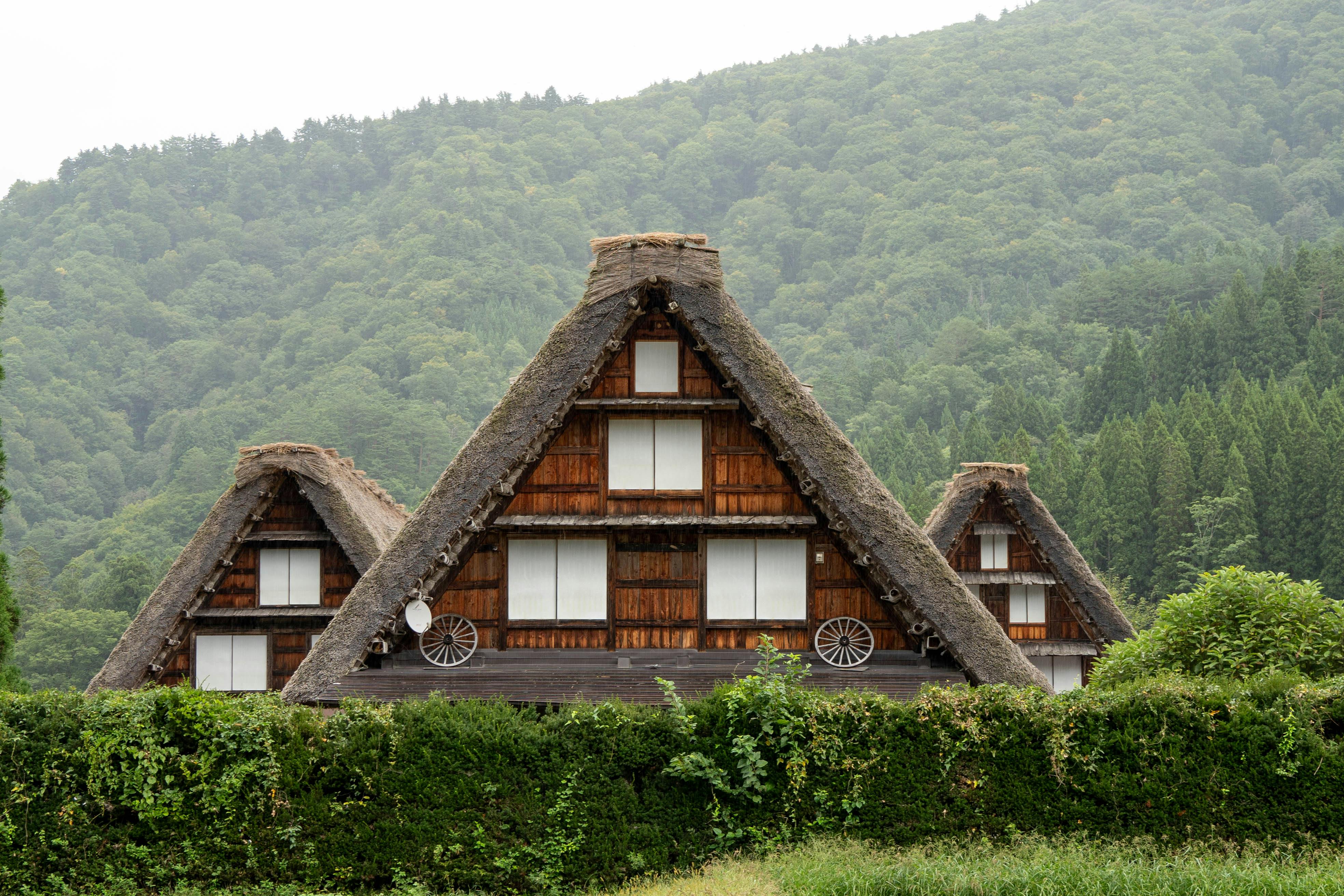
Image: Traditional Gassho-Zukuri houses in a scenic village in Japan, showcasing iconic steep roofs and rustic charm.
Traditional Japanese House Exterior | Design, Materials & Key Features
Introduction: What Makes a Japanese Exterior Stand Out?
A traditional Japanese house exterior is more than just “pretty wood and paper.” It’s calm, quiet, balanced — and built for how people actually live.
This style doesn’t scream for attention. Instead, it whispers with confidence. The rooflines stretch wide, the materials blend into the landscape, and nothing feels rushed or out of place.
Japanese exteriors aren’t about decorating. They’re about removing what’s not needed so the important parts can breathe.
You won’t see bold colors, heavy trims, or loud contrasts. What you will see: texture, natural tones, and clear transitions between indoors and out.
These homes are designed around lifestyle. How you move, rest, greet guests, and even take off your shoes — it’s all considered. Privacy, weather protection, and visual calm are built right into the structure.
In Japan, the outside of the house isn’t just a facade — it prepares you to enter a peaceful space.
The slope of the roof, the step-up entry, the filtered light… every part sets a tone.
Traditional Japanese House Exteriors: What Makes Them Unique
🔍 What This Article Will Explore:
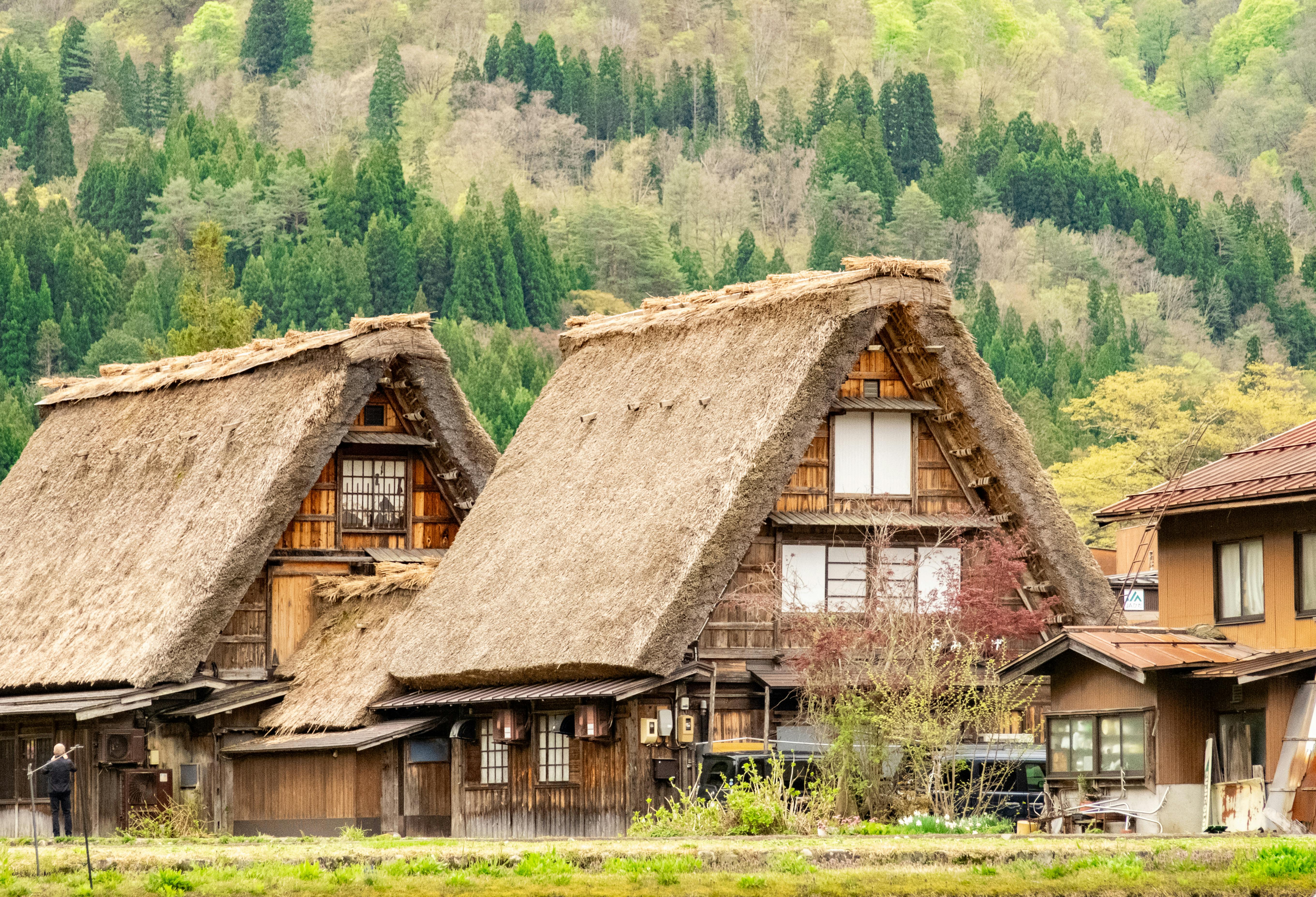
Image: View of traditional thatched farmhouses in Shirakawa, Gifu, Japan, showcasing iconic Gassho-Zukuri architecture and rural charm.
-
Roof design that handles weather and light with grace
-
Materials like wood, stone, and plaster that age beautifully
-
Doors, windows, and entryways with cultural meaning
-
Fencing and outdoor flow designed for privacy, not isolation
-
How modern homes borrow from these timeless elements
We’ll break it all down clearly, with real-life examples, simple design tips, and a few surprising tricks used by Japanese builders that still make sense today.
Let’s start with what’s right above your head: the roof.
(And trust us, it's more clever than you think.)
Traditional Japanese Architecture: From Roof Tiles to Wood Walls
Roof Design | Function, Calm, and Cultural Purpose
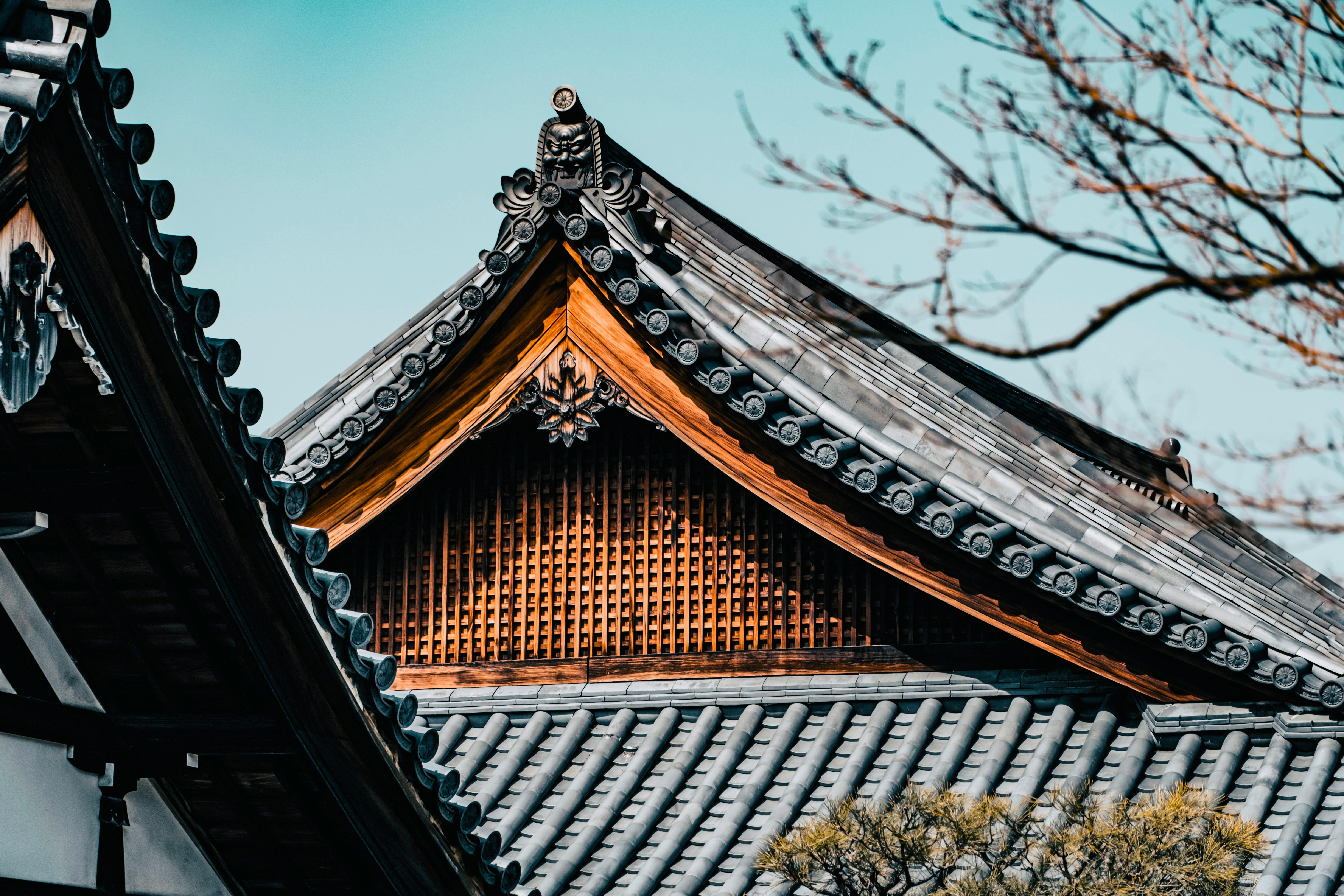
Japanese roofs are never just for covering the house. They shape how the building feels, looks, and even works in different seasons.
Most use gentle slopes — either a basic gable (kirizuma) or a more complex hipped style (irimoya). No sharp angles. No show-off tricks. Just balance.
The eaves (those wide overhangs) stretch way out. Not just for looks — they protect the house from rain, keep the sun out in summer, and invite in winter light. Smart shading built into the structure.
Underneath, you’ll often see wooden rafters — left visible on purpose. That’s part of the aesthetic: structure as beauty.
On top? You’ll usually find clay tiles (called kawara) or sometimes copper sheets that age beautifully over time. No plastic, no fake textures — just real materials that shift with the weather.
Why It Matters

Image: Exterior view of a traditional Japanese hut with a thatched roof in a park in Ayabe, Kyoto, reflecting rustic architectural charm.
Roofs like these create quiet. Not just in noise, but in the mind.
They visually calm the chaos around them.
They’re made for climate, not just style — wide eaves for typhoons, open ridges for air flow, materials that can handle decades of weather.
And most importantly, they remind us that good design doesn’t shout.
It just works — over time, with purpose, and with grace.
Walls & Materials | Built to Breathe and Age Gracefully

Traditional Japanese house walls aren’t thick or flashy. They’re thin, light, and built to work with the seasons, not against them.
Most exteriors use wooden slats or natural plaster (shikkui), which allow walls to “breathe.” That means less moisture buildup, better air circulation, and a more comfortable home year-round.
You’ll also see bamboo lath underneath the plaster — lightweight, flexible, and surprisingly strong. It’s been used for centuries.
In some rural homes, walls are made of earth mixed with straw (wattle and daub style). It’s insulating, fire-resistant, and blends into the landscape like it belongs there.
Paint? Not really a thing. Instead, materials are chosen for their natural color and patina — aged wood, sun-washed plaster, stone that darkens in the rain.
These walls aren’t just about looks. They’re about durability, airflow, and keeping the inside peaceful.
Entryways & Transitions | Space That Slows You Down
Before you even step inside, you’re invited to pause. That’s the whole point of a traditional genkan (entry step).
The genkan is lower than the floor of the house. You remove your shoes, mentally leave the outside world behind, and step up into calm. It’s part ritual, part reset.
Materials shift here too — stone or tile at the entry, then wood or tatami inside. That change in texture underfoot signals a shift in mindset.
Inside, rooms aren’t boxed in. Sliding doors (fusuma) and paper screens (shoji) let spaces open and close as needed.
Need privacy? Close the screen. Hosting guests? Slide everything open and create one big room. It’s flexible, fluid, and teaches you to move with the space instead of fighting it.
Even hallways aren’t just hallways — they’re transitions. Often with views into gardens, light filtering through paper, or a quiet corner to pause.
Windows & Light | Designing With Nature, Not Against It
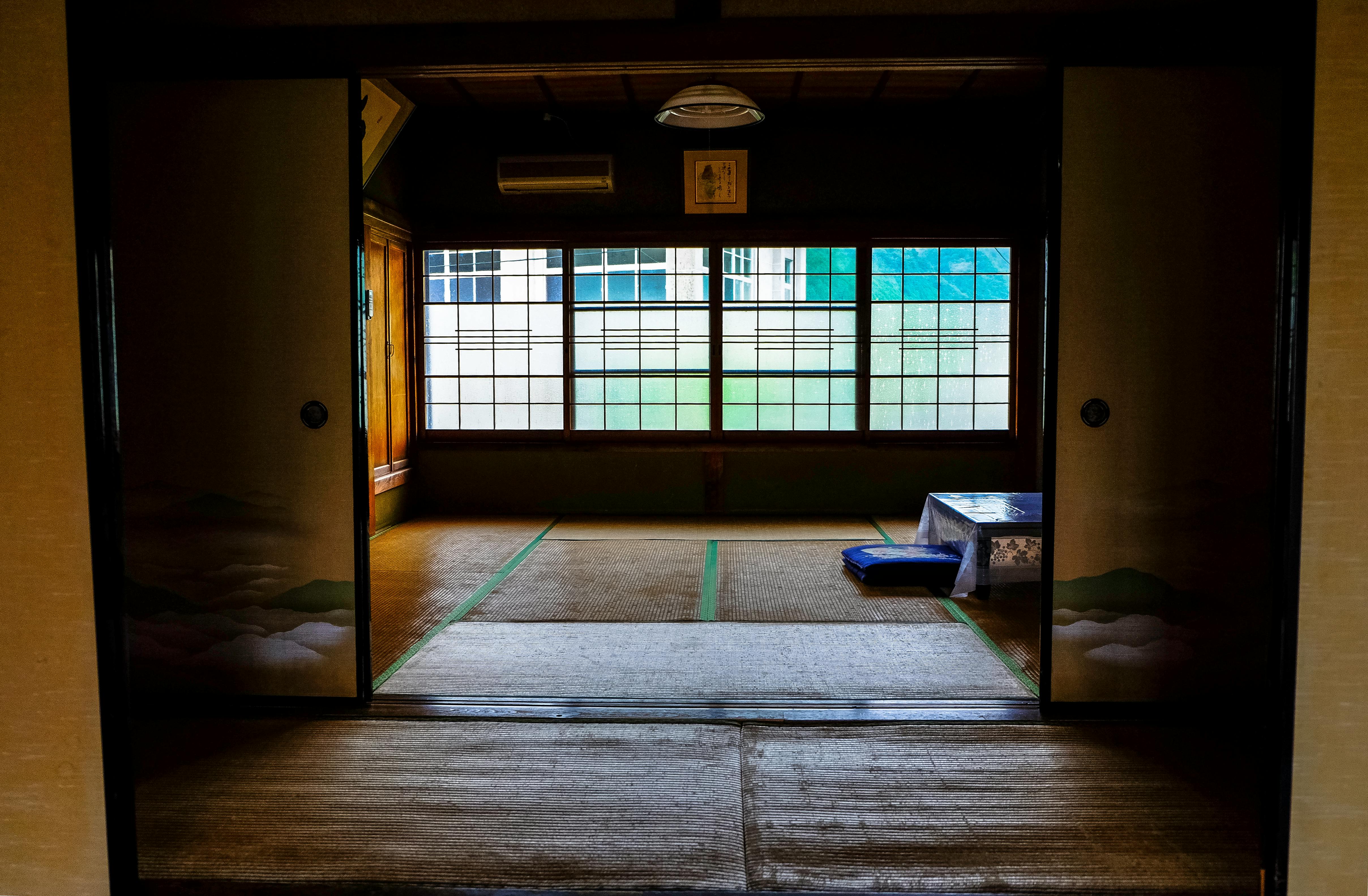
Windows in traditional Japanese houses aren’t made to show off a view — they’re designed to filter it.
You’ll rarely see big glass panes or picture windows. Instead, it’s all about framed views, filtered light, and quiet shadows.
Shoji screens (wooden frames with rice paper) diffuse light so that rooms glow softly, even at midday. No harsh glares. No visual clutter. Just calm, even brightness that changes with the time of day.

Image: Traditional Japanese room featuring a table and windows, showcasing the serene and minimalist architectural style.
The positioning is intentional too. Windows aren’t centered — they’re placed to frame a garden corner, a tree branch, or the roofline of a neighboring house.
In smaller homes, you’ll often find transom windows (ranma) above doors to carry light from room to room without losing privacy.
At night, light comes from warm, low lamps — not overhead fixtures. It creates a soft atmosphere that makes you instinctively slow down.
Why it matters:
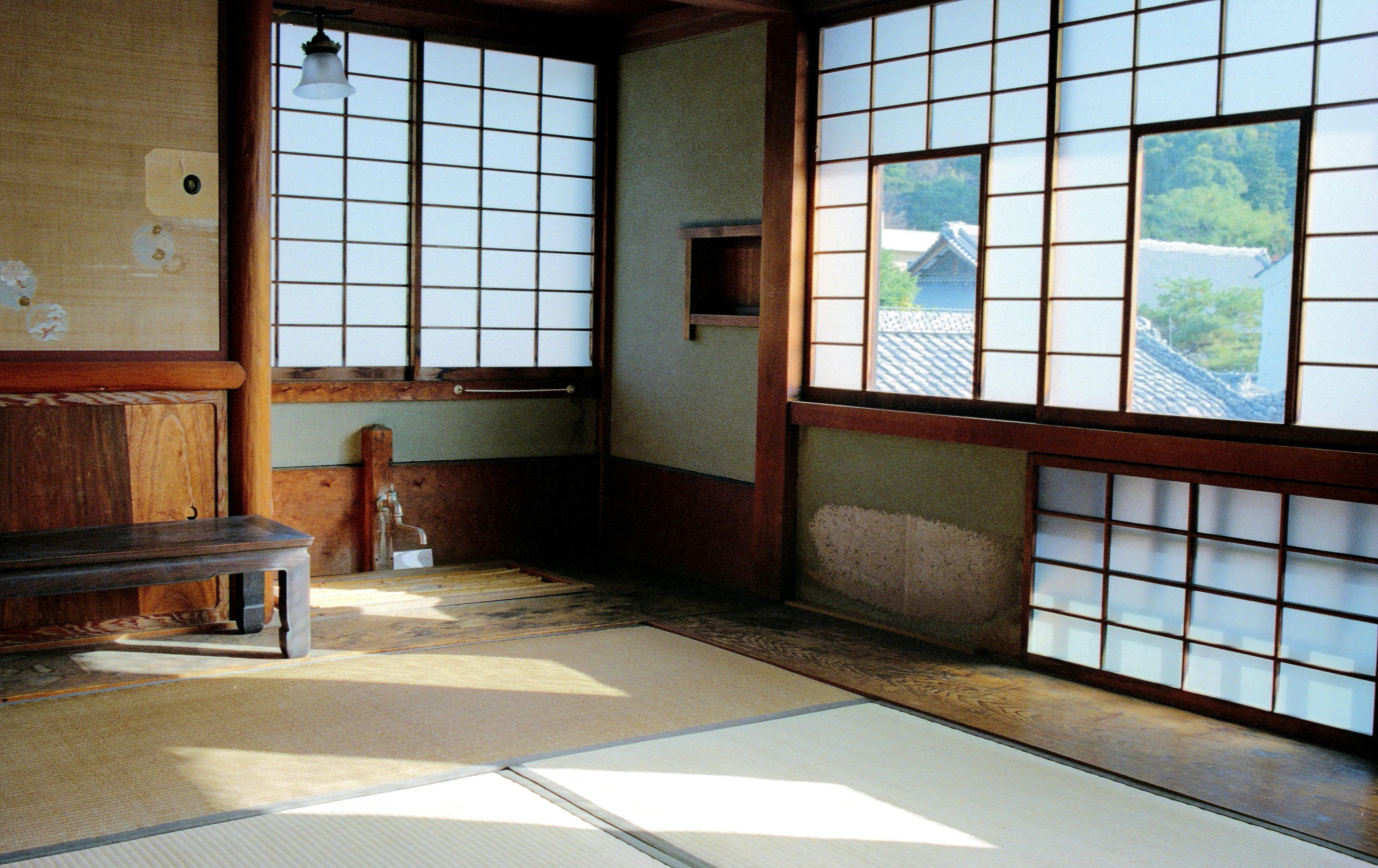
This kind of lighting supports natural sleep cycles. It also reduces stress — your eyes aren’t constantly jumping between light and shadow. Everything feels even, quiet, and thoughtful.
Even in modern builds, this is easy to adapt. Use soft curtains, indirect lighting, and matte surfaces. Aim for glow, not glare.
Outdoor–Indoor Flow | How Nature and Architecture Stay Connected
Traditional Japanese homes don’t separate inside and outside. They blend them.
The layout, materials, and even the way rooms face the garden are designed to keep you in constant quiet contact with nature.
No huge fences. No sealed-up rooms. Instead, you’ll find sliding doors (shoji or fusuma) that open wide to the outside. One motion, and your living space spills into the garden or veranda.
Floors are often raised off the ground. That makes space for air circulation underneath and gives you a slightly elevated perspective—like sitting above the earth, not on it.
Roofs stretch far beyond the walls to form a sheltered border. Rain falls beyond your feet, not at the door. You feel safe and open at the same time.
The result? You get fresh air, daylight, and a view even from the middle of the house. It’s not about luxury. It’s about mental calm.
🏠 Real-life tip:
You don’t need a full garden or a tatami room. Even in a city apartment, place a bench by the window, add plants or rocks outside, and use soft curtains that move in the breeze. That alone can shift your mood.
Engawa | The Most Underrated Space in Japanese Homes
The engawa is like a porch, but it’s more than that. It’s a slim hallway that wraps around the house, sitting between indoors and outdoors.
Think of it as a buffer zone — a soft space where shoes are off, the weather is near, and you’re not quite in or out. It’s shaded, breezy, and deeply calming.
You can sit on the engawa with a tea cup, listen to the rain, or just watch the garden without stepping into it. It’s not a walkway — it’s a mood.
In hot summers, it cools the air before it enters the house. In winter, it catches the sun. It also gives privacy, so you're not directly exposed even if your doors are open.
Why it still matters today:
We’re constantly overstimulated. The engawa gives your brain a place to pause. It’s the architectural version of a deep breath.
Modern trick:
If you're renovating or building, create a covered walkway, balcony, or even a wide window ledge that acts like an engawa. Use wood or stone underfoot. Keep it clear. Let it be a quiet zone between busy spaces.
Entry Areas & Genkan | Clean Starts & Quiet Boundaries
In a traditional Japanese house, the entrance isn’t just where you come in.
It’s where everything shifts — mood, mindset, and even posture.
The genkan (entrance zone) is one of the most important transitions in the home. And unlike Western foyers, it’s not meant to impress. It’s meant to reset.
What Makes a Genkan Unique
-
Step-Up Threshold
The genkan is lower than the main floor — often stone, tile, or concrete.
You step up to enter the living space, leaving behind the dirt, noise, and rush of the outside world. -
Stone or Tiled Platform
Durable, easy to clean, and meant for shoes. It’s where people pause, remove footwear, and mentally "arrive." -
Rain Shelter Overhangs
Entryways often have extended eaves or small roof sections above the door.
This isn’t just to keep rain off — it signals welcome while giving guests a calm pause before entry.
Why It Works (Design Meets Psychology)
-
Clear Boundary = Mental Clarity
You’re literally stepping into a different headspace. That small level change has a big psychological effect. -
No Shoes Indoors = Instant Cleanliness
The genkan makes you notice the act of taking off shoes. It's a habit-forming design cue — not a rule taped to the door. -
Social & Spatial Respect
This area signals: “You’re entering someone’s space. Slow down. Be present.”
Want to Use This in a Modern Home?
Even if you don’t live in Japan, you can add genkan principles to your space:
-
Add a step-up platform or even a visual threshold using different flooring
-
Keep a shoe bench or low shelf by the door
-
Use natural stone tile or matte-finish ceramic for the entry zone
-
Install a small overhang or awning above your door to protect from rain and frame the entry
-
Avoid clutter — keep this space minimal and focused
The genkan isn’t about rules — it’s about rhythm. It's a space that teaches people (without saying a word) how to slow down, show respect, and feel at home.
Garden Integration & Outdoor Flow
A traditional Japanese home’s connection to nature is one of its most defining characteristics. The garden is not just an ornamental feature but an essential part of the home’s soul. The idea is to seamlessly integrate the interior and exterior, blurring the lines between the two.
-
Gravel Paths or Stone Stepping Patterns: These are used to guide movement through the garden and to the house. The paths, often made of smooth pebbles or stones, create a natural flow, gently guiding people without being overt. The idea is to make the journey feel intentional and peaceful, leading you through spaces that are in harmony with the environment.
-
Tsuboniwa (Inner Garden): A tsuboniwa is a small, enclosed garden, often found in the middle of the house, offering a small natural retreat within the larger living space. These inner gardens are framed by the house itself and are often visible from different areas, such as the living room or hallway. They provide tranquility and serve as an aesthetic break from the interior while connecting you to the outdoors.
-
Bamboo Fences or Natural Plant Boundaries: Instead of harsh, rigid walls, traditional Japanese gardens often use natural elements like bamboo fences or dense plantings to create boundaries. These natural borders add privacy without feeling oppressive, and the materials used naturally blend with the surroundings. The focus is on creating an illusion of separation that feels organic and fluid, giving the feeling of enclosure without confinement.
Color Palettes
The color choices for traditional Japanese homes, both exterior and interior, reflect an ethos of simplicity and harmony with nature. The colors are meant to reflect the environment, blending with the landscape rather than competing with it.
-
Earth Tones and Wood Grain Dominance: Natural wood tones dominate the exterior of Japanese homes, whether it’s the structure itself or the garden materials. The grain and texture of wood are cherished, as they add depth and warmth to the design. Earthy hues like browns, greys, and greens dominate the palette, reinforcing the idea of connection to the natural world.
-
Accents in Black (Charred Wood) or Aged Copper Green: While wood tones rule the color palette, black accents are commonly used to highlight details. The use of charred wood (known as shou sugi ban) creates a textured and weathered appearance that enhances the connection to the natural world. The color of aged copper, often used for roof materials or detailing, offers a rich green contrast, further enhancing the connection to the environment.
-
Avoid Loud Contrasts — Everything Blends with Nature: The goal is harmony. Bright colors and stark contrasts are generally avoided in traditional Japanese exterior design. Instead, the idea is to create a subdued palette that merges with the surroundings. Everything, from the facade to the roof to the garden, blends together, allowing each element to complement rather than compete.
Key Exterior Features to Notice
When exploring traditional Japanese homes, several exterior elements stand out as defining characteristics that separate them from other architectural styles. These features focus on balance, subtlety, and integration with the environment.
-
Asymmetrical Balance Instead of Perfect Symmetry: Unlike Western architecture, which often prioritizes perfect symmetry, traditional Japanese homes embrace a more natural, organic balance. This doesn’t mean the house is unbalanced but rather that the elements feel harmonized without being overly rigid. This design philosophy encourages a flow of energy, creating spaces that feel open and welcoming without feeling too structured.
-
Deep Eaves Creating Layered Shadows: One of the most noticeable features of a traditional Japanese roof is its deep eaves. These overhanging rooflines create a layered effect of light and shadow, especially when sunlight filters through during different times of day. The eaves not only offer protection from the rain but also serve as a visual feature, softening the transition from the house to the surrounding space. They create a sense of depth and calm.
-
Subtle Fences That Hint Privacy Without Hard Walls: In Japanese design, privacy is essential, but it is achieved through subtle means rather than imposing physical barriers. Bamboo fences, stone walls, or thick vegetation create gentle boundaries that imply privacy without creating a visual wall. The key is to allow visibility to some degree, offering both openness and seclusion, maintaining a sense of connection with the environment.
-
Focus on Space Between Things – Not Just Objects: Japanese design often focuses on the spaces between elements rather than just the elements themselves. The idea is that space, or ma, is just as important as the objects it surrounds. This design principle extends to the exterior of the home, where the space between the building, garden, and other elements becomes a defining feature. It’s about creating room for pause, contemplation, and a sense of balance within the environment.
How to Spot a Traditional Japanese Home from the Outside
Key Exterior Features of Classic Japanese Houses
In Focus: Why Shoji Screens Calm Your Brain
Shoji screens aren’t just pretty—they’re quietly powerful.
These thin sliding panels made from translucent washi paper and wood lattices do something very few materials can do:
They filter light, soften edges, and reduce visual clutter. And your brain loves it.
How It Works (Psychology of Calm)
-
Filtered Light
Shoji lets in daylight but blocks harsh glare.
That soft glow creates a steady light environment—something proven to reduce eye fatigue and stress. -
No Hard Edges
Instead of sharp black window frames, shoji has gentle grids and paper diffusers.
Your eye scans the room slower, which helps slow your breathing and thought speed. -
No Busy Views
Instead of seeing traffic, trash bins, or walls outside—shoji hides it.
You still get light and shadow movement without the visual noise.
Why It Feels So Different from Western Interiors
In many modern homes, windows are huge, and views are wide open.
That's nice in theory… but your brain takes in way too much information at once.
Shoji screens limit input. And that gives your mind room to breathe.
Try This at Home (Even Without Real Shoji)
You don’t need to import panels from Kyoto. Here’s what you can do:
-
Use light-filtering curtains (linen or cotton) instead of blackout drapes or blinds
-
Add rice paper film to windows for privacy + soft light
-
Choose natural wood frames over dark or metal ones
-
Stick to a neutral palette in areas where light hits directly
Even these small changes can shift the tone of a room from tense to peaceful.
Modern Interpretations of Traditional Exteriors
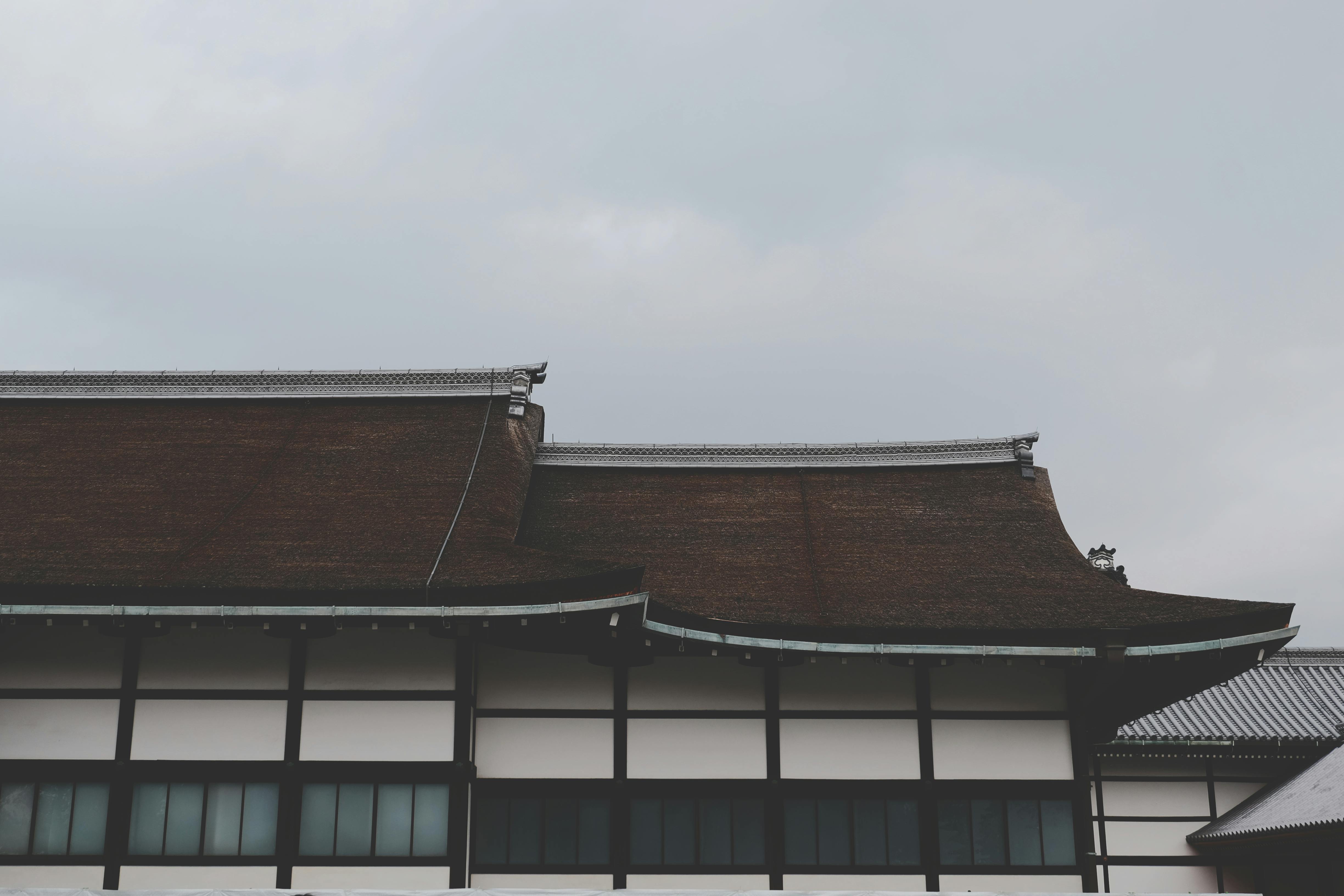
Image: Modern and traditional blend roof of a house in Japan, showcasing a fusion of architectural design and intricate craftsmanship.
-
Wood + glass hybrid facades
-
Metal roofs shaped like irimoya
-
Vertical slatted screens over modern structures
-
Use cases: Tokyo townhomes, Kyoto-inspired modern villas
Designing a Japanese-Style Exterior: What to Focus On
✅ Do’s and Don’ts | Building the Right Feel, Not Just the Look

Designing a traditional Japanese house exterior isn’t just about copying the form — it’s about understanding the purpose behind every choice. Here's what actually works:
✅ Do:
Use natural finishes.
Let the materials age and speak for themselves. Unpainted wood, stone, and copper develop character over time — that's part of the charm.
Think about privacy without walls.
Instead of big fences, use bamboo screens, slatted wood, or strategic plantings. These keep the home private while still feeling open.
Let nature guide the palette and layout.
Stick to soft earth tones, wood hues, and muted greens. Plan views toward gardens or trees. The house should feel like it grew out of the land.
❌ Don’t:
Add decorative fake Japanese “trim.”
Avoid over-the-top roof curves, cartoonish lanterns, or off-the-shelf temple knockoffs. Real Japanese homes are calm, not theatrical.
Use shiny plastics or faux wood paneling.
If it’s meant to look like wood, it should be wood. Plastic ruins the feel, even if it’s waterproof.
Overdesign the entrance area.
Genkan (entry zones) are subtle. Don’t overload them with sculptures or noisy tile patterns. Keep it clean, useful, and respectful.
Real Examples You Can Study | Not Just Pictures — Study These
Learning by example helps you see the principles in action. These real-life buildings show how traditional Japanese exteriors adapt and evolve today.
Ghibli Museum’s Traditional Exterior Inspiration
The Ghibli Museum in Mitaka has curved roofs, earth-tone walls, and hidden entries — all inspired by traditional architecture. It’s not a house, but the feeling is spot on.
Kyoto Machiya Row Houses
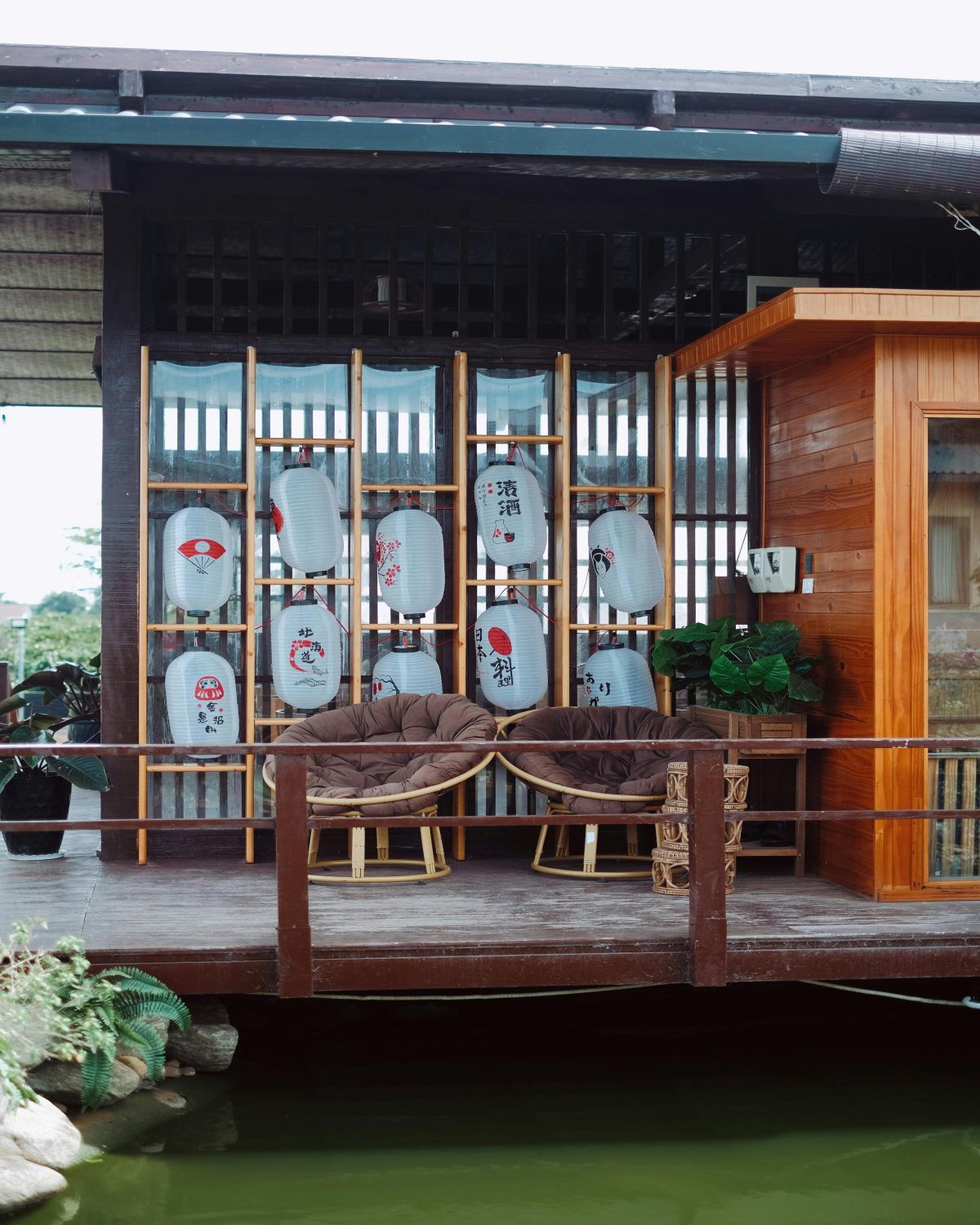
Image: Cozy Japanese-style porch with lanterns and chairs, offering a peaceful view of the courtyard or patio.
These narrow townhouses are famous for their deep eaves, wooden slats, and inner courtyards. Even newer ones keep the same rhythm of privacy and openness.
If you're ever in Kyoto, walk through Gion or Pontocho at night. The lighting, woodwork, and quiet street facades say more than any diagram ever could.
Tokyo Minimalist Villas with Wood Siding
In neighborhoods like Setagaya or Meguro, modern homes borrow from tradition — wooden façades, long eaves, courtyard buffers — without pretending to be antique. These are true hybrid homes.
Kominka Homes in Tottori and Gifu
These historic rural houses have stood for over 100 years. Thick beams, clay walls, deep rooflines. Locals still live in them — and some have been adapted into cafés, guesthouses, and artist studios.
Look up places like Kayabuki-no-sato — an entire village of preserved traditional homes.
In Focus: The Secret of Overhanging Eaves
Why do all traditional Japanese houses seem to have deep rooflines that hang way past the walls?
They’re not just pretty. They're genius.
What They Actually Do:
-
Protect the walls from rain (big help during monsoon season)
-
Create soft shadows that shift throughout the day
-
Cool the house naturally by shading the upper walls and windows
How It Feels:
That little overhang above your head?
It creates a sense of shelter. Not boxed-in, but held — like a porch you’re welcome to linger on.
Psychologists call this the “prospect-refuge” effect. You feel safe and calm when you’re in a protected space that still lets you look out.
It’s the same feeling you get sitting under a tree or a café awning — sheltered above, open in front.
Practical Tip:
You don’t need a temple roof to feel it.
Even 18 to 24 inches of eave overhang can:
-
Reduce heat gain through upper windows
-
Let you open windows in light rain
-
Visually "ground" your house into the landscape
Bonus? It lowers your AC bill without adding gadgets.
Floor Levels & Behavior | How Small Steps Shift Big Habits
In traditional Japanese homes, the floor isn’t flat from end to end. And that’s not just architectural — it’s behavioral.
Tiny level changes do big things to how people move, feel, and act in a space.
What to Notice
-
Genkan drop – The lowered entry zone signals “take off your shoes” without needing a sign.
-
Tatami platform – A raised floor zone tells your body: slow down, sit lower, act with calm.
-
Step-down sunken spaces (Horigotatsu) – Often for gathering, conversation, or focused relaxation.
Why It Works Psychologically
-
Triggers intentional behavior
Each level change gives your brain a cue: “Something different happens here.”
Example: You won’t jump on a raised tatami area — you’ll kneel, walk softer, or sit mindfully. -
Slows you down
You can’t rush across multiple levels without noticing where your feet go. This naturally invites slower, more conscious movement. -
Defines zones without walls
Instead of using heavy partitions or loud design changes, level shifts create separation through experience.
Try It at Home (Even in Modern Interiors)
-
Use a low raised platform for reading, tea, or meditation. Add cushions instead of chairs.
-
Try a step-down entry area with concrete or tile to mimic a genkan drop.
-
Even a material shift (wood to tatami, or carpet to tile) can act like a “level” to guide behavior.
Natural Textures & Touch | Design You Can Feel

Japanese homes aren’t about glossy perfection — they’re about feel.
The way wood grain catches your eye, or how tatami mats slightly resist your hand — it’s all intentional.
Key Materials to Notice
-
Tatami mats – Woven rush grass; warm in winter, cool in summer.
-
Raw wood – Often unfinished or lightly oiled; meant to be touched.
-
Paper (Washi) – Used in shoji screens and lamps; softens light and mood.
-
Stone – Cool underfoot, especially near entrances or outdoor-in zones.
Why It Works Psychologically
-
Textural variety = mental calm
Smooth + rough. Soft + firm. When materials feel “real,” your brain relaxes. -
Grounds you in the moment
Running your hand along a wooden beam or hearing the soft crunch of tatami brings you back into your body. -
Invites gentle interaction
You’ll walk barefoot on tatami. You’ll slide a shoji instead of slamming a door. Everything gets… gentler.
How to Bring This Into Modern Homes
-
Swap plastic or shiny finishes for matte, real textures
-
Use linen, wood, clay, or woven fibers in furniture and accents
-
Ditch over-glossed furniture — pick materials that age well and show wear
Ceiling Height & Emotional Weight | The Hidden Mood Shifter
Most people only think about floor plans. But ceilings shape how you feel in a space.
In Japanese homes, the height isn’t just random — it sets the mood.
Common Ceiling Choices
-
Low ceilings over sleeping and sitting areas
Feel grounded, cozy, and focused. -
Slightly raised ceilings in tokonoma (alcove) or shared gathering areas
Adds importance without making it overwhelming. -
Exposed rafters – Adds structure and visual rhythm, especially in countryside homes.
Why It Works Psychologically
-
Low = safe + calm
When you sit under a low ceiling, your mind feels more relaxed — like a weighted blanket for your senses. -
High = energized
Higher ceilings in hallways or shared rooms encourage alertness and movement — just enough space to stretch mentally. -
Balanced shifts = mental clarity
If every room is the same height, your brain gets numb. But varied ceiling heights help you understand space intuitively.
How to Use This Trick
-
Use lower ceilings or lighting (like pendant lights or beams) over rest zones.
-
Add ceiling height in gathering areas for better flow and conversation.
-
Expose wood structure if possible — even a faux beam adds rhythm and grounding.
FAQs About Traditional Japanese House Exteriors
Can you have a traditional Japanese exterior without a garden?
Yes — but it’s all about how you treat space.
While gardens are a big part of many Japanese homes, not all homes have one. The key is to create a sense of openness and calm, even in small or urban areas.
Tips:
-
Use natural materials (wood, stone, gravel) to echo outdoor vibes.
-
Add a small plant zone near the entrance — even a potted pine or moss bed can soften the space.
-
Use light and shadow (via overhangs or bamboo screens) to bring movement into still areas.
You don’t need a giant yard — you just need thoughtful transitions.
What’s the best wood for durability and look?
In traditional builds, cedar (sugi) and cypress (hinoki) are most common.
-
Hinoki (Japanese cypress) – Known for its soft fragrance, pale tone, and insect resistance. Great for baths, beams, and finishing.
-
Sugi (Japanese cedar) – Lightweight, reddish-brown, and widely used for cladding and framing.
-
For international builds, similar options include:
-
Western red cedar (lightweight, weather-resistant)
-
Douglas fir (strong and straight-grained)
-
Thermally modified ash or pine (more sustainable and durable)
-
Always prioritize untreated, breathable wood over composite or shiny finishes.
Can these designs be adapted to modern climates?
Absolutely — and they often work better in today’s climate-conscious world.
How traditional design already helps:
-
Wide eaves = natural shading (less need for air conditioning)
-
Cross-ventilation = passive cooling
-
Natural insulation from layered wood and plaster
-
Transitional zones (like engawa) buffer temperature changes
For colder regions, you can adapt with:
-
Insulated shoji or double-layer glass that mimics light diffusion
-
Radiant floor heating under raised platforms
-
Storm shutters designed to match wood detailing
The secret? Keep the logic of the design, even if you upgrade the tech.
Is this style expensive to build?
It depends — but it’s more about choices than just the style.
✅ You can build affordably if:
-
You use simple shapes and natural finishes
-
Skip overly engineered “faux-traditional” features
-
Choose modular or semi-prefab solutions with good proportions
🚫 It gets expensive fast if:
-
You over-customize materials (e.g., importing rare woods)
-
Add ornamental features without function
-
Use real tatami, handcrafted joinery, or clay roof tiles without sourcing locally
Bottom line:
If you focus on principles over perfection, you can get the calm, grounded feeling of a traditional Japanese home without overspending.
Related
- Japanese Architecture: The Style Everyone Can Learn From
-
History of Traditional Japanese Architecture: Key Eras, Influences, and Innovations
-
Engawa Architecture: How This Japanese Concept Redefines Indoor-Outdoor Living
-
Traditional Japanese House Layout: How the Spaces Were Designed to Flow
-
Japanese Metabolism Architecture: How It Redefined Modern Design
Where to Find More Inspiration
-
📚 Best Books from Amazon:
-
“The Japanese House: Architecture and Life After 1945”
-
“Japanese Homes and Their Surroundings” by Edward Morse
-
“Traditional Japanese Architecture: An Exploration of Elements and Forms”
-
-
🏛️ Official Resources:
Final Takeaways
-
Traditional Japanese house exteriors are all about balance, nature, and intention
-
You don’t need to copy the look — just follow the mindset
-
Think in terms of mood, light, privacy, and calm—not just design