
What Goes Into a $30,000 Foundation Repair?
A $30,000 foundation repair is a big bill. Before you spend it, you need to know exactly what the work involves, why it costs that much, and whether it’s actually necessary.
We’ll break down what that price usually includes, what contractors should be doing for that money, and the warning signs that you’re being pushed into work you don’t need.
What’s Really in a $30,000 Foundation Repair

Thirty thousand dollars for fixing a foundation sounds like robbery until you see what is in the bill. Big repairs stack costs fast because you are paying for heavy equipment, skilled crews, and materials that are not cheap.
Where the Money Goes
Inspection and structural report – $500 to $2,000
Engineers check soil movement, measure settlement, and document the damage for permits and insurance.
Pier installation – $1,000 to $3,000 per pier
Steel or concrete piers go down to stable soil or bedrock. A badly damaged house might need 15 to 20 piers, which alone can hit $30K.
Slab jacking – $500 to $1,500 per section
Injecting grout or foam to lift sunken slabs. Often used with piers to get the floor level again.
Waterproofing and drainage – $2,000 to $10,000
French drains, sump pumps, sealants to stop water from wrecking the foundation again.
Full replacement – $20,000 to $50,000+
In worst cases the house is jacked up, the old foundation removed, and a new one poured. It is rare but when it happens it is a budget killer.
FIELD PICK
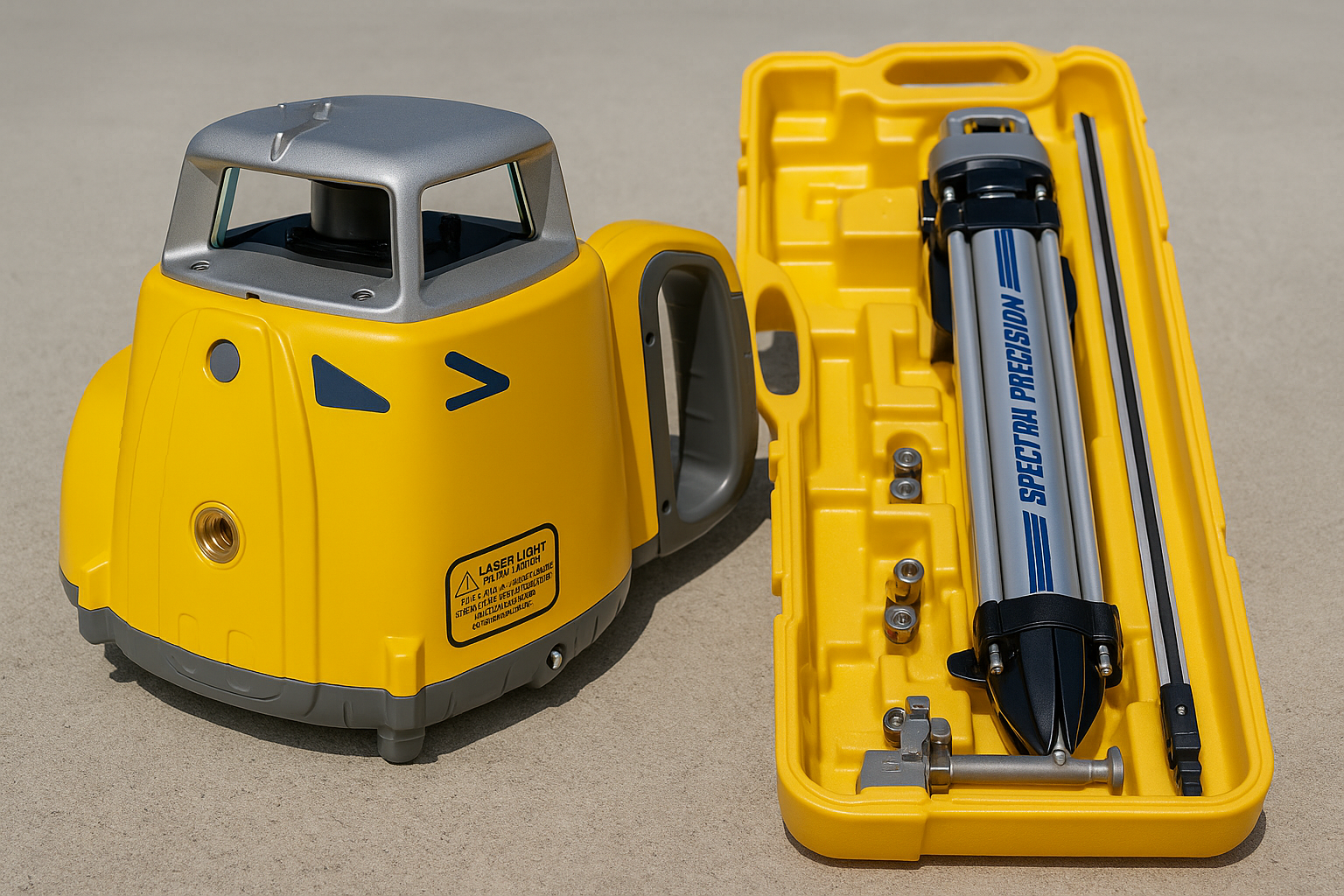
If you want to double-check your contractor’s work, a pro-grade rotary laser level like the DeWalt DW074KD can spot uneven floors and walls before the cracks come back.
→ View on Amazon
Why the Price Blows Up
-
Labor and equipment. You need crews with specialized skills, hydraulic jacks, drills, and excavation gear.
-
Material costs. Steel beams, concrete, anchors. Prices swing with the market.
-
Access problems. Steep lots, deep foundations, or hard to reach crawlspaces mean more excavation and more hours.
-
Permits and inspections. Required in most cities and they add time and fees.
When Repairs Hit $30K
-
Severe sinking or shifting. High pier counts and steel beam reinforcements.
-
Complete foundation replacement. Demolition, heavy lifts, and rebuild.
-
Major drainage work. French drains, sump systems, membranes, often on top of the structural repairs.
-
Related fixes. Plumbing, flooring, and wall repairs that get tacked onto the job.
Can You Avoid It
-
You cannot eliminate the risk but you can lower it.
-
Keep soil moisture consistent with soaker hoses in dry seasons.
-
Keep gutters clear and grading sloped away from the house.
-
Inspect a few times a year for cracks or signs of settling.
-
Avoid buying on unstable clay soils if you can.
When It Is Worth Spending
-
The damage is structural and will get worse.
-
The home’s value justifies the repair.
-
You are selling and buyers will not touch a home with foundation problems.
If it is just cosmetic you can hold off or do partial repairs. But if the foundation is moving, waiting will cost you more later.
$30,000 Foundation Repair: Signs You Can’t Ignore
Foundation trouble isn’t always obvious. Sometimes it shows up in small ways that get worse fast. Spot it early, and you’ll save money.
-
Cracks in Walls or Ceilings
Hairline cracks are common. Wider than 1/4 inch means movement.
Diagonal cracks mean uneven settling and need a closer look. -
Doors and Windows That Stick
If they suddenly jam, the frame may be shifting. -
Uneven Floors
Walk barefoot. A slope underfoot means the structure is moving. -
Water Pooling Near the Foundation
Water against the house erodes the soil. Fix drainage before it damages the footing. -
Bowed or Leaning Walls
Walls that bulge or tilt are under stress and need immediate inspection.
FIELD PICK

If you want the same gear foundation crews use, the Spectra Precision LL300N-1 kit gives you a tripod, grade rod, and self-leveling laser to measure slab and pier alignment with contractor accuracy.
→ View on Amazon
See also:
- How the Spectra LL300N-1 Laser Level Holds Up in the Field
- Foundation Cracks in Houses: When to Worry and When to Repair
DIY or Call a Pro for Foundation Repairs

Some foundation fixes are simple. Others can wreck your house if you get them wrong. The trick is knowing the difference.
When DIY Can Work
● Hairline Cracks
Seal with an epoxy or polyurethane kit ($50–$100). Clean the crack first or the seal will fail.
● Drainage Fixes
Extend downspouts, redirect gutters, or regrade soil so water flows away from the foundation. Cheap, fast, and effective.
● Basic Sump Pump Install
If your basement collects water, a small pump setup can keep it dry.
When to Call a Pro
● Large Cracks or Bowing Walls
More than 1/4 inch wide or walls starting to tilt means structural work.
● Sinking or Settling
Requires piers or underpinning. Heavy equipment, engineering, and permits.
● Persistent Water Problems
If better drainage doesn’t solve it, pros can install French drains, vapor barriers, or high-capacity sump systems.
● Foundation Replacement
This is full-scale construction. Don’t even think about DIY.
Signs It’s Time for an Expert
-
Cracks keep coming back after you patch them
-
Doors and windows are suddenly out of alignment
-
Floors drop or cracks grow overnight
Hybrid Approach
Do the easy prep yourself — clear the area, fix drainage, or seal small cracks — then bring in a pro for the heavy lifting.
Use a crack monitor to track growth before spending big.
Hire a structural engineer for $300–$1,000 to tell you exactly what needs fixing.
Skills You Actually Need for DIY Repairs
-
Basic construction knowledge
-
Attention to detail
-
Patience
-
Willingness to learn from mistakes
FIELD PICK

For small jobs and monitoring, the Johnson 40-6515 self-leveling rotary laser is accurate, durable, and easy to set up. Great for grading checks and wall alignment.
→ View on Amazon
Bottom Line
Small repairs you can handle. Structural work needs a pro. Get it wrong, and you’re looking at a five-figure fix.
3 Killer Tips Before You Spend $30K on a Foundation Repair
1. Get the Engineer First, Not the Contractor
Pay a structural engineer $500–$1,000 to design the repair before you talk to crews. The engineer’s plan is your roadmap. Every contractor now bids on the same scope, which kills the guesswork and inflated “mystery” pricing.
2. Demand Elevation Measurements
Have the contractor provide a full set of floor elevation readings before and after the work. It’s the only way to prove the structure is level and the job was done right. No readings? Don’t sign.
3. Fix the Cause, Not Just the Crack
If drainage, soil movement, or plumbing leaks caused the problem, fix those first. Otherwise, your new $30K repair becomes the world’s most expensive band-aid.
Spotting and Avoiding Scam Contractors: What to Watch For
Foundation repair often attracts unscrupulous contractors looking to exploit homeowners’ fears. Here’s how to identify red flags and protect yourself from scams:
Key Red Flags
- Vague or Confusing Explanations
- Contractors who can’t clearly explain the issue or the solution might not fully understand the problem—or they’re padding the bill.
- Pro Tip: Always ask for a detailed explanation and written estimate.
- High-Pressure Tactics
- Statements like, “Your house will collapse if you don’t act now!” are designed to scare you into overpaying.
- Legitimate contractors will provide a calm, factual assessment and allow time for consideration.
- Unlicensed or Uninsured Contractors
- Working with unlicensed or uninsured individuals can leave you liable for poor workmanship or accidents.
- How to Verify: Ask for proof of licenses and insurance, and cross-check with local licensing authorities.
- Demanding Full Payment Upfront
- Reputable contractors typically request a deposit and stagger payments as work progresses. Avoid anyone who demands full payment before starting.
- Skipping Detailed Inspections
- Contractors who offer a solution without thoroughly examining the foundation may be guessing rather than diagnosing the issue.
How to Protect Yourself
Get a Second Opinion
- Don’t settle for one quote. Obtain multiple estimates from reputable contractors for comparison.
Hire an Independent Structural Engineer
- An engineer’s report provides an unbiased assessment of your foundation’s condition, helping you avoid unnecessary or overpriced repairs.
Ask Smart Questions
- Why is this repair necessary?
- Are there less expensive alternatives?
- How long will this fix last?
Research the Contractor
- Check online reviews, ask for references, and verify their standing with local trade organizations.
Quick Tips for Confidence
- Use a Contract: Insist on a written agreement detailing the scope of work, timeline, and payment schedule.
- Document Everything: Take photos of the affected areas before and after repairs.
- Trust Your Gut: If something feels off or rushed, don’t proceed.
By staying vigilant and informed, you can ensure your foundation repairs are necessary, affordable, and completed by trustworthy professionals. Remember, doing your homework upfront can save you thousands—and a massive headache—later.
How to Manage a $30,000 Foundation Repair: Tips and Insights
When a Foundation Repair Costs $30,000: Factors to Consider
Foundation repair doesn’t always have to break the bank. Here are some real tips to keep costs manageable:
How to Cut Costs Without Cutting Corners
Preventative Maintenance
- Improve Drainage:
- Extend your downspouts and keep gutters clean.
- Grade soil away from your home to prevent water pooling.
- Regular Inspections:
- Look for small cracks or leaks and address them before they grow.
- Install Moisture Barriers:
- Prevent soil expansion by controlling the moisture level around your foundation.
Negotiate and Compare
- Shop Around: Always get multiple quotes.
- Request Itemized Estimates: See exactly what you’re paying for.
DIY Where Possible
- Small cracks can often be patched with epoxy or concrete filler.
- Ensure proper drainage by fixing gutters or adding inexpensive soil grading.
Ways to Realistically Cut the Cost by Half
While $30,000 is sometimes unavoidable, there are ways to reduce costs significantly in many cases:
- Address Problems Early:
- Don’t wait for minor cracks to become major structural issues. Regular inspections and early repairs can save thousands.
- Example: Fixing a small crack with epoxy injection costs $500–$1,000, compared to $10,000+ if the issue worsens.
- Optimize Drainage:
- Prevent water-related foundation damage by improving your drainage system. Add gutters, extend downspouts, or re-grade your yard.
- Cost: $500–$2,000 upfront, but it can prevent much larger issues.
- Compare Quotes:
- Get estimates from at least three contractors. Prices vary widely, and some may offer more cost-effective solutions.
- Pro Tip: Look for contractors with strong reviews and experience in your area. Avoid going for the cheapest option without verifying their credentials.
- Partial Repairs:
- Not all damage requires a full-scale fix. A structural engineer can help identify which areas need immediate attention versus what can wait.
- DIY Preventative Measures:
- Seal small cracks yourself with epoxy or polyurethane kits (available for $50–$100).
- Improve moisture control around your home with DIY soil grading or installing a basic sump pump.
Is a $30,000 Foundation Repair Worth It? Final Thoughts
Here’s the bottom line: Foundation repair is a big investment, but it’s often necessary to maintain the safety and value of your home. If the damage is significant, putting off repairs could cost you even more in the long run.
The key is to approach the process wisely—get multiple opinions, watch for scams, and don’t panic over minor cracks. With the right knowledge and preparation, you’ll make decisions that protect your home without losing your sanity (or your savings).
Please Remember:
Tip That Can Save You Tens of Thousands
Before you sign a repair contract, pay a structural engineer $500–$1,000 to design the fix — not the repair company. The engineer works for you, not for the crew getting paid to do the work. That plan becomes your bidding document. Now every contractor prices the same scope, and you’re not at the mercy of “mystery work” and inflated quotes.
FAQ
1. How do I know if a crack is serious?
- Cracks wider than 1/4 inch or those growing over time are cause for concern. Hairline cracks are usually harmless.
2. Can I delay foundation repair?
- Minor issues can sometimes wait, but structural damage worsens over time and will cost more later.
3. Does homeowners insurance cover foundation repair?
- Most policies don’t cover foundation issues unless caused by a covered event, like a flood or earthquake.
4. How long does a foundation repair take?
- Depending on the scope, repairs can take anywhere from a single day to several weeks.
5. Can I live in my home during foundation repair?
- In most cases, yes. However, if extensive work requires excavation or slab lifting, it may be inconvenient.