

An 1880s house usually feels different the minute you walk in.
The wood is heavier. The roof is steeper. The trim has more depth. These houses were not simple, but they were rarely casual. From Queen Anne towers to Folk Victorian porches, the parts were meant to work together.
That does not mean every detail needs to stay untouched. Some houses need real repair. Some have already been altered. But the good ones still show the same thing clearly: strong proportion, solid materials, and details shaped to matter.
That is why these houses still hold up. Not as nostalgia. As houses with scale, presence, and enough character to feel rich without getting in the way of daily life.
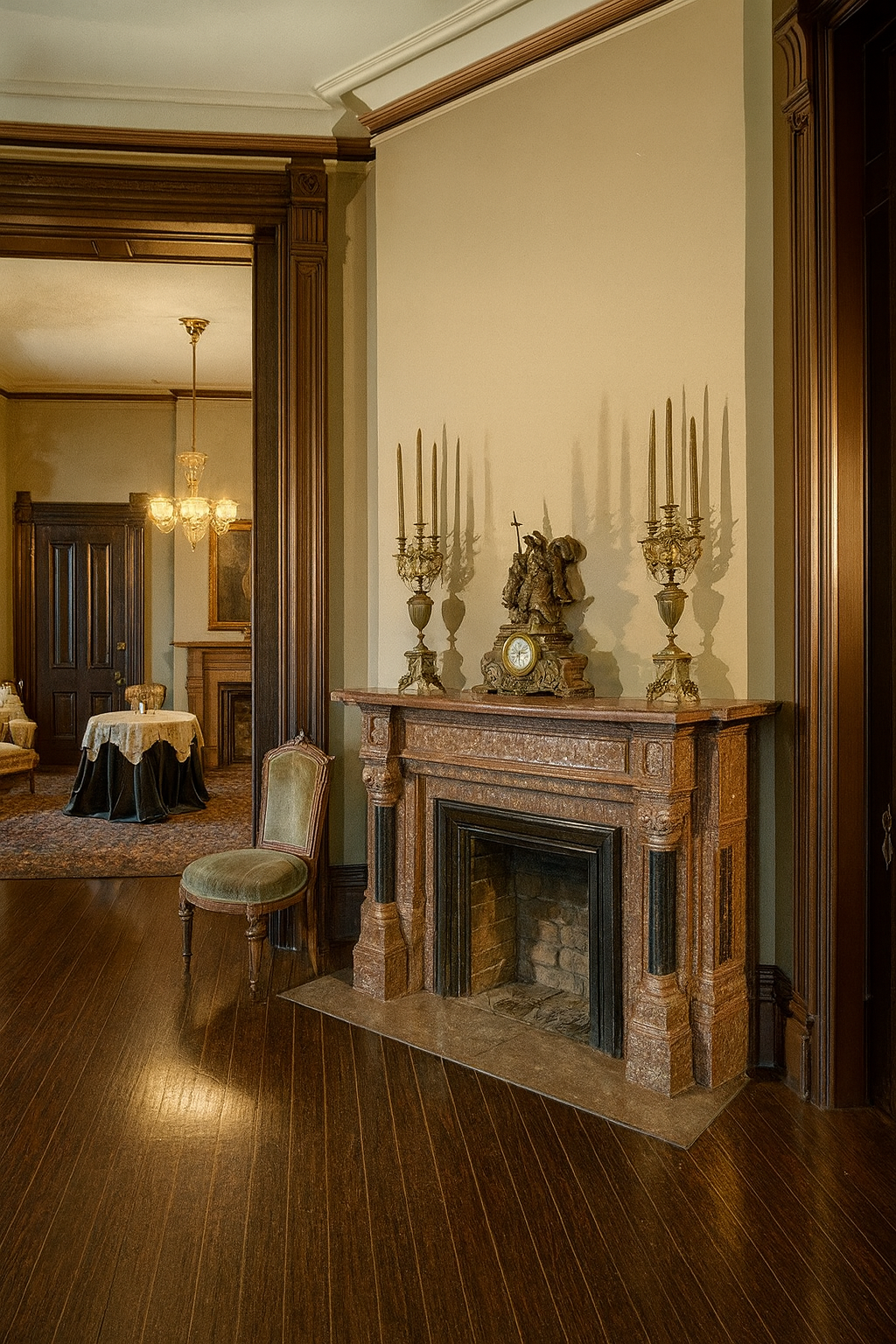
This article is part of a full series tracing five centuries of home design. From features to interiors and structure, each guide shows how these homes shaped the way we live.

Good Reading
A Field Guide to American Houses: The Definitive Guide to Identifying and Understanding America's Domestic Architecture
Get it on Amazon
1880s House Styles: What They Got Right

Solid, practical, and meant to last.
The houses of the 1880s were not built fast. They were built with steep roofs, real wood, and trim that took patience. From Queen Anne towers to Folk Victorian porches, this era left behind shapes and details that still echo in today’s homes.
This guide is part of a series covering five centuries of architecture. Here we focus on the 1880s, what builders did, how the styles looked inside and out, and why the proportions still work in modern layouts.
By the end you will see how these houses taught lessons in entryways, rooms, and details that designers and homeowners still copy today.
Real Design Before Floorplans Got Dumb
Craft You Can Still Learn From

Image: A Victorian house in excellent condition, featuring intricate design elements and showcasing timeless architectural beauty.
The 1880s were a rich time for architectural diversity, largely influenced by the Industrial Revolution and Victorian ideals. The introduction of new materials and technologies allowed for intricate detailing and bold designs. Here’s a snapshot of key styles:
- Queen Anne
Known for asymmetry, turrets, and decorative trims. Homes often featured wraparound porches and stained glass. - Second Empire
Recognizable by its mansard roof and dormer windows. This style merged French elegance with Victorian practicality. - Italianate
Inspired by Italian villas, this style boasted tall windows, cornices, and intricate brackets. - Stick Style
Emphasized exposed wood detailing, vertical and diagonal "sticks," and steep gables. - Folk Victorian
A more affordable option, featuring simple shapes with Victorian embellishments.
Exterior Characteristics of 1880 House Styles
1880s House Styles: Old Homes That Still Make Sense

Image: The exterior of a Victorian house in excellent condition, featuring ornate trim, steep roofs, and timeless architectural elements.
Overall Form and Layout
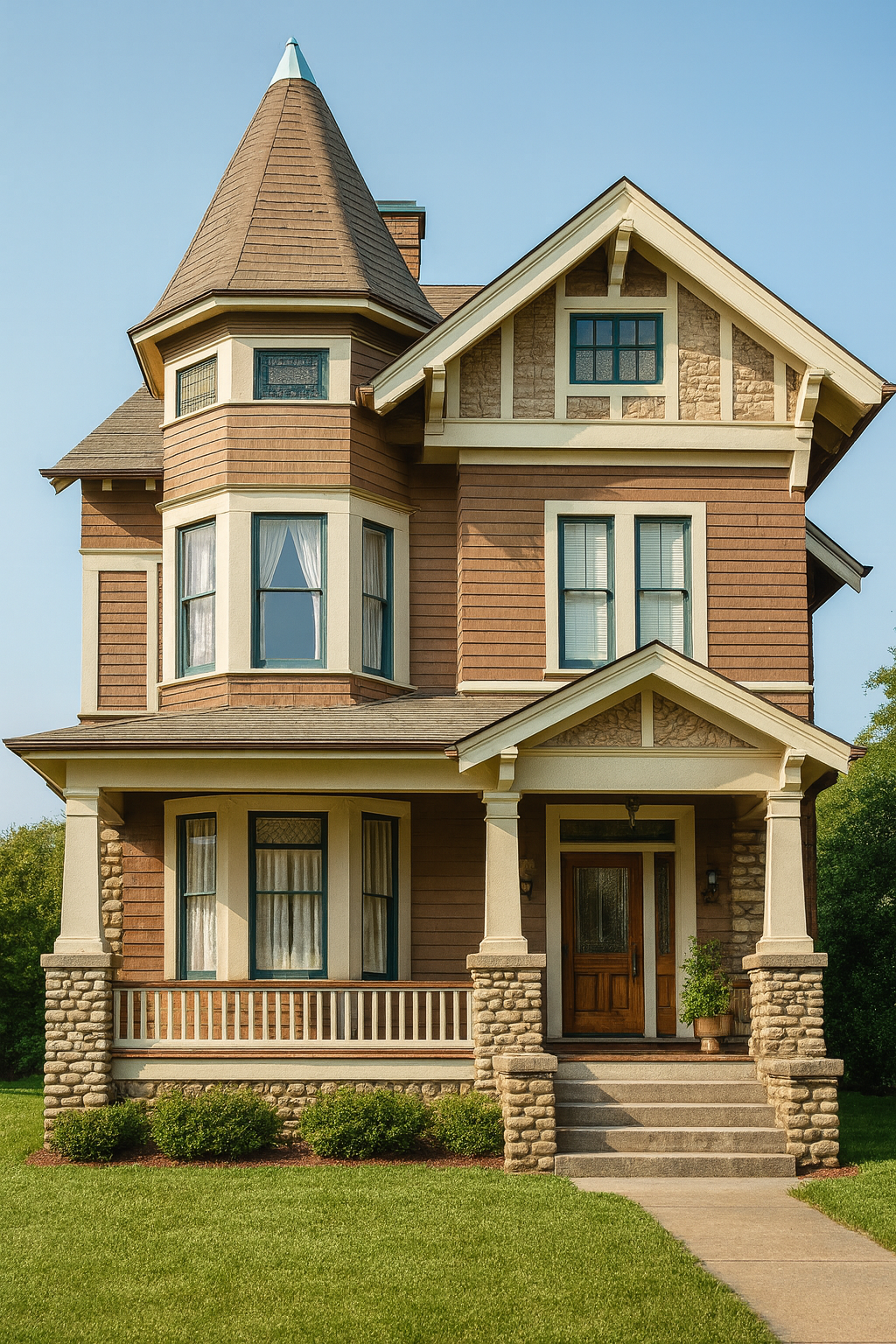
Most 1880s homes stood tall and narrow, with irregular shapes that made every street view different. Asymmetrical facades, bay windows that pushed outward, and projecting gables gave the houses depth instead of flatness.
Materials
Brick, stone, and wood were the backbone. Builders often mixed them, with clapboard siding meeting brick foundations or stone trim around windows. Shingles and patterned woodwork added texture and broke up otherwise heavy walls.
Rooflines
Roof shapes defined style. Second Empire houses carried flat-topped mansards wrapped with dormer windows. Gothic Revival favored steep, pointed gables that reached for the sky. Italianates leaned wide and low with gentle pitches and broad overhangs. Roofs weren’t just shelter; they were statements.
Ornamentation
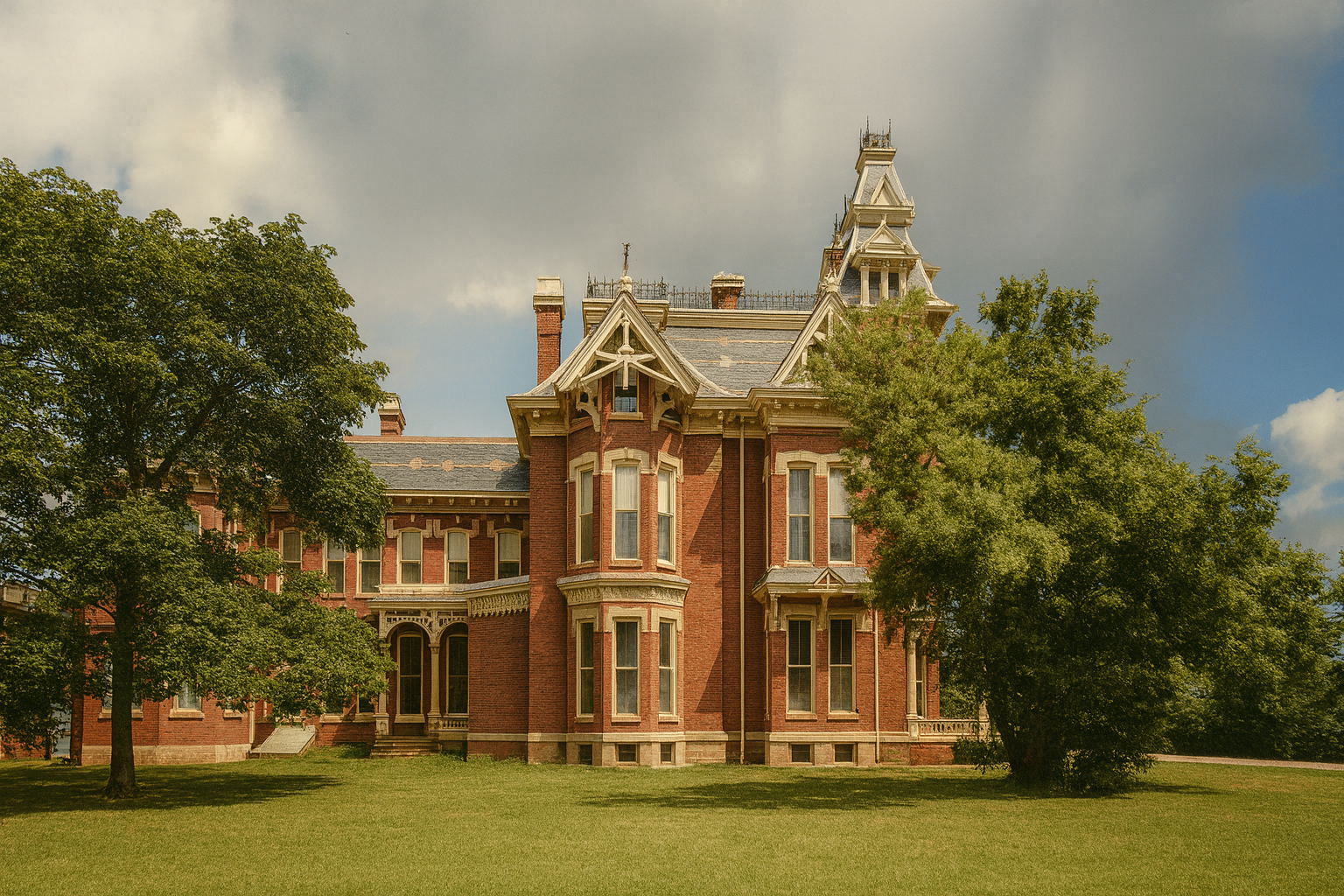
Details were everywhere. Porches bristled with turned spindles and scrollwork. Eaves carried carved brackets and cornices. Stained glass windows threw colored light into parlors. Iron railings lined steps. Even the smallest cottages wore some kind of flourish that showed care and craft.
Renovation Tip

If you’re restoring one of these houses, guard the trim and ornamentation. Replace them thoughtlessly and the house loses its character. Original woodwork carries proportions and profiles that modern replicas rarely capture. Repaired, not replaced, is often the smarter move.
You might like: 1840s House Styles: The Reality of Owning One Today
Inside 1880s Homes: How Interiors Still Teach Design
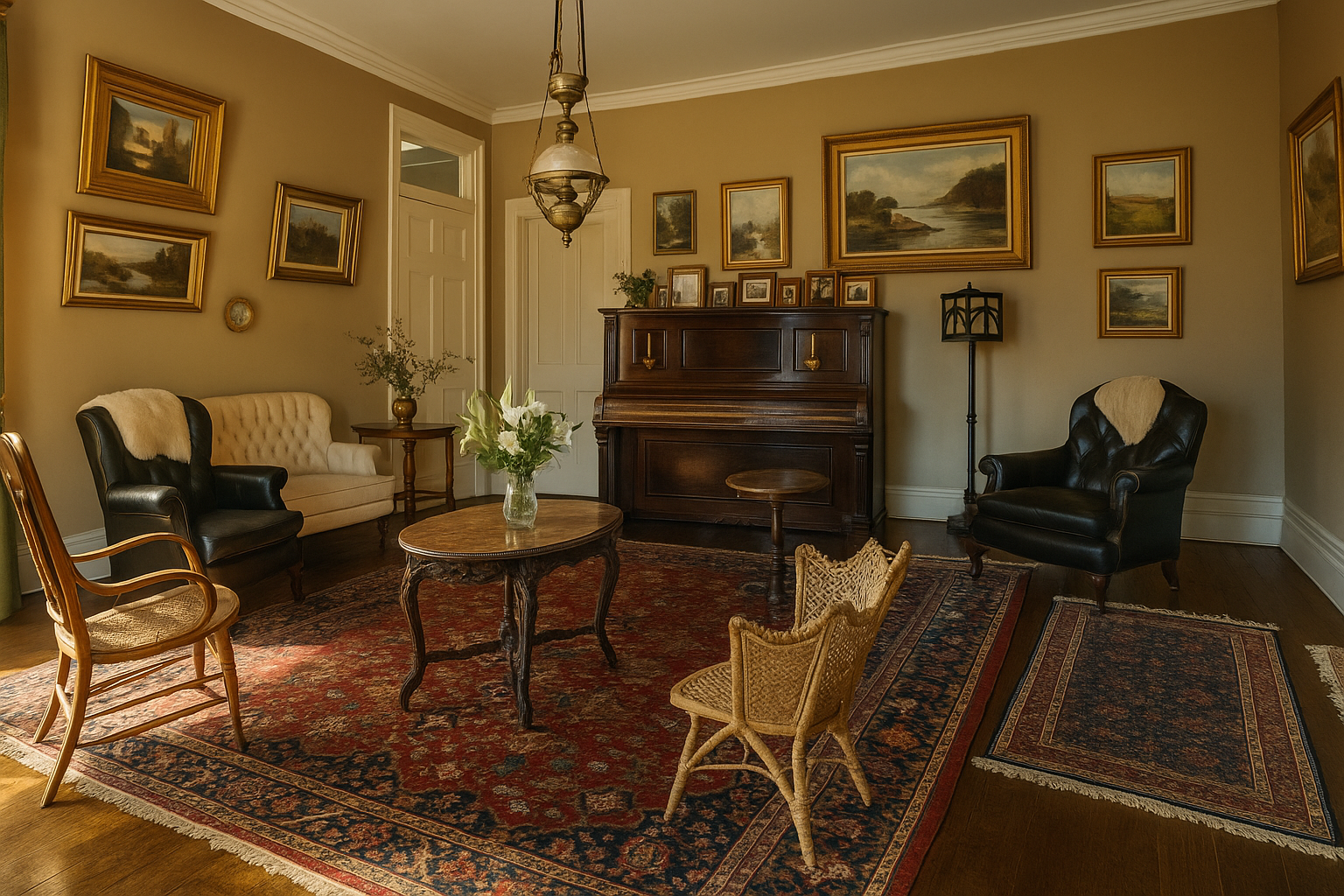
IMAGE: A restored Victorian parlour lit by natural sunlight, showing detailed period furniture, ornate décor, and elegant framed paintings.
Rooms With Shape and Purpose
Victorian-era houses didn’t waste space on open boxes. Rooms had clear roles: parlors for guests, dining for family, kitchens tucked at the back. Each had its own trim, ceiling height, or door frame that marked its importance.
Lesson for today: give your rooms definition. Even if you like open plans, anchor spaces with beams, arches, or flooring changes so they don’t blur into one another.
Wood Everywhere
Interiors of the 1880s were packed with real wood. Oak staircases, walnut mantels, pine floors. Each board carried grain and weight that modern veneers can’t fake.
If you’re restoring, strip back paint layers carefully. Often you’ll uncover hardwood that was buried under decades of white enamel. Refinishing costs less than replacing and keeps the soul of the house.
Ceilings That Worked Hard
Ceilings weren’t just blank planes. You’d see pressed tin, coffered wood, or plaster medallions that set the tone for the room. High ceilings also meant better airflow before fans and AC.
Modern trick: keep the height. Add subtle trim or medallions, even in updated spaces, to keep scale and texture.
Fireplaces as Anchors

Fireplaces weren’t optional. They heated the house and set the visual center of living rooms and bedrooms. Many were brick or stone, wrapped in carved mantels and sometimes tile.
Tip: don’t rip them out. Even if you add central heating, a fireplace grounds the room. Convert to gas or electric if you want efficiency, but keep the structure and surround.
Windows That Pulled Light In
Tall, narrow windows defined the interiors. They pulled light deep into rooms and kept proportions elegant. Many had stained glass panels or leaded details.
If originals survive, restore them. If not, replicate proportions before defaulting to modern wide sliders. It keeps the rhythm of the façade and the feel inside.
Details That Made the House
Every corner had detail: wainscoting, crown molding, built-in bookcases, and pocket doors. These were not just decoration—they divided spaces, guided light, and gave rooms hierarchy.
Preserve or replicate them if you can. Stripping everything down to drywall flattens the space until it looks like any other house.
Interior Design: A Room-by-Room Guide
Living Rooms

IMAGE: Victorian parlor interior showing restored woodwork, period features, and historically accurate design elements.
Tall ceilings, ornate fireplaces, and heavy drapes were staples of Victorian living rooms. Add character with floral wallpaper or a restored chandelier.
Do: Restore original woodwork like wainscoting.
Don’t: Overload the space with too many modern elements; it can disrupt the charm.
Kitchens

1880 kitchens were utilitarian, often tucked away. Today, you can blend their practical layouts with modern conveniences.
Pro Tip: Keep cabinetry simple, with natural wood finishes, and incorporate period-appropriate hardware for authenticity.
Bedrooms
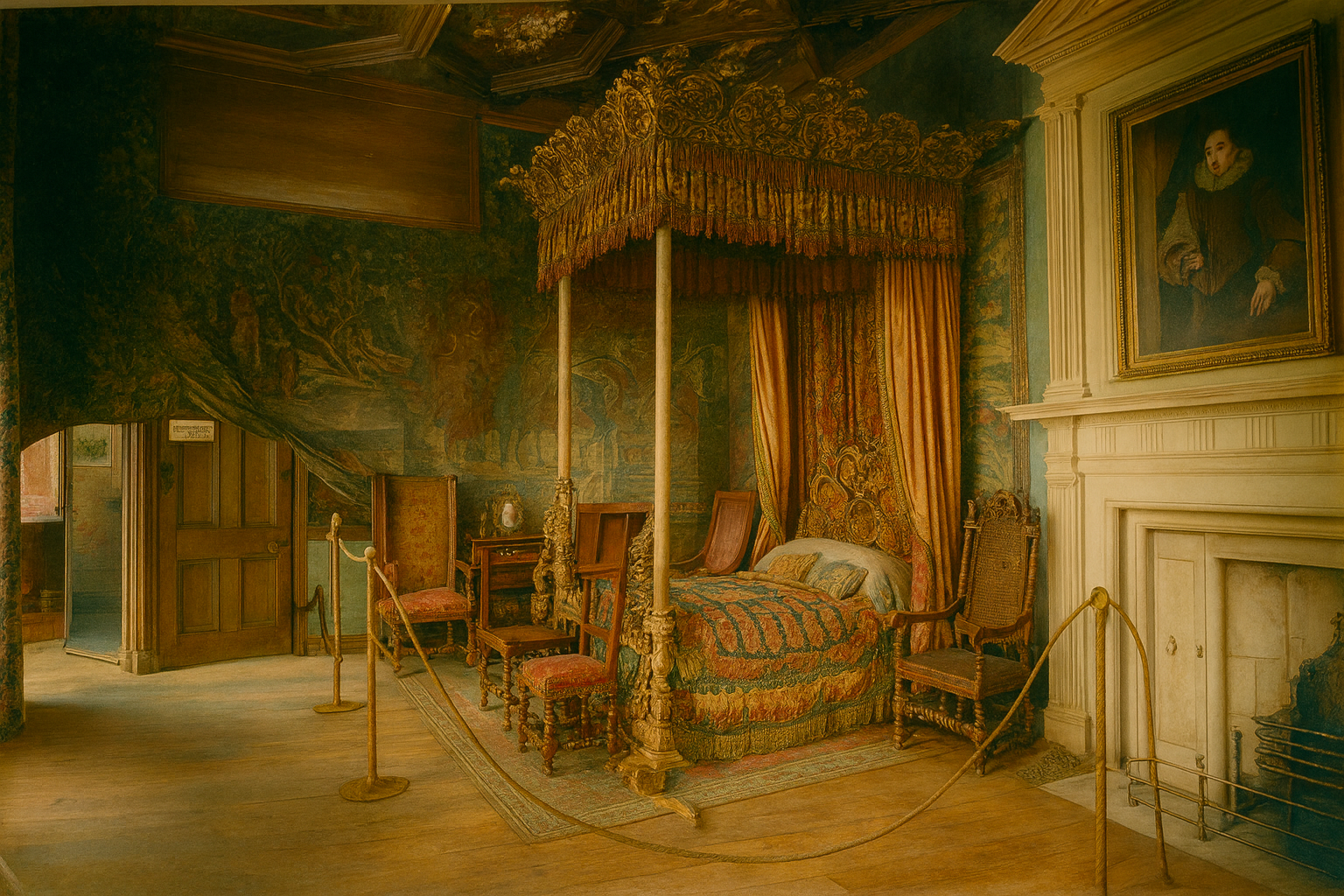
Bedrooms often featured large wooden bedframes, floral patterns, and heavy curtains for privacy.
Bathrooms
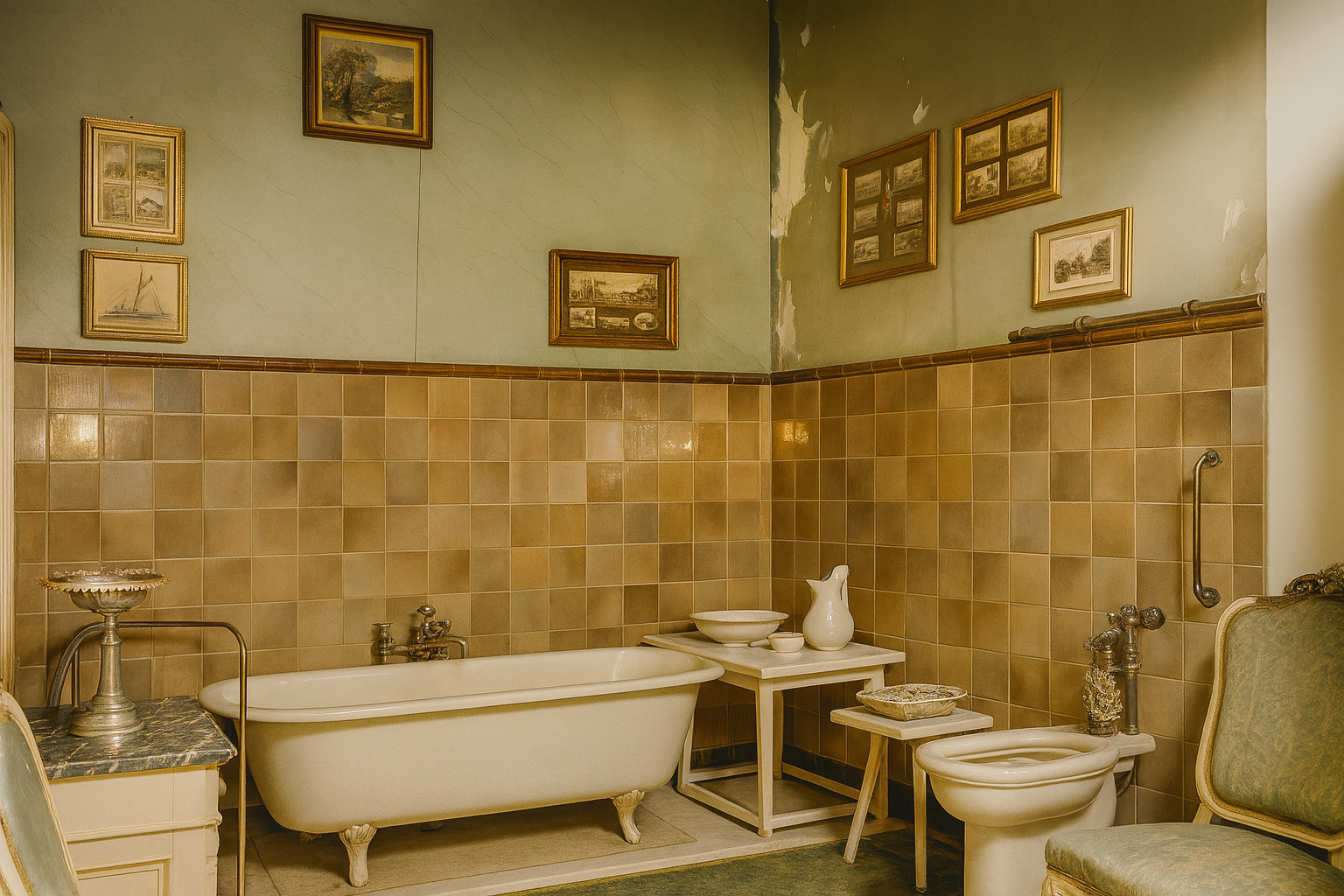
Clawfoot tubs and pedestal sinks were hallmarks of 1880 bathrooms. Restoring these features instantly enhances historical authenticity.
Designing New Homes Inspired by the 1880s
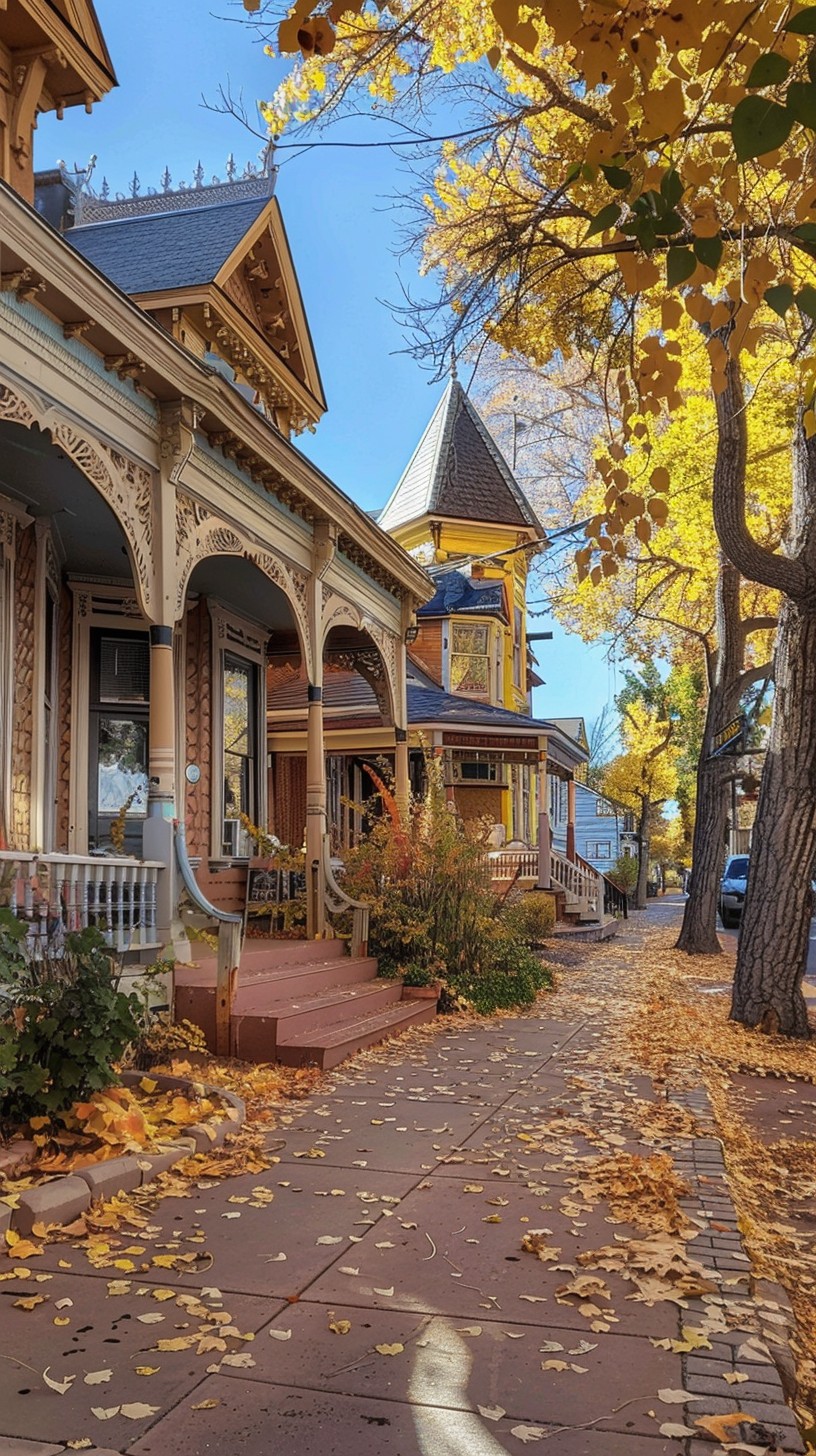
IMAGE: An elegant modern Victorian house, combining classic Victorian architectural elements with modern updates for a timeless yet contemporary look.
To create a home inspired by this era, focus on:
- Materials: Opt for brick, stone, or wood siding with ornate trims.
- Windows: Tall, narrow windows with decorative frames.
- Rooflines: Incorporate steep gables or mansard roofs.
- Interior Details: Include crown molding, vintage fixtures, and bold wallpapers.
Mistakes to Avoid:

- Mixing incompatible styles, like pairing Victorian exteriors with ultra-modern interiors.
- Using synthetic materials that lack the warmth and texture of originals.
Renovating 1880s Houses: Costs, Problems, and What’s Worth Saving
What to Know Before You Start

The Big Challenges
Restoring an 1880s house means more than paint and polish. Matching period materials, fixing sagging foundations, and threading new plumbing or wiring without wrecking the look are the constant hurdles. And expect surprises: coal chutes, knob-and-tube wiring, hidden rot. If you don’t budget for them, the project will stall midstream.
What It Costs to Do It Right
Start with structure first: roofs, chimneys, and foundations. Then move to wiring, plumbing, and heating. Leave cosmetic finishes for last. Costs always climb higher than expected. Even something as simple as trim can run into thousands once labor is added. A 20–30 percent buffer is not optional—it’s survival.
Keep or Kill: The Soul of the House
Some details you restore at all costs. Original mantels, radiators, carved trim, plaster, and stained glass are irreplaceable. Once gone, they are gone. Hire craftsmen who can replicate period work when repairs are needed. Skip shortcuts like tearing out details for “clean lines.” That’s how an 1880s home loses its identity.
Design Lessons to Copy Today

Use height like they did. These homes relied on tall ceilings and windows to make narrow rooms feel big. You can mimic it with floor-to-ceiling curtains, vertical shelving, and interior transoms. Don’t block windows with bulky furniture or drop ceilings that kill the scale.
Open plans with limits. Modern life needs flow, but erasing every wall turns a Victorian into a condo. Open carefully. Keep arches, beams, or pocket doors so the space feels modern without losing its character.
Sustainability that was already built in. Builders used solid brick, wood, and lime plaster. They designed for airflow and daylight before HVAC existed. Refinish old floors, upgrade original windows with glazing, and use breathable lime or clay paints. Don’t bury those materials under vinyl siding or plastic composites.
Renovation Ground Rules

IMAGE: A cobblestone path beside Victorian homes.
-
Hire contractors who understand old houses, not just modern renos.
-
Photograph every trim, plaster detail, and stained glass before demo—you’ll need them later.
-
Stick to materials that age well: wood, stone, plaster, brick.
-
And the one rule that always applies: don’t try to turn an 1880s house into a glass box. Let it evolve, but keep its proportions and bones intact.
Field Lessons: Stories, Truths, and Surprises
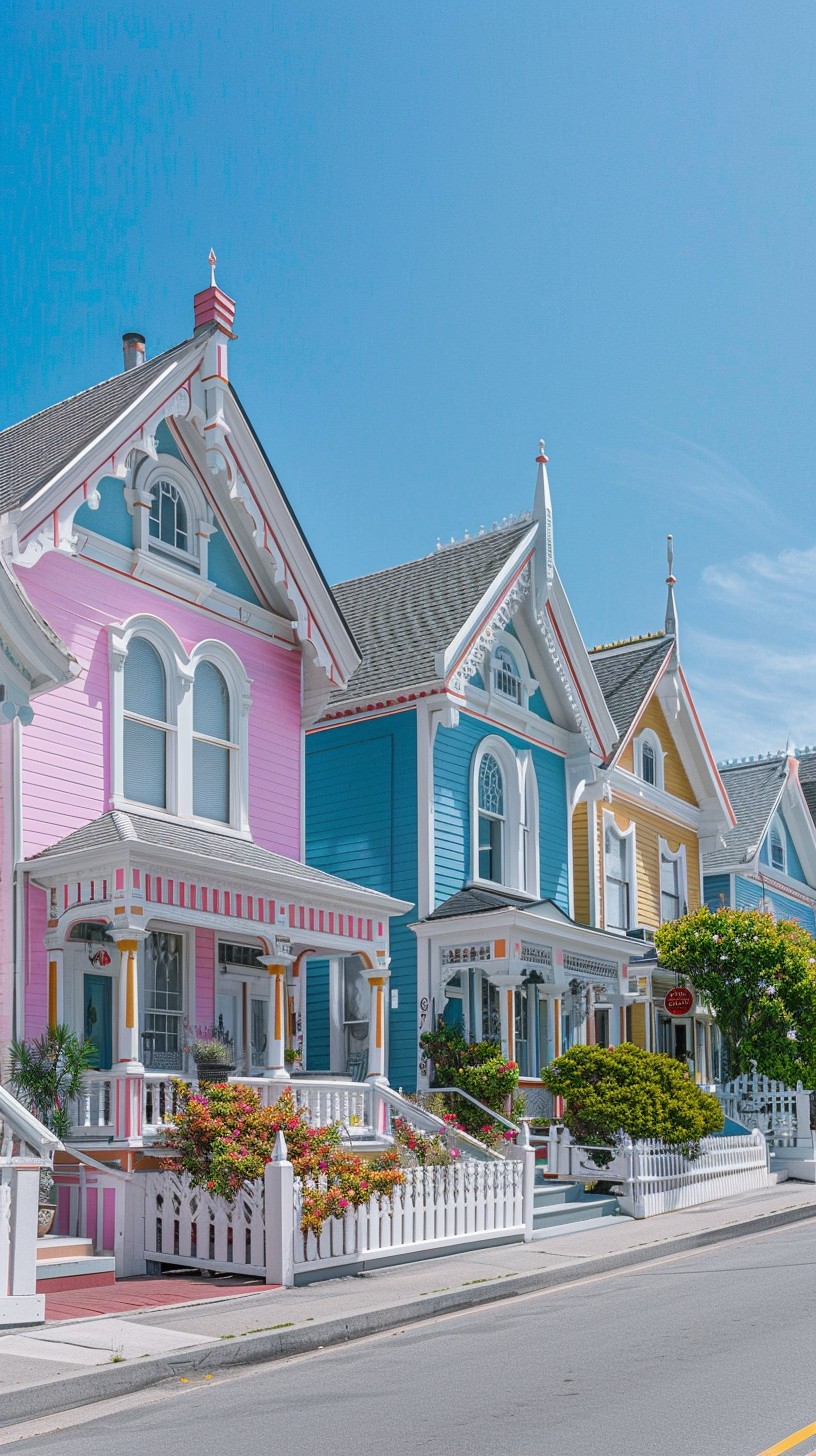
IMAGE: Victorian row homes with ornate trim and steep gables.
One client bought a modest 1880 Folk Victorian. The trims were hand-carved, worth every bit of effort. The challenge was adding energy efficiency without flattening its history. The result is a house that feels warm, efficient, and still carries its 1880 bones.
But here’s the hard truth: these homes are not for everyone. They demand money, patience, and constant upkeep. In wet or extreme climates, wood trims and details rot fast. If you want low maintenance, walk away.
And don’t forget the secrets. Many 1880 houses hide false panels, fireplace compartments, even storage tucked under stairs. Open the walls and you might uncover something that tells the story of the home itself.
Closing Thoughts
The 1880s produced some of the most memorable house styles in North America and Europe. They were crafted with proportion, patience, and materials that last. Restoring one takes work and money, but the payoff is a house that feels alive. Even if you’re building new, borrowing scale, wood, and detail from this era gives a design that feels grounded instead of generic.
FAQ
- What are the main styles of 1880 homes?
Queen Anne, Second Empire, Italianate, Stick Style, and Folk Victorian. - How can I modernize an 1880 home while keeping its charm?
Focus on preserving key features like trims, mantels, and stained glass while updating utilities and layouts. - Are 1880 homes expensive to restore?
Yes, especially if sourcing authentic materials or addressing structural issues. - Can 1880 design elements work in modern homes?
Absolutely. Use trims, wallpapers, and fixtures to add Victorian character.
Sources
- National Trust for Historic Preservation: Saving Victorian Homes
- Victorian Society in America: Victorian Design Resources
- Architectural Digest: Restoring Historic Homes
- The Old House Journal: Victorian Home Renovation Tips
- Library of Congress: 1880s Architectural Trends