
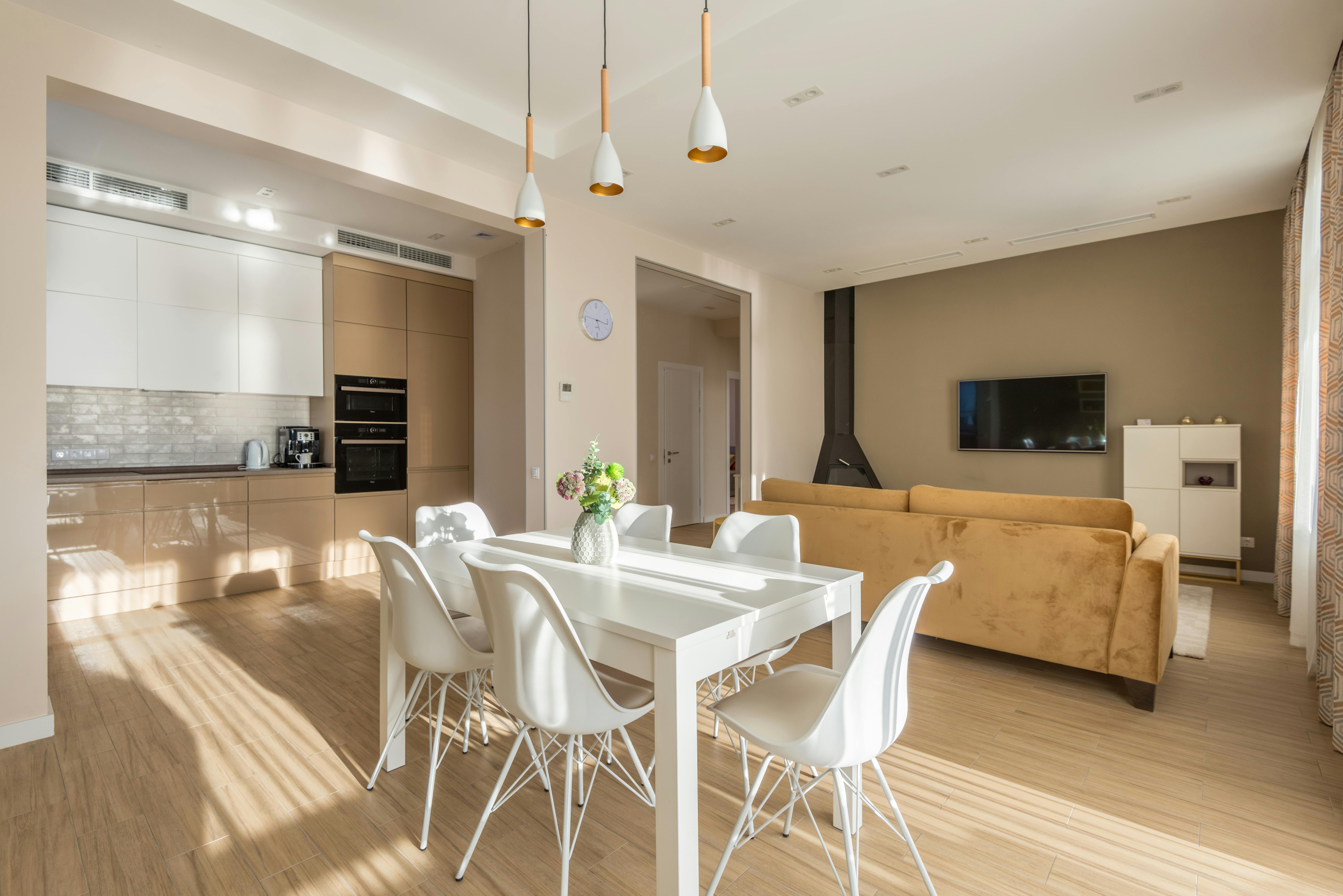
Image: Stylish modern room pairing light wood floors with a complementary neutral wall color, demonstrating how to achieve a cohesive and inviting interior palette
Not sure what wall color works with light wood floors? We break down the best options, including warm, cool, and neutral shades that actually complement your space.
Why This Question Matters More Than You Think
There’s nothing worse than finally getting your floors done—gorgeous light wood, bright and airy—and then... staring at the walls wondering why they suddenly look off.
Too warm? Too gray? Too yellow?
Yep, wall color can absolutely ruin or elevate light wood floors.
It’s not just about color theory—it’s about lighting, furniture, undertones, and how the space feels at different times of the day. You’re not just painting walls.
You’re choosing a backdrop for every moment you’ll live in that room.
This guide cuts the fluff and gets into real, tried-and-tested advice with examples that actually work in real homes. No vague Pinterest vibes, no AI-generated beige suggestions—just real solutions, straight from design experience.
What Wall Color Goes with Light Wood Floors? 7 Expert-Approved Combos
First: What Kind of Light Wood Are We Talking About?
Not all light woods are created equal. Before you start slapping paint on your walls, get clear on the tone and undertones of your floor:
Common Types of Light Wood Floors:
- White Oak – Cool-neutral, clean grain, slightly gray or beige undertone
- Maple – Slightly yellow, super smooth, modern feel
- Birch – Pale with pinkish warmth, can read soft and creamy
- Pine – Can be yellowy or orangey depending on finish
- Ash – More neutral and grainy, with a hint of taupe
✓ Pro Tip: Lay down white and cream paint samples right on the floor. You’ll instantly spot clashing undertones.
Light Wood Floor + Wall Color Cheat Sheet
Here’s the quick-glance guide based on years of trial, error, and fixing other people’s paint mistakes:
● If your light wood floor has cool or neutral undertones (oak, ash):
- Best wall colors: Soft white, muted sage, dusty blue, warm greige
- Avoid: Yellow-toned beiges, overly cool grays
● If your light wood floor has warm undertones (pine, maple):
- Best wall colors: Creamy white, soft terracotta, blush beige, olive
- Avoid: Stark whites or icy grays—they’ll fight with the warmth
● For Scandinavian style or minimal homes:
- Best wall colors: True white, chalky gray, pale blush, earthy sand
● For modern rustic or earthy homes:
- Best wall colors: Clay, sage, mushroom, ochre
✓ Warning: Don’t go gray just because it’s trending. Gray + light wood = weirdly cold if undertones clash.
Must Read
Homebody: A Guide to Creating Spaces You Never Want to Leave by Joanna Gaines
A warm, story-driven look at building a home that tells your story.
Real Color Matches That Actually Work
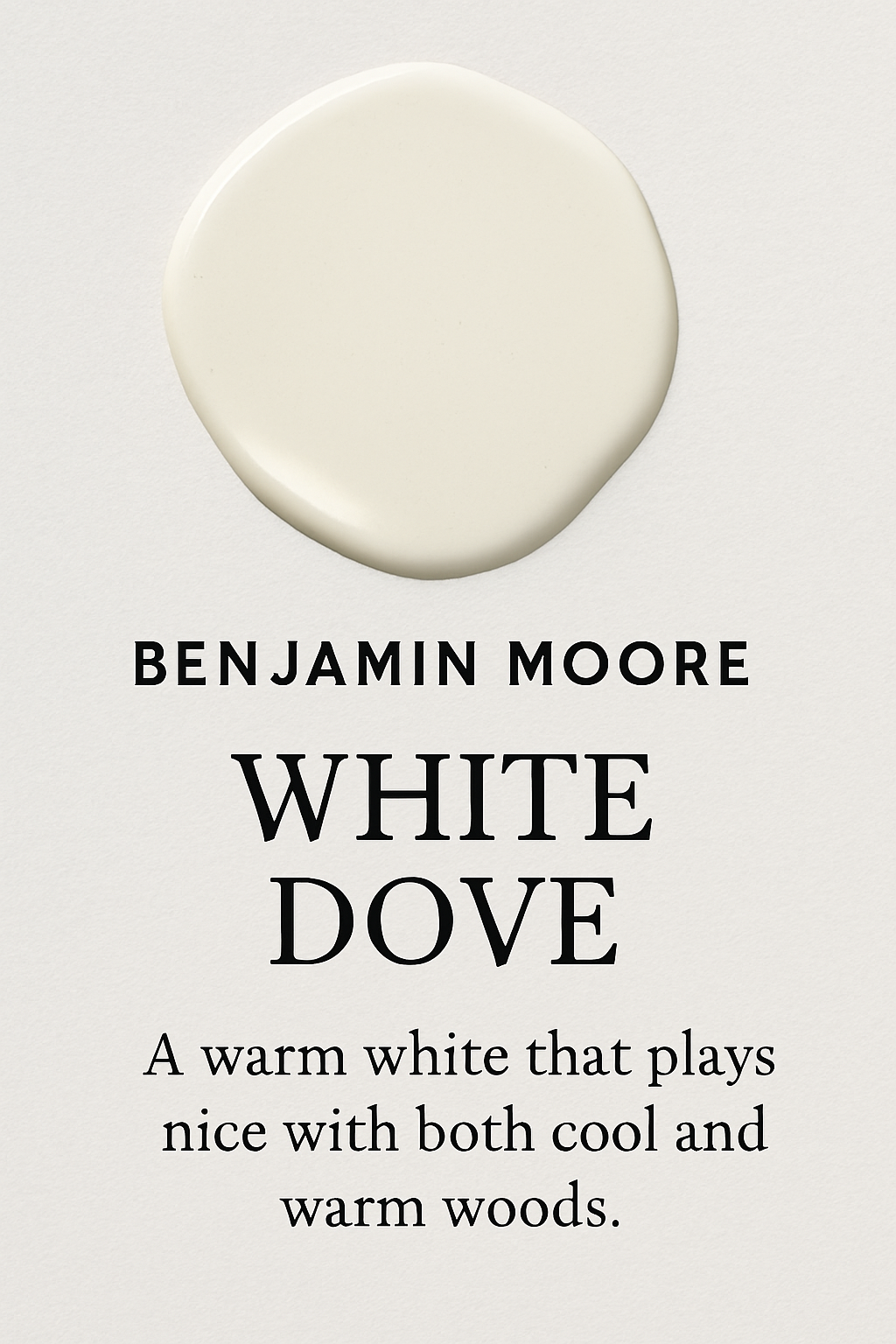
1. Benjamin Moore White Dove – A warm white that plays nice with both cool and warm woods.
Great for: White oak, maple
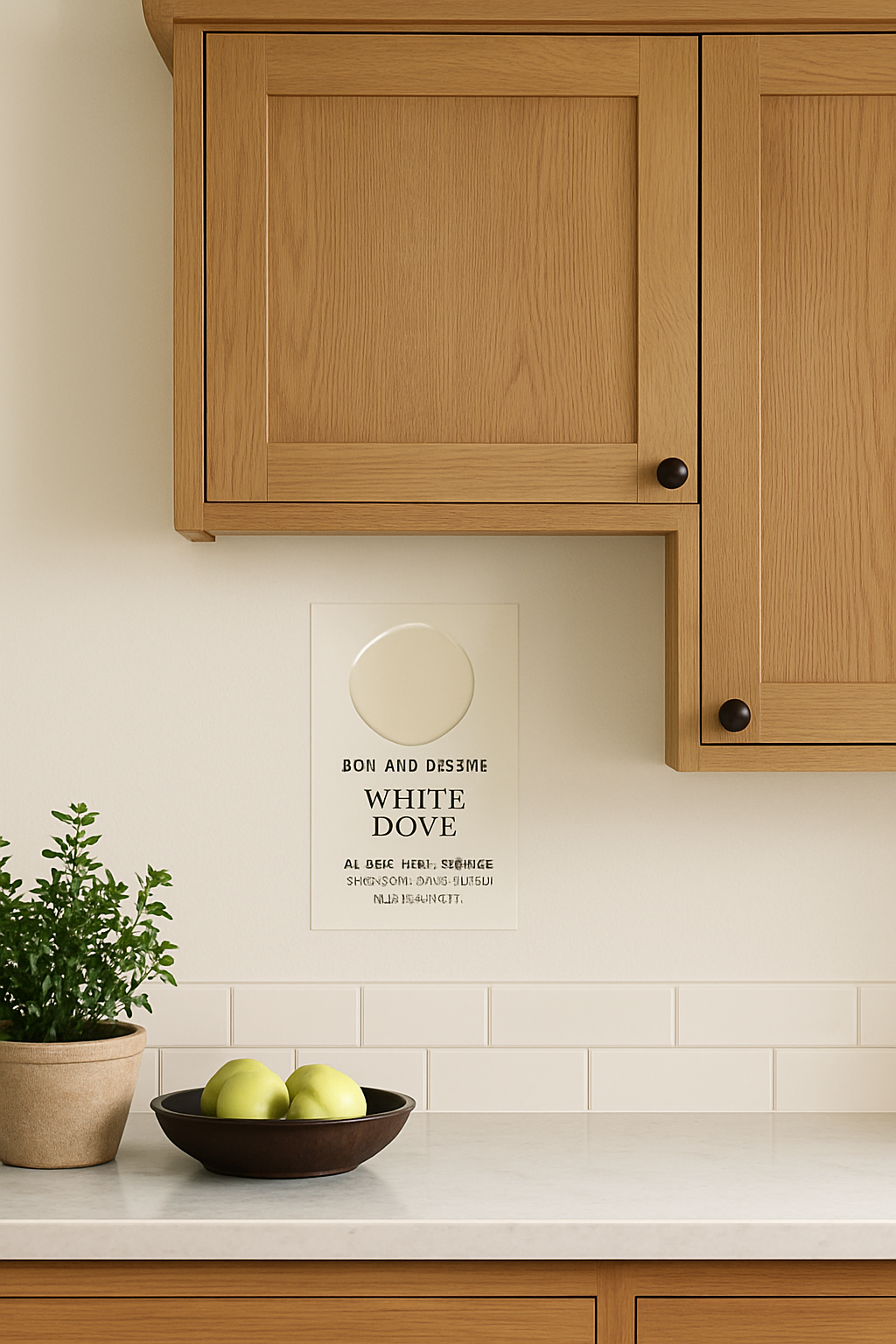
Image: Room featuring Benjamin Moore White Dove, a warm white that complements light wood floors like white oak and maple, creating a balanced and inviting atmosphere.
2. Sherwin-Williams Alabaster – Creamy and soft but never yellow. A safe bet with most pale floors.
Great for: Birch, pine
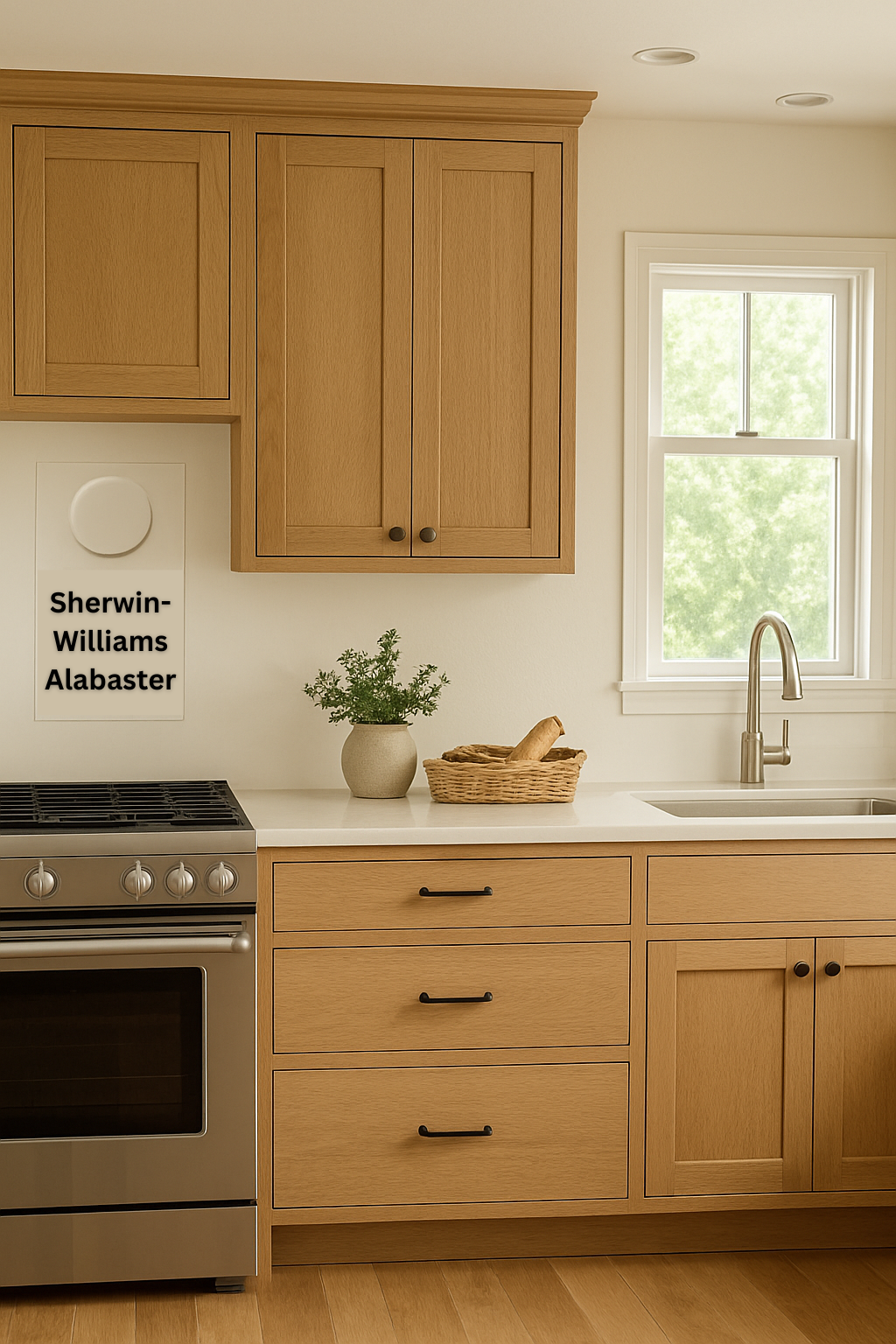
Image: Showcasing Sherwin-Williams Alabaster, a creamy white that pairs perfectly with pale wood floors such as birch and pine.
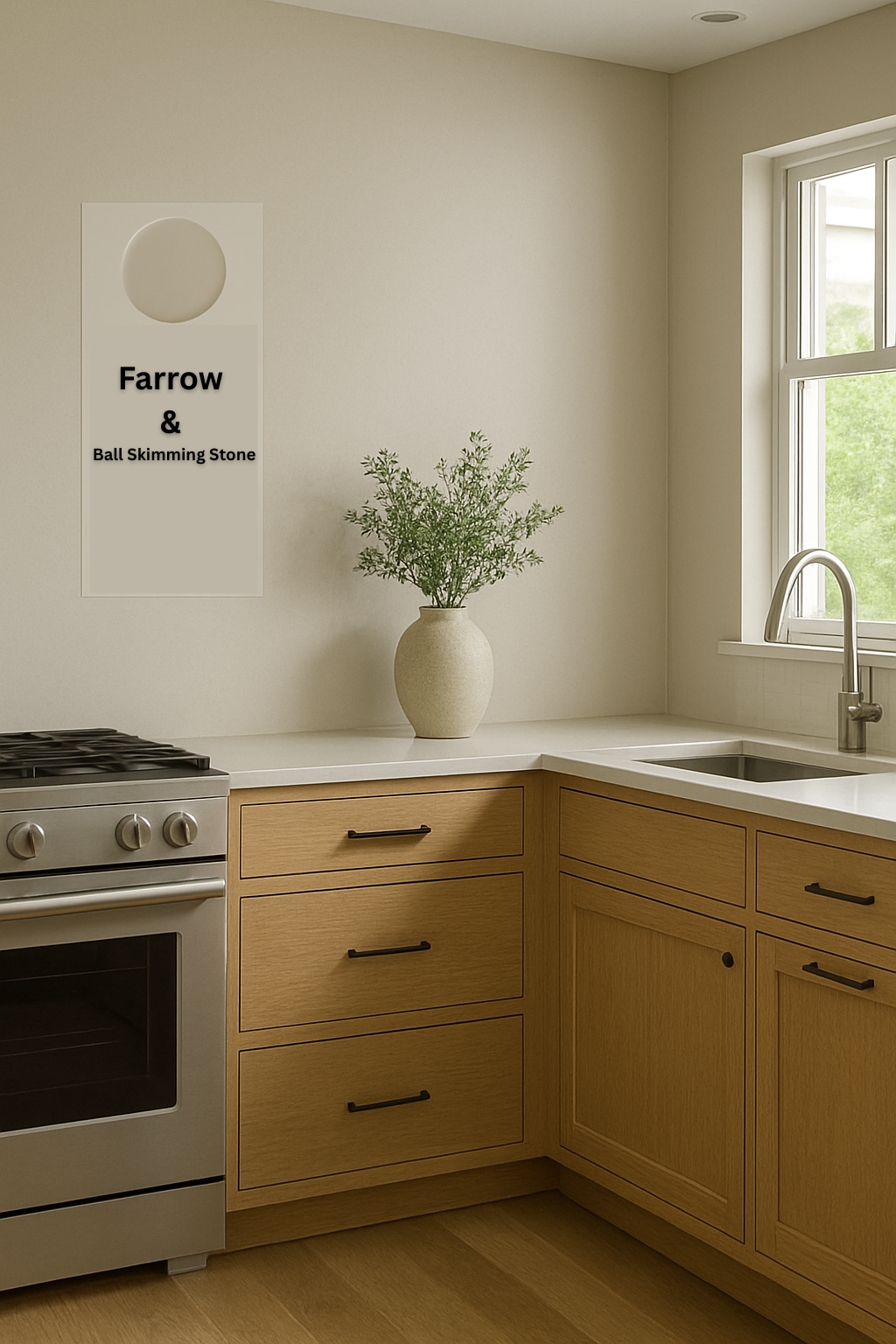
3. Farrow & Ball Skimming Stone – A warm putty shade that brings out the natural grain.
Great for: Ash, oak
4. Behr Silver Drop – A whispery gray that doesn’t go blue.
Great for: Oak, ash in bright rooms
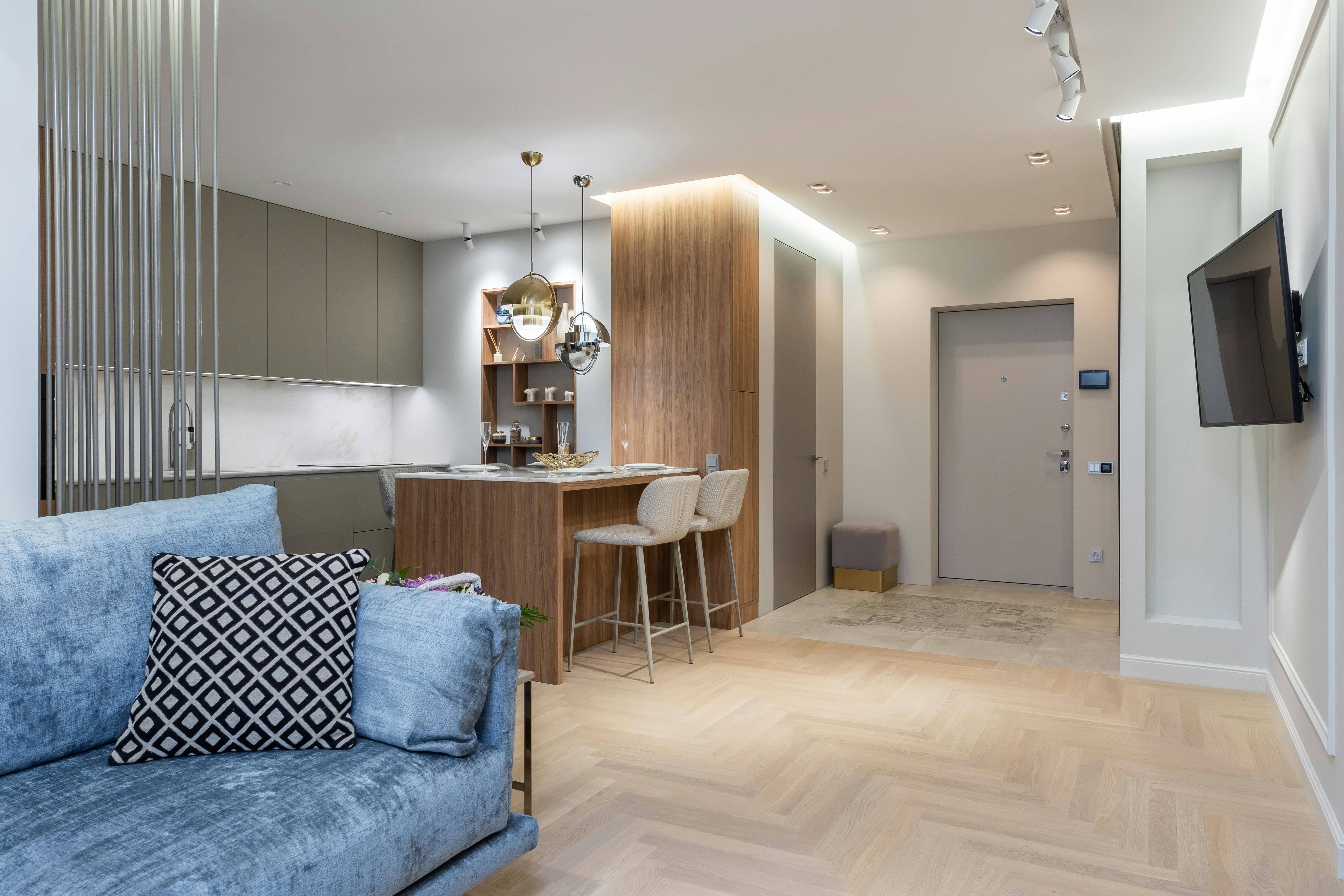
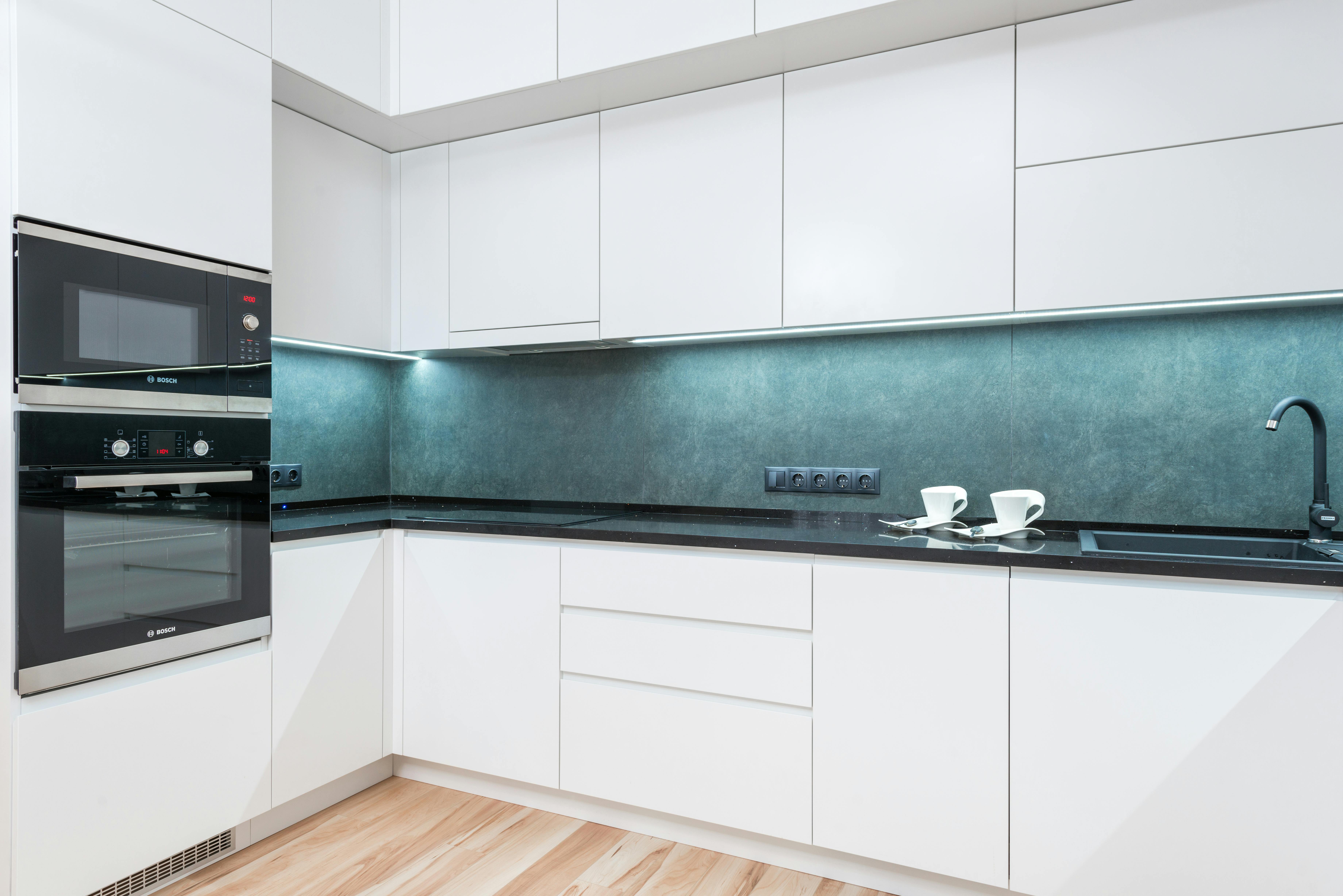
Image: Modern house interior featuring a kitchen with Behr Silver Drop, a soft gray that doesn’t lean blue, perfectly enhancing the clean, contemporary design.
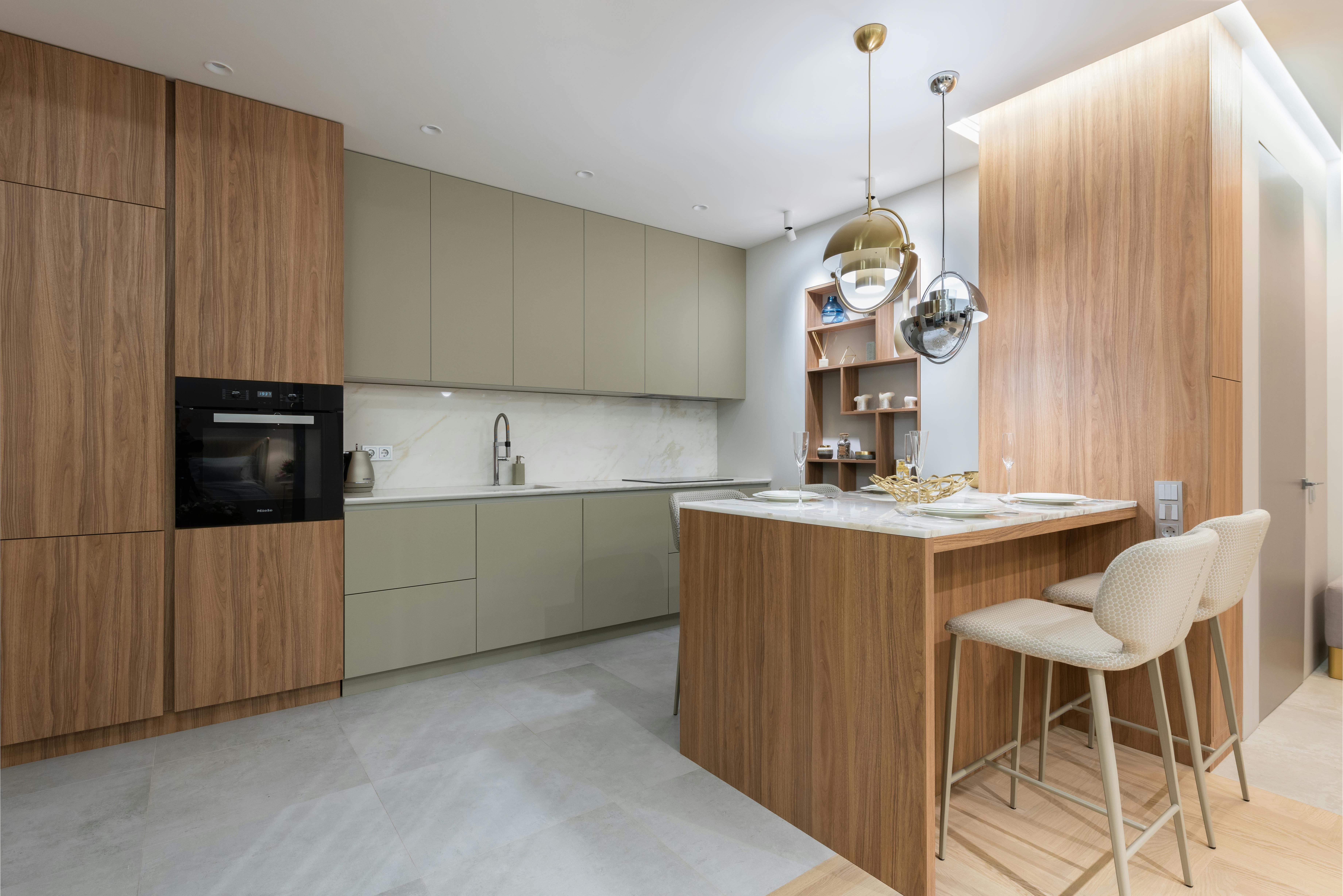
Image: Modern kitchen featuring Behr Silver Drop, a gentle gray that enhances the minimalist design, creating a clean and fresh aesthetic.
5. Clare Paint Dirty Chai – Warm taupe with soul.
Great for: Pine or maple with honey undertones
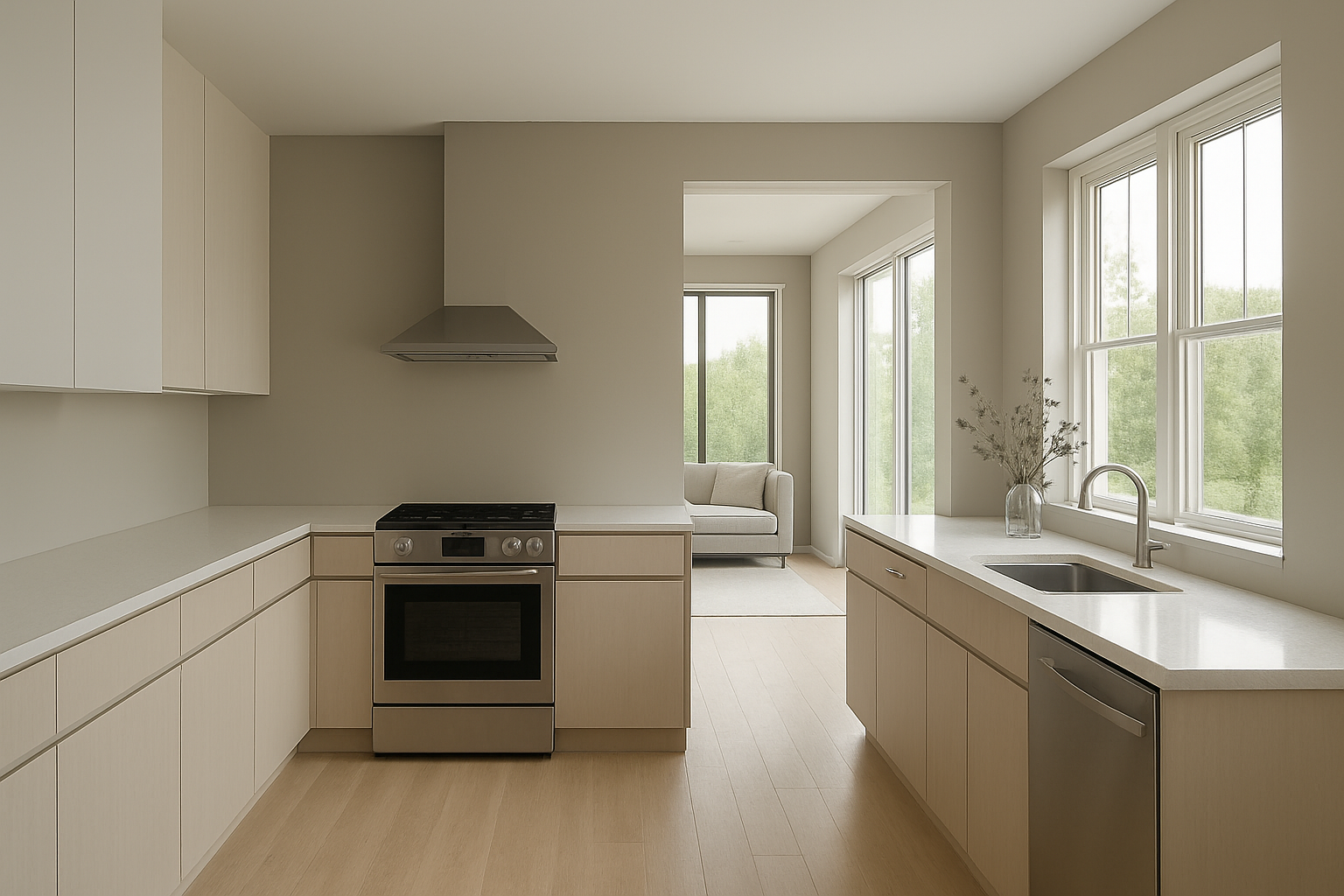
Image: Clare Paint Dirty Chai, a warm taupe that pairs beautifully with pine and maple floors, with proper lighting bringing out the honey undertones for a warm, welcoming feel.
Best Wall Colors for Light Wood Floors: Simple Tips That Work
Matching Walls with Light Wood Floors: Top Paint Colors for a Cohesive Look
How Lighting Changes Everything
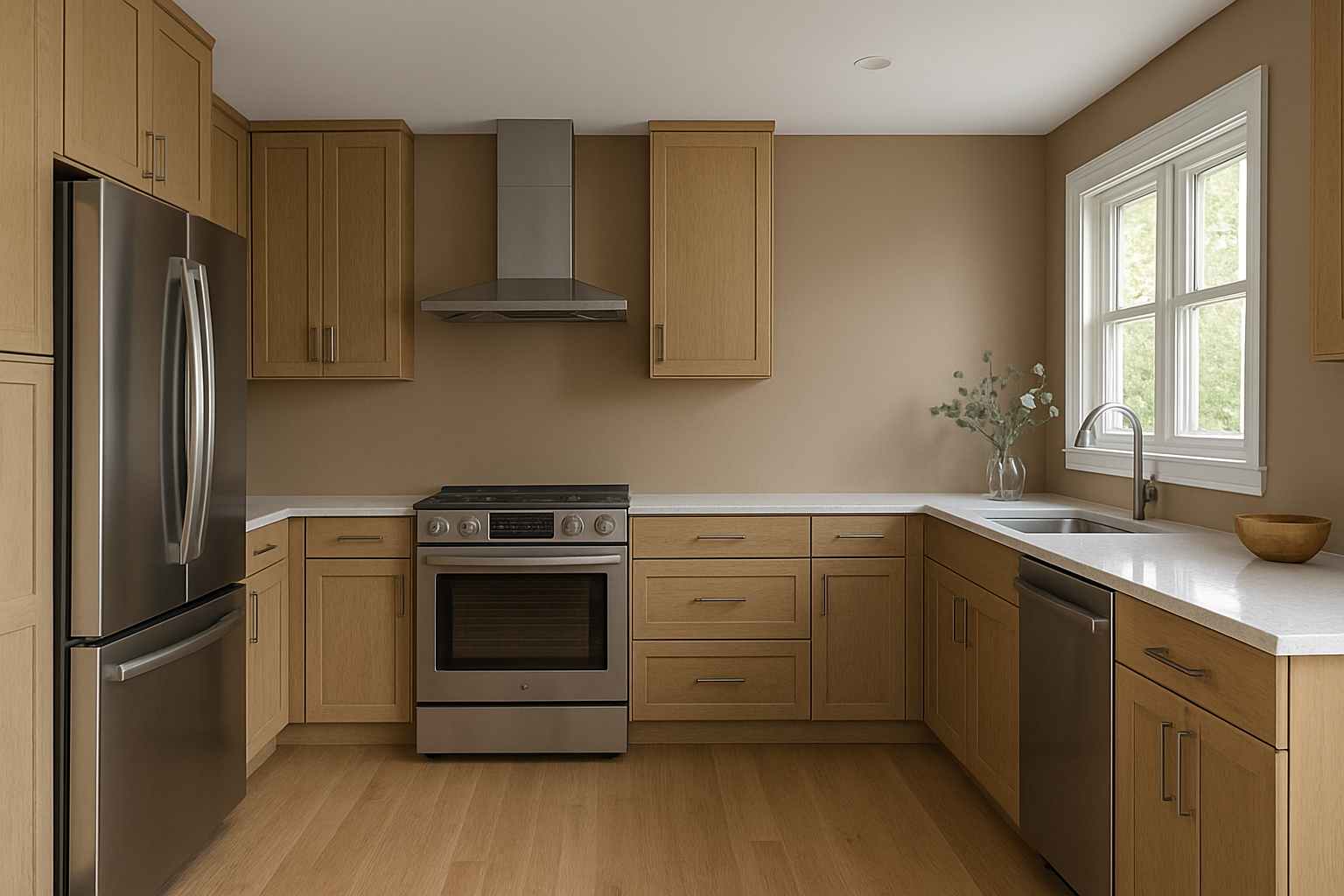
Why Dirty Chai Looks Muted in Low Light
Image: Clare Paint Dirty Chai, a warm taupe that doesn’t complement pine and maple floors well in bad lighting, causing the honey undertones to look muted and less inviting.
How It Works
In this shot, walls painted Clare Paint Dirty Chai sit against pine or maple floors under cool, low-intensity light. The lighting here shifts the paint’s warm taupe toward a dull gray, hiding those honeyed undertones.
What You See
● Uneven lighting—north-facing or shaded—pulls warmth out of both paint and wood.
● Dirty Chai loses its subtle yellow-brown glow, looking flat and muted.
● Pine/maple floors that normally read golden now appear pale and lifeless.
This image shows why testing samples at different times and light sources matters—bad light can turn a cozy combo into something that feels cold and tired.
Same wall, same floor—different vibe depending on:
- Natural light direction
- Time of day
- Sheen of paint
- Bulb temperature
● So, North-facing rooms?
Go warmer to balance the cold light.
● Or, South-facing?
You can cool it down without losing coziness.
✓ Pro Tip: Always test samples in multiple spots and check morning vs evening.
Light Wood Flooring? Here’s What Wall Colors Actually Look Good
The Perfect Wall Colors for Light Wood Floors—No More Guesswork
Common Mistakes to Avoid
● Mistake #1: Picking paint in-store. Store lighting = lies. Always test at home.
● Mistake #2: Not looking at undertones in flooring. They might not show up until your wall color makes them stand out (in a bad way).
● Mistake #3: Going pure white in a room with yellowish floors—it’ll look greenish and weirdly sterile.
What Color Walls Go with Light Wood Floors? Designers Weigh In
Designer Combos That Work Like Magic
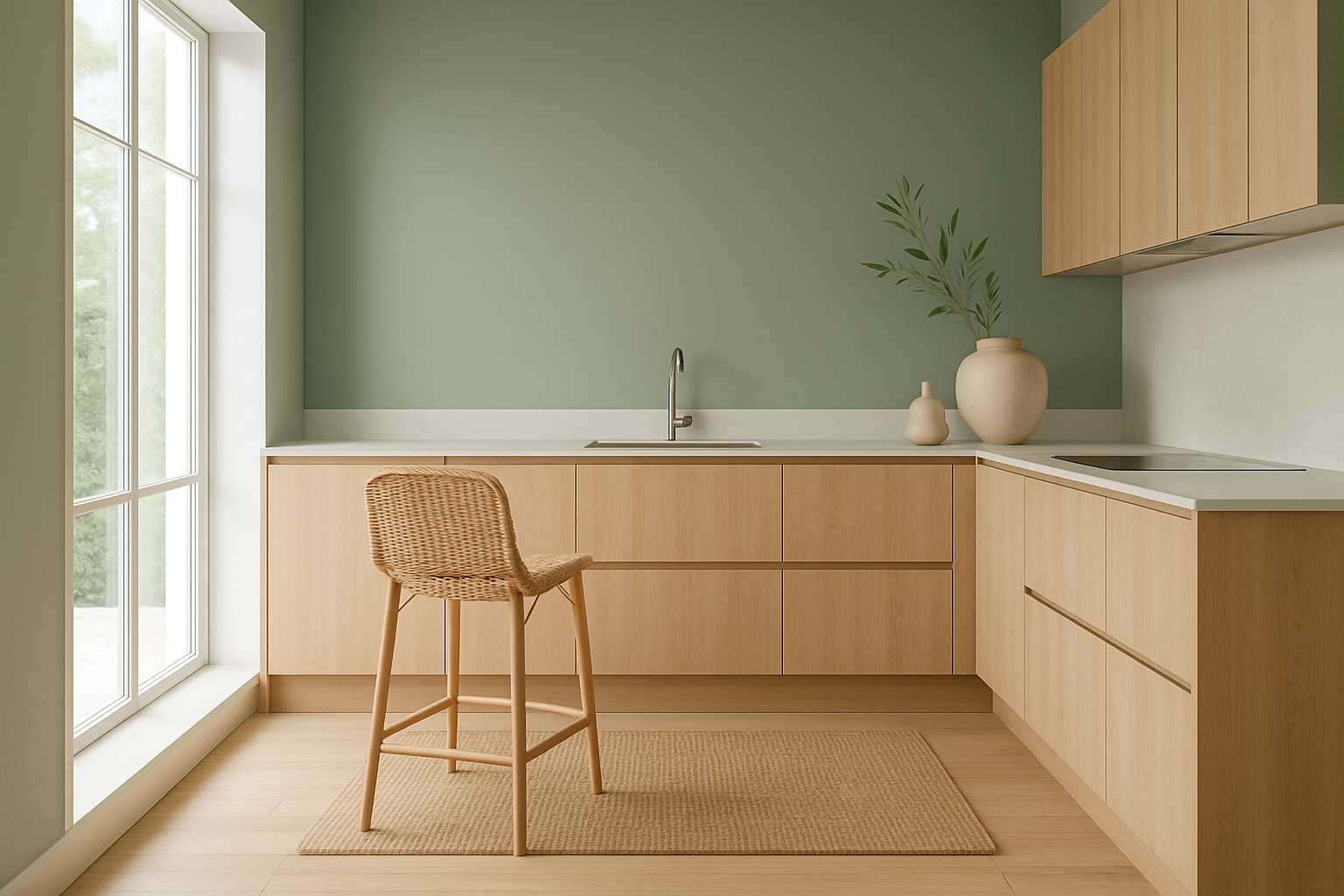
Image: Light oak floors combined with sage green walls create a serene, calming atmosphere, accented by natural fiber textures for added warmth and comfort.
Light Oak + Sage Walls – Instant calm. Add natural fiber textures.
Maple + Dusty Rose Walls – Soft, warm, and unexpectedly fresh.
Birch + Warm White Walls – Clean and serene with blonde woods.
Ash + Greige Walls – Grounded and modern.
Pine + Olive Green Walls – Cozy cabin vibes, but elevated.
Light Wood Floors + Wall Color = Style Goals (Here’s How to Pair Them)
Pairing wall color with light wood flooring just got easier. Discover the top color combos, why they work, and how to create a balanced, stylish home.
What Style Are You Going For?
Instead of picking a color blindly, start with the vibe:
- Minimalist: Soft whites, off-whites
- Boho: Clay, blush, ochre
- Rustic: Mushroom, olive, wheat
- Modern Coastal: Cool beige, driftwood gray, pale blue
- Japandi: Muted taupe, warm white, greige
Final Tips Before You Paint
✓ Use large samples, not tiny swatches. Order peel-and-stick or paint big poster boards.
✓ Don't ignore the baseboards. If they’re stark white, they can throw everything off.
✓ Factor in furniture. Light floors + dark walls + black couch? Might feel too heavy.
✓ Test in a corner, not just one flat wall. Light bounces differently.
✓ Buy tester pots. This one’s obvious, but skipping it costs more in the long run.
Keep Learning: Related Books
Best Seller Recommendation
The Perfectly Imperfect Home by Deborah Needleman - A guide to mixing color, pattern, and texture in real rooms.
Why It’s a Favorite:
-
✓ Features real-life makeovers showing exactly how wall and floor tones play together.
-
✓ Encourages breaking “design rules” so your home feels personal, not showroom-stiff.
-
✓ Focuses on comfort and livability alongside style.
Best Features:
✓ Gorgeous full-page photos that highlight tone-on-tone pairings.
✓ Simple exercises for testing colors in your own space.
✓ Tips on selecting natural materials that work with wood grain.
Why Read:
You’ll get hands-on advice for creating a relaxed, stylish home where every wall-floor combo feels intentional.
Styled: Secrets for Arranging Rooms, from Tabletops to Bookshelves by Emily Henderson – A playful, practical handbook on making any space look—and feel—good.
Why It’s a Favorite:
-
✓ Breaks down styling into bite-size projects you can finish in an afternoon.
-
✓ Shows how to use accent walls and flooring as starting points.
-
✓ Real homes, real budgets—no pretentious jargon.
Best Features:
✓ Before-and-after photos illustrating wall-floor transformations.
✓ Quick “edit” checklists to avoid over-decorating.
✓ Advice on layering textiles and natural fibers.
Why Read:
Ideal when you need fast, foolproof styling tips that respect your existing floors and furniture.
Color Theory: An Essential Guide to Color—from Basic Principles to Practical Applications by Patti Mollica – A deep dive into why colors behave the way they do.
Why It’s a Favorite:
-
✓ Explains undertones and light interactions in plain English.
-
✓ Offers hands-on exercises for mixing and matching swatches.
-
✓ Trusted by pro designers and DIY decorators alike.
Best Features:
✓ Step-by-step color-mixing tutorials.
✓ Swatch samples included to test against real wood floors.
✓ Clear diagrams showing light’s effect on pigment.
Why Read:
You’ll understand the “why” behind every shade choice, so your wall-floor pairings feel foolproof.
Homebody: A Guide to Creating Spaces You Never Want to Leave by Joanna Gaines – A warm, story-driven look at building a home that tells your story.
Why It’s a Favorite:
-
✓ Blends personal anecdotes with practical design approaches.
-
✓ Highlights natural materials like wood, wicker, and linen.
-
✓ Focuses on crafting a cohesive palette throughout the whole house.
Best Features:
✓ Step-by-step chapters on selecting paint, flooring, and furnishings.
✓ Mood-board exercises to nail down your personal style.
✓ Real-world advice on balancing trend and timelessness.
Why Read:
Perfect for anyone who wants a thoughtful, heart-felt approach to pairing walls and floors in every room.
Final Thoughts
Light wood floors give you a beautiful, bright canvas—but the wall color is what completes the look.
Get it wrong, and everything feels... off. Get it right, and suddenly the space feels balanced, warm, and like it belongs in a design magazine.
Don't rush. Test, compare, step back, and trust your eye. You’re not just picking a color. You’re choosing how you want to feel in that space—every day.
So slow down. Get picky. Your floors deserve it.
FAQ
What wall color pairs well with light oak floors?
Light oak has a cool-neutral grain that welcomes both warm and muted shades. Soft whites, gentle sages, dusty blues or warm greiges all sit nicely alongside light oak.
▪ Tip: Lay down large paint samples directly on the floor rather than swatches on the wall to spot any undertone clashes.
Can I use gray paint with light wood flooring?
Gray can work—if you match undertones. Choose a whispery gray with warm or neutral undertones (like Behr Silver Drop) rather than an icy, blue-leaning gray.
▪ Avoid: Pure cool grays in north-facing rooms—they can look dull against pale wood.
How does natural light affect my paint choice?
Lighting can shift a shade dramatically from morning to evening. North-facing rooms tend to feel cooler, so bump up to a warmer hue; south-facing spaces handle cooler or muted shades without losing warmth.
▪ Pro Tip: Test your samples at different times of day before committing.
Will dark walls clash with light wood floors?
Dark walls can look striking if balanced properly. Keep trim and ceilings light, and introduce natural-fiber or neutral furniture to bridge the gap.
● Do: Use rich olives or deep charcoals sparingly as an accent, not all four walls.
● Don’t: Paint a small room dark without plenty of natural light or it’ll feel cramped.
What paint finish works best when pairing with wood floors?
A matte or eggshell finish hides wall imperfections and keeps the focus on flooring. Satin can work in high-traffic areas but may show roller marks.
▪ Bonus: A low-sheen finish reflects enough light to boost brightness without looking too shiny.
How do I test paint colors before painting the whole room?
Order peel-and-stick poster-size samples or brush a couple of well-primed boards and move them around. Live with them for at least 48 hours before deciding.
✓ Quick Check: Stand in different corners and view from across the room, not just up close.
Are cool-toned greens safe with light wood floors?
Muted sage or gray-green can feel fresh without clashing, especially on light oak or ash. Deeper olives read richer and warmer on pine or maple.
▪ Rule of Thumb: Match the paint’s warmth to your wood’s undertone—cool wood, cool-leaning green; warm wood, olive or deeper green.