

Form, Plan, and Architectural Character
Bungalows work because they keep the house low, simple, and easy to use.
A low roof, a deep porch, a compact plan, and good daylight are the basic parts of the type. That is why bungalow houses still hold up. They are not just small houses with an old look. They are built around practical rooms, modest scale, and everyday living.
What is a bungalow?
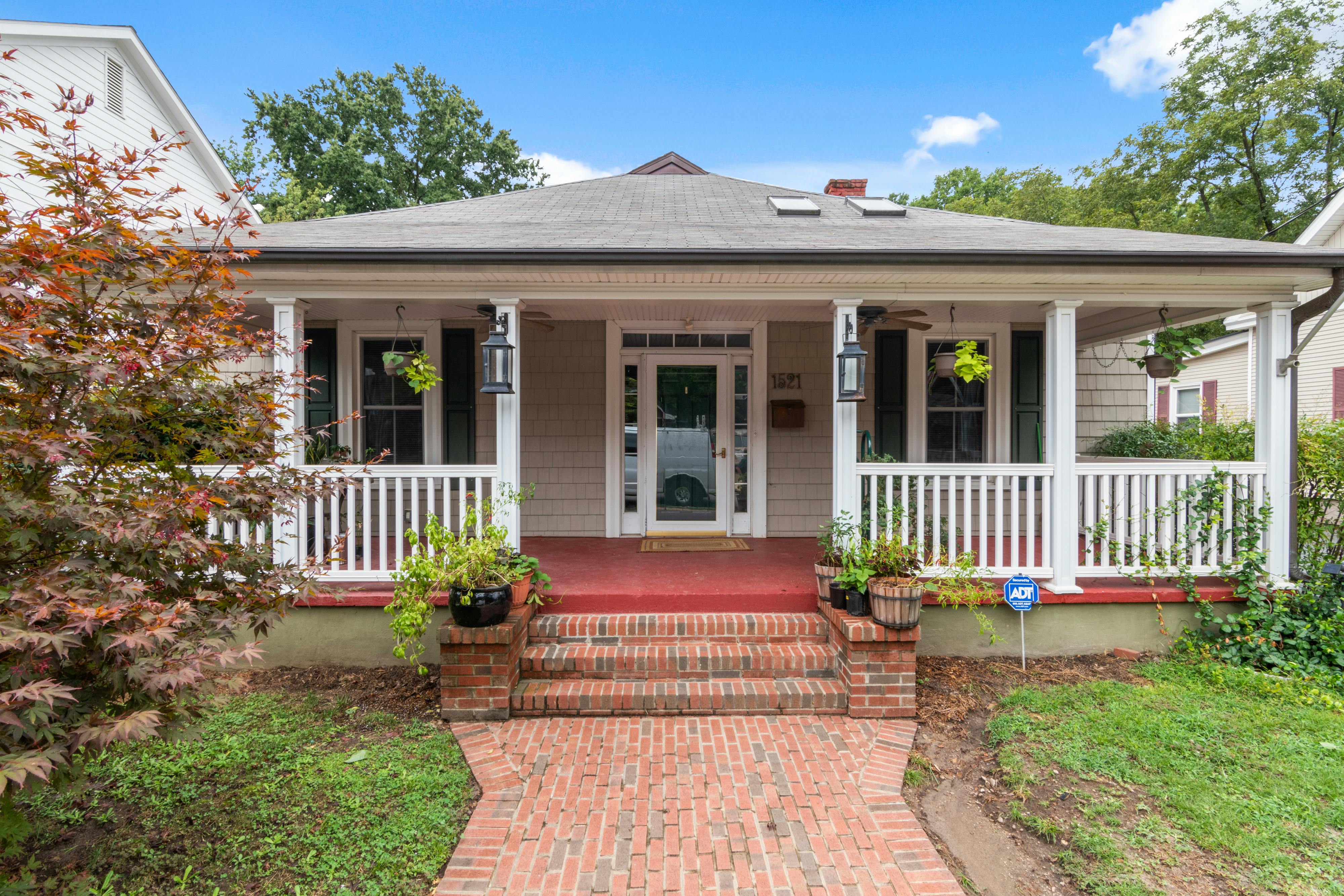
At its core, a bungalow is a one- to one-and-a-half-story house with a low-pitched roof, broad eaves, a front porch, and a compact floor plan designed to use space efficiently.
The word gets used loosely, but the best bungalow houses usually share the same basic logic:
- one main level with a grounded, horizontal feel
- a deep porch that acts like an outdoor room
- simple circulation with little wasted hallway space
- built-ins, breakfast nooks, and modest room sizes
- rooflines and materials that feel practical rather than showy
That is what separates a bungalow from a generic small house. It is not just the size. It is the way the plan, porch, roof, and details work together.
A short history of the bungalow
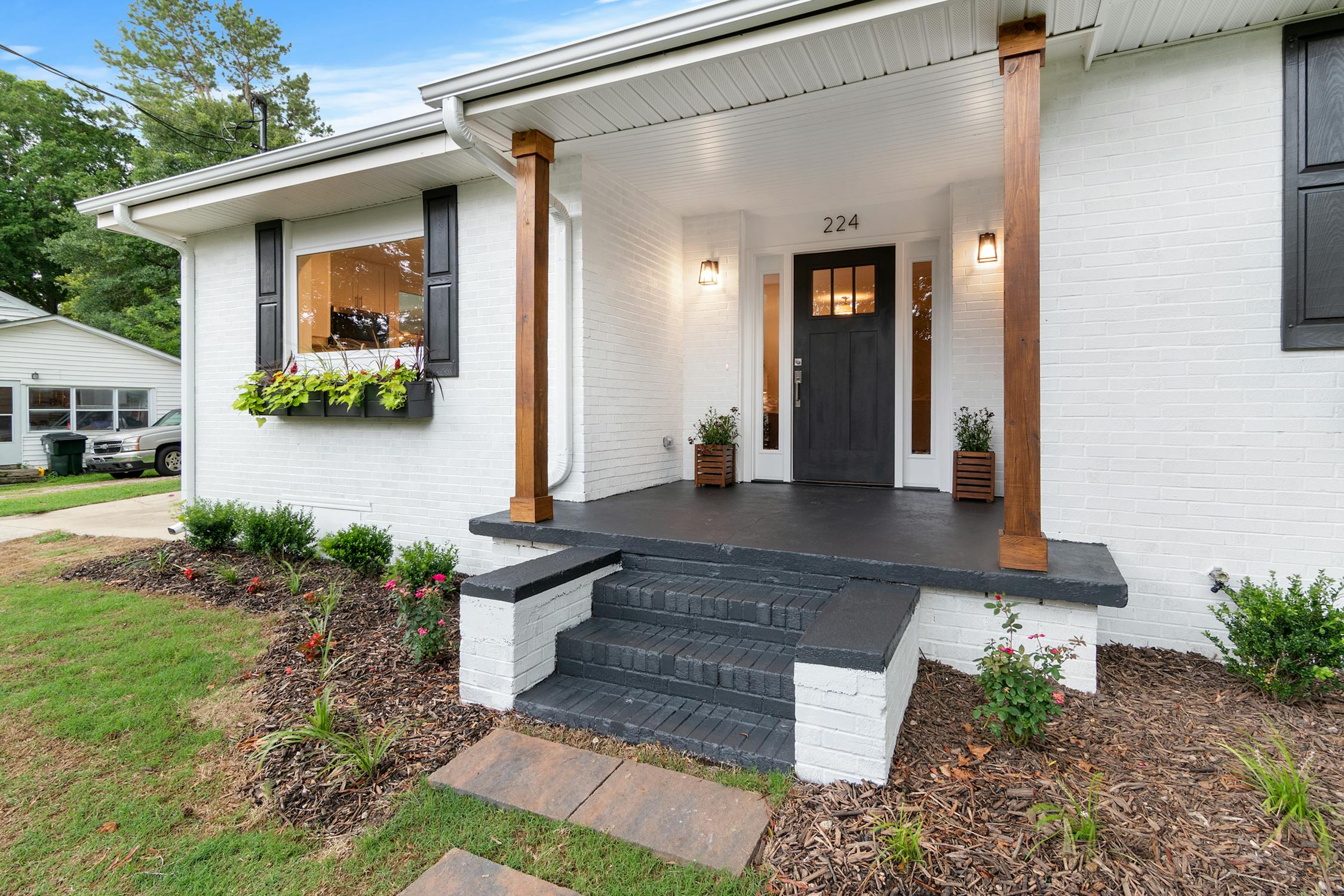
The word bungalow comes from bangla, a Bengali term for a low house built for comfort in a hot climate. British colonial use helped carry the form outward, but the bungalow most North American readers picture is the early-20th-century version shaped by pattern books, kit houses, and the Arts and Crafts movement.
Its peak years were roughly 1900 to 1930. That timing matters. Cities were growing, rail made building materials easier to move, and a lot of families wanted a house that felt affordable, practical, and still full of character.
That is why the bungalow spread so well. It was modest enough to build in numbers, but still had enough craft and warmth to avoid feeling generic.
MUST READ: Bungalow: The Ultimate Arts & Crafts Home
A good reference for the roots of the type, especially if you are restoring an older one.
What defines bungalow architecture

| Feature | What It Does | Why It Matters |
|---|---|---|
| Low-pitched roof | Keeps the house grounded and wide | Gives the bungalow its calm, horizontal profile |
| Wide eaves and overhangs | Shade, weather protection, stronger silhouette | Good visually and useful in warm or wet climates |
| Front porch | Adds usable outdoor space | One of the biggest social and visual anchors of the type |
| Compact plan | Uses square footage efficiently | Less wasted circulation, more practical daily use |
| Built-ins and millwork | Add storage and character | Small houses need details that work hard |
| Natural materials | Wood, brick, stone, stucco, shingle | These houses read best when the materials feel honest |
That last point matters more than people think. A bungalow can survive updates. It usually does not survive fake materials, oversized windows, or clumsy additions very well.
Main types of bungalow houses

Craftsman bungalow
This is the version most people mean when they picture a bungalow. Low gabled roof, exposed rafters, tapered porch columns, strong woodwork, and built-ins inside. It is the most iconic branch because the details are easy to recognize and still feel warm instead of fussy.
California bungalow
Smaller, lighter, and often looser than the full Craftsman version. It keeps the porch and roof logic but adapts well to milder climates and tighter lots. This is one reason the type spread so well in Southern California and nearby regions.
Chicago bungalow
Brick, narrow, deep, and very urban. Usually one-and-a-half stories with a dormer and raised basement. It keeps the bungalow’s compact logic but adapts it to a tighter city lot and a colder climate.
Prairie-influenced bungalow
Lower, more horizontal, and often calmer in its detailing. The emphasis shifts more toward long lines, banded windows, and integration with the lot. This type needs more width to land properly.
Mission or stucco bungalow
Mostly found in warmer regions. Stucco walls, tile roofs, and a stronger connection to Spanish Colonial or Mission forms. It is still a bungalow when the massing and porch logic stay grounded and compact.
Modern bungalow
This is the updated version. Cleaner exterior, fewer decorative cues, more glass, better insulation, better systems, open kitchens, and simpler detailing. It still works when it stays modest and human in scale. Once it gets too oversized, it stops feeling like a bungalow and becomes a different house in disguise.
One More Thing: if you are looking for the strongest branch of the type, the Craftsman line is usually the one worth studying first.
How bungalow layouts work

Bungalows are efficient because they waste very little. In many of them, the front door opens straight into the living room. The dining room sits nearby. The kitchen connects tightly. Bedrooms are modest and grouped simply. There is rarely a grand foyer or a long corridor doing nothing.
That is part of the charm. The house gets right to the point.
Common layout traits include:
- a living room near the entry, often with a fireplace
- connected dining and kitchen zones
- two or three modest bedrooms
- one compact main bathroom
- attic or dormer space in one-and-a-half-story versions
That kind of plan still works well now. It suits small families, couples, retirees, and anyone who wants the house to feel manageable instead of stretched thin.
Bungalow vs ranch vs cottage
| Feature | Bungalow | Ranch | Cottage |
|---|---|---|---|
| Stories | 1 to 1.5 | Usually 1 | 1 to 1.5 |
| Roof | Low-pitched with broad eaves | Long ridgeline, low and horizontal | Often steeper and more irregular |
| Porch | Usually a major front feature | Less central; patio often matters more | Can be small, side-facing, or garden-oriented |
| Feel | Compact, crafted, grounded | Open, spread out, suburban | Cozy, picturesque, sometimes more decorative |
| Best fit | Urban lots, historic areas, downsizing | Suburban lots, single-level family living | Charm-driven small homes or retreat settings |
The ranch and the bungalow can overlap at the level of simplicity, but they are not the same thing. Ranch houses spread more. Bungalows feel more compact, crafted, and porch-centered.
When a bungalow makes the most sense
A bungalow is a strong fit when you want:
- single-level or near-single-level living
- a compact house with real character
- a front porch that matters architecturally
- good use of a modest footprint
- a house that works well for aging in place or downsizing
It is a weaker fit when you need a lot of square footage on a tight lot, want many bedrooms on one floor, or are planning a huge second-story expansion. Those moves tend to fight the type instead of working with it.
What to keep in a bungalow renovation

Bungalows usually age best when the renovation keeps the scale, porch, roofline, and woodwork working together.
Good things to preserve:
- original porch proportions and columns
- built-ins, millwork, and fireplaces
- wood windows when they are salvageable
- the compact flow of the original plan
- the modest roofline and broad eaves
Things that commonly hurt the house:
- oversized replacement windows and doors
- cheap vinyl siding over stronger original materials
- too many walls removed without a plan
- heavy second-story additions that wreck the proportions
- generic finishes that erase the house’s built-in character
The best updates fix the systems, improve light, and make the kitchen and bath work better without flattening the house into something anonymous.
MUST READ: Bungalow Details: Interior
Useful if you are trying to restore millwork, built-ins, and period details without guessing.
Are bungalows cheaper to build or restore?
They can be, but not always.
The simple form helps. There is less stair structure, a compact footprint, and a layout that can be straightforward to frame. But land costs, materials, local labor, and restoration quality still move the budget a lot.
Restoration costs rise fast when you are dealing with:
- bad electrical or plumbing
- damaged woodwork
- historic-district restrictions
- custom window or trim replication
- structural work tied to additions or attic conversion
So the smarter way to look at bungalow cost is not “small equals cheap.” It is “small can be efficient, but quality still costs money.”
Why bungalows still work now
Because they solve everyday living well.
They are easy to understand, easy to move through, and easy to care about. The scale feels human. The porch gives the house a face. The layout wastes little. The best ones feel warm without being overdone.
That is why they keep coming back. Historic neighborhoods keep restoring them. New builders keep borrowing from them. People downsizing keep looking at them. They hold up because the underlying logic is still sound.
FAQ
What makes a house a bungalow?
A bungalow is usually a one- to one-and-a-half-story house with a low-pitched roof, broad eaves, a front porch, and a compact layout designed for efficient daily living.
Are bungalows always one story?
No. Many are one-and-a-half stories, often with a dormer or usable attic space.
What is the difference between a bungalow and a ranch house?
Bungalows feel more compact and crafted, with the porch often playing a major role. Ranch houses usually spread wider across the lot and lean more toward suburban openness than porch-centered design.
Are bungalows good for aging in place?
Yes. Their low profile and minimal stair use make them one of the better historic house types for accessibility and long-term living.
What is the biggest mistake in a bungalow remodel?
Breaking the proportions with oversized additions, bad replacement windows, or renovations that erase the porch, woodwork, and compact flow that made the house work in the first place.
What to read next
- American Bungalow if you want the North American version broken out more clearly.
- Craftsman Bungalow if you want the best-known branch of the type.
- Ranch Houses if you are comparing one-story house types and want to see where bungalow and ranch start to split.
- Cottage Houses if your question is really about compact charm and not bungalow logic specifically.