

From Facades to Furniture: The Rise of Parametric Architecture in Modern Design
Parametric Architecture: Designing with Rules, Not Guesswork
Parametric architecture shifts the focus from sketching shapes to setting up smart systems.
Architects define key inputs—like height, orientation, sunlight angles, structural limits, or materials. The software takes it from there, generating forms that adapt in real time to the rules you set.
Need a facade that responds to the sun? A frame that cuts down on material waste? A roof that redirects wind flow? Parametric tools handle the complexity without constant redrawing.
Where It Actually Pays Off

-
Faster, more flexible design decisions
-
Smarter performance with less trial and error
-
Forms that respond to context instead of repeating old patterns
Related: Introduction to Parametric Design: Revolutionizing Modern Architecture
What is Parametric Architecture and Why It Matters in Design?
How Parametric Design Evolved: A Quick Timeline
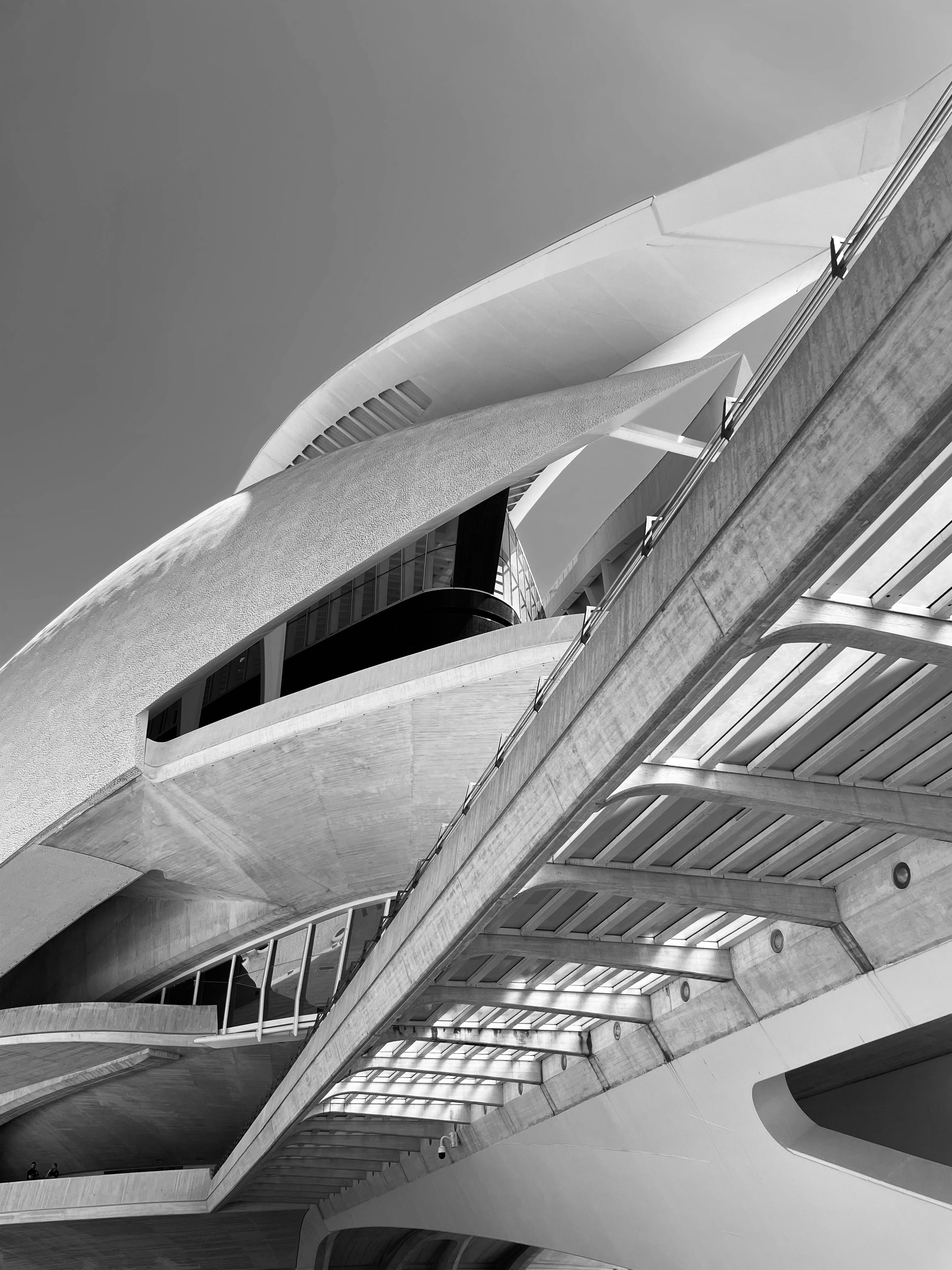
IMAGE: Parametric modern high-rise building featuring digitally generated forms, fluid geometry, and structural optimization—blending advanced design with urban functionality.
Before Computers: Rules, Ratios, and Drafting Hands
Architects worked with geometry, symmetry, and proportions—think Vitruvius, Palladio, and the golden ratio. Everything was hand-drawn. Every change meant starting over.
→ Design was slow, precise, and limited by physical tools.
1960s–1980s: Computers Enter the Chat
Engineers and early architects began testing computers for drafting. It was mostly basic CAD, but it planted the seed for digital logic in design.
→ Still 2D, still technical—but way faster than paper.
1990s: Parametric Thinking Begins
Architects started using code-driven tools to create rule-based designs. Instead of drawing a curve, you defined it by parameters: radius, angle, material, sun exposure, etc.
→ This is where real parametric logic took off.
Early 2000s: Rhino + Grasshopper Change the Game
These tools let architects build and tweak live models. You didn’t just draw—you programmed the behavior of a building. A single input could reshape the whole form.
→ Designs got faster, smarter, and way more experimental.
Today: Full-on Algorithmic Architecture
From facades that react to the sun, to towers that twist based on wind data—design now adapts, evolves, and performs. Parametric tools are standard. It's not just a style—it's a workflow.
→ Organic forms, generative design, real-time modeling.
→ Architects use software like Rhino, Revit, Blender, CATIA, Fusion, and more—depending on the job.
Related: Parametric Design: Shaping the Future of Architecture & Interior Design
Why Parametric Architecture Matters in Modern Design
So, what’s the big deal with Parametric Architecture? Why are people so excited about it? Well, here’s why:
- Adaptability: Buildings can now adjust to their surroundings. Whether it's optimizing sunlight or improving airflow, parametric designs make a structure more responsive to the environment. This isn’t just cool—it’s practical.
- Efficiency: Parametric design isn’t just about looking good. By automating the design process, it helps architects avoid time-consuming redrawing and revisions. Once the rules are set, the design adapts in real time, saving hours (if not days) of manual work.
- Visual Aesthetics and Organic Forms: Ever notice those modern buildings that look like they’re from a sci-fi movie, with all their smooth curves and flowing lines? That’s Parametric Architecture in action. It allows architects to create shapes that mimic nature—fluid, organic, and endlessly interesting.
PARAMETRIC ARCHITECTURE CONCEPTS
How Algorithms Shape Design Thinking
How Parametric Design Actually Thinks for You
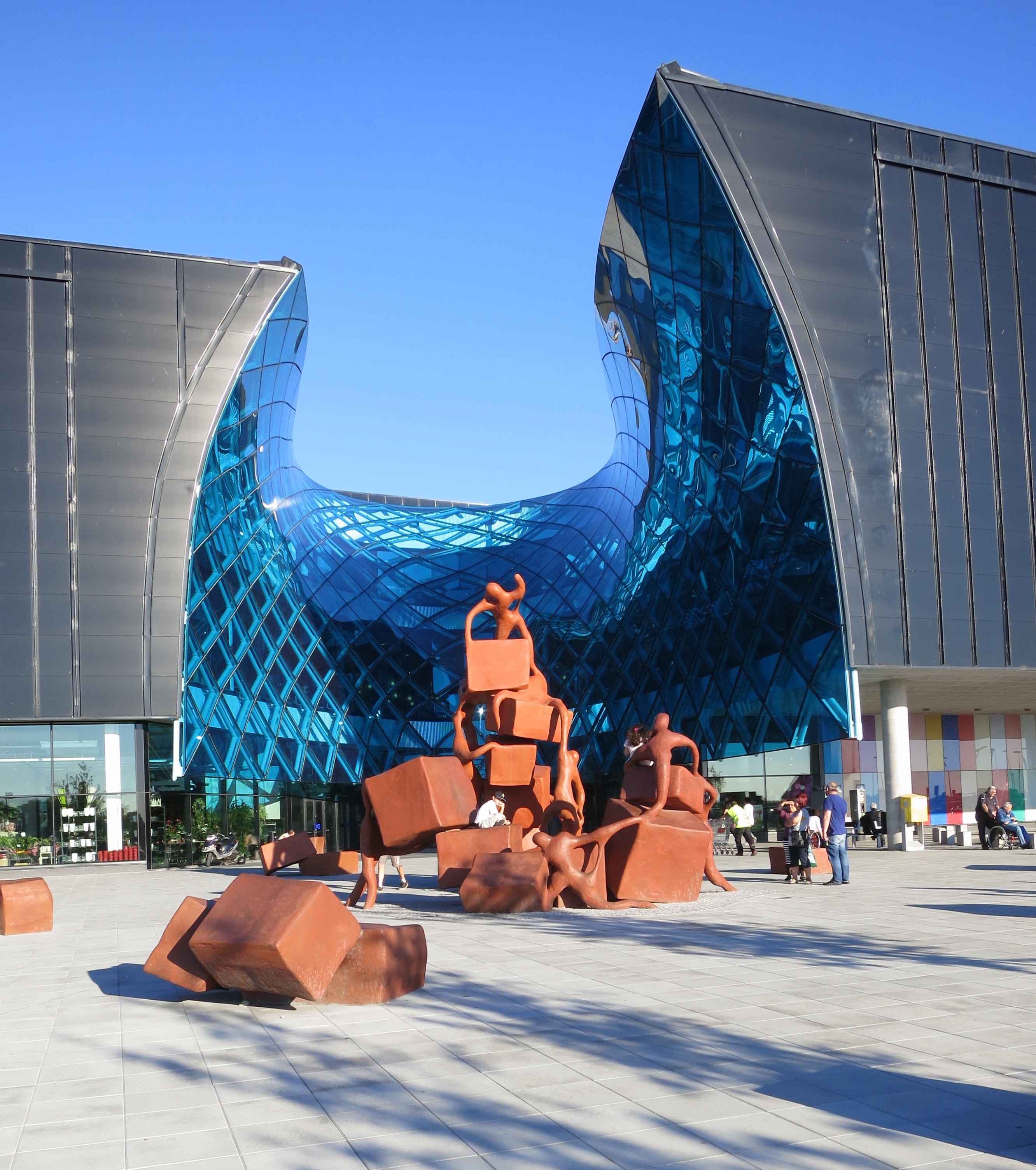
IMAGE: Emporia Shopping Center, designed by Wingårdhs in Sweden, showcases parametric architecture with a rippling golden glass facade and flowing interior curves optimized for sunlight, foot traffic, and views—combining futuristic aesthetics with functional performance.
Here’s where parametric architecture changes the game:
You stop designing a fixed object—and start creating a responsive system.
Instead of redrawing every wall and window manually, you define a few key rules:
→ building height
→ material types
→ sun angles
→ site constraints
Then the algorithm takes over. It doesn’t just spit out one design—it solves a puzzle in real time, adapting as you go. You shift one variable, and everything updates instantly—structure, form, layout. Like a living organism evolving to its environment.
Core Concepts in Parametric Design
Design Smarter, Not Slower
Think of it as having a second brain in your toolkit.
You’re not fighting the software—you’re partnering with it.
→ Want better airflow? Adjust a climate parameter.
→ Need to meet a materials budget? Switch input rules.
→ Want organic curves instead of boxes? The system flexes with you.
That’s not just convenience—it’s control.
Real-World Example: Emporia Shopping Center, Sweden
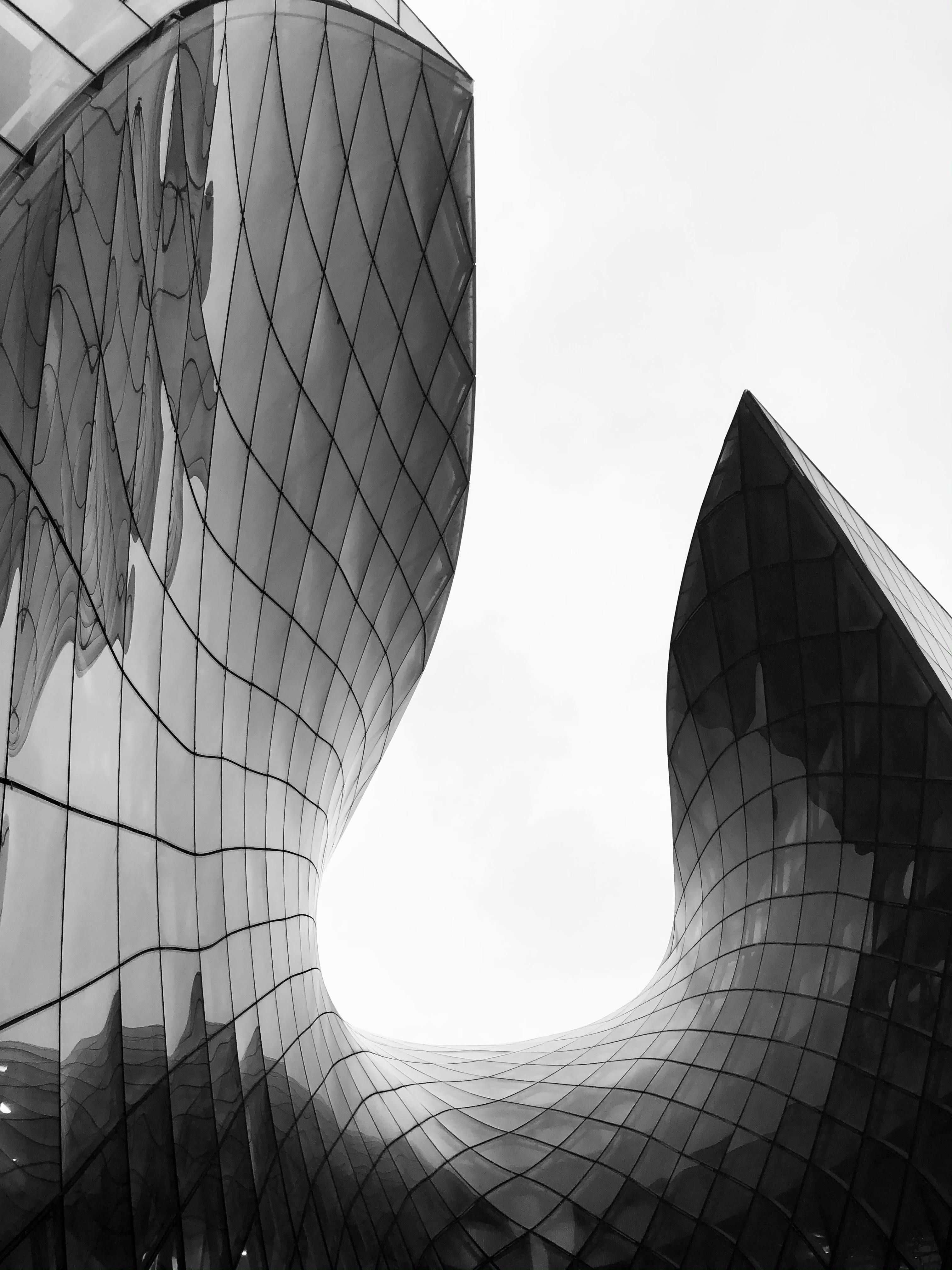
IMAGE: Emporia Shopping Center in Sweden shown in grayscale, highlighting its striking parametric architecture with fluid glass forms and dynamic facade geometry.
Designed by Wingårdhs, the Emporia Mall uses parametric design to shape everything from its rippling golden glass façade to its open interior curves.
Why it matters:
The form responds to sunlight, foot traffic, and views—nothing is purely aesthetic.
The building shape was generated using a parametric model that adjusted the curtain wall geometry for both performance and visual impact.
→ The result? A retail complex that looks futuristic and functions with precision.
Why Architects Use It
Parametric thinking doesn’t replace the architect—it amplifies them.
You get to focus on ideas, strategy, and emotion—while the software handles the technical gymnastics.
Good parametric design is about making smarter buildings faster. And once you get used to it, there’s no going back.
Related:
Parametric Architecture Applications
How Technology Shapes Buildings
How Parametric Architecture Actually Works

IMAGE: Modern parametric architecture at Heydar Aliyev Centre in Baku, Azerbaijan, featuring fluid, organic shapes created through advanced computational design methods.
Smarter Design Systems
Parametric design isn’t about drawing—it’s about setting up rules. You give the software a recipe (like material type, lighting needs, structural limits), and the design adapts on its own. It’s flexible, fast, and precise.
You’re not micromanaging a shape—you’re building a system that responds. Change one element, and everything else adjusts in real time.
How Architects Use Algorithms to Shape Buildings
Parametric design runs on algorithmic thinking. Instead of dragging lines or copying shapes, you use logic. You tell the system: “Add more windows where there’s more sunlight,” and it figures it out. You want airflow to improve? Let the model respond to wind data.
It’s not theory—it’s real. These tools solve real-world problems like:
▪ Solar exposure tracking
▪ Structural weight distribution
▪ Adaptive facades
▪ Wind flow optimization
Rule-Based Design: Why It Works
In parametric design, you don’t design every piece—you write the rules that design them.
For example:
- "Every column must align with a structural beam."
- "Openings must resize depending on sunlight."
That gives consistency and flexibility. You can scale fast, experiment safely, and still control the results.
Real Difference: Parametric vs. Traditional Design
| Traditional Design | Parametric Design |
|---|---|
| Manual drawing, element by element | Rule-based automation |
| Slow updates and revisions | Real-time adaptive updates |
| Fixed geometry | Flexible, data-driven forms |
| Example: Re-drawing a facade | Example: Adjusting sunlight angle and letting facade auto-adjust |
Real-World Use Case: Zaha Hadid’s Heydar Aliyev Center couldn’t exist with hand-drawn methods. Her team used parametric algorithms to sculpt flowing, complex curves that traditional methods couldn’t handle.
Math, Geometry & Natural Logic
Parametric design uses math—but not for calculation alone. It pulls patterns from nature: spirals, honeycombs, branching forms.
Think: ▪ The Fibonacci sequence for spirals
▪ Voronoi diagrams for facades
▪ Geodesic domes for structural strength
Example: The Eden Project in the UK used math to design dome panels that mimic cellular structures. Each panel shape maximizes light, regulates temperature, and reduces material waste.
Where Parametric Design Pays Off
What Makes This Useful:
- Smart geometry = less waste
- Faster iteration = quicker delivery
- Responsive buildings = better comfort + efficiency
Whether you’re designing a tiny pavilion or a stadium, parametric tools give you something hand-drawing never will: adaptability built in from day one.
Use it to: ▪ Build faster
▪ Solve smarter
▪ Design like nature—efficient and beautiful
Applications of Parametric Architecture
Parametric Architecture in Practice
Famous Real-World Applications
Heydar Aliyev Center (Zaha Hadid) Used Grasshopper + Rhino to shape the iconic curves. Would've been impossible with manual drafting.

Al Bahar Towers (Aedas) Responsive facade adapts to sunlight using parametric rules.
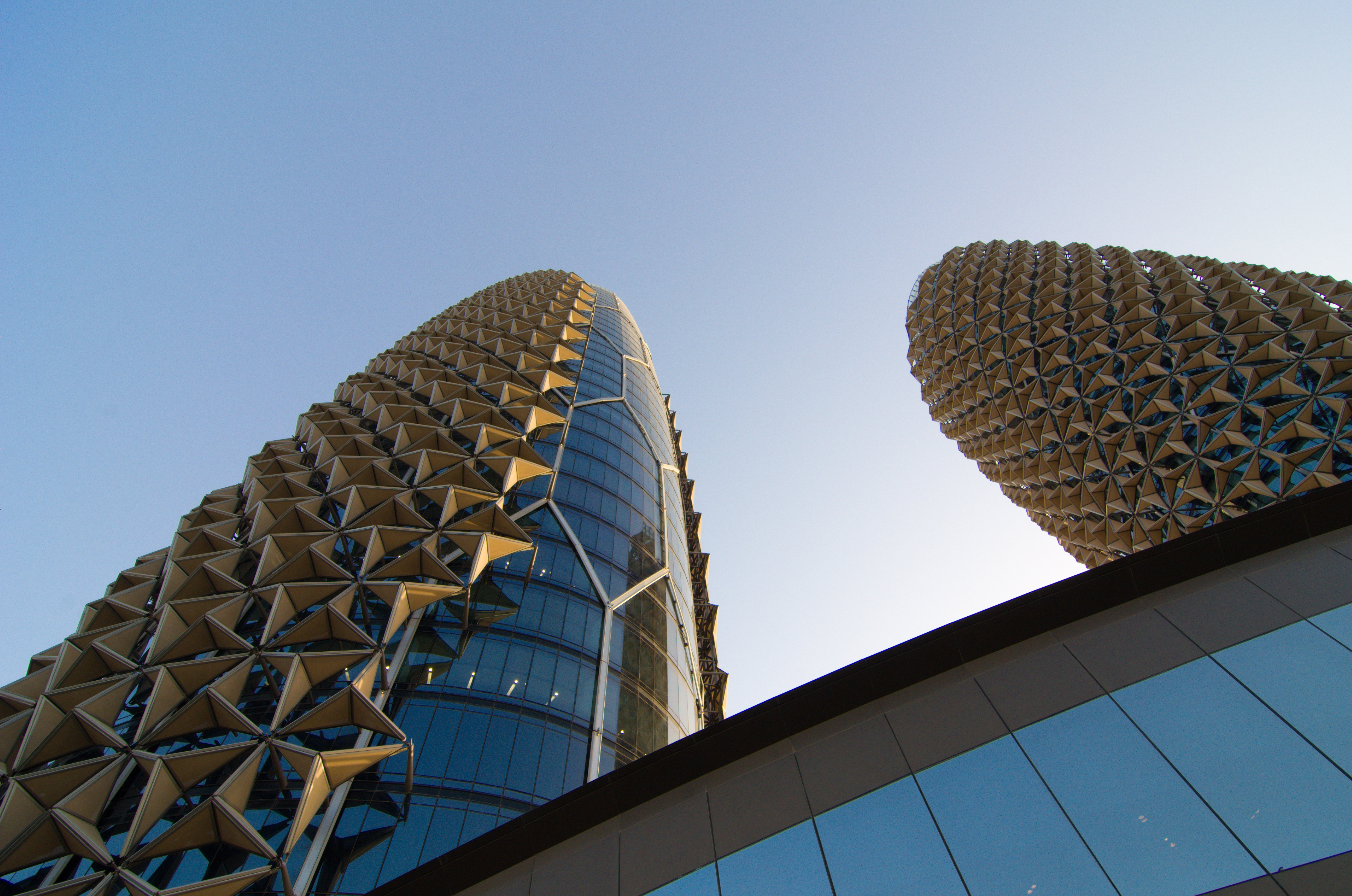
The Eden Project (Grimshaw Architects) Geodesic domes modeled with natural geometry (Fibonacci, fractals) to regulate temperature and light.
From Buildings to Furniture
Parametric isn’t just for skyscrapers:
● Pavilions: Serpentine Pavilion (SelgasCano) ● Furniture: CNC-cut adaptive chairs/tables ● Bridges: CopenHill by BIG (multi-use energy plant)
Facades with Brains
Parametric Facade Design Tools:
● Revit: Precision + solar response ● SketchUp: Plugin-driven pattern testing ● Rhino: Freeform responsive geometry ● Brick Parametric Walls: Curved, perforated facades generated by rule-based brick placement
How It Changes Client Work
Clients now see the design evolve live.
● Change a material? Watch it update in 3D ● Want more light? Move a slider and see it happen
It’s collaborative. Faster. Transparent.
Challenges to Keep in Mind
● High software + training costs ● Builders may not understand digital-to-physical workflows ● Some materials may not yet support parametric intent
Parametric design helps architects build smarter, faster, and bolder — boosting their creative power, not replacing it.
Set rules. Simulate reality. Build the future.
Related
- Case Studies of Iconic Parametric Architecture Buildings
- Heydar Aliyev Center – Zaha Hadid Architects
- Parametric Facades
Popular Parametric Design Software
Parametric Design Software: The Tools Architects Actually Use
Parametric design i about control, flexibility, and speed.
The right tool can help you shape geometry, test performance, and generate forms you couldn’t draw by hand.
Here's a sharp breakdown of the most widely used parametric tools in modern design and why they matter.
Rhino + Grasshopper
● Best for: Complex curves, experimental forms, real-time feedback
● Used by: Zaha Hadid Architects, BIG, academia
● Why it works: Grasshopper lets you build rule-based systems visually—like Lego for design logic. Rhino handles the geometry. Together, they give architects full control over wild shapes and real-time tweaks.
Example: The Heydar Aliyev Center was shaped using Rhino + Grasshopper workflows.
Autodesk Revit + Dynamo
● Best for: BIM workflows, responsive detailing, automation
● Used by: Commercial architecture firms, contractors, urban planners
● Why it works: Revit locks in real-world dimensions. Dynamo adds logic and responsiveness. It’s about automating the boring stuff—repetitive families, parameter changes, adaptive facades.
Example: Façade panel systems that shift angle based on sun position.
CATIA (Dassault Systèmes)
● Best for: Ultra-complex curves, engineering-grade precision
● Used by: Gehry Partners, aerospace-turned-architecture firms
● Why it works: CATIA’s power lies in its surface accuracy and parametric depth. Built for aircraft, used for buildings that push structural limits.
Example: Guggenheim Bilbao was modeled using CATIA.
Fusion 360
● Best for: Prototyping, mechanical systems, education
● Used by: Product designers, architects experimenting with kinetic architecture
● Why it works: It’s cloud-based, fast, and easy to test variations. Great for small-scale parametric assemblies.
Creo Parametric
● Best for: Precision-driven mechanical design
● Used by: Engineers, industrial firms, large-scale manufacturing architecture
● Why it works: Its rule-based engine is ideal for deeply nested parametric relationships.
SolidWorks
● Best for: Engineering-heavy projects, structural simulations
● Used by: Architects working closely with structural engineers
● Why it works: Its simulation tools let you test structure performance before it’s built.
FreeCAD + BricsCAD
● Best for: Open-source projects, lean budgets, learning environments
● Used by: Startups, students, experimenters
● Why it works: FreeCAD’s parametric modeler supports custom workflows. BricsCAD bridges CAD and BIM.
Blender (with Sverchok plugin)
● Best for: Creative modeling, concept visualization, interactive geometry
● Used by: Visualization specialists, indie designers, game-engine crossovers
● Why it works: Free, powerful, and incredibly customizable with parametric add-ons like Sverchok.
SketchUp (with plugins)
● Best for: Quick mockups, early-stage studies
● Used by: Solo architects, small offices, fast-paced ideation
● Why it works: When paired with plugins like Profile Builder or SU Parametric, SketchUp becomes more than just boxes and push/pull.
AutoCAD (Parametric Drafting)
● Best for: 2D parametric constraints, legacy workflows
● Used by: Traditional drafters, firms tied to AutoCAD standards
● Why it works: It lets you lock relationships—change a window size, and the wall updates.
Parametric Scripting: Visual vs. Code
Visual Programming (e.g., Grasshopper, Dynamo)
✓ Fast, intuitive
✓ Great for testing iterations visually
✓ Lower learning curve for non-coders
Code-Based Programming (e.g., Python, C#)
✓ More power and flexibility
✓ Ideal for creating custom components or plugins
✓ Used in Rhino, Revit, and Blender
Choosing the Right Tool
| Tool | Best For | Example Project | Skill Level |
|---|---|---|---|
| Rhino + Grasshopper | Complex organic forms | Heydar Aliyev Center | Intermediate+ |
| Revit + Dynamo | BIM + automation | Parametric daylight studies | Intermediate |
| CATIA | Freeform megastructures | Guggenheim Bilbao | Advanced |
| Fusion 360 | Fast prototyping, cloud modeling | Responsive furniture joints | Beginner |
| FreeCAD | Free parametric modeling | Experimental pavilions | Beginner |
Want to Learn All This?
Check out ArchitectureCourses.org for:
▪ Parametric Design Fundamentals
▪ Organic Geometry in Architecture
▪ Visual Programming with Grasshopper
▪ Python Scripting for Design
You’ll learn not just tools—but how to actually think parametrically.
Design Process in Parametric Architecture
Parametric architecture isn’t about drawing lines.
It’s about designing systems.
You define the rules.
The software handles the rest.
That’s the core of parametric design. It replaces rigid sketches with smart, dynamic frameworks. Instead of manually editing every change, you tweak inputs—and the entire design adjusts in real time.
What Makes This Useful:
- Faster iteration
- Automated precision
- Real-time feedback
- Smarter forms with less manual labor
The Parametric Workflow: Building with Logic
Design begins with a concept—but instead of sketching everything by hand, you build a rule-based system.
It starts like this:
- Set goals (e.g., optimize daylight, reduce heat gain)
- Define constraints (materials, loads, dimensions)
- Use parameters to control behavior (e.g., panel size = sun exposure)
Think sandbox, not sculpture. You define the play rules. The system builds within them.
Feedback Loops: The Heart of Iteration
Every parametric project evolves through constant tweaking. You don’t finalize a design—you test, refine, and repeat.
Example: Adjust a window size. → The model recalculates light, heat gain, ventilation. → You instantly see the effect.
This loop keeps going until performance, appearance, and structure align.
Real Example: Adaptive Glass Facade
Design goal: Maximize natural light, minimize heat.
- Input: Location, solar angle, material thermal values
- Output: A smart skin that opens, closes, or shifts shade based on sun
Parametric tools like Grasshopper allow you to simulate and adjust the model live.
Key Tools Architects Use
Rhino + Grasshopper
- Best for freeform, curvy structures (e.g., Heydar Aliyev Center)
Revit + Dynamo
- Great for BIM, structure coordination, rules-driven form
CATIA
- Industrial-strength precision (used for complex, aerospace-level modeling)
Fusion 360 / SolidWorks
- Ideal for small-scale parametric details or product elements
FreeCAD / Blender / SketchUp + Plugins
- Lower-cost entry points with solid scripting and plugin flexibility
Constraints and Dependencies: Built-In Logic
You can build dependencies right into your models:
- "Openings must shrink if solar gain exceeds threshold"
- "Columns must align with floor beams"
- "Facade must respond to wind pressure map"
This isn’t just smart geometry. It’s designing behavior.
When Automation Meets Creativity
Automation is powerful. But you still need vision. Parametric tools don’t replace designers—they extend them.
✔ You control the rules ✔ You break or bend them when needed ✔ You guide the outcome with your goals, context, and experience
Optimization & Simulation: Smarter Performance
Use simulations to optimize:
- Thermal performance (sunlight modeling, insulation thickness)
- Structural efficiency (load paths, material strength)
- Airflow (natural ventilation patterns)
These aren’t theoretical. They change real-world comfort, cost, and carbon footprint.
From Facades to Furniture: Parametric Fabrication
3D Printing + CNC = Parametric logic becomes physical.
Designers use the same rule sets to:
- Laser-cut interlocking wood furniture
- Print prototype parts from adaptive curves
- Manufacture panelized facades that flex with the form
Environmental Analysis in Action
Parametric systems can evaluate and respond to:
- Sunlight: Rotate fins, resize glazing, filter daylight
- Wind: Shift form to reduce turbulence or enhance airflow
- Energy: Balance HVAC loads, natural lighting, and passive heating
Real Case: Al Bahar Towers, Abu Dhabi
- Adaptive mashrabiya facade
- Opens/closes based on sun position
- Cuts heat gain by over 50%
- Entire design driven by parametric logic
What Makes This Useful
Parametric design doesn’t just look good. It works better.
Smarter buildings. Cleaner workflows. Faster iteration. Better results.
The tools don’t replace design. They just make it sharper, quicker, and more responsive.
Next Step:
Want to try parametric tools?
Start small.
Build a Grasshopper script.
Automate a facade pattern.
See what happens when you stop drawing and start thinking in logic.
That’s how parametric architecture really works.
Parametric Facades and Skins
- Façade Engineering with Parametric Design
- Grasshopper Parametric Facade: A detailed exploration of how Grasshopper is used in façade design.
- Solar Optimization: Shading analysis and designing parametric facades that respond to solar exposure.
- Environmental Response Systems: Parametric facades that change based on environmental conditions (temperature, light, wind).
The Weirdest Parametric Buildings
Designs That Challenge Our Understanding of Architecture
Parametric architecture is known for creating some of the most stunning and innovative structures on the planet, but sometimes, these designs push the boundaries of logic—and occasionally, beyond comfort zones.
Buildings That Defy Logic
Some buildings challenge our ideas of what architecture can and should be.
With parametric design, algorithms help architects create forms that seem almost alien.
The result?
Buildings that look like they’ve come from a science fiction novel or exist on a different planet.
The Lilium Tower – Warsaw, Poland
- Architect: Zaha Hadid Architects
- Programs Used: Rhino, Grasshopper
- The Concept: The Lilium Tower is one of those designs that makes you do a double-take. Its twisting, organic form seems to defy gravity as it rises from the ground. Designed with parametric tools, the tower’s curvature was not just about looks; the twisting form was optimized for both structural efficiency and to reduce wind load.
- Why It’s Weird: The building’s appearance is completely unconventional, resembling a sculpture more than a functional tower. At first glance, it seems like it shouldn’t stand up at all—yet, thanks to parametric design, every aspect of its structure is carefully calculated for balance and strength.
The Louis Vuitton Foundation – Paris, France
- Architect: Frank Gehry
- Programs Used: CATIA
- The Concept: Gehry’s Louis Vuitton Foundation looks more like a massive, avant-garde glass ship floating in a park than a building. The complex curves and billowing forms of the glass "sails" were made possible through parametric modeling.
- Why It’s Weird: The building doesn’t follow any traditional rules of architecture. It’s an artistic statement that breaks the mold of what a museum or cultural center should look like, challenging visitors to rethink their expectations of form and function.
How Algorithms Sometimes Push Aesthetics Beyond Human Comfort Zones
Parametric design allows for forms that are precise, mathematically sound, and visually stunning. However, when algorithms take over, the designs can sometimes feel a little "too" perfect—or conversely, too chaotic for comfort.
The Endesa Pavilion – Barcelona, Spain
- Architect: Institute for Advanced Architecture of Catalonia
- Programs Used: Rhino, Grasshopper
- The Concept: Designed as a solar-powered building with optimized energy efficiency, the Endesa Pavilion uses parametric design to control the structure's jagged, protruding angles that look almost like a stack of uneven shelves.
- Why It’s Weird: The aggressive, angular façade gives the building an almost disjointed look, making it seem more like a set from a dystopian movie than a place where people live or work. It’s an example of an algorithm pushing a design to the extreme, which in this case, doesn’t always feel warm or welcoming.
Futuristic Designs that Never Made It to Reality
Parametric design has produced some wild ideas—many of which never left the drawing board. Let’s take a look at some of the most futuristic parametric designs that, despite being awe-inspiring, remain stuck in concept mode.
The Shimizu Mega-City Pyramid – Tokyo, Japan
- Architect: Shimizu Corporation
- Programs Used: CATIA
- The Concept: Imagine a pyramid so massive that it could house an entire city inside it. That was the idea behind the Shimizu Mega-City Pyramid, a towering structure that would have dwarfed even the largest buildings in the world. The parametric design process allowed engineers to explore how to construct such a massive structure, focusing on creating a stable framework with triangular units that could adjust based on load and environmental conditions.
- Why It Didn’t Happen: Despite the incredible vision and planning, the sheer scale and cost made this project impractical with today’s construction technologies. Maybe one day we’ll see something similar when futuristic building methods catch up to the imagination.
The Cloud – South Korea
- Architect: MVRDV
- Programs Used: Rhino, Grasshopper
- The Concept: The Cloud was designed as a set of skyscrapers connected by a cloud-like mass about halfway up. The idea was to create an urban “cloud” in the sky where residents could enjoy communal spaces.
- Why It Didn’t Happen: The design faced a huge amount of controversy due to its visual resemblance to the events of 9/11. Though the design was not intended to evoke this imagery, public outcry caused the project to be halted indefinitely.
Tips for Architects and Designers: How to Approach Extreme Parametric Design
- Start Simple: Before going all-in on a wild design, ensure that the fundamentals of the structure—such as load-bearing elements and environmental responsiveness—are locked in. This helps you avoid creating something that, while beautiful, may not be practical.
- Test Iterations: Use parametric tools like Rhino and Grasshopper to test multiple design iterations quickly. Adjusting one parameter can lead to radically different outcomes, so don’t be afraid to experiment.
- Balance Form and Function: While parametric design allows for unprecedented freedom in shape and form, always consider the human experience. Does the building feel good to walk through? Is it comfortable for its occupants?
Weird parametric buildings show us just how far architecture can go when it breaks free from traditional rules. While not every design makes it into reality, the creativity and vision behind these projects push the industry forward. If you’re a designer or architect, don’t shy away from the unusual—it’s often in the strangest forms that we find the most groundbreaking innovation.
Innovative Materials in Parametric Architecture
Materials That Make Parametric Architecture Work
Parametric design doesn’t happen without the right materials. These are the real tools that let architects build complex, flexible, and efficient structures.
1. Smart Materials
Materials that react to light, heat, or moisture. They make buildings move, breathe, and adapt.
▪ Used for: Façades, shading, skins
▪ Example: Al Bahar Towers – screens open/close with the sun to control heat.
2. Bamboo
Strong, fast-growing, and bends into complex shapes. Works well with algorithmic design tools.
▪ Used for: Roofs, frames, lightweight structures
▪ Example: Green Village, Bali – curving bamboo buildings designed with parametric software.
3. Brick
Old material, new logic. Parametric tools let you curve, twist, and pattern bricks.
▪ Used for: Breathable walls, artistic skins
▪ Example: Casa Wabi, Mexico – wavy brick wall cools and shades with passive airflow.
4. 3D Printing
Code goes straight to machine. You get complex forms with zero molds or handwork.
▪ Used for: Bridges, walls, full-scale parts
▪ Example: MX3D Bridge, Amsterdam – printed by robotic arms, straight from parametric model.
5. Prefab
Parametric software pre-calculates every part. Everything is made off-site, then clicked together fast.
▪ Used for: Modular builds, schools, housing
▪ Example: St. Mary’s School, UK – timber panels were designed and prefabbed to snap into place.
6. CNC + Robotics
Digital machines carve, cut, or assemble exactly what the model says.
▪ Used for: Furniture, panels, joints
▪ Example: Zaha Hadid’s Vortexx Table – CNC-cut exactly to match the model’s curves.
Why It Works
Parametric design isn’t magic. It works because the materials are smarter, the machines are sharper, and the build logic is tighter.
That’s what makes this design method real—and buildable.
Parametric Urbanism and Masterplanning
Parametric design isn’t limited to individual buildings—it’s changing how entire cities are planned. Parametric urbanism uses data and algorithms to shape cities that adapt to real conditions: traffic, sunlight, energy, density, microclimates.
Here’s how it works, and where it’s already shaping the future.
Urban Design Tools That Actually Work
Parametric tools let planners test and tweak urban layouts based on real data—like foot traffic, shadows, and airflow.
▪ Instead of drawing streets manually, you define rules
▪ The layout responds to inputs: people, sunlight, heat, density
▪ The result: faster planning, smarter cities
Example: Using foot traffic data, designers can re-route pathways to reduce crowding and improve flow through plazas and parks.
City Planning with Real-Time Logic
Planners use parametric models to simulate urban growth, transportation networks, and land use—before anything is built.
✓ Traffic Flow
Simulate and shape movement. Tweak road networks, reduce bottlenecks, lower emissions.
Example: Songdo, South Korea – entire city masterplanned using parametric logic to optimize traffic, green space, and utility networks.
✓ Adaptive Layouts
As conditions change, designs adjust. Models respond to density, energy use, or climate shifts.
Example: Barcelona’s Superblocks – parametric layout restricts cars and prioritizes walking, reshaping neighborhoods block by block.
Smart Cities Start Here
Smart cities depend on data. Parametric tools turn that data into design logic—real-time control over energy, traffic, lighting, waste.
▪ Sensor input → design output
▪ Planners make decisions with full visibility
▪ Every zone is shaped by live feedback
Example: Singapore uses parametric systems to adjust traffic lights, balance energy loads, and control street lighting based on actual usage data.
Microclimate Analysis: Designing Comfort
Parametric modeling can simulate local climate conditions—wind, heat, sunlight—across entire districts.
▪ Wind flow: Adjust street widths or building gaps to boost natural ventilation
▪ Sunlight: Place parks or benches where it’s warm in winter, shaded in summer
▪ Cooling: Channel airflow to reduce AC demand
Example: Masdar City, Abu Dhabi – street layout funnels wind into shaded walkways. Parametric tools helped tune form to climate.
Livability + Efficiency: One Model, Many Gains
Parametric urbanism delivers smarter cities not just in theory—but in daily life.
Energy
Buildings are shaped and oriented to reduce lighting and HVAC loads. Solar paths, shade, wind—all modeled in advance.
Public Space
Comfort zones are mapped. You know exactly where a bench should go, or where a tree makes the most difference.
Example: High Line, NYC – parametric planning shaped how sun and wind move through the narrow site, creating zones of comfort year-round.
What’s Next
Parametric tools let cities think ahead, adapt fast, and build smarter.
▪ Optimize before construction
▪ Adjust for growth, climate, use
▪ Plan entire districts as systems, not just shapes
This is the future of city-making: data-driven, responsive, and real.
EXTRAS
PARAMETRIC DESIGN AND STRUCTURAL ENGINEERING
Parametric design is reshaping structural engineering—not just in form, but in how we analyze, build, and optimize.
1. Structural Analysis, Real-Time Parametric tools simulate how a structure handles stress, wind, or weight—fast.
▪ Run multiple load scenarios instantly
▪ Adapt design as variables change
▪ Replace manual trial-and-error with data-backed accuracy
Example: A skyscraper's wind performance can be fine-tuned by tweaking its form through parametric models before a single beam is installed.
2. Dynamic Load Handling Buildings don’t stay static. Parametric models help account for shifting loads like snow, rain, or occupancy.
▪ Adjust structures in response to real-time environmental changes
▪ Keep roofs, bridges, and spans stable in all weather
Example: Parametric roof designs can reconfigure support or surface angles depending on the season.
3. Adaptive Structural Systems Parametric design enables responsive ceilings, roofs, and facades.
▪ Optimize shading, airflow, or energy capture
▪ Adjust components automatically based on sensor input
Example: The Louvre Abu Dhabi uses a layered parametric dome that filters light and responds to solar angles.
4. Topology Optimization Use algorithms to strip away excess material while preserving strength.
▪ Build lighter structures
▪ Cut material waste
▪ Lower costs without sacrificing safety
Example: The same optimization used in aerospace wings applies to bridges and towers.
5. Green Structural Strategies Parametric tools support sustainable construction:
▪ Design green roofs with optimal water retention and thermal control
▪ Simulate sun, wind, and thermal mass for passive cooling
Example: Bosco Verticale in Milan used parametric planning to place over 900 trees for air quality and shading benefits.
SUSTAINABILITY AND PARAMETRIC DESIGN
Parametric design builds sustainability into every move—from shape to systems.
1. Passive Strategies, Modeled Precisely ▪ Analyze sunlight to orient buildings for seasonal efficiency
▪ Model airflow to reduce mechanical cooling
Example: One Central Park (Sydney) used heliostats and parametric greenery to light and cool interior zones naturally.
2. Active Systems That Respond ▪ HVAC systems adjust based on occupancy and weather
▪ Lighting shifts based on daylight availability
Example: The Edge (Amsterdam) uses sensors + parametric logic to manage energy with extreme precision.
3. Simulate Before You Build Run energy simulations early:
▪ Test heat gain, cooling needs, thermal mass
▪ Choose materials based on real performance
Example: Masdar City modeled wind and shade before construction to ensure passive cooling in desert conditions.
FUTURE TRENDS IN PARAMETRIC ARCHITECTURE
1. AI-Driven Design AI generates optimized designs fast.
▪ Architects input constraints
▪ AI offers options, not answers
▪ Human still drives vision
Example: AI tools simulate sunlight, structure, and flow in thousands of variations—architects choose and refine.
2. AR/VR Integration Walk through parametric designs in real-time.
▪ Visualize scale and space instantly
▪ Adjust geometry live in VR/AR
3. Robotic Construction Robots build what humans can’t—fast and precise.
▪ Ideal for complex curves and unique modules
▪ Already used for brick-laying and 3D printing components
4. IoT-Responsive Structures Sensors feed real-time data into parametric systems.
▪ Buildings adapt dynamically to sun, heat, or people
▪ Façades, vents, HVAC respond automatically
5. Blockchain for Contracts Track and verify every stage of a parametric build.
▪ Smart contracts enforce design rules
▪ Reduce disputes, increase trust
AI IN PARAMETRIC DESIGN
AI doesn’t replace architects—it replaces busywork.
▪ Architects define rules
▪ AI tests outcomes
▪ Creativity still belongs to humans
ETHICAL CONSIDERATIONS
1. Aesthetics vs. Sustainability Don’t let form override function. Model both.
2. Accessibility of Tools Parametric design shouldn’t be gated by expensive software.
▪ Open-source tools are key
▪ Students: use free versions and online tutorials
3. Social Impact Use parametrics for community, not just spectacle.
▪ Optimize housing, public spaces, energy justice
▪ Bring smart design to everyone—not just luxury clients
SPACE + PARAMETRIC DESIGN
Parametric tools are key to space colonization.
▪ Models adapt to Martian gravity, radiation, pressure
▪ Local 3D printing makes on-site building possible
LEARN PARAMETRIC DESIGN
Step 1: Learn the Logic
Understand rules and variables—not just geometry.
Step 2: Pick a Tool ▪ Rhino + Grasshopper = standard combo
▪ Revit = BIM workflows
▪ Fusion 360 = great for prototyping
Step 3: Build Small, Then Scale Start with a chair. Move to a house. Then a city block.
Step 4: Use Free Tools + Forums Learn from open tutorials, student versions, and community examples.
Books & Publications
If you’re a bookworm and love diving into in-depth knowledge, these publications will give you a solid foundation and expand your understanding of parametric design.
- "The Architecture of Patterns" by Paul Andersen and David Salomon: A look at how parametric design is reshaping architecture through patterning systems.
- "AAD Algorithms-Aided Design" by Arturo Tedeschi: An in-depth guide to using Grasshopper and parametric design concepts. A go-to book for serious parametric enthusiasts.
- "Parametricism 2.0: Rethinking Architecture's Agenda for the 21st Century": A collection of essays and projects that explore how parametricism is impacting architecture on a broader scale.
Workshops & Conferences
Attending workshops and conferences can provide a hands-on experience, giving you the opportunity to network with other professionals and learn from experts in the field.
Key Events to Watch:
- Parametric Design in Architecture (PDA) Workshops: Regularly held worldwide, these workshops offer hands-on training in Rhino, Grasshopper, and other parametric tools.
- ACADIA Conference (Association for Computer Aided Design in Architecture): One of the most prestigious conferences, focusing on the intersection of digital technologies and architecture, including parametric design.
- Digital Futures Workshops: A global series of workshops with a focus on emerging technologies, including parametric design.
Tip for Professionals: Keep an eye on local architecture or design schools for workshops. They often host parametric design events featuring guest speakers and hands-on learning opportunities.
FAQs
1. What is Parametric Design?
- Parametric design refers to a process where design elements are defined by parameters. Change a parameter, and the entire design updates automatically, allowing for flexible, dynamic models that adapt to constraints or requirements.
2. How is Parametric Architecture different from traditional architecture?
- In traditional architecture, each design change must be made manually, while Parametric Architecture uses algorithms to adjust elements automatically, saving time and enabling complex, organic forms.
3. What software is used for Parametric Architecture?
- Popular parametric design software includes Rhino + Grasshopper, Fusion 360, Revit, AutoCAD, Creo Parametric, and SolidWorks, among others.
4. Can Parametric Design be applied beyond architecture?
- Yes, Parametric Design Concepts and Applications extend to Interior & Furniture Design, industrial products, and even fashion. It allows for mass customization and rapid prototyping.
5. How does Parametric Design contribute to sustainability?
- Parametric tools allow designers to simulate and optimize energy use, daylight, airflow, and materials, making Parametric Architecture more environmentally friendly. Bamboo Parametric Design and Brick Parametric Design are examples of integrating sustainable materials into advanced designs.
Weird Parametric Architecture
- What makes a building "weird" in parametric architecture?
- A building can be considered "weird" when its form defies traditional architectural norms, often due to the extreme shapes or patterns generated by parametric tools. These structures might challenge human comfort or logic but are made possible by algorithms and new design methods.
- Can parametric design go too far?
- It can, especially when aesthetics take precedence over functionality. Some parametric designs, while visually stunning, can be impractical or uncomfortable if not balanced with human needs and environmental conditions.
- Why do some parametric designs never make it to reality?
- Futuristic parametric designs can be limited by current technology, material limitations, or costs. While the designs are innovative, they may remain concepts until building methods catch up.
- Are weird parametric buildings functional?
- Many weird parametric buildings are functional, though some push the boundaries of comfort or practicality. The challenge is to maintain a balance between pushing creative limits and ensuring the space works well for its occupants.
INDEX
ArchitectureCourses.org, the ultimate free platform offering advanced architecture courses that go beyond what universities provide.
Our expert-led courses cover a wide range of topics, from Parametric Design to Advanced Architecture Techniques and Innovative Design Software, ensuring you get top-quality education without any cost.
Perfect for those starting out or seasoned professionals looking to sharpen their skills, these free courses will equip you with everything you need to excel in the field.
1. Parametric Design Concepts and Applications
- Parametric Design Concepts and Applications: The foundation of parametric design, involving rule-based systems where algorithms automatically generate forms based on defined parameters. Used in architecture, industrial design, and more.
- Parametric Architecture: The use of parametric design principles in the architecture field to create adaptive, flexible, and efficient structures. This design approach often results in organic, fluid forms.
- Parametric Architecture Concept: The core principles behind parametric architecture, focusing on how algorithms and parameters shape the design of buildings and environments.
- Parametric Architecture Zaha Hadid: Zaha Hadid's innovative use of parametric design in iconic buildings like the Heydar Aliyev Center, setting the standard for fluid, futuristic forms.
- Parametric Architecture Buildings: Examples of buildings designed using parametric principles, showcasing flexibility, adaptability, and aesthetic innovation in large structures.
2. Architecture & Facades
- Architecture & Facades: How parametric design influences the exterior of buildings, making facades dynamic, responsive, and efficient through algorithm-driven systems.
- Parametric Facade: A facade designed with parametric principles, allowing for real-time adaptations based on environmental data or aesthetic needs.
- Facade Parametric Architecture: The broader architectural approach where building facades are designed with parametric tools to optimize performance and appearance.
- Parametric Facade Revit: Using Autodesk Revit to design complex parametric facades, providing dynamic and responsive architectural solutions.
- Parametric Facade SketchUp: Leveraging SketchUp for early-stage parametric facade designs, ideal for conceptual and visualization work.
- Brick Parametric Facade: Integrating traditional materials like brick into parametric designs to create visually complex and structurally sound facades.
3. Sustainable and Material-Specific Parametric Design
- Bamboo Parametric Design: The use of bamboo, a sustainable and flexible material, within parametric design frameworks to create eco-friendly buildings and structures.
- Brick Parametric Design: Utilizing parametric tools to design intricate and efficient brickwork, combining traditional materials with modern, rule-based design processes.
4. Interior & Furniture Design
- Interior & Furniture Design: Applying parametric design to interiors and furniture, allowing for customization, adaptability, and unique forms tailored to specific spaces.
- Parametric Ceiling: Ceilings designed with parametric principles, offering dynamic aesthetics and enhanced acoustics or lighting solutions.
- Parametric Ceiling Design: The process of creating ceiling structures using parametric tools, enabling forms that respond to space, light, or functional needs.
- Parametric Interior: Interior spaces designed with parametric tools, allowing for greater adaptability, personalization, and optimization of room layout and function.
- CNC Parametric Furniture: Custom furniture created through CNC (Computer Numerical Control) machining based on parametric models, ensuring precision and adaptability.
5. Advanced Design & Fabrication
- 3D Printing: The technology used to fabricate complex parametric designs directly from digital models, allowing for intricate and detailed structures.
- Parametric 3D Printing: A specific application of 3D printing where parametric models are used to create adaptive, rule-based forms that can be fabricated with precision.
- Advanced Design: The use of parametric tools to push the boundaries of architectural and industrial design, enabling complex, futuristic forms.
- Parametric Pavilion: Temporary structures created using parametric design principles, often used for exhibitions or public spaces to showcase design innovation.
- Parametric Roof Design: Roofs optimized using parametric tools, improving performance based on environmental factors like wind, rain, and solar exposure.
- Parametric Structure: Overall building frameworks designed using parametric principles, allowing for efficient use of materials and adaptive designs.
6. Software-Specific Parametric Modeling
Fusion 360
- Fusion 360: A powerful, cloud-based tool for parametric design, primarily used in product design and engineering.
- Fusion 360 Parametric Modeling: Creating flexible, rule-based models within Fusion 360, allowing for easy adjustments and real-time updates to designs.
- Parametric Design in Fusion 360: The process of using Fusion 360’s parametric tools to generate complex product designs and architectural elements.
Creo Parametric
- Creo Parametric: A leading parametric design software used for product and industrial design, offering advanced modeling capabilities.
- PTC Creo Parametric: The full suite of parametric tools offered by PTC, commonly used for industrial applications.
- Designing with Creo Parametric 9.0: The latest version of Creo offering enhanced capabilities for complex product design and parametric modeling.
- Creo Parametric Cost: Considerations around the cost of using Creo for industrial and architectural parametric projects.
- Creo Parametric 6.0: An earlier version of Creo, still widely used in many industries for parametric design.
- CAD Creo Parametric: The use of Creo’s parametric tools for traditional CAD (Computer-Aided Design) applications, offering precision and adaptability.
SolidWorks
- SolidWorks: A widely used CAD software with extensive parametric capabilities, ideal for engineering and industrial design.
- Parametric Modeling with SolidWorks 2022: The latest features of SolidWorks that enhance its parametric modeling abilities for complex designs.
- SolidSteel Parametric for SolidWorks: A plugin for SolidWorks that enables the parametric design of steel structures, optimizing both design and production.
- Parametric SolidWorks: The use of parametric modeling tools within SolidWorks to create adaptive, rule-based designs.
7. Grasshopper & Visual Programming
- Grasshopper: A visual programming language used within Rhino, allowing architects to create parametric models by defining relationships between design elements through algorithms.
- Grasshopper Parametric Facade: Designing facades using Grasshopper’s visual programming capabilities, making them responsive to environmental factors.
- Grasshopper Parametric Design: The general use of Grasshopper’s visual interface to create complex, adaptive models in architecture and design.
- Grasshopper Parametric Pattern: Algorithmic patterns generated in Grasshopper, used for facades, interiors, or product design.
- Parametric Architecture Grasshopper: Grasshopper’s extensive use in parametric architecture, allowing designers to create complex, rule-based architectural elements.
- Parametric Facade Grasshopper: Facades generated through Grasshopper that adapt to environmental factors like sunlight, wind, and temperature.
8. AutoCAD & Traditional CAD Software
- AutoCAD: A traditional design and drafting software that also supports parametric modeling, commonly used in architectural and engineering fields.
- AutoCAD Parametric 3D Modeling: Creating 3D models in AutoCAD with parametric features, allowing for real-time adjustments.
- AutoCAD Parametric Design: Using AutoCAD’s parametric tools to design adaptive, flexible models for architecture and engineering.
- AutoCAD 3D Parametric: AutoCAD’s 3D parametric modeling features, used to create complex geometries that update dynamically with parameter changes.
- AutoCAD Parametric Modeling: Leveraging parametric features in AutoCAD to design rule-based models that adapt to changes efficiently.
9. CATIA & Industrial-Grade Parametric Design
- CATIA: A high-end parametric design software used in industries like aerospace and automotive, but also increasingly in architecture.
- CATIA Parametric: The parametric modeling tools within CATIA used to create complex, adaptive designs.
- CATIA Parametric Design: Creating designs in CATIA using rule-based algorithms for both industrial and architectural applications.
- CATIA Parametric Modeling: Advanced parametric modeling capabilities in CATIA, used to design complex parts and structures.
- CATIA V5 Advanced Parametric and Hybrid 3D Design: A specialized module within CATIA offering advanced parametric and hybrid 3D design features.
10. Open-Source & Affordable Parametric Tools
- FreeCAD: An open-source parametric design tool used by hobbyists and smaller firms for architecture and product design.
- FreeCAD Parametric: Using FreeCAD’s parametric tools to create flexible, rule-based models for smaller-scale projects.
11. Rhino & Blender
- Rhino: A powerful 3D modeling tool often used in combination with Grasshopper for parametric design in architecture and industrial design.
- Parametric Rhino: Rhino’s parametric modeling capabilities, allowing for the design of freeform, algorithm-driven structures.
- Parametric Modeling in Rhino: Using Rhino’s tools to create complex parametric models, often in combination with Grasshopper.
- Parametric Design Rhino: The application of parametric principles within Rhino to create adaptive models for various design fields.
- Blender Parametric Design: Blender’s parametric modeling tools, often used in architectural visualization, animation, and design.
12. Miscellaneous Parametric Tools
- BricsCAD Parametric: BricsCAD’s parametric features, used in both architectural and industrial applications for creating adaptable models.
- Shapr3D Parametric: A parametric design tool for iPad and macOS, providing mobile flexibility for parametric modeling.
13. Inventor & 3ds Max
- Autodesk Inventor Parametric Modeling: Autodesk Inventor’s parametric modeling tools, used for precise, adaptable designs in engineering and manufacturing.
- 3ds Max Parametric Modeling: Parametric modeling capabilities in 3ds Max, often used for animation and complex architectural visualizations.
- Parametric Modeling 3ds Max: The process of creating adaptive, rule-based models within 3ds Max.
14. General Parametric Design in Software
- Parametric Design in Software: The broad application of parametric design principles in software like Rhino, Revit, and Fusion 360.
- Revit: A Building Information Modeling (BIM) software with extensive parametric capabilities for architecture.
- Parametric Design in Revit: Using Revit’s parametric tools to create adaptive models for buildings and infrastructure.
- Parametric Facade Revit: Creating responsive facades using Revit’s parametric tools, allowing for real-time updates to design elements.
- Parametric Modeling Revit: Revit’s ability to model large-scale projects using parametric rules for design efficiency.
- SketchUp: A user-friendly 3D modeling software that supports parametric design through plugins like Dynamic Components.
- Parametric Design in SketchUp: Creating parametric models within SketchUp, often used for conceptual designs and presentations.
- Parametric Facade SketchUp: Using SketchUp to design responsive, adaptable facades in early-stage or finalized projects.
- Parametric Modeling in SketchUp: The use of SketchUp’s parametric tools to design rule-based models.
15. Comprehensive Parametric Tools
- Revit and SketchUp Programs: The integration of Revit and SketchUp in parametric design, allowing for a seamless workflow between conceptual modeling and final project details.
- Parametric Design Programs: A broad category of software used for parametric design, including Rhino, Revit, Fusion 360, SolidWorks, and others.
- Parametric Modeling Programs: Specific programs used to create parametric models, enabling dynamic, adaptive designs for a range of industries.