

The Bahay Kubo started as a practical house for heat, rain, airflow, and flood-prone ground.
Built with bamboo, wood, and nipa, it made sense because the materials were local and the design fit the climate. Raised floors, light walls, steep roofs, and open ventilation were not style moves first. They were survival moves.
That is why the Bahay Kubo still matters. It is not only a symbol of Filipino culture. It is also a building type shaped by weather, materials, and daily life. Modern versions may use concrete, steel, glass, or cleaner finishes, but the best ones still keep the old logic.
Functional Features of Kubo Styles

Let’s break this down, practical-style:
Raised Flooring:
Keeps the living area cool and dry. Helps avoid floods, pests, and humidity buildup under the house.
Cross Ventilation:
Windows and wall gaps are positioned to let air flow naturally. No need for fans most of the time.
Steep Roofs:
Let the rain flow off fast. Plus, it keeps the interior shaded and cool.
Lightweight Construction:
If you ever need to move the structure (yes, people actually do this), it’s possible with enough hands.
Modular Designs:
Add a room later? You can. That’s the charm of post-and-beam style with no fixed foundation.
Local Materials = Local Skills:
Easy to find carpenters and masons who already know how to build one.
In Focus
Bahay Kubo Exterior Features
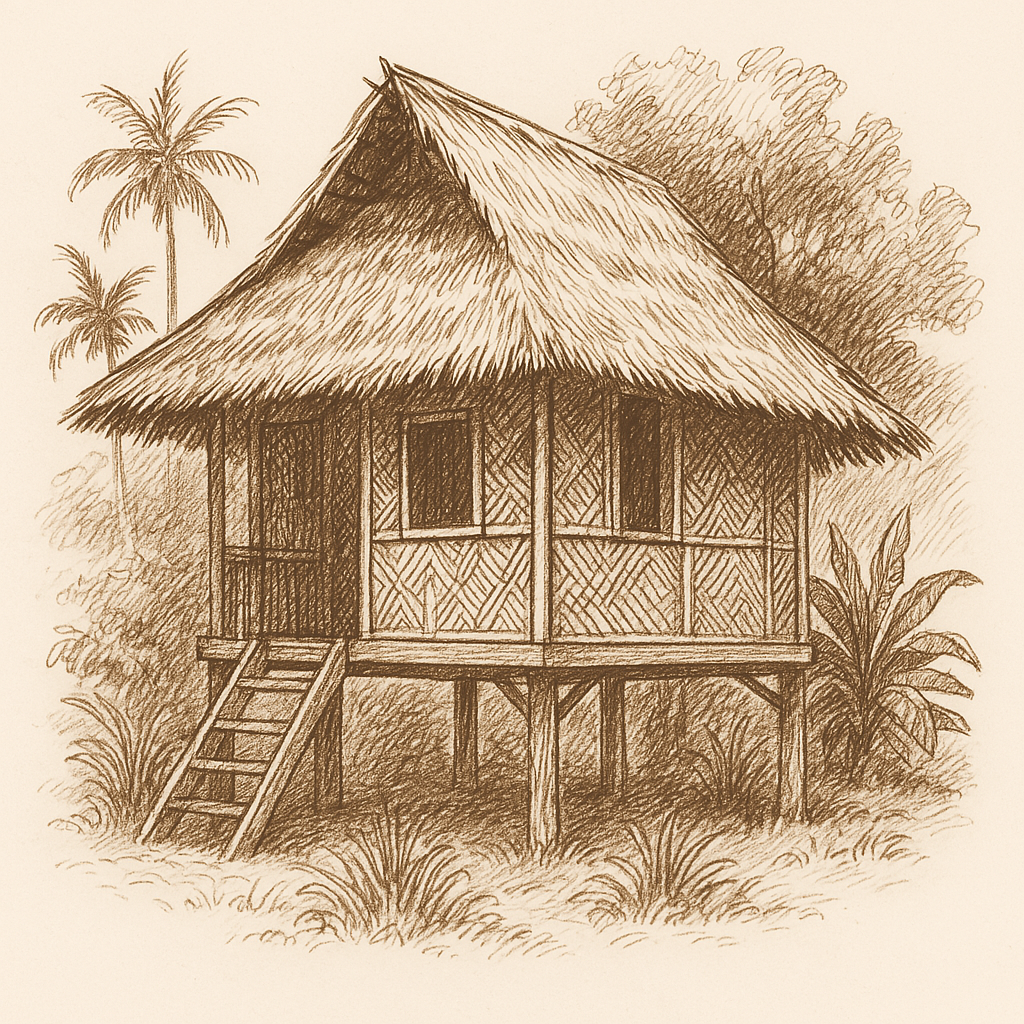
IMAGE: The exterior of a traditional Bahay Kubo, showcasing bamboo walls, a thatched roof, and an elevated design typical of rural Filipino architecture.
What to Learn From, What to Keep, and How to Adapt It
The outside of a Bahay Kubo wasn’t built just to look cute—it had a purpose. Every material and shape helped locals survive extreme heat, rain, floods, and even earthquakes.
What to Focus On:
-
Elevated Floors: Prevents flooding and keeps airflow moving underneath.
-
Steep, Overhanging Roofs: Pushes rain far from the walls and cools the air underneath.
-
Bamboo or Nipa Walls: These breathe naturally and cool you down without AC.
Advantages Today:
-
Great for tropical or humid climates
-
Naturally cool with no electricity needed
-
Budget-friendly materials (if sourced locally)
-
Pest-resistant when done right
Disadvantages:
-
Not made for snowy or very cold climates
-
Needs regular upkeep (especially if using traditional materials)
-
Can be tricky to get building permits in cities
Realistic Modern Adaptations:
-
Use concrete or steel posts but still elevate the structure
-
Replace nipa with engineered bamboo or treated wood for longer life
-
Keep the sloped roof but use modern roofing materials like insulated metal
-
Add hidden gutters and downspouts to avoid leaks while keeping the look
Pro Tip:
If you're in the city, you can still build a “mini Kubo” lanai or outdoor kitchen using the same roofline and bamboo details—it adds style and function.
In Focus
Bahay Kubo Interior Elements
What Makes It Work and How to Bring It into Modern Homes
Step inside a traditional Bahay Kubo and you’ll feel it—it’s airy, open, calm. The genius behind it? Simplicity with purpose. It wasn’t just a room; it was a living, breathing space built around comfort, climate, and community.
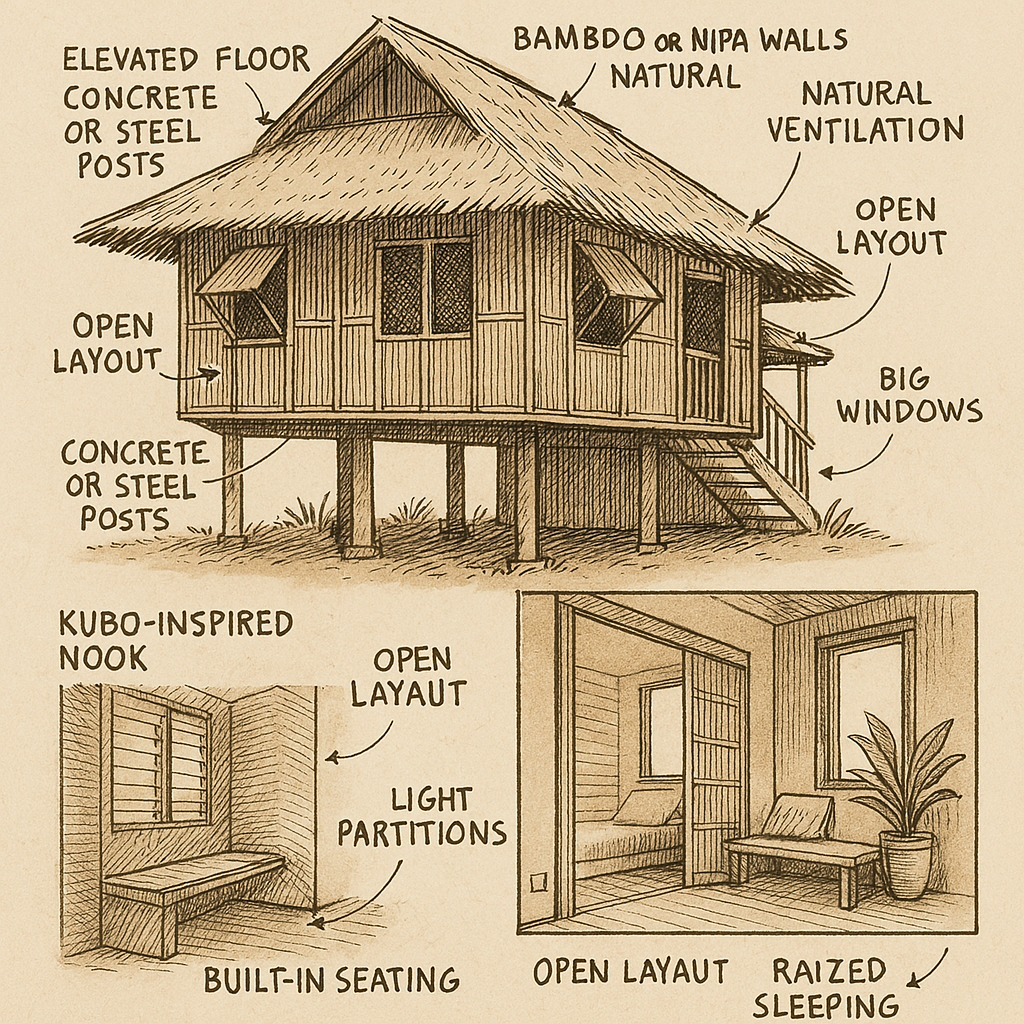
IMAGE: A sepia-toned hand-drawn sketch of a traditional Bahay Kubo, showcasing bamboo walls, a steep thatched roof, and elevated stilts for a tropical design.
What to Focus On:
-
Open Layout: One main room, no heavy walls. Everyone shares the same space.
-
Multi-functional Areas: Eat, sleep, talk—all in the same zone.
-
Raised Sleeping Platforms: Keeps you cool, adds storage underneath.
-
Big Windows & Gaps: Natural air conditioning.
Advantages Today:
-
Open layouts make small homes feel big
-
Easier to clean and maintain
-
Encourages togetherness
-
Amazing airflow and light
Disadvantages:
-
Privacy? Not much. That’s a trade-off.
-
Sound travels easily
-
Harder to control temperature in modern settings without sealing rooms
Realistic Modern Adaptations:
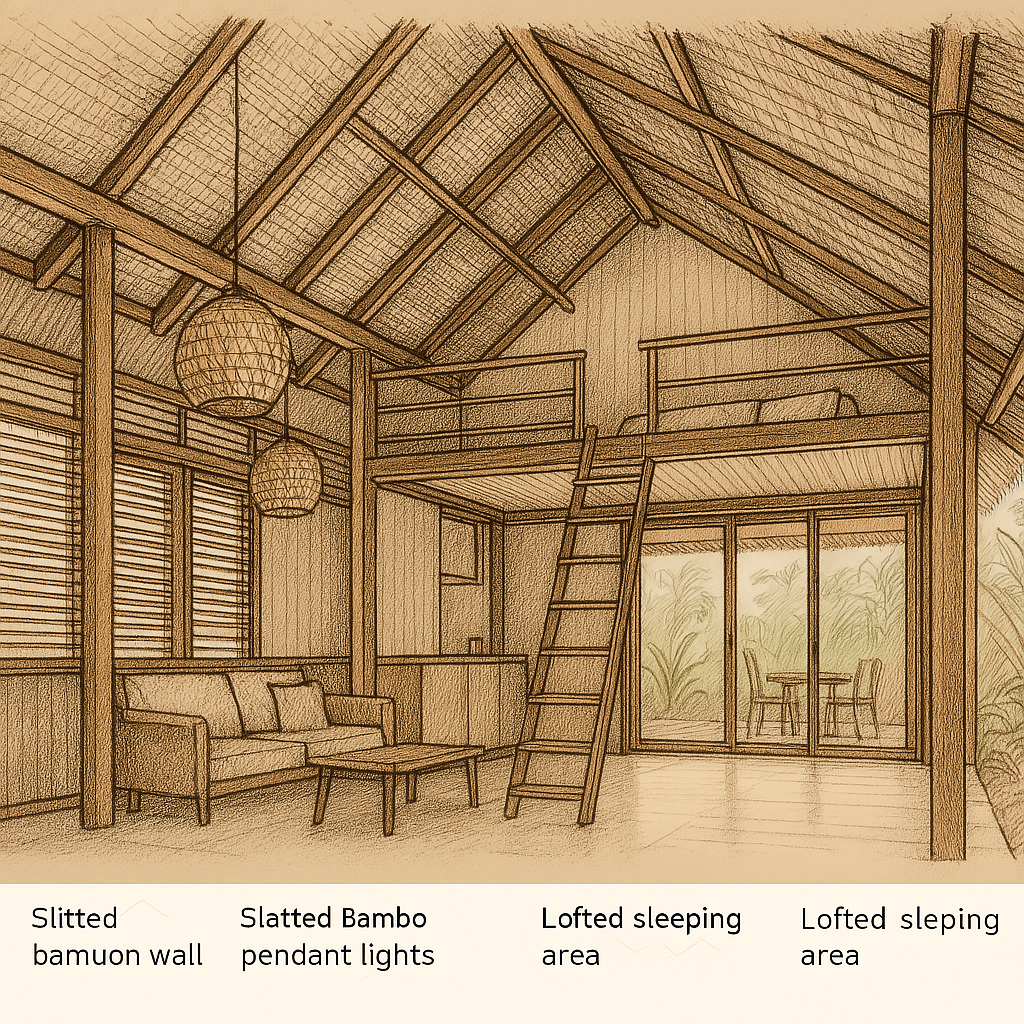
IMAGE: A sepia-toned hand-drawn sketch of a modern-adapted Bahay Kubo interior, blending traditional bamboo walls and nipa roof with contemporary design elements
-
Keep the open core but add light partitions or sliding walls for privacy
-
Use ceiling fans and solar vents for airflow if windows aren’t enough
-
Go for natural materials inside—wood, rattan, light-colored walls
-
Add built-in seating or lofts that double as storage
Pro Tip:
Want the vibe without going full native? Create a Kubo-inspired nook inside your house—a reading space, meditation corner, or sunroom—with wood slats, woven walls, and open air feel.
From Rural Roots to Resort-Style Homes: Bahay Kubo Reimagined
Types of Bahay Kubo: Traditional, Hybrid, and Contemporary
Traditional Bahay Kubo Styles
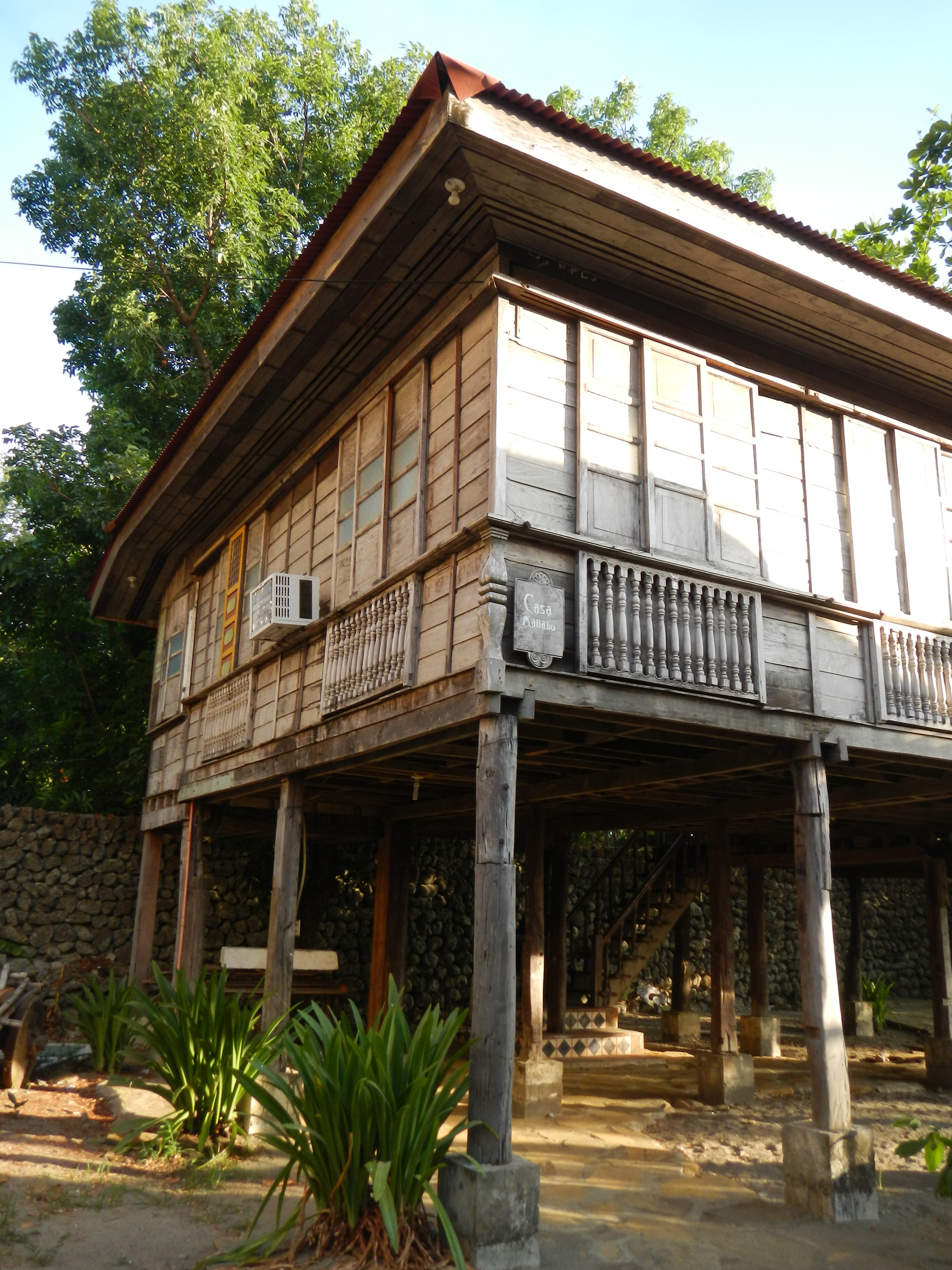
IMAGE: A Bahay Kubo in Las Casas Filipinas, showcasing the fusion of traditional Filipino design with Spanish colonial influences in architecture.
Native Kubo Style
Features:
-
Elevated Structure: Built on stilts to protect against flooding and pests.
-
Natural Materials: Constructed using bamboo for the frame and nipa palm for roofing.
-
Ventilation: Open design promotes airflow, essential in tropical climates. U-Property PH
Example: Commonly found in rural farming communities across Luzon, these homes exemplify sustainable living through the use of readily available materials and climate-responsive design.
Modern Application: Emphasizes sustainable, low-cost housing solutions that are both functional and environmentally friendly.
Nipa Hut Style
Features:
-
Thatched Roofing: Utilizes leaves for roofing, providing natural insulation.
-
Diverse Shapes: Variations include round or octagonal structures in certain regions.
-
Communal Living: Often designed to accommodate multiple families or serve communal purposes.
Example: Predominant in coastal and island communities, offering resilience against the humid and salty environment.
Modern Application: Ideal for eco-resorts and vacation cabins, blending traditional aesthetics with sustainable tourism.
Kubo Bungalow Style
Features:
-
Single-Story Layout: Compact design with a square or rectangular floor plan.
-
Simple Roofing: Features gable or hip roofs, often with minimal ornamentation. Constantin Design and Build+1Lean Urbanism+1
-
Material Integration: Combines traditional materials like bamboo with minimal use of concrete for added stability.
Example: Seen in provinces like Laguna and Batangas, these homes offer practical family living spaces.
Modern Application: Serves as a model for affordable housing projects that prioritize functionality without sacrificing cultural identity.
Bahay Kubo in Modern Architecture: Light, Air, and Local Soul
Modern Takes on Bahay Kubo: How This Native Style Still Inspires
Modern Upgrades Without Losing Soul

IMAGE: Bamboo ladders in the Philippines, typically used in Bahay Kubo homes, highlighting the sustainable and natural building materials of traditional Filipino architecture.
You want upgrades—but not at the cost of killing the vibe. Here's how to do it right:
Plumbing + Ventilation:
Install toilets and showers smartly. Don’t block airflow. Keep one side of the kubo open or breathable.
Electric Wiring:
Run cables behind bamboo or hide them in built-in posts. Don’t tape wires all over the walls.
Concrete Posts with Bamboo Cladding:
You get stability + the native aesthetic.
Floating Staircases:
Looks modern, but keep it simple. A few steel treads, wood finish, nothing flashy.
Solar Lights:
Affordable and easy to maintain. Plus, your kubo glows at night—bonus points for charm.
Modern Bahay Kubo Interpretations

Image: A Bahay Kubo in Bulacan, combining traditional Filipino architecture with modern touches, showcasing the evolution of rural Filipino homes.
Modern Bahay Kubo Style
Features:
-
Material Fusion: Integrates bamboo with contemporary materials such as glass, steel, and concrete.
-
Sustainable Systems: Incorporates rainwater harvesting and is often designed to be solar-ready.
-
Enhanced Comfort: Features insulated yet breathable roofing systems.
Example: Architect Royal Pineda’s tropical pavilions exemplify this style, merging traditional design with modern amenities.
Modern Application: Suitable for farm estates, retreat centers, and residences that seek to combine modern comfort with traditional aesthetics.
Modern Kubo with Pool
Features:
-
Indoor-Outdoor Living: Open lanai areas seamlessly connect with swimming pools and living spaces.
-
Material Contrast: Combines rattan furniture with polished concrete surfaces for a contemporary yet tropical feel.
Example: Popular in vacation homes and high-end Airbnb rentals, offering a luxurious tropical experience.
Modern Application: Perfect for warm climates, promoting an indoor-outdoor lifestyle that embraces nature.
Bahay Kubo with Concrete Base
Features:
-
Elevated Concrete Foundation: Provides protection against termites and moisture, enhancing durability.
-
Hybrid Construction: Combines concrete bases with bamboo or wooden upper structures.
Example: Common in urbanizing areas like Rizal and Cavite, where durability and longevity are prioritized.
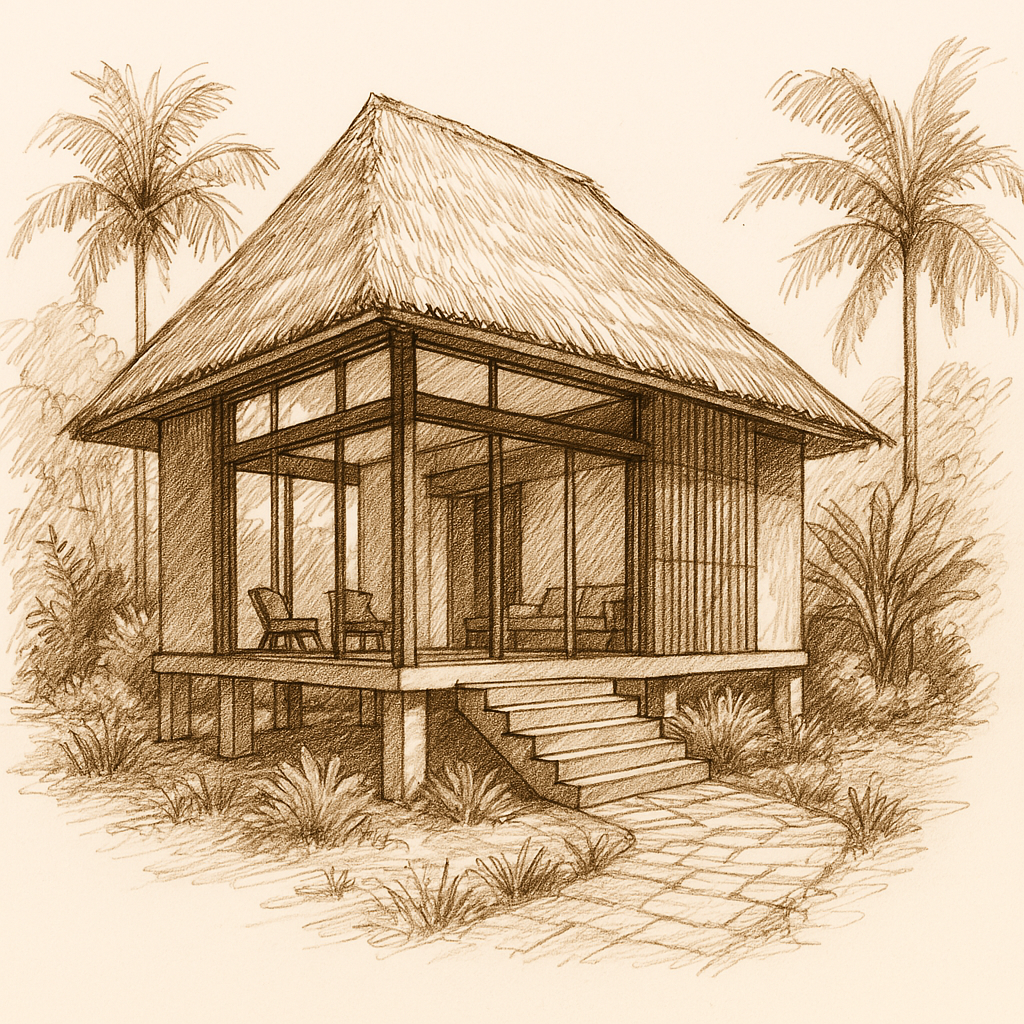
IMAGE: A sketch of a modern hybrid Bahay Kubo, blending traditional bamboo structures with modern materials and design for a unique architectural style.
Modern Application: Offers a balance between traditional design and modern construction techniques, suitable for areas prone to environmental challenges.
Bahay Kubo Inspired Modern Homes
Features:
-
Architectural Homage: Incorporates elements like sloped nipa-style roofs, bamboo wall panels, and carved wooden accents into modern structures.
Example: Eco-resorts and wellness hotels in El Nido showcase this blend, creating serene environments that honor Filipino heritage.
Modern Application: Demonstrates how traditional design elements can be seamlessly integrated into contemporary architecture, enhancing cultural appreciation.
Hybrid & Regional Variations
Simple Kubo Style

IMAGE: The Bayanihan spirit in Bulacan, where community members work together to load a Bahay Kubo onto delivery trucks, demonstrating Filipino tradition of cooperation.
Features:
-
Minimalist Design – Just the basics: a roof over your head, breathable walls, and enough elevation to keep out the flood.
-
Budget-Friendly – Usually built with salvaged wood, bamboo, cogon, or nipa, it’s a common choice for rural families or remote areas.
When to Use:
-
Ideal for mountain farms, emergency shelters, or NGOs looking to build quick and affordable housing.
-
Works great in areas where labor is skilled but resources are limited.
Pro Tip: Stick to light materials for faster construction and better airflow. Avoid overloading it with heavy cement features—it defeats the purpose.
Mistakes to Avoid: Skipping foundation work. Even simple kubos need proper elevation to prevent flood damage and termite infestation.
How Architects Are Reinventing the Bahay Kubo for Today’s Climate
Native Kubo Design with a Twist
Features:
-
Combines local materials with clever upgrades—recycled wood, glass bottle windows, or upcycled furniture.
-
Often includes cogon roofing, carved doors, or indigenous art on the walls.
Where It Shines:
-
Off-grid homes
-
Eco-tourism spots
-
Coastal retreats
Example: A small eco-lodge in Aurora made entirely from typhoon-felled trees, using only hand tools and elbow grease.
Real Tip: Want to go off-grid? Use rainwater tanks and composting toilets. Solar panels on a bamboo roof are totally doable with the right support frame.
How to Build or Commission a Modern Kubo
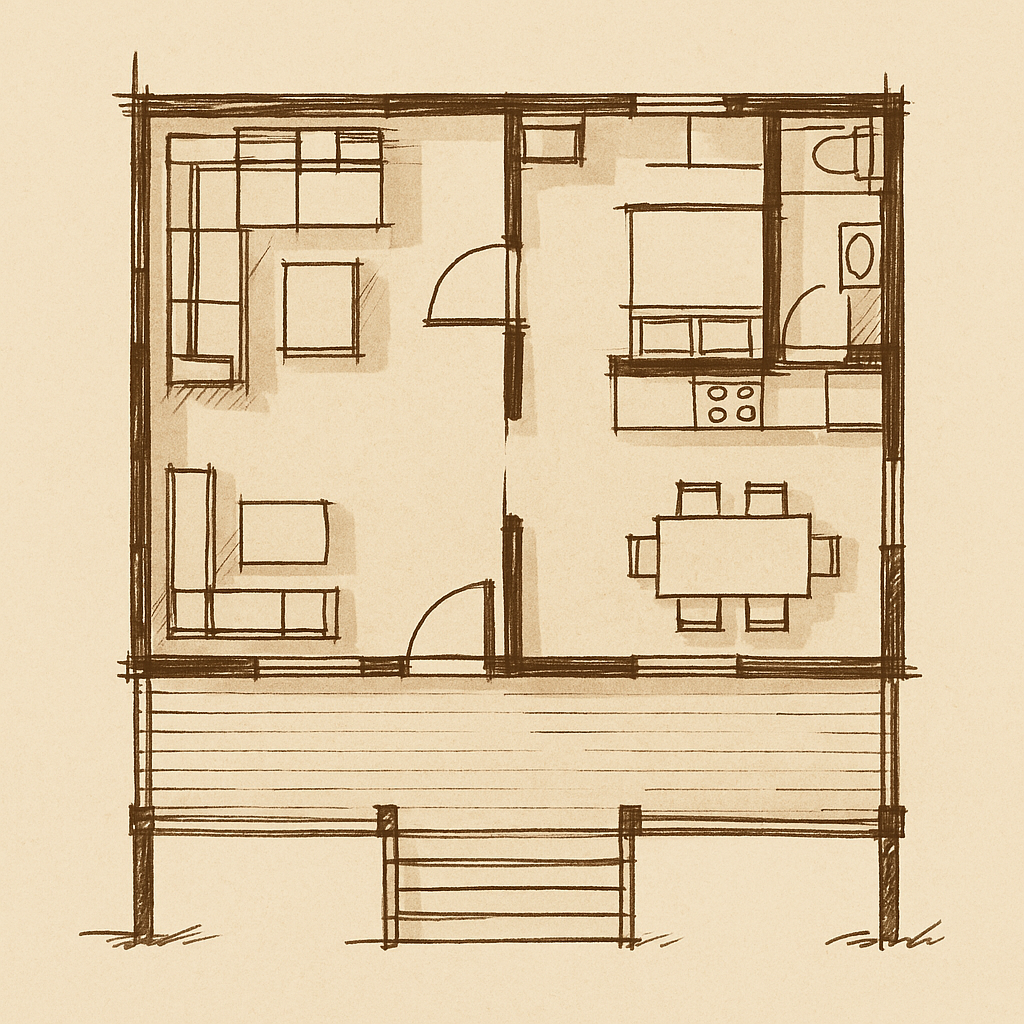
Image: A sepia-toned floor plan sketch of a traditional Bahay Kubo, emphasizing elevated flooring, natural ventilation, and compact living areas.
Here’s your starter checklist:
-
Hire a Local Architect or Design Studio
Preferably someone who’s done native-modern before. -
Work With Craftsmen
Your best bet: teams in Quezon, Cebu, or Mindoro. Many still practice traditional methods. -
Permits?
Yes. Even for a small kubo. Especially in residential or coastal zones. Ask your local barangay office. -
Budget Estimate:
Simple native = ₱100,000–₱300,000
Mid-range modern = ₱500,000–₱1M
High-end + pool = ₱1.5M–₱3M+ -
Where to Source Materials:
Lazada, Shopee = prefab kits
Quezon/Cebu = bamboo and roofing
Ilocos = woven mats and native fabrics
Where to Buy Plans or Prefab Kits
Native Home Builders (Luzon):
Locally owned, culturally rooted, and they even deliver.
Royal Pineda Studio:
Higher end, but great for luxury tropical designs.
Young Design Firms:
Startups in Manila and Cebu are doing modern-nipa hybrids.
Online Options:
Lazada and Shopee prefab kits work if you just want to build a small getaway.
Full Design Tips and Layout Ideas for Bahay Kubo Styles
These are practical and real-world layout tips with lessons learned from actual builds. I’ll break it down style by style, focusing on:
-
Functional layout tips
-
Materials to use
-
Smart ways to blend traditional with modern
-
What not to do (trust me, I’ve seen the mistakes)
Simple Kubo Style – Remote, Budget-Friendly Builds
Layout Ideas
-
Open Floor Plan: No fixed walls inside. One main room for sleeping, cooking, and living. Think of it like a studio.
-
Loft Sleeping Area: Add a small raised sleeping deck (accessible by ladder) to save space and keep cool at night.
-
Outdoor Kitchen: Build a covered cooking area outside to avoid trapping heat.
Design Tips
-
Use pre-cut bamboo panels to speed up building.
-
Elevate the house with at least 1m clearance to allow air circulation and keep pests away.
-
Go for screw-based joinery instead of nails. Easier to repair and more flexible.
-
Keep windows large and opposite each other for cross-ventilation.
Mistakes to Avoid
-
Don’t use thick modern concrete posts without proper planning—it defeats the point of lightness and modularity.
-
Avoid cheap GI sheets on roofs unless properly insulated—these turn the interior into an oven.
Native Kubo Design with a Twist – For Off-Grid or Artistic Living
Layout Ideas
-
T-Shape Floor Plan: Main room in the center, short wings for bath and storage.
-
Add a veranda or deck as a natural transition between inside and outside.
-
Use sliding bamboo partitions to divide space as needed.
Design Tips
-
Reclaimed wood for floors + salvaged metal roofing = stylish and sustainable.
-
Consider rainwater harvesting tanks under the house.
-
Install solar-powered fans or lights – no grid required.
Mistakes to Avoid
-
Don’t over-clutter with modern furniture. Keep things breezy and open.
-
Avoid sealed flooring that doesn’t allow heat to escape—natural bamboo is better.
Bahay Kubo with Concrete Base – Urban Kubo Upgrade
Layout Ideas
-
Concrete base with wooden or bamboo upper walls.
-
2–3 room configuration: bedroom, living area, kitchen.
-
Integrated CR (toilet/shower) inside the house.
Design Tips
-
Use hollow blocks for the base but keep them well-ventilated (vent blocks or high windows).
-
Raise floors with light steel framing + bamboo mat flooring.
-
Install ceiling fans instead of AC to stay cool naturally.
Mistakes to Avoid
-
Don’t seal off too much airflow; even concrete kubos need to breathe.
-
Avoid mismatching modern tiles or industrial doors—stick to local craftsmanship where possible.
Modern Bahay Kubo with Pool – For Tropical Vacations or Airbnbs
Layout Ideas
-
Large open-plan interior: lanai + kitchen + dining + sleeping.
-
Full-length glass sliding doors to the pool deck.
-
Add a daybed nook or a hammock zone.
Design Tips
-
Use concrete or steel structure for durability.
-
Combine nipa-style roofing with waterproof membrane underneath.
-
Choose low-maintenance landscaping like bamboo, palms, or river stones.
Mistakes to Avoid
-
Don’t go full-on modern without any nod to local design—it loses the kubo essence.
-
Watch out for slippery pool tiles; pick textured outdoor tile or pebbled flooring.
General Pro Design Tips for All Kubo Styles
Layout Planning
-
Face the main windows east or south for soft, natural lighting.
-
Always consider wind direction when placing openings — it keeps interiors cool.
-
Separate wet and dry zones (e.g., kitchen and CR far from sleeping areas).
Fonts & Presentation (for Students and Architects)
-
Font for Labels: Lato, Open Sans, or Roboto — clear, modern, readable.
-
Font Size:
-
Titles: 18–22 pt
-
Body: 10–12 pt
-
Labels: 8–10 pt
-
-
Best Software: SketchUp (for modeling), Layout or InDesign (for boards), Photoshop (for render polish)
Graphics
-
Use black & white diagrams for clarity when explaining form and layout.
-
Save realistic renders for final presentation boards.
-
Combination Boards (section + floor plan + moodboard) work best.
Is the Bahay Kubo Design Good for North America?
Short answer: Yes — with some smart adjustments.
The traditional Bahay Kubo is built for hot, humid climates like the Philippines. But with the right tweaks, it can absolutely work in places like the U.S. or Canada.
What Works Well in North America:
-
Cross Ventilation – Perfect for warmer U.S. states like Florida, Texas, or California.
-
Elevated Floors – Great for flood-prone areas or places with heavy rainfall.
-
Natural Materials – Eco-conscious and trendy in green home movements.
-
Indoor-Outdoor Living – Fits in beautifully with modern patio and lanai culture.
What Needs Adjusting:
-
Insulation – The open-air setup of a native Kubo doesn’t work in cold regions. You’ll need proper insulation and sealed windows.
-
Structural Reinforcement – Snow loads? Earthquakes? Local building codes? These require extra framing and engineering.
-
Material Sourcing – Bamboo and nipa aren't always easy to find in North America. Consider sustainable alternatives like engineered wood or treated local lumber.
Real Use Case:
A Kubo-style vacation cabin in British Columbia replaced nipa with cedar shingles, insulated the roof and floors, and added a wood-burning stove. Still breezy in the summer—warm in the winter.
Bahay Kubo vs. Tiny House Movement: What’s the Difference?
They might look similar at first—but the philosophy and function are pretty different.
| Feature | Bahay Kubo | Tiny House |
|---|---|---|
| Materials | Bamboo, nipa, palm wood | Plywood, metal, trailer framing |
| Structure | Raised on stilts, open underfloor | Built on trailers or foundation |
| Ventilation | Passive airflow, open windows | Sealed with mechanical HVAC |
| Philosophy | Simplicity and harmony with nature | Minimalism, downsizing, mobility |
| Setting | Rural, tropical, eco-resorts | Urban lots, backyards, mobile |
| Living Style | Seasonal or part-time living | Full-time modern compact living |
Which One Is Better?
Choose Bahay Kubo style if:
-
You want a low-cost, breezy vacation home or eco-cabin.
-
You live in a warm climate and prefer natural ventilation.
-
You value traditional, cultural, or tropical aesthetics.
Choose a Tiny House if:
-
You want a mobile home or legal full-time tiny residence.
-
You need insulation and heating for cold weather.
-
You prefer modern amenities and multi-purpose furniture.
Real Life Examples in the Philippines

Image: A Nipa Hut in Magdalena, Laguna, Philippines, highlighting traditional Filipino architecture and natural building materials.
Let’s talk real places you can visit (or stay in) that use Bahay Kubo principles well:
Banaue (Ifugao):
Terraced native homes with steep roofs and woven wall panels.
Siargao:
Kubo-surfer-chic rentals that blend palm huts with modern bathrooms and patios.
Palawan Wellness Retreats:
Full-on spa resorts using native materials, sliding bamboo walls, and even treehouse-style kubos.
Nueva Ecija Farm Estates:
Some use high-tech tools (like smart sensors) inside simple kubo forms.
Who said native can’t be smart?
Bonus Tip: Regional Influences You Might Not Know
-
Ilocos – Stone bases under bamboo walls for typhoon resistance.
-
Visayas – Rounded or octagonal layouts for wind deflection.
-
Mindanao – Muslim-influenced details: colored carvings, elevated entrances with ceremonial value.
Final Thoughts
The best Bahay Kubo designs keep it light, open, and connected to the land.
So, whether you’re working with bamboo and nipa or concrete and glass, the core principle remains the same: design with respect to climate, materials, and lifestyle.
Key Takeaways
- A Bahay Kubo isn’t a trend. It’s a timeless design rooted in climate, culture, and community.
- You can mix modern tools with native wisdom—just don’t lose the airflow, the lightness, and the purpose.
- Building or designing one can be affordable, meaningful, and beautiful—and whether it’s your home, Airbnb, or farm getaway, it can truly feel like yours.
In-Focus
Sustainable Design Principles of the Bahay Kubo
The Bahay Kubo, or Nipa Hut, stands as a testament to indigenous Filipino architecture that harmoniously blends with the environment. Its design embodies sustainability through:
-
Use of Indigenous Materials: Constructed primarily from readily available resources like bamboo, nipa palm leaves, and cogon grass, the Bahay Kubo minimizes environmental impact and supports local economies.
-
Climate-Responsive Architecture: The structure's elevated stilts protect against flooding and pests, while the steeply pitched roof facilitates efficient rainwater runoff and promotes natural ventilation, keeping interiors cool in the tropical climate.
-
Flexible and Open Floor Plan: Featuring minimal interior walls, the Bahay Kubo fosters communal living and allows for adaptable use of space, enhancing airflow and natural lighting.
-
Elevated Flooring (Silong): The raised design not only safeguards against floods but also provides a versatile space underneath for storage or raising livestock, exemplifying efficient use of space.
-
Natural Cooling Mechanisms: Large windows and breathable materials facilitate cross-ventilation, reducing the need for artificial cooling systems and promoting energy efficiency.
These principles not only reflect the ingenuity of early Filipino builders but also offer valuable insights for contemporary sustainable architecture.
FAQ
Q1: What materials are commonly used in building a Bahay Kubo?
A: Traditional Bahay Kubo structures utilize materials such as bamboo for the framework and walls, and nipa palm leaves for roofing. These materials are chosen for their abundance, sustainability, and suitability to the tropical climate.
Q2: Why is the Bahay Kubo built on stilts?
A: The stilted design elevates the living area, protecting inhabitants from flooding and deterring pests. Additionally, the space beneath the house, known as the silong, can be used for storage or as a sheltered workspace.
Q3: How does the Bahay Kubo's design contribute to natural cooling?
A: The combination of large windows, elevated flooring, and the use of lightweight, breathable materials facilitates cross-ventilation. This design allows cool air to circulate freely, maintaining a comfortable indoor temperature without the need for mechanical cooling systems.
Q4: Is the Bahay Kubo design still relevant in modern architecture?
A: Absolutely. The sustainable and climate-responsive features of the Bahay Kubo continue to inspire modern architectural designs, especially those focused on eco-friendly and resilient building practices. Contemporary interpretations often integrate traditional elements with modern materials and technologies.
Q5: Can the Bahay Kubo withstand natural disasters?
A: Traditional Bahay Kubo structures are designed to be lightweight and flexible, allowing them to withstand strong winds and earthquakes better than rigid constructions. However, their resilience to natural disasters can vary based on construction quality and material integrity.