
Choosing the Best Ecofriendly Roof: Solar, Cool, Green, and Metal
If your roof just keeps the rain out, it’s already behind. Roofs can now cut power bills, cool entire buildings, or grow a patch of habitat above your head.
I’ve watched clients go from fighting $400 summer bills to laughing at $120 once the right roof went on. Others sank money into a “green” option that failed fast because nobody told them the upkeep it needed.
Ecofriendly roofing isn’t a fad. It’s a tool. Done right, it pays itself back and actually makes the house perform better. Done wrong, it’s just expensive decoration.
Solar, Cool, and Green Roofs Explained: Which Ecofriendly Roof Saves You Money
The sales pitch never mentions what really breaks these roofs. Solar panels bolted onto a tired deck with no thought for structure. A reflective “cool roof” slapped down in a northern climate where it actually raised heating bills. Green roofs promised as maintenance-free, then left to dry out and die.
I’ve walked on all of them, and I’ve had to tell more than one homeowner that their “eco upgrade” was now a liability.
The truth is simple: ecofriendly roofing works only if you pick the system that matches your climate, budget, and willingness to maintain it.
Expert Insights: What Actually Holds Up
I’ve been pitched every “next big thing” in eco roofing. Solar shingles that promise to blend in. Reflective paint sold as a miracle coating. Grass rooftops in climates where you’re lucky to keep a lawn alive. Even “miracle” recycled panels that suppliers swear will last forever. Some hold up. Some collapse under their own hype.
Solar roofing
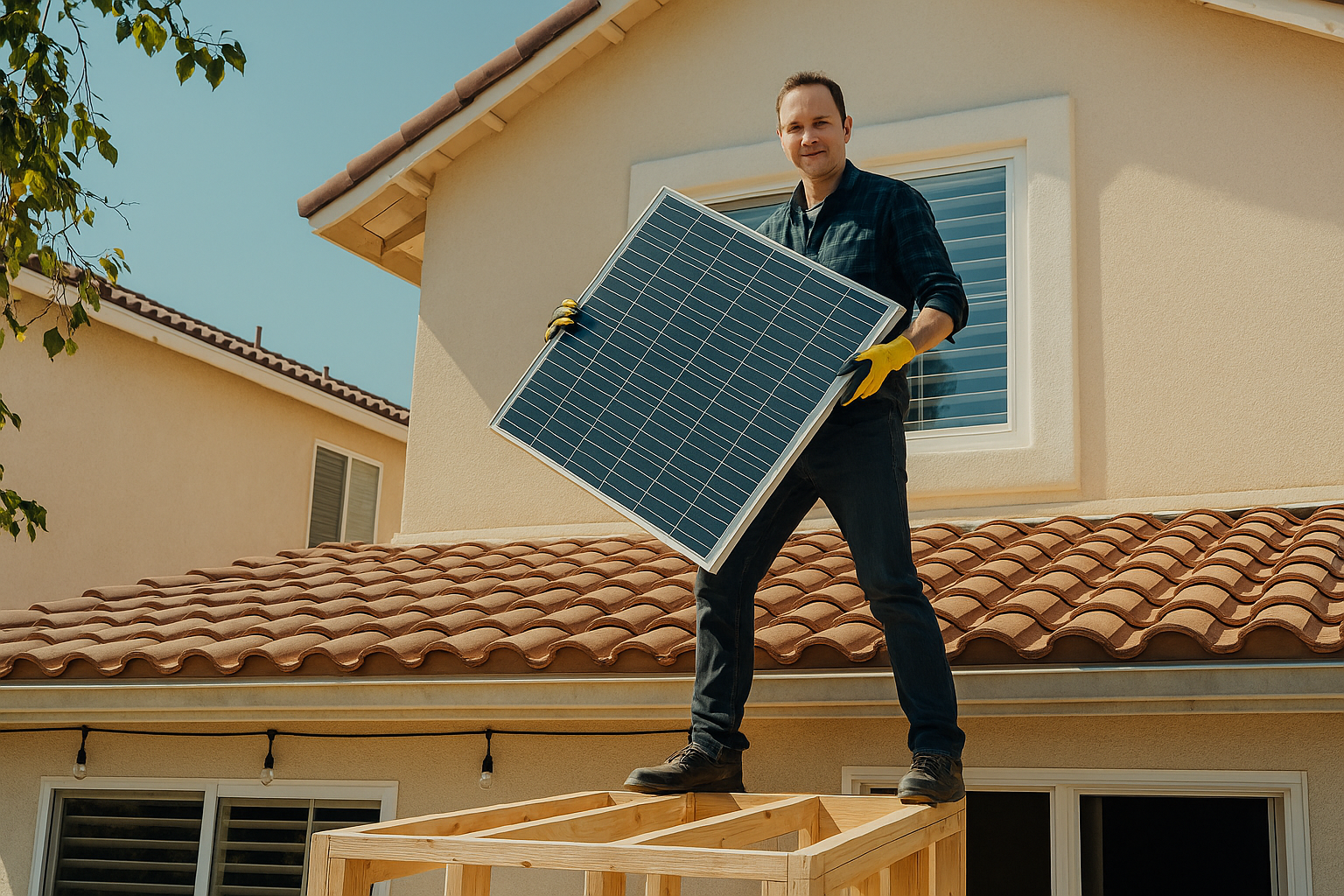
Shingles look sleek, but heat buildup cuts efficiency. Panels still beat them on output and lifespan. The biggest trap is when a crew installs them on a 15-year-old roof. Within a few years, the roof fails, and you’re paying twice to tear off shingles and remount the system. Rule one: replace or reinforce the roof before solar.
Cool roofs
They shine in hot climates. In Phoenix or Houston, reflectivity cuts attic temps and trims cooling bills by 10–20%. In Minneapolis? That same reflectivity means higher heating bills and unhappy owners. They aren’t universal. They’re climate-specific tools.
Green roofs
Two flavors: extensive (light, shallow, low-maintenance) and intensive (deep soil, heavy, irrigation required). The fail point is always waterproofing. Skip or undersize that layer and you’re basically growing mold in your ceiling.
Recycled and metal roofing
Recycled shingles and plastics can last — if the supplier is solid. Some curl in a decade. Metal is still king. I’ve pulled off 30-year-old standing seam that looked ready for another 20. Hail dents it, but dents don’t leak. Three cycles of asphalt will fail before that metal quits.
Real Experiences From Clients and Jobs
California solar family
They wanted sleek solar shingles. We cut their summer electric bills by 40%. But before install, we had to sister rafters because the deck was too weak. Without reinforcement, they’d have had sagging and cracked shingles in two years. That extra $4k in structural work saved them from a nightmare.
Chicago green school
A public school installed a green roof. Cooling loads inside dropped by a quarter. Teachers noticed rooms stayed comfortable in summer. But the school board also had to add $15k a year for irrigation and maintenance. Twice the upkeep of a standard roof.
Texas metal homeowner
He almost walked away from a $40k standing-seam bid. Said it was crazy money. Five years later, he brags it’s “the last roof I’ll ever buy.” He also loves that a heavy Texas rain doesn’t drum loud — it just slides off quietly. That “comfort factor” is something people forget to factor in.
Minnesota cool roof flop
A developer pitched cool roofs in his rentals. Tenants hated it. The reflective roofs cut cooling costs slightly in summer, but winters were brutal. Heating bills climbed. He ended up with angry tenants and higher turnover. Wrong product for the climate.
Mistakes I Keep Seeing
-
Solar bolted on sagging or rotted sheathing. Panels outlive shingles. You pay twice.
-
Cool roofs sold in cold climates. They save in hot zones, they lose in the north.
-
Green roofs with no irrigation. Two summers in, the “meadow” is dust.
-
“Maintenance-free” pitches. Every roof needs care, even metal.
-
Waterproofing shortcuts. Under sod, under solar racks, under coatings — that’s where failures start.
You might like: Replacing Roof Sheathing: Cost, Materials, and the Step-By-Step Process Pros Use
What It Took: Real Costs and Trade-offs
-
Solar roofs: $18k–$30k on an average home. Worth it only if the deck is sound and new. Tax credits shave costs but don’t save a weak roof.
-
Green roofs: $15–$35 per square foot installed. Add irrigation, drainage, and upkeep every year.
-
Cool roofs: Roughly 10–15% more than asphalt. Payoff only in hot climates through lower AC bills.
-
Metal roofs: Double the asphalt price upfront. Lifespan is 3–5x longer. I’ve seen 50-year metal still solid.
-
Recycled shingles: Prices swing. Sometimes cheaper, sometimes boutique. Always check supply chain and warranty.
Pro Tips That Save Money
-
Always install solar on a new roof. Don’t pay twice.
-
Green roofs are engineering projects. Get load calcs, drainage, and waterproofing signed off.
-
In hot zones, radiant barrier sheathing under metal saves more than coatings.
-
Ask for tax credit paperwork before you sign any solar or cool roof contract.
How to Apply (Scenarios)
-
Hot climates: Cool roof or metal with radiant barrier.
-
Urban builds: Green roofs help with stormwater and heat islands.
-
Suburban homes: Solar + metal is the long-term winner.
-
DIY outbuildings: Recycled shingles or a reflective coating for cheap insulation.
Career Paths in Eco Roofing
-
Architects: Designing assemblies with solar and green roofs.
-
Sustainability consultants: Steering clients through rebates and code.
-
Urban planners: Weaving eco roofs into zoning and stormwater policy.
-
Renewable energy specialists: Solar design and grid tie-ins.
-
Green building engineers: Scaling systems for commercial and civic projects.
Bottom Line From the Field
Ecofriendly roofs aren’t one-size-fits-all. Solar pays only if the structure under it is new. Cool roofs can backfire in cold zones. Green roofs look stunning but demand ongoing care. Metal and recycled options stretch longevity, but costs vary.
The smartest projects always start the same way: check the structure, run the math, and match the product to the climate. The homeowners who skip those steps? They’re the ones calling me back in five years asking why their “maintenance-free” miracle failed.
FAQs
These are the real questions I get most about ecofriendly roofs. Click a section, then expand any question for the blunt answer.