
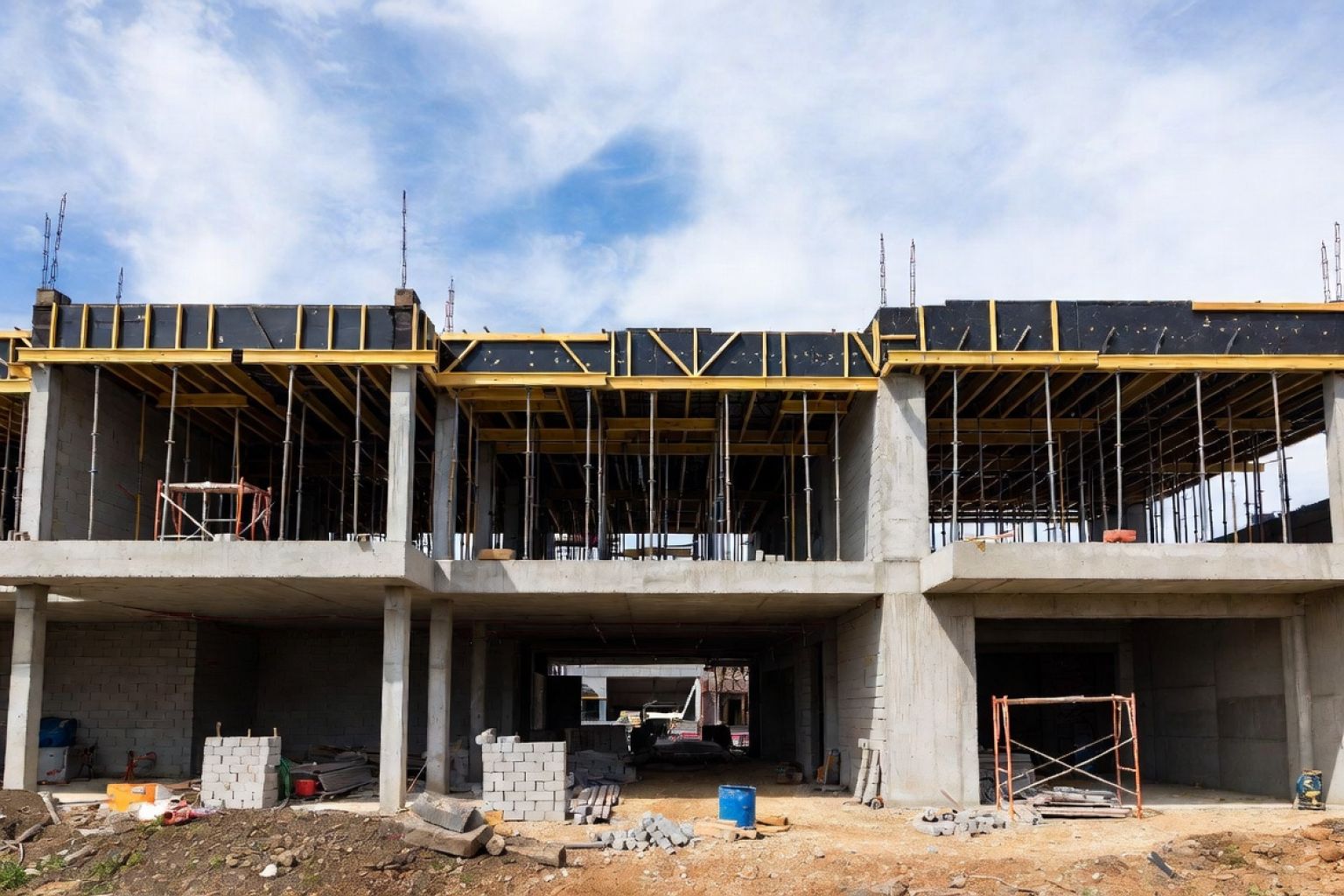
Project management is the big umbrella. Construction management is where that umbrella gets dragged through a jobsite.
A construction manager still has to control scope, schedule, cost, risk, and communication. The difference is that the work is tied to real site conditions: trades arriving out of order, late submittals, missing inspections, long-lead materials, safety rules, field changes, payment pressure, and a building that has to be handed over cleanly.
Use this page as the main path through the construction-management cluster: what the role covers, where jobs start drifting, and which detailed guide to read next when the problem is planning, workflow, scheduling, quality, cost, or delivery method.
What This Page Covers
- What project management and construction management each control
- Where preconstruction ends and field execution begins
- How workflow, scheduling, quality, and inspection connect
- How delivery methods such as CMAR fit into the larger process
- Which construction-management guide to read next based on the problem in front of you
Project Management vs Construction Management
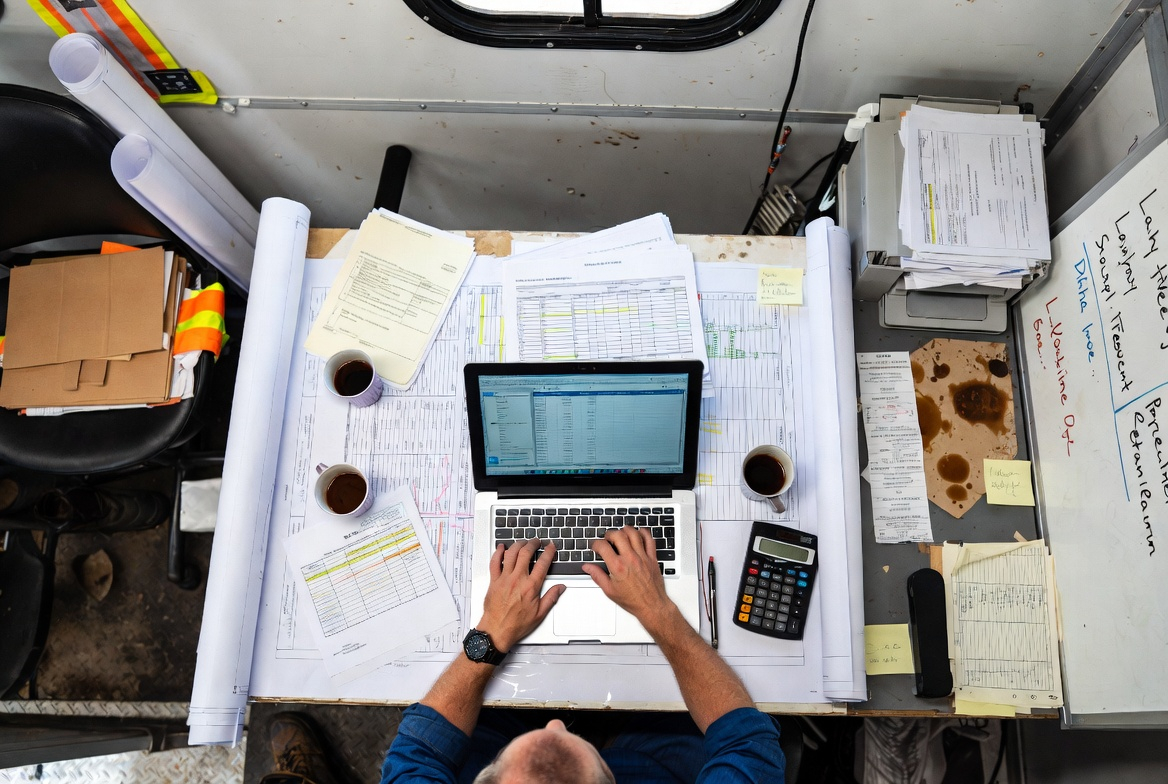
Project management is the broader discipline. It applies to software, manufacturing, events, research, business operations, and many other kinds of work. Construction management is narrower and rougher. It deals with the same management problems, but the answers have to survive contact with drawings, trades, weather, materials, inspections, owners, consultants, and the site itself.
That difference matters. A weak workflow becomes late submittals. A weak schedule becomes stacked trades and missed inspections. A weak procurement decision becomes the wrong product sitting in the field when the crew needs the right one.
| Area | Project Management | Construction Management |
|---|---|---|
| Main focus | Planning and delivering a project to scope, cost, and time goals | Delivering a construction project through design, procurement, field execution, and closeout |
| Typical issues | Governance, stakeholders, risk, process, reporting | Site conditions, sequencing, quality, subcontractors, inspections, procurement, safety |
| Where it gets tested | Meetings, approvals, budgeting, scheduling, and delivery controls | Field readiness, work release, material flow, trade coordination, inspections, and handover |
| Best use here | Broad management context | The main subject of this page |
Start With the Main Construction Management Path
The cleanest route is to understand the project path first, then the controls underneath it.
| Read This | Use It For | Best Time to Read It |
|---|---|---|
| Construction Project Development | Understanding the full path from idea to closeout | When the project is still being defined or packaged |
| Preconstruction Planning | Scope setup, approvals, long leads, logistics, and early risk | Before procurement or field release starts |
| Preconstruction Steps You Need to Know | A simpler sequence view of the preconstruction stage | When you want the planning steps broken down directly |
| Construction Project Management Workflow | How approvals, submittals, procurement, and field release move through a live job | When the project is active and the issue is coordination |
| Construction Planning and Scheduling | Logic, sequence, look-aheads, trade stacking, and short-horizon control | When the schedule exists but the site still feels loose |
What Goes Wrong First
Most construction jobs do not drift because nobody worked hard. They drift because the order of operations was weak.
- The project moved forward before scope was clear.
- The schedule was built before the real constraints were tested.
- Procurement and field readiness became separate conversations.
- Quality checks and inspections were treated like late paperwork.
- The handoff between office planning and field execution stayed loose too long.
Strong construction managers are not only “good with people.” They hold sequence, responsibility, timing, and information together while the job gets more complicated.
Do This Instead
| Do This | Instead of This | Why It Works Better |
|---|---|---|
| Lock the preconstruction path before the site gets busy | Assume the field will sort out what planning left vague | Field fixes are usually slower and more expensive |
| Use the workflow and schedule together | Treat approvals, procurement, and schedule as separate systems | Jobs drift when information and timing stop matching |
| Build inspection and quality into the work sequence | Let the site race ahead and deal with checks later | Rework is one of the fastest ways to lose money and time |
| Choose the delivery method that matches project certainty | Force a procurement route that does not fit the design maturity | Bad delivery fit creates bad pricing and bad expectations |
Key Construction Management Topics
Project development and preconstruction
This is where the project gets honest. Feasibility, scope definition, budget logic, approvals, and procurement strategy start here. If the early structure is weak, the rest of the project spends months paying for it.
Read next: Construction Project Development and Preconstruction Planning.
Workflow and information control
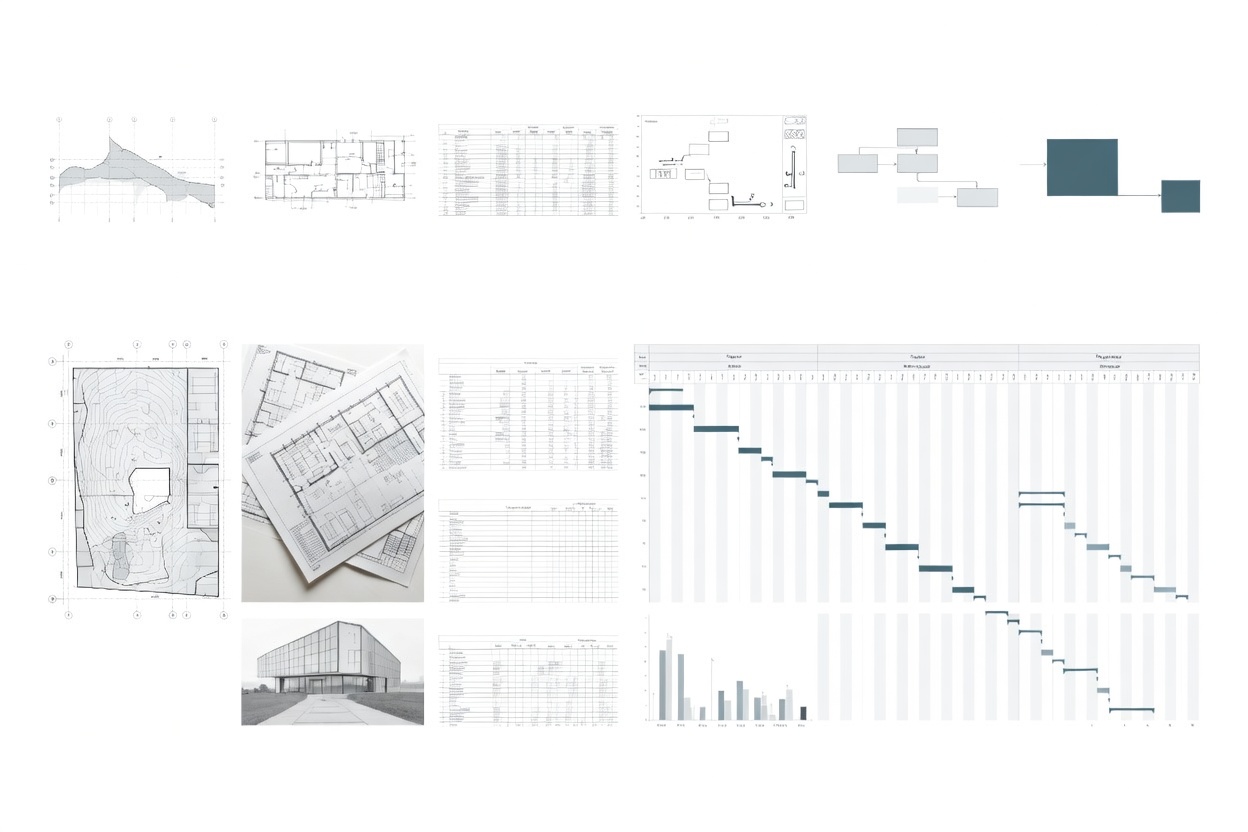
Workflow tells the job how information moves. Who reviews submittals. Who answers RFIs. How procurement ties into installation. How closeout gets tracked. How the field knows what is actually ready.
This is one of the first places a live project shows whether it is being managed cleanly or just kept busy.
Read next: Construction Project Management Workflow.
Planning and scheduling
A schedule file is not schedule control. Good planning depends on logic, look-aheads, readiness, procurement timing, and realistic overlap between trades.
Weak scheduling usually shows up as stacked trades, late material decisions, missed inspections, and false confidence.
Read next: Construction Planning and Scheduling.
Quality and inspection
Quality management is not only checking finished work. It is making sure work is released cleanly, inspected at the right point, and not buried before the right people see it.
Inspection flow belongs inside the method of the job, not at the edge of it.
Read next: Construction Quality Management and Construction Inspection Process.
Cost and commercial control
Cost trouble rarely starts the day a project goes over budget. It starts earlier, when scope grows faster than cost checks, procurement pressure is priced too lightly, or changes move before the commercial paperwork catches up.
Read next: Cost Control in Construction.
Delivery method: CMAR
Construction Manager at Risk is one delivery route, not a synonym for all construction management. It is used when early contractor input, pricing, and a guaranteed maximum price structure need to be part of the project setup.
Read next: Construction Manager at Risk (CMAR).
Use This When / Avoid This When
| Page | Use This When | Avoid This When |
|---|---|---|
| Construction Project Development | You need the full project path from concept to closeout | You only need a field-only scheduling answer |
| Preconstruction Planning | You are setting up scope, approvals, logistics, and early risk | The project is already deep into live field coordination |
| Construction Project Management Workflow | The issue is information flow, approvals, procurement, and release | You only want a delivery-method comparison |
| Construction Planning and Scheduling | The problem is sequence, readiness, and timeline control | You are trying to understand the entire development process first |
| Construction Quality Management | The site is active and the concern is workmanship and control | The issue is still mostly early packaging and design-stage risk |
What To Do Next
Construction Project Development is the right next read if the project is still being defined and the question is how the whole chain fits together.
Preconstruction Planning is the better next read if the project is real and the setup needs to be right before procurement and field release.
Construction Project Management Workflow is the next move if the job is active and the issue is information, approvals, and release.
Construction Management FAQs is useful when you need quick answers across several construction-management topics before reading the longer guides.
FAQ
What is the difference between project management and construction management?
Project management is the broader discipline of planning, organizing, and delivering work. Construction management is the building-specific version, with added focus on field coordination, procurement, inspections, safety, quality, and handover.
What should I read first if I am new to construction management?
Start with Construction Project Development, then move into Preconstruction Planning and Construction Project Management Workflow. That order makes the cluster easier to follow.
Where does scheduling fit into construction management?
Scheduling sits underneath planning and workflow. It turns decisions, approvals, procurement, and site sequence into time. It works best when tied to readiness and field reality instead of treated like a decorative file.
What is the biggest mistake construction managers make early?
Letting the project move before the early planning, scope, approvals, and workflow are clear enough to support the next stage. Most later problems start there.
Is CMAR the same thing as general construction management?
No. CMAR is one delivery method. Construction management is the wider discipline around planning, coordination, procurement, cost, quality, safety, and delivery.